Should I use a loaf pan or a sheet pan?
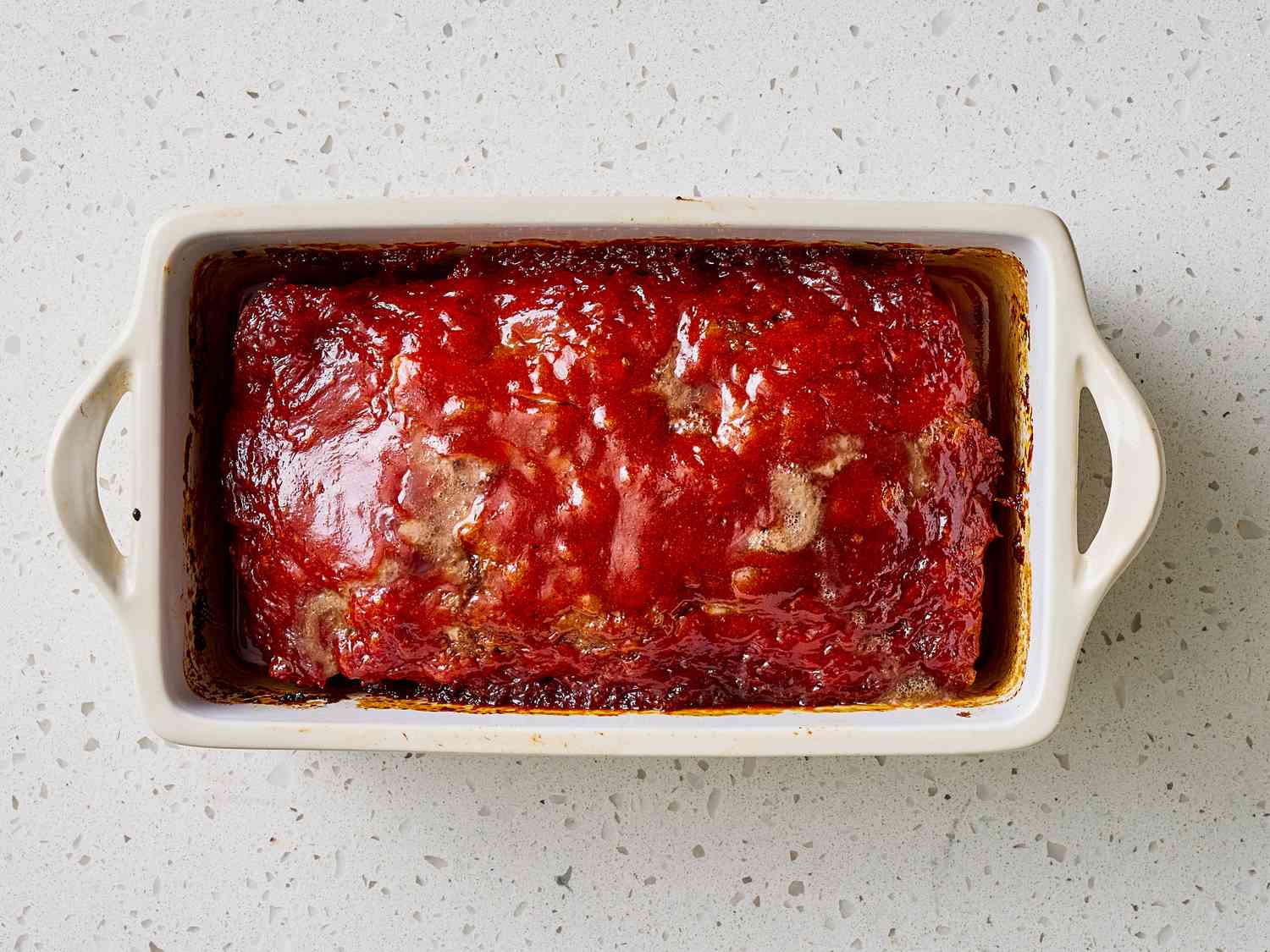
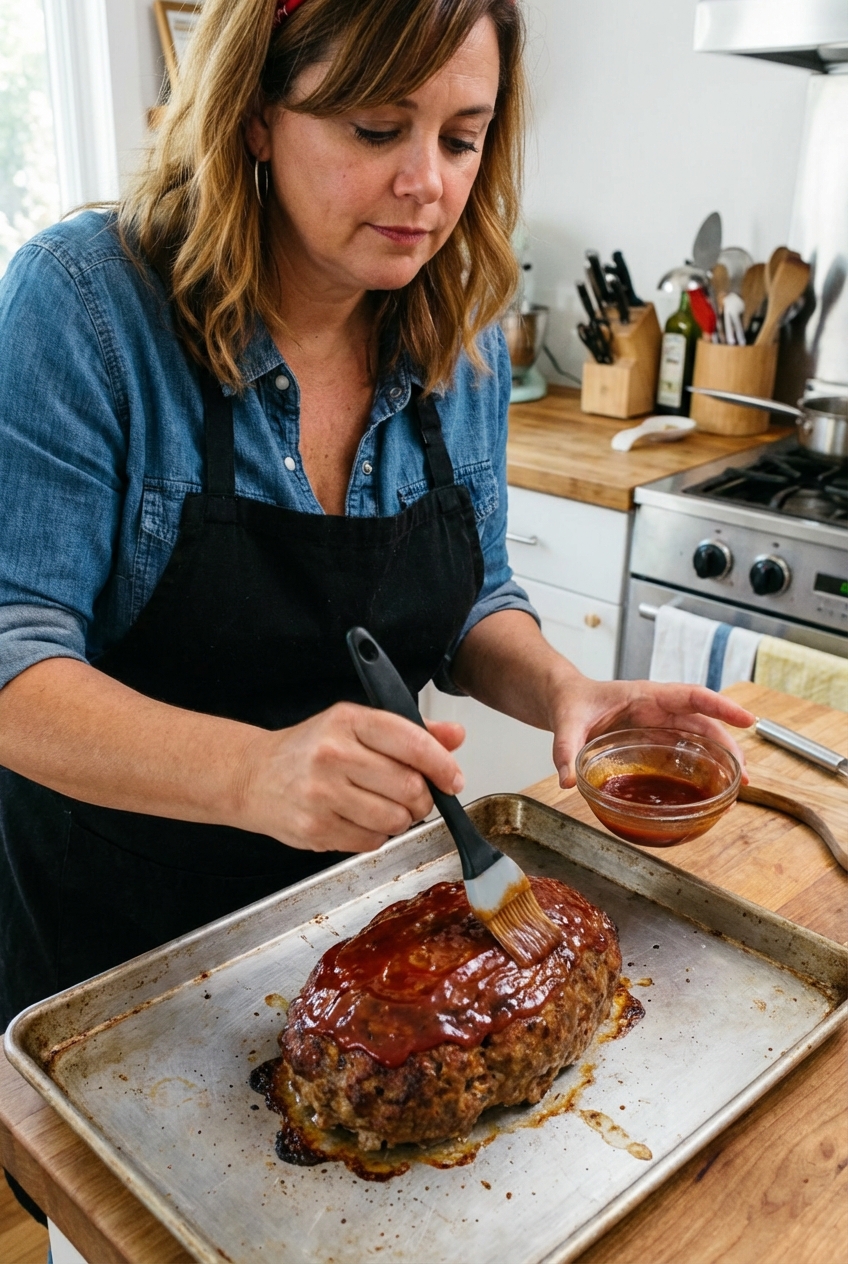
I vote sheet pan for better browning and less greasy steaming. For even better drainage, set the loaf on a wire rack on top of the sheet pan. No rack? Shape the loaf on a foil-lined sheet and crimp up the foil edges a bit to create a little “moat” for the rendered fat. If you prefer a loaf pan, drain excess fat halfway through baking and be ready for softer sides.
What meat is best for traditional meatloaf?
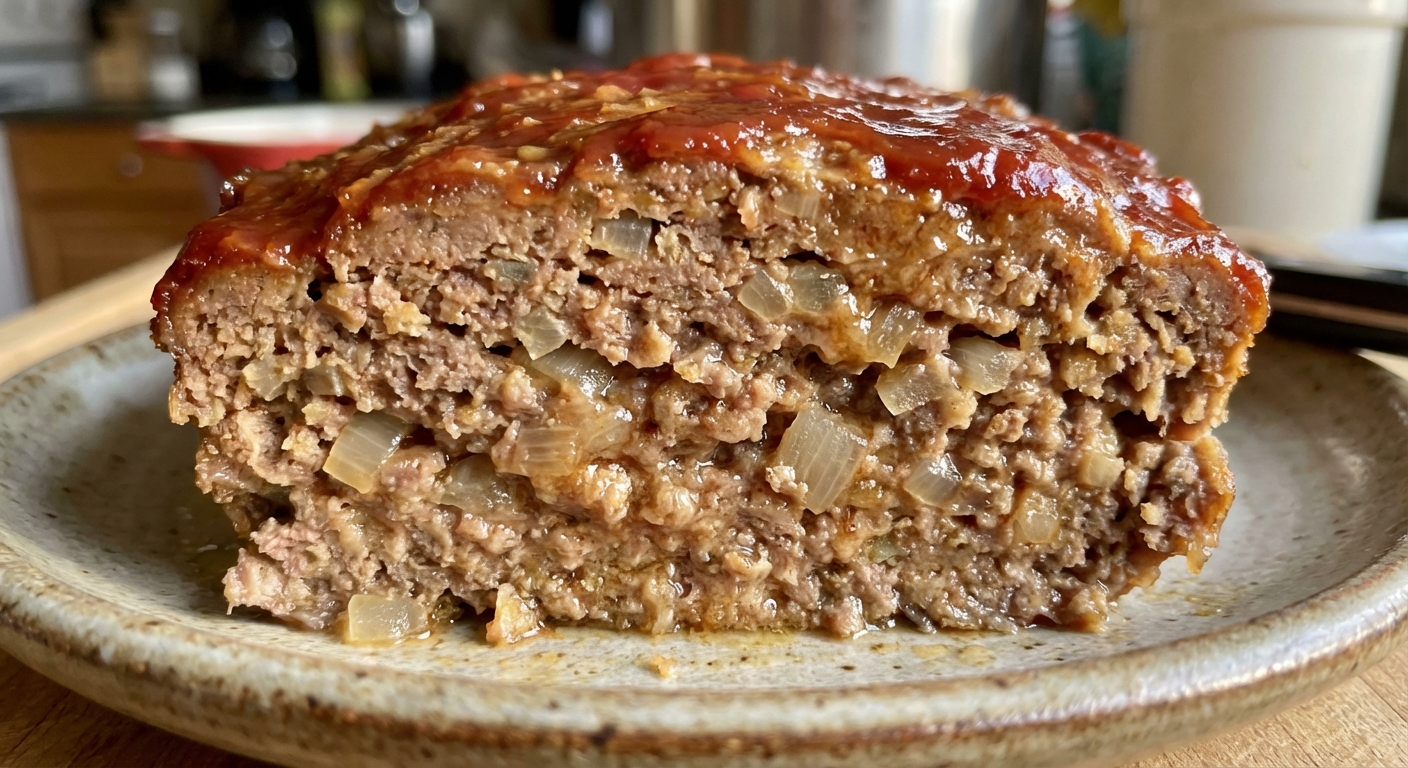
A mix is king. 80/20 ground beef gives flavor and moisture, and pork adds tenderness. If you only want beef, stick with 80/20 and do not go super lean.
Why did my meatloaf fall apart?
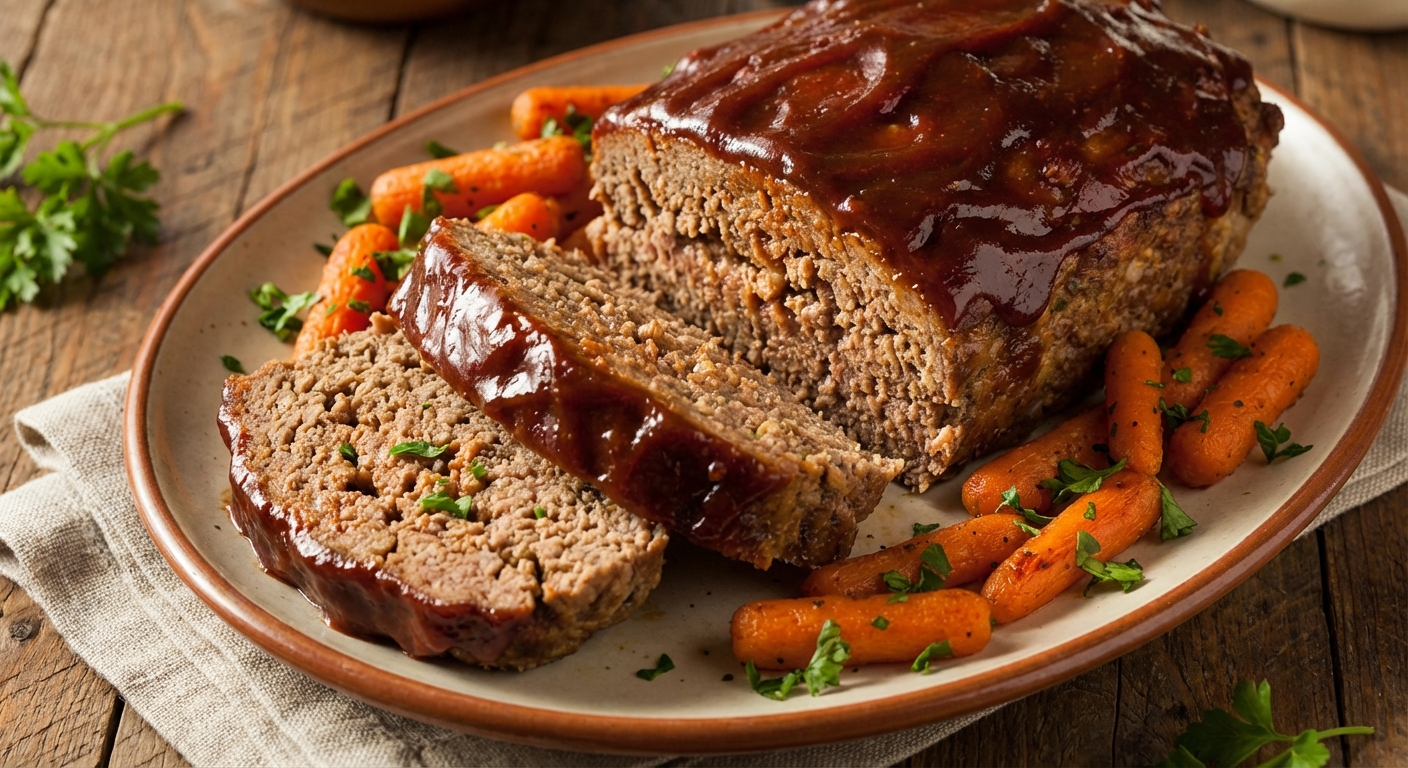
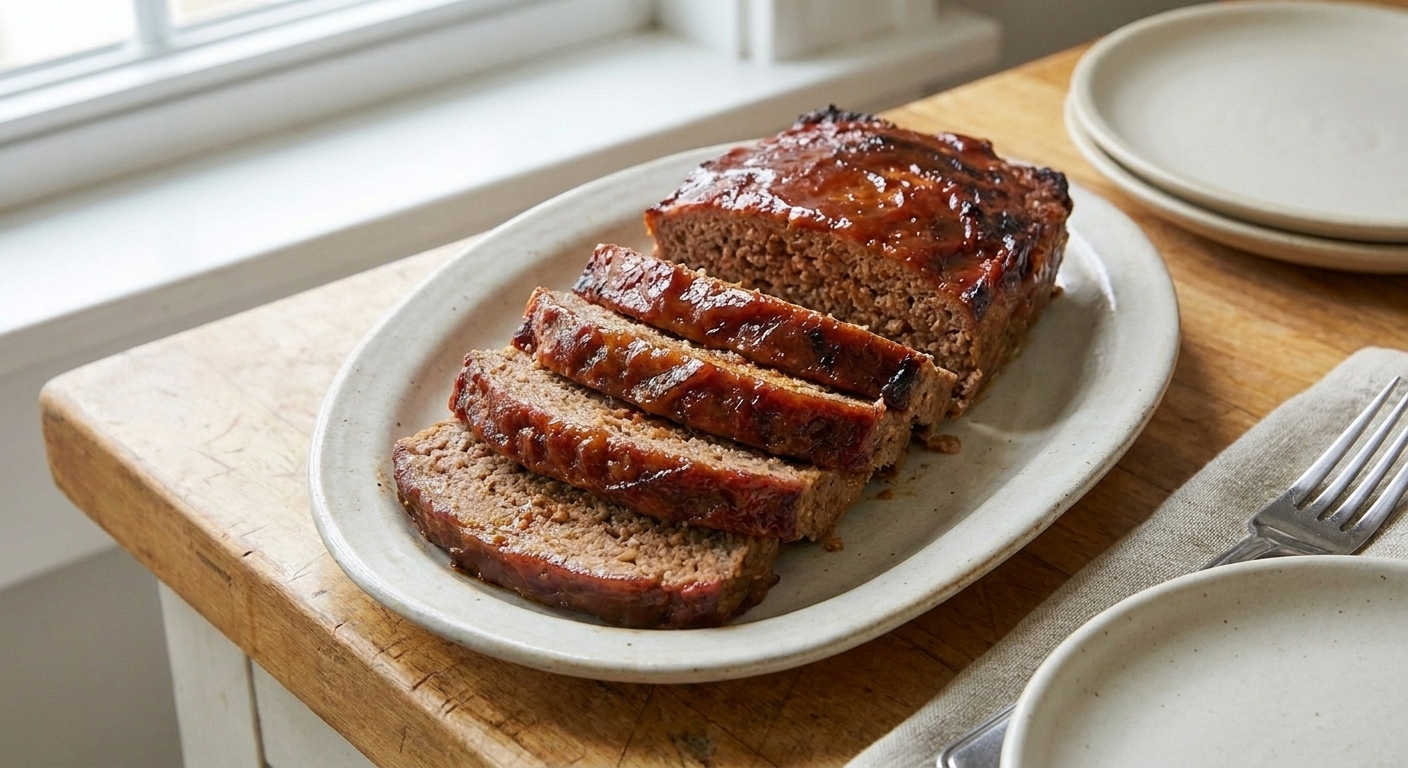
Usually one of these: not enough binder (eggs or breadcrumbs), skipping the rest time, or cutting it hot. Let it rest 10 to 15 minutes before slicing so it can set.
How do I know it is done without drying it out?
Use an instant-read thermometer and make sure you hit the center of the loaf. Pull it at 160°F for a classic, safe finish. If you like it a touch juicier and you are comfortable with your thermometer accuracy, you can pull at 155 to 158°F and let carryover heat bring it home as it rests.
Does loaf size change cook time?
Yes. The recipe is written for a loaf around 9 by 5 inches. A thicker, taller loaf will take longer. Trust the thermometer over the clock.
Can I make it ahead?
Yes. Shape the loaf and mix the glaze up to 24 hours ahead. Refrigerate covered. Bake when ready, adding 5 to 10 minutes if it is going in cold.
What breadcrumbs should I use? Can I swap the milk?
Plain fine breadcrumbs give a classic, tight slice. Panko works too and makes it a little lighter. For the milk, you can use half-and-half or even broth in a pinch.