Mom's Best Recipes
Recipe

Bread Dipping Oil

A cozy, punchy olive oil dip with garlic, herbs, parmesan, and a touch of heat. Perfect for warm bread, pasta nights, and snacky dinners.

Author By Matt Campbell
4.8
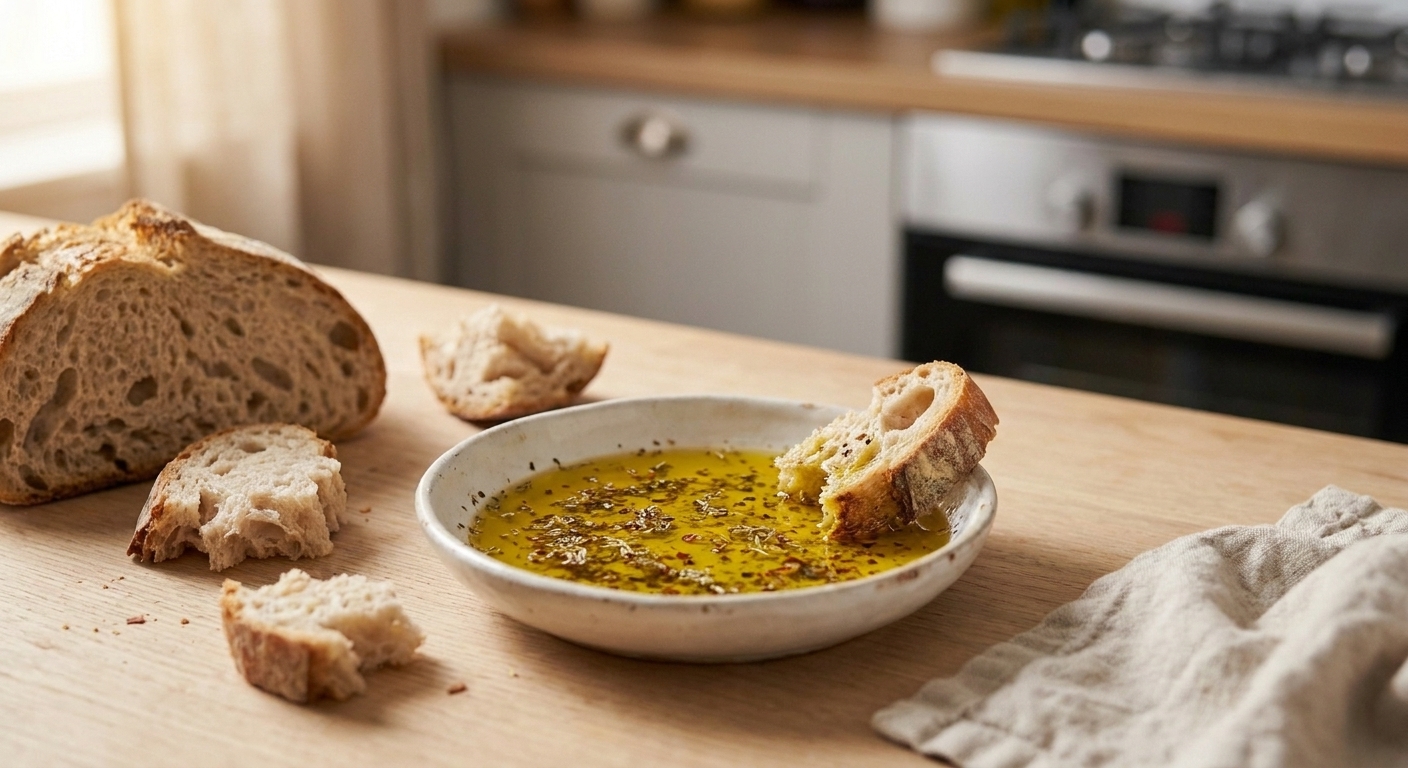
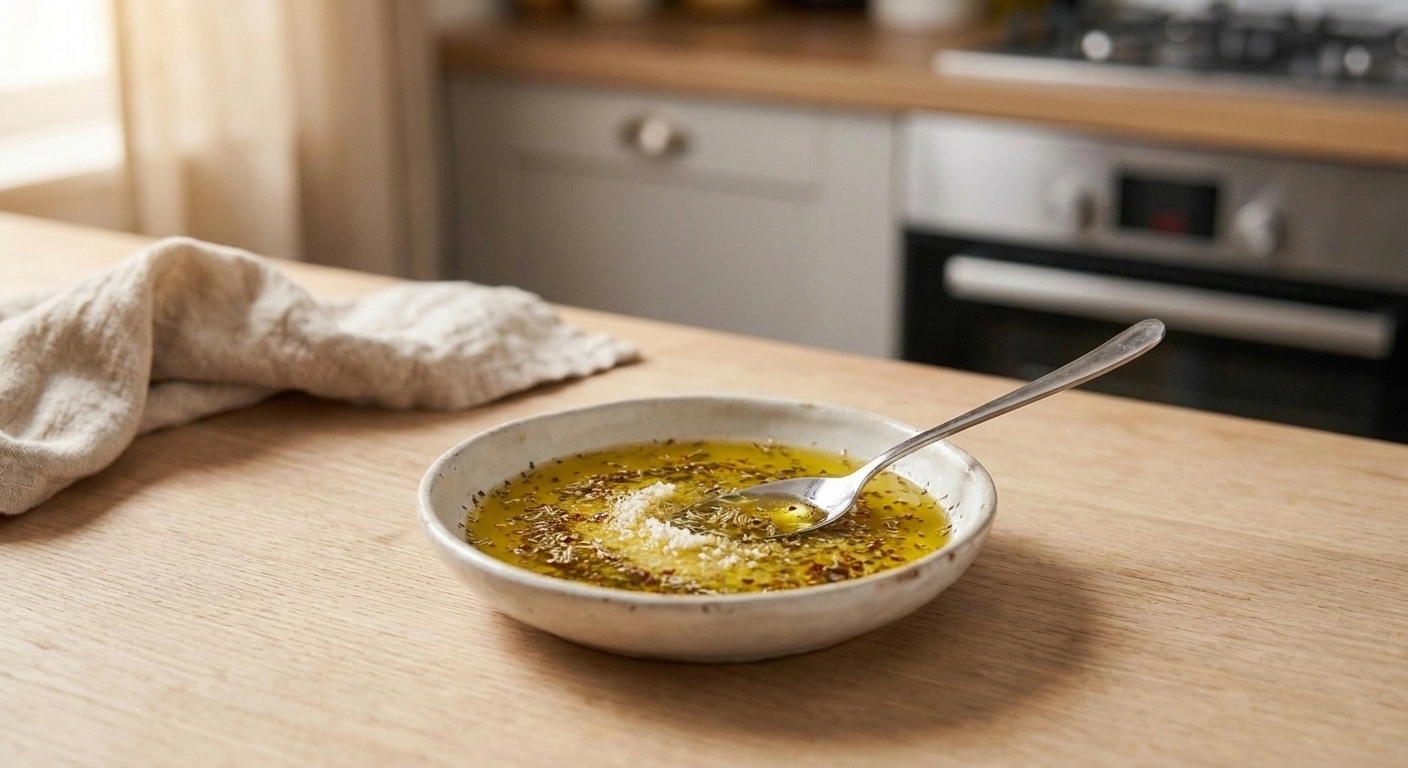
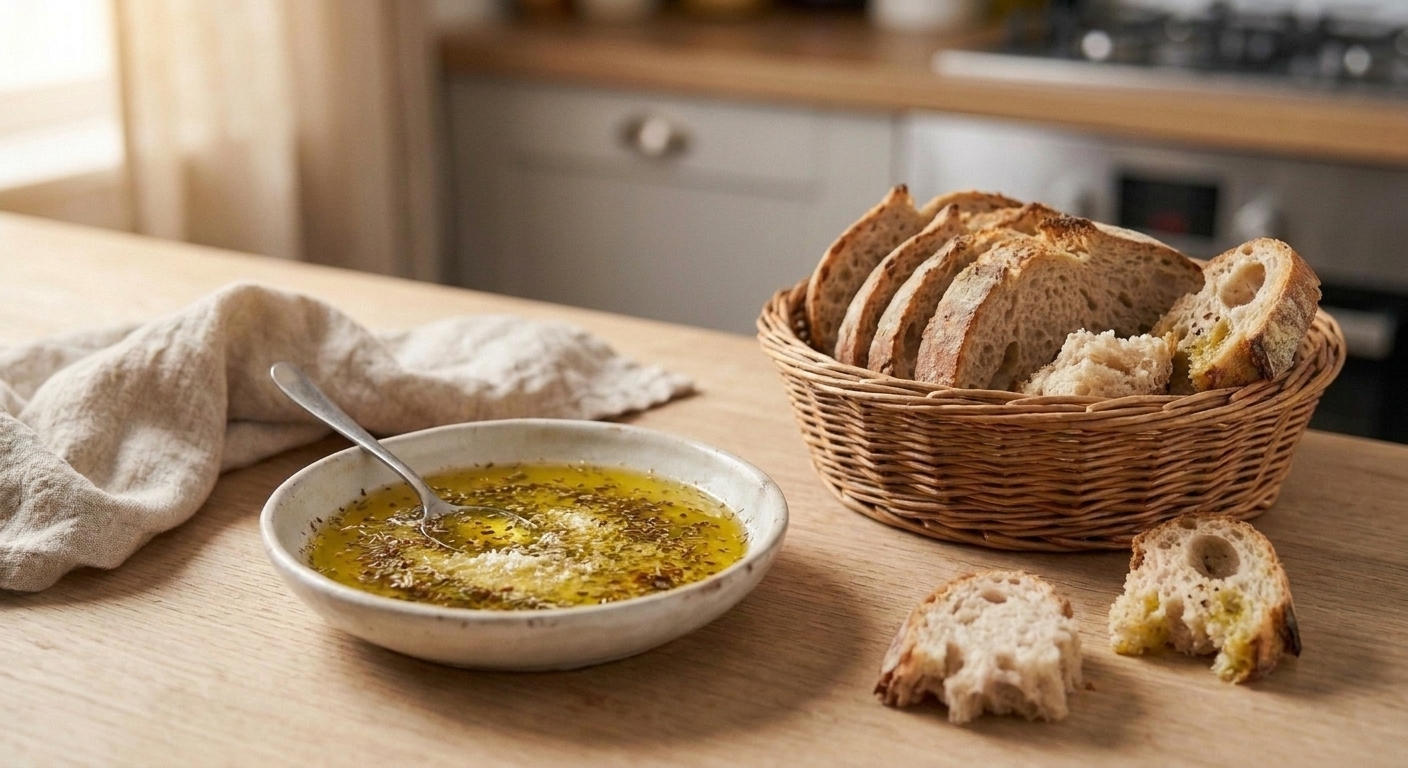
A shallow white bowl of herb-flecked olive oil dipping sauce on a wooden table with torn crusty bread nearby, warm kitchen lighting

If you have a loaf of crusty bread and a bottle of decent olive oil, you are already most of the way to the kind of pre-dinner snack that makes everyone suddenly very chatty. This bread dipping oil is my go-to when I want restaurant energy at home without actually doing restaurant work.

It is garlicky, herb-forward, and just spicy enough to keep you reaching back in. The parmesan gives it that salty, savory pause mid-bite moment, and the little splash of acid keeps everything bright so it does not taste flat or greasy.

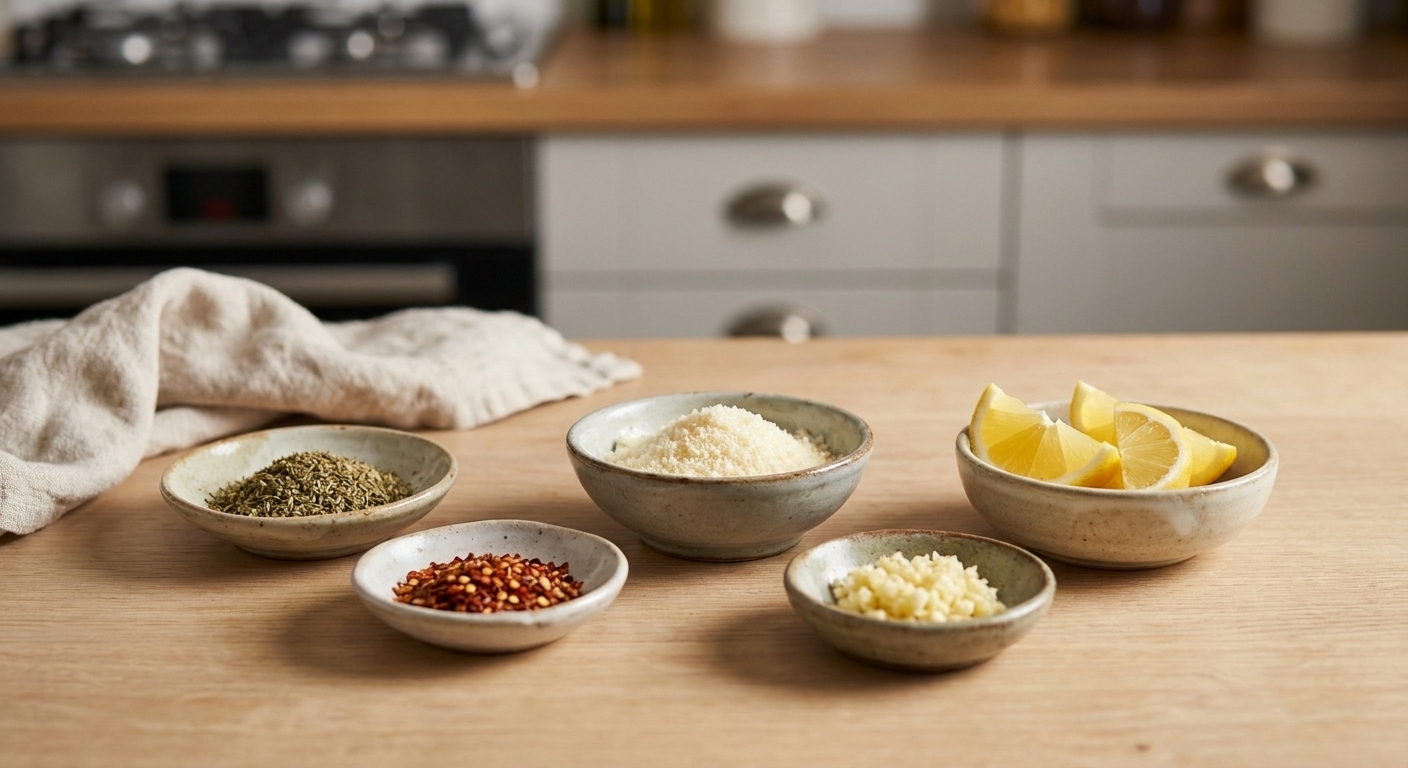
Small bowls of dried Italian herbs, red pepper flakes, grated parmesan, minced garlic, and lemon wedges arranged on a light kitchen counter

Why It Works

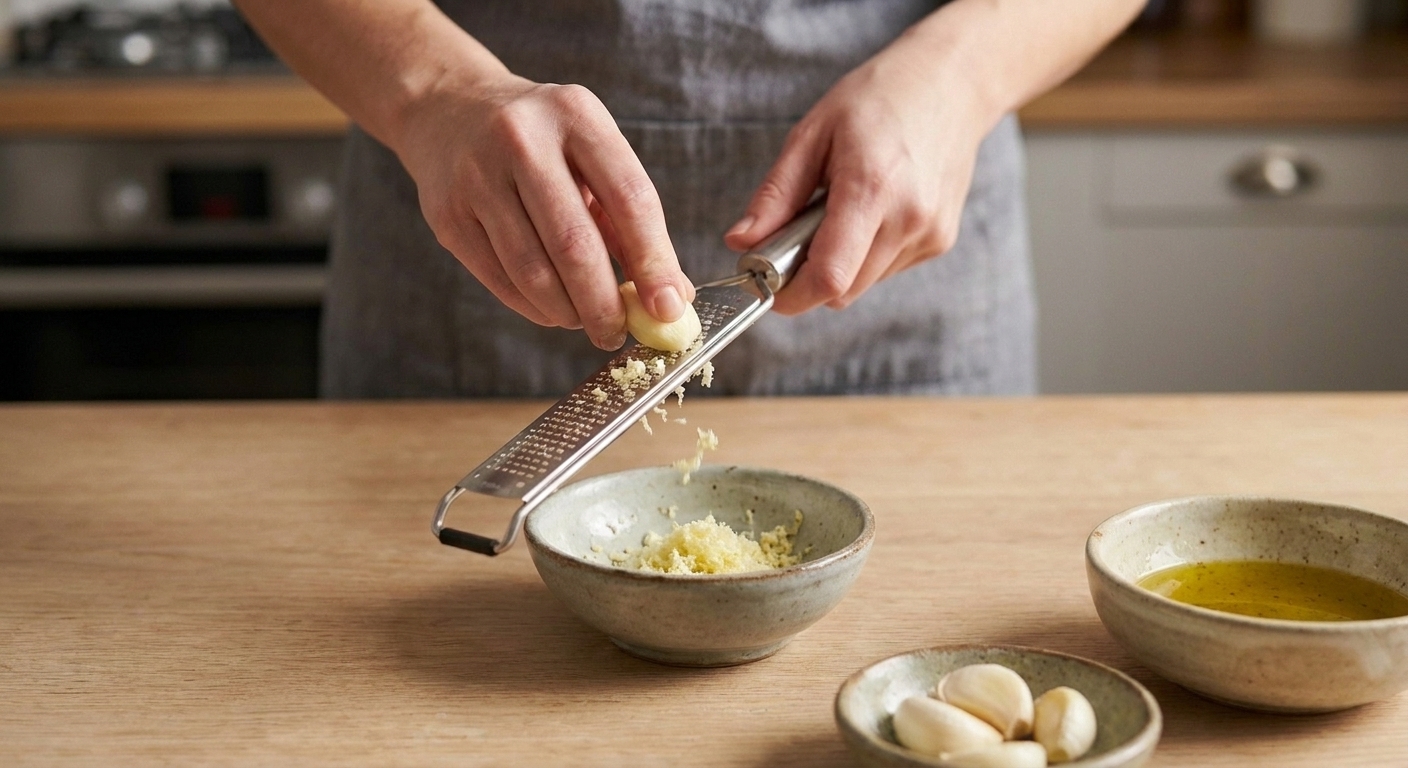
This recipe builds big flavor fast by blooming the garlic and spices gently in warm olive oil, then balancing it with a pop of lemon and a snowfall of parmesan.

  • Bold flavor, minimal effort: You mix it in one bowl and it tastes like you tried harder than you did.
  • Customizable heat and herbs: Make it mellow for kids or crank it for spice lovers.
  • Better texture: Lightly warming the oil softens the raw edge of garlic and helps the herbs wake up.
  • More than a dip: Spoon it over roasted veggies, pasta, grilled chicken, or beans.

Easy add-ins: Try a pinch of smoked paprika, a spoonful of chopped olives, a few chopped sun-dried tomatoes, or a tiny balsamic drizzle right before serving.

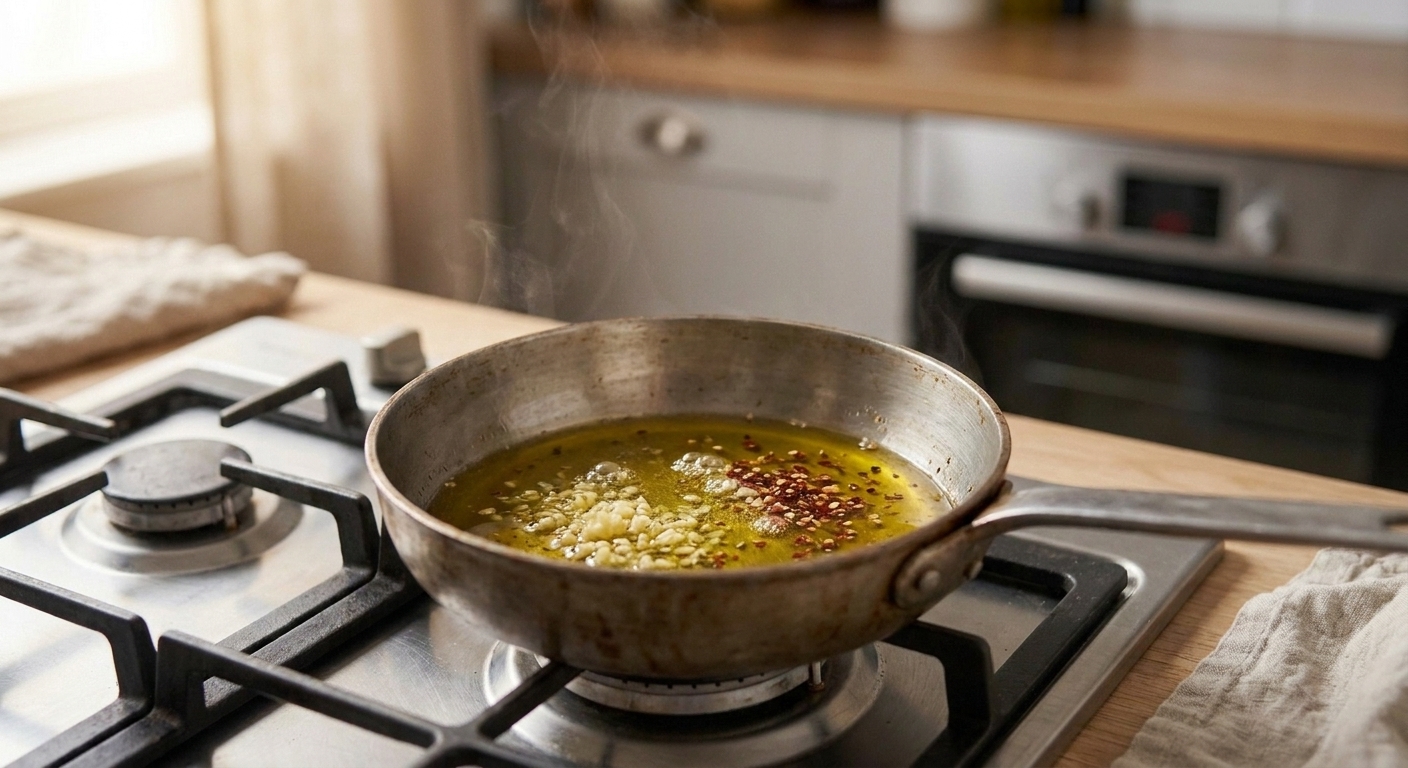
A small saucepan on a stovetop with olive oil gently warming and minced garlic and red pepper flakes swirling

Pairs Well With

Storage Tips

Short answer: make what you will use soon. Because this dip can include fresh garlic and parmesan, it is best enjoyed the same day.

  • Do not store at room temperature: Fresh garlic in oil should not sit out. If it is not being served, refrigerate it.
  • Refrigerate: Store leftovers in a clean jar with a tight lid in the refrigerator and use within 24 hours for best quality and safety.
  • Before serving: Olive oil often turns cloudy or firms up when cold. Let it sit at room temperature 20 to 30 minutes, then stir well.
  • Want longer storage? Skip fresh garlic and use garlic powder instead, and add parmesan only to what you are serving.

Common Questions

Can I use fresh herbs instead of dried?

Yes, and it is great. Use about 1 tablespoon finely chopped fresh herbs (like parsley, basil, or oregano) in place of 1 teaspoon dried. Add fresh herbs at the end so they stay bright. If you go heavy on fresh herbs, plan to eat it the same day.

Do I have to heat the oil?

No, but I recommend it. Gently warming the oil for 1 to 2 minutes takes the harsh edge off raw garlic and helps the dried herbs and pepper flakes release flavor. Keep it warm, not hot. The oil should feel warm and smell fragrant, but it should not be sizzling. If you see the garlic browning, pull it off the heat.

What is the best olive oil for dipping?

Use an extra-virgin olive oil you actually like the taste of. You do not need the fanciest bottle, but you will taste it, so avoid anything that smells stale or waxy. If your oil is super peppery, go easy on the red pepper flakes.

Why does my dipping oil taste bitter?

Usually one of three things: the garlic got too hot and browned, the oil is very robust and peppery, or the dried herbs are old and leaning bitter. Fix it by adding a squeeze more lemon, a pinch of salt, and a little extra parmesan. Next time, warm the oil gently and refresh your spices.

Can I make this dairy-free?

Absolutely. Skip the parmesan and add extra salt plus a teaspoon of nutritional yeast if you want that savory vibe.

What bread works best?

Anything with a crust and some chew: baguette, sourdough, ciabatta, or a good Italian loaf. Warm it up so the edges crisp and the inside goes plush.

Diet note: The dip itself is naturally gluten-free. The gluten shows up with the bread (or whatever you are dipping).
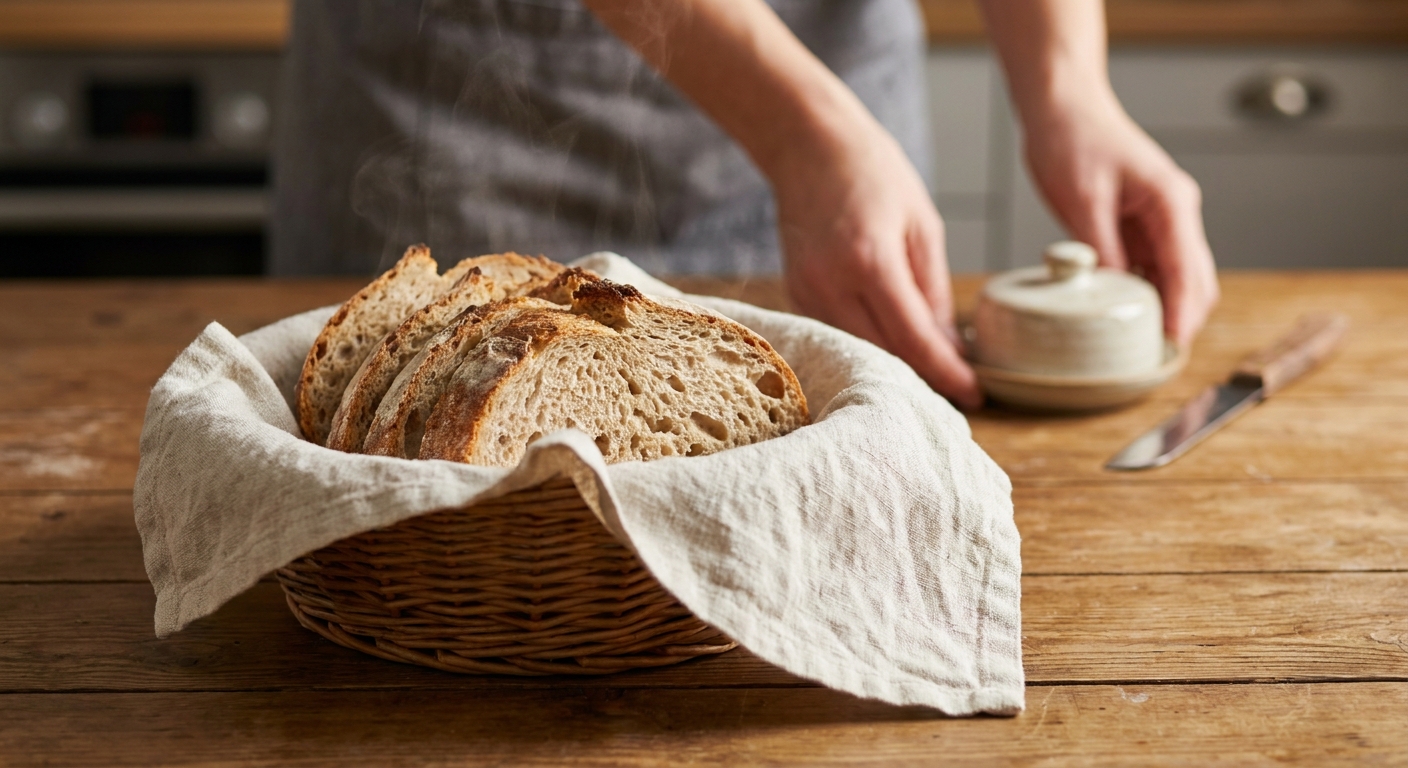

A basket lined with a linen napkin holding sliced warm sourdough bread on a dining table

I started making bread dipping oil when I realized I could turn “we have nothing for dinner” into “we are having a little situation” with one loaf of bread and whatever was in my spice drawer. It is the kind of snack that makes people hover in the kitchen, tearing bread with their hands, asking what is in it like it is a secret. The secret is not fancy. The secret is tasting as you go and being a little generous with salt and acid.