Mom's Best Recipes
Recipe

Bucatini all’Amatriciana

A bold Roman classic with crisp guanciale, silky tomato sauce, and Pecorino Romano tossed with bucatini.

Author By Matt Campbell
4.8
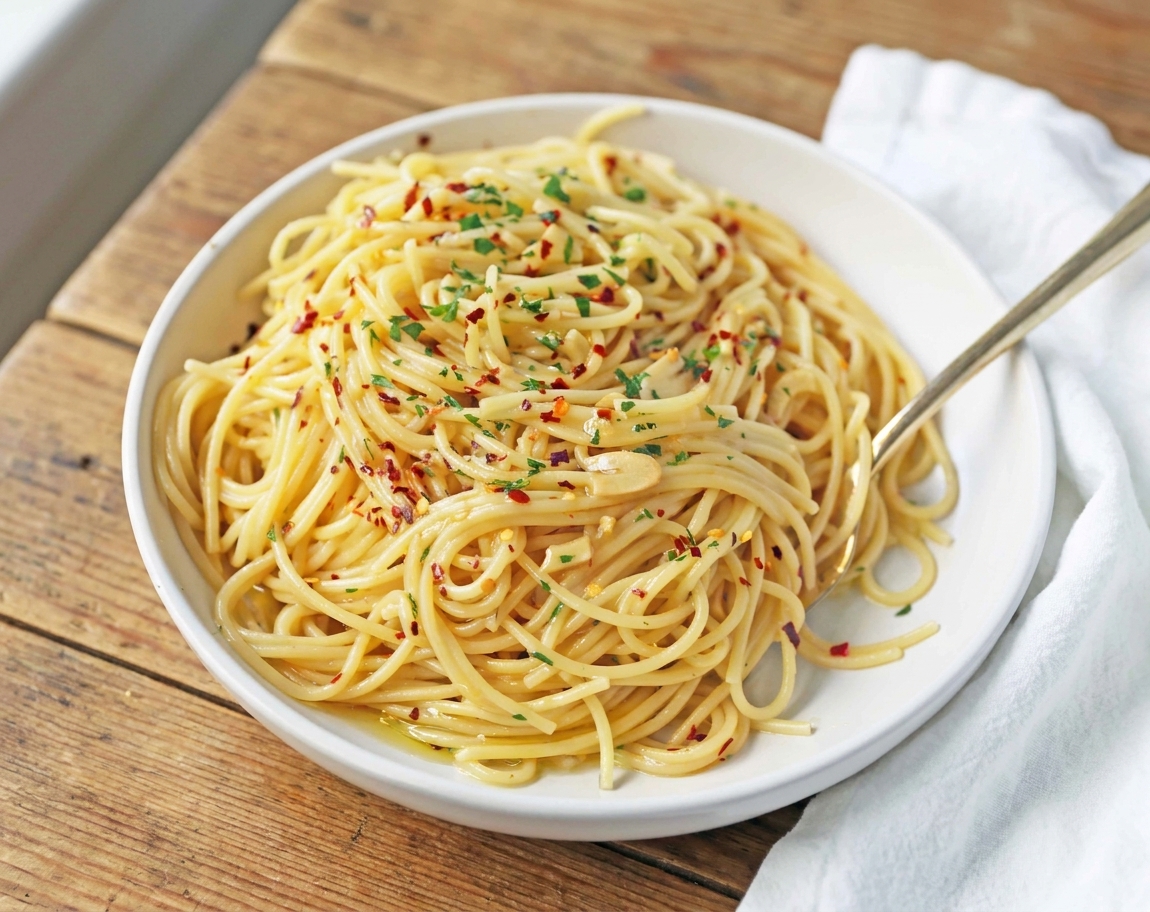
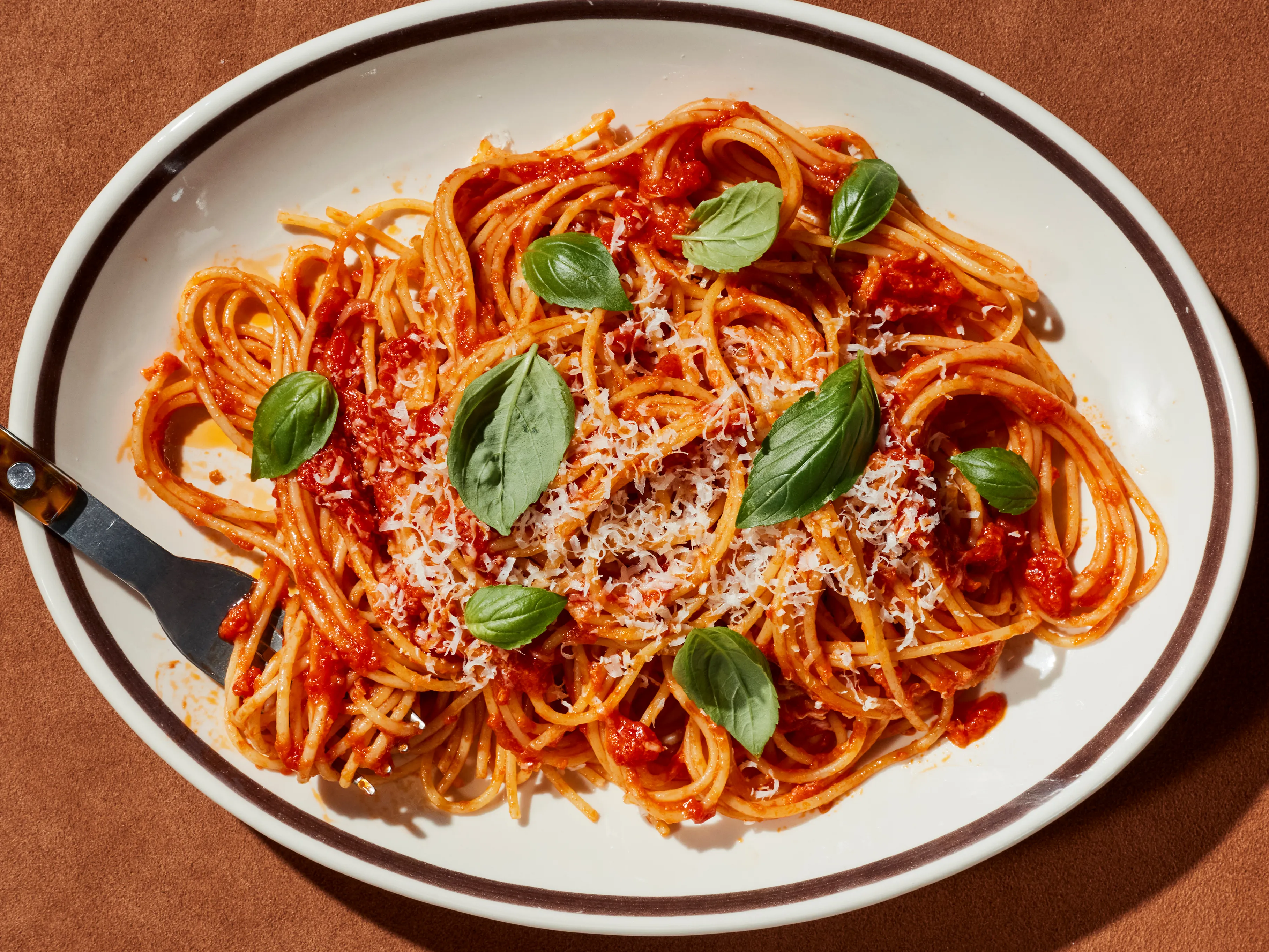
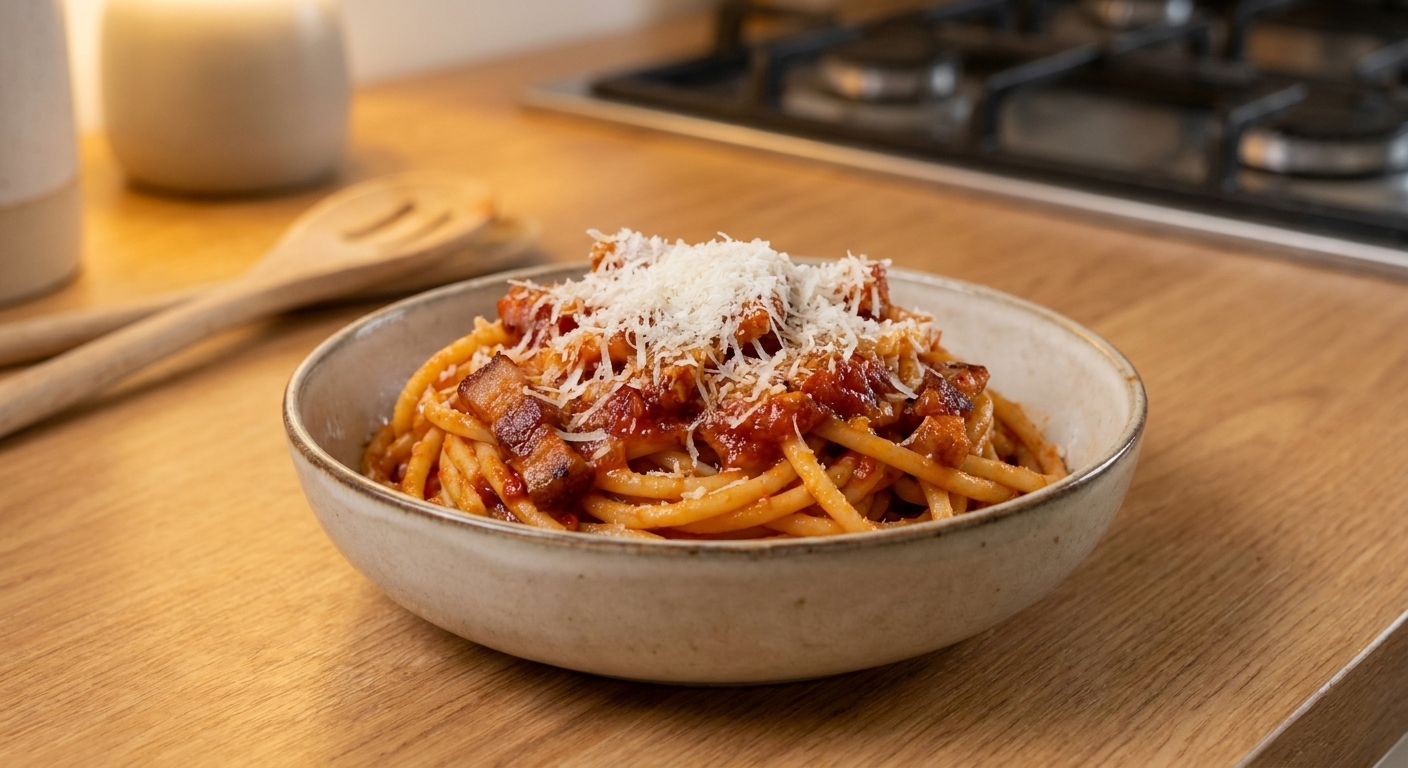
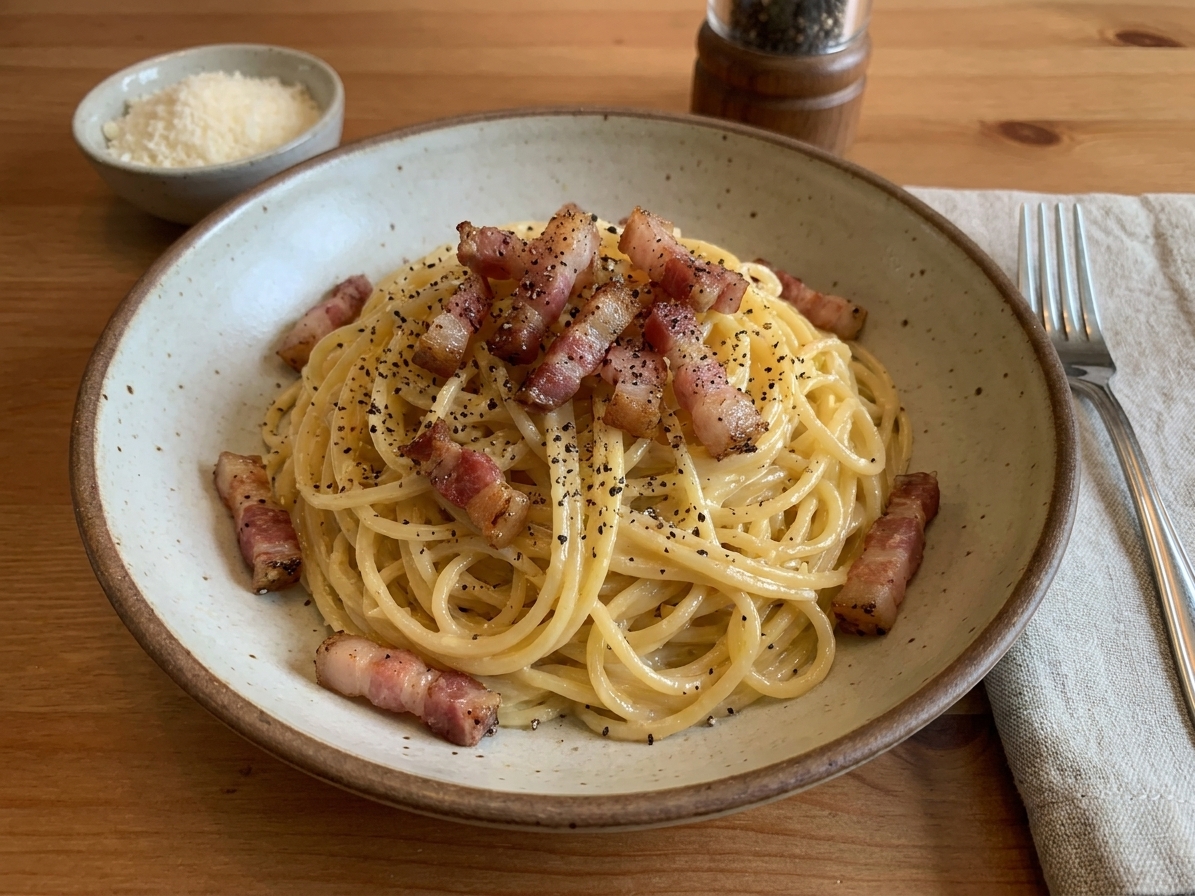
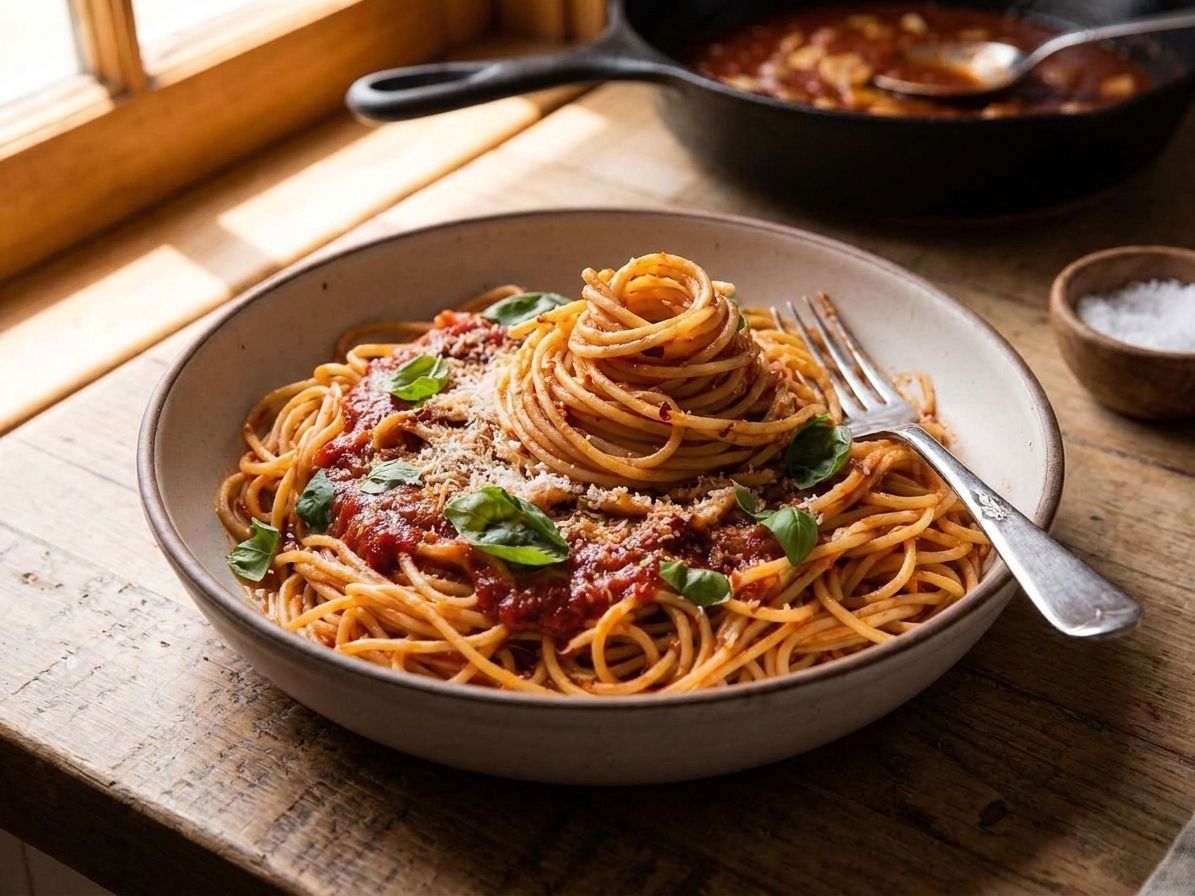
A plated bowl of bucatini all’amatriciana with glossy red sauce, crispy guanciale pieces, and freshly grated Pecorino Romano on top, set on a simple wooden table with warm natural light

Amatriciana is one of those sauces that feels like it has no business being this good with so few ingredients. It is salty, tomatoey, a little spicy, and somehow both rustic and slick at the same time. The magic is guanciale, that cured pork jowl that renders into a deeply savory fat that can lean peppery depending on the cure.

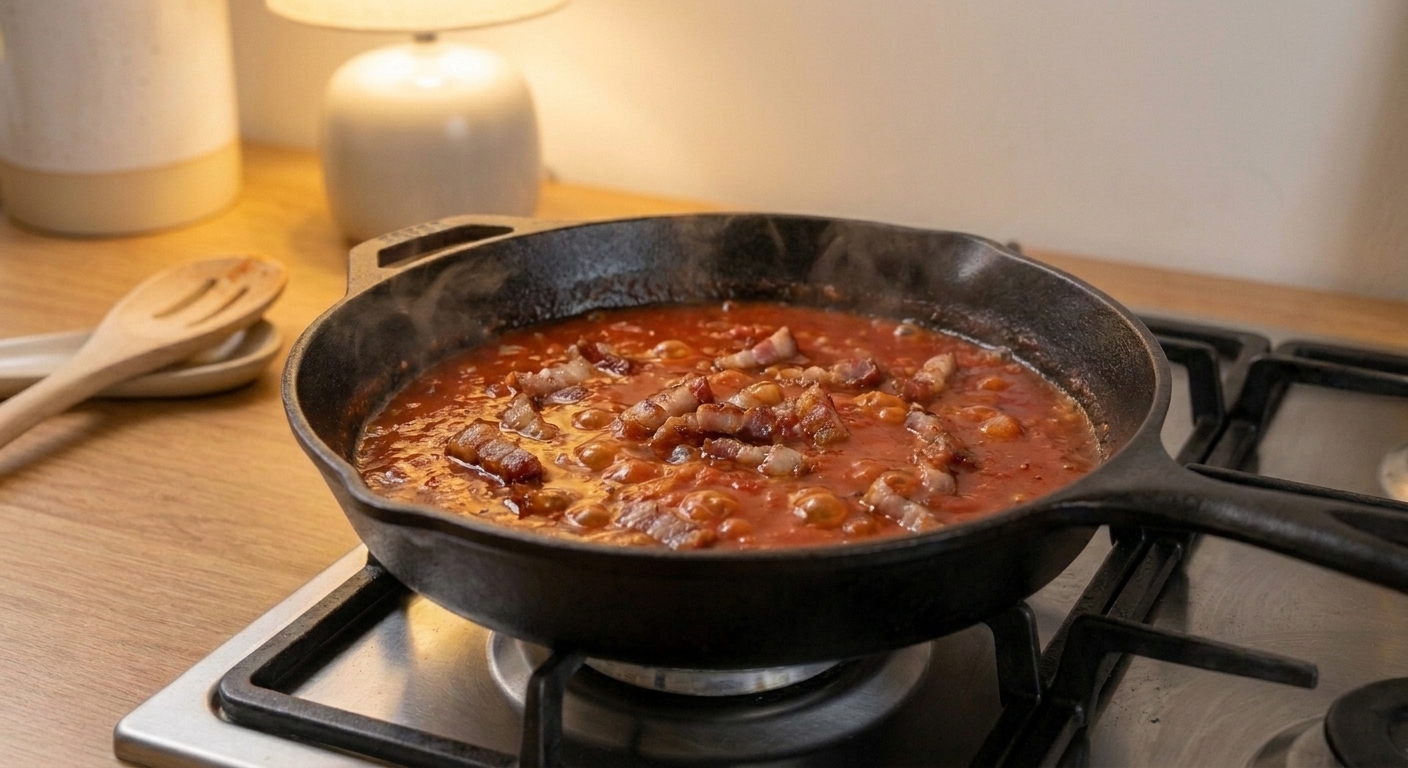
This version is weeknight-friendly but still respects the classics: guanciale, tomatoes, Pecorino Romano, a kiss of chile, and pasta water to pull it all together. The goal is not a watery tomato bath. The goal is a sauce that clings, stains the pasta orange-red, and makes you do that quiet little nod after the first bite.

Tomato note: Whole peeled tomatoes, lightly crushed by hand, give you that nice mix of sauce and texture. Crushed tomatoes work too, and they tend to thicken a little faster.
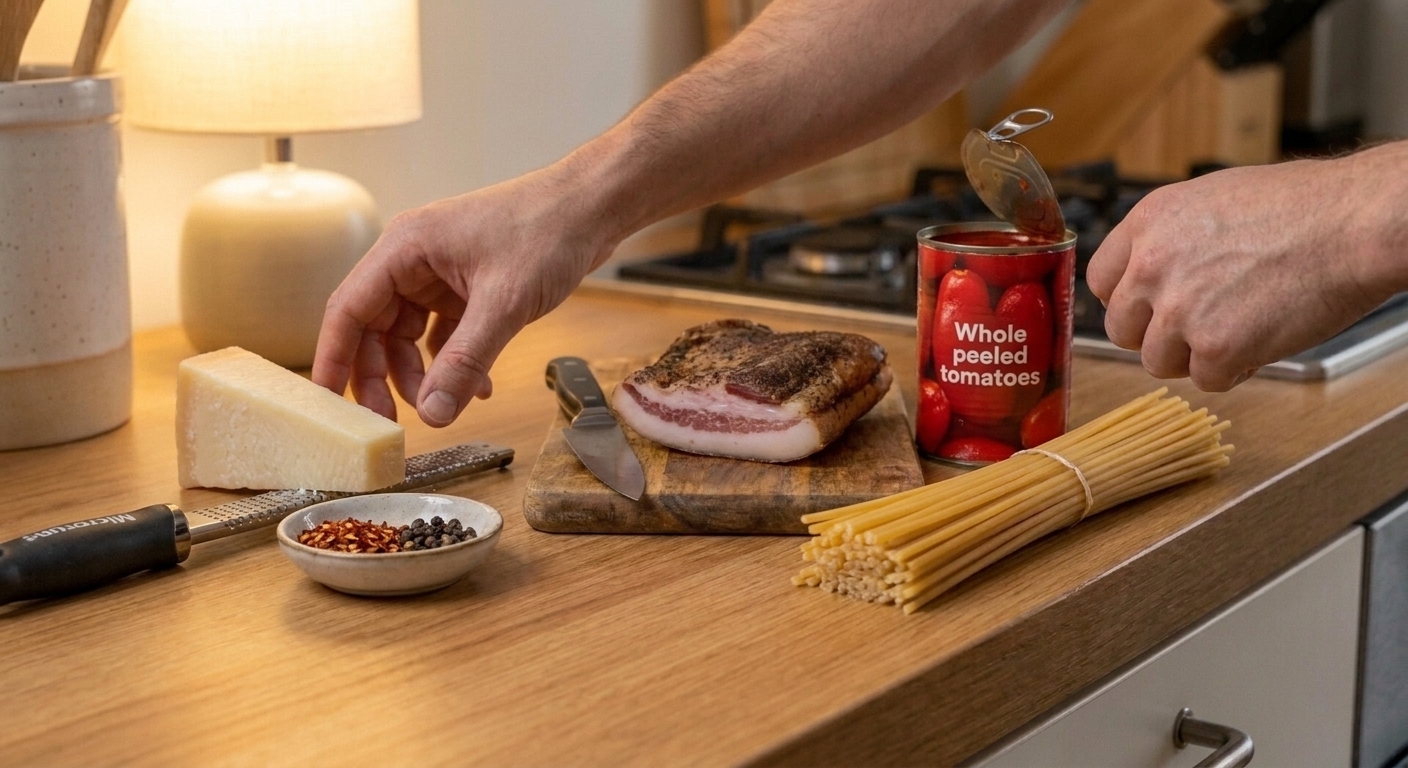
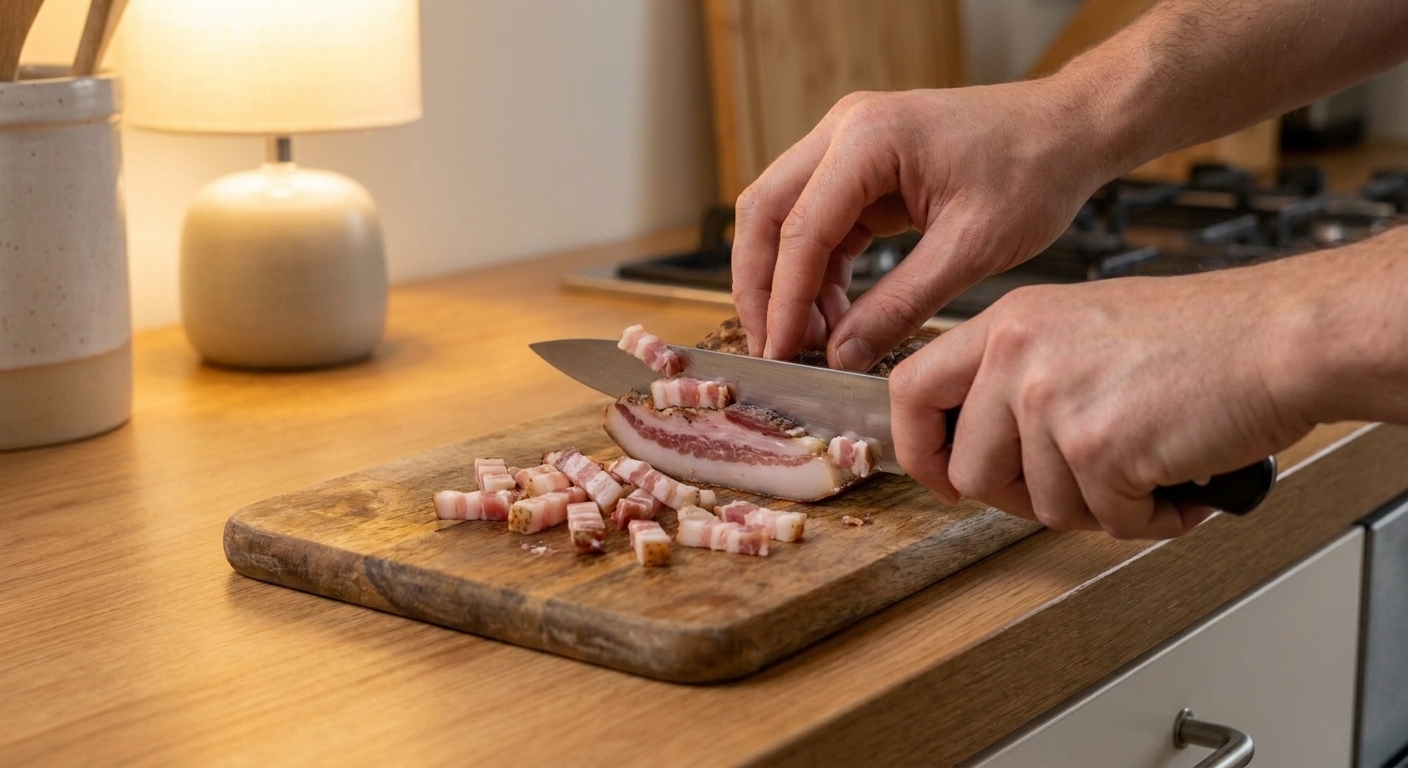
Guanciale, canned whole peeled tomatoes, a wedge of Pecorino Romano, dried chile flakes, black pepper, and bucatini arranged on a clean kitchen counter in consistent warm lighting

Why It Works

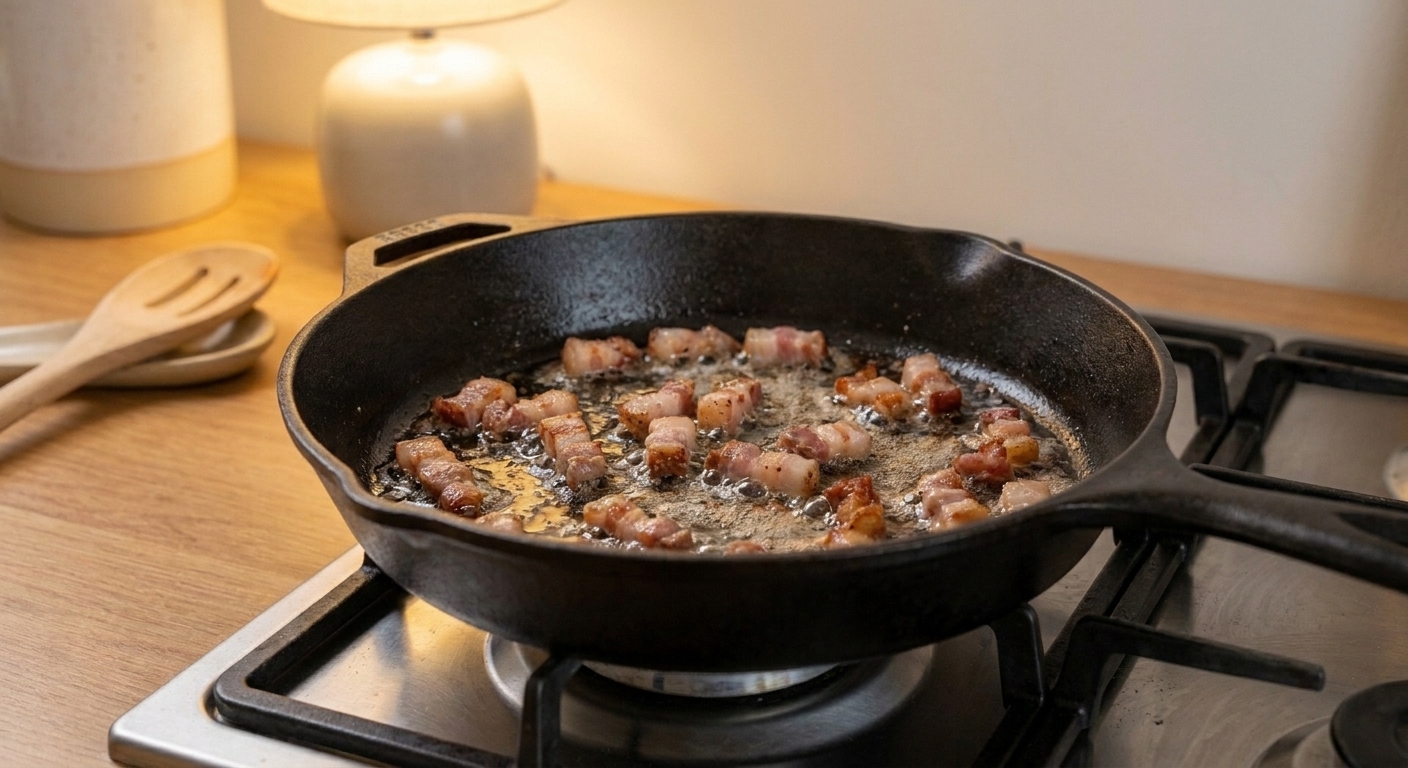
  • Guanciale does the heavy lifting. Rendering it slowly builds a base that tastes like you cooked all day, even if you did not.
  • Balanced heat, not a fire drill. A small amount of chile wakes up the tomatoes without hijacking dinner.
  • Pasta water makes it glossy. Starchy water plus rendered fat emulsifies into that clingy, restaurant-style coating.
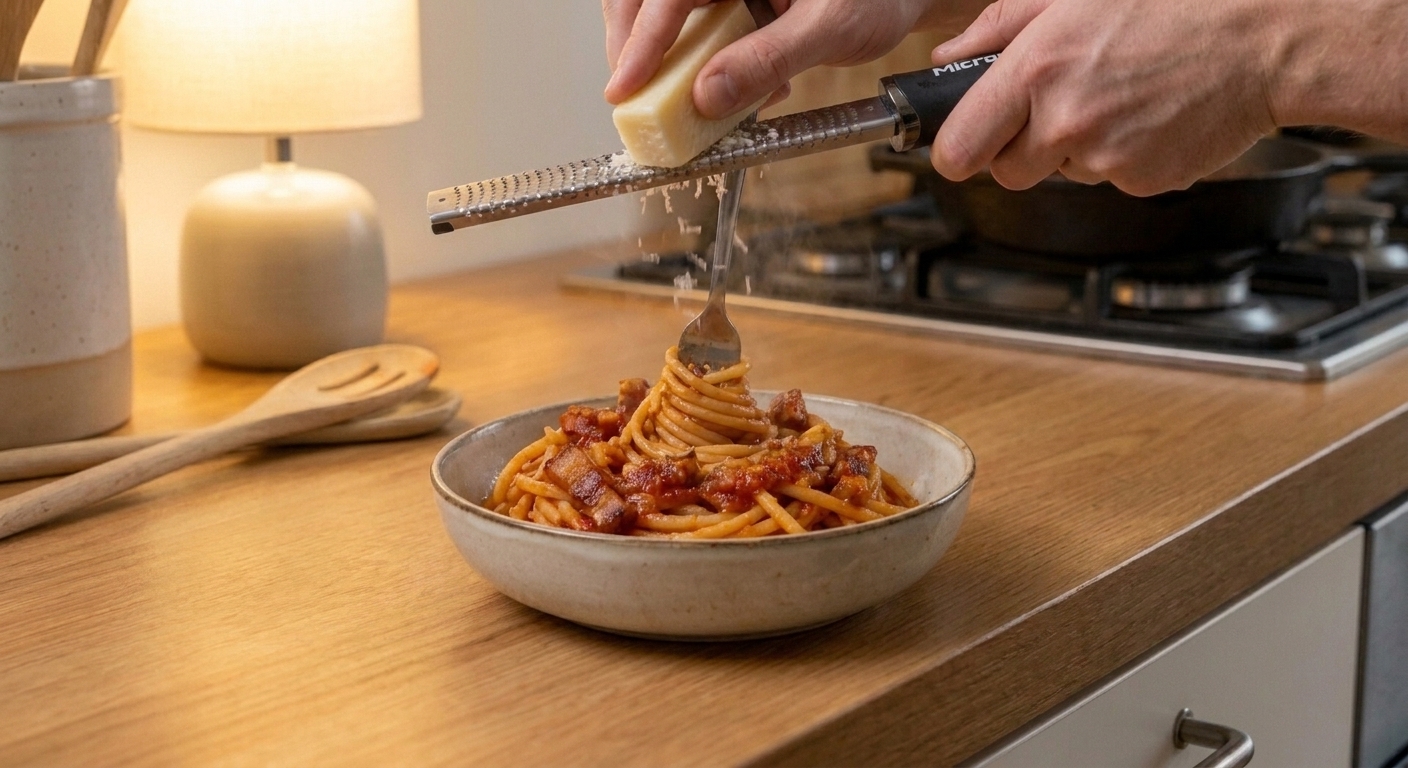
  • Pecorino finishes the job. Added off heat and grated fine, it melts in smoothly and gives the sauce that salty, tangy punch.

Pairs Well With

Storage Tips

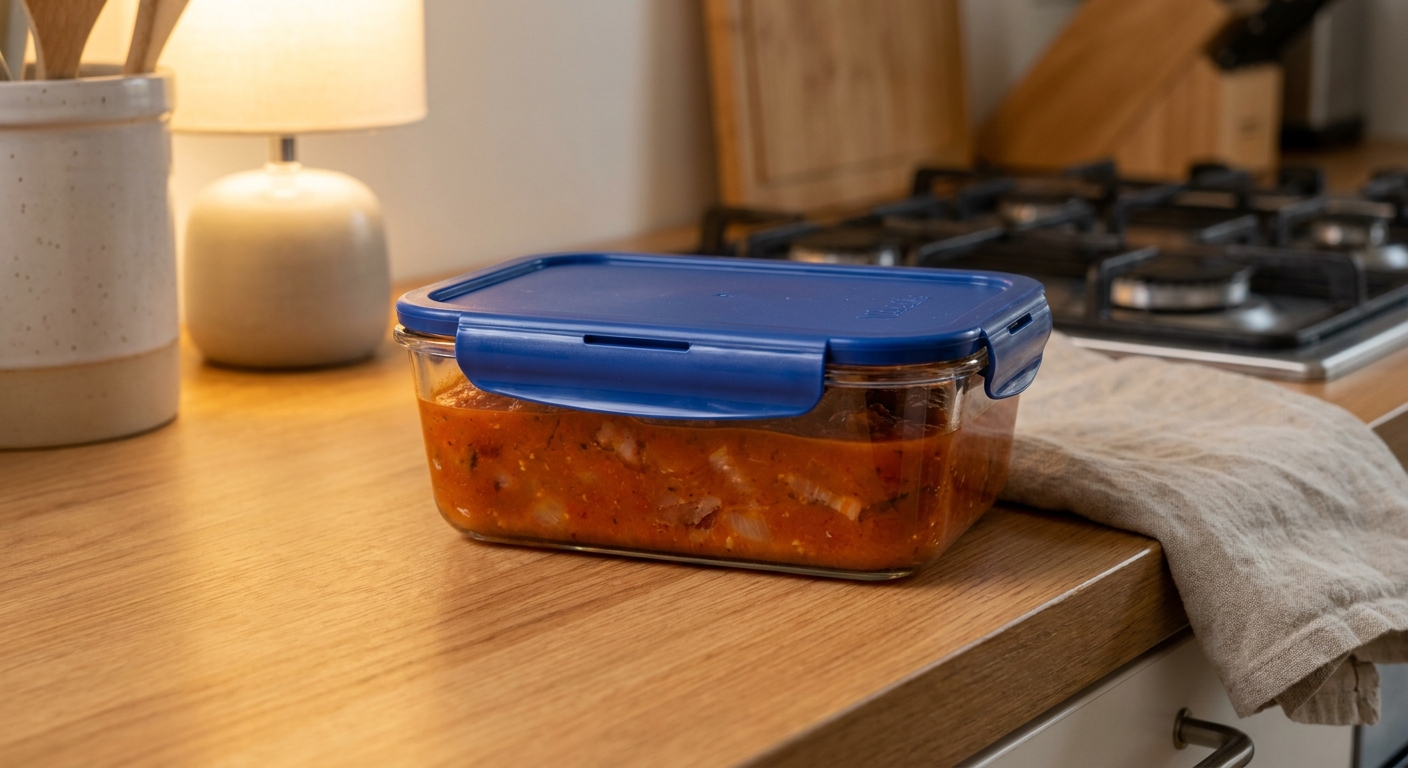
Refrigerate: Store leftover pasta and sauce in an airtight container for up to 3 days. If you can, store extra sauce separately from pasta. It reheats better that way.

Reheat: Warm in a skillet over medium-low with a splash of water. Keep tossing until the sauce loosens and looks glossy again. A microwave works in a pinch, but the skillet keeps the texture from turning sticky.

Freeze: Freeze the sauce (without pasta) for up to 2 months. Thaw overnight in the fridge, then reheat gently in a pan and finish with freshly grated Pecorino.

A glass food storage container filled with leftover amatriciana sauce, covered with a lid, sitting on a tidy kitchen counter under warm light

Common Questions

What is amatriciana sauce made of?

At its core: guanciale, tomatoes, Pecorino Romano, and chile. Many modern versions also include a small splash of dry white wine, which is common and delicious, though not everyone considers it essential. Onion and garlic show up in home kitchens, but they are not traditional.

Can I make amatriciana without guanciale?

Yes. If you cannot find guanciale, use pancetta. If you have to use bacon, pick a less smoky one. A quick 30-second blanch in hot water can help soften both smoke and salt, but results vary by brand. Pat dry well, then cook, and taste before adding any extra salt.

Do I need bucatini?

Bucatini is classic, but not mandatory. Spaghetti, rigatoni, or mezze rigatoni are great. Short pasta is a win if you love catching little guanciale bits in every bite.

Why did my sauce taste too salty?

Guanciale and Pecorino are both salty. Two prevention moves: do not salt the pasta water as aggressively, and add the cheese off heat in small handfuls. If it is already too salty, loosen with a splash of unsalted pasta water (or water) first and finish with black pepper instead of more cheese. If you want more volume too, you can add a bit more tomatoes, but do it gradually so you do not throw off the balance.

Why did my Pecorino clump?

Heat was too high or the cheese went in too fast. Take the pan off the heat, add a splash of pasta water, and stir vigorously. Next time: grate it very fine, lower the heat, and add it in smaller additions.

The first time I made amatriciana, I treated it like a normal tomato sauce and rushed the guanciale. Big mistake. Guanciale wants time, like a friend who shows up late but brings the best snacks. Once I slowed down and let the fat render gently, the whole sauce changed. Suddenly it tasted bigger than the ingredient list, and that is the kind of kitchen math I trust.

Now it is my go-to when I want comfort that still has a little edge. It is cozy carbs, crisp bits, bright tomato, and enough Pecorino to make you consider grating a second blizzard on top. No shame.