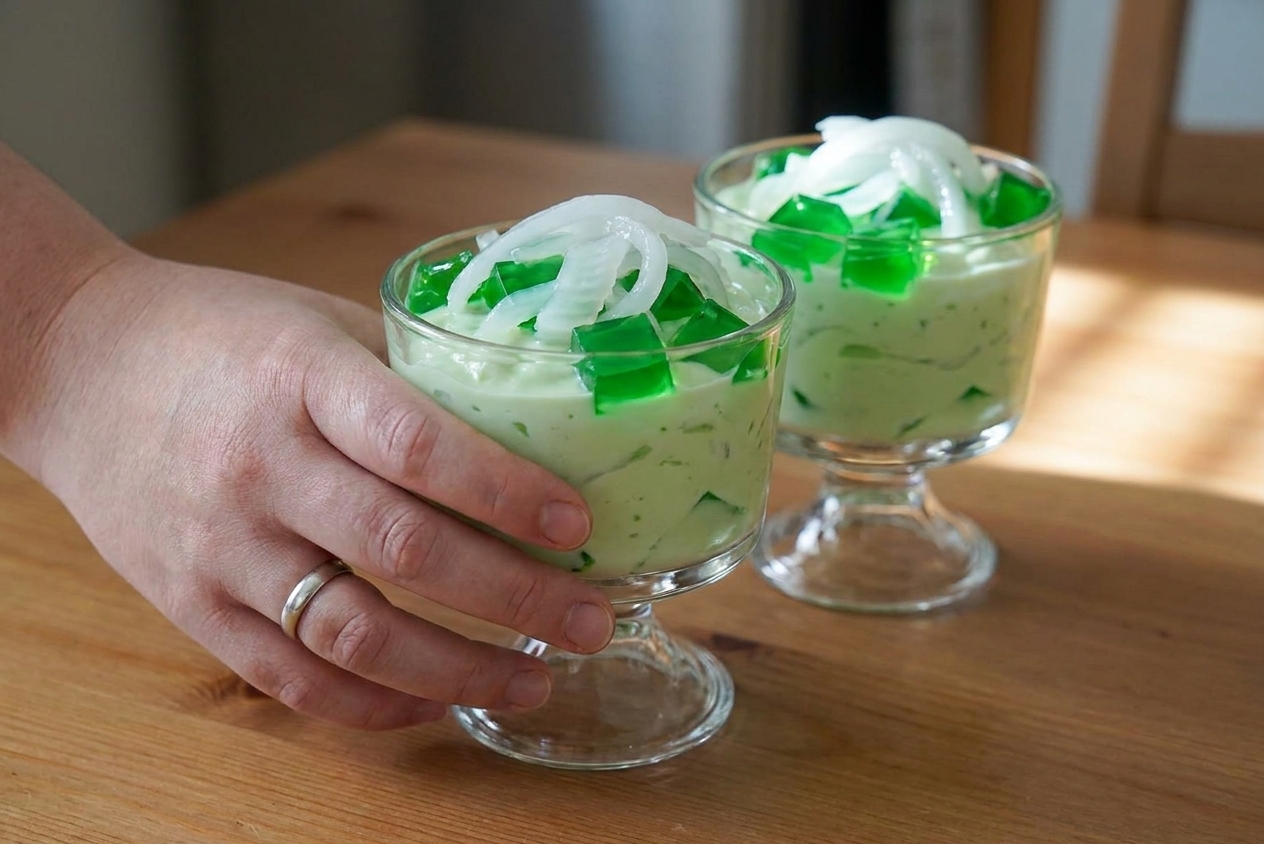
What is buko pandan made of?
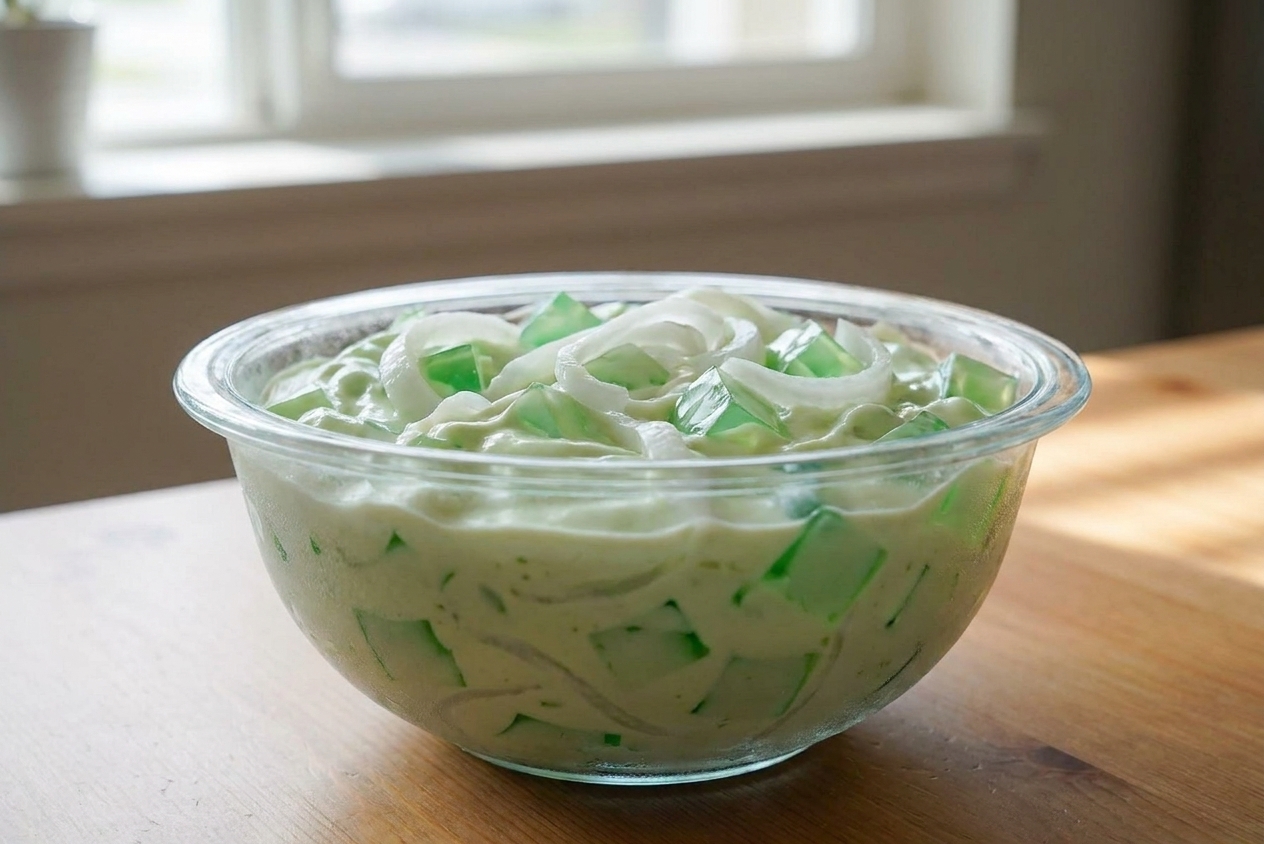
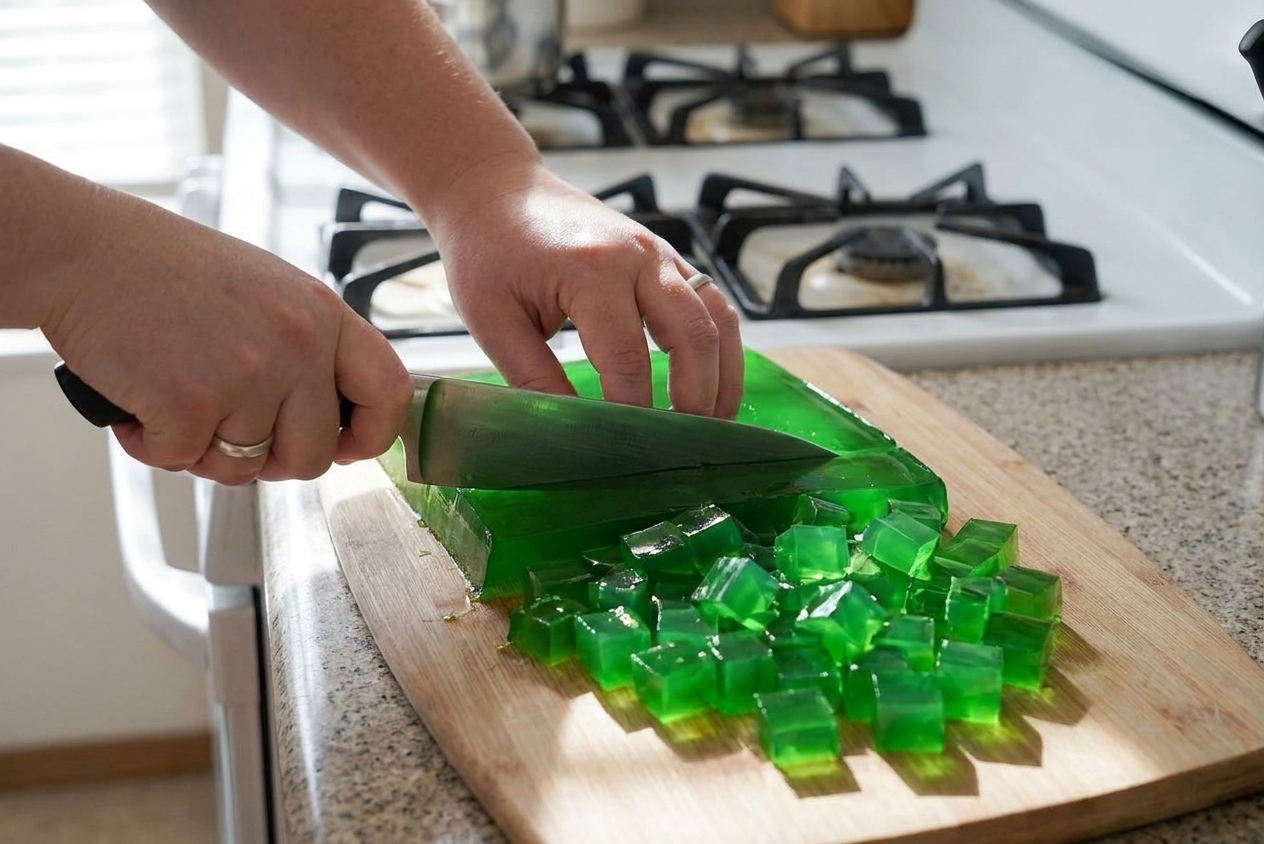
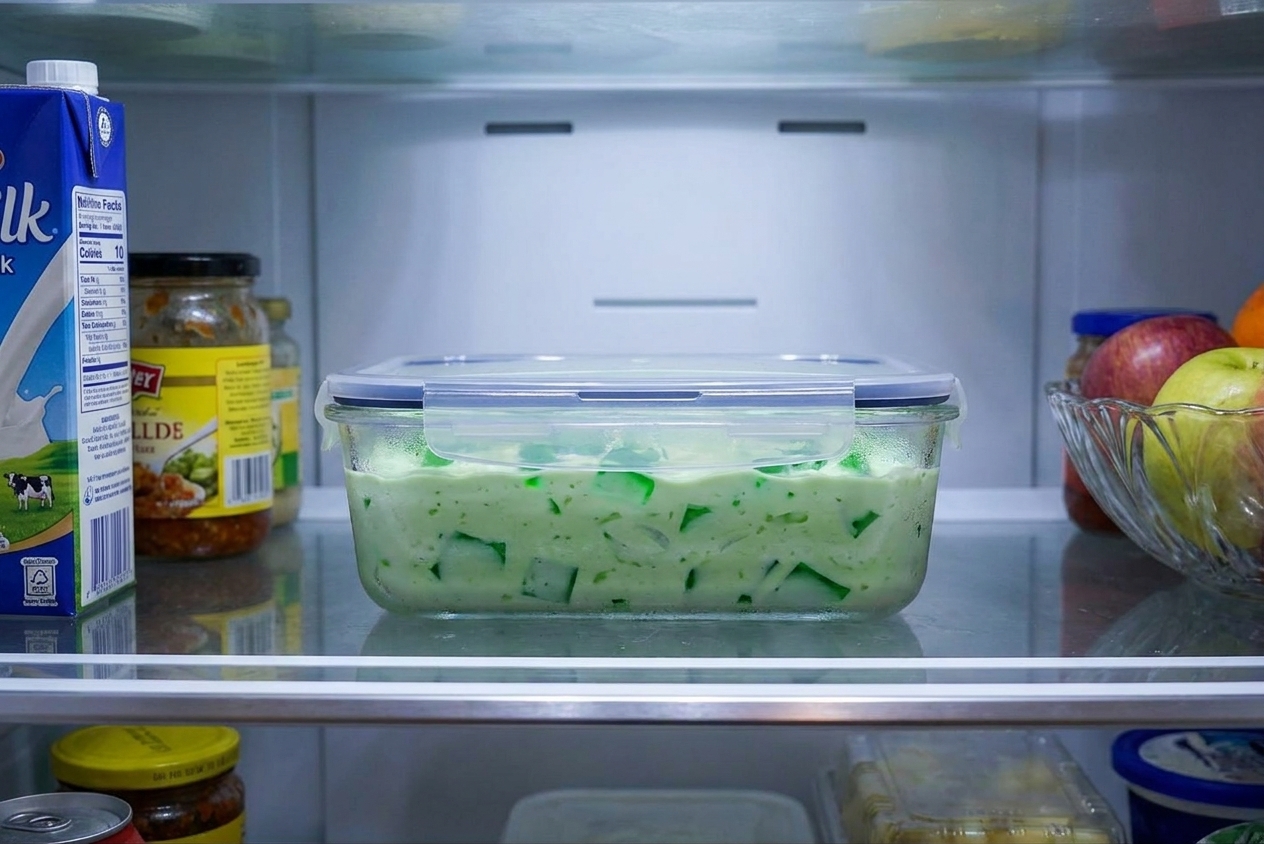
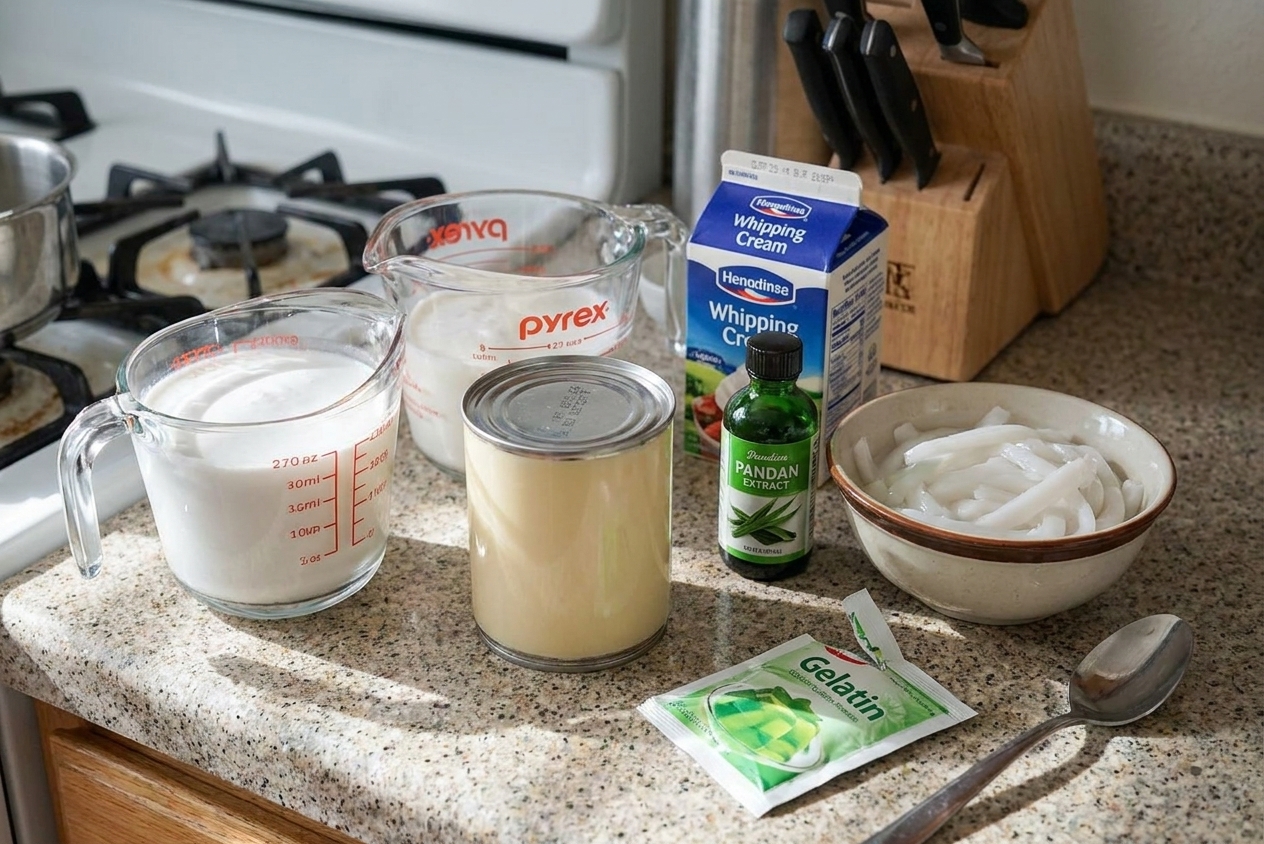
Classic buko pandan is made with young coconut (buko), pandan-flavored jelly (often from gelatin or agar), and a creamy base usually built from sweetened condensed milk and cream, sometimes with coconut milk or table cream.
What can I use if I cannot find young coconut?
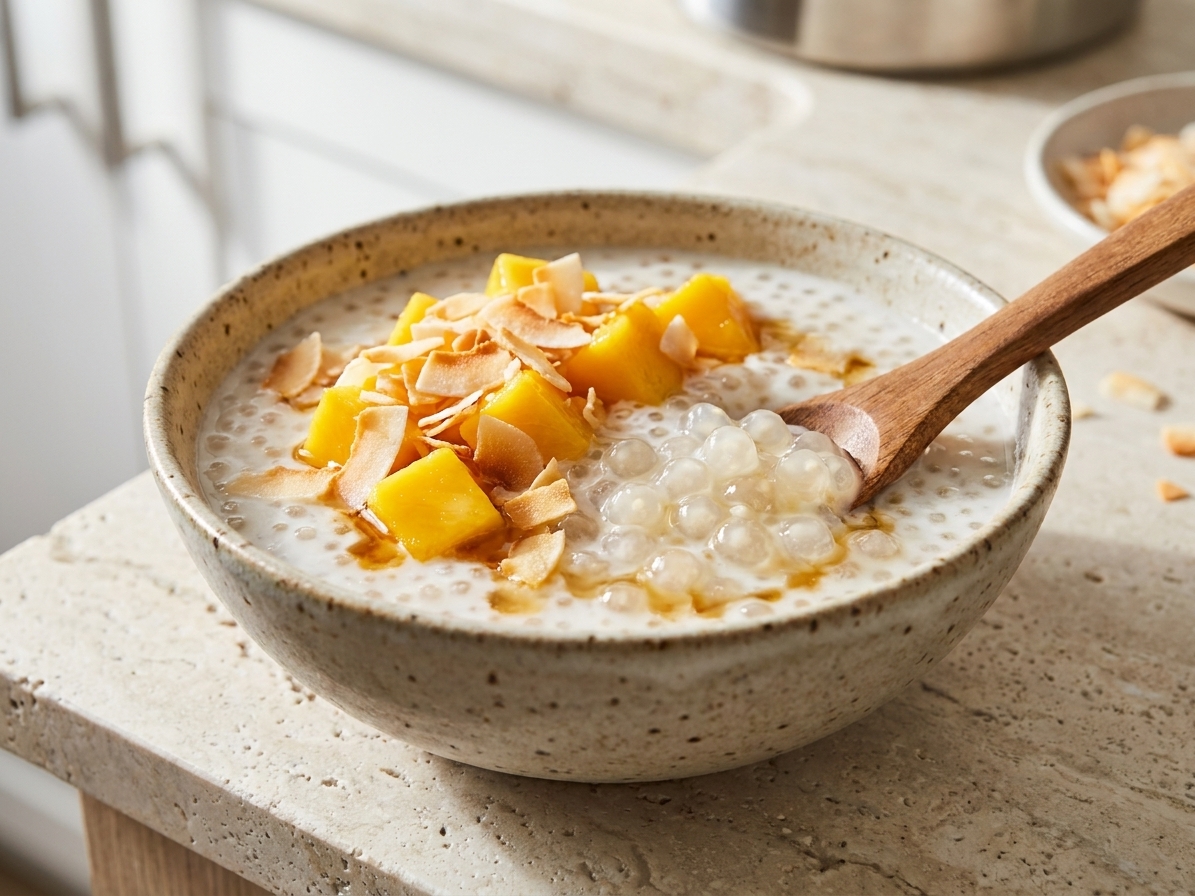
If you cannot find frozen or canned young coconut strips, try macapuno (coconut sport) if you can get it. You can also add more nata de coco or sago pearls for that fun, bouncy bite. Canned lychee (drained and chopped) also works if you want a tender, juicy bite, but it is fruitier and more floral than coconut. In a pinch, you can use unsweetened shredded coconut, but the texture will be drier.
Can I make buko pandan without pandan extract?
You can, but it will not taste like buko pandan. If you cannot find extract, use pandan paste (start small since it is stronger) or make a pandan infusion with fresh leaves and water, then use that liquid to dissolve the gelatin. The flavor will be lighter, but still lovely.
Why is my buko pandan watery?
Usually it is one of a few things: the jelly was not fully set (or it was still warm) when you mixed it, the coconut and add-ins were not drained well, or rough mixing broke up the jelly and released moisture. Fix it by draining excess liquid, folding in a bit more whipped cream, and chilling again before serving.
Can I make it less sweet?
Yes. Use unsweetened coconut milk and reduce the condensed milk. You can also add a tiny pinch of salt to make the sweetness taste cleaner and less intense.