Mom's Best Recipes
Recipe

Butterscotch Pie

Silky brown sugar custard in a crisp crust, finished with whipped cream and a pinch of flaky salt.

Author By Matt Campbell
4.8
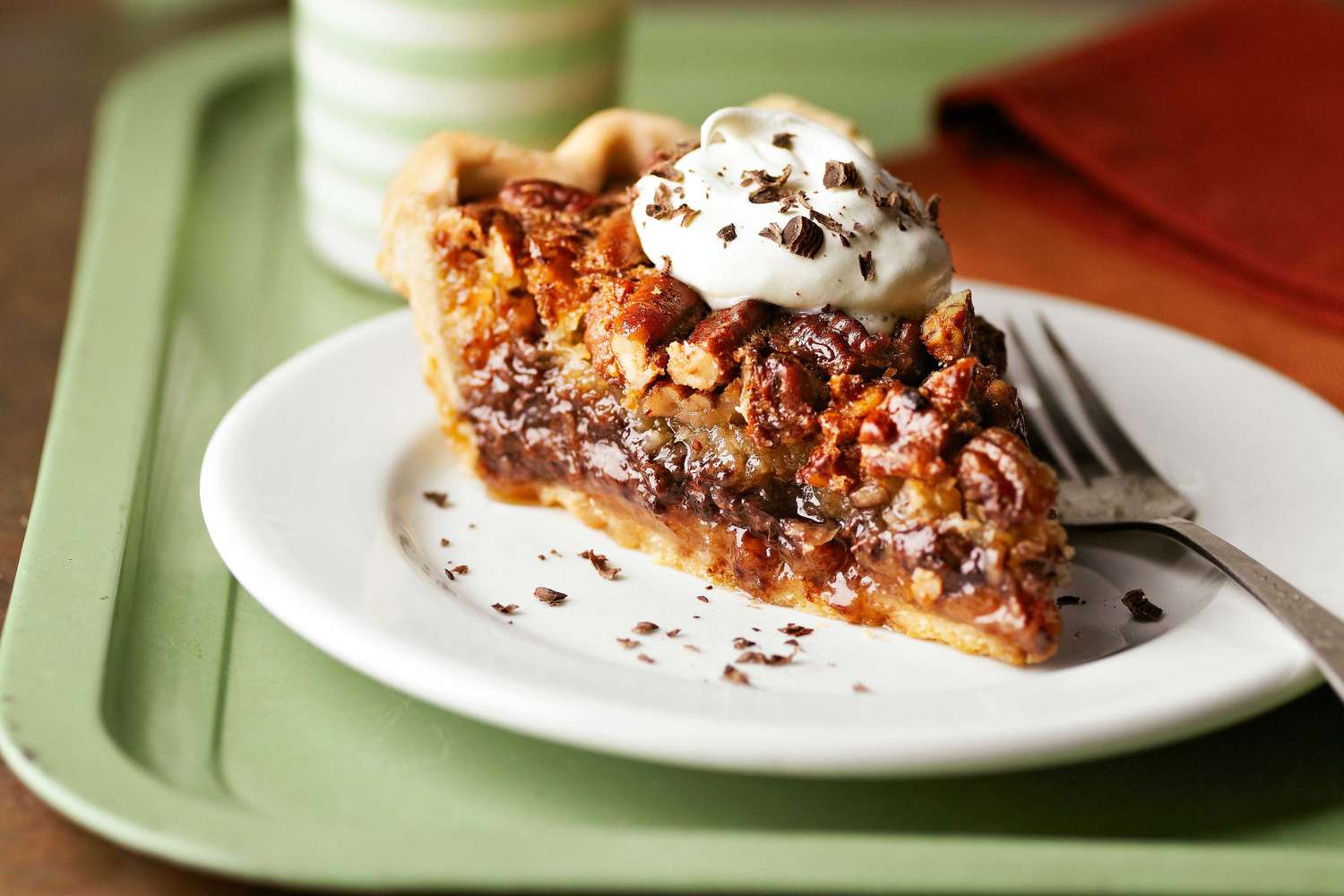
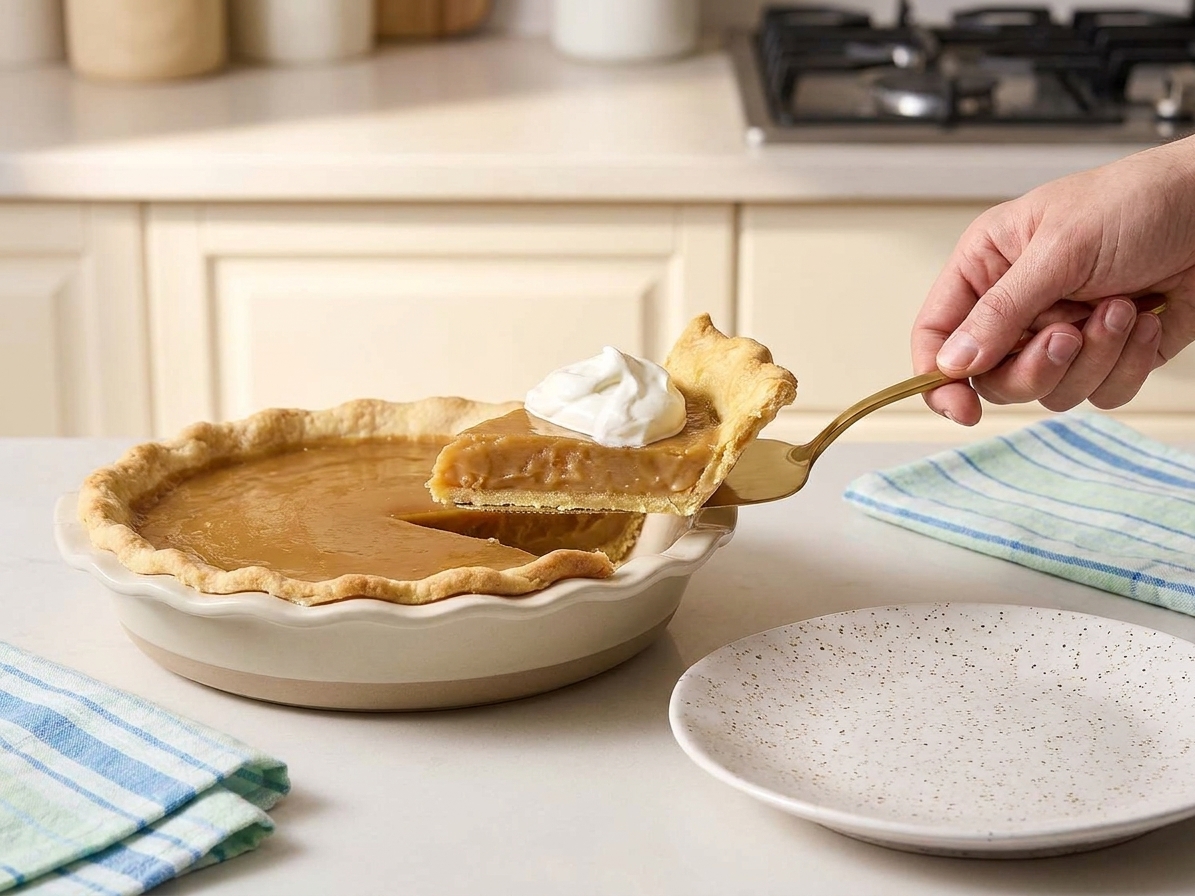
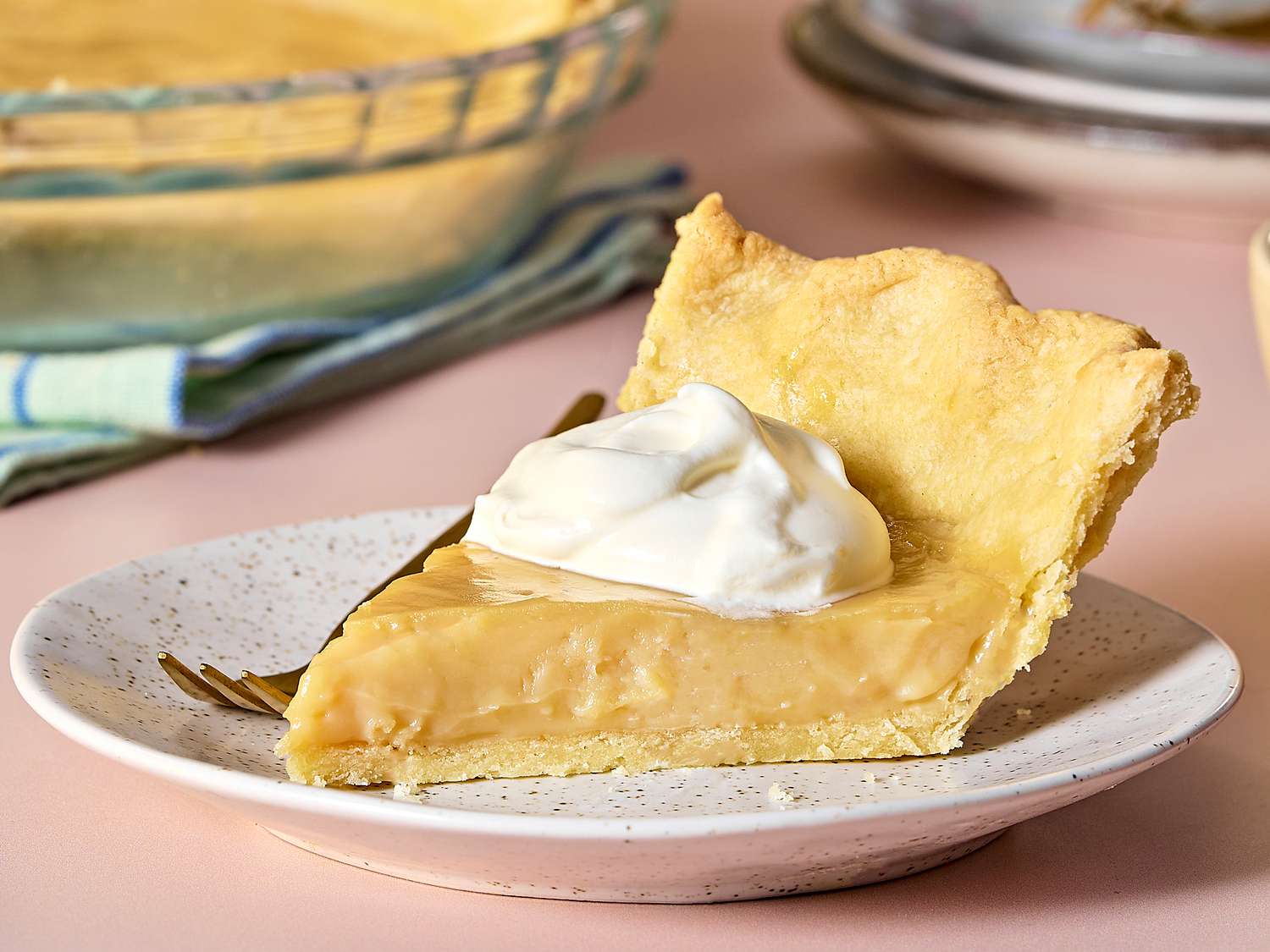
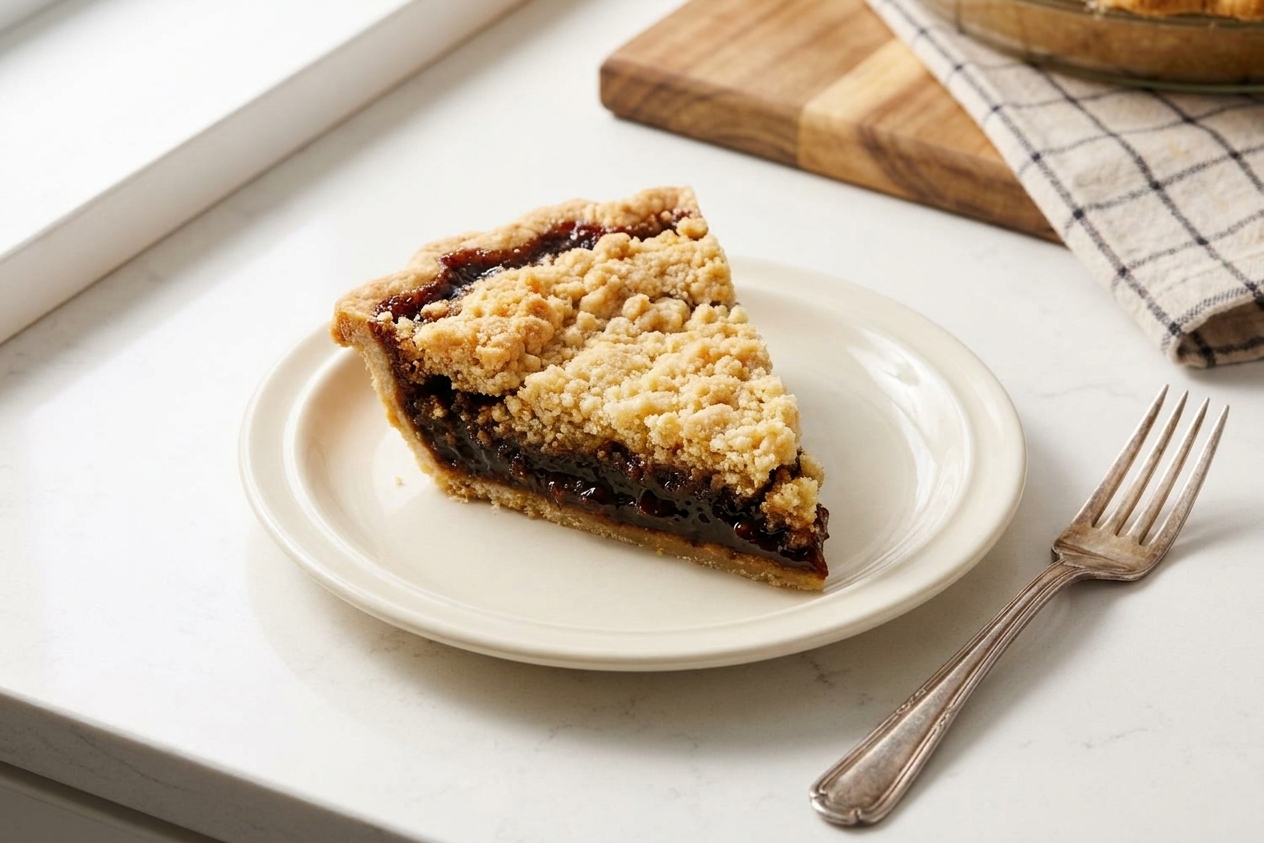
A slice of butterscotch pie with glossy brown sugar custard and a thick layer of whipped cream on top, served on a small dessert plate at a wooden kitchen table with warm natural light

Butterscotch pie is one of those old-school desserts that somehow feels both nostalgic and shockingly luxurious. It is basically brown sugar pudding that decided to get its life together, set up in a crisp pie crust, and show up to the party wearing whipped cream.

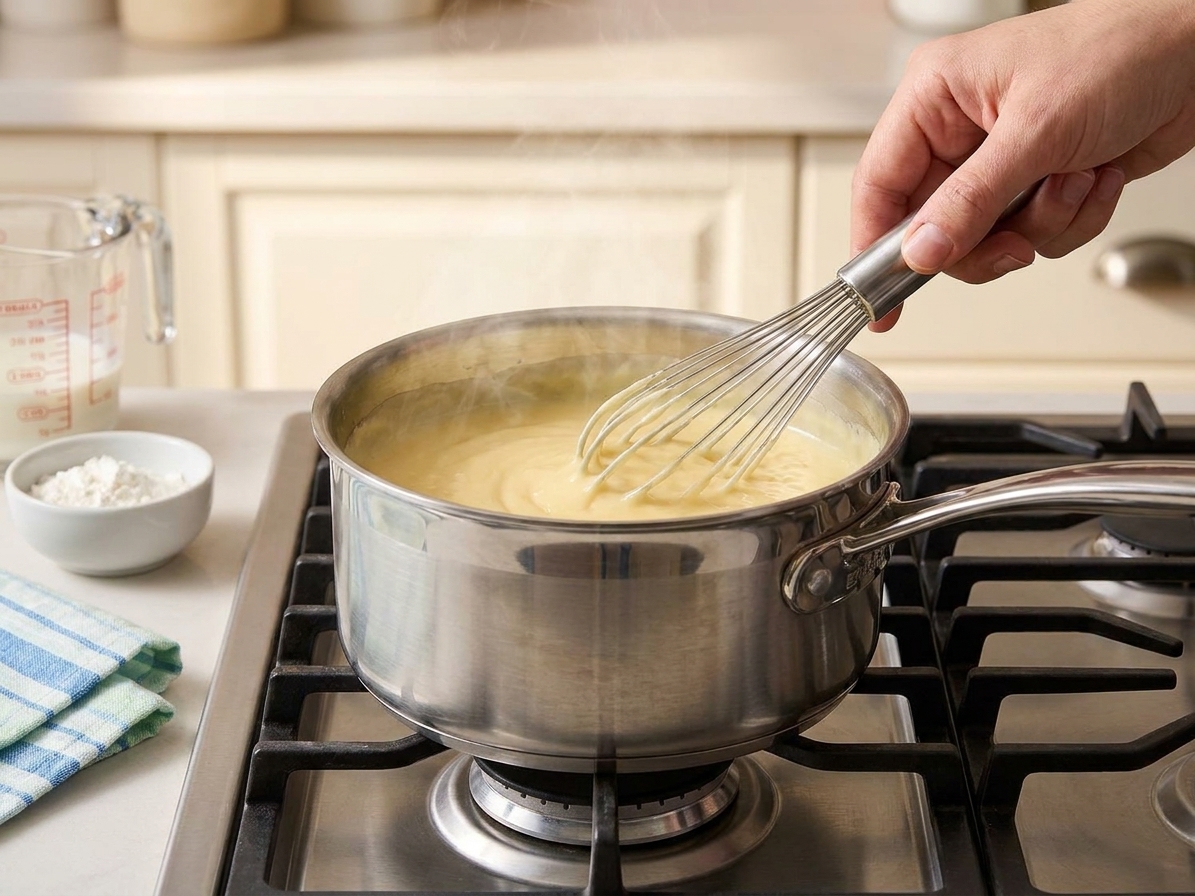
This version keeps things accessible and low drama. No candy thermometer. No weird ingredients. Just a few smart moves: we whisk the cornstarch into cold milk until smooth so it hydrates properly, temper the egg yolks so they behave, and finish with butter and vanilla for that “wait, what is that flavor?” moment.
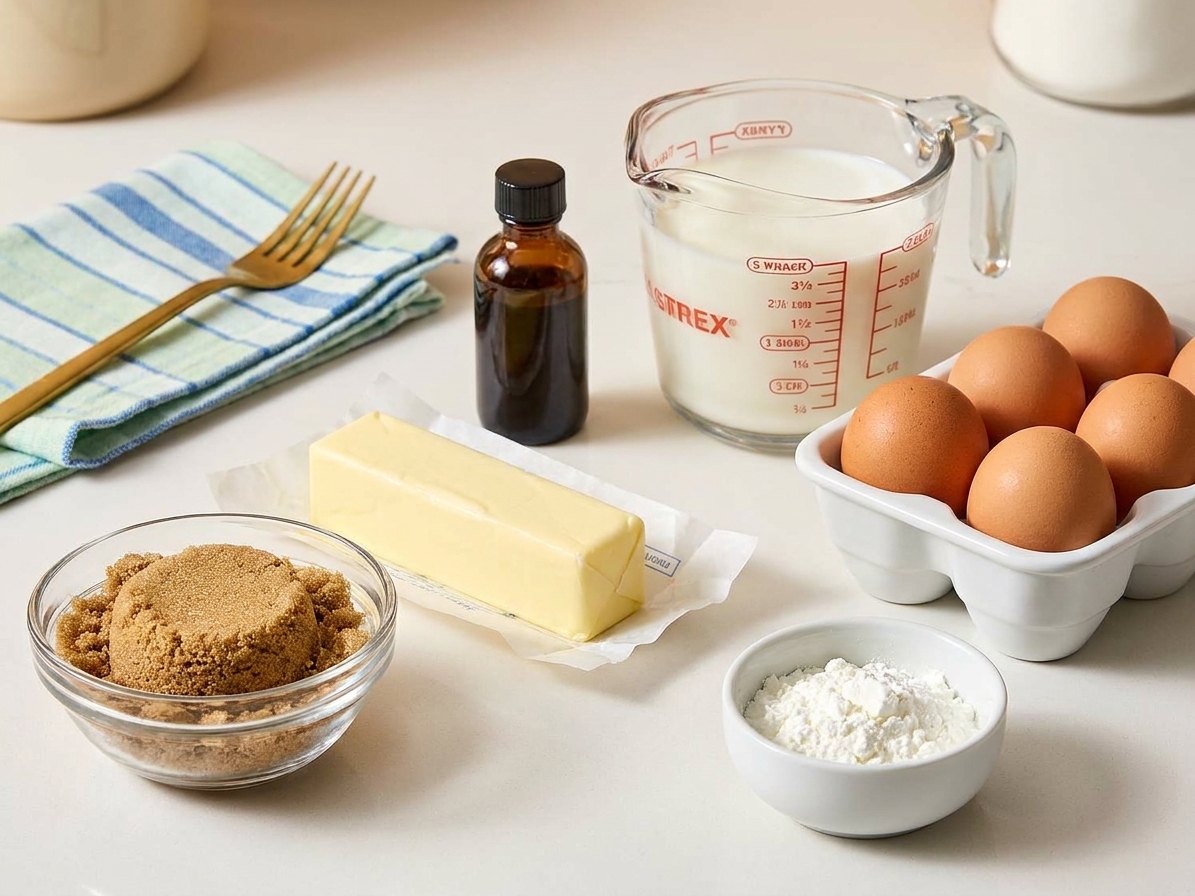
Brown sugar, butter, vanilla extract, milk, eggs, and cornstarch arranged on a clean kitchen counter with warm, even lighting

Why It Works

  • Deep butterscotch flavor from dark brown sugar, butter, and a pinch of salt.
  • Silky, sliceable custard that sets up cleanly without tasting gummy.
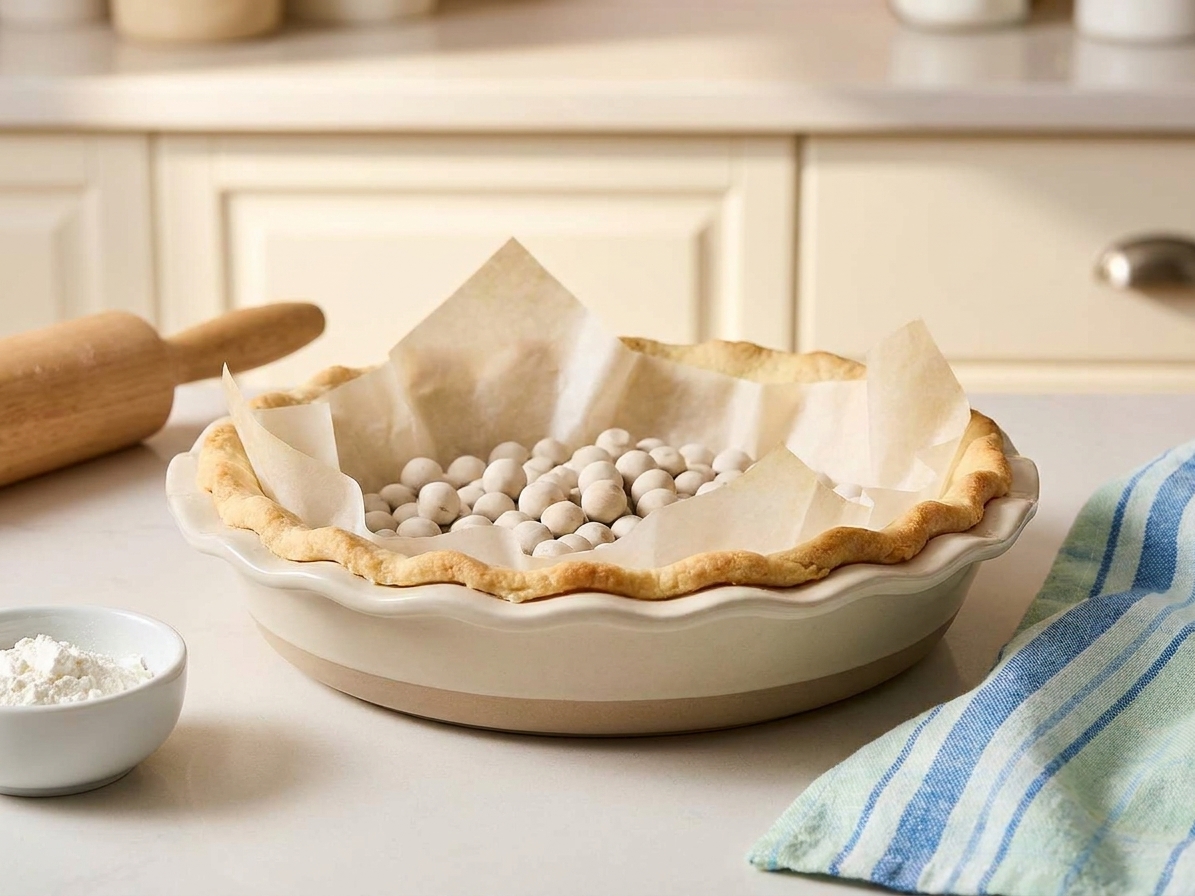
  • Crisp crust thanks to blind baking so the bottom stays snappy.
  • Clear, confidence-building steps with rescue tips if your custard looks lumpy or too thin.

Pairs Well With

Storage Tips

How to Store Butterscotch Pie

  • Refrigerate: Cover the pie loosely with plastic wrap or foil and refrigerate for up to 4 days. The whipped cream will soften over time, but it is still very good.
  • Best texture tip: If you want picture-perfect slices, store the pie without whipped cream and add it right before serving.
  • Freezing: I do not recommend freezing custard pies. The filling can weep and turn grainy after thawing.

Common Questions

Common Questions

Is butterscotch pie the same as caramel pie?

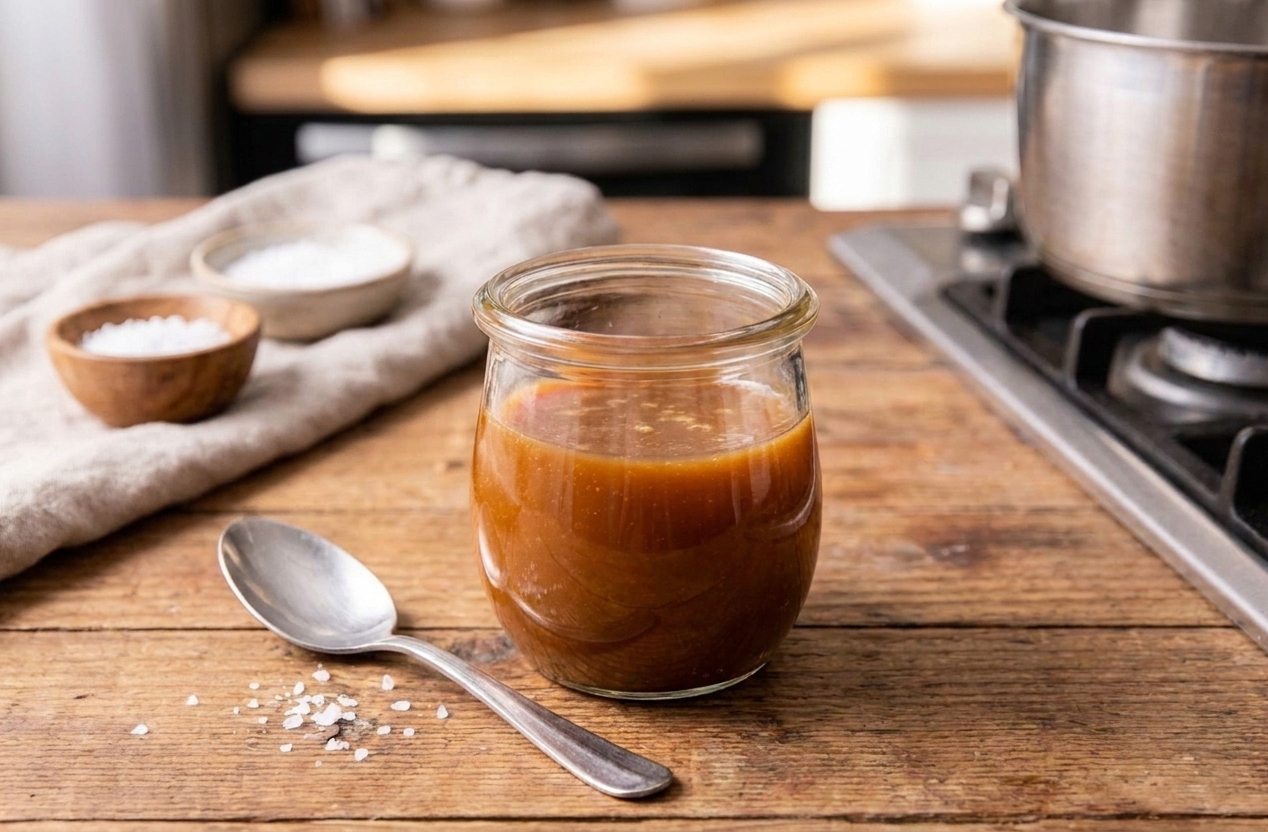
Not quite. Caramel is typically made by cooking white sugar until it darkens. Butterscotch often starts with brown sugar (that molasses flavor) plus butter, which gives it that deeper, cozier taste. Some recipes cook the sugar and butter together too, but the brown sugar base is the signature move.

Why is my butterscotch filling runny?

Usually one of three things: it did not reach a gentle boil long enough (cornstarch needs a brief simmer to fully thicken), the measurements were off, or the pie did not chill long enough. Let the custard come to a gentle boil with bubbles breaking the surface for 60 to 90 seconds, then chill at least 6 hours (overnight is even better).

How do I fix lumpy custard?

Strain it. Seriously. Pour the hot custard through a fine-mesh strainer into a bowl, whisk in the butter and vanilla, and you are back in business.

Do I have to blind bake the crust?

You really should. Custard filling does not bake long enough to crisp the crust, so blind baking is what keeps the bottom from turning soft.

Can I use a store-bought crust?

Absolutely. Use a 9-inch pie crust (refrigerated or frozen), and blind bake it according to the package directions.

Can I make it gluten-free?

Yes, with a gluten-free pie crust. The filling itself is naturally gluten-free as written (cornstarch thickens it).

I have a soft spot for desserts that feel like they came from somebody’s recipe box, the one with the splatters and the handwritten notes. Butterscotch pie is that energy. The first time I made it, I was convinced I was one distracted whisk away from scrambled eggs. Turns out, custard is like cooking with a good friend: stay present, taste as you go, and if things get weird, you can usually fix it with a strainer and a little patience. Now it is my go-to when I want a classic that still gets a “whoa” after the first bite.