What is the difference between caramel icing and caramel frosting?
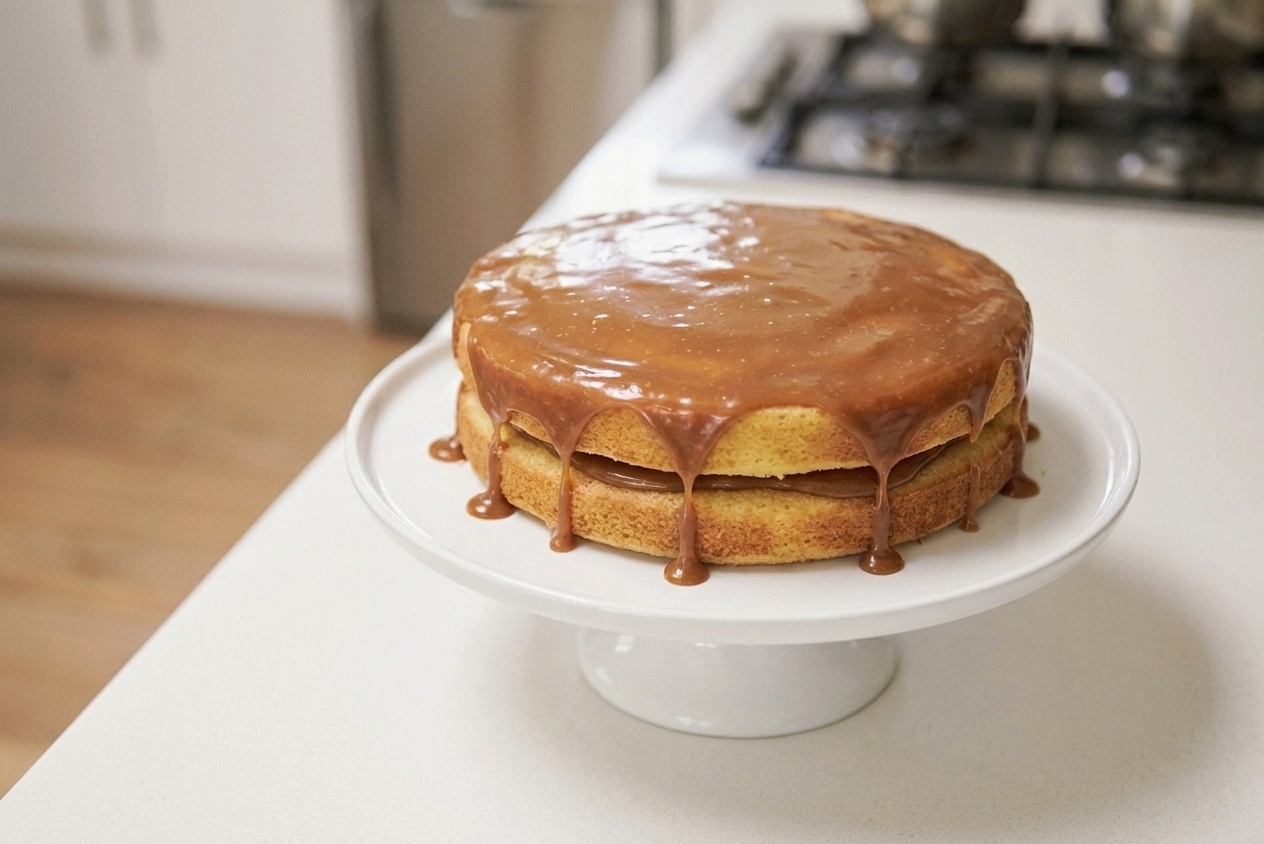
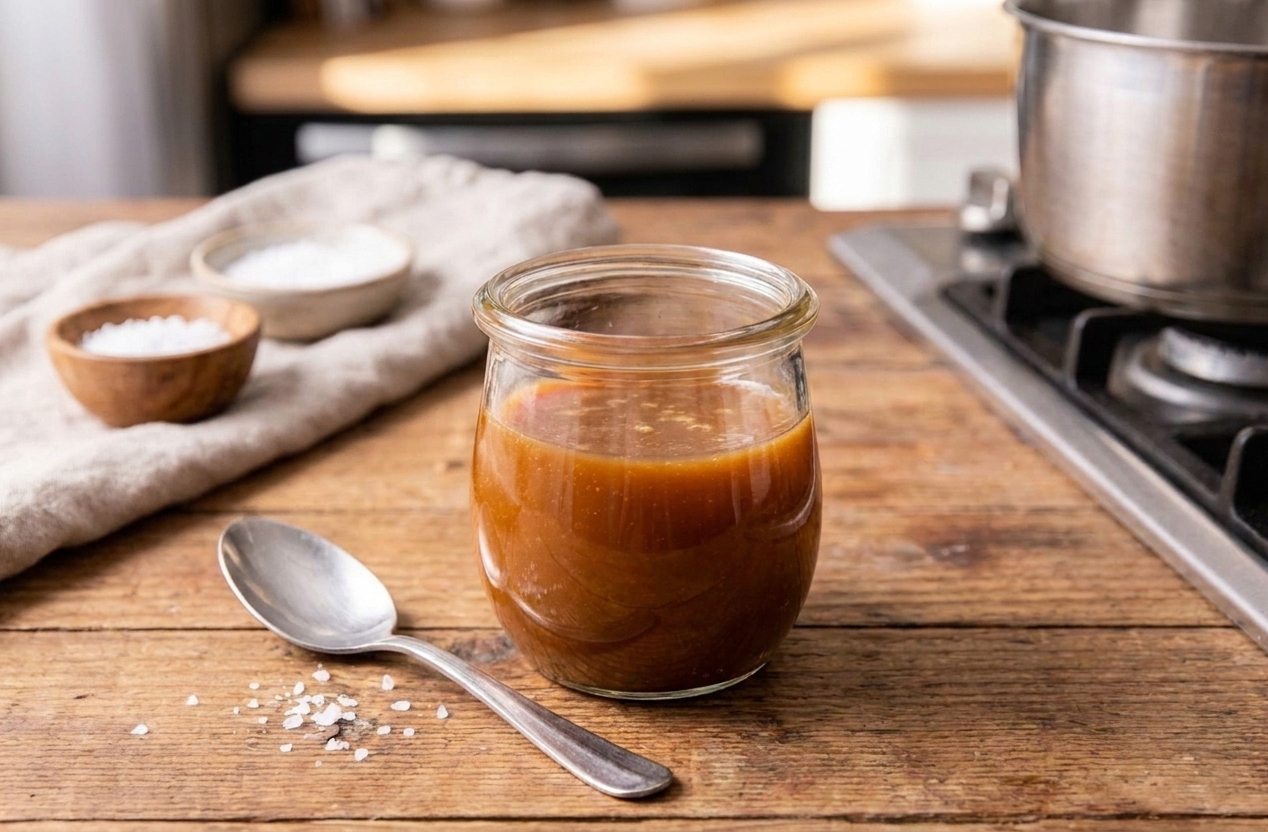
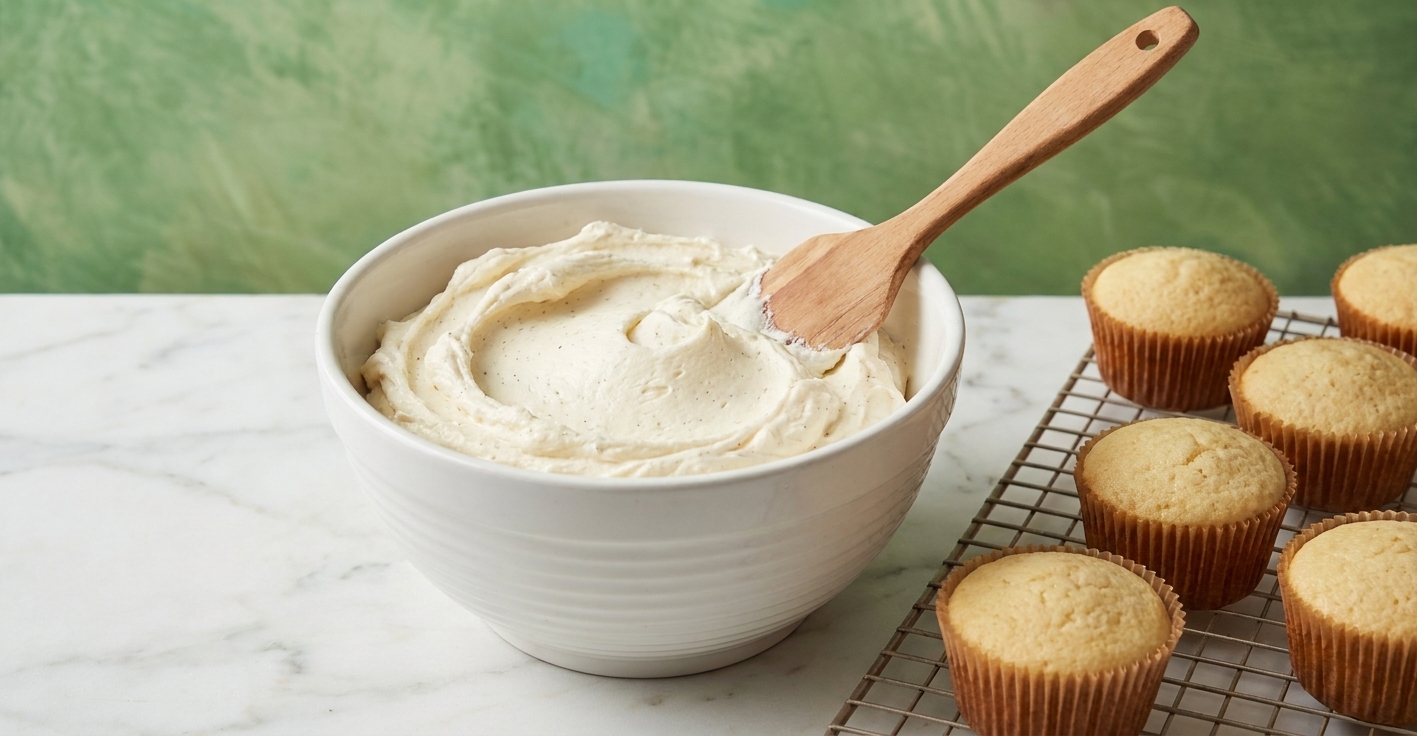
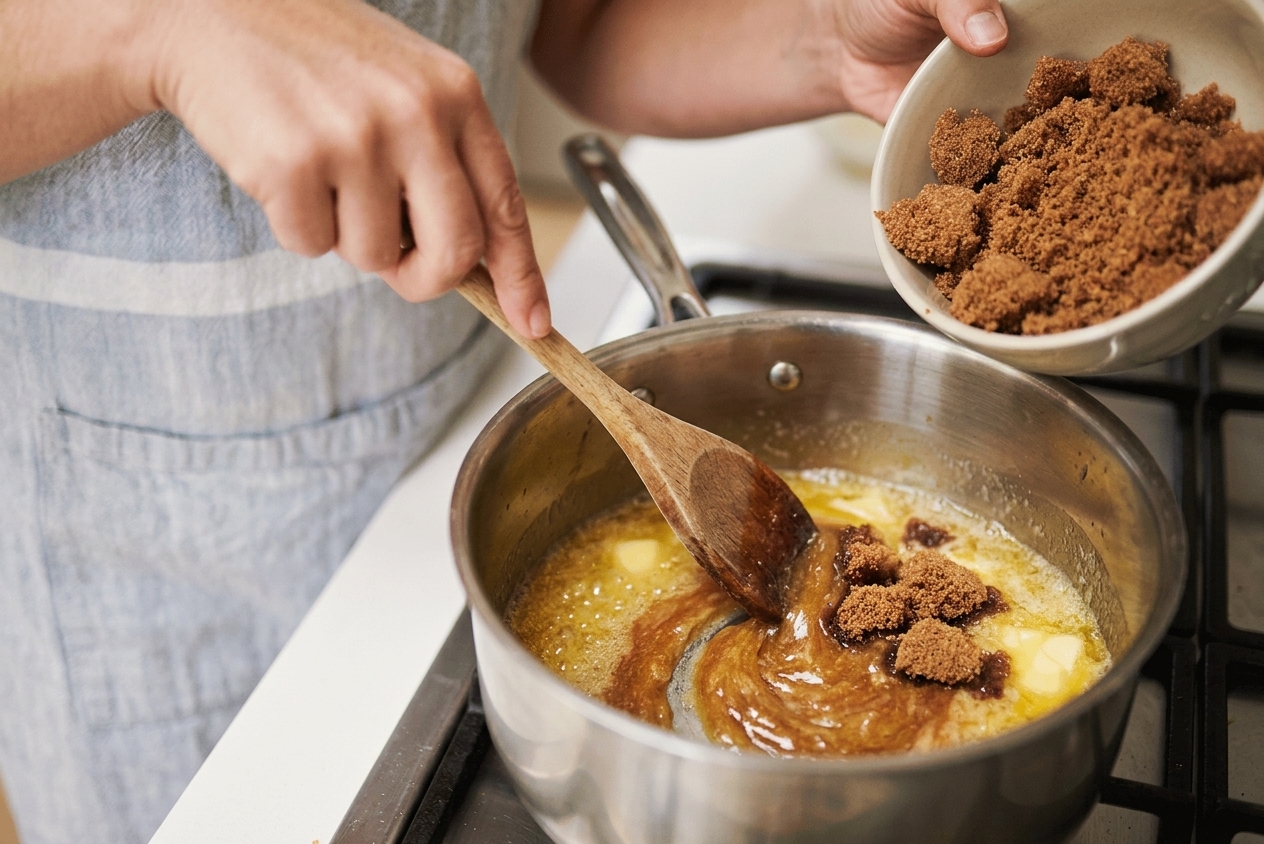
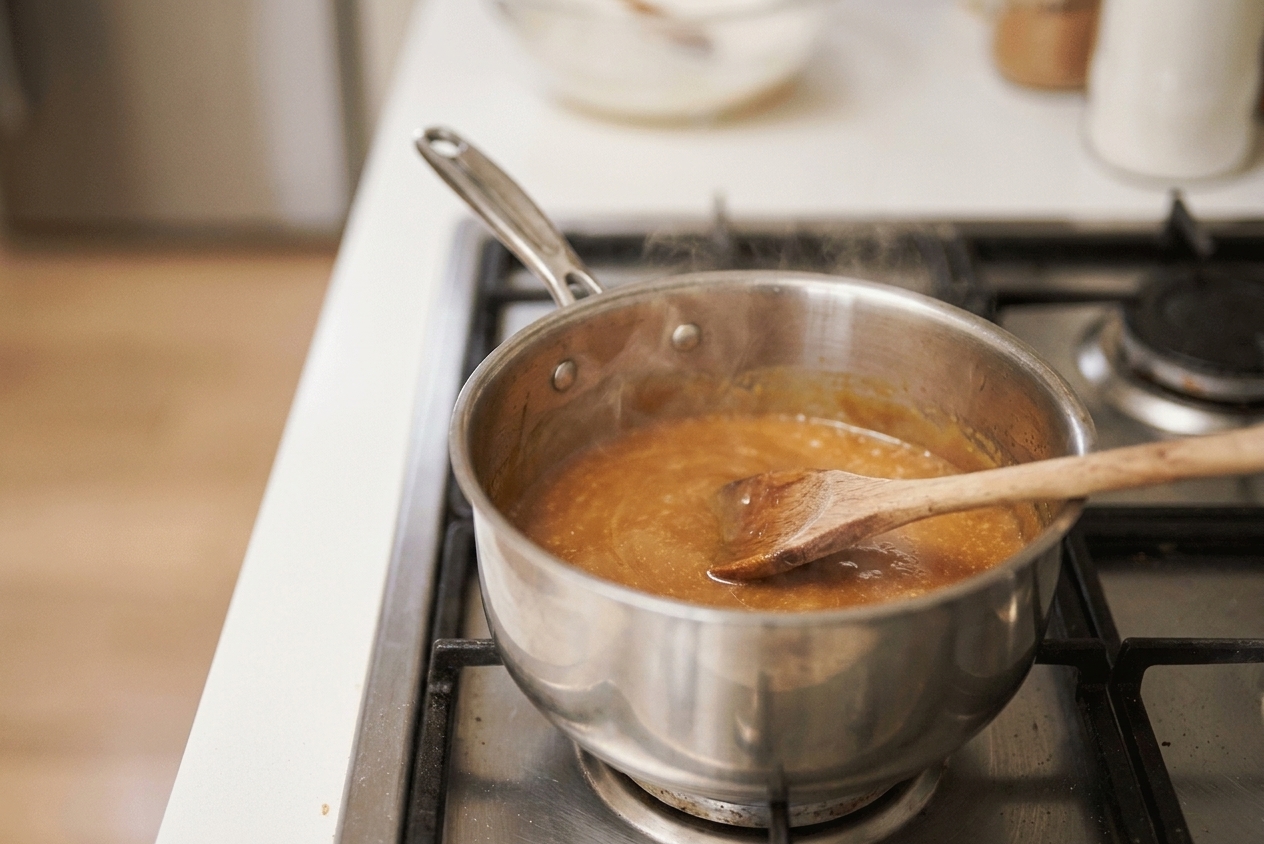
People use the words interchangeably, but in many old-fashioned recipes, caramel icing is cooked on the stove and then beaten until it thickens and sets as it cools. It tends to finish smoother and a little fudgier than a buttercream-style “caramel frosting,” which is often made by mixing caramel sauce into powdered sugar and butter.
Why did my caramel icing turn grainy?
Graininess usually comes from sugar crystals forming. Stirring while it boils can encourage crystals, and so can scraping the sides of the pan into the mixture, cooking too hot, or having a few sugar granules that never fully dissolved before the boil. The goal is: dissolve well before boiling, then keep the boil gentle and avoid unnecessary agitation.
Can I fix grainy caramel icing?
Sometimes, yes. Warm it gently over low heat with 1 to 2 tablespoons cream and whisk until smooth. If it is still grainy, return it to a gentle boil for 30 to 60 seconds (low and steady), then cool a minute and beat again. If you have it, 1 teaspoon corn syrup can help discourage crystals in a rescue situation.
My icing got too thick. What do I do?
Easy fix: warm it briefly and whisk in cream 1 teaspoon at a time until it is spreadable again. Caramel icing thickens fast as it cools, so timing matters.
Can I make caramel icing without heavy cream?
Yes. Half-and-half works great. Whole milk works in a pinch, but the icing will be a bit less rich and may take a little longer to thicken.
What cakes does caramel icing love the most?
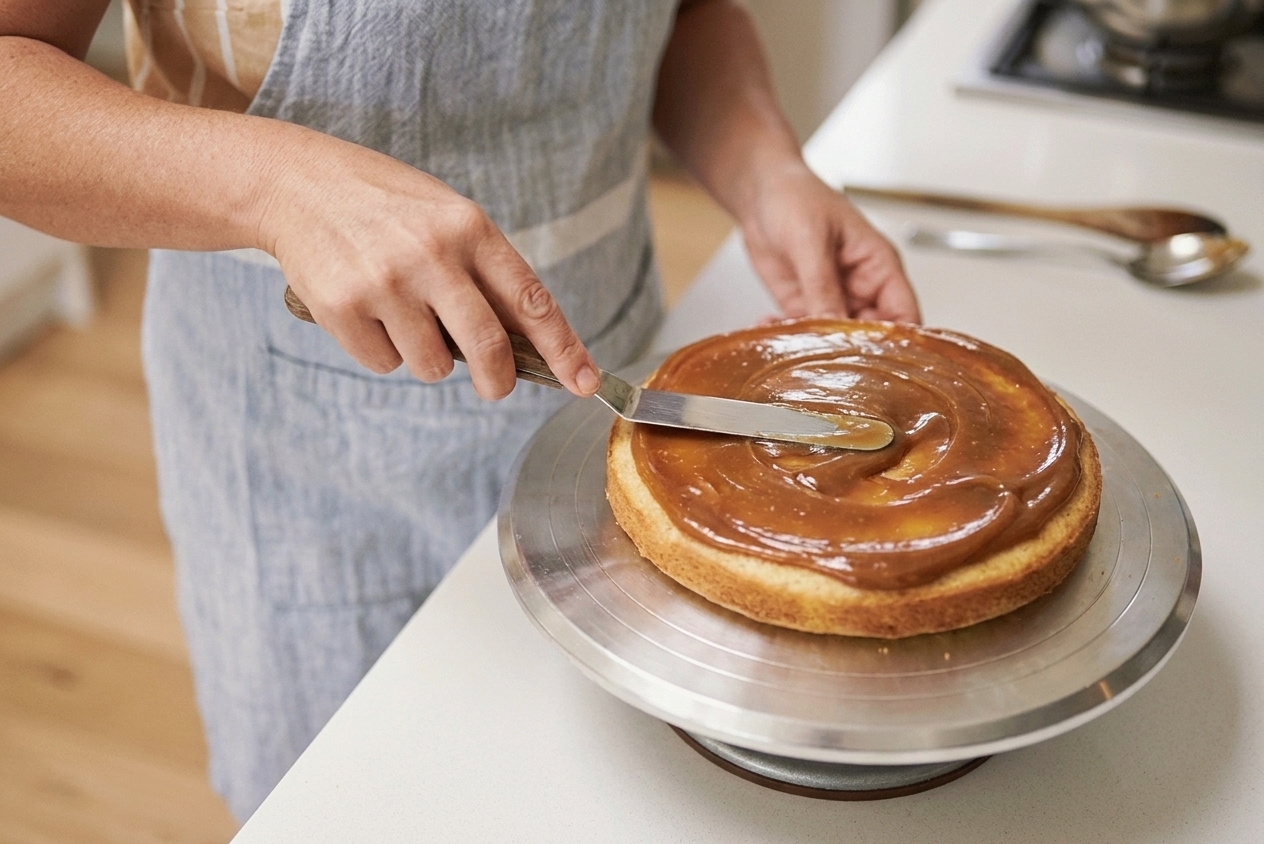
Caramel icing is incredible on yellow cake, spice cake, banana cake, apple cake, pumpkin cake, and classic pound cake. Also: cinnamon rolls. Not optional.