Mom's Best Recipes
Recipe

Choux Pastry

A simple stovetop dough that bakes into crisp, airy shells for cream puffs, éclairs, and more.

Author By Matt Campbell
4.8
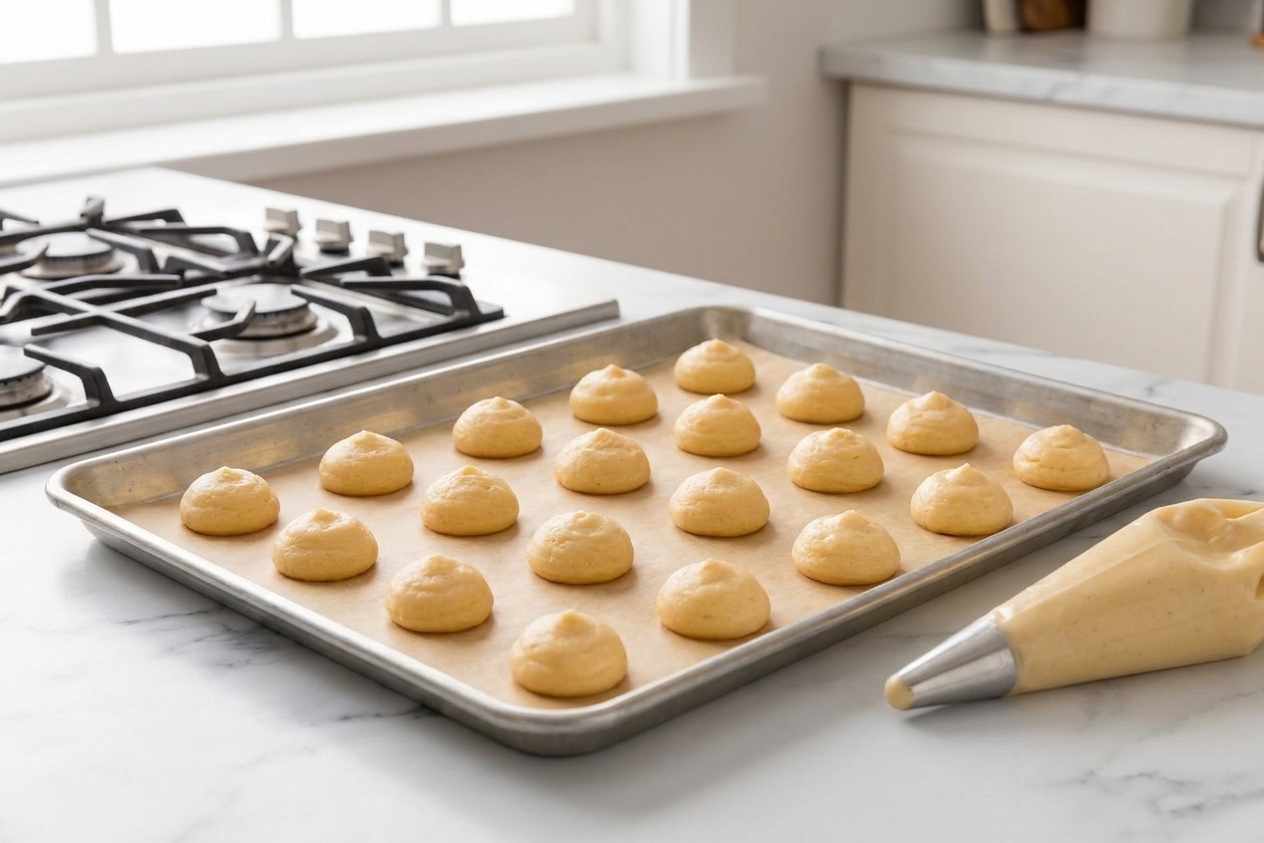
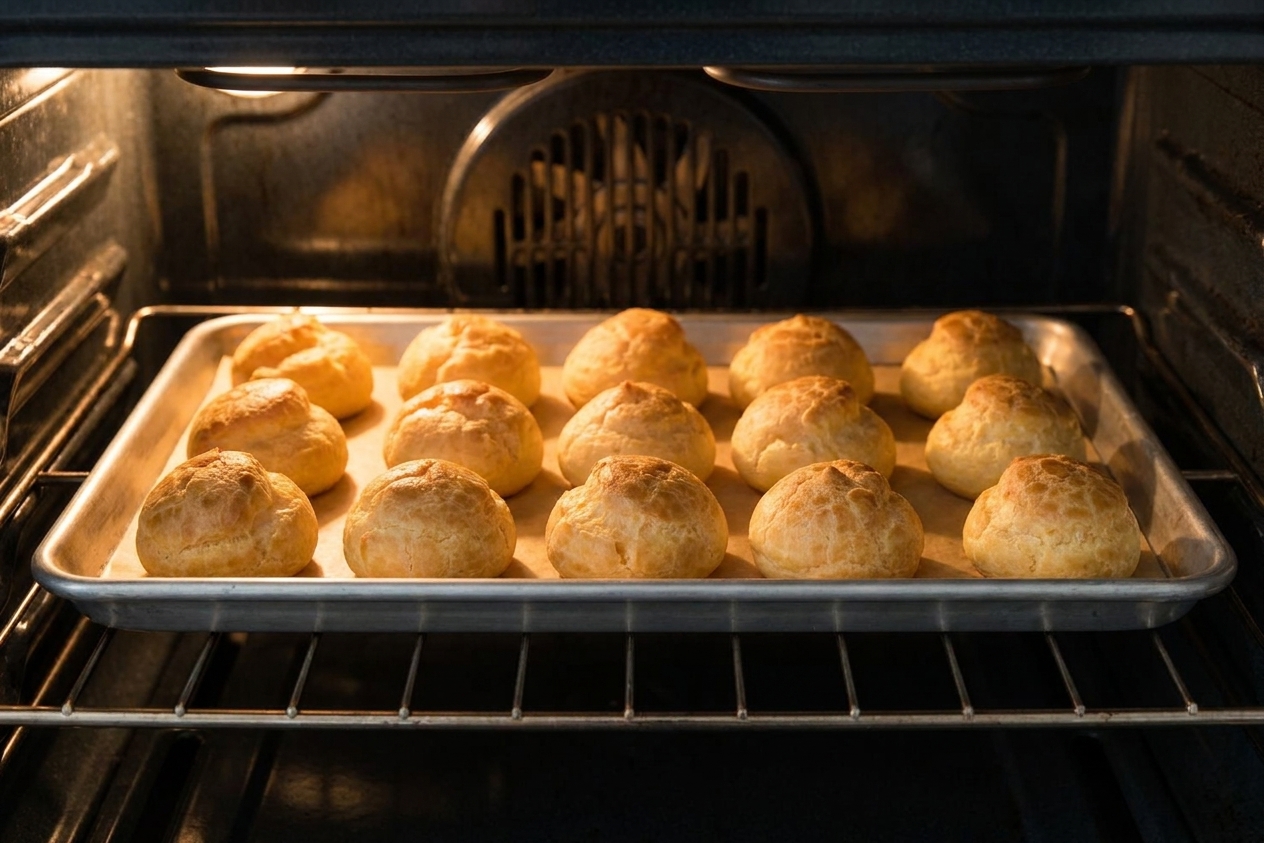
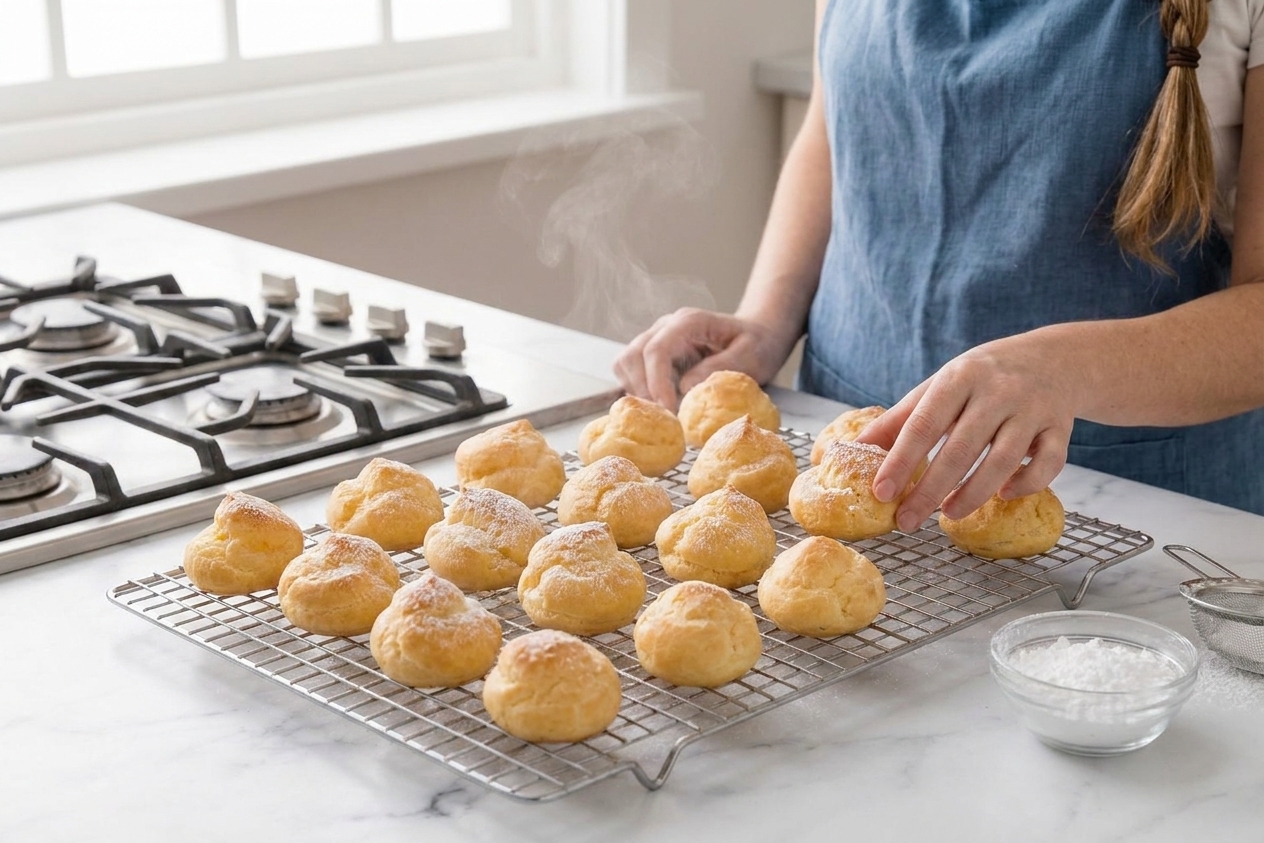
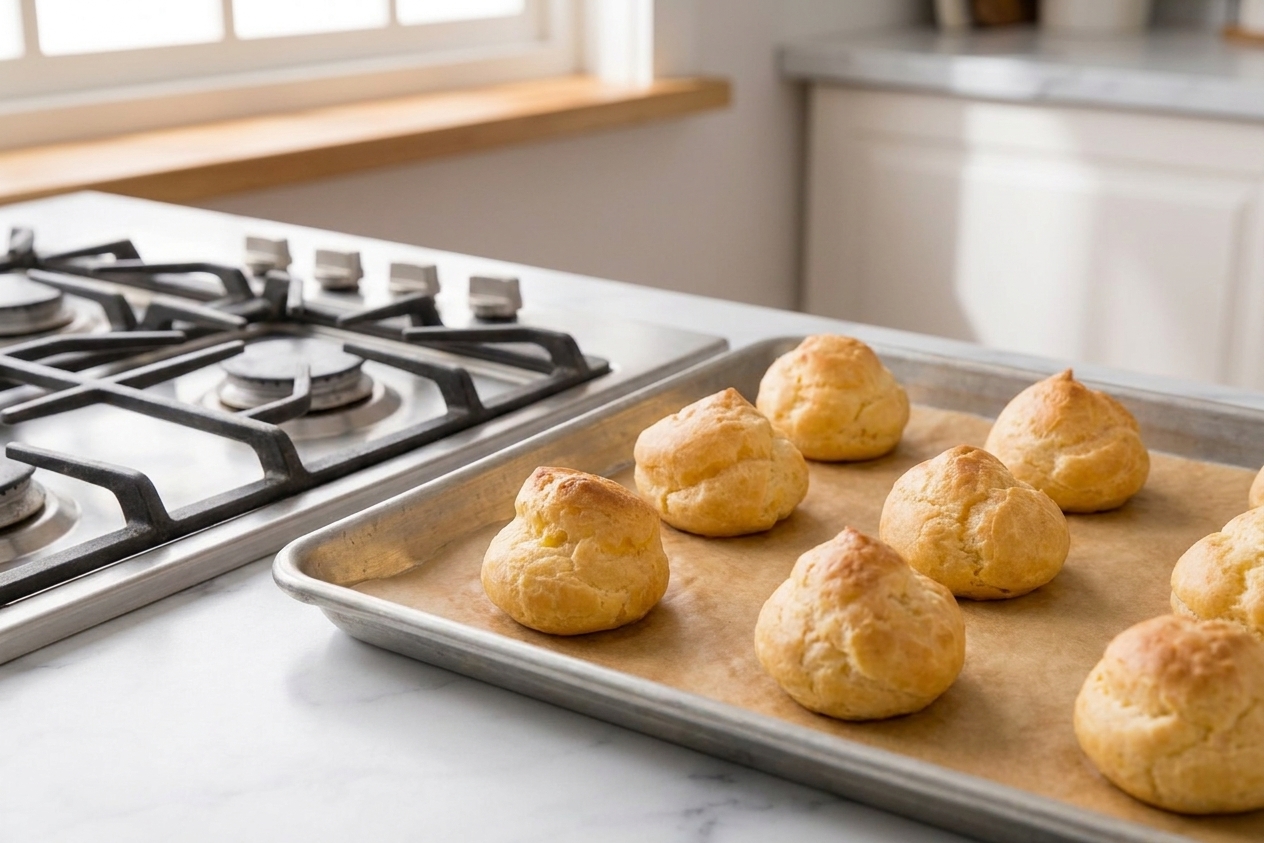
A tray of golden cream puffs made from choux pastry cooling on a parchment-lined baking sheet on a warm kitchen counter

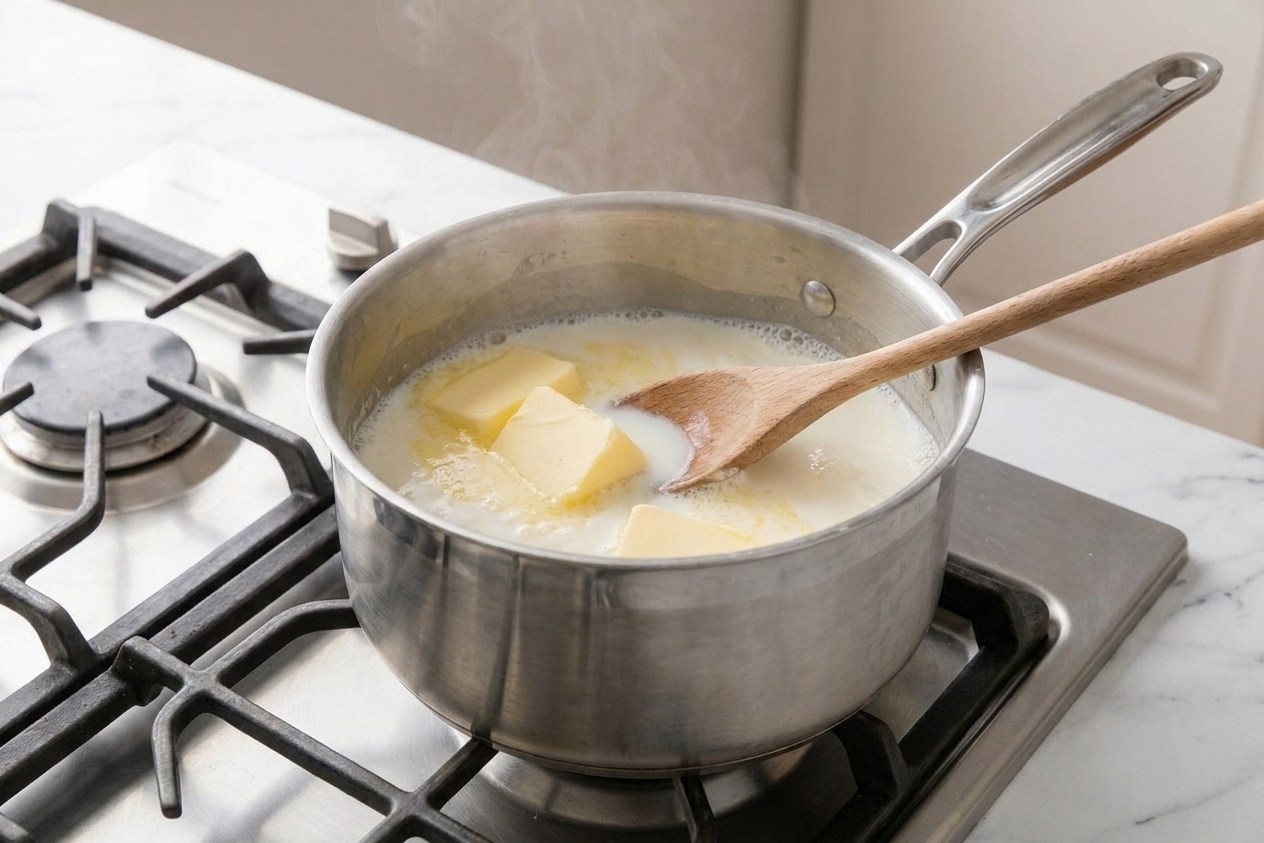
Choux pastry looks fancy, but it is basically the kitchen version of trust falls. You cook a simple dough on the stove, beat in eggs, then the oven does the dramatic part: big puff, crisp shell, and a hollow center just begging for whipped cream, pastry cream, or something cheesy.

This is my go-to method for reliable choux at home with normal tools. If you can stir a pot and you can resist opening the oven door, you can make choux.
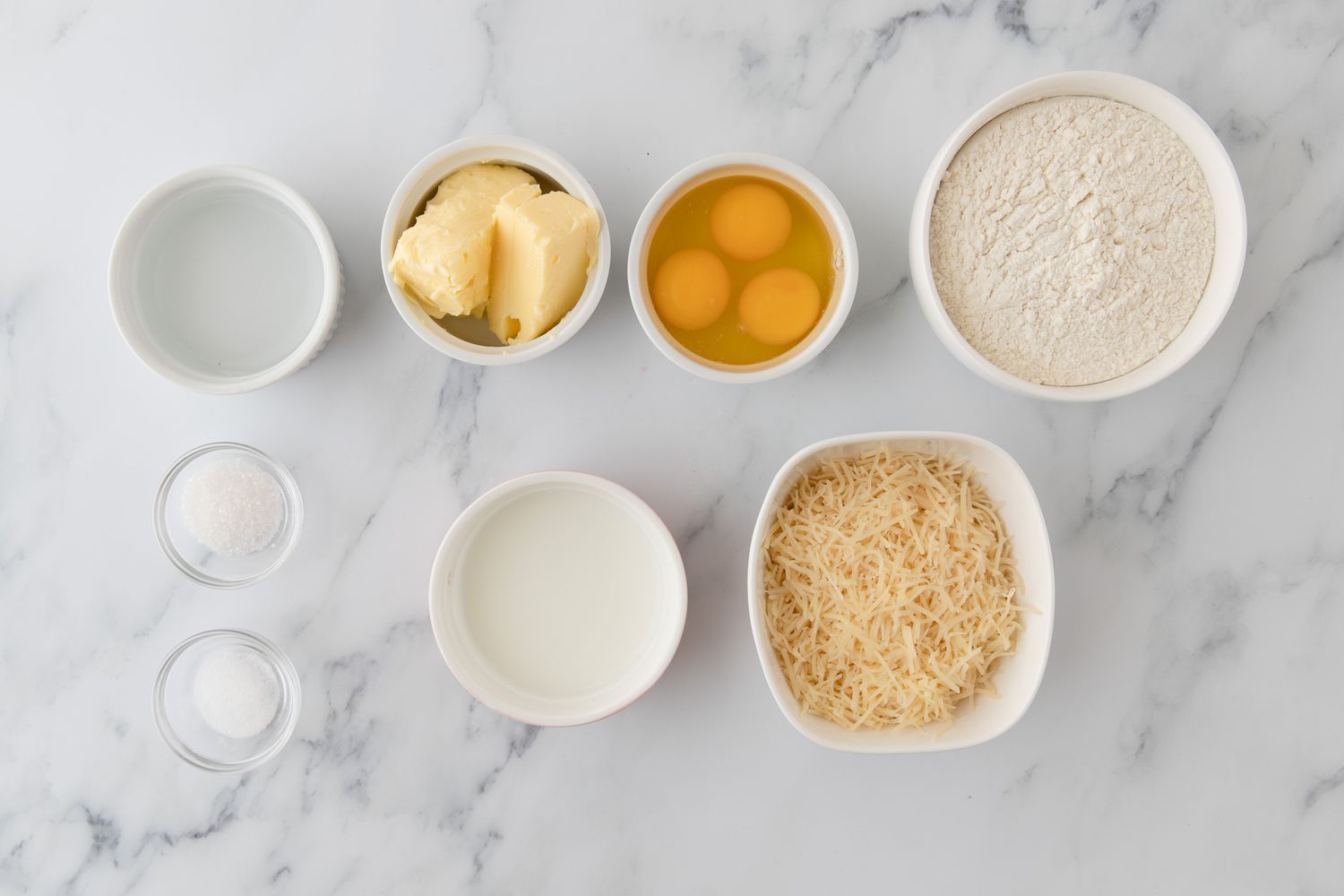
Flour, butter, eggs, milk, water, salt, and sugar measured in small bowls on a clean kitchen counter, ready for choux pastry

Why It Works

  • Crisp edges, airy centers: Starting the dough on the stove gelatinizes the starch so it can trap steam and puff.
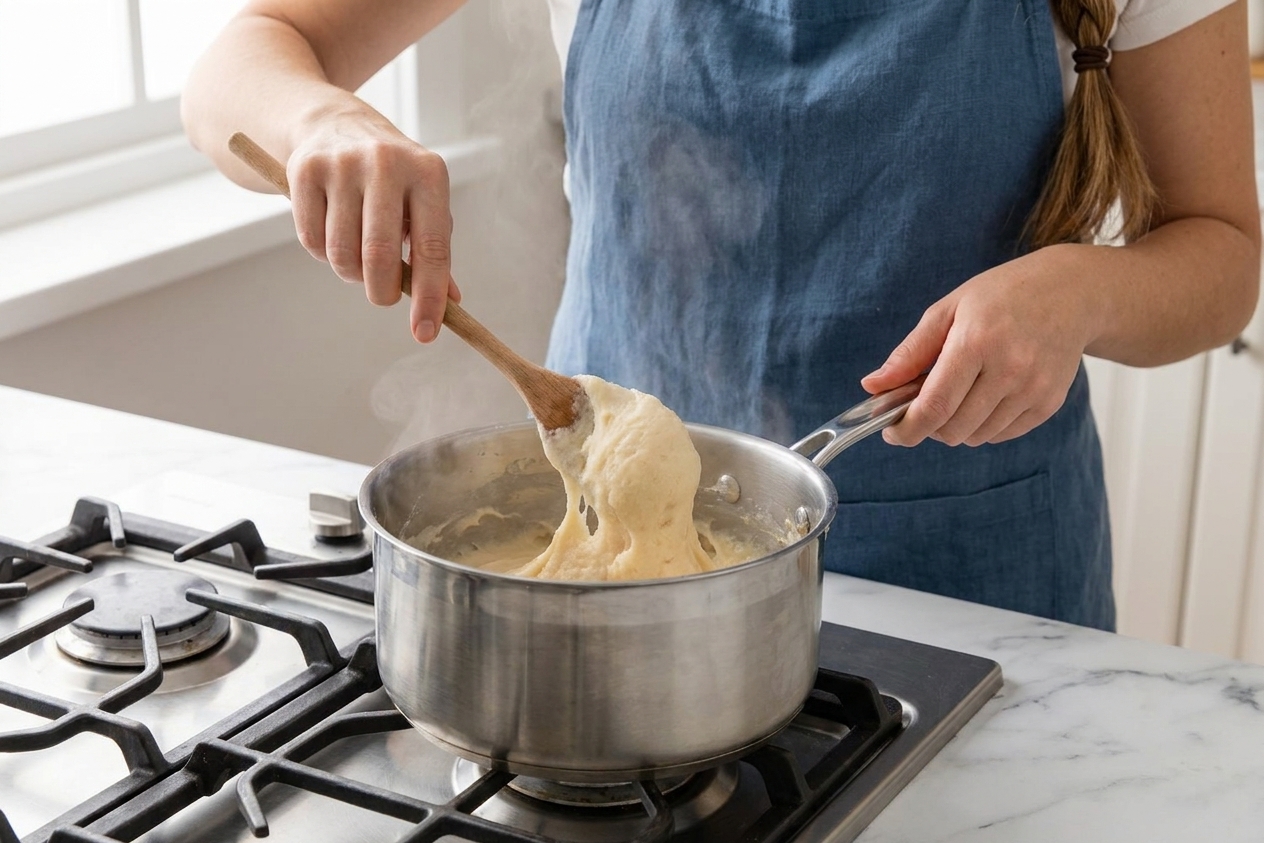
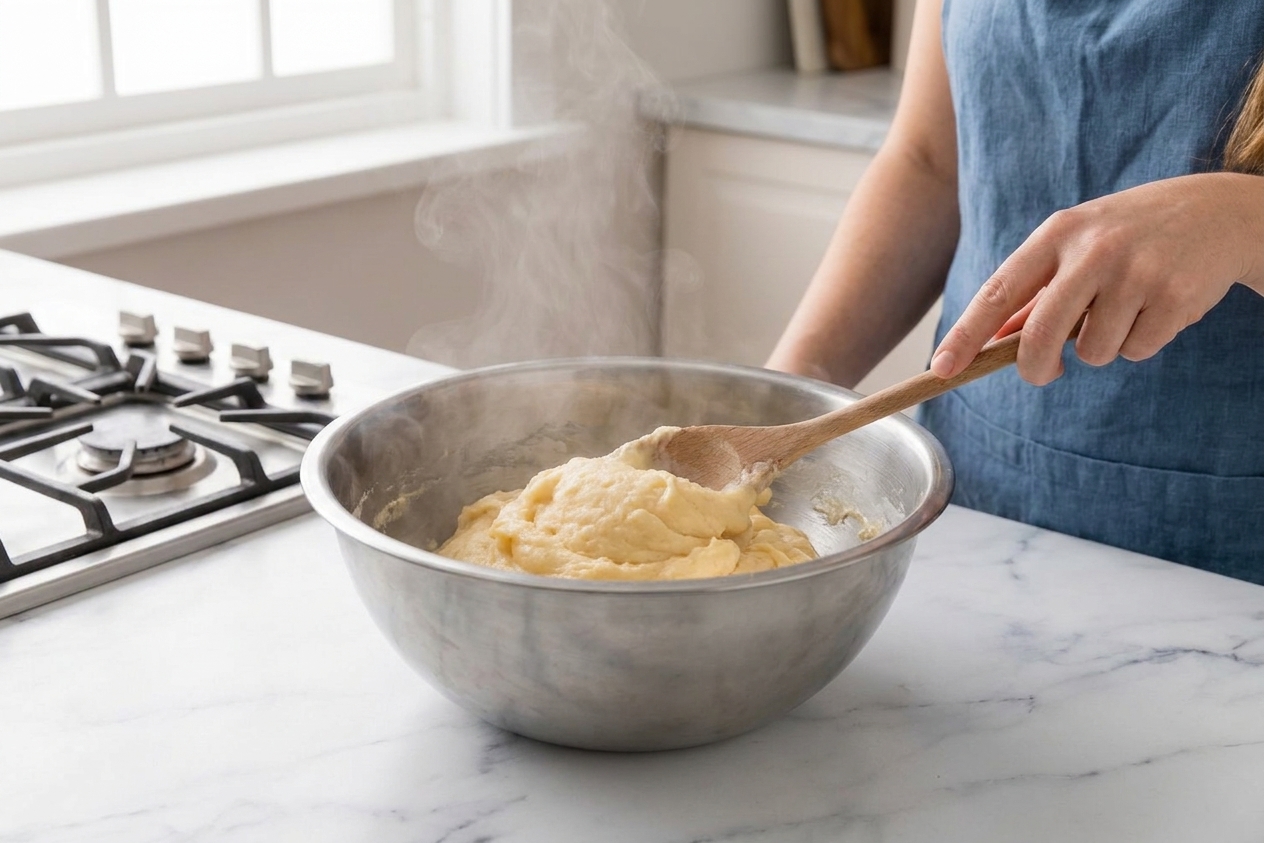
  • Consistent texture: Drying the panade (the cooked dough) for a minute or two prevents soggy, heavy shells.
  • Clear doneness cues: You will bake until deeply golden, then dry the shells so they stay crisp instead of collapsing.
  • Flexible: Same base dough makes cream puffs, éclairs, profiteroles, Paris-Brest rings, or savory cheese puffs.

Pairs Well With

Storage Tips

Unfilled baked shells: Store in an airtight container at room temperature for up to 1 day. For longer storage, freeze up to 2 months. Refresh straight from room temp or frozen in a 325°F oven for 5 to 10 minutes until crisp.

Filled cream puffs or éclairs: Refrigerate and enjoy within 24 hours for best texture. The filling softens the shell over time. If you are prepping ahead, bake the shells and fill right before serving.

Choux dough (before baking): Best baked right away. In a pinch, you can pipe onto a sheet pan, cover, and refrigerate for a few hours (up to about 8). The longer it sits, the less dramatic the puff can be. Let sit at room temp 15 to 20 minutes before baking.

Common Questions

Why did my choux not puff?

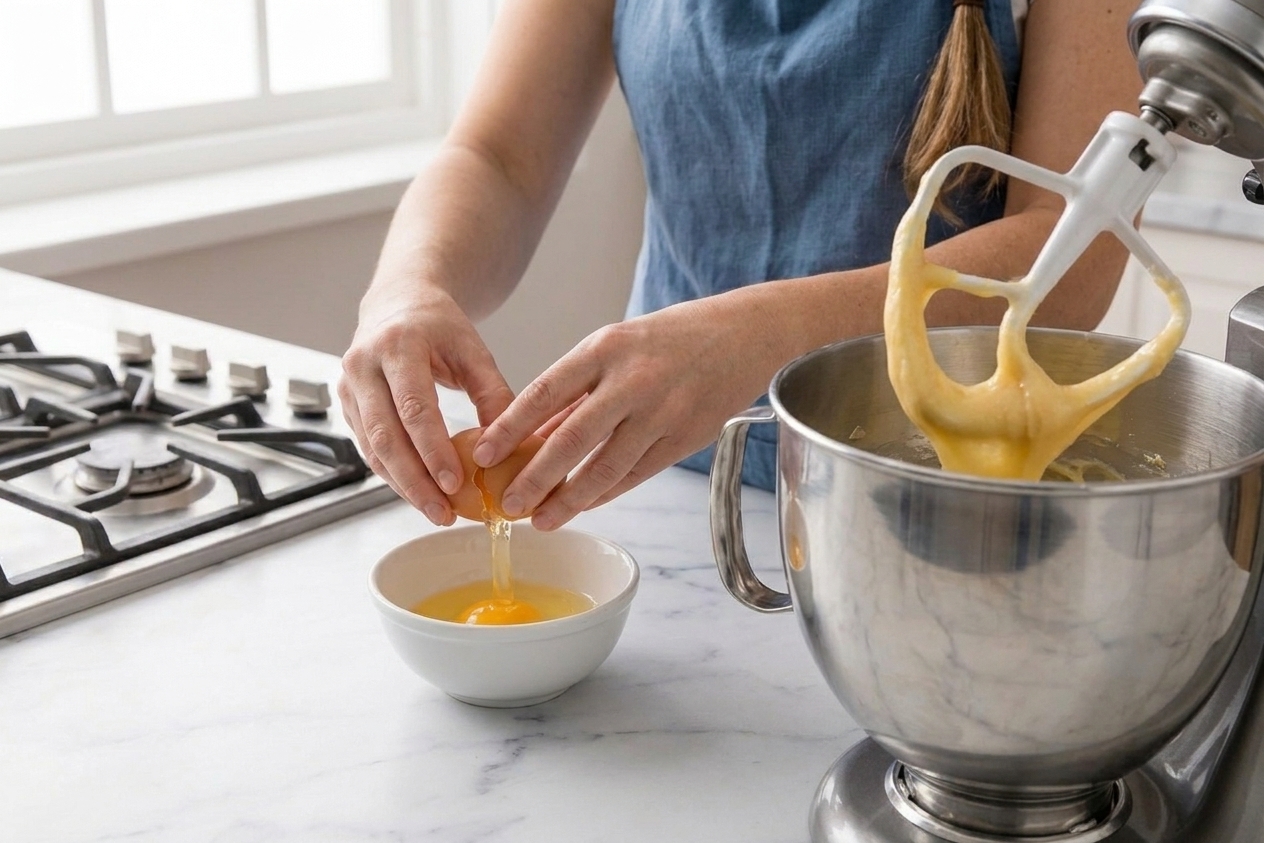
Most common culprits: the oven was not fully preheated, you opened the oven too early, or the dough had too much or too little egg. The dough should be glossy and pipeable and fall off the spatula in a thick V shape.

Why did my shells collapse after baking?

They were underbaked or still too wet inside. Go for a deeper golden brown than you think, then dry them in the turned-off oven with the door cracked. You can also poke a small hole in each shell right after baking to vent steam.

Do I have to use a piping bag?

No, but it helps. A zip-top bag with a corner snipped works for most shapes. For round puffs, you can spoon and smooth with a damp finger, they will just look more rustic.

Can I make this with all water instead of milk?

Yes. Water-only gives a slightly crisper shell but less browning and a bit less richness. Using half milk and half water is a sweet spot for most home ovens.

How do I know when I added enough egg?

Add the last egg gradually and stop when the dough is shiny, smooth, and falls from the spatula in a thick V. If you drag a finger through the dough, the groove should slowly relax, not snap shut immediately.

The first time I made choux, I treated it like any other dough and got humbled fast. Too much egg and it spread like a pancake. Too little and it puffed, then collapsed like it remembered it had somewhere else to be. Once I learned to watch the texture instead of the recipe like it is a law, choux turned into one of my favorite kitchen magic tricks. It is the kind of bake that makes you feel like you could totally run a tiny pastry case, even if you are still cooking dinner in sweatpants.