Mom's Best Recipes
Recipe

Classic Buttermilk Cornbread

Golden skillet cornbread with crisp edges, a tender crumb, and that tangy buttermilk bite. Simple ingredients, big payoff.

Author By Matt Campbell
4.8
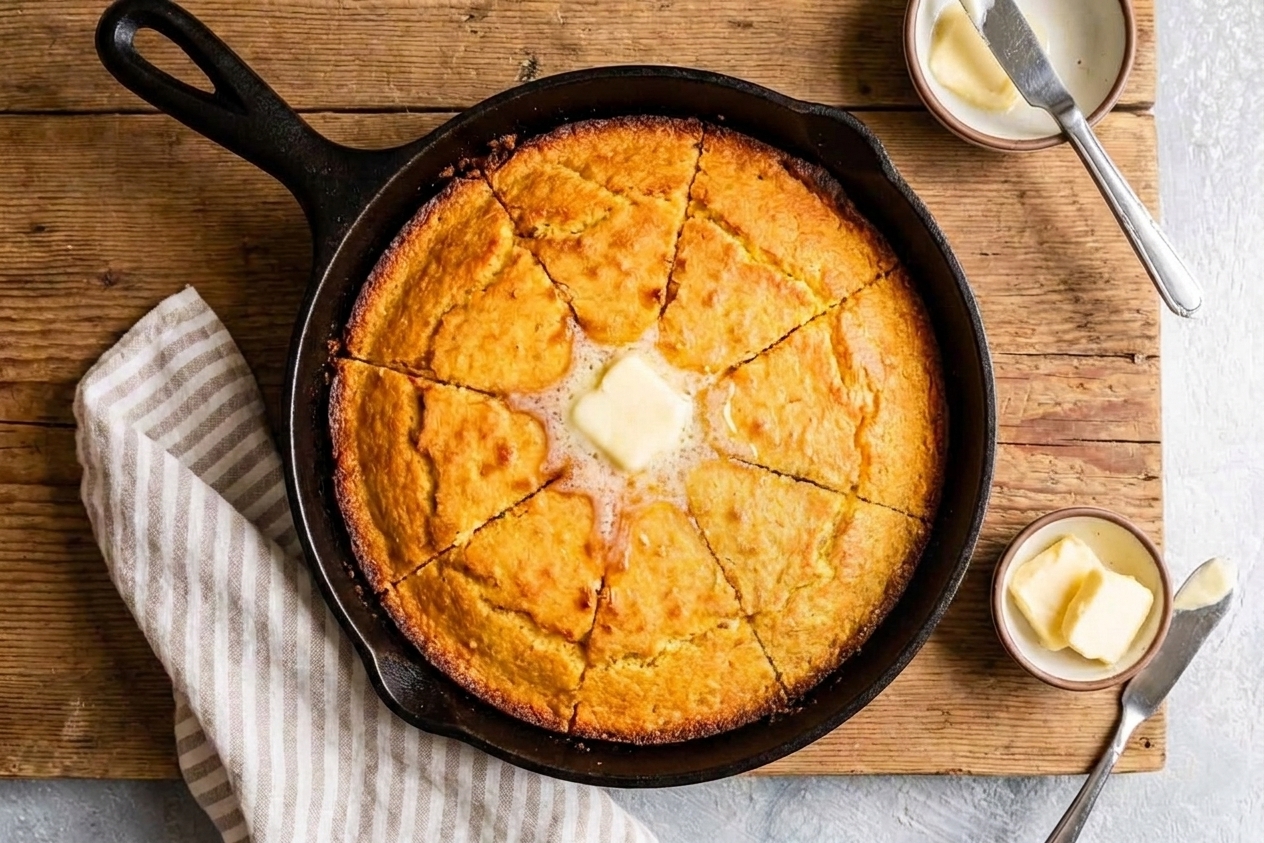
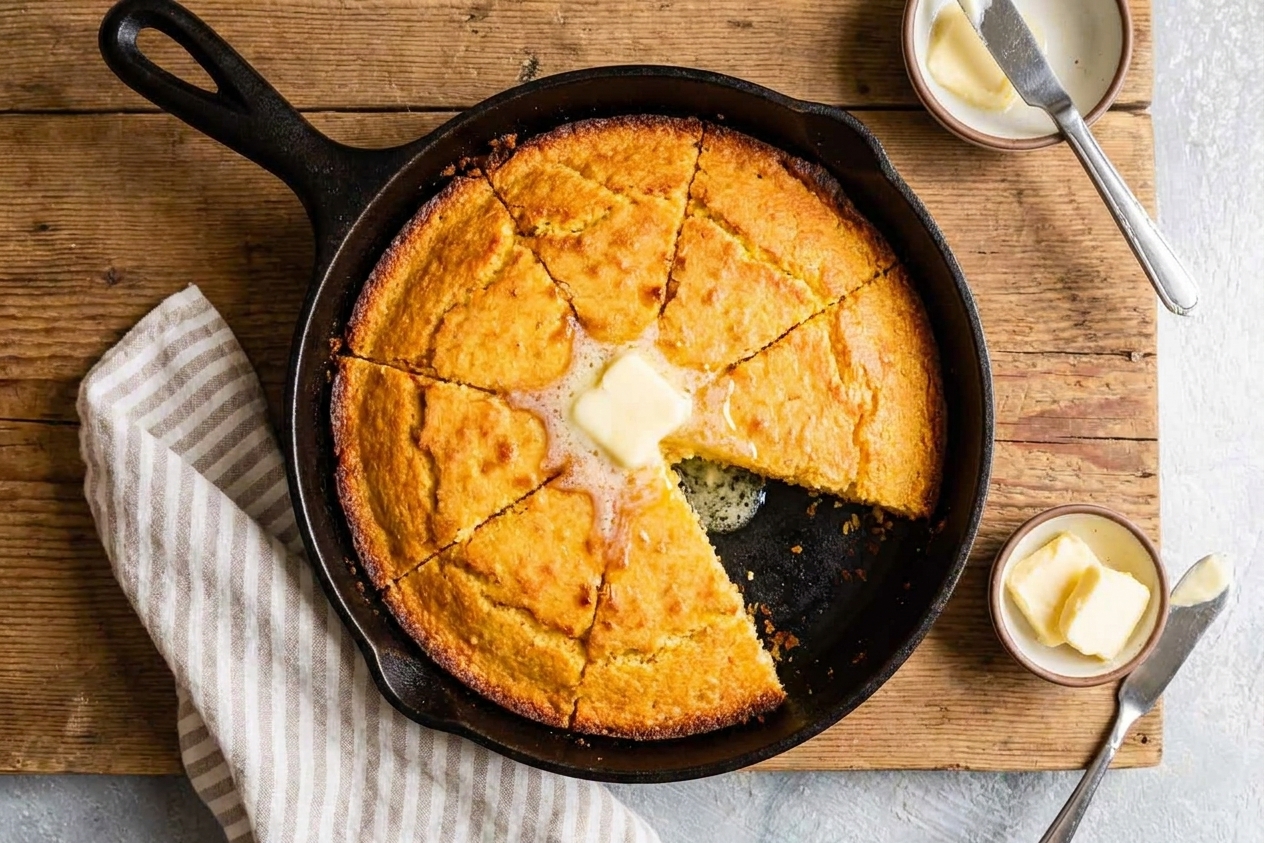
A golden skillet of buttermilk cornbread with crisp edges, cut into wedges on a rustic wooden table with a pat of butter melting on top

Buttermilk cornbread is one of those recipes that feels like a warm handshake. It is humble, fast, and quietly powerful when you get the details right. I am talking crisp edges that crackle a little when you cut in, and a tender, buttery center that belongs next to chili, greens, barbecue, or honestly just a second slice.

This version keeps things accessible and low drama, but it still brings the good stuff: buttermilk tang for flavor, a hot skillet for that golden crust, and just enough sweetness to round everything out without turning it into cake. If you want a reliable cornbread that behaves on a weeknight and still shows off at Sunday dinner, this is the one.
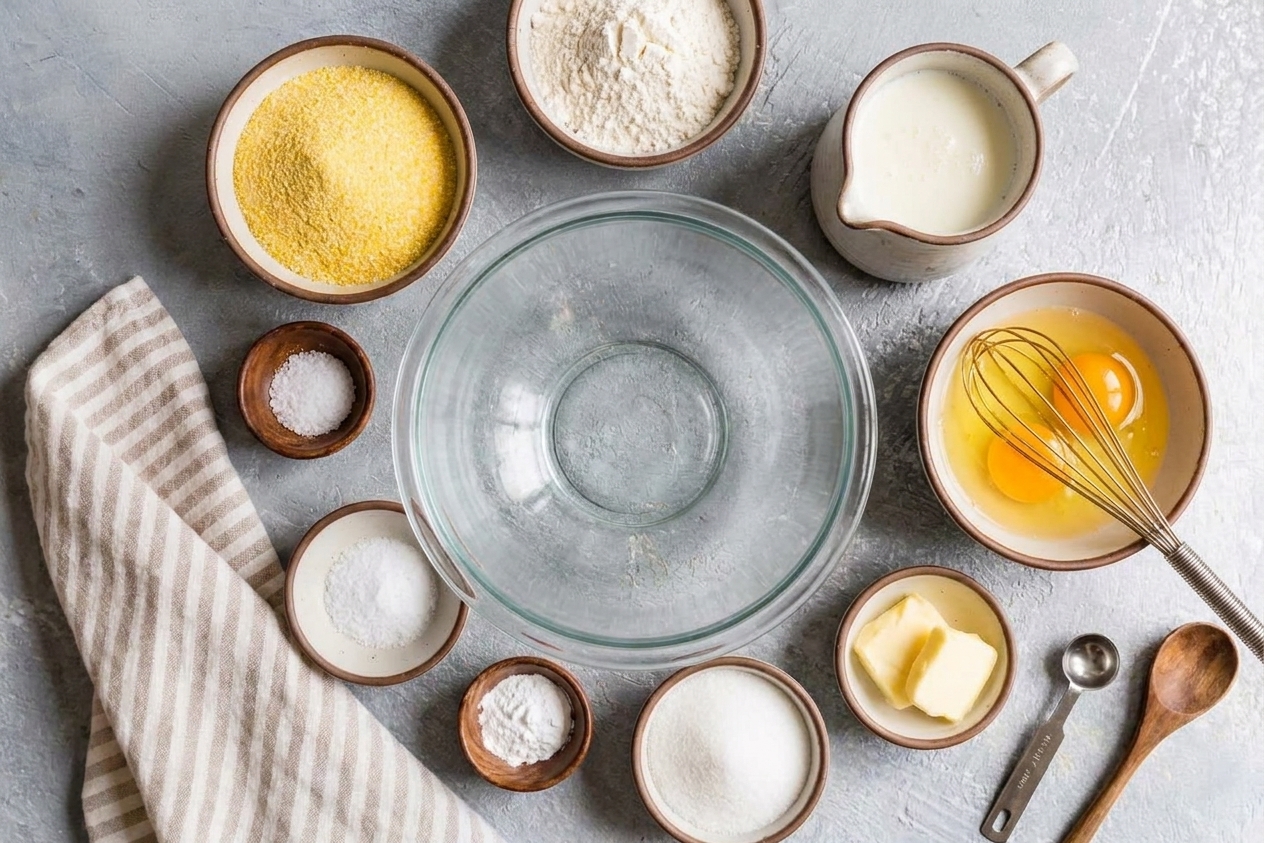
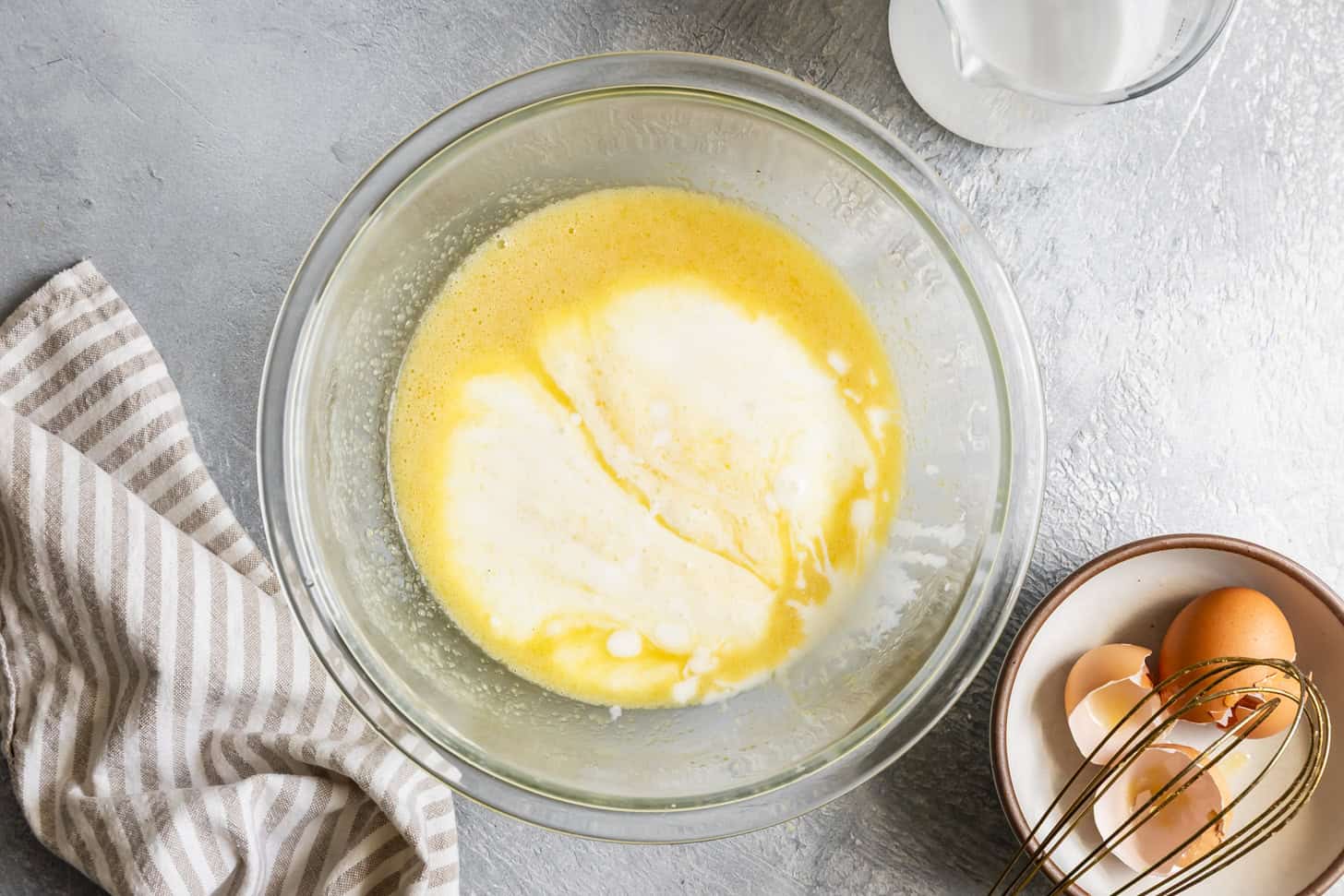
Measured ingredients for buttermilk cornbread on a kitchen counter, including cornmeal, flour, buttermilk, eggs, butter, sugar, baking powder, and salt in small bowls

Why It Works

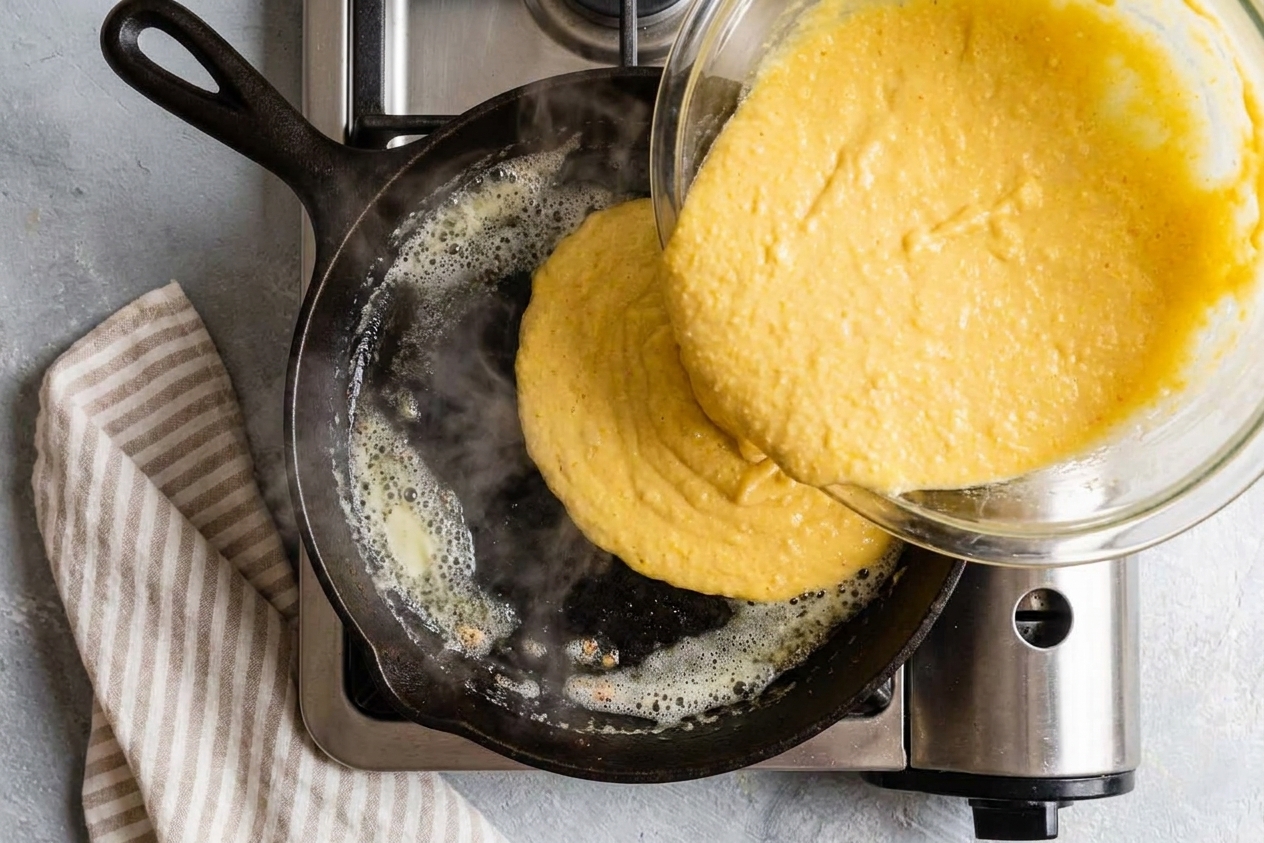
  • Crisp, golden edges: Preheating the skillet with butter gives you that signature crackly crust without deep frying anything.
  • Moist, tender crumb: Buttermilk and melted butter keep it rich and soft, not dry or sandy.
  • Reliable rise: Baking powder plus a touch of baking soda lifts the batter and balances the buttermilk’s acidity.
  • One bowl energy: Whisk, stir, bake. Minimal dishes, maximum reward.

Pairs Well With

Storage Tips

Room temperature: Let cornbread cool completely, then wrap tightly and keep at room temp for up to 2 days. If your kitchen runs warm or humid, move it to the fridge sooner.

Refrigerator: Store in an airtight container up to 5 days. Reheat to bring back the best texture.

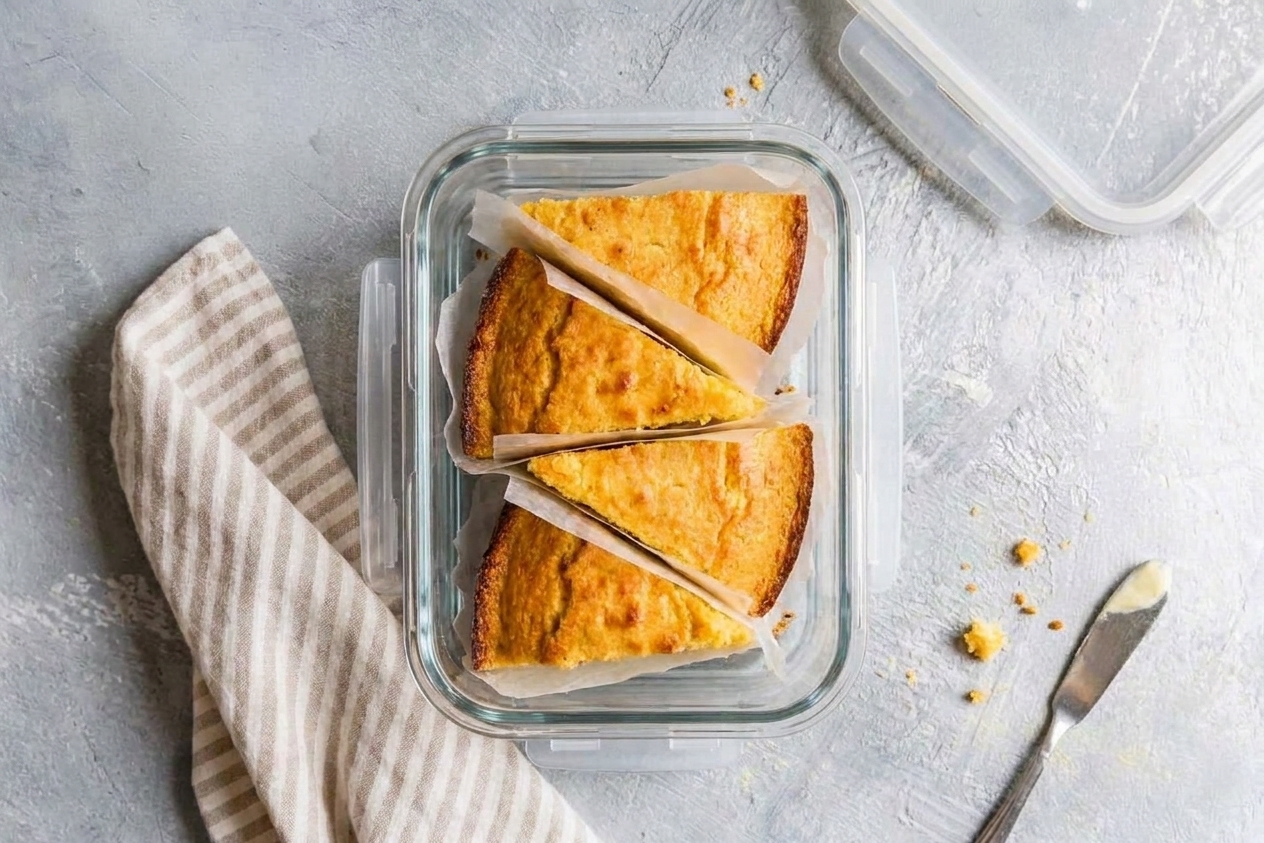
Freezer: Wrap wedges individually in plastic wrap, then stash in a freezer bag for up to 3 months.

Thawing: Thaw overnight in the fridge, or thaw at room temperature for about 1 to 2 hours depending on thickness. Keep it wrapped so it does not dry out.

Reheating (best methods):

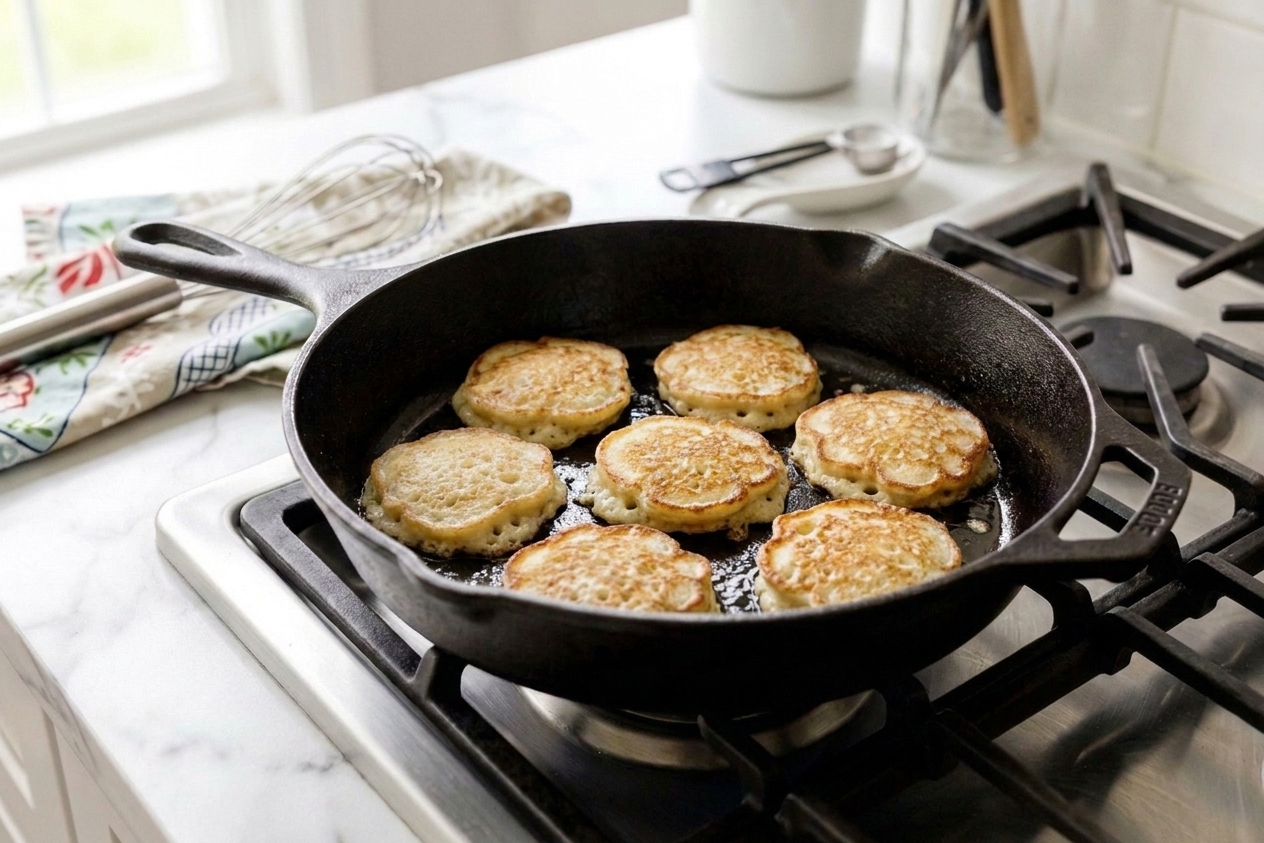
  • Skillet: Medium-low heat with a tiny bit of butter, 2 to 3 minutes per side for revived crisp edges.
  • Oven or toaster oven: 325°F for 8 to 12 minutes from room temp, or 10 to 15 minutes from the fridge. Loosely cover with foil if it is drying out.
  • Microwave: 15 to 25 seconds, then stop. Microwave too long and cornbread gets bouncy.
Slices of cornbread wrapped and placed in an airtight container on a kitchen counter, ready for storage

Common Questions

Can I make this without a cast iron skillet?

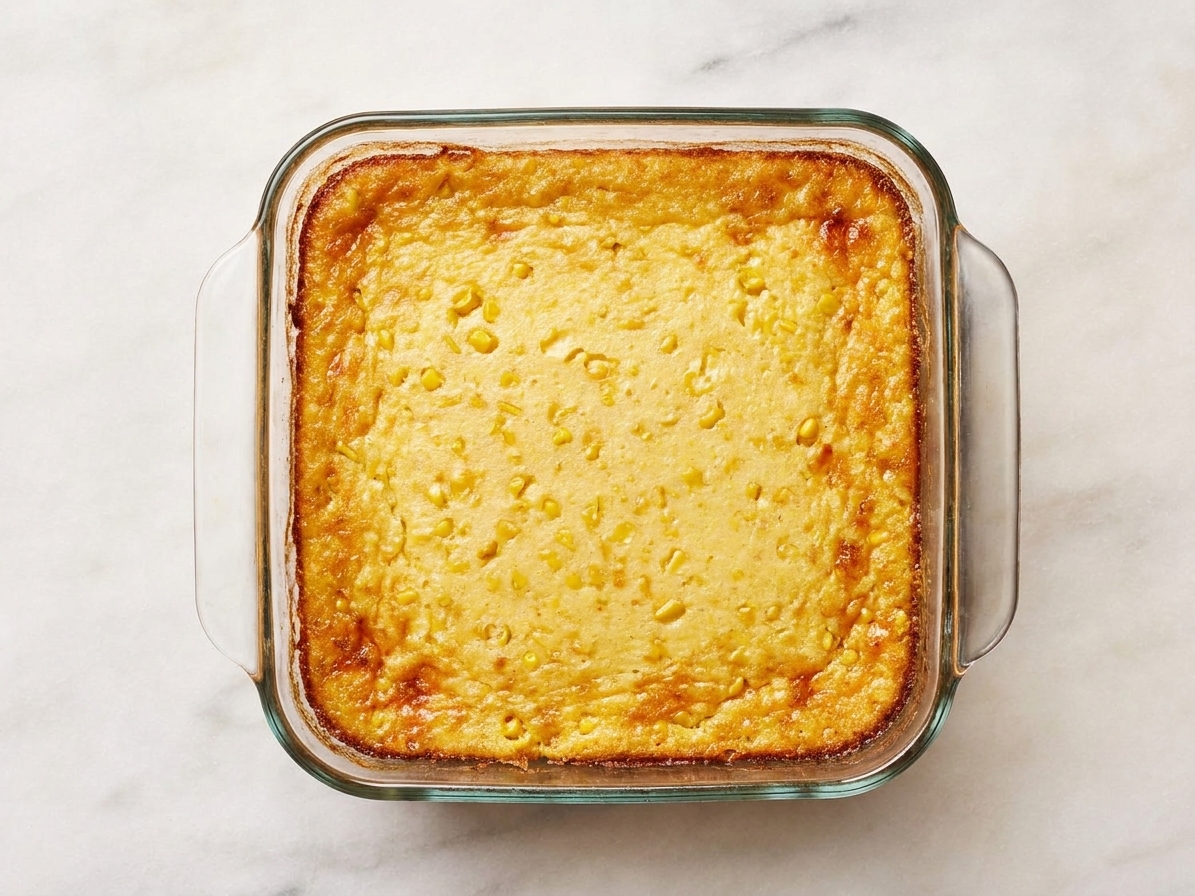
Yes. A 9-inch metal cake pan or 8x8-inch baking dish works. You will lose a little of that ultra-crisp edge magic, but it will still taste great. If your pan is oven-safe, preheat it with the butter so the batter hits a hot surface.

Why did my cornbread turn out dry?

Usually it is one of three things: too much cornmeal (scooped and packed), overbaking, or not enough fat. Measure by spooning into the cup and leveling. Bake just until a toothpick comes out clean, and do not be shy with the butter.

Can I use milk instead of buttermilk?

You can, but you will miss the flavor and tenderness. In a pinch, make a quick substitute: add 1 1/2 tablespoons lemon juice or white vinegar to a measuring cup, then fill to 1 1/2 cups with milk. Let sit 5 to 10 minutes.

Should cornbread be sweet?

Personal. This recipe is lightly sweet. If you want it more savory, drop the sugar to 1 tablespoon. If you want it more cake-adjacent, bump it to 1/4 cup.

Can I add mix-ins?

Absolutely. Add up to 1 cup total of mix-ins like cheddar, diced jalapeños, corn kernels, or crumbled cooked bacon. Fold them in right before baking.

I used to think cornbread was either dry and forgettable or weirdly sweet, and I accepted that as the law of the land. Then I started treating it like the good bread it is. Hot skillet, real buttermilk, enough butter to make the batter glossy, and a strict rule: do not overbake. The first time I nailed the crisp edges and that steamy, tender middle, I ate a wedge standing at the counter with butter melting into every crack. No regrets. Still no regrets.