Mom's Best Recipes
Recipe

Classic Cajun Boudin

Savory pork and rice sausage with Cajun seasoning, green onion, and a little heat. Make it stuffed in casings or serve it loose for boudin balls.

Author By Matt Campbell
4.8
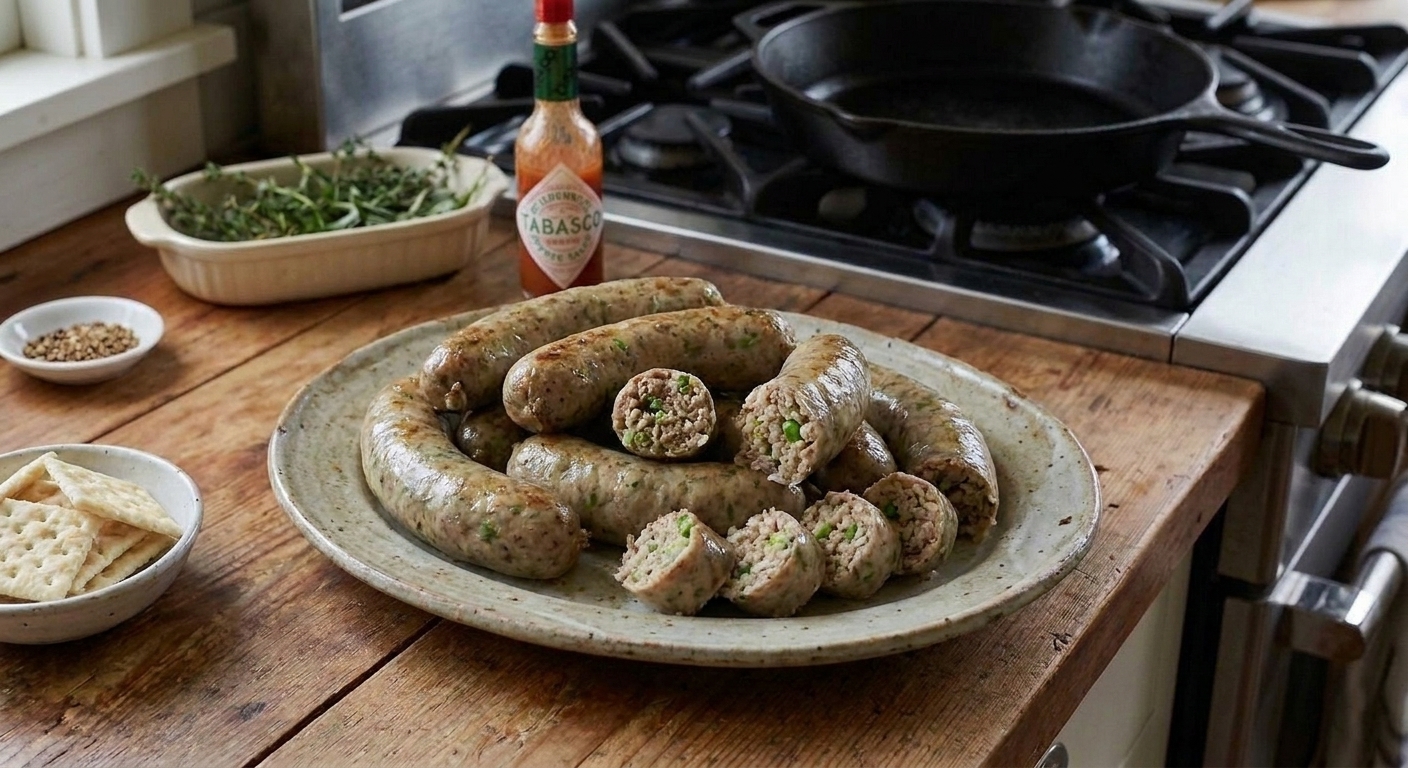
A platter of homemade Cajun boudin sausage links with a few sliced pieces showing the pork and rice filling, on a rustic wooden table with soft kitchen lighting

Boudin is one of those foods that feels like it should be complicated, because it is so comforting and so packed with flavor. But once you understand the rhythm, cook the pork until it is tender, cook rice in that same porky broth, then pulse it together with sautéed aromatics, it becomes a very doable weekend project. It is also the kind of recipe that makes your kitchen smell like you know what you are doing, even if you are winging it a little.

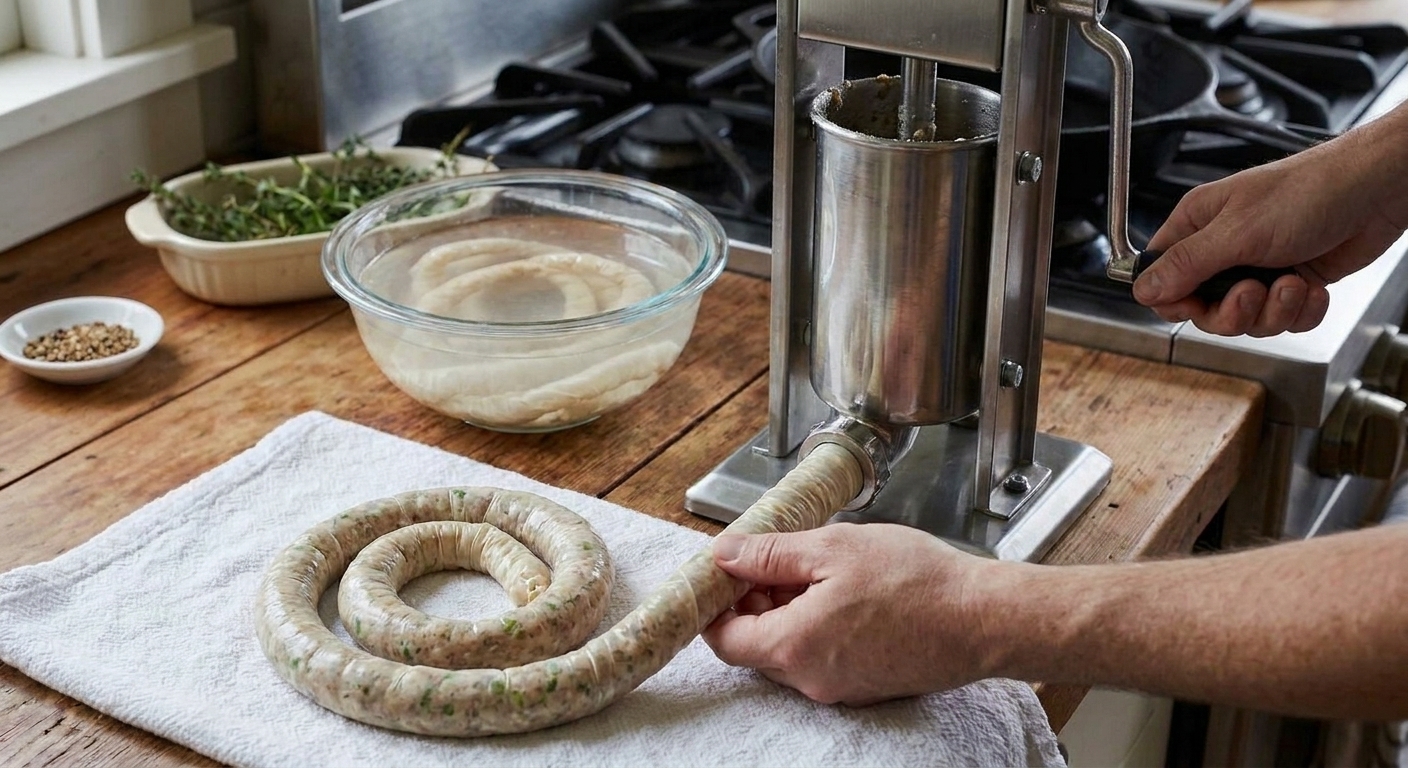
This is a classic Cajun-style boudin: pork shoulder, a bit of liver for that old-school depth (optional, but recommended), lots of green onion and parsley, and enough seasoning to make you pause mid-bite like, okay wow. Stuff it into casings if you want the full sausage-link experience, or skip the casings and use the mix for boudin balls, breakfast hashes, or the best “snack spoonful” of your life.
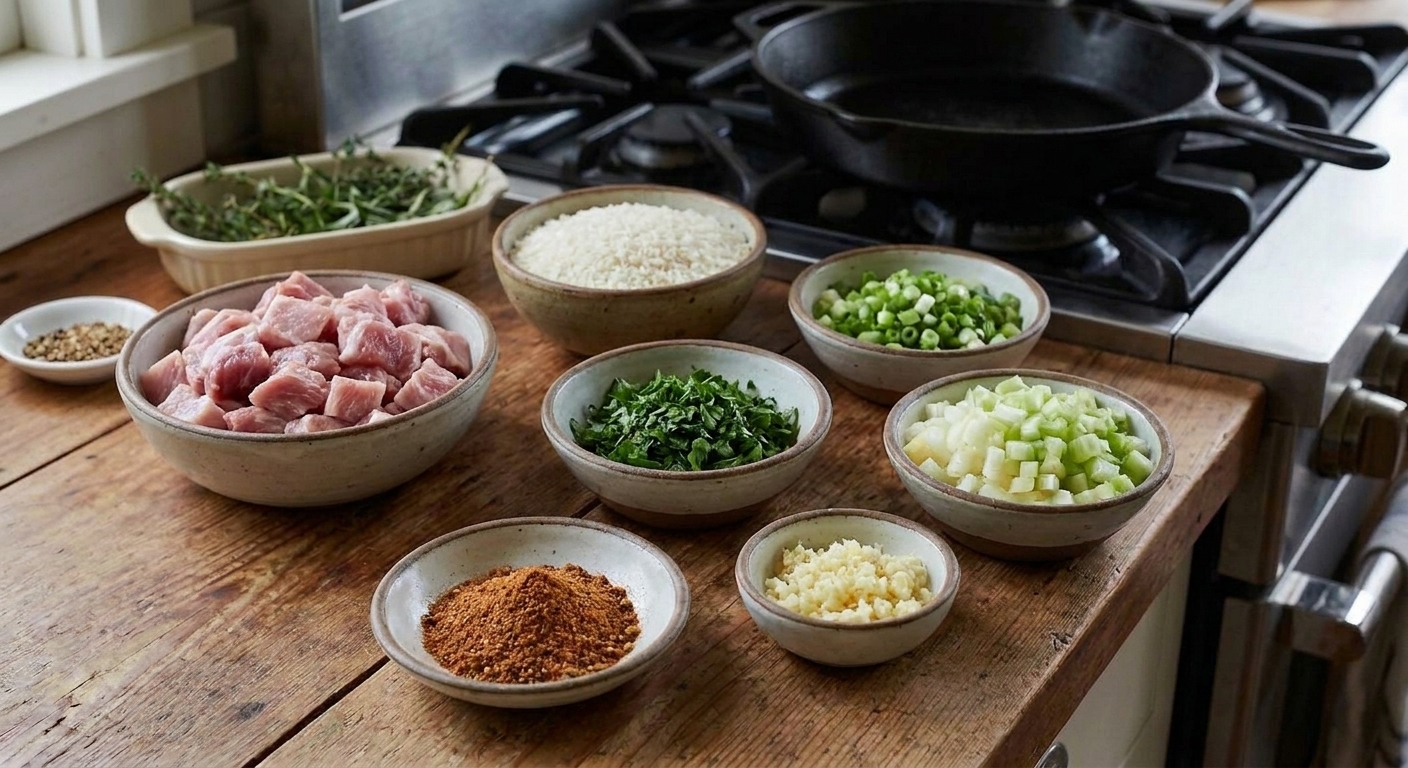
Raw ingredients for boudin on a kitchen counter including pork shoulder cubes, white rice, green onions, parsley, onion, celery, garlic, and Cajun spices in small bowls

Why It Works

  • Big flavor, accessible ingredients: Pork shoulder, rice, and a handful of aromatics do the heavy lifting. The seasoning makes it sing.
  • Two texture wins: You get creamy, savory filling with little pops of rice, plus crisp edges if you grill or pan-sear the links after.
  • Stuffed or not: No casings, no problem. The mixture is still the point, and it is amazing baked into boudin balls.
  • Make-ahead friendly: Boudin reheats well and freezes like a champ, which means future-you gets rewarded.

Pairs Well With

Storage Tips

How to Store and Reheat Boudin

Refrigerate: Cool boudin quickly, then store links (or loose filling) in an airtight container up to 4 days.

Freeze: Wrap links individually in plastic wrap, then place in a freezer bag. Freeze up to 2 months for best flavor.

Best ways to reheat

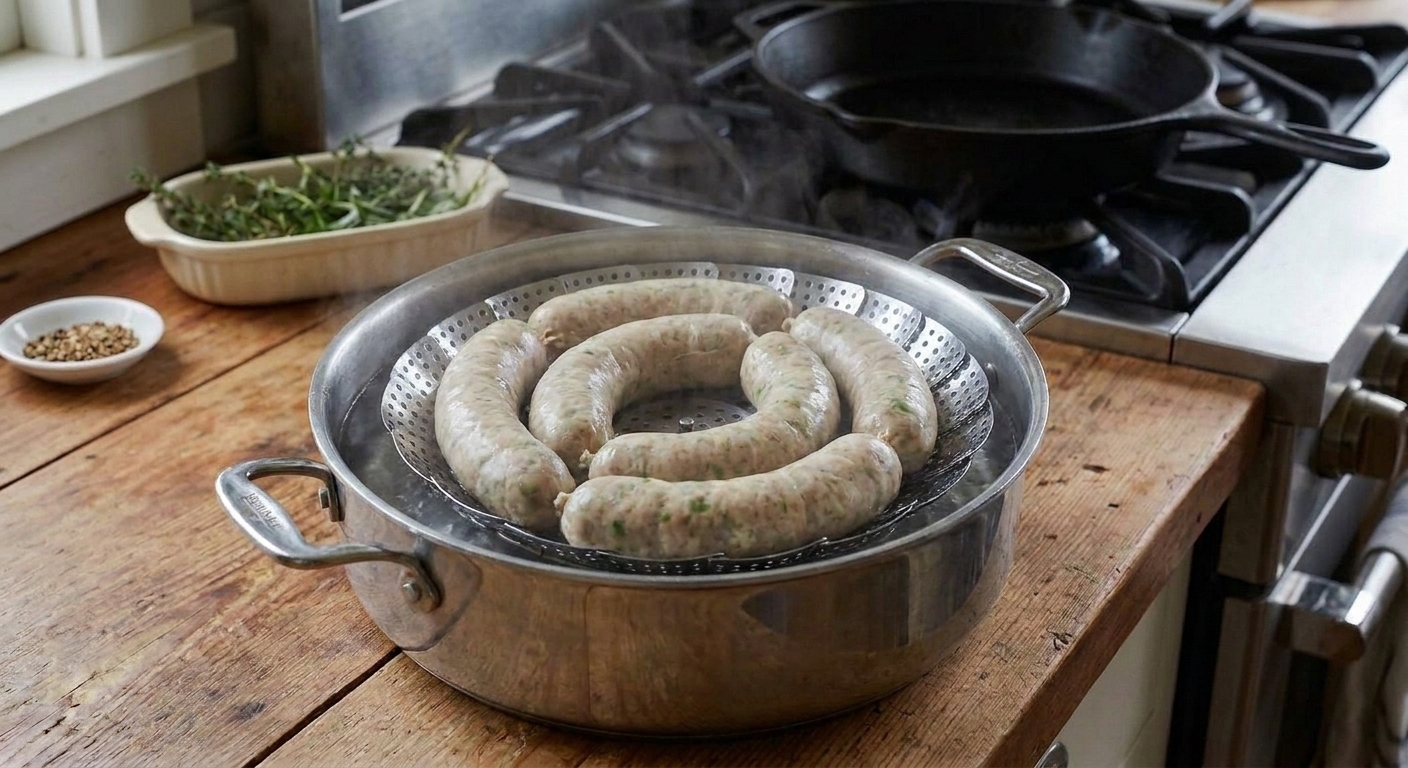
  • Steam (best for juicy links): Steam gently until hot, about 8 to 12 minutes depending on thickness. Aim for 165°F in the center.
  • Oven: Wrap in foil and bake at 350°F for 15 to 20 minutes.
  • Grill or skillet finish: After steaming or oven warming, sear briefly to crisp the casing and get those golden spots.

Tip: Avoid blasting boudin in the microwave uncovered. The rice can dry out and the casing can get weird. If you microwave, cover and use 50 to 70% power.

Common Questions

Common Questions

What is boudin, exactly?

Boudin is a Cajun pork and rice sausage. The filling is cooked pork (often with a little liver), rice cooked in the pork broth, and lots of aromatics and seasoning. It can be stuffed into casings or served loose.

Do I have to use pork liver?

No, but a small amount adds traditional depth and that “boudin shop” flavor. If you skip it, the recipe is still great. You can also substitute chicken livers if that is easier to find, or reduce the amount by half for a gentler start.

Can I make boudin without casings?

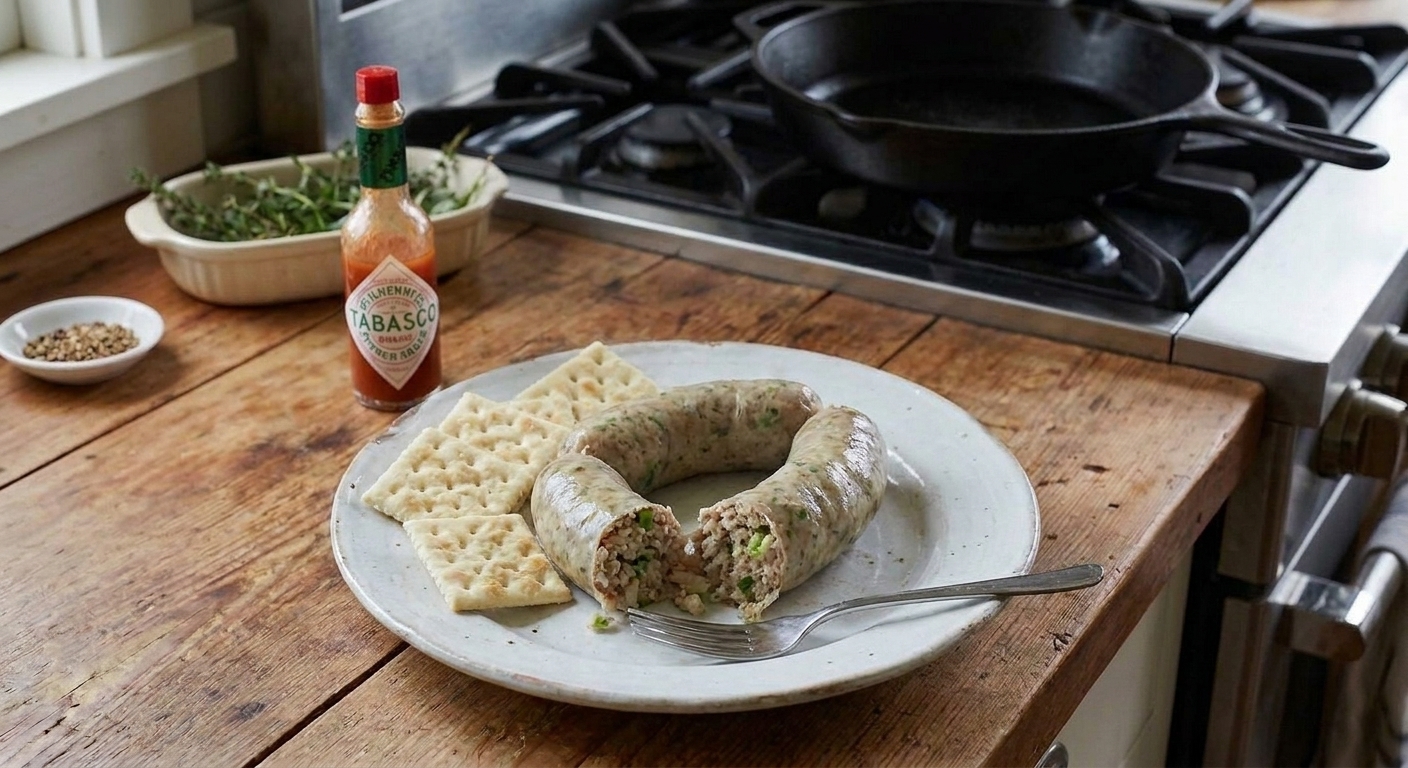
Absolutely. Chill the mixture, then portion it for boudin balls (breaded and fried or baked), stuff it into peppers, or just reheat and serve with crackers and hot sauce.

Why is my boudin mixture dry or crumbly?

It usually needs more warm broth and a longer mix. Add broth a little at a time until it looks like a thick, spoonable mash that still holds some rice texture. Also, do not overcook the rice. Overcooked rice can go mealy.

What if my boudin mixture is too wet?

Chill it for 30 to 60 minutes. It firms up as the fat and gelatin set. If it is still loose, mix in a little extra cooked rice (or pulse in a bit more pork) until it turns cohesive and scoopable.

Is boudin already cooked?

Homemade boudin is cooked when the pork, rice, and liver (if using) are fully cooked and the mixture is hot. But once it is stuffed into casings, I still recommend a gentle reheat by steaming before serving. If you grill, steam first so the inside heats through before the casing over-browns. For extra clarity, reheat links until the center hits 165°F.

The first time I tried making boudin, I treated it like a normal sausage and learned the hard way that boudin is its own lovable beast. It is not about a perfectly uniform grind. It is about that spoonable, savory filling that somehow tastes like a whole weekend packed into a bite. Now I make it when I want something cozy and bold, and when I need a reminder that a little kitchen chaos can still end in something seriously delicious.