Mom's Best Recipes
Recipe

Garlic Herb Pork Shoulder Roast

Crisp-edged, juicy pork shoulder with a garlicky herb crust and a bright pan sauce you will want to spoon on everything.

Author By Matt Campbell
4.8
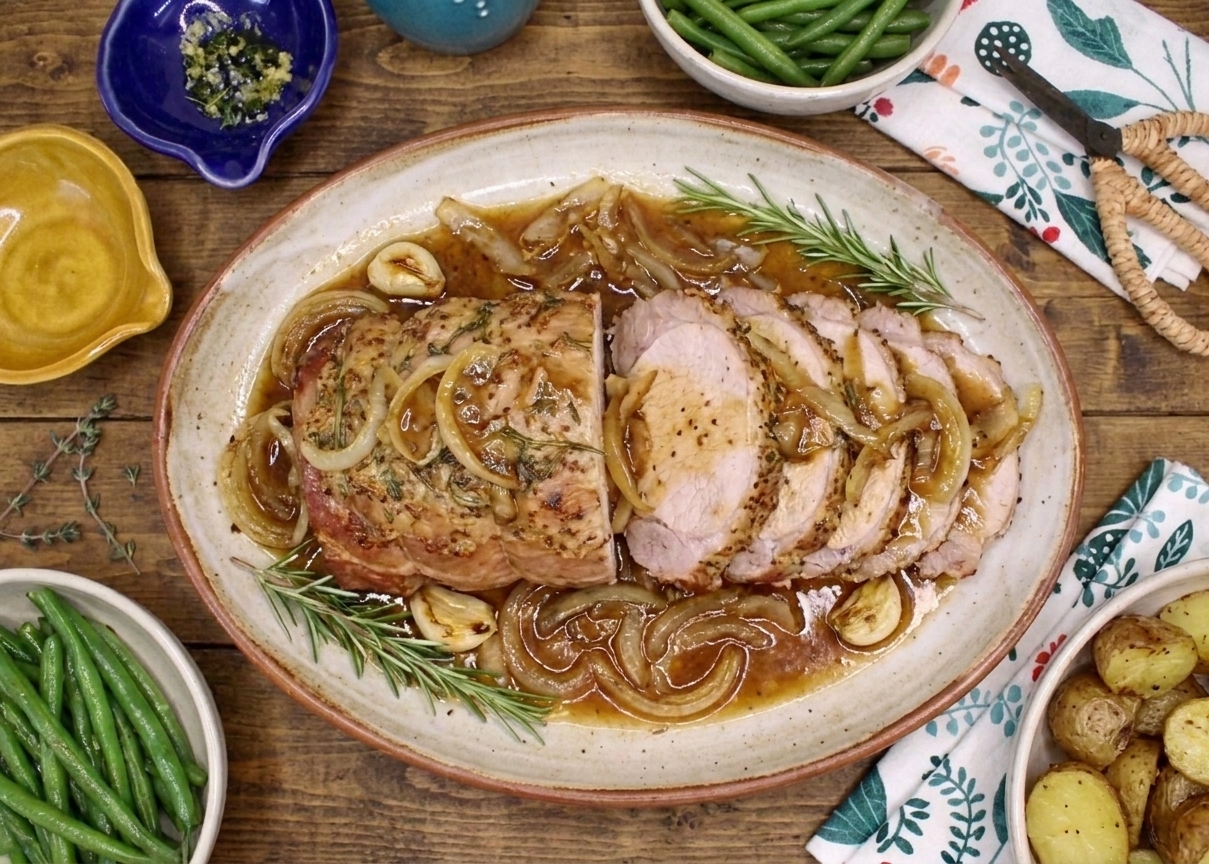
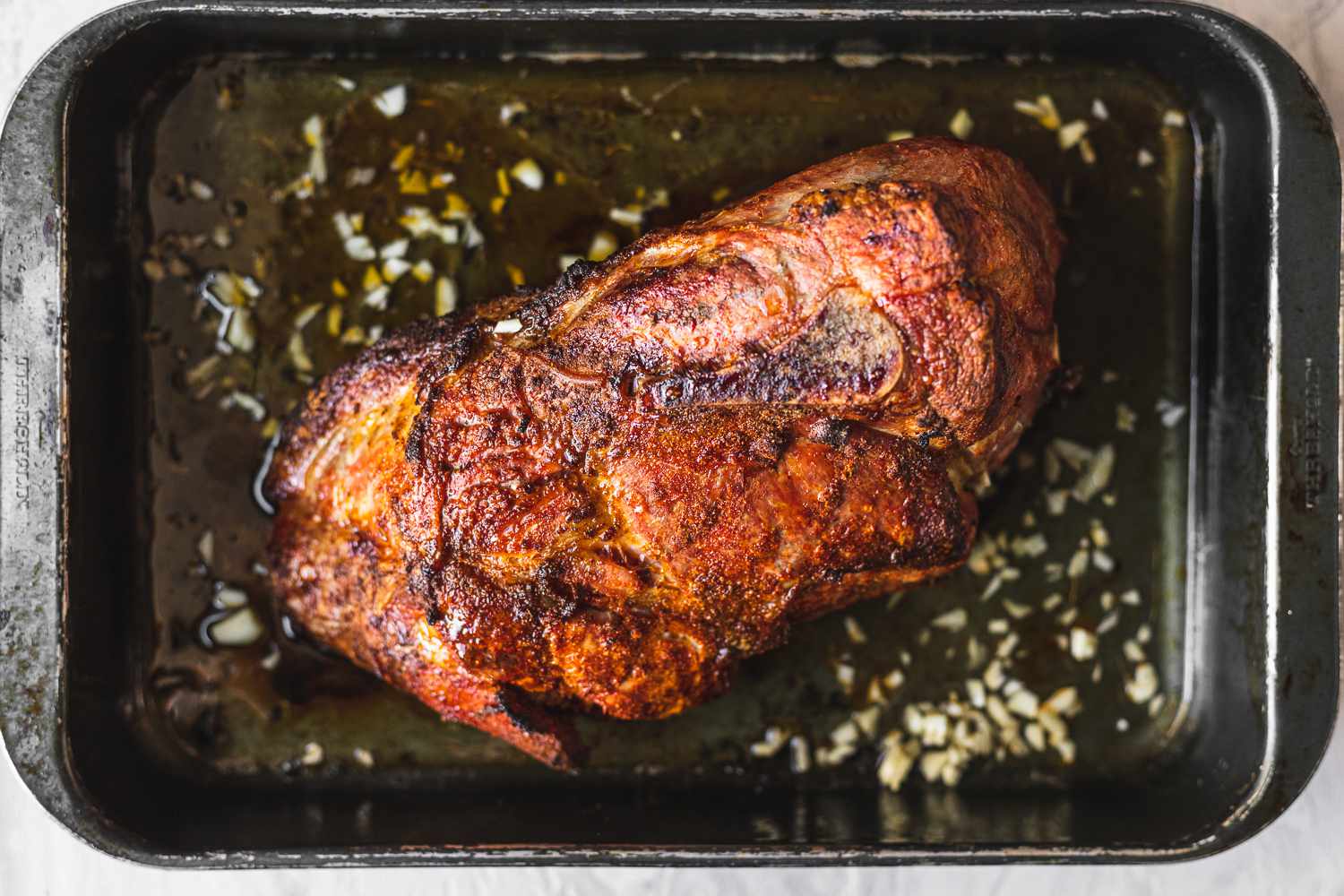
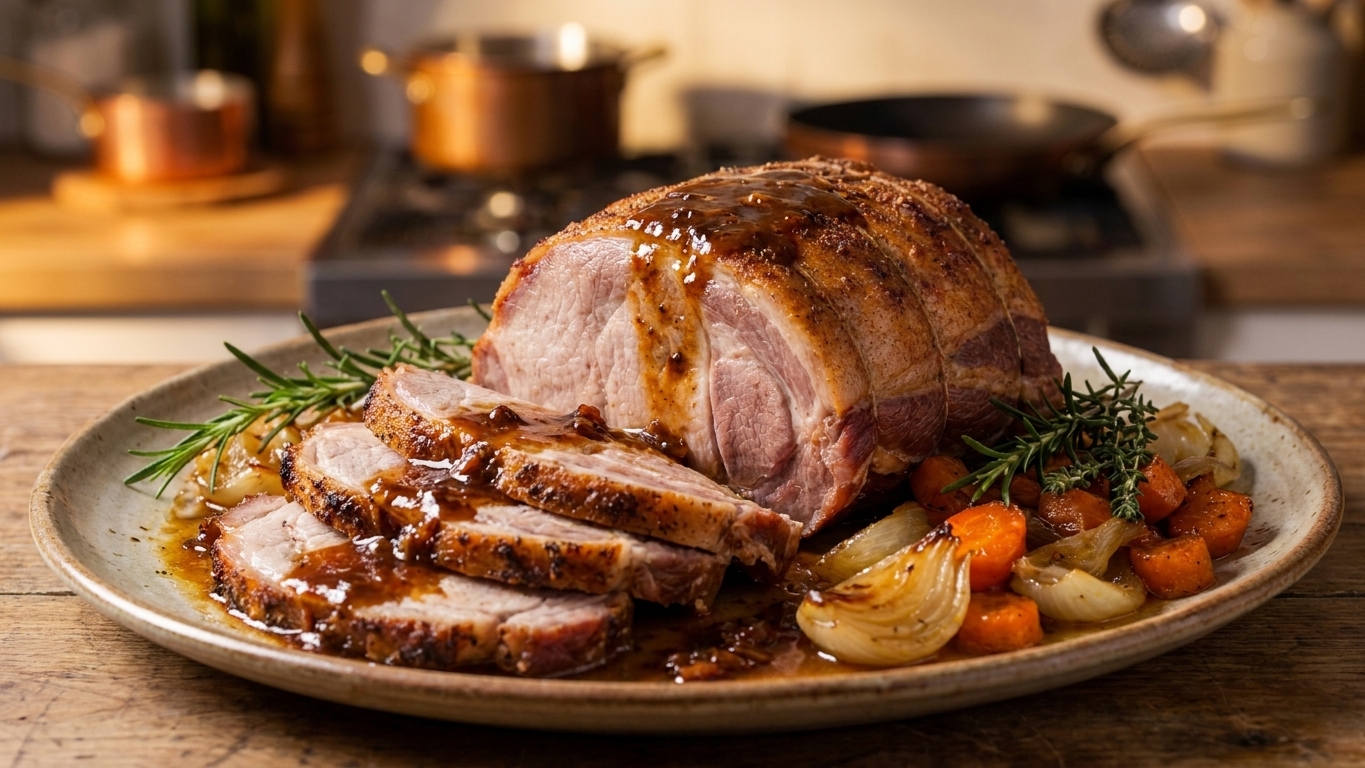
A sliced garlic and herb pork shoulder roast on a large platter with pan juices, surrounded by roasted onions and carrots on a rustic wooden table

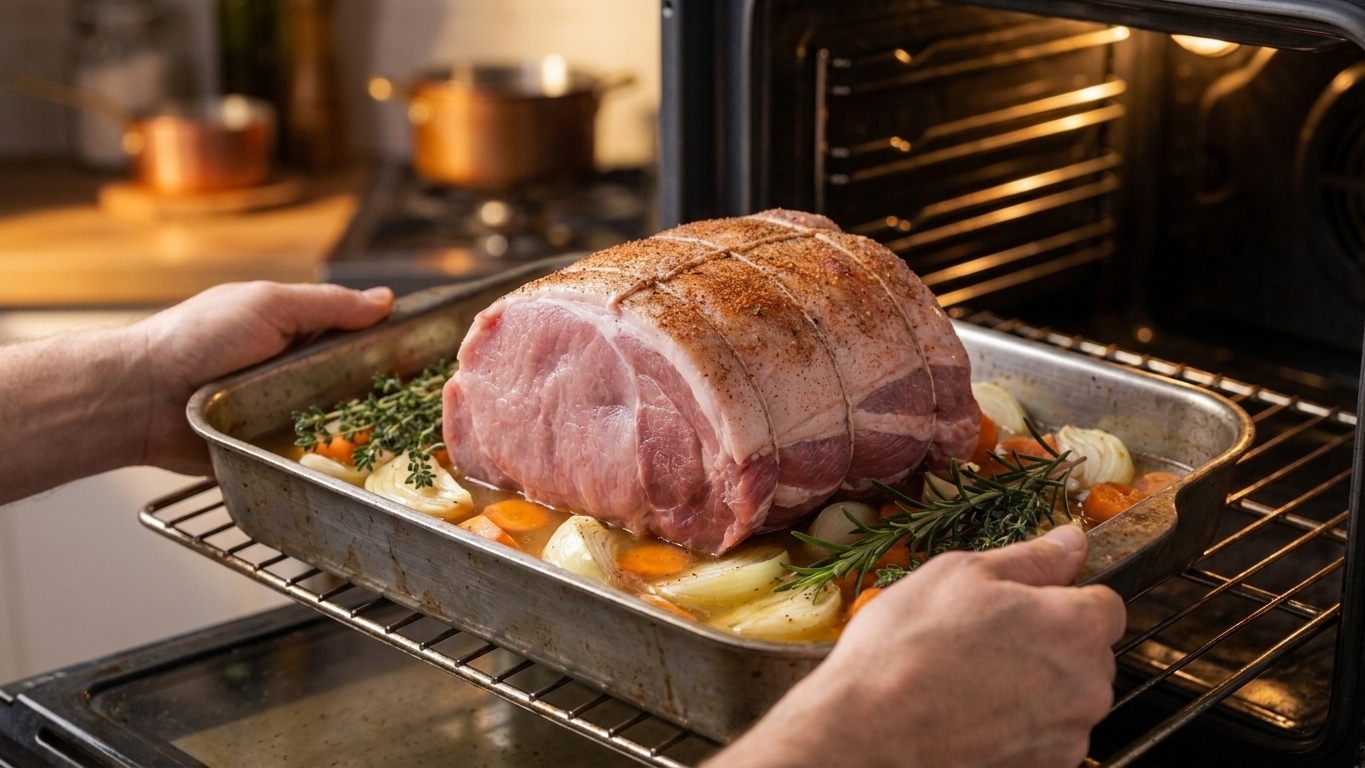
Pork shoulder roast is one of those cuts that feels like a cheat code. It is affordable, forgiving, and when you treat it right, it gives you that perfect mix of crisp edges, tender meat, and juicy drippings that basically beg to become sauce.

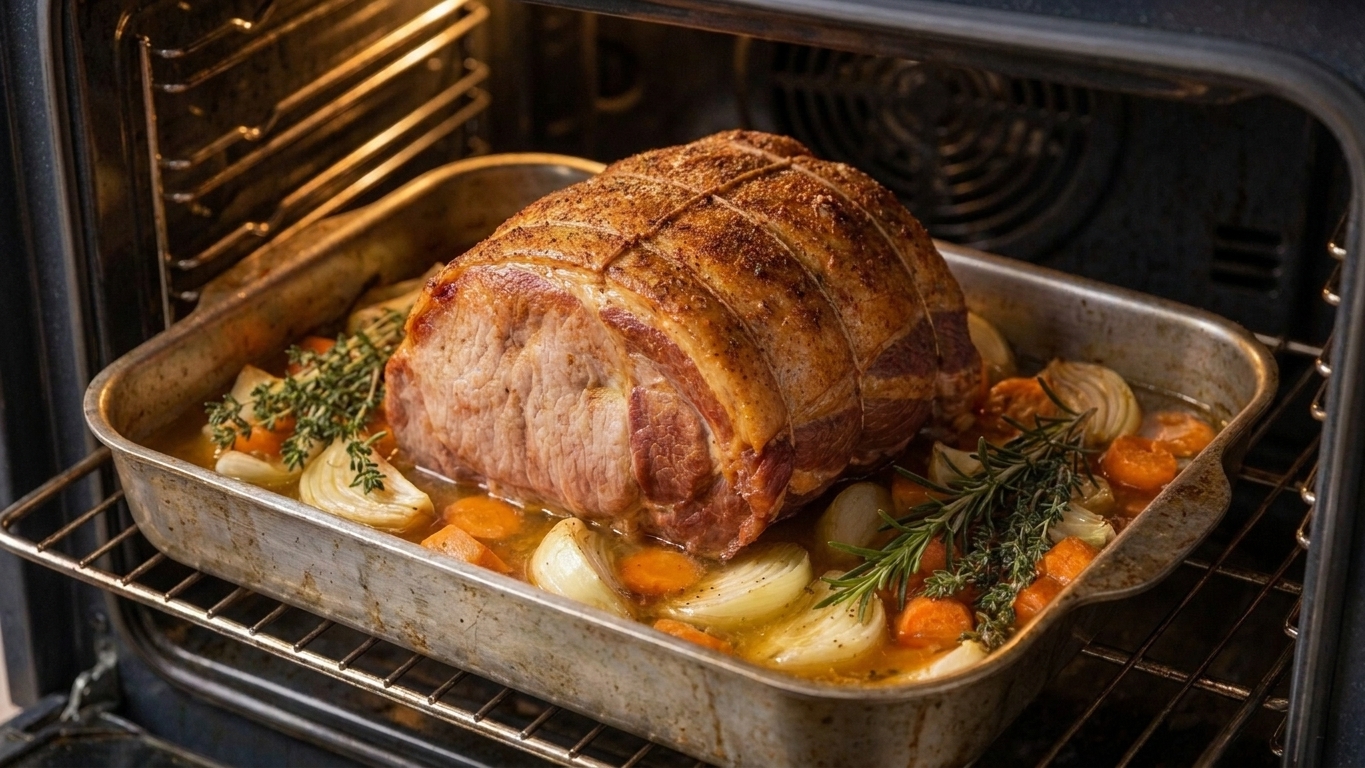
This is my go-to oven method when I want something cozy and impressive without babysitting a pot all day. We start hot to build color, then go low and slow until the pork is tender, sliceable, and deeply flavored. Bonus: the leftovers are elite for sandwiches, tacos, and rice bowls.

One quick note on names: depending on your store, you might see this cut labeled as pork shoulder, Boston butt, or picnic shoulder. Do not overthink it. This method works for all of the above.

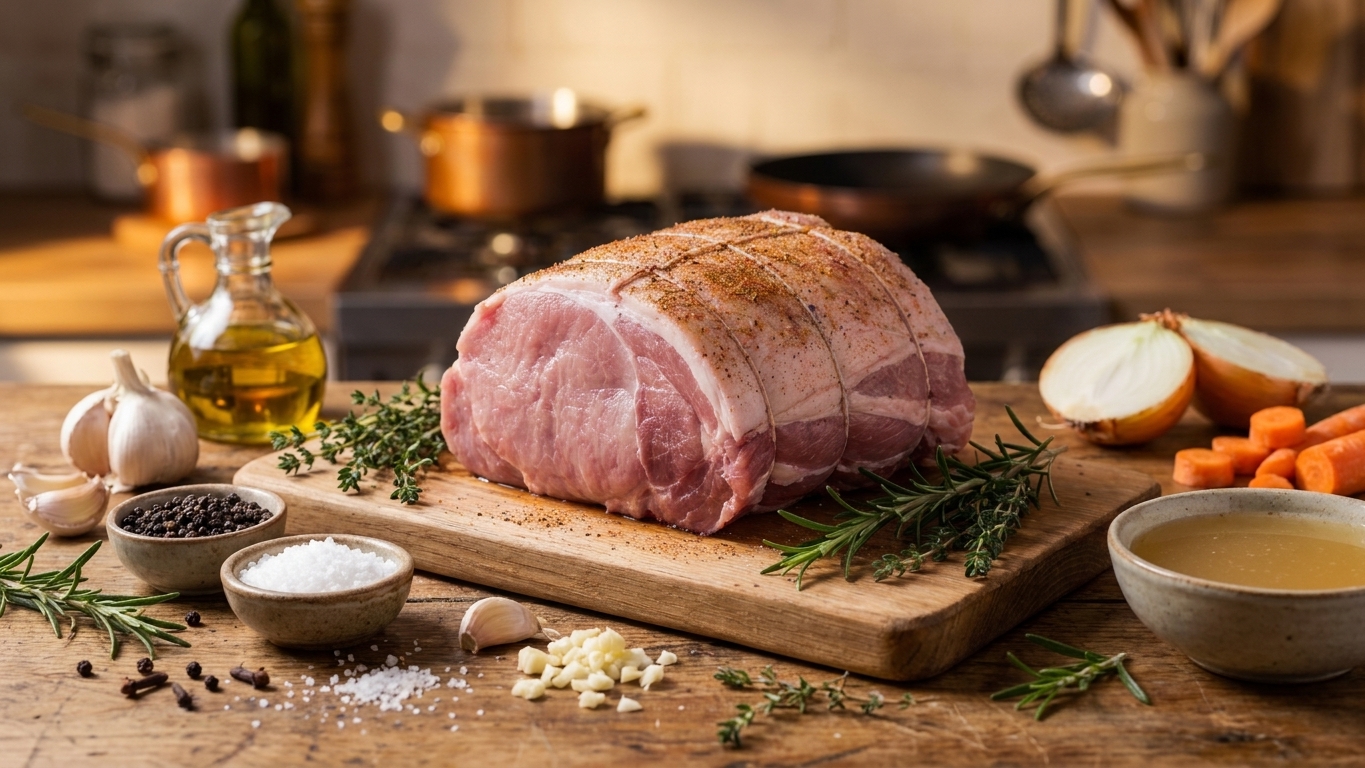
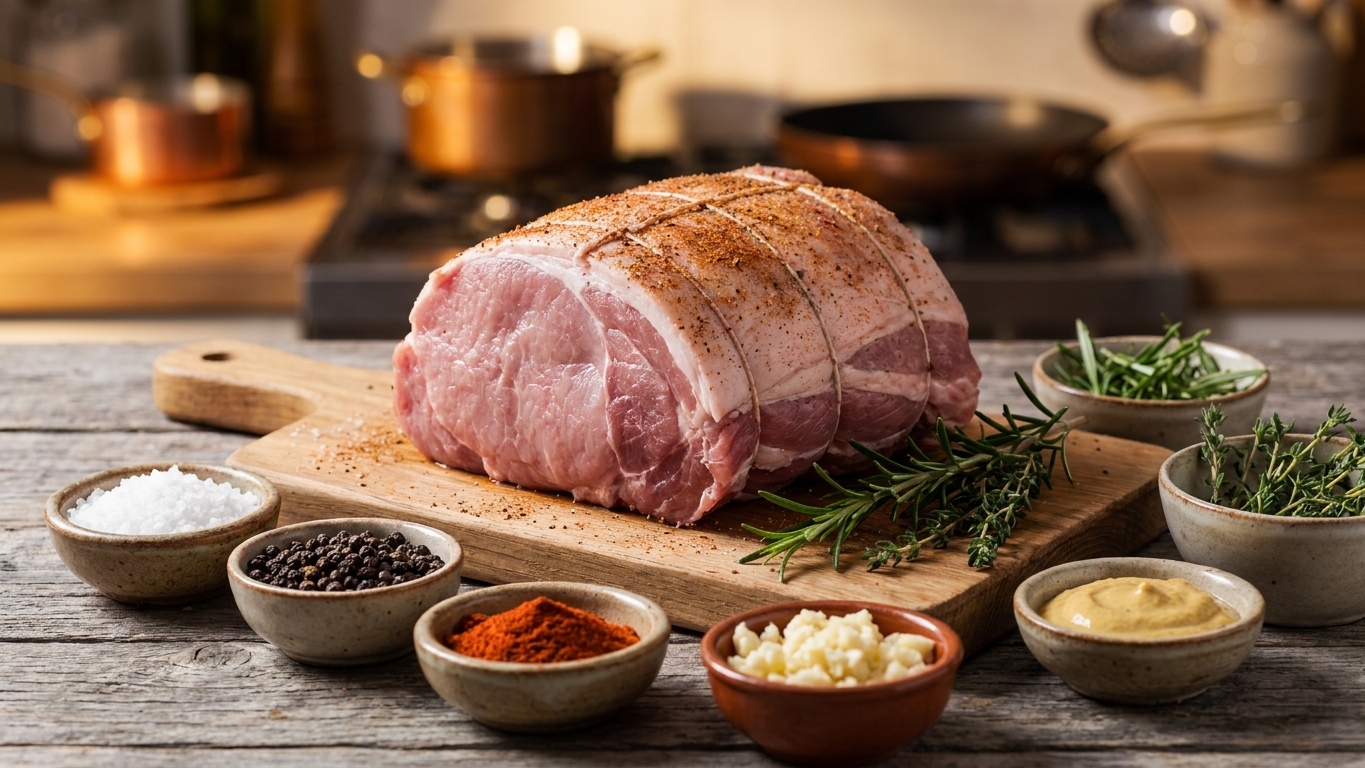
Pork shoulder roast on a cutting board surrounded by garlic, rosemary, thyme, kosher salt, black pepper, olive oil, onions, carrots, and chicken broth on a bright kitchen counter

Why It Works

  • Big flavor with simple ingredients: garlic, herbs, and a little mustard do the heavy lifting.
  • Two-temperature roasting: a hot start for browning, then a gentle roast for juicy tenderness.
  • Doneness you can trust: temperature plus that probe-tender feel, so you are not guessing.
  • Built-in pan sauce: the roasting pan collects all the good stuff, then gets a quick deglaze for a bright, savory finish.
  • Leftovers that stay exciting: pork shoulder holds moisture well, especially with a splash of the pan juices.

Pairs Well With

Storage Tips

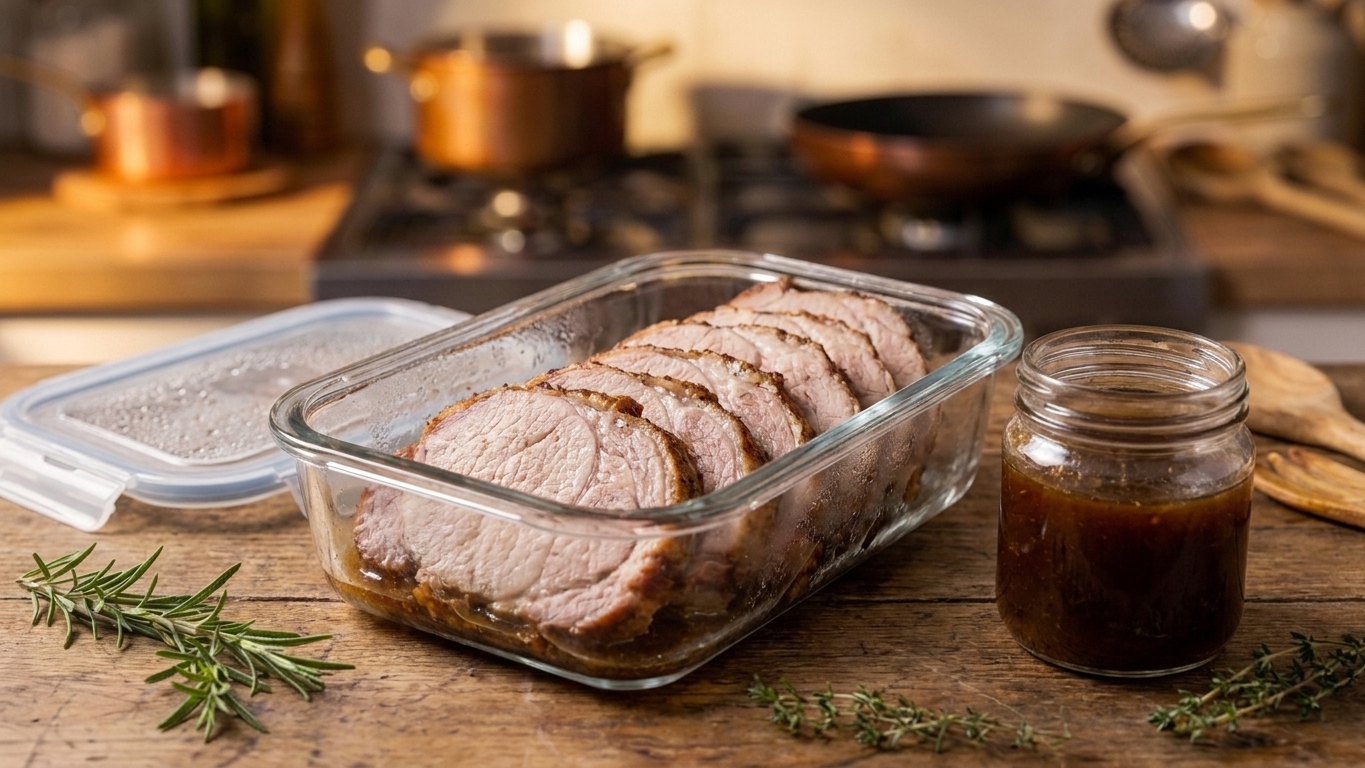
Fridge: Cool leftovers within 2 hours. Store pork in an airtight container for up to 4 days. Pour a few spoonfuls of pan juices over the meat before sealing to keep it moist.

Freezer: Freeze sliced or shredded pork for up to 3 months. Wrap tightly, then place in a freezer bag. Freeze pan juices separately in a small container or ice cube tray.

Reheat: For best texture, reheat in a covered skillet with a splash of broth or pan juices over medium-low until warmed through. Microwave works too, just cover and use short bursts.

Sliced pork shoulder leftovers in a glass meal prep container with a small cup of pan juices beside it on a kitchen counter

Common Questions

What is pork shoulder roast best for?

Pork shoulder is best for slow cooking because it has lots of connective tissue and fat that melt into tenderness. This roast gives you meat that can be sliced thick or pulled apart, plus drippings that make an excellent sauce.

Is pork shoulder the same as pork butt?

They are close cousins from the shoulder area, and labels vary a lot. Many stores sell Boston butt labeled as “pork shoulder.” Boston butt is usually a bit more marbled and is a classic for pulled pork. Picnic shoulder can be slightly tougher and may include more skin. Either works here. If yours has skin, score it and roast skin-side up so it can crisp.

What temperature should I cook pork shoulder to?

Use temperature and texture. For a roast that is tender but still sliceable, aim for around 185°F to 195°F, and keep going as needed until the meat is probe-tender (your thermometer or a skewer slides in with very little resistance). For shreddable pulled pork, push closer to 200°F to 205°F and make sure it feels buttery-soft when probed.

How long does a pork shoulder roast take?

It depends on size, shape, bone-in vs boneless, and your oven. At 300°F, plan roughly 60 to 75 minutes per pound after the initial high-heat browning, but treat that as a rough planning number only. The real finish line is internal temp and that probe-tender feel.

Do I need to cover the roast?

Covering helps prevent the surface from getting too dark while the inside gets tender. In this recipe, we cover after the initial browning. If you want more crust at the end, uncover for the last 15 to 20 minutes.

Why rest the pork?

Resting for 20 to 30 minutes lets the juices settle back into the meat so you get juicy slices instead of a cutting board flood.

Any tips for slicing?

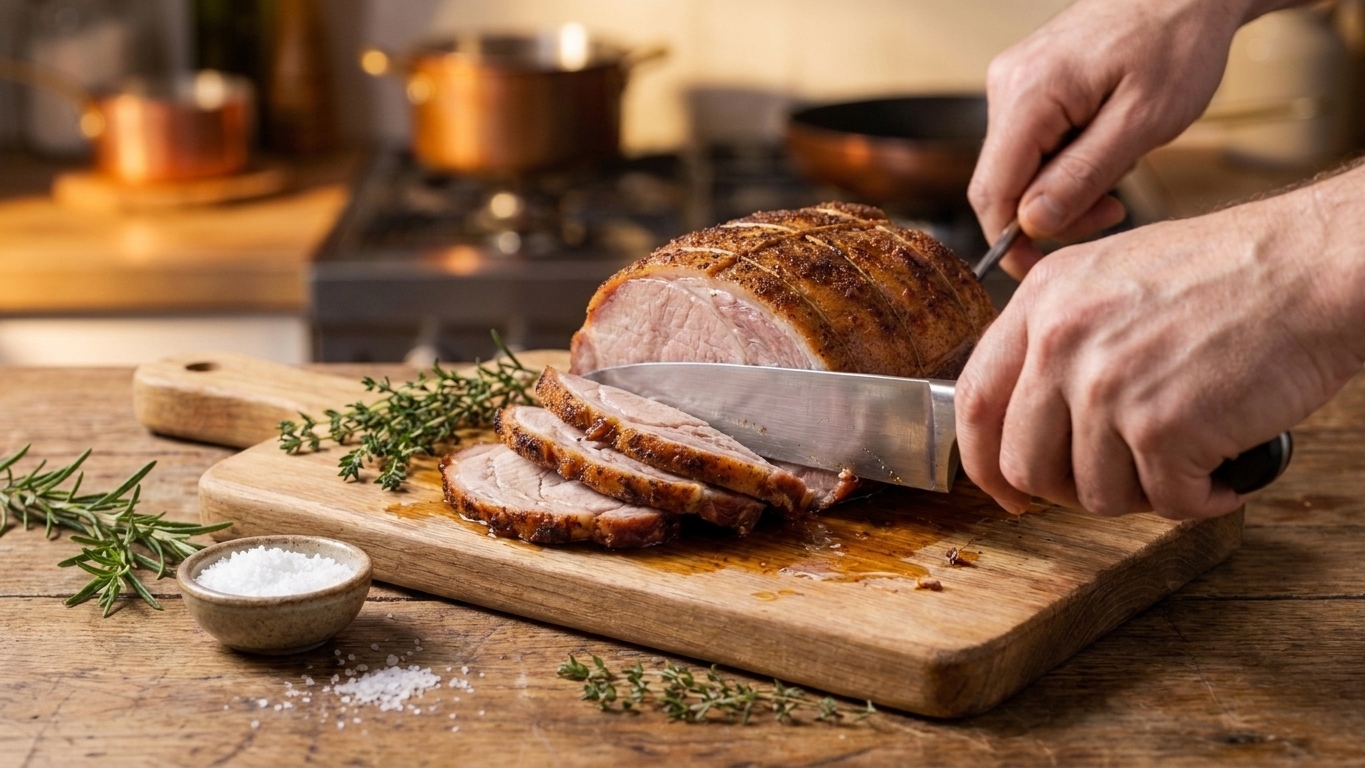
Pork shoulder can have grain running in a couple directions. Slice against the grain, and if it starts looking stringy, rotate the roast and keep going. No stress, it is a rustic cut.

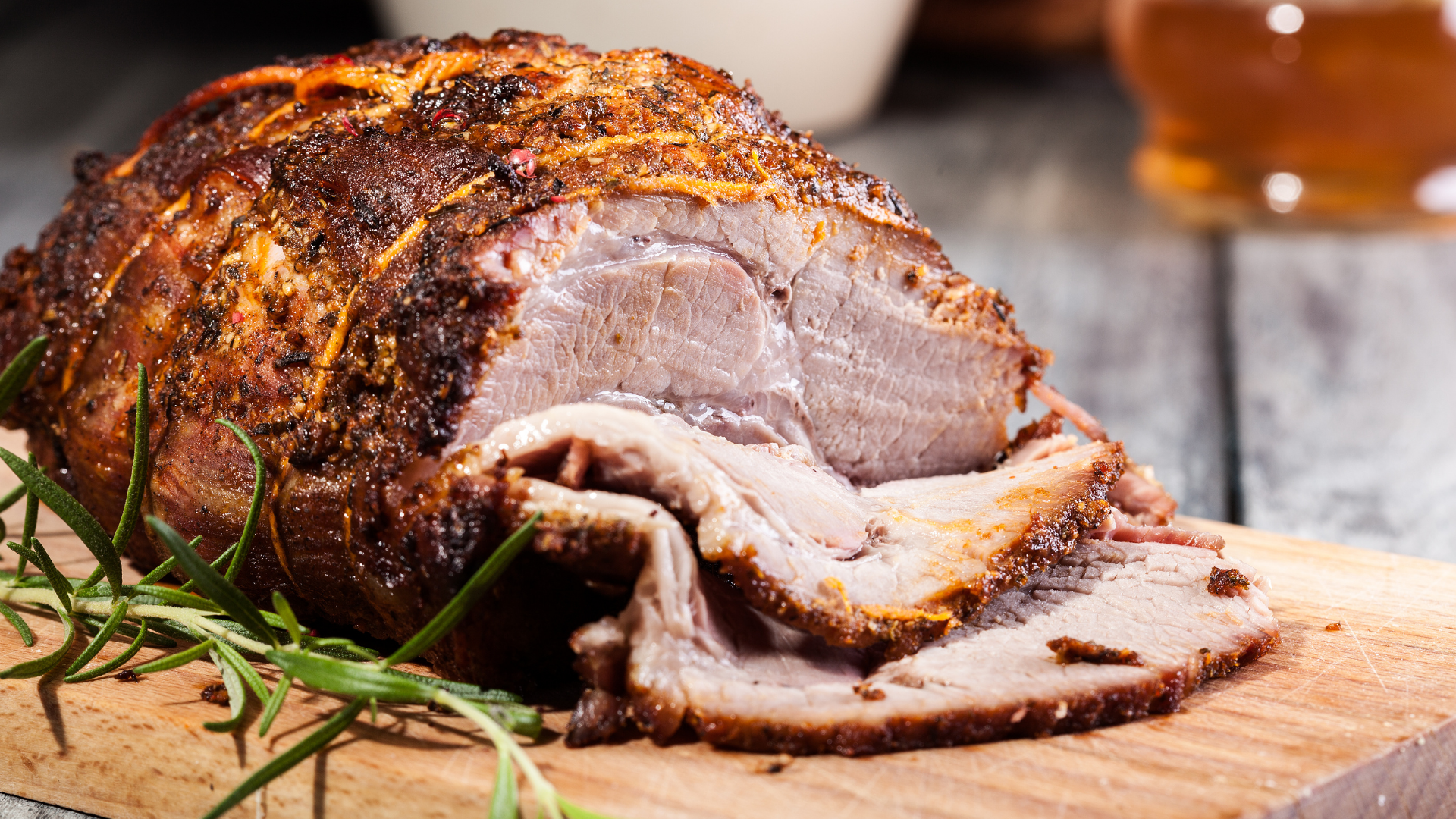
I learned pretty quickly that “restaurant dreams” are built on two things: repetition and respect for the cheap cuts. Pork shoulder is both. It is the roast I make when friends are coming over and I want the house to smell like I have my life together. The truth is I am usually winging the sides, stealing bites of crusty end pieces, and stirring the pan sauce like it is a personality trait.

The first time I nailed this method, I remember slicing into it and getting that little shimmer of juices on the board. Not watery, not dry, just right. That is the moment. The pork does the hard work, you just give it time and a good amount of salt.

A home cook's hands slicing a rested pork shoulder roast on a wooden cutting board with a chef's knife in a warmly lit kitchen