Mom's Best Recipes
Recipe

Classic Cannoli Filling

Thick, creamy ricotta cannoli filling with vanilla, a whisper of cinnamon, and optional chocolate chips. Easy to pipe, holds its shape, and easy to love.

Author By Matt Campbell
4.9
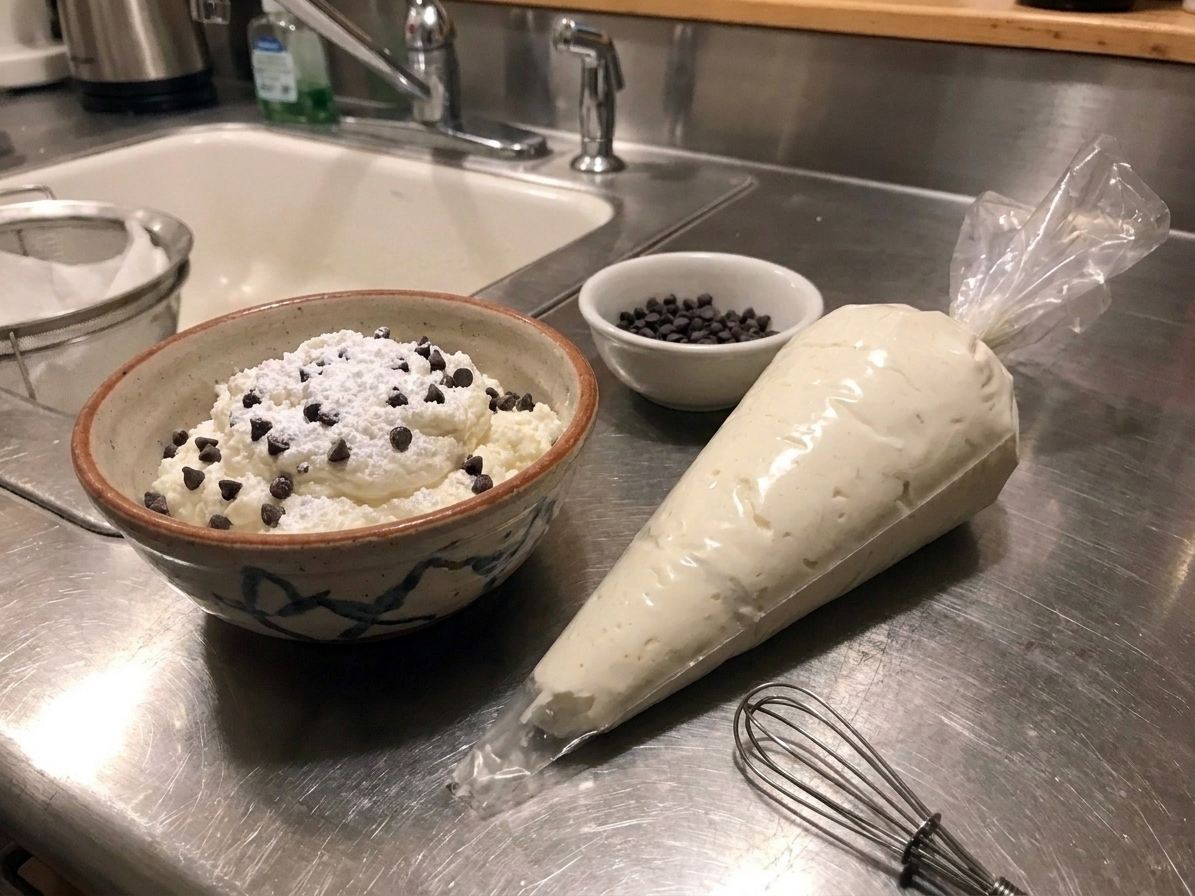
A bowl of thick, creamy cannoli filling made with ricotta and powdered sugar on a bright kitchen counter, with a piping bag and mini chocolate chips nearby

Cannoli filling is one of those things that feels fancy until you make it once and realize it is basically a very delicious bowl of sweetened ricotta with good boundaries. In other words, it holds a pipe and does not puddle. The goal is simple: creamy, pipeable, and not even a little bit watery. If your filling has ever gone loose and started weeping like it just watched the end of a sad movie, you are not alone. Ricotta is the usual suspect, and we are going to tame it.

This version keeps ingredients accessible and the instructions low-drama. You will get a classic flavor that works for traditional shells, mini cannoli, stuffed strawberries, or just straight off a spoon when nobody is looking.
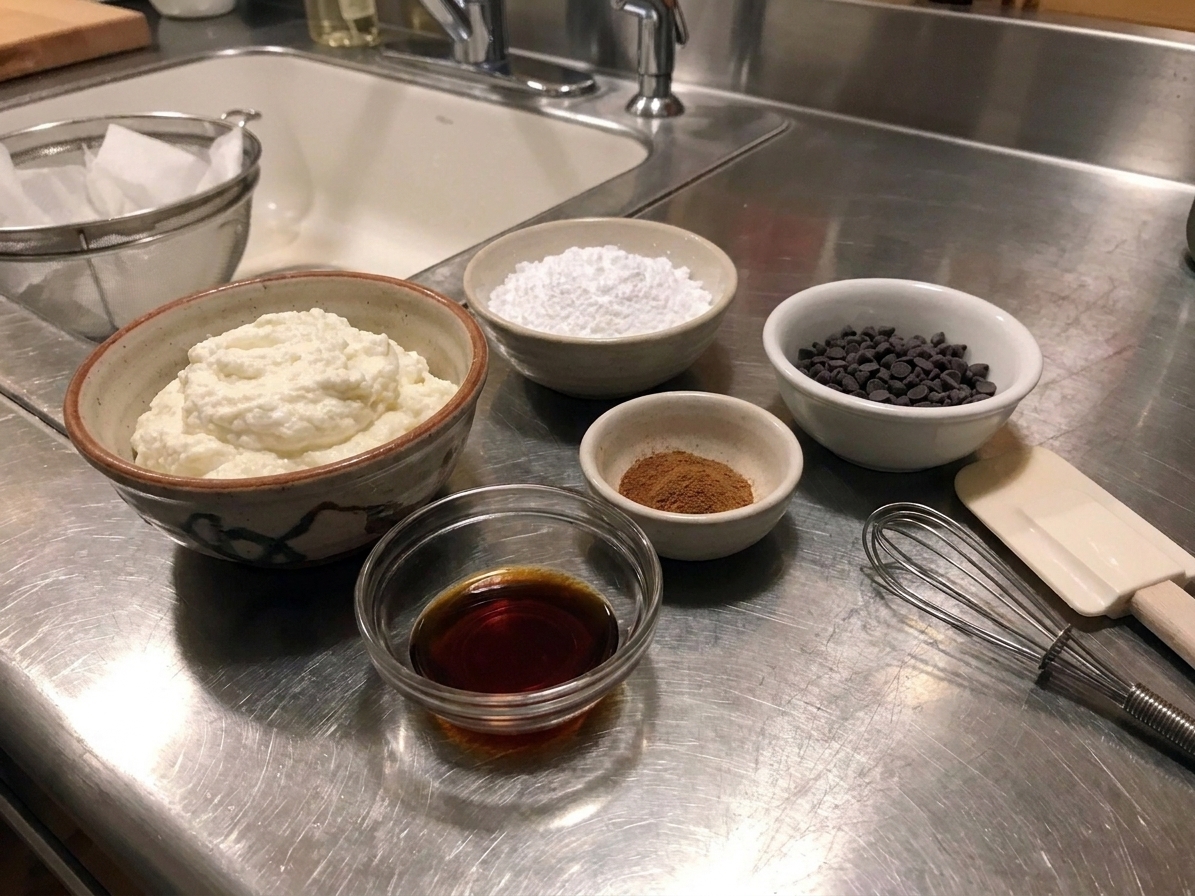

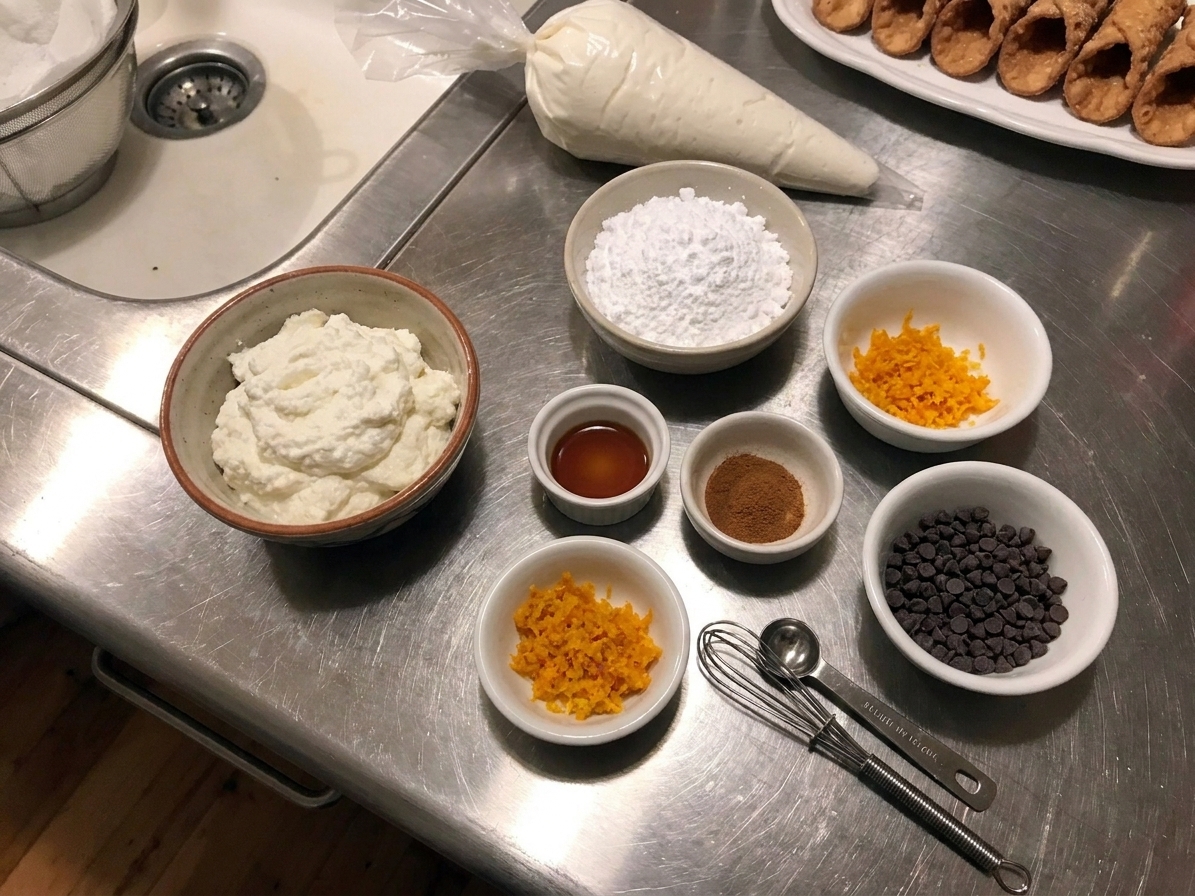
Measured ingredients for cannoli filling on a kitchen counter including ricotta, powdered sugar, vanilla extract, cinnamon, and mini chocolate chips in small bowls

Why It Works

  • Draining the ricotta is the whole game. Less water means a thicker filling that holds its shape in a piping bag.
  • Powdered sugar dissolves fast, so you get a smooth, creamy texture without gritty sugar.
  • Chilling firms everything up and lets the flavor settle, so the filling tastes richer and pipes cleaner.
  • Mixing gently keeps it light. If you overmix, it can turn looser instead of fluffier.

Pairs Well With

Storage Tips

Refrigerate: Store cannoli filling in an airtight container for up to 2 days for best texture, or up to 3 days max, kept at or below 40°F/4°C. Press a piece of plastic wrap directly on the surface if you want extra insurance against drying out.

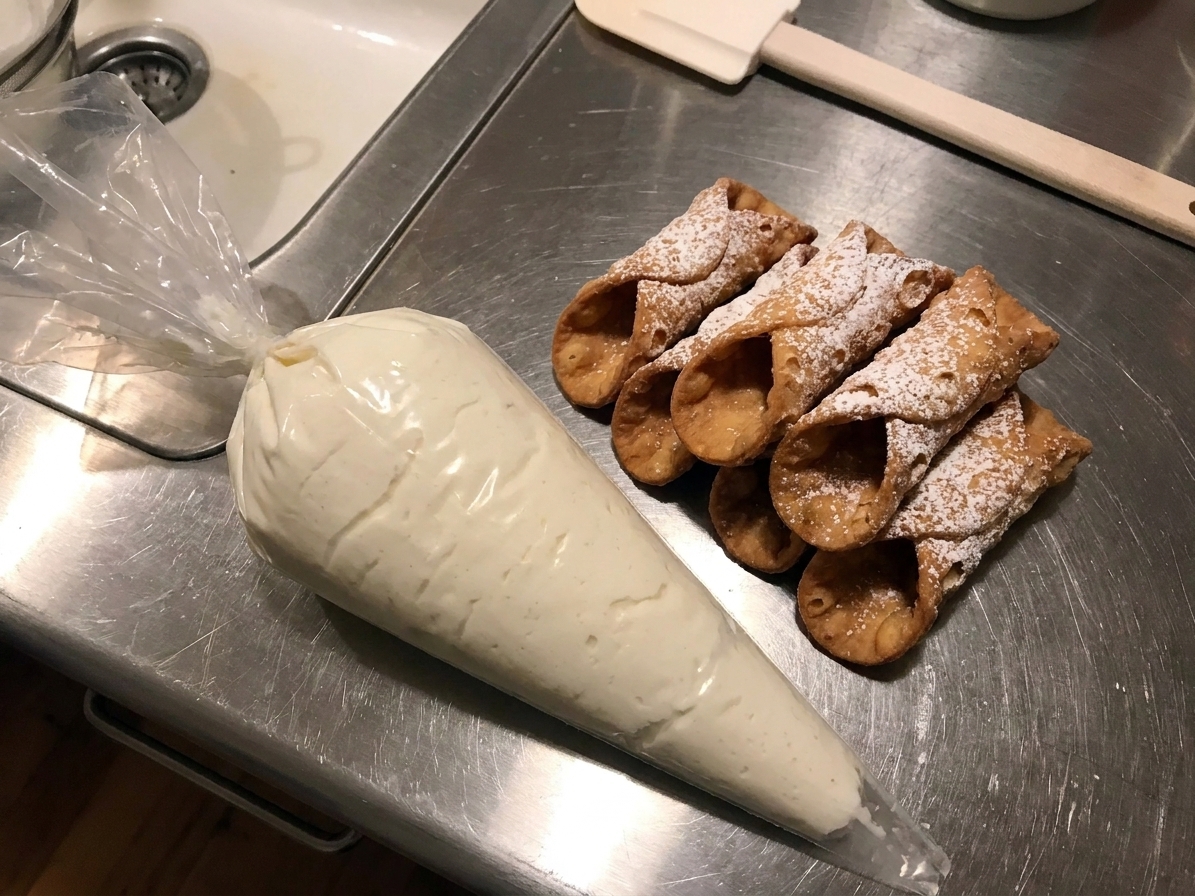
Pipe later: You can load the filling into a piping bag, twist the top, and refrigerate it for easier assembly later. Set the bag in a tall glass so it stays upright.

Do not fill shells early: Filled cannoli get soggy fast. For crisp shells, fill within 30 to 60 minutes of serving.

Can you freeze it? I do not recommend it. Ricotta-based fillings tend to separate and get grainy after thawing. If you must, whisk it hard after thawing and expect a texture change.

Common Questions

How do I keep cannoli filling from being runny?

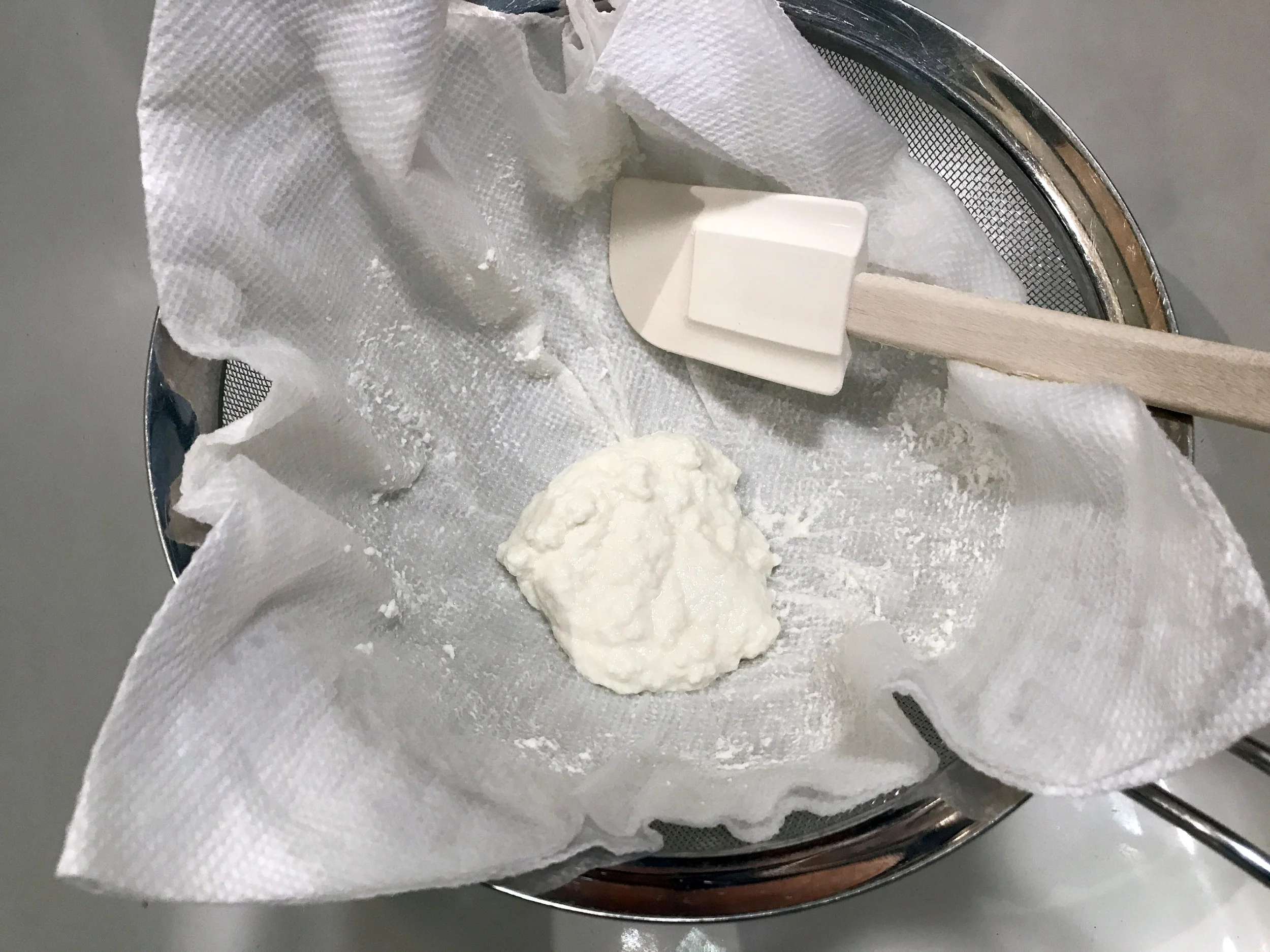
Drain the ricotta. Line a fine-mesh strainer with cheesecloth (or a clean thin kitchen towel), add the ricotta, and refrigerate it to drain for at least 2 hours, or overnight for the thickest results. You want it to feel thick, like softened cream cheese, not wet and loose. If you skip draining, the filling can look fine at first and then loosen as it sits.

Do I need mascarpone?

Nope. Traditional fillings can be all ricotta. Mascarpone is optional, but it does add a richer, silkier vibe. If you want it, swap in up to 1/2 cup mascarpone and reduce ricotta by the same amount.

Can I use low-fat ricotta?

You can, but full-fat gives the best texture and flavor. Low-fat versions often have more moisture, so draining becomes non-negotiable.

Why is my filling grainy?

Usually it is the ricotta texture. You have two fixes: use a smoother brand, or press the ricotta through a fine-mesh sieve before mixing. Also make sure you are using powdered sugar, not granulated.

Is cinnamon traditional in cannoli filling?

Sometimes, but not always. Think of cinnamon as optional and cozy, not required. If you want a more classic, bright flavor, go with orange zest and skip the cinnamon.

Can I make it ahead for a party?

Yes. Make the filling up to 2 days ahead and keep it chilled (below 40°F/4°C). Fill shells right before serving so they stay crisp.

What can I use besides cannoli shells?

Try it in crepes, as a cake filling, in a parfait with berries, or piped into strawberries. It is basically a cheat code for instant dessert.

I used to think cannoli filling was one of those pastry-counter mysteries you do not mess with unless you have a crisp chef coat and a marble slab. Then I tried making it at home and immediately learned two things: draining ricotta is the difference between “bakery-level” and “why is this soup,” and tasting as you go is mandatory. Now it is my go-to dessert move when I want something that feels special without turning my kitchen into a flour-dusted crime scene.