Why did my caramel frosting turn grainy?
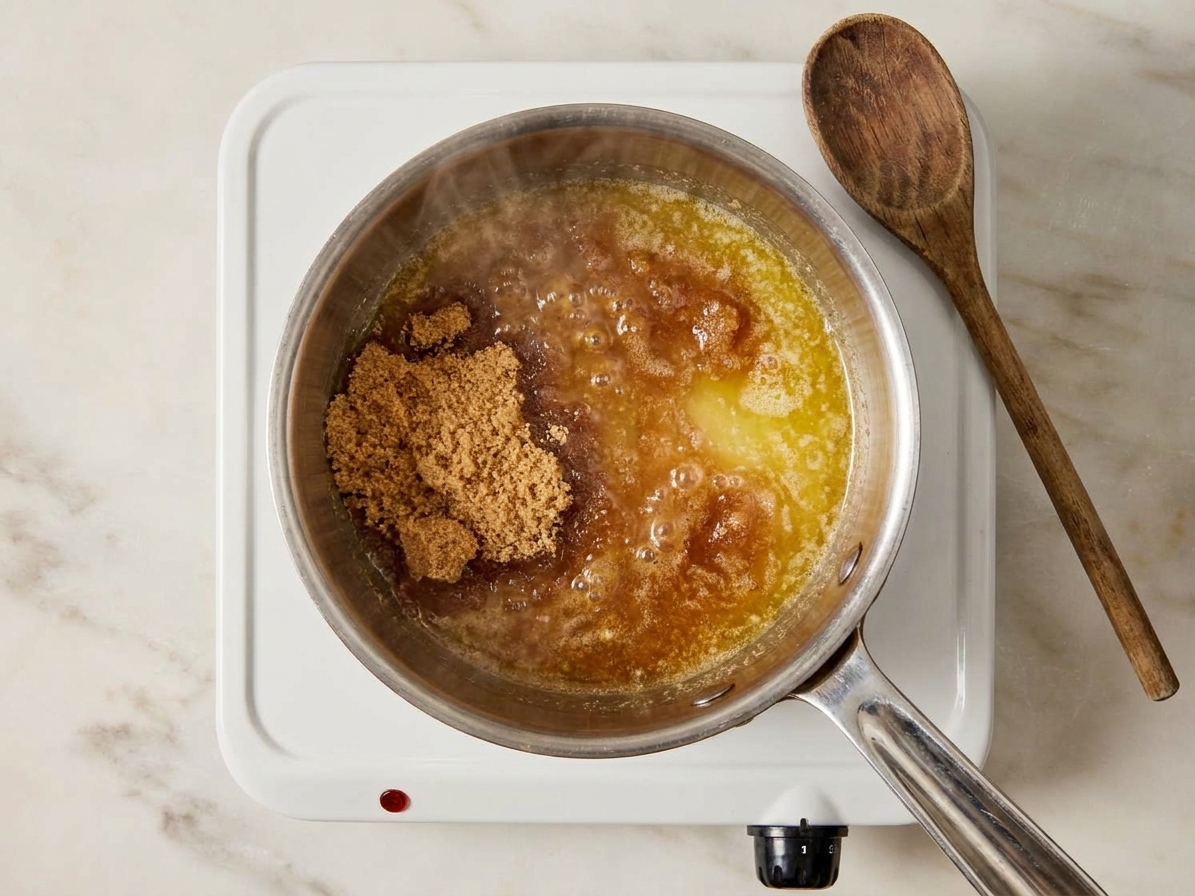
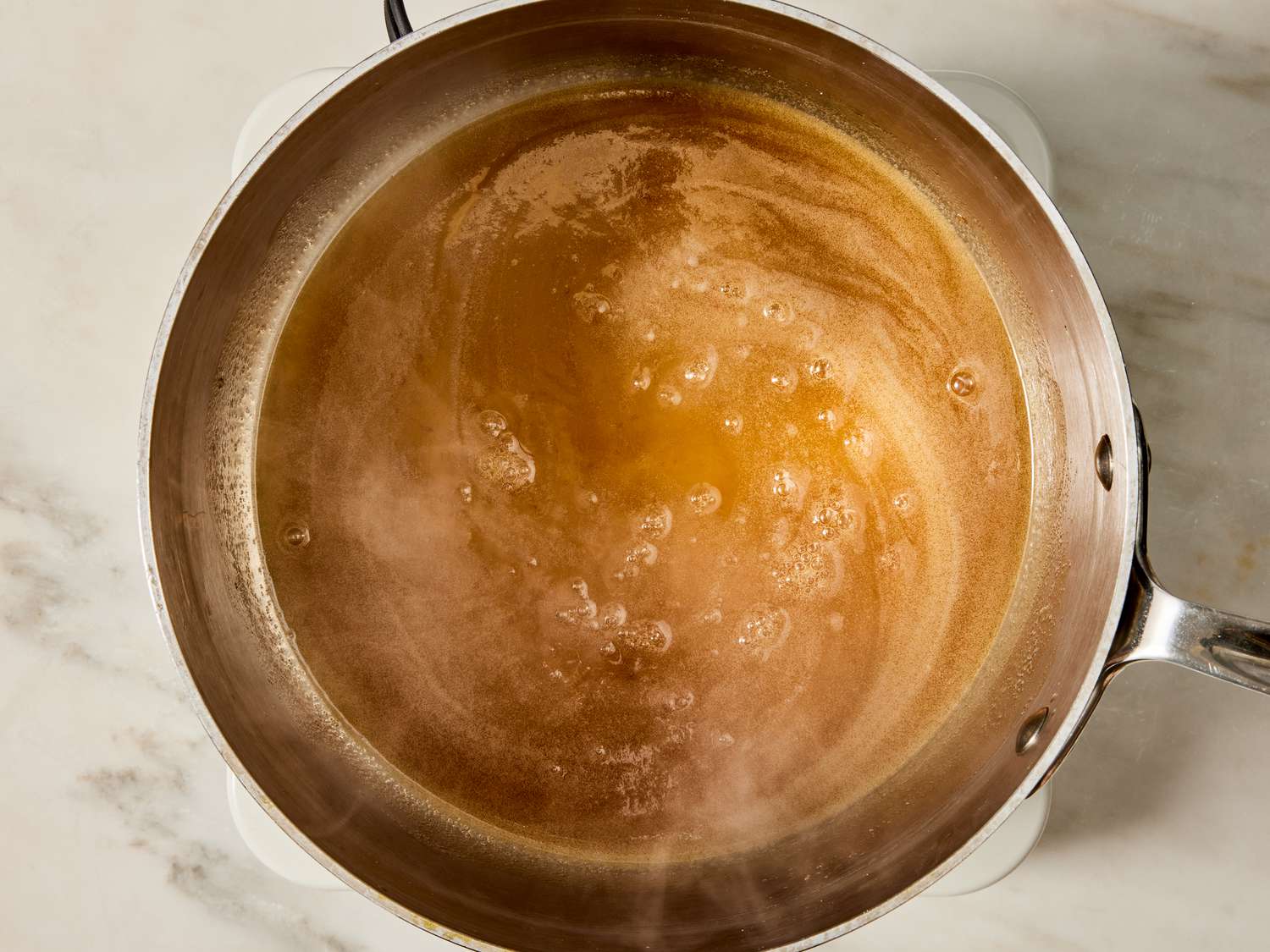
Grainy frosting usually means the brown sugar did not fully dissolve, or sugar crystals formed as it cooked and cooled. Aim for a small, steady boil (bubbles across the surface, not a raging rolling boil) and stir until the mixture looks completely smooth.
Also watch the sides of the saucepan. If you see sugar stuck to the pan, do not scrape it down into the syrup. That is a classic way to invite crystals. If you want to be extra careful, brush the sides with a slightly wet pastry brush while it boils.
If it is already grainy, you can try warming it gently over low heat with 1 tablespoon milk and stirring until it smooths out. This often helps, but if the batch is heavily crystallized, it may not fully recover.
How do I make it thicker or thinner?
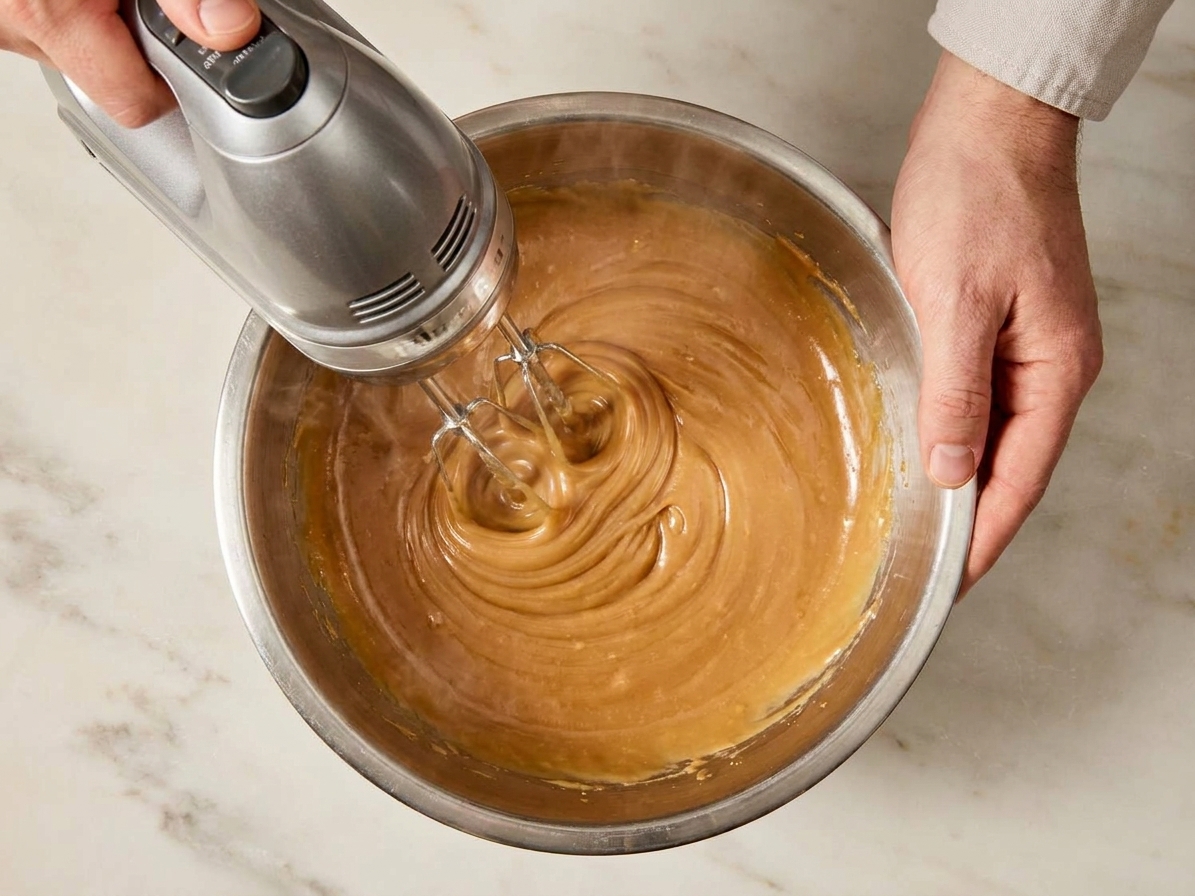
Too thick: Beat in milk 1 teaspoon at a time until it spreads easily.
Too thin: Let it cool 5 to 10 minutes (it thickens as it cools), then beat again. If it still runs, add 2 to 3 tablespoons powdered sugar at a time.
Does caramel frosting harden?
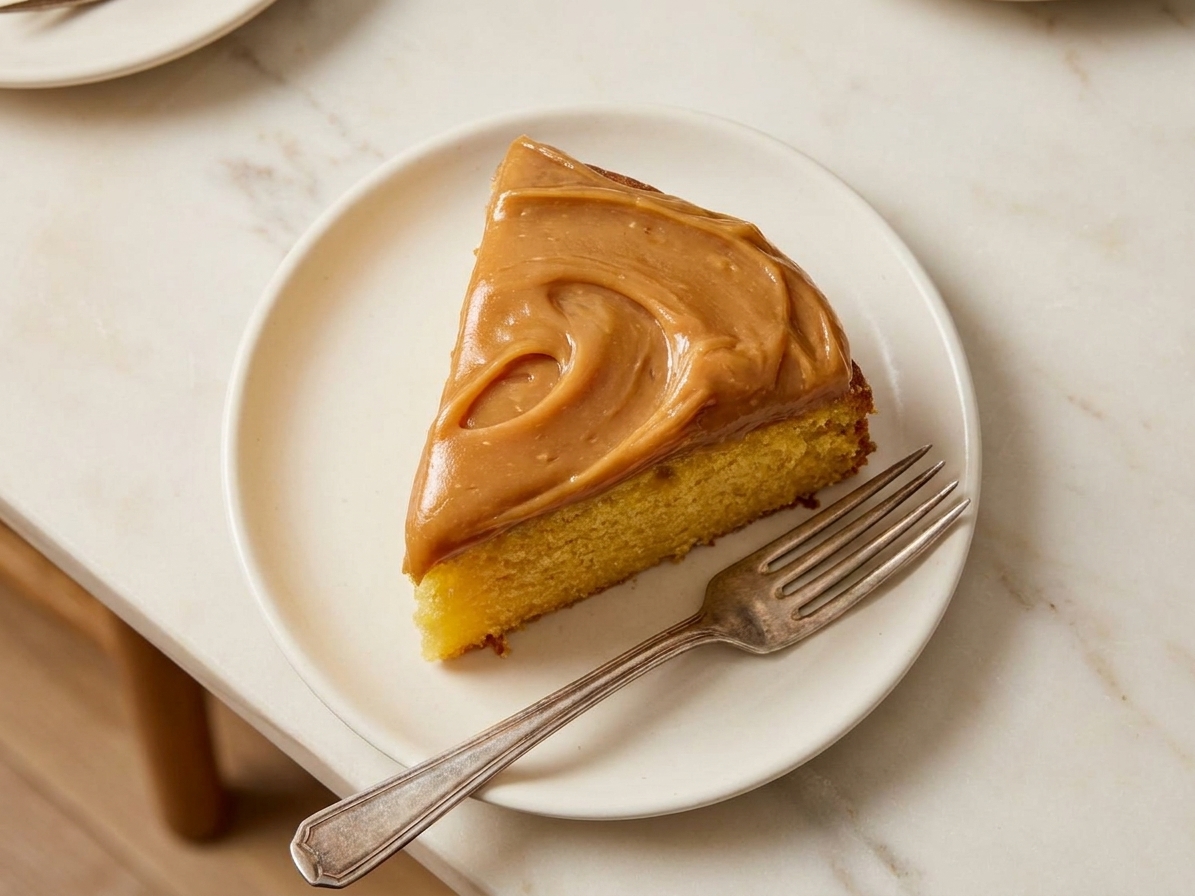
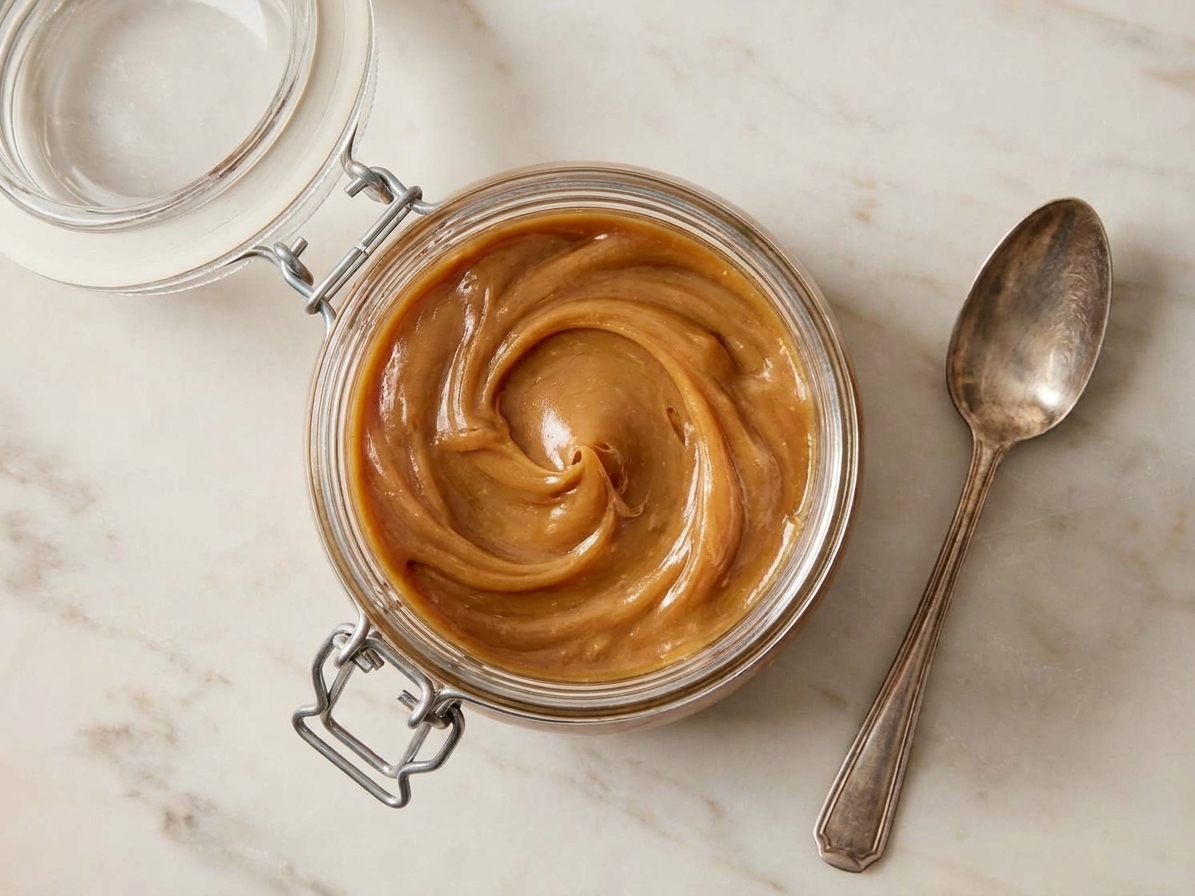
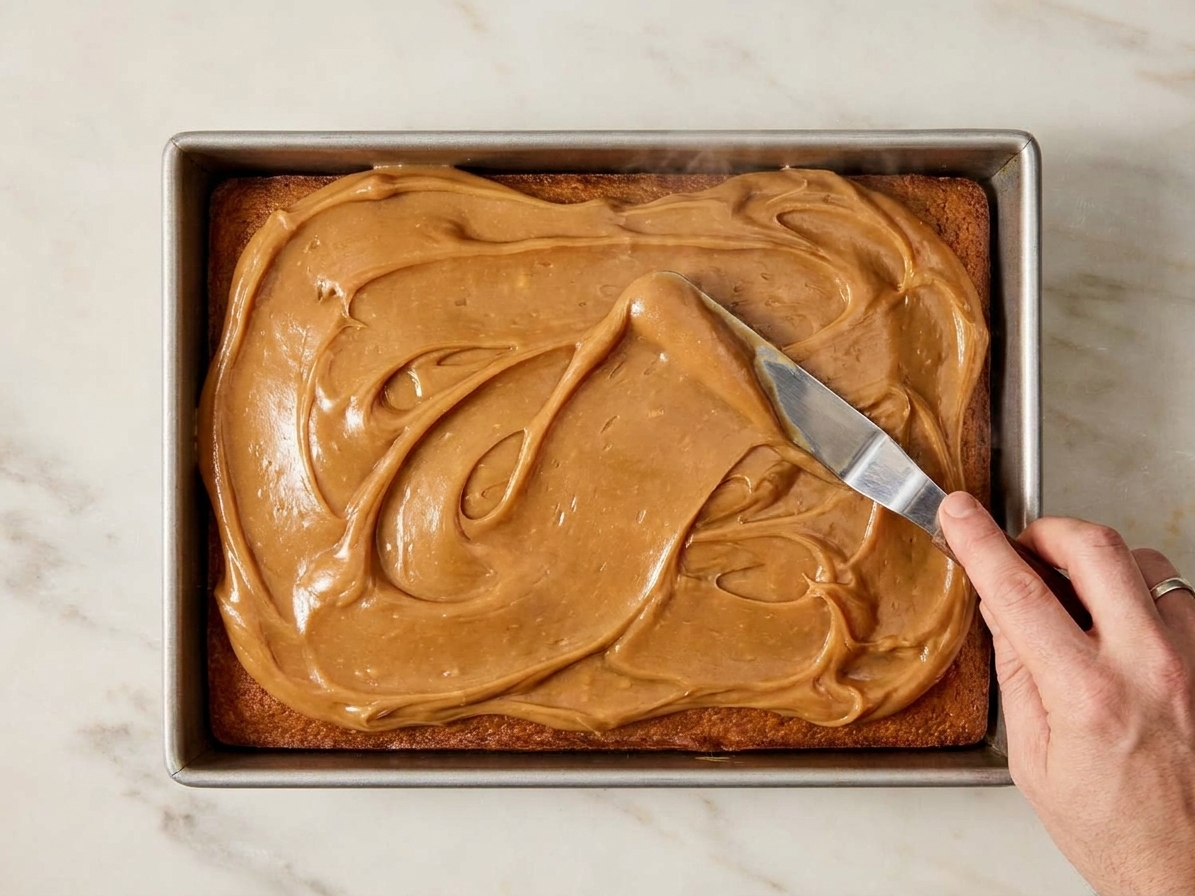
It sets up, yes, but it is not a brittle candy shell. Think soft fudge on top of the cake. If you want it looser and more sauce-like, spread it while warmer and serve the same day.
Can I use dark brown sugar?
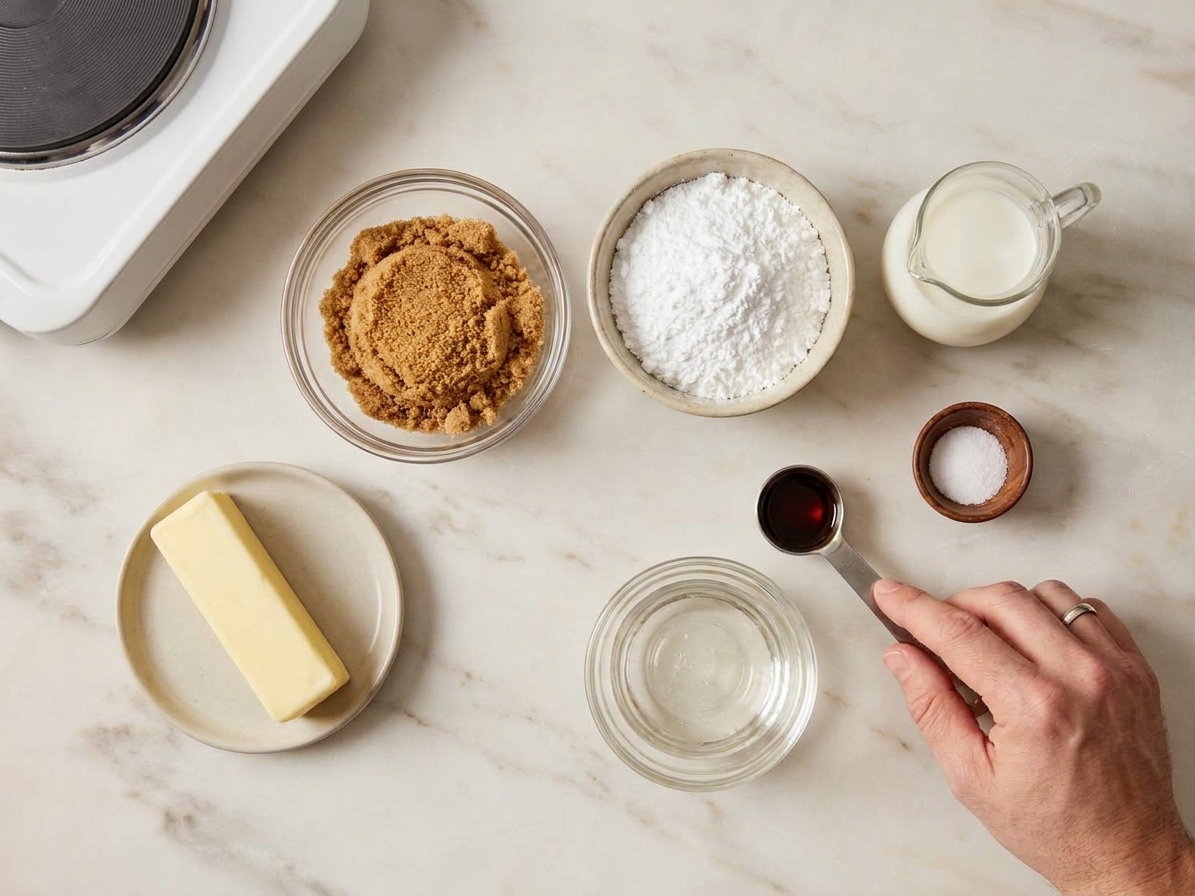
Absolutely. Dark brown sugar gives a deeper molasses note. If you want a more classic, buttery caramel flavor, go with light brown sugar.
What cakes go best with caramel frosting?
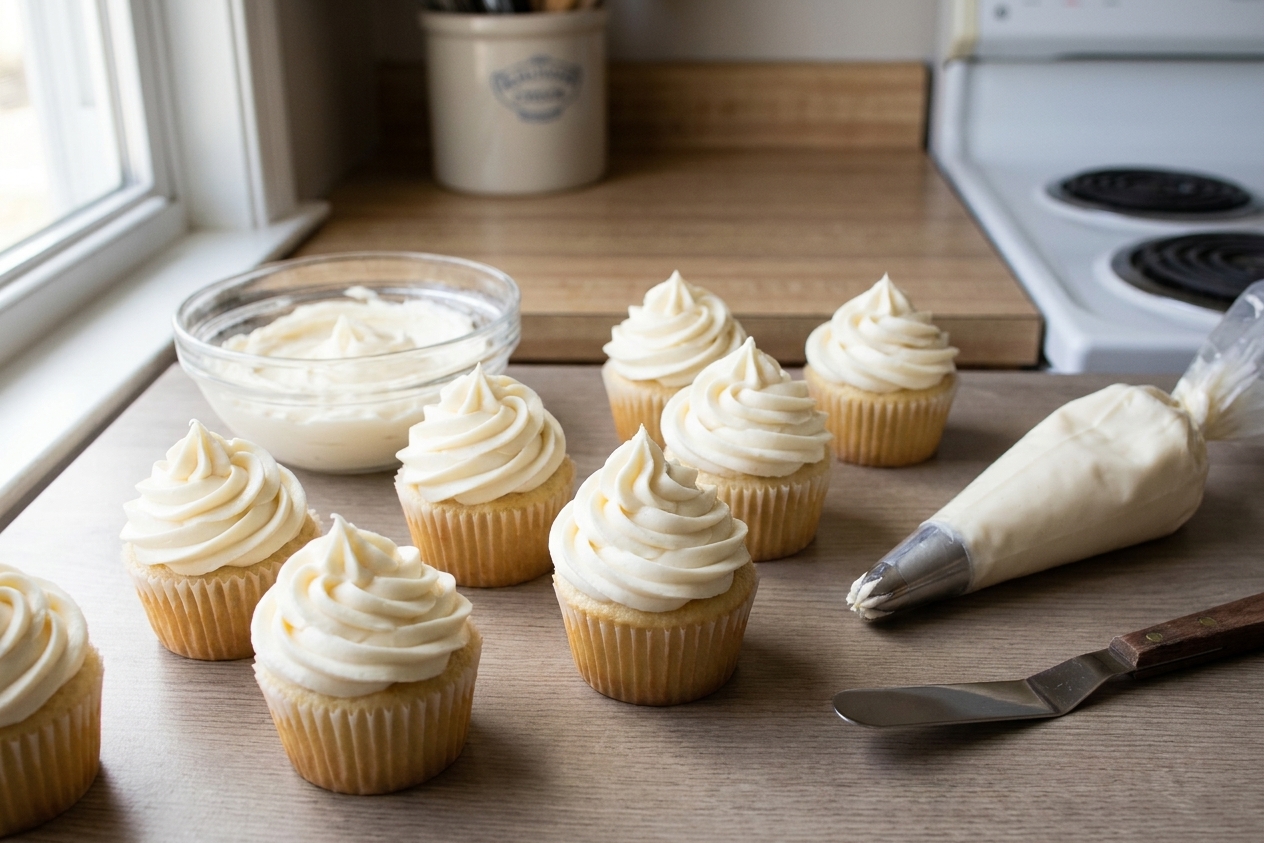
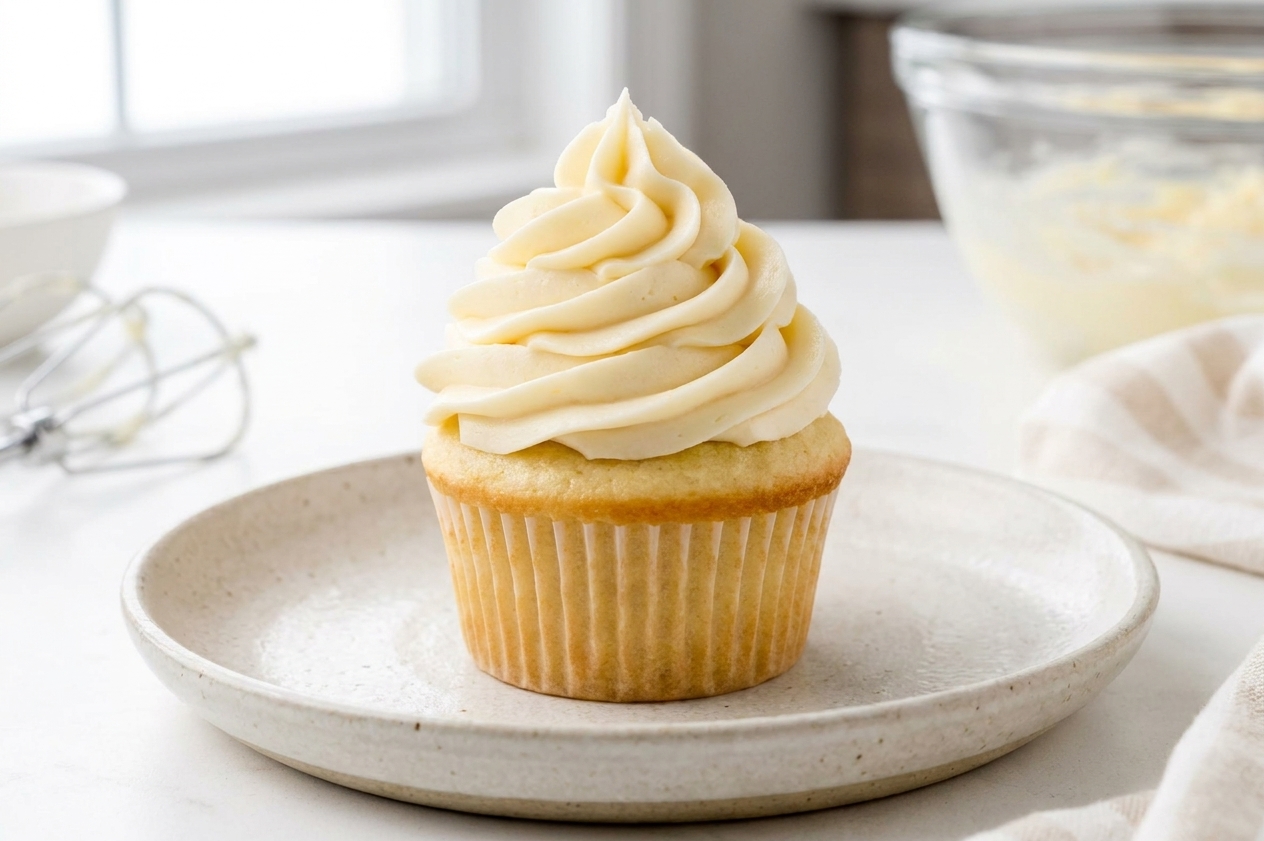
Yellow cake, banana cake, spice cake, pumpkin cake, apple cake, and anything with toasted nuts. It is also unreal on cupcakes and as a drizzle over cinnamon rolls.