Mom's Best Recipes
Recipe

Classic Christmas Cake

A rich, moist Christmas fruitcake with warm spices, citrus zest, and a brandy boost, plus easy options for marzipan and icing.

Author By Matt Campbell
4.8
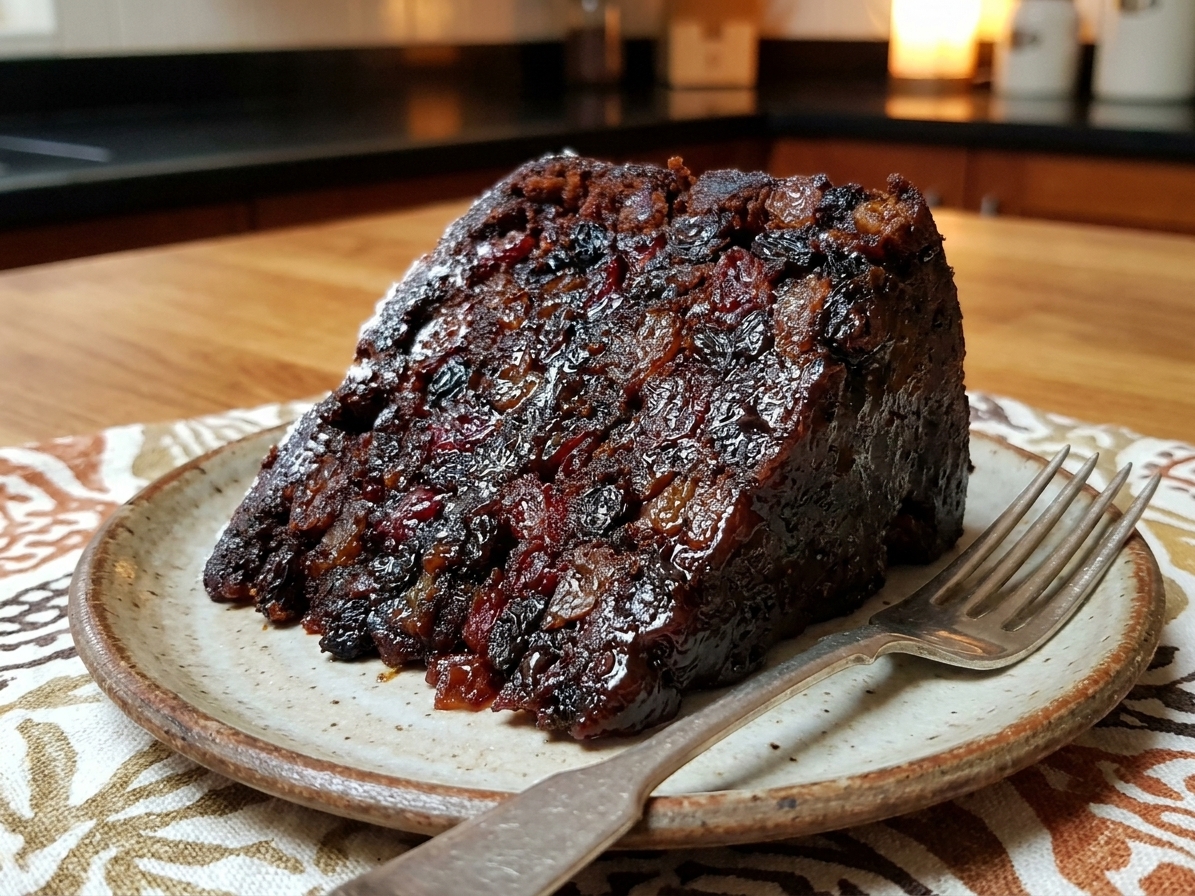
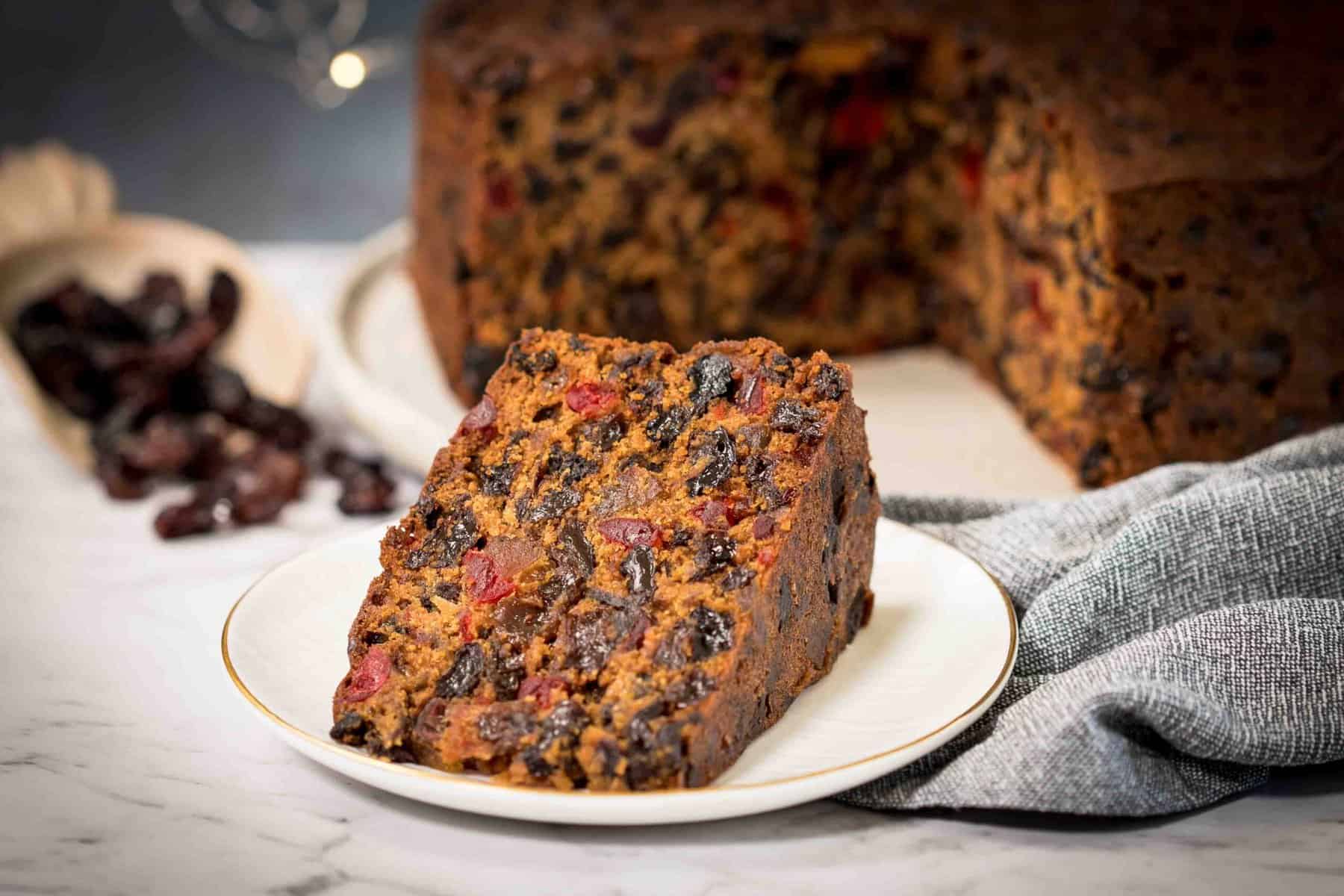
A thick slice of classic Christmas fruitcake on a small plate, showing a dark, moist crumb packed with dried fruit and nuts, with a mug of tea nearby on a warm kitchen table

Christmas cake is one of those desserts that looks like it has a thousand rules, but it is really just a patient, fruit-packed loaf of joy that gets better as it sits. You mix up a buttery batter, fold in an unreasonable amount of dried fruit, bake it low and slow, then let time do what time does. The result is rich, fragrant, and sliceable in the best way, like the cake equivalent of a cozy sweater.

My version keeps the ingredients accessible and the steps low drama. You can make it weeks ahead and feed it with a little brandy (or orange juice if you want it alcohol-free). When you are ready, you can leave it plain, glaze it, or go full classic with marzipan and a thin layer of icing. Do not stress about perfection. The cake is forgiving, and the whole point is that it tastes like the holidays showed up early and brought snacks.

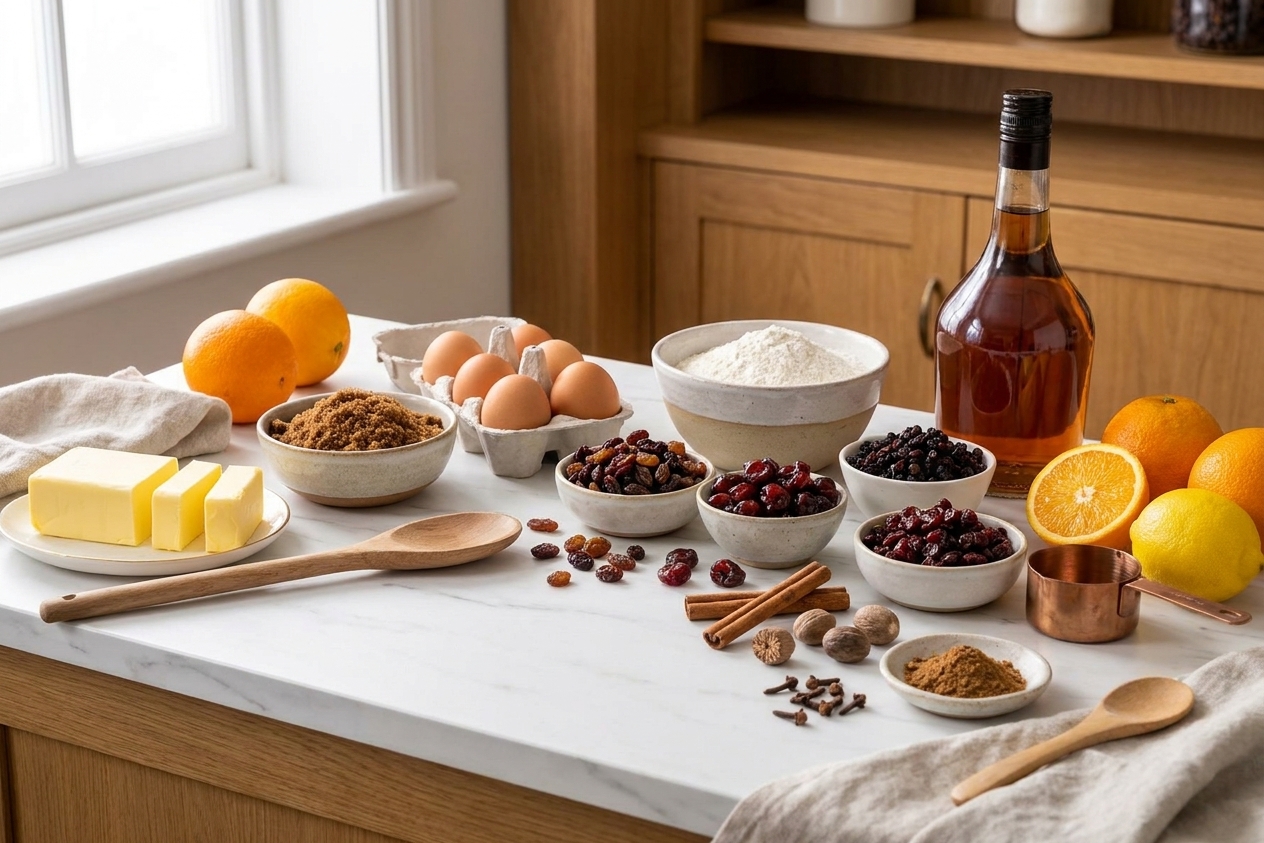
Butter, brown sugar, eggs, flour, dried fruit, citrus, spices, and a bottle of brandy arranged on a bright home kitchen counter, ready for baking

Why It Works

  • Moist for days: A low-and-slow bake plus fruit that is soaked ahead keeps the crumb tender, not dry.
  • Big holiday flavor: Cinnamon, nutmeg, ginger, and citrus zest make the whole kitchen smell like December.
  • Make-ahead friendly: This cake is designed to be baked in advance and improved by resting and optional brandy feeding.
  • Choose your own adventure finish: Simple glaze for shine, or marzipan and icing for the classic celebration look.

Pairs Well With

Storage Tips

How to Store Christmas Cake

At room temperature (best for short term): Wrap the cake tightly in parchment paper, then foil, and keep it in an airtight container in a cool, dark spot. If you are not feeding the cake, aim to enjoy it within about 1 week for the best texture.

For longer make-ahead (classic style): If you are feeding with alcohol, wrap very tightly and keep it cool and dark. With regular feeding and good wrapping, it can be stored for several weeks (often 2 to 6 weeks) before serving. In very cool, stable conditions, some bakers keep it longer, but moisture, warmth, and wrapping quality matter a lot, so use your best judgment.

Refrigerator: Not my first choice because it can dry the cake out, but it works if your kitchen is warm. Wrap very well and refrigerate up to 2 weeks. Keep the cake wrapped while it comes fully back to room temp before unwrapping, so you avoid condensation making the surface damp.

Freezer: Wrap the whole cake or individual slices in plastic wrap, then foil. Freeze up to 3 months. Thaw overnight in the fridge or a few hours at room temp, still wrapped.

If iced: Once marzipan and icing are on, store in a cake tin or airtight container at cool room temp. Avoid humid spots so the icing does not get sticky.

Common Questions

Common Questions

Is Christmas cake the same as fruitcake?

Very close. Christmas cake is essentially a British-style fruitcake that is typically made ahead and often fed with alcohol, then decorated with marzipan and icing. It is rich, dark, and meant to be sliced thin.

Do I have to use alcohol?

No. Swap the brandy for orange juice, apple juice, or strong black tea. You will still get a great cake. If you skip alcohol feeding, the cake still benefits from resting a few days before serving.

How far ahead can I make it?

If you are feeding it with alcohol and wrapping it very tightly, you can make it 2 to 6 weeks ahead for the full classic experience. In a very cool, dark place, with careful wrapping and modest feeding, some people keep it even longer, but storage conditions vary so use your best judgment. If you are not feeding it, I recommend baking it 3 to 7 days ahead. Either way, a minimum rest of 24 to 48 hours wrapped (even without feeding) makes the texture and flavor noticeably better.

What if my cake cracks on top?

Totally normal. Low heat helps prevent it, but a crack is not a failure. If you are decorating, the marzipan and icing cover it. If you are not decorating, brush with a little warmed jam for shine and call it rustic.

How do I know it is done without drying it out?

Use the skewer test in the center. You want a skewer to come out clean or with a few moist crumbs, but no wet batter. If you want an extra layer of confidence, check the center with an instant-read thermometer. Aim for about 200 to 205°F (93 to 96°C). If the top is browning too fast, tent with foil and keep going.

Can I make it nut-free?

Yes. Replace the almonds with more dried fruit, or use pumpkin seeds if you want crunch without tree nuts. If allergies are a concern, double-check your dried fruit packaging for cross-contact warnings.

How do I slice it neatly?

Let the cake come to room temperature. Use a serrated knife and slice thin. This cake is rich and dense in a good way, so smaller slices are the move.

I love recipes that reward a little planning without punishing you for being human about it. Christmas cake is exactly that. You do one cozy bake, then it just quietly sits there getting better while you handle everything else the season throws at you. The first time I made one, I kept unwrapping it to check on it, which is also known as sneaking a slice. No regrets. It is the kind of cake that tastes like someone cared, even if you were mildly chaotic while mixing it.

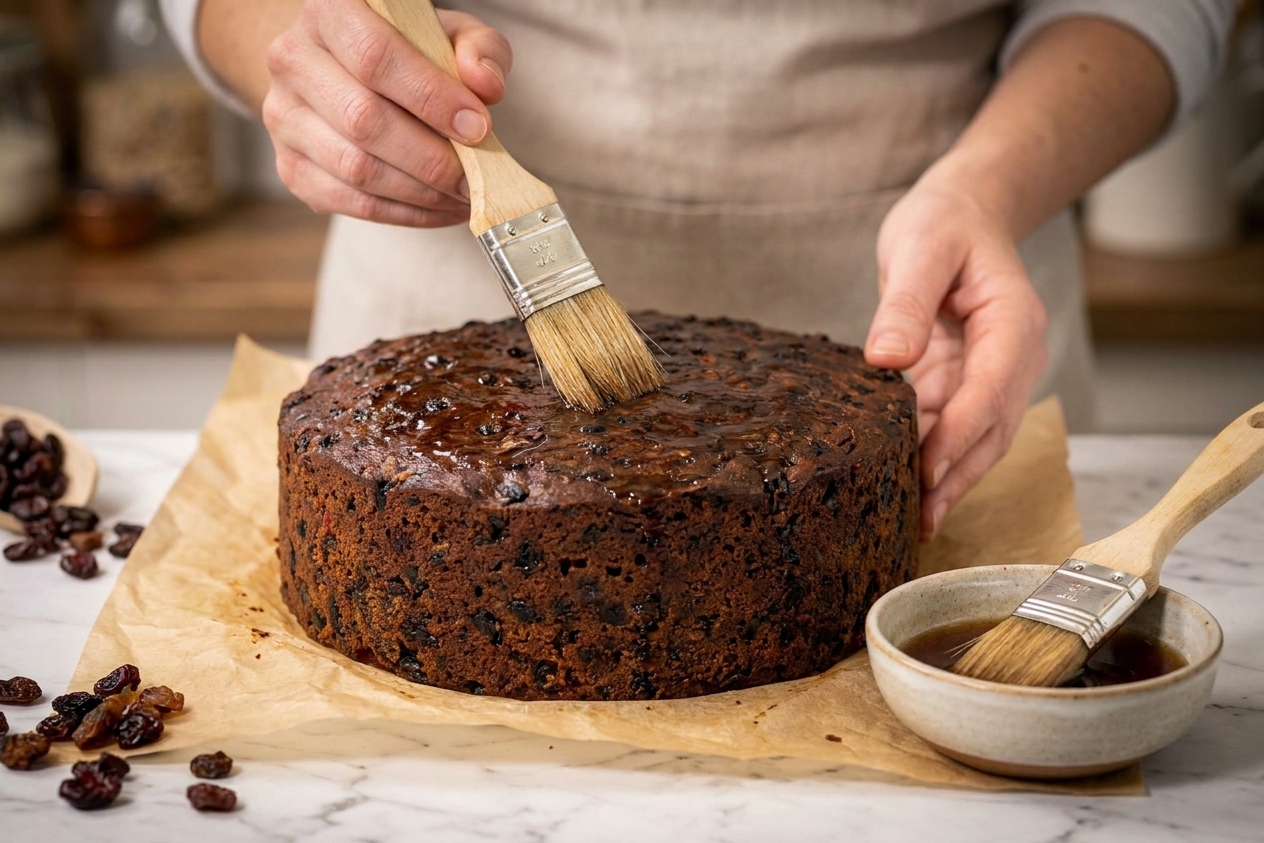
Hands brushing brandy over the top of a cooled Christmas fruitcake on a parchment-lined counter, with a small bowl and pastry brush nearby