Do I really need a kitchen scale?
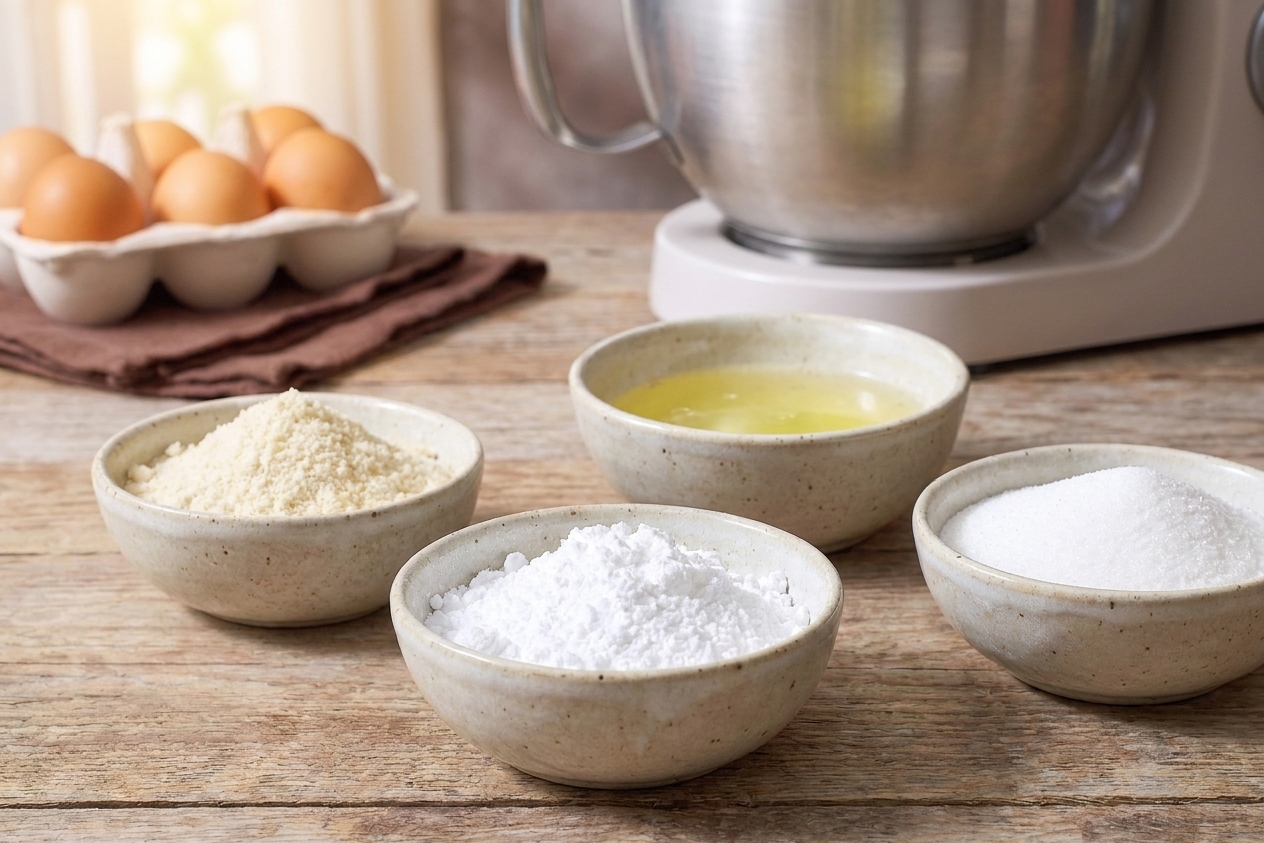
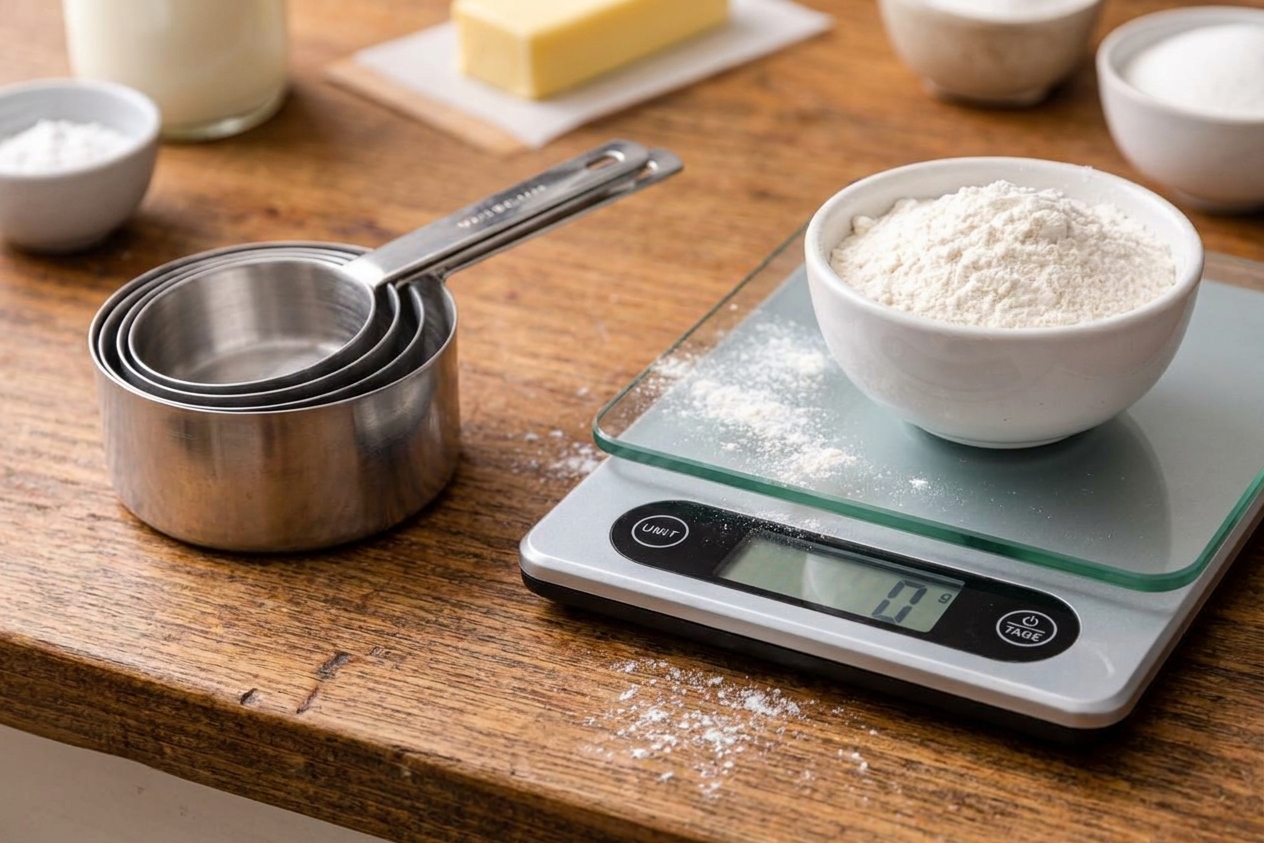
For macarons, yes. Cups can vary a lot, especially with almond flour and powdered sugar. A scale removes the drama and makes the recipe repeatable.
Should I age egg whites?
You can, but you do not have to. Fresh room-temperature egg whites work well. If you want to age them, cover a bowl of egg whites with a paper towel and refrigerate 24 hours, then bring to room temp before whipping.
Why do my macarons crack on top?
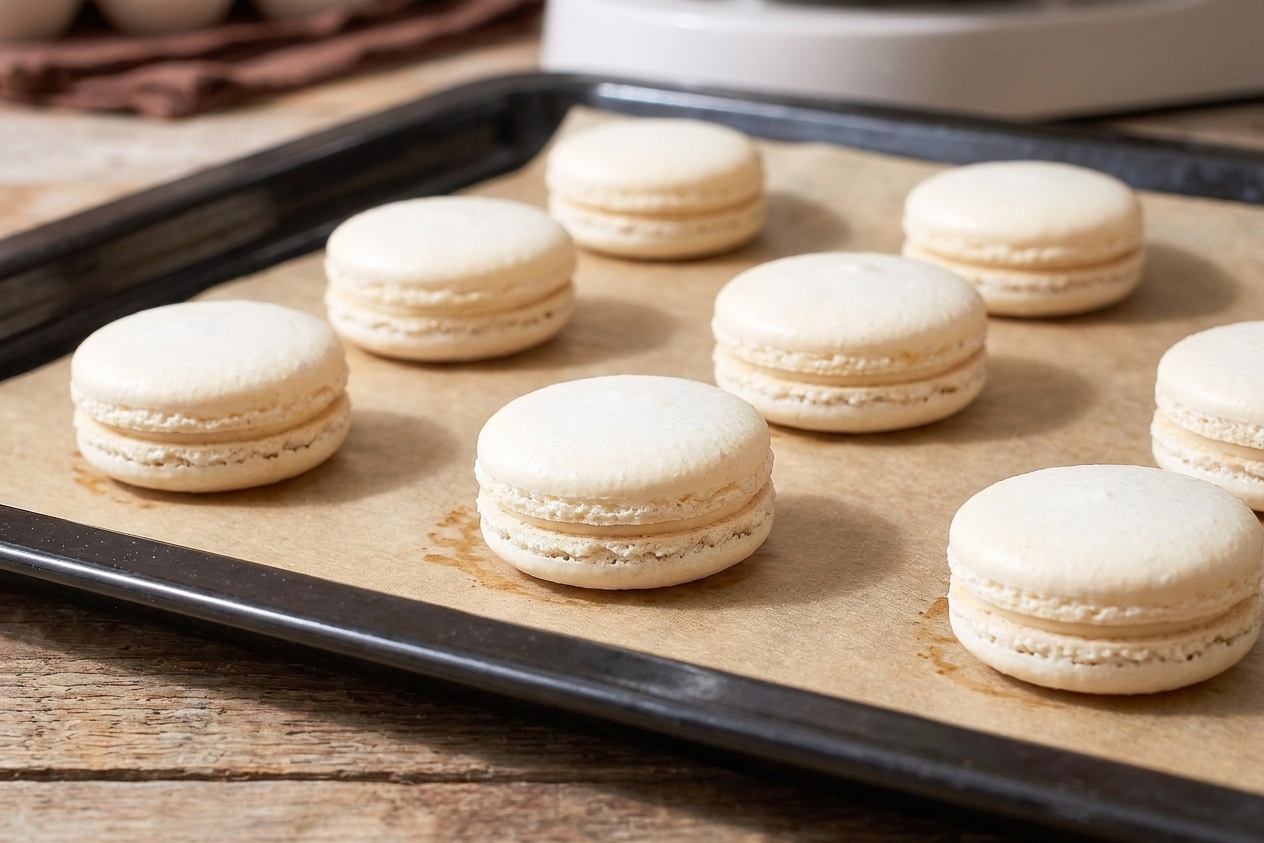
Most common culprits: under-rested shells (no skin formed), oven too hot, or weak meringue. Make sure the tops feel dry when you lightly touch them, and use an oven thermometer if you can.
Why do my macarons have no feet?
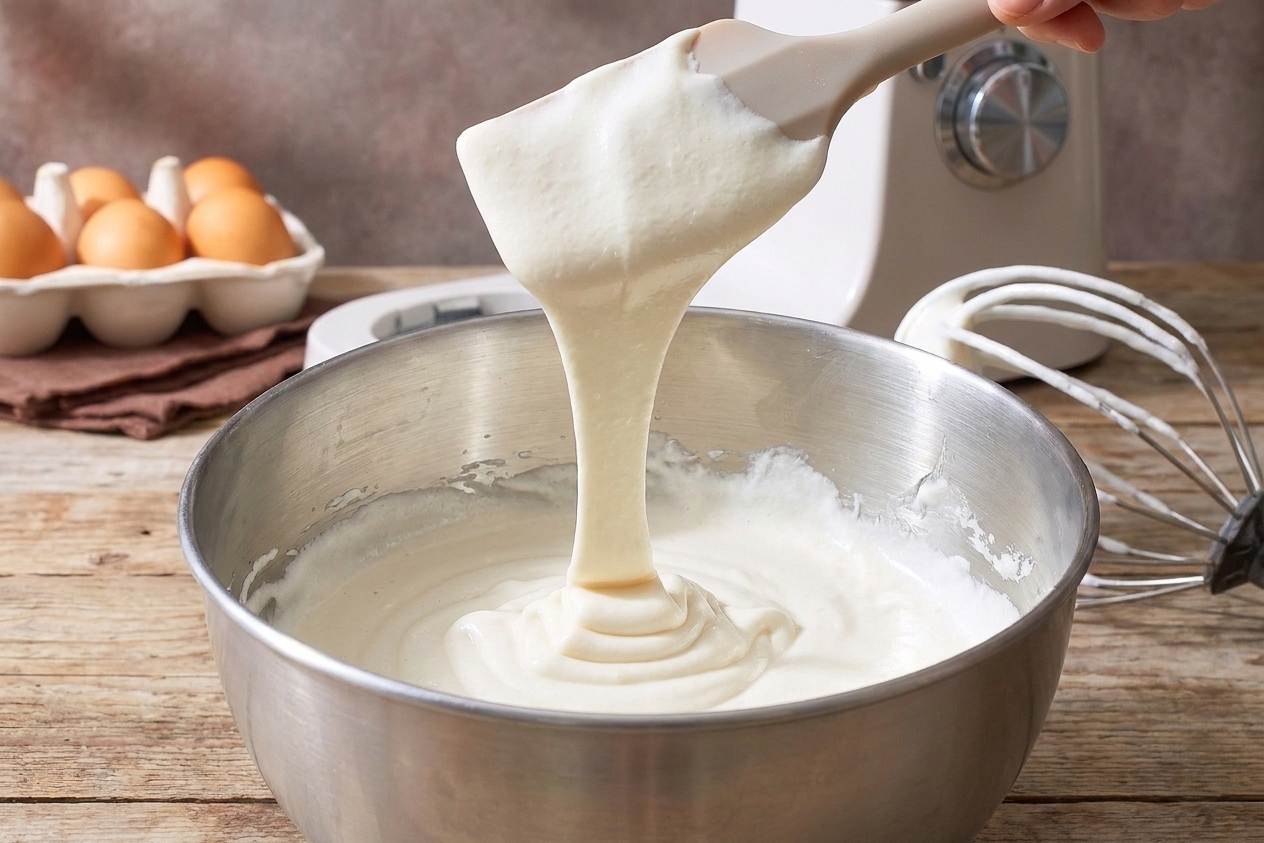
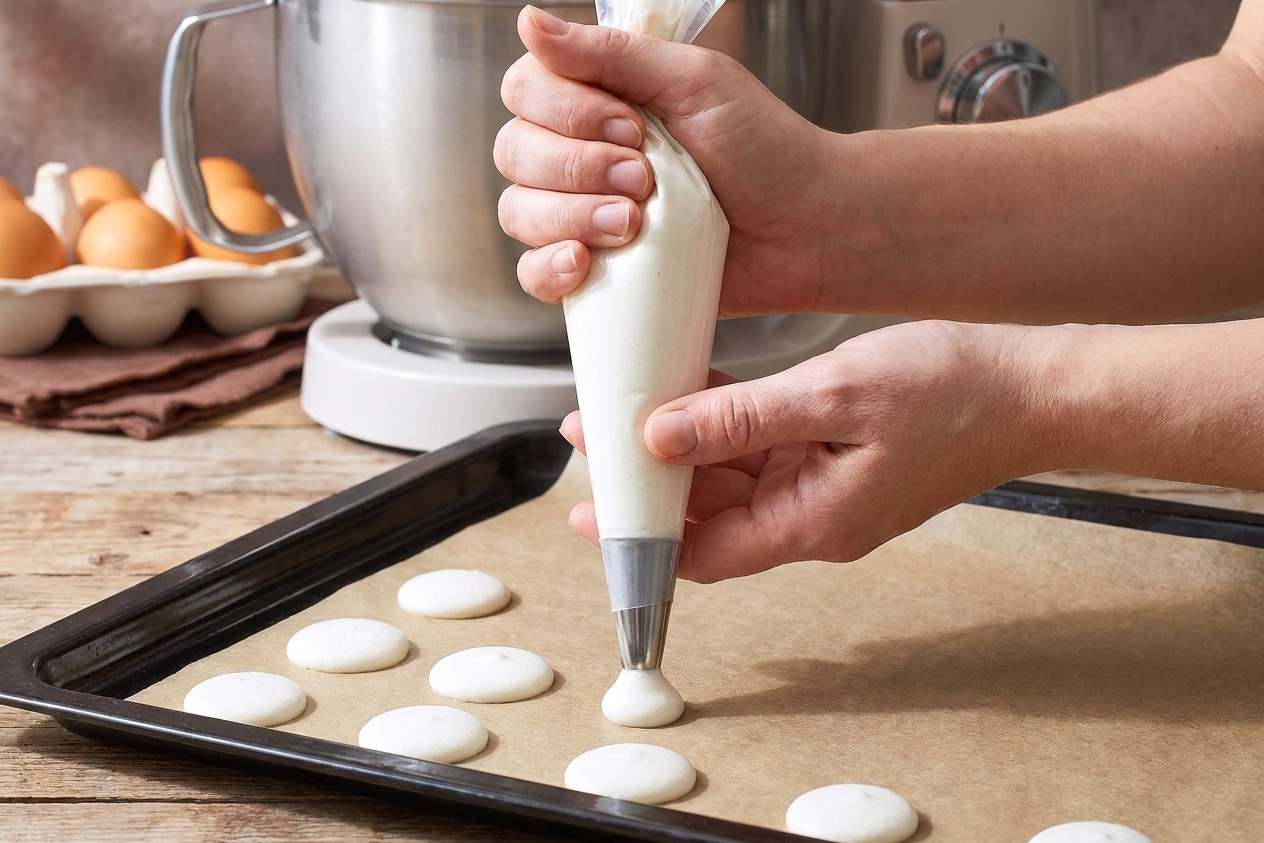
No feet usually means the batter was too loose from over-mixing, the shells did not rest long enough, or the oven was too cool. You want batter that ribbons off the spatula and settles back into itself in about 10 to 20 seconds.
Why are my macarons hollow?
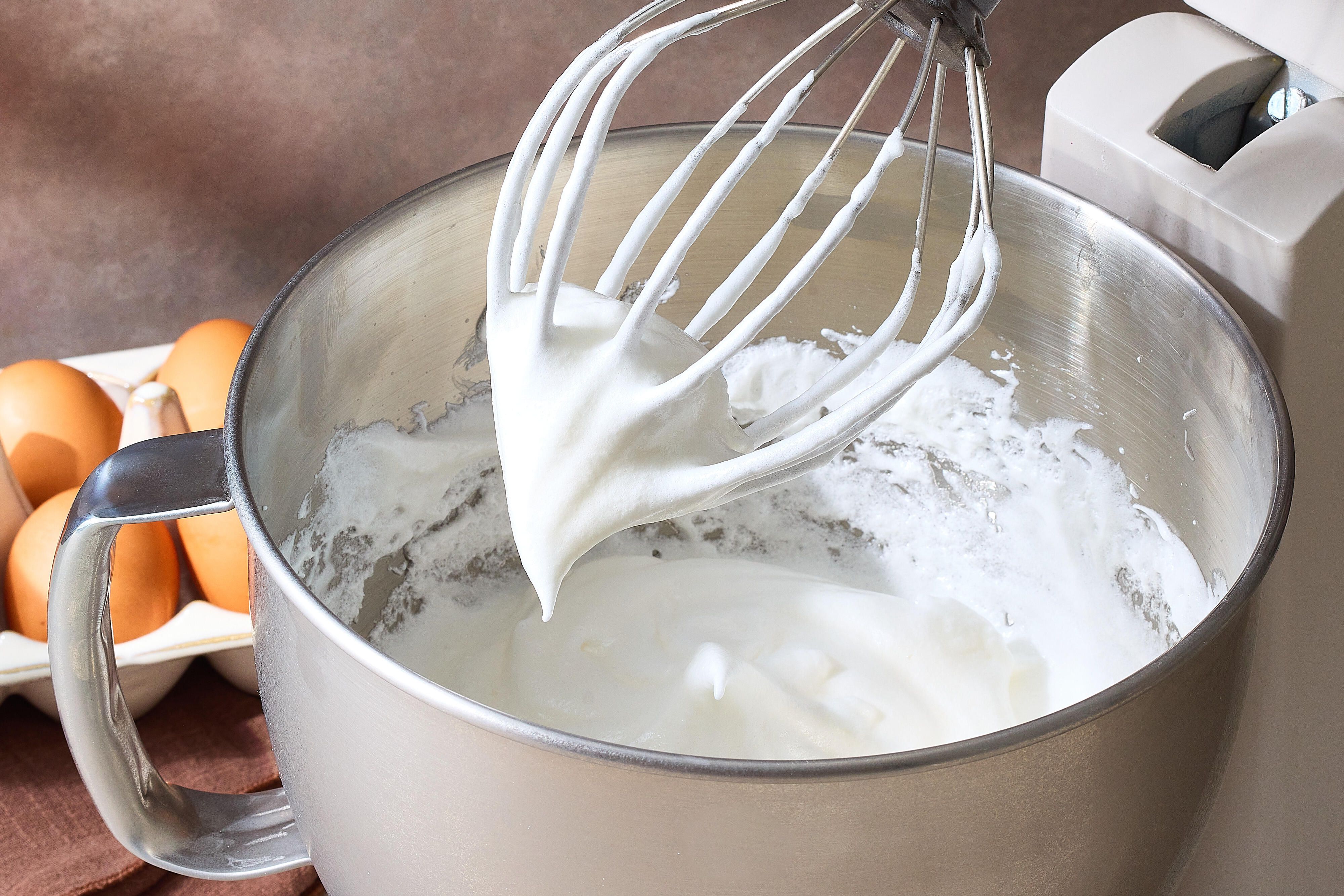
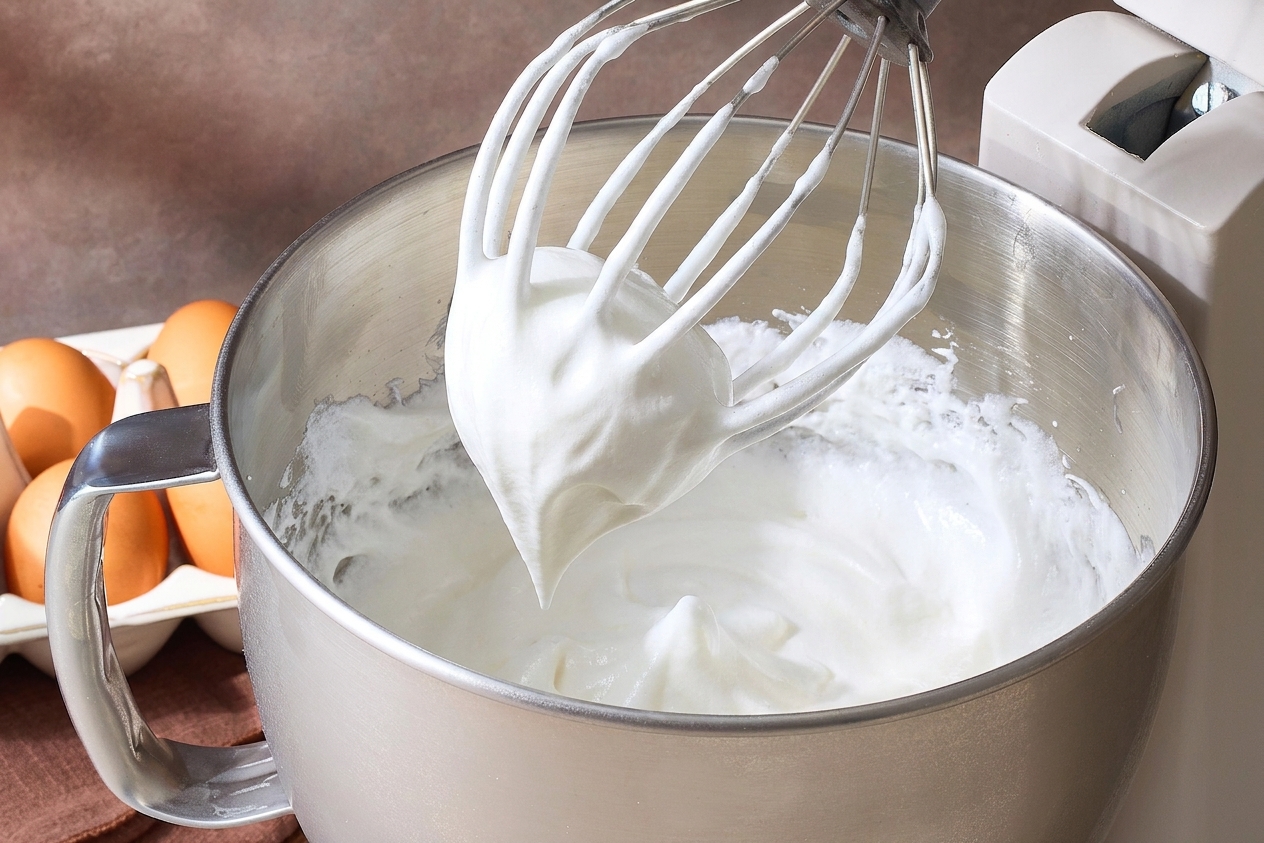
Hollows can come from over-whipping the meringue, under-baking, or oven temperature swings. Aim for stiff peaks that look glossy, not dry or clumpy, and bake until the shells do not wiggle on their feet.
Can I make macarons without cream of tartar?
Yes. Cream of tartar helps stabilize the meringue, but you can skip it. If you have lemon juice or white vinegar, add a few drops to 1/8 teaspoon as a substitute stabilizer (you are not trying to taste it).
Can I color the shells?
Use gel food coloring, not liquid. Add it when the egg whites reach soft peaks, before you hit stiff peaks.
What if the shells will not dry?
Humidity is the villain. Give them more time, aim a fan across (not directly at) the trays, or run a dehumidifier. If they are still tacky after a long rest, bake anyway and note the result, then adjust next time.
Do I really have to mature macarons?
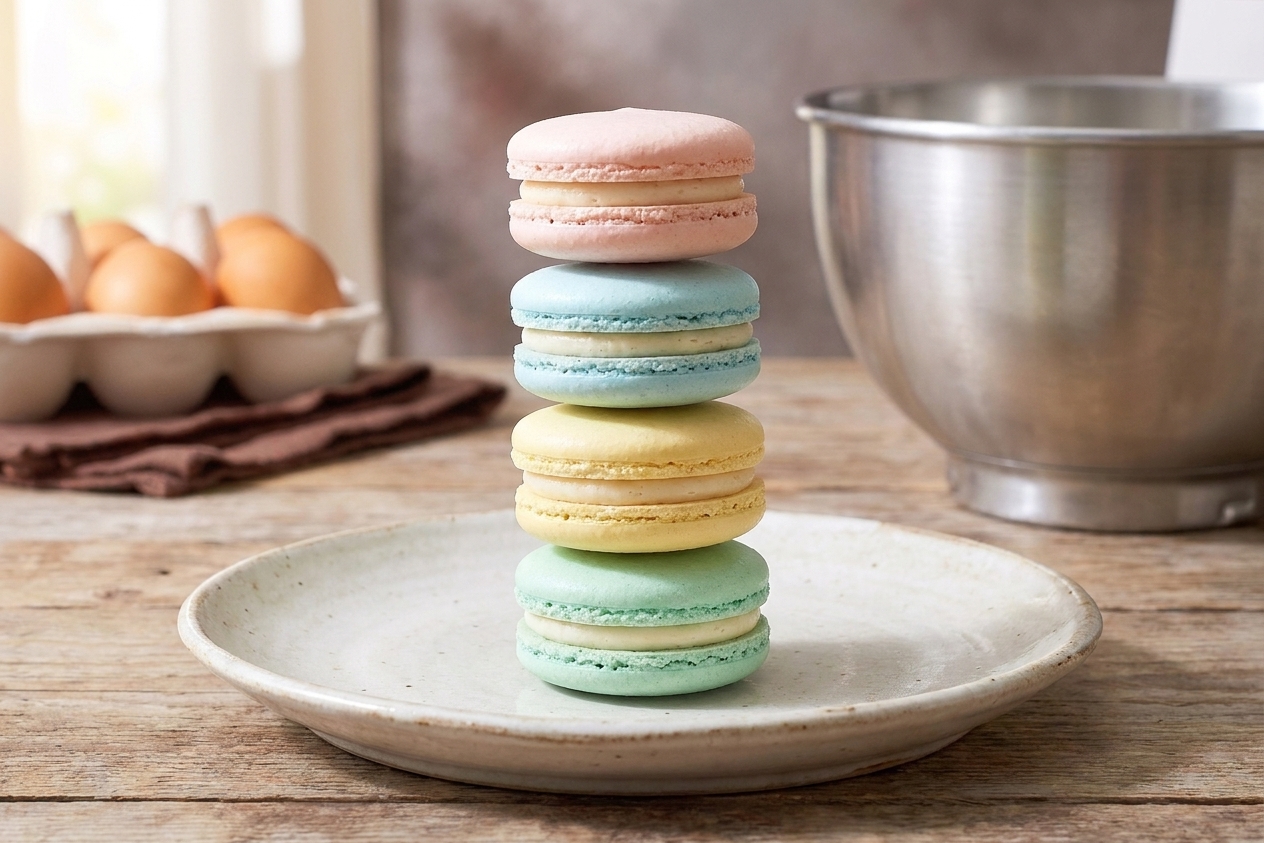
You do not have to, but most macarons improve after 12 to 24 hours in the fridge. It softens the inside slightly and makes the texture feel bakery-level.
Allergen note: Macarons are made with almond flour (tree nut).