Mom's Best Recipes
Recipe

Classic Fried Kibbeh

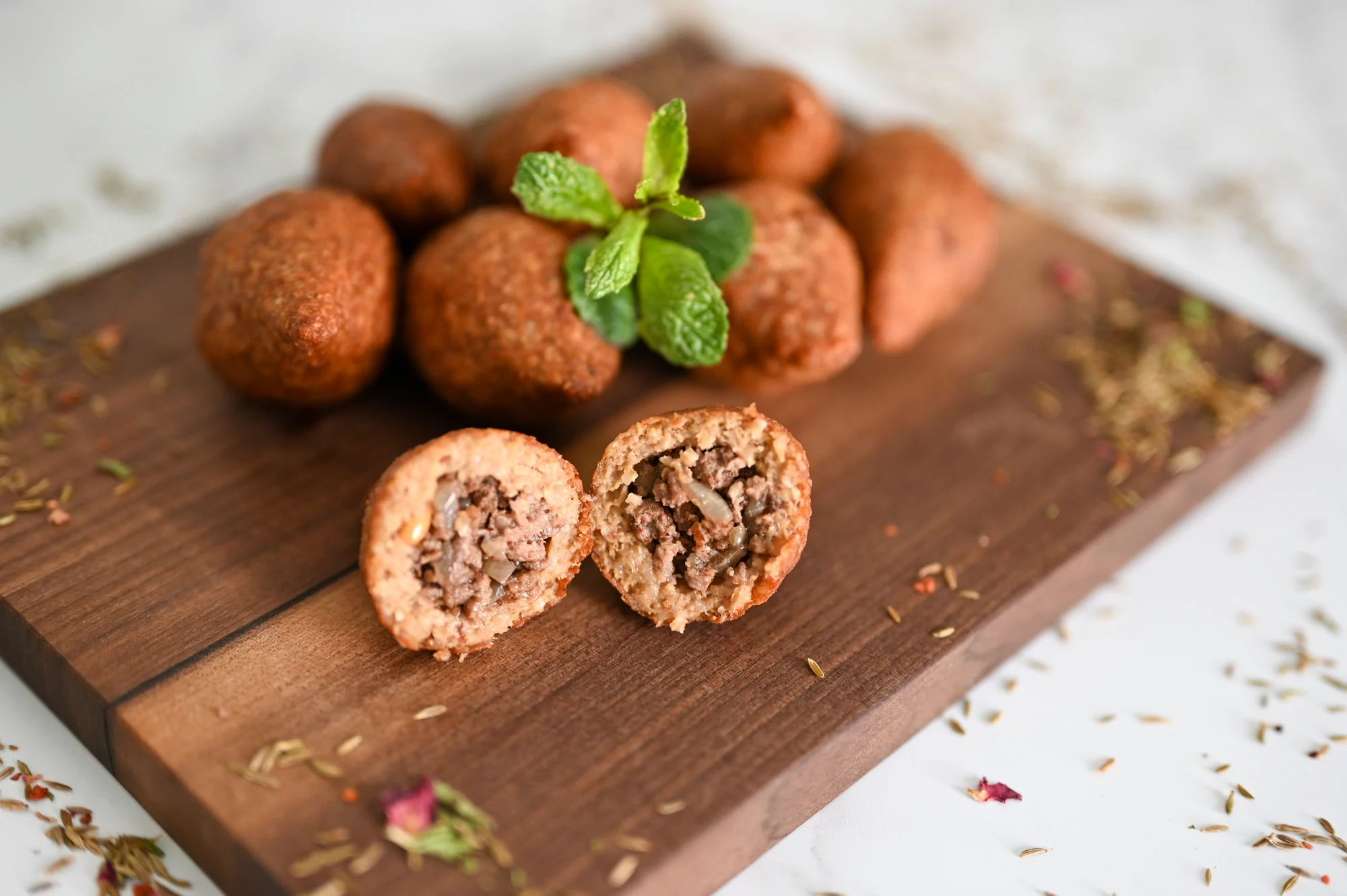
Crisp, torpedo-shaped croquettes with a warm, spiced meat filling and a bulgur shell that fries up golden and light.

Author By Matt Campbell
4.8
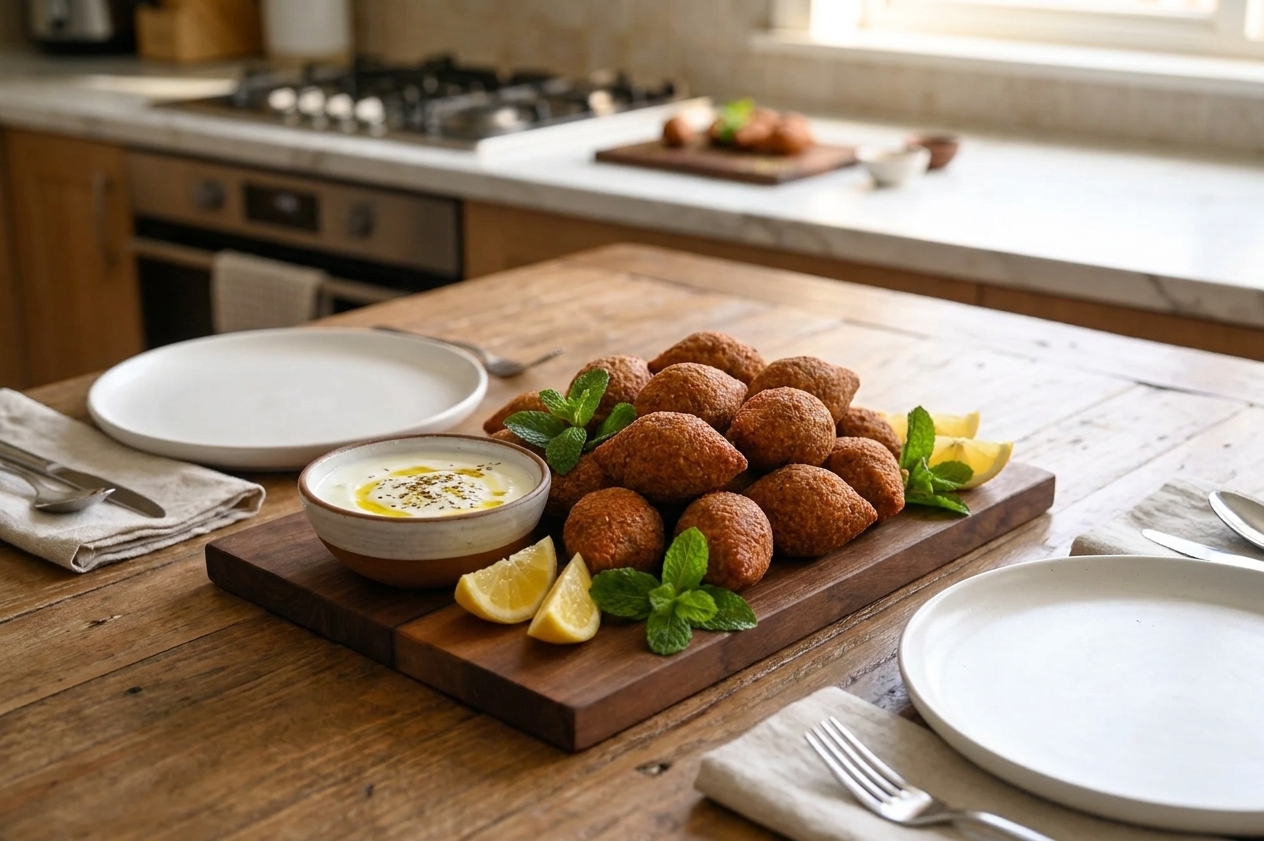
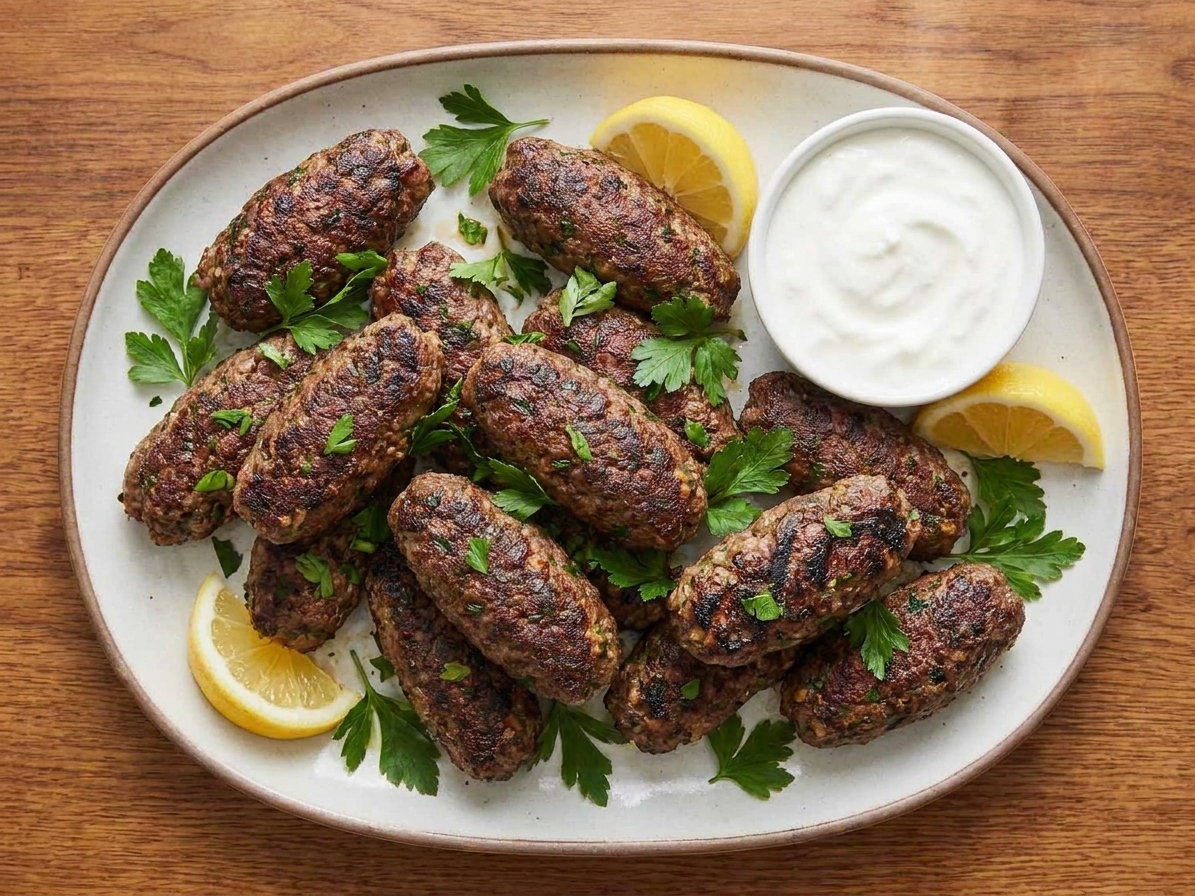
A platter of golden brown fried kibbeh arranged on a white serving plate with lemon wedges and a small bowl of yogurt sauce on a wooden table

Kibbeh is one of those foods that makes you feel like a kitchen wizard the first time you nail it. It is basically a crisp, golden shell of bulgur and seasoned meat, stuffed with a savory onion filling, then fried until the edges crackle when you bite in. Cozy? Yes. Crunchy? Absolutely. Weirdly satisfying to shape? Also yes.

This version is the classic Levant-style fried kibbeh, the torpedo-shaped ones you see piled high on party platters. I am keeping it home-cook friendly with accessible spices and very clear steps, plus a few rescue tricks because kibbeh has a personality. If your first one looks a little wonky, congratulations. You are doing it right.

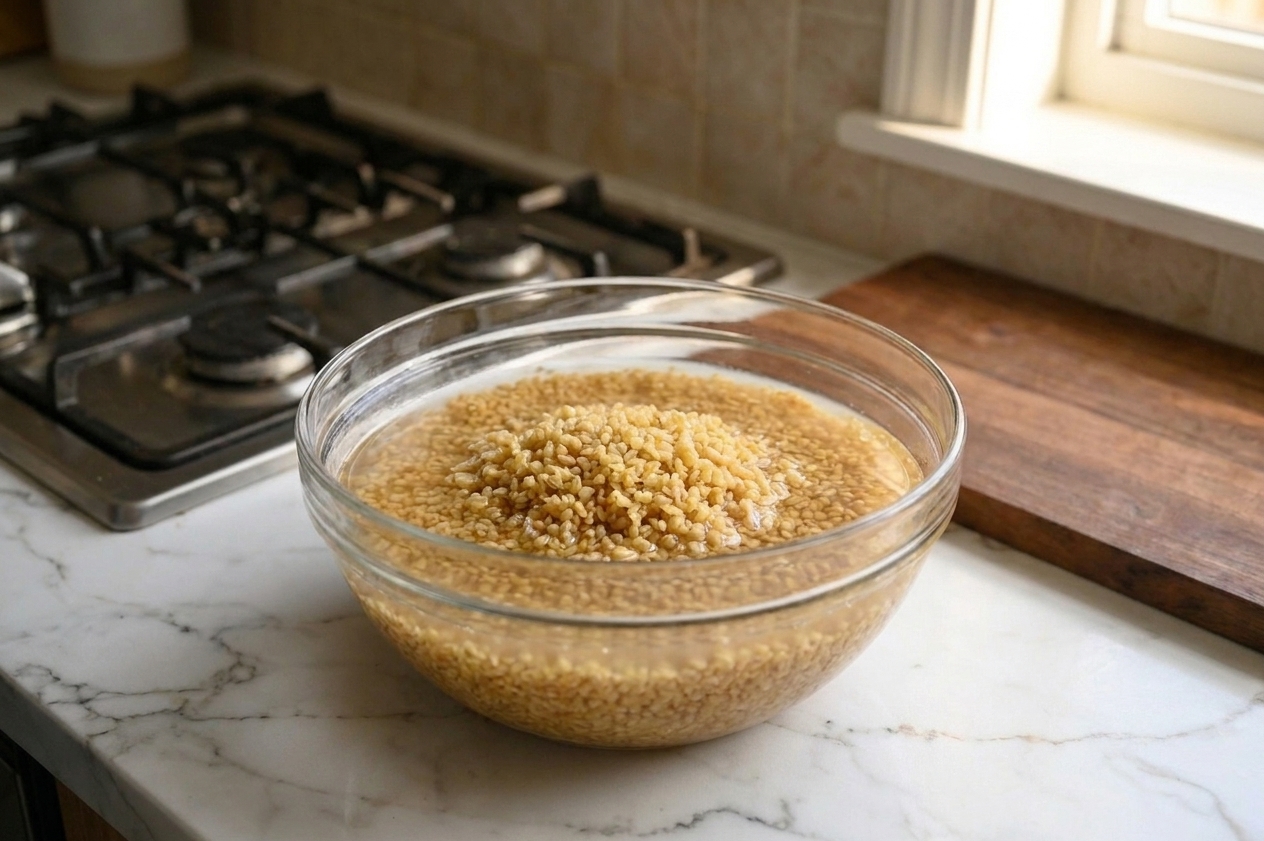
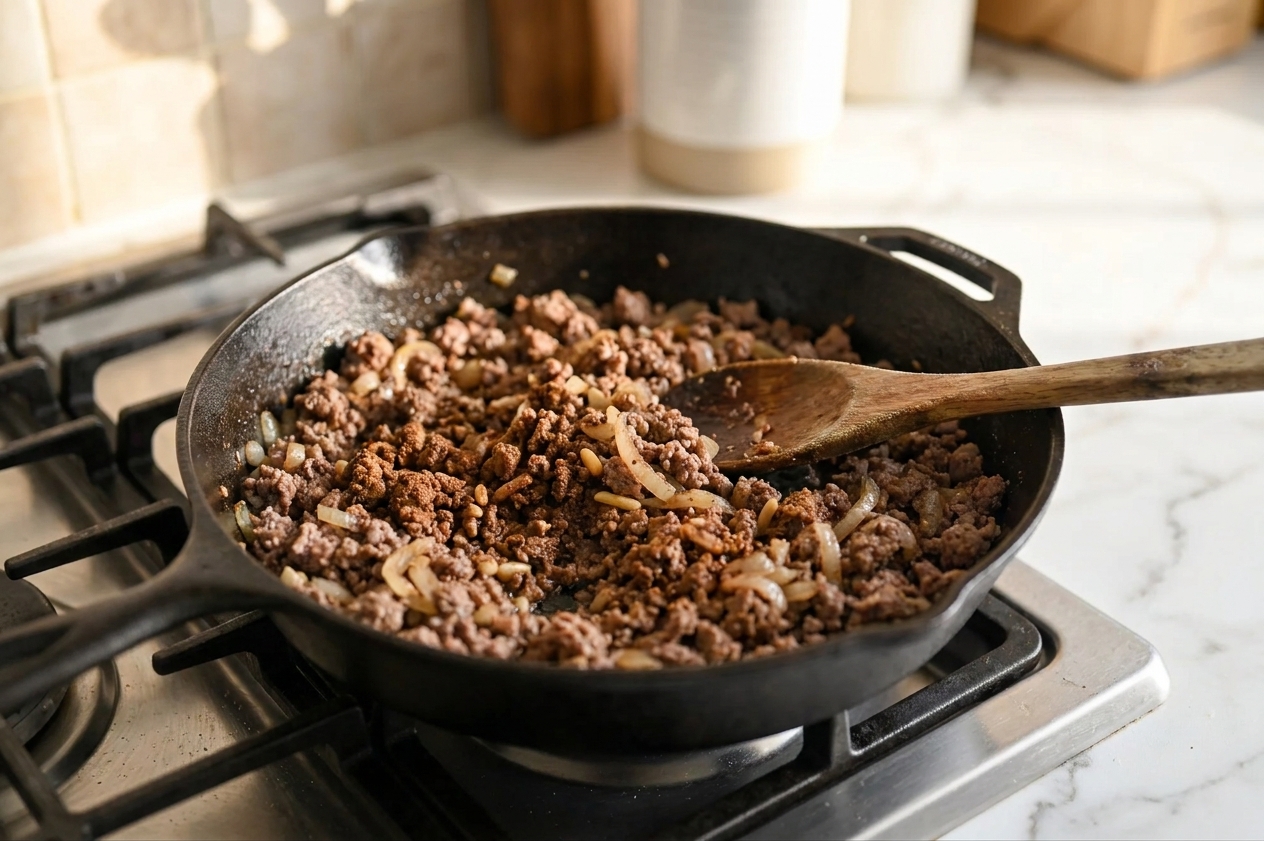
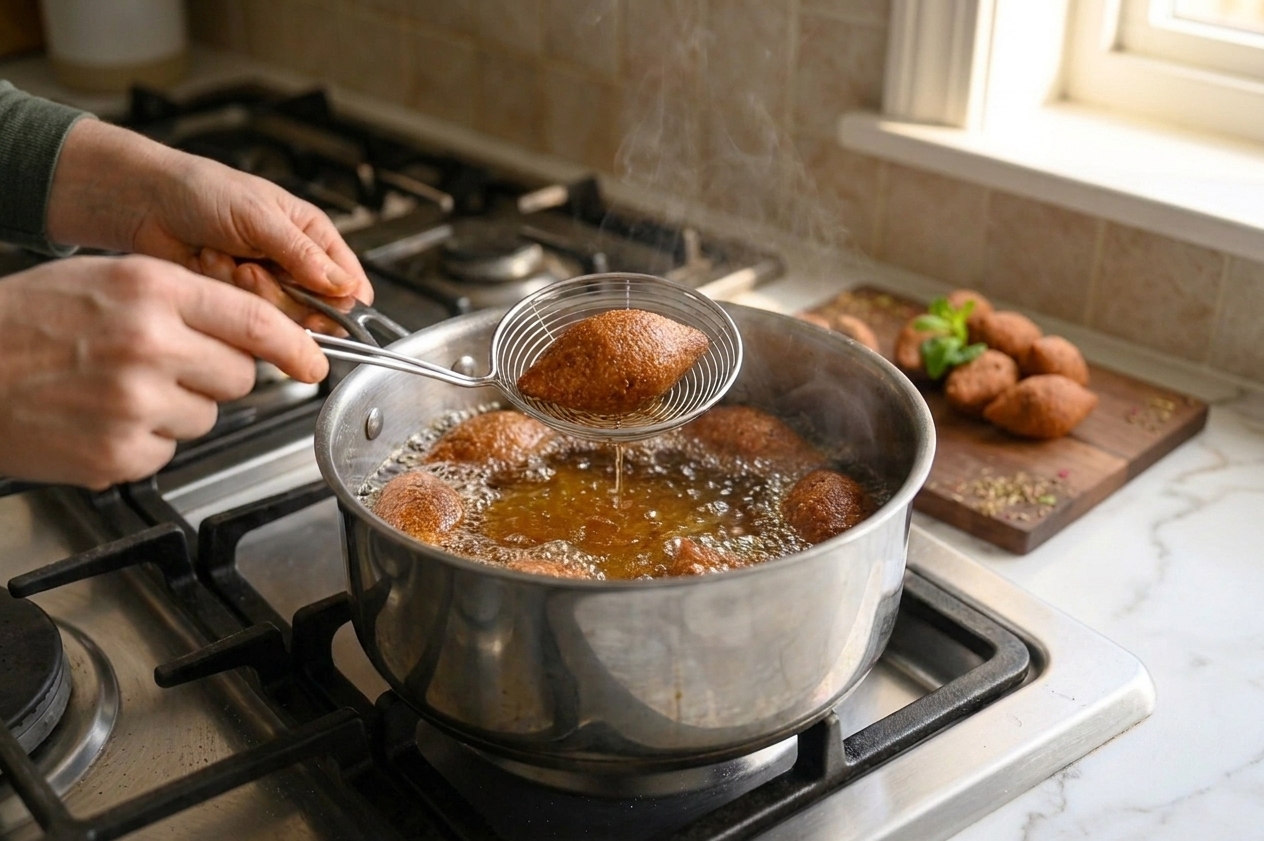
Here is the game plan: cook the filling, mix the bulgur casing, shape, chill, then fry until golden.
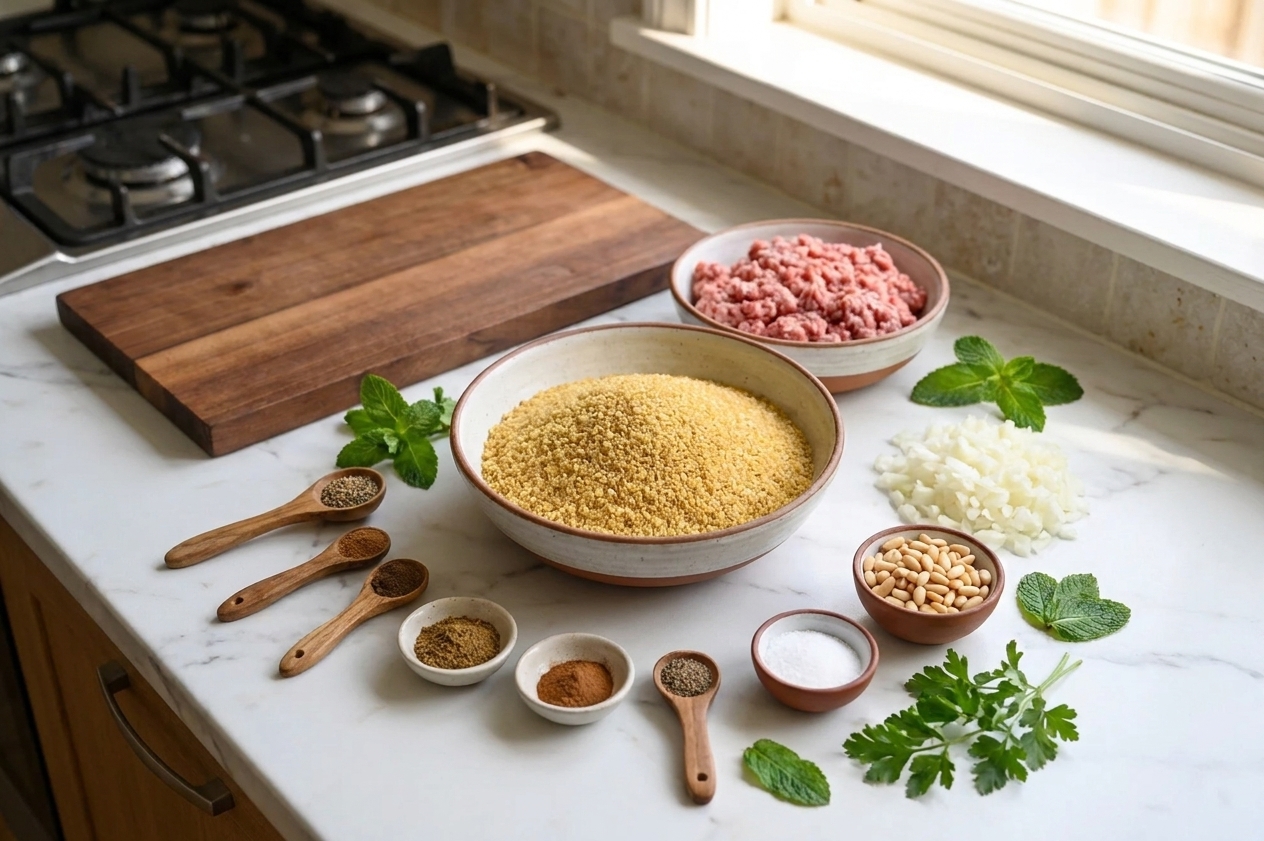
Bulgur wheat, ground lamb or beef, onions, pine nuts, spices, and fresh herbs arranged on a bright kitchen counter with small bowls and measuring spoons

Why It Works

  • Crisp shell, tender center: Soaked bulgur keeps the casing light, while the filling stays juicy.
  • Big flavor with pantry spices: Allspice, cinnamon, and black pepper give that warm, unmistakable kibbeh vibe without hunting down obscure ingredients.
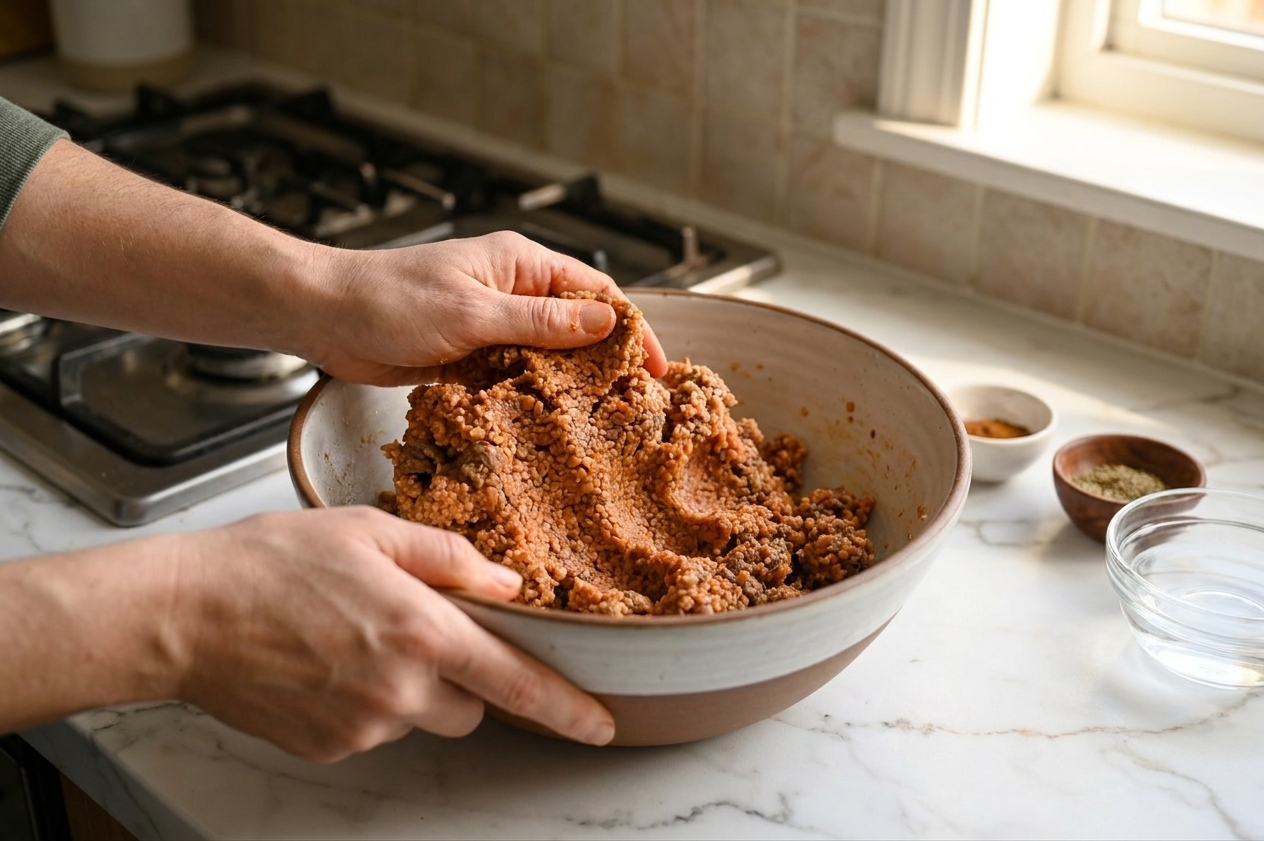
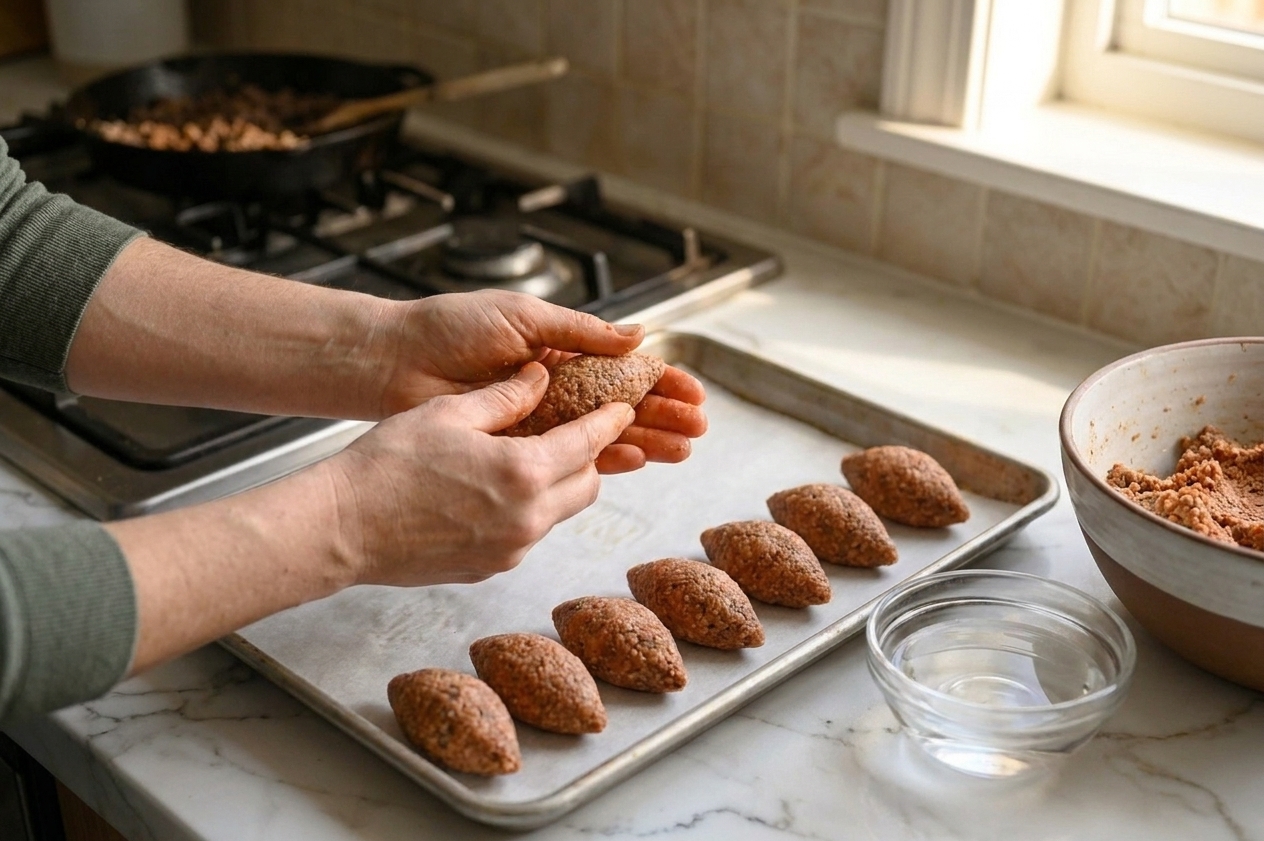
  • Clear shaping cues: You will know what the texture should feel like, how thin to go, and what to do if it cracks.
  • Make-ahead friendly: You can shape and chill or freeze, then fry when you are ready to serve.

Pairs Well With

Storage Tips

Storage Tips

  • Fridge: Cool completely, then store in an airtight container for up to 3 days. Reheat in a 375°F oven or air fryer until hot and crisp again. Microwaving works, but you will lose the crunch.
  • Freeze (best option): Freeze shaped, uncooked kibbeh on a parchment-lined sheet until solid, then transfer to a freezer bag. Fry from frozen at 325°F to cook through, then bump to 350°F to crisp. Total time is usually 8 to 12 minutes depending on size. The best cue is simple: the center should be hot all the way through, not cool.
  • Freeze leftovers: Fried kibbeh can be frozen too. Reheat from frozen in a 375°F oven until sizzling hot inside, about 15 to 20 minutes.

Pro tip: If you are storing with a dipping sauce, keep it separate so the kibbeh stays crisp.

Common Questions

Common Questions

Is kibbeh better with lamb or beef?

Lamb is the classic and gives a richer flavor. Beef is totally legit and easier to find. My favorite compromise is a 50/50 blend. If you go very lean, add a tablespoon or two of olive oil to the casing mixture so it does not dry out.

What if my kibbeh dough keeps cracking?

Cracking usually means the casing is too dry or the bulgur has not softened enough. Add 1 to 2 tablespoons ice water and knead again. Also keep a small bowl of water nearby to wet your hands while shaping. If a crack appears, pinch it closed like you are repairing a tiny pothole.

Do I have to use pine nuts?

Nope. You can skip them, or use chopped walnuts. Pine nuts are traditional and super good, but your kibbeh will still be great without them.

Can I bake or air fry instead of deep frying?

You can, but the crust will be a little different. For baking, brush generously with oil (or spray well) and bake at 425°F for 18 to 25 minutes, flipping once, until deeply browned. For the air fryer, spray well with oil and cook at 390°F for 10 to 14 minutes, turning halfway, until crisp and browned. Deep frying is the most classic, evenly browned option.

What should I serve with kibbeh?

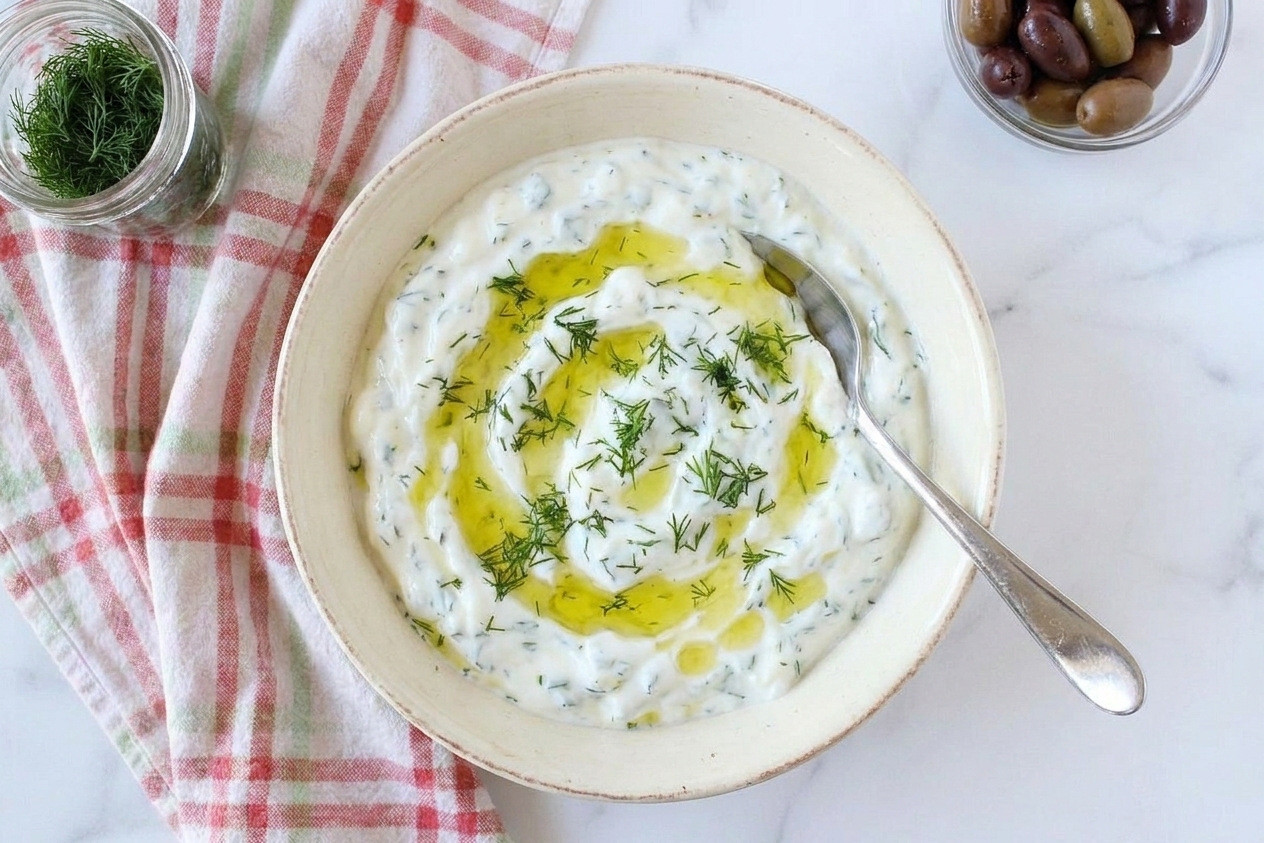
Think bright and cooling: plain yogurt or garlic yogurt, cucumber-tomato salad, pickles, or a simple tahini-lemon sauce. Lemon wedges on the platter are non-negotiable in my house.

The first time I made kibbeh, I treated it like a regular meatball situation. I was humbled quickly. The casing cracked, my “torpedoes” looked like tired little footballs, and I learned that kibbeh demands two things: moisture control and patience. Once I got the feel for it, it turned into one of my favorite kitchen projects because it is hands-on in the best way. Put on something good to listen to, line up your tray, and suddenly you have a platter of crispy, spiced magic that tastes like you worked way harder than you actually did.