Mom's Best Recipes
Recipe

Classic Creamy Hummus

Bright lemon, toasty tahini, and a ridiculously smooth texture with simple pantry staples.

Author By Matt Campbell
4.8
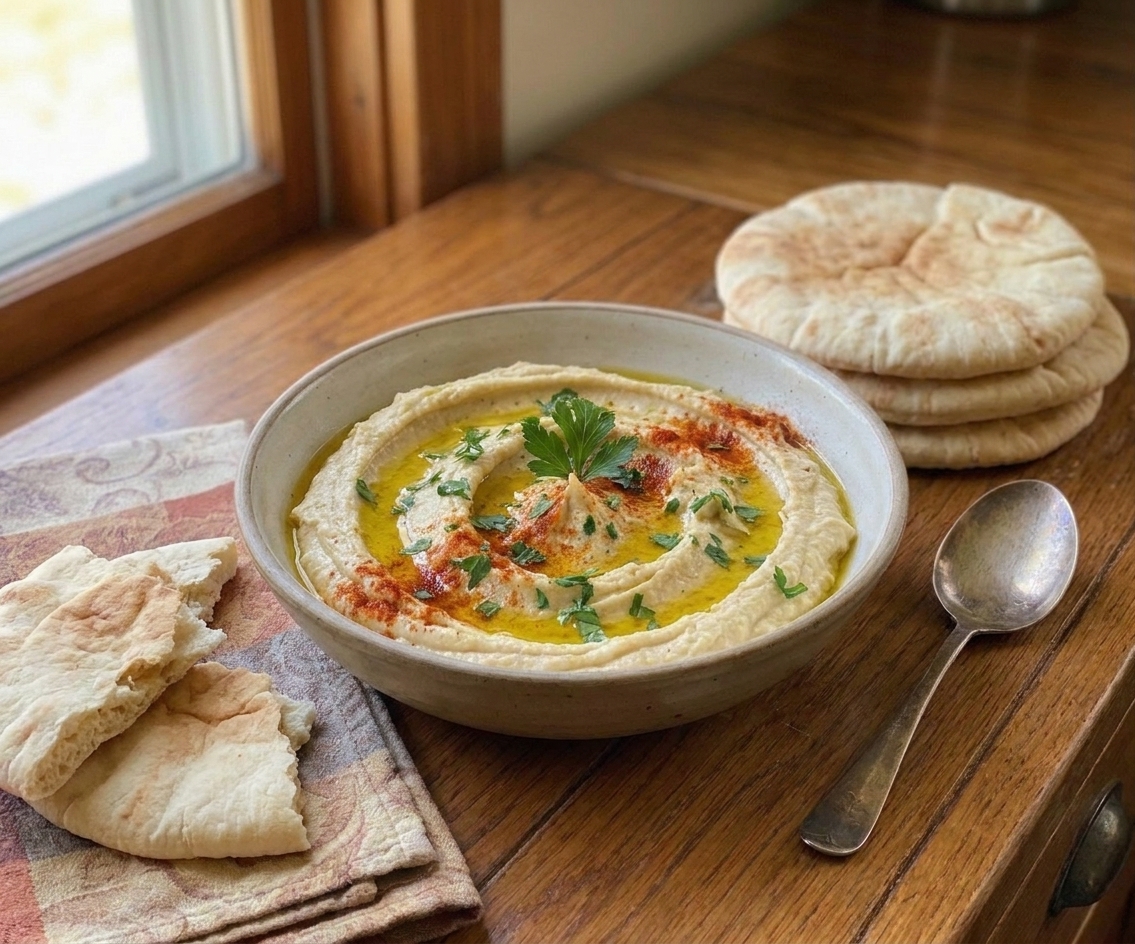
A shallow bowl of creamy classic hummus swirled with a spoon, topped with olive oil, paprika, and chopped parsley on a warm kitchen table

Hummus is one of those foods that somehow fits every mood. Snacky. Healthy-ish. Party-friendly. Emergency dinner when the fridge is giving you nothing but vibes. And when it is made right, it is not just a beige dip. It is bright, nutty, garlicky, and so creamy you will catch yourself doing one more swipe of pita “for quality control.”

This is my go-to classic hummus. It uses accessible ingredients, takes about 12 minutes, and includes the little tricks that make it taste like you paid $9 for it at a restaurant and then asked for extra pita.

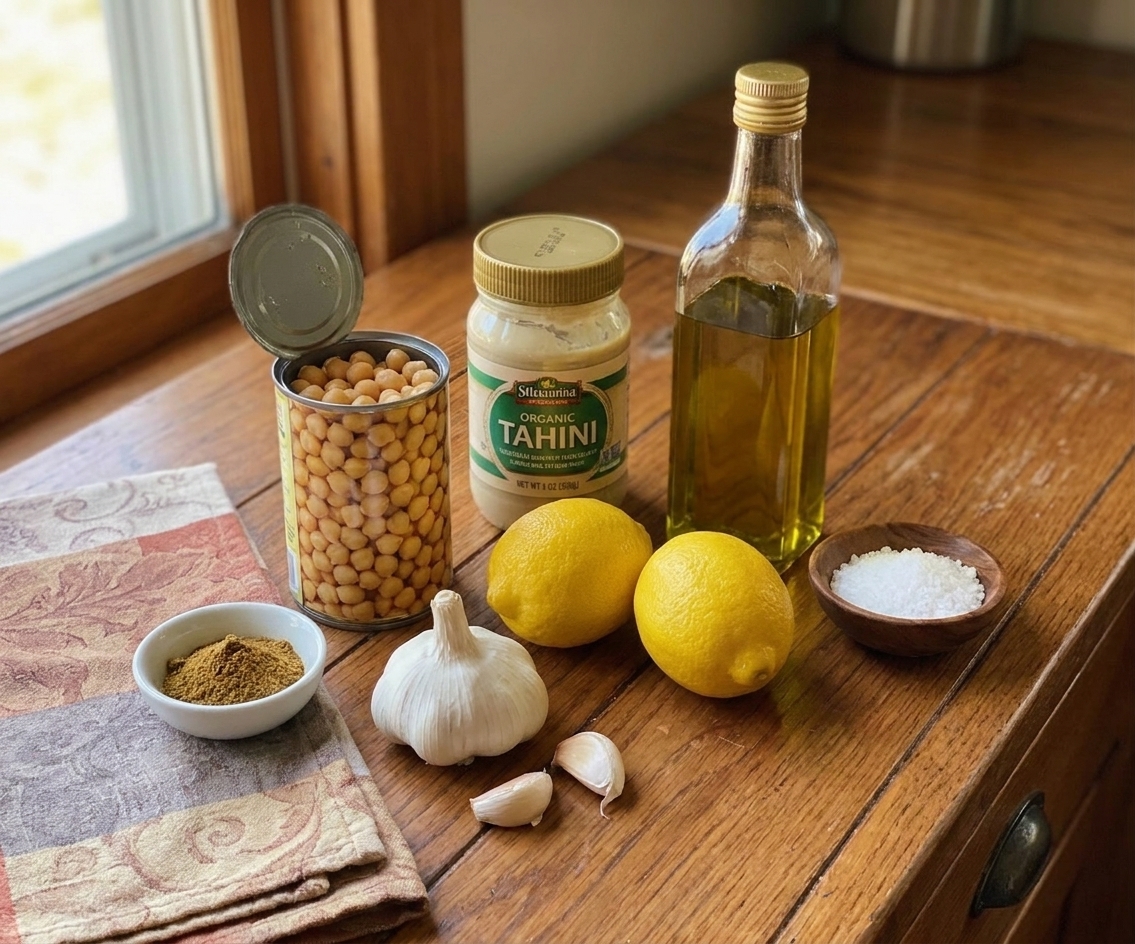
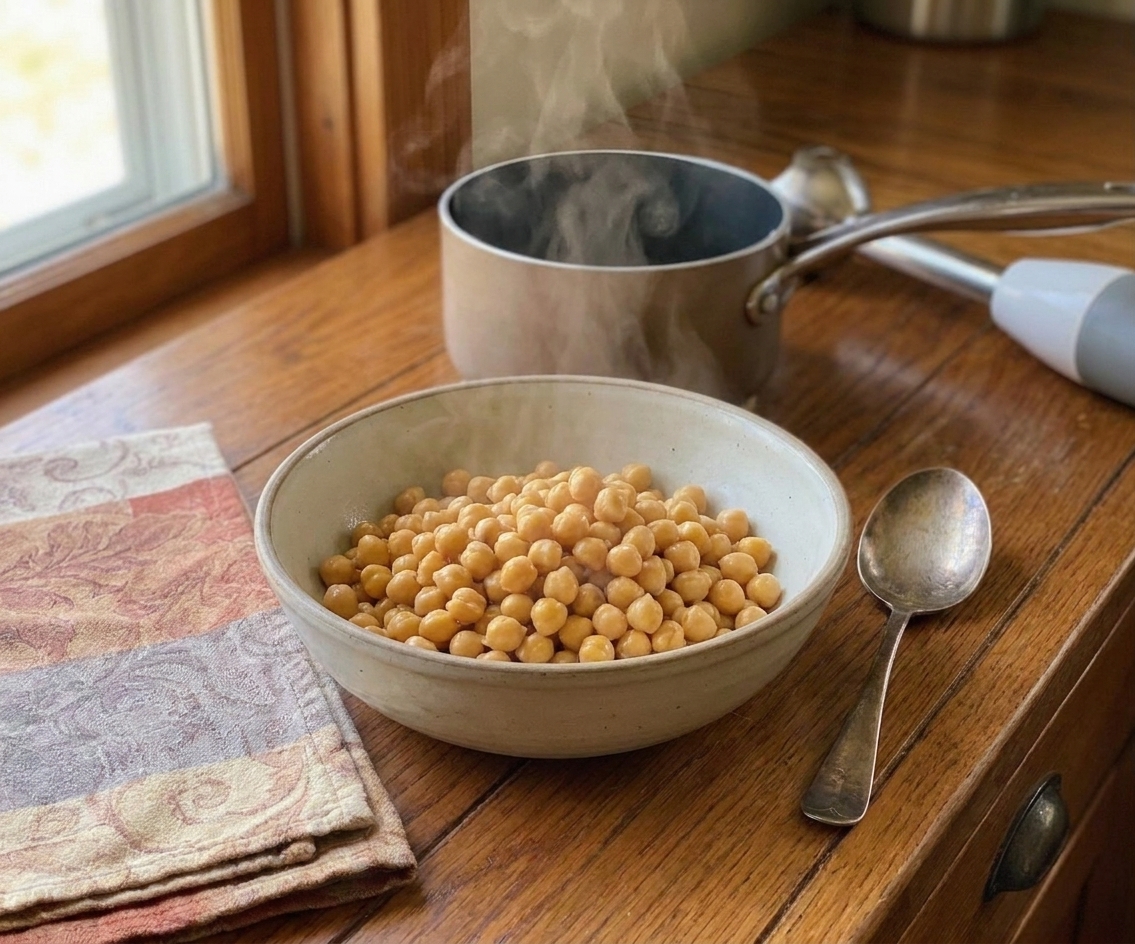
Canned chickpeas, tahini, lemons, garlic, olive oil, cumin, and salt arranged on a clean kitchen counter in natural light

Why It Works

  • Super creamy texture from a quick warm chickpea step and blending tahini with lemon first.
  • Bold flavor with enough garlic to be interesting, plus cumin for warm depth.
  • Easy to adjust for thicker dip, looser spread, or extra tang and salt.
  • Weeknight flexible with canned chickpeas, but still tastes homemade in a real way.

Pairs Well With

Storage Tips

Refrigerate: Store hummus in an airtight container for up to 4 to 5 days for best quality, as long as it is kept consistently cold. Smooth the top and drizzle a thin layer of olive oil over it to help keep it from drying out. If anything looks or smells off, trust your instincts and toss it.

Stir before serving: It can thicken in the fridge. Stir in 1 to 3 teaspoons water or lemon juice to loosen it back up.

Freeze: Yes, you can freeze hummus for up to 2 months for best quality. Thaw overnight in the fridge, then blend or stir aggressively. The texture may be slightly less silky, but still very snackable.

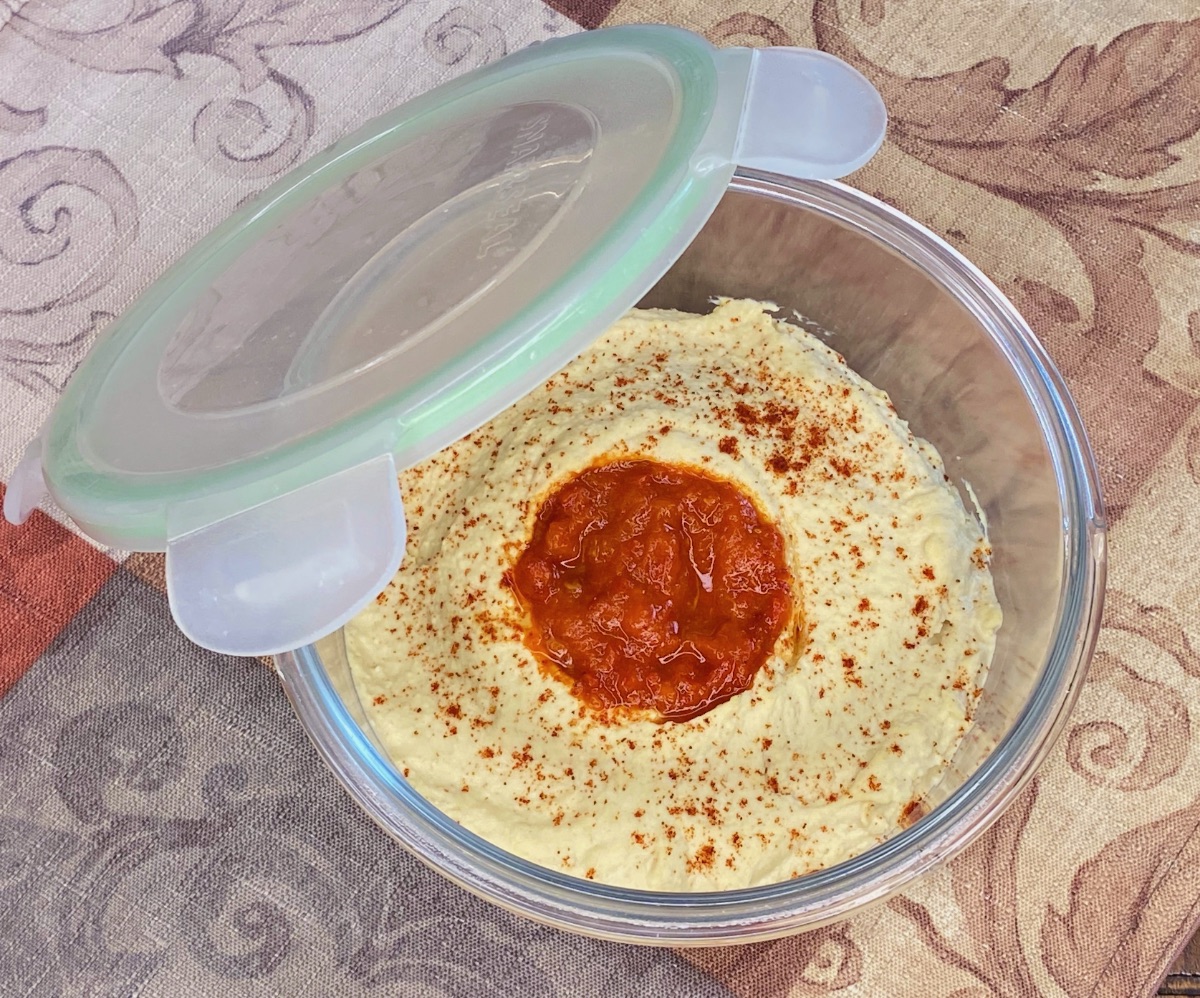
A glass airtight container filled with hummus, topped with a thin layer of olive oil

Common Questions

Why is my hummus gritty?

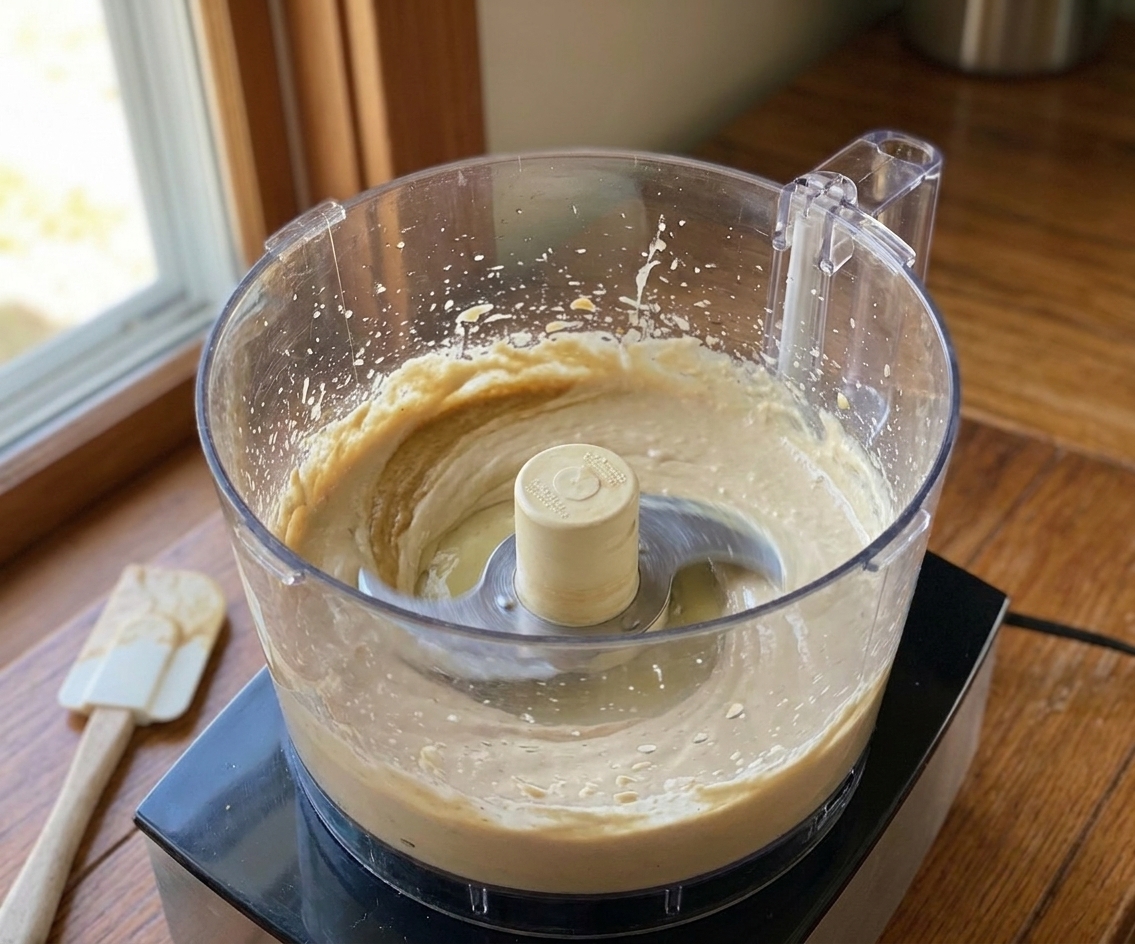
Usually it is either not blended long enough, the tahini is low quality or separated, or the chickpeas are too firm. Warm the chickpeas briefly and blend the tahini and lemon until fluffy before adding chickpeas. Also, give your blender a full minute or two. This is not the time to be shy.

Do I have to peel chickpeas?

No. Peeling makes it a little smoother, but it is a lot of effort for a small payoff. Warming the chickpeas and blending well gets you 90 percent of the way there. If you want the extra-smooth bragging rights, rub the chickpeas in a towel and pick out some skins while you watch something.

Can I make hummus without tahini?

You can, but it will taste different. In a pinch, use 1 to 2 tablespoons extra olive oil plus 1 tablespoon sunflower seed butter (unsweetened). Peanut butter also works in an emergency, but it will taste like peanut butter. Start small and adjust. The goal is nutty richness, not sweetness.

How do I fix hummus that tastes flat?

Add salt first, then lemon juice. If it still feels dull, a pinch of cumin or a tiny bit of grated garlic can wake it up. Also, a good olive oil on top helps more than people think.

Why does my hummus taste bitter?

Bitterness usually comes from old tahini, an aggressively bitter olive oil, or too much raw garlic. Try switching tahini brands (fresh, well-stirred), using a milder olive oil, or blending in another tablespoon of tahini plus a splash of water to round it out. If the garlic is the culprit, give it 20 minutes in the fridge and taste again. It often mellows.

Is hummus healthy?

In general, yes. It is made from chickpeas, tahini, olive oil, and lemon. It is a good way to add fiber and plant-based protein to your snack situation. Like anything, portion size matters, especially if you are going heavy on the olive oil drizzle (no judgment, I have been there).

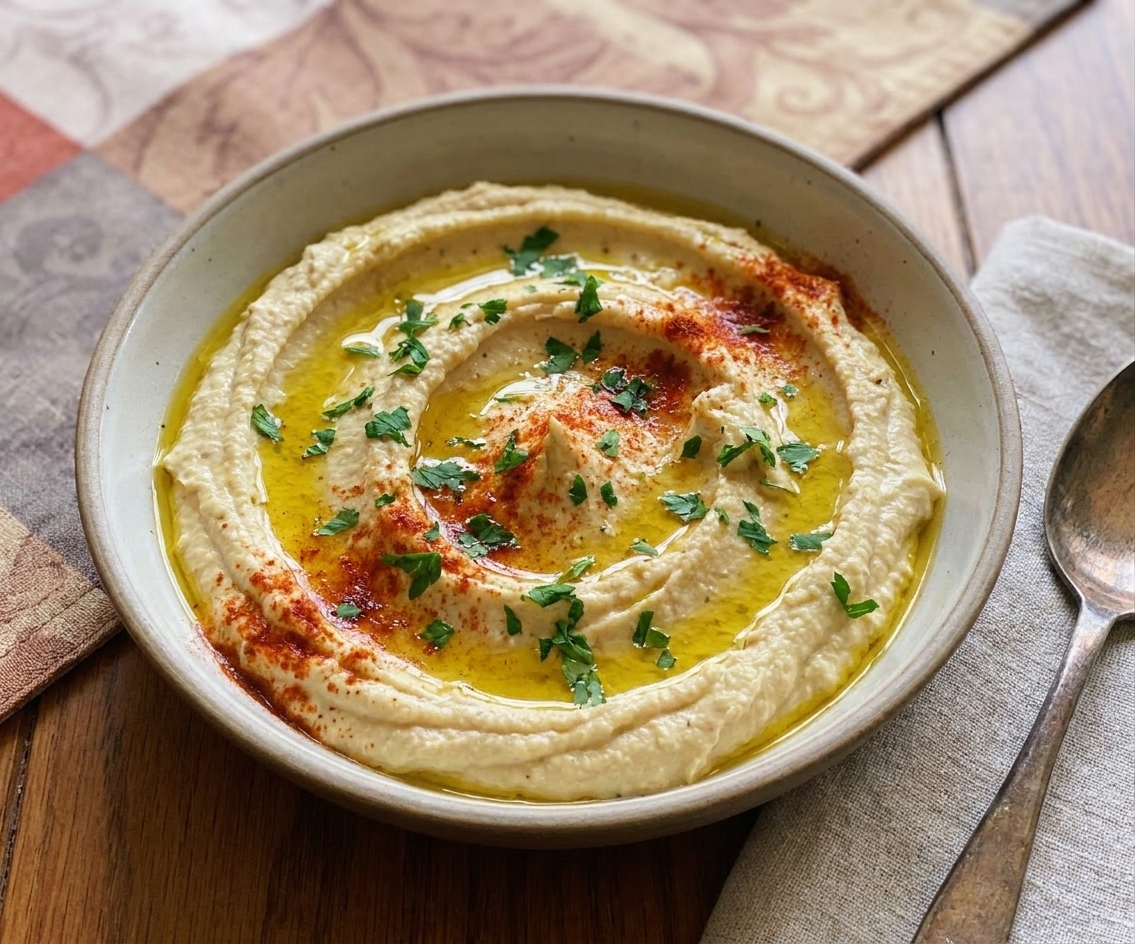
I did not grow up making hummus at home, so my first version was the classic beginner move: chickpeas straight from the can, a quick blitz, and then confusion about why it tasted like textured paste. Over time, I learned that hummus is basically a texture game and a balance game. Get the tahini and lemon whipped first, warm the chickpeas, and suddenly the whole thing turns into this smooth, bright spread that makes you want to invite friends over just to hand them a warm pita and watch them immediately go back for another scoop.