What is halvah made of?
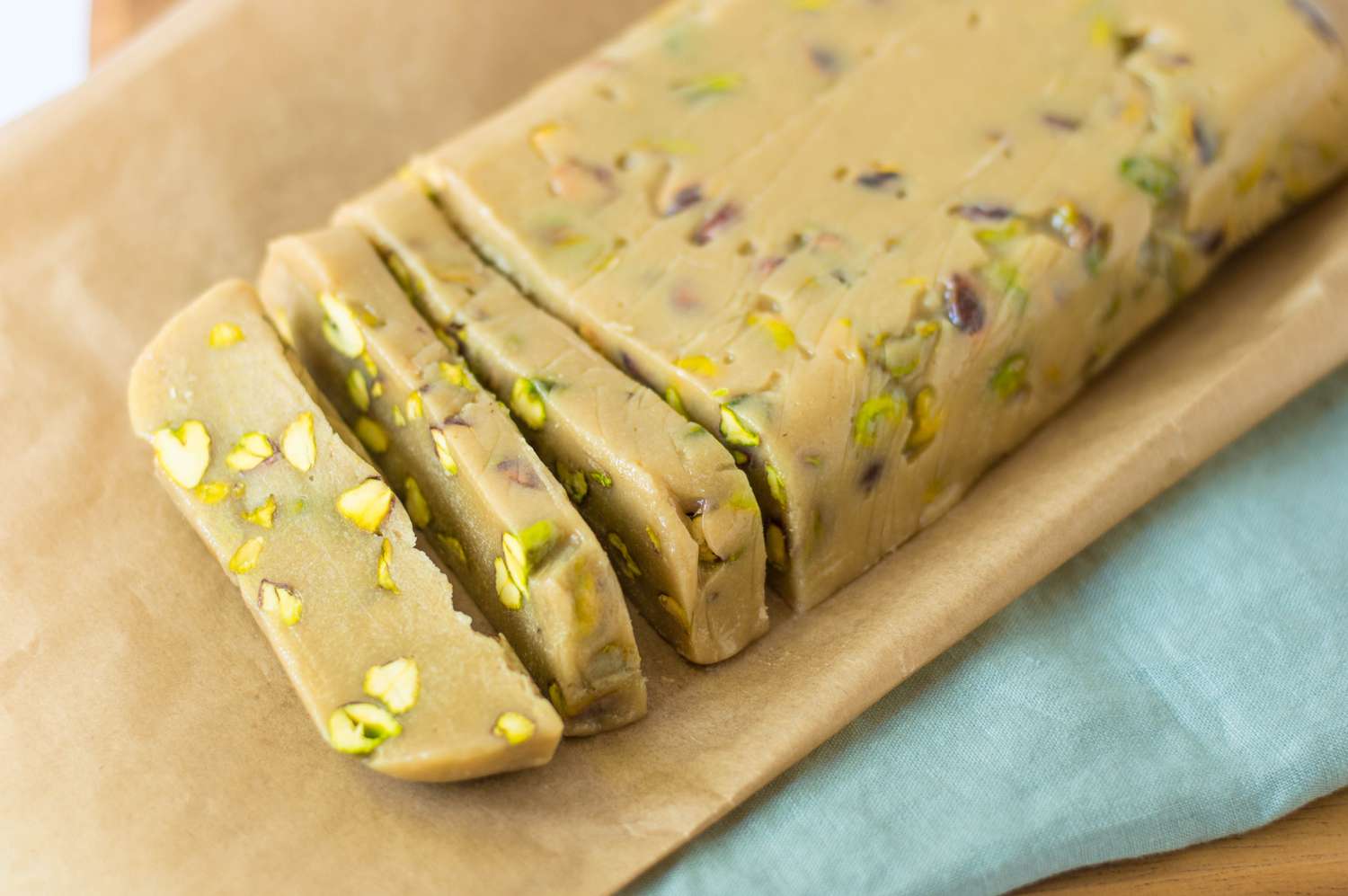
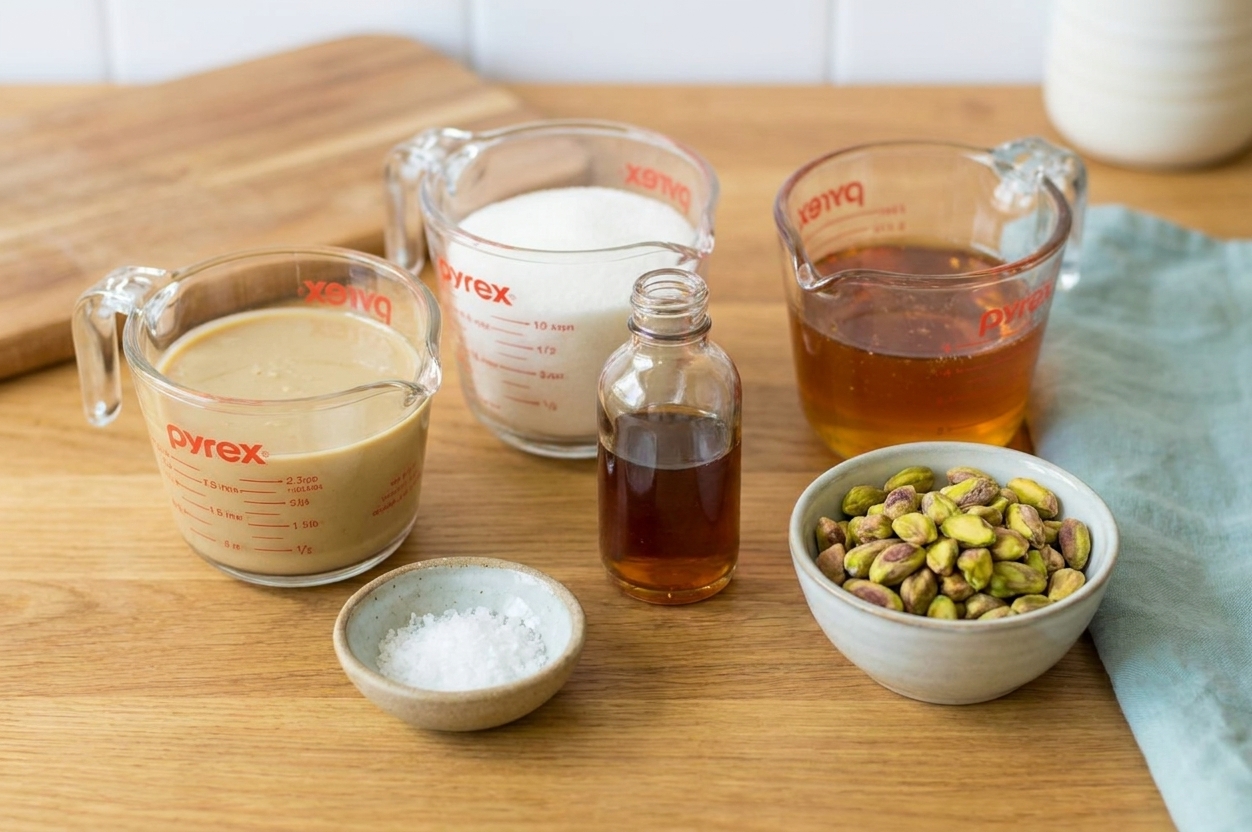
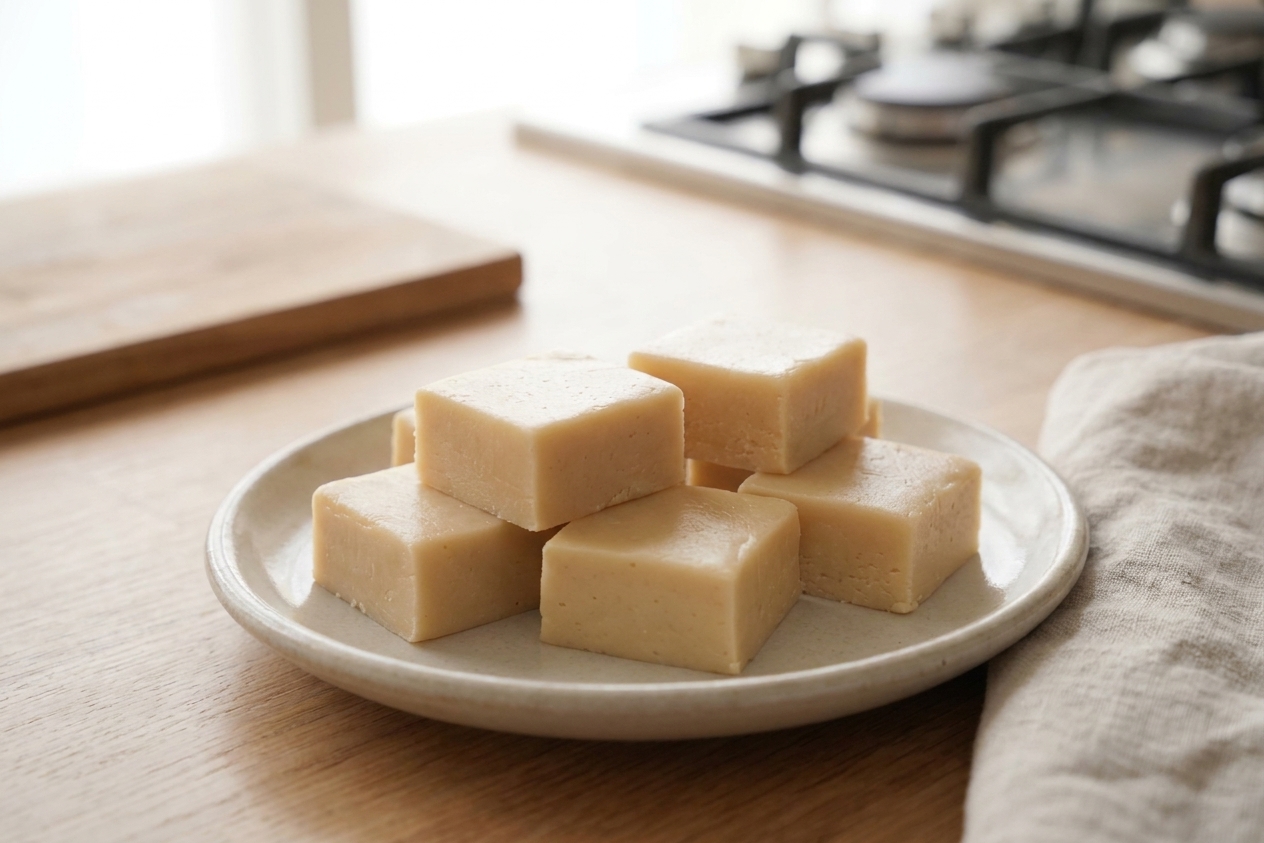
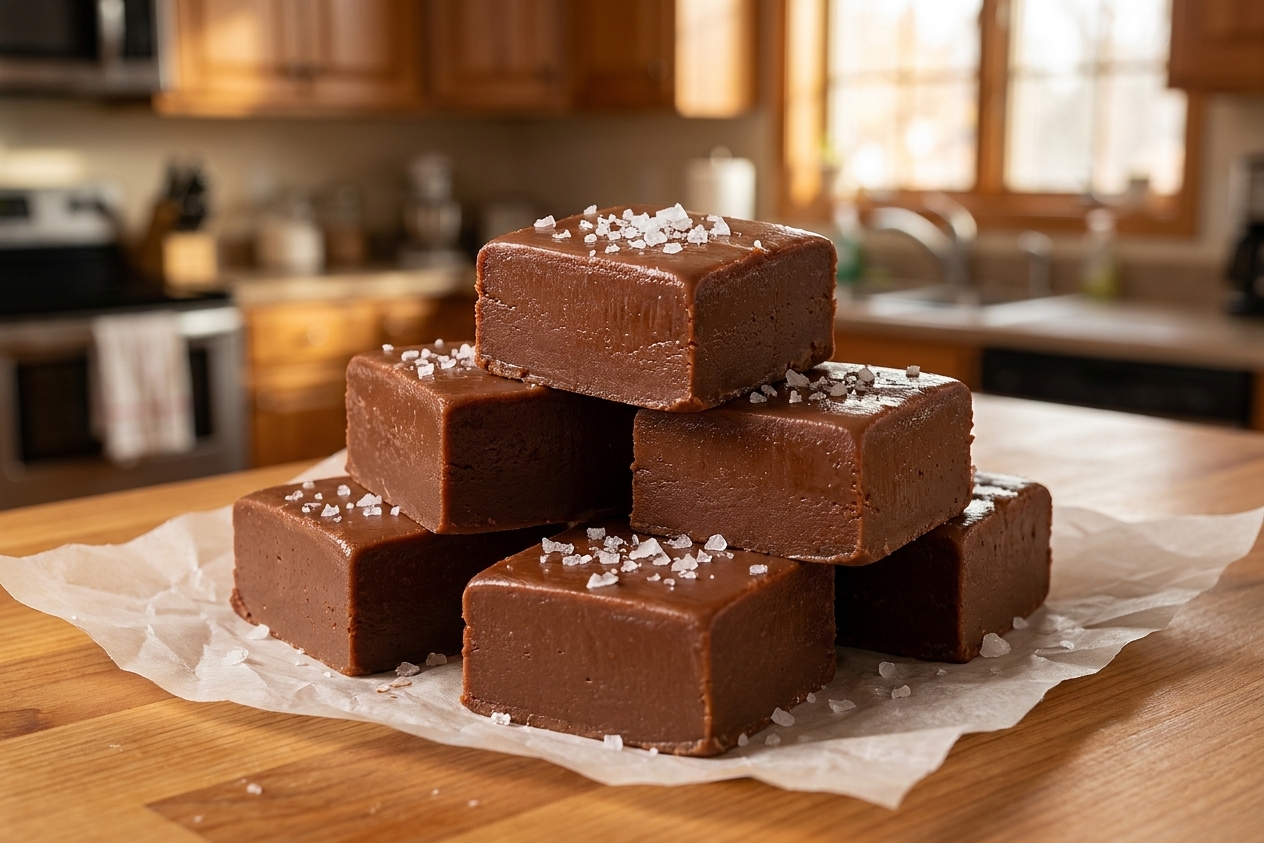
There are a few styles around the world, but this recipe is the classic sesame halvah: tahini mixed with a hot sugar syrup (often with a little honey), plus flavorings like vanilla. The syrup sets the candy and gives it that crumbly, sliceable texture.
What syrup stage am I aiming for?
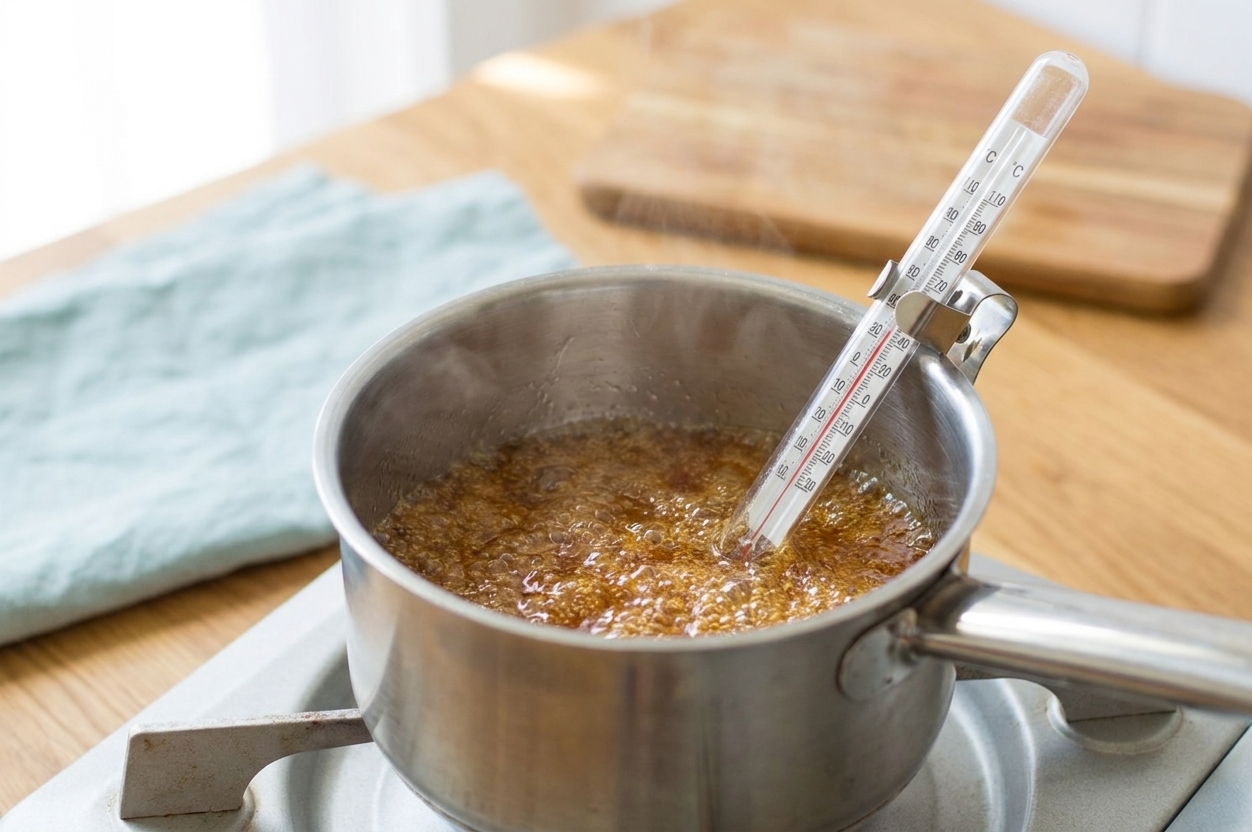
Cook the syrup to the firm-ball to early hard-ball range, about 248 to 252°F. That window gives you a classic, sliceable halvah that is tender but not soft. If you prefer a drier, extra crumbly bite, you can push it just a touch higher, but go slowly because a few degrees makes a big difference.
Why did my halvah turn out hard?
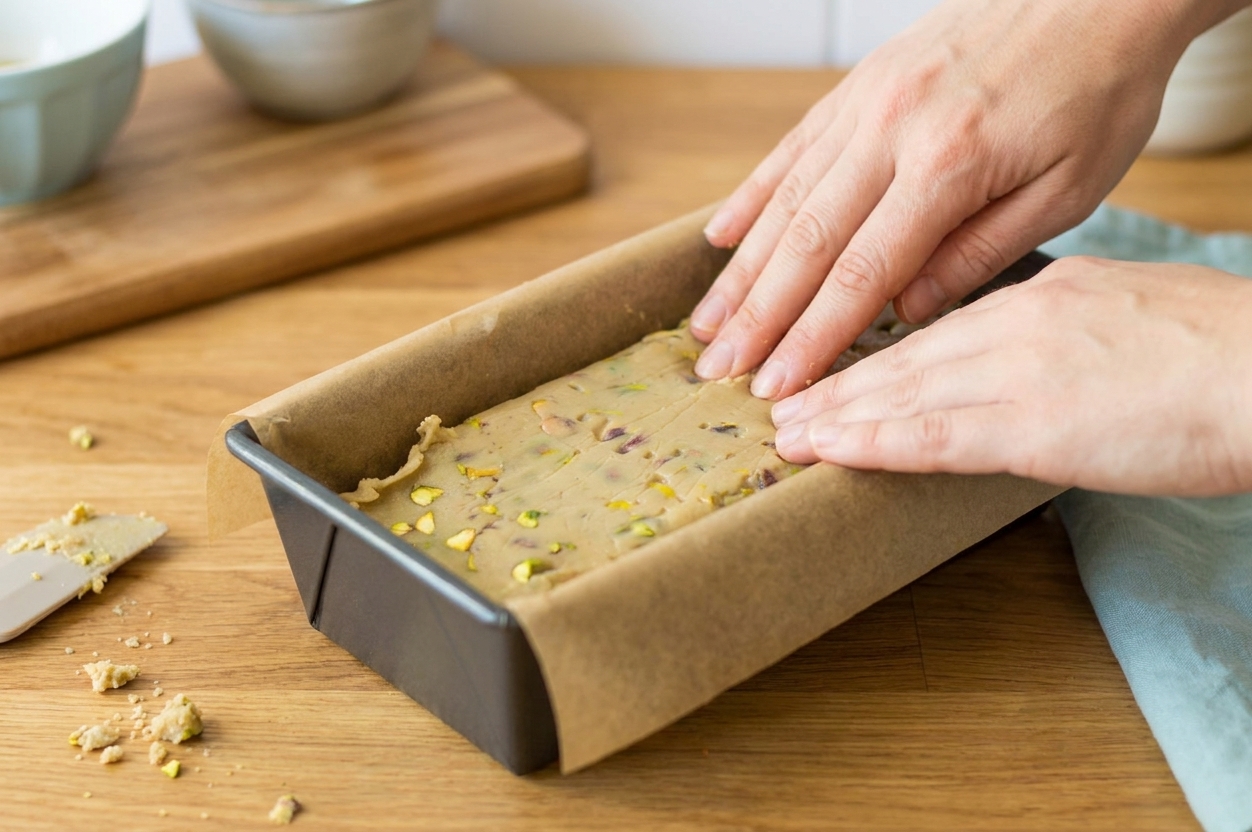
Two common culprits: the syrup cooked too hot (well into hard-ball territory) or you mixed for too long. Cook the syrup to about 248 to 252°F, then mix just until it turns thick and streaky, and immediately press into the pan.
Why is my halvah soft or greasy?
If the syrup did not cook hot enough, it may not set fully. Also, some tahini separates a bit. Stir your tahini very well before measuring. If your finished halvah is a little soft, let it cure at room temp longer before slicing.
Do I need a candy thermometer?
It helps a lot and I consider it strongly recommended for consistent results. If you do not have one, use the cold water test: a drop of syrup should form a firm ball in cold water that holds its shape but is still slightly pliable.
What tahini should I buy?
Use a tahini you actually like the taste of, because it is the whole show here. Hulled tahini is usually smoother and less bitter, which makes a more classic, candy-shop style halvah. Unhulled tahini can work, but it is often more bitter and slightly grainier.
Also: aim for tahini that is well-stirred and pourable at room temperature. If it smells flat or tastes aggressively bitter, that flavor will shout in the final candy.