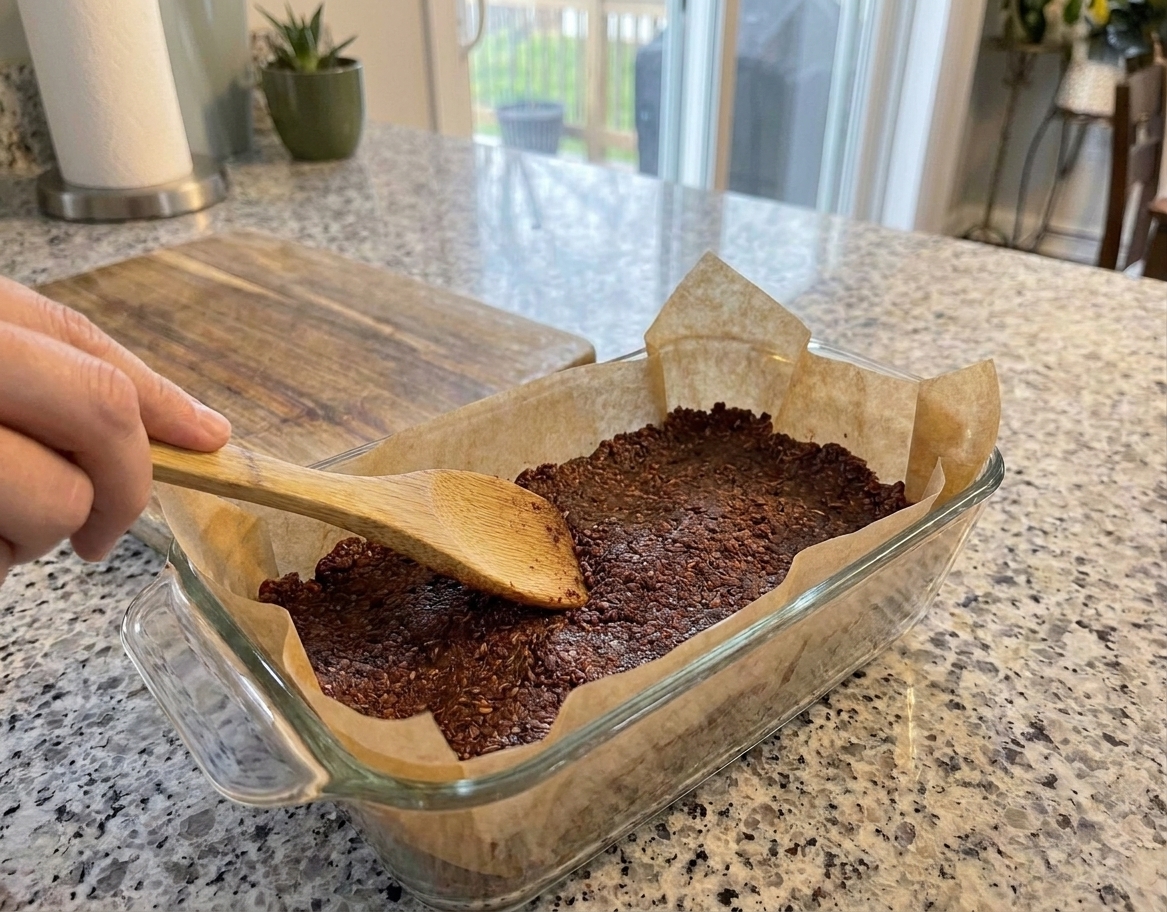
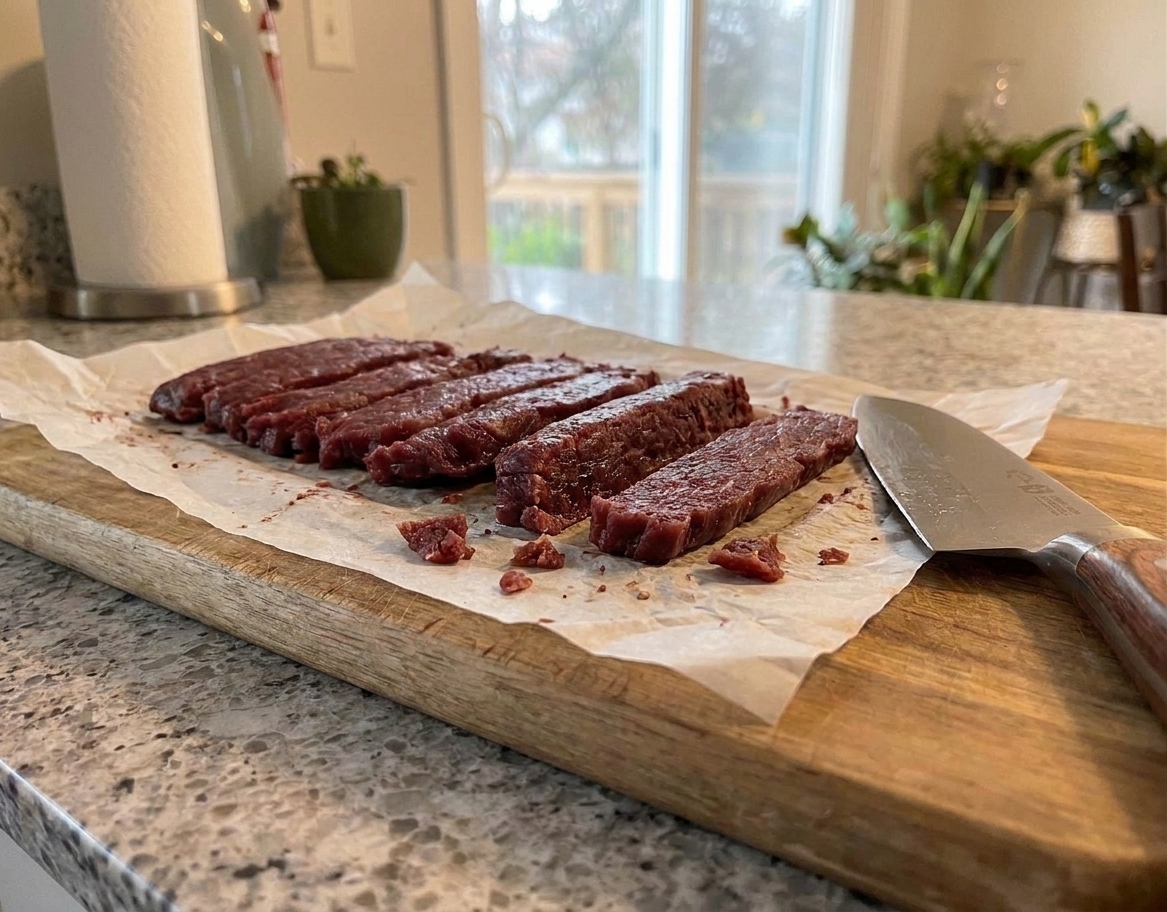
What is pemmican, exactly?
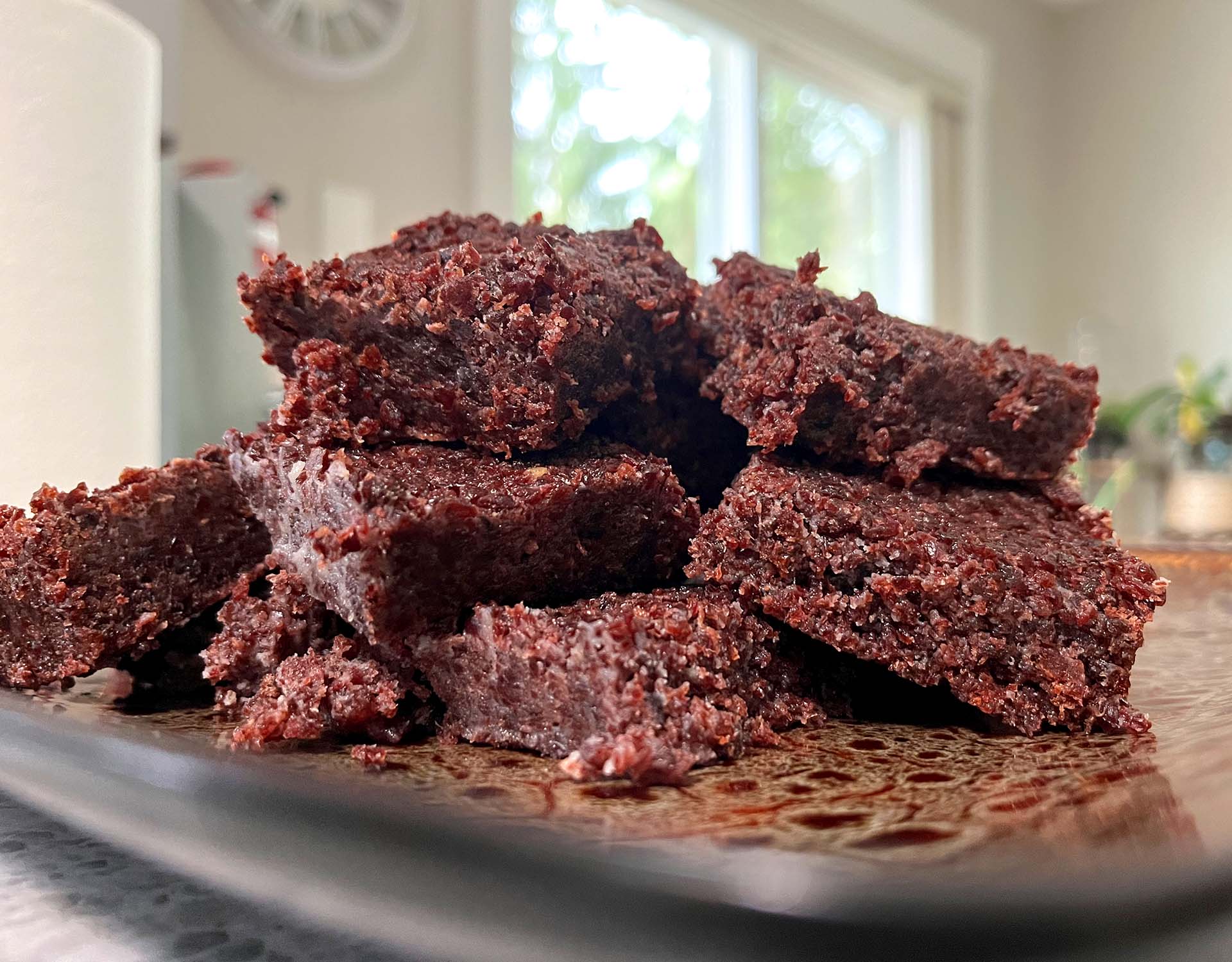
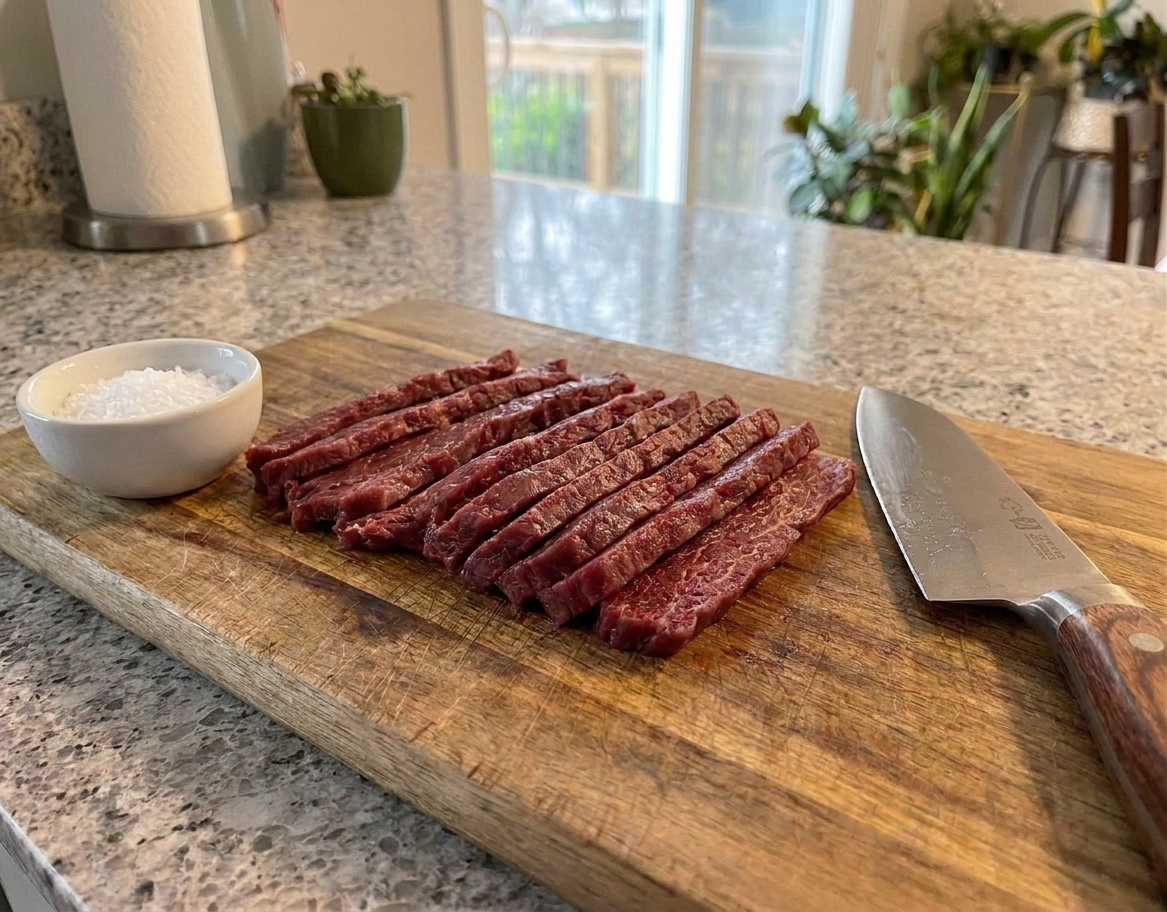
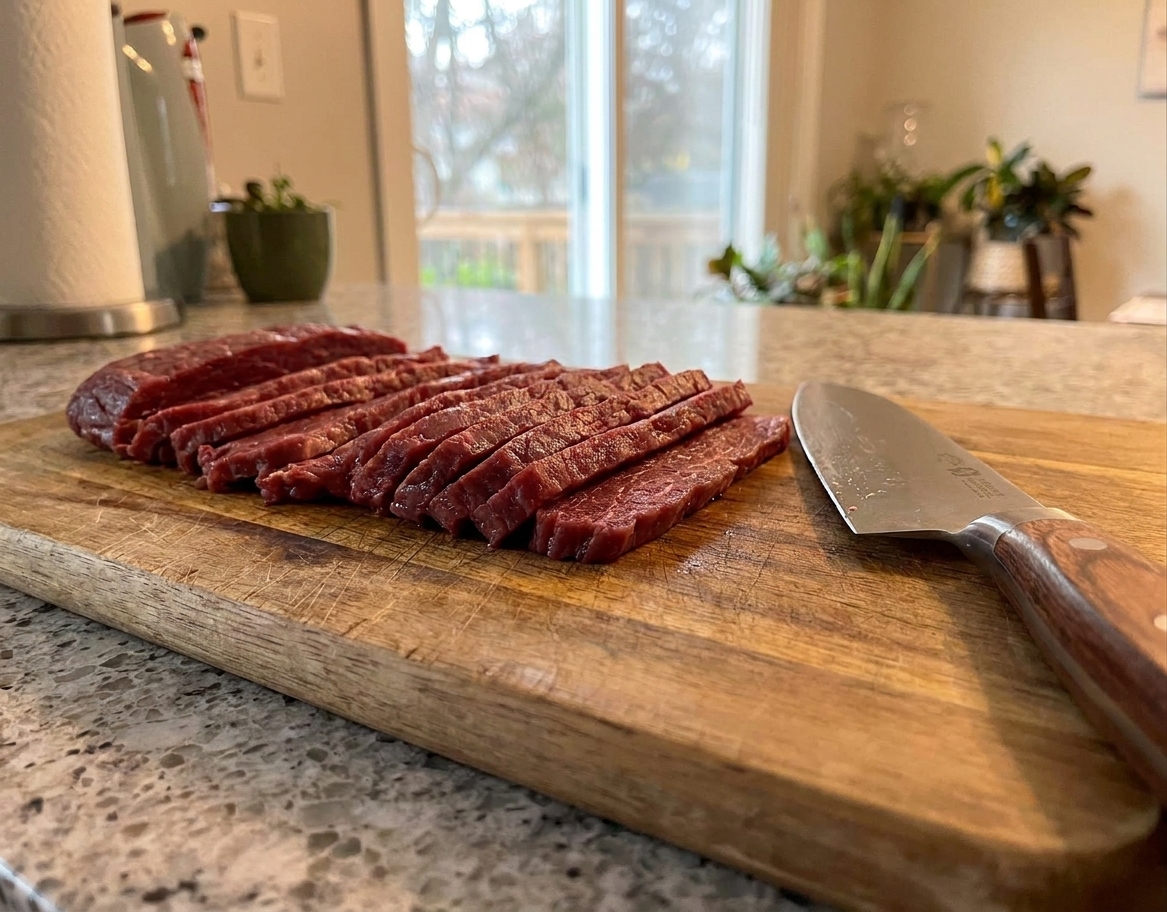
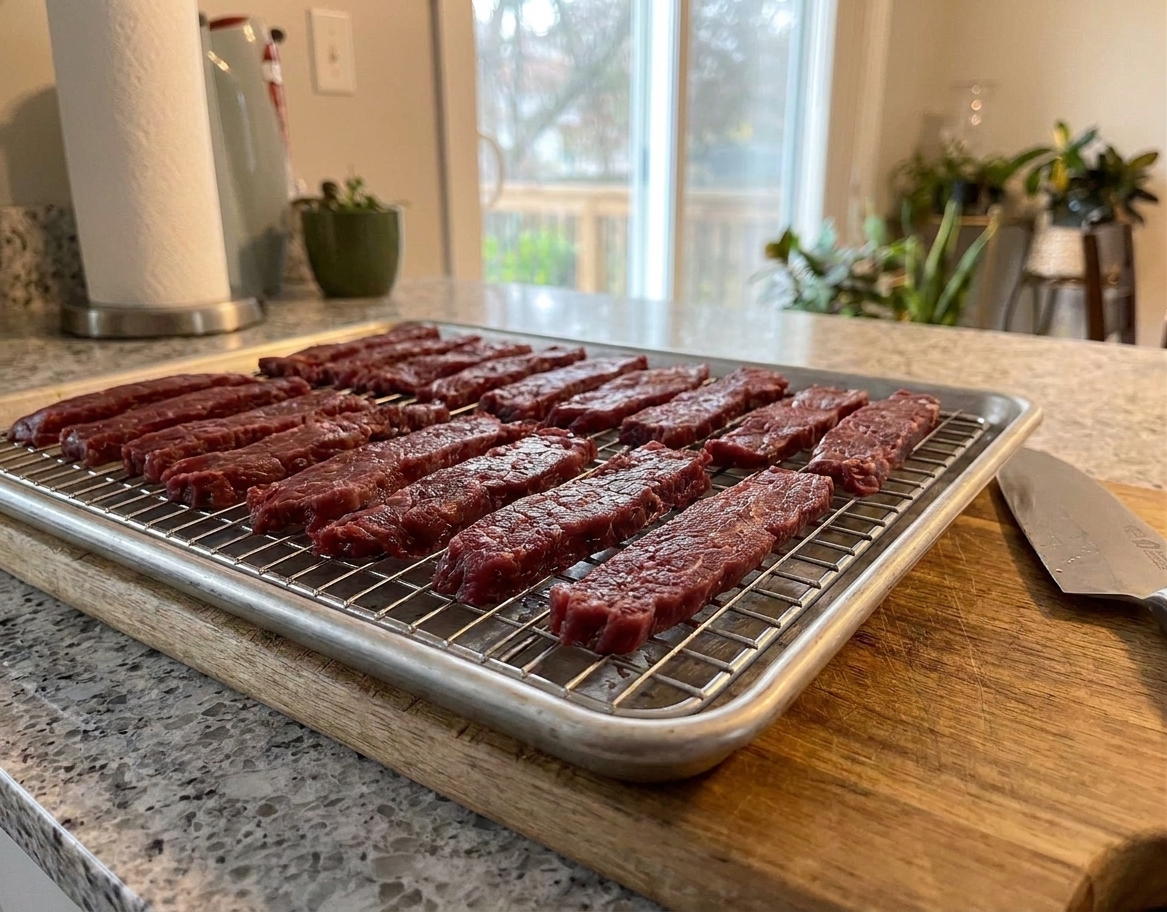
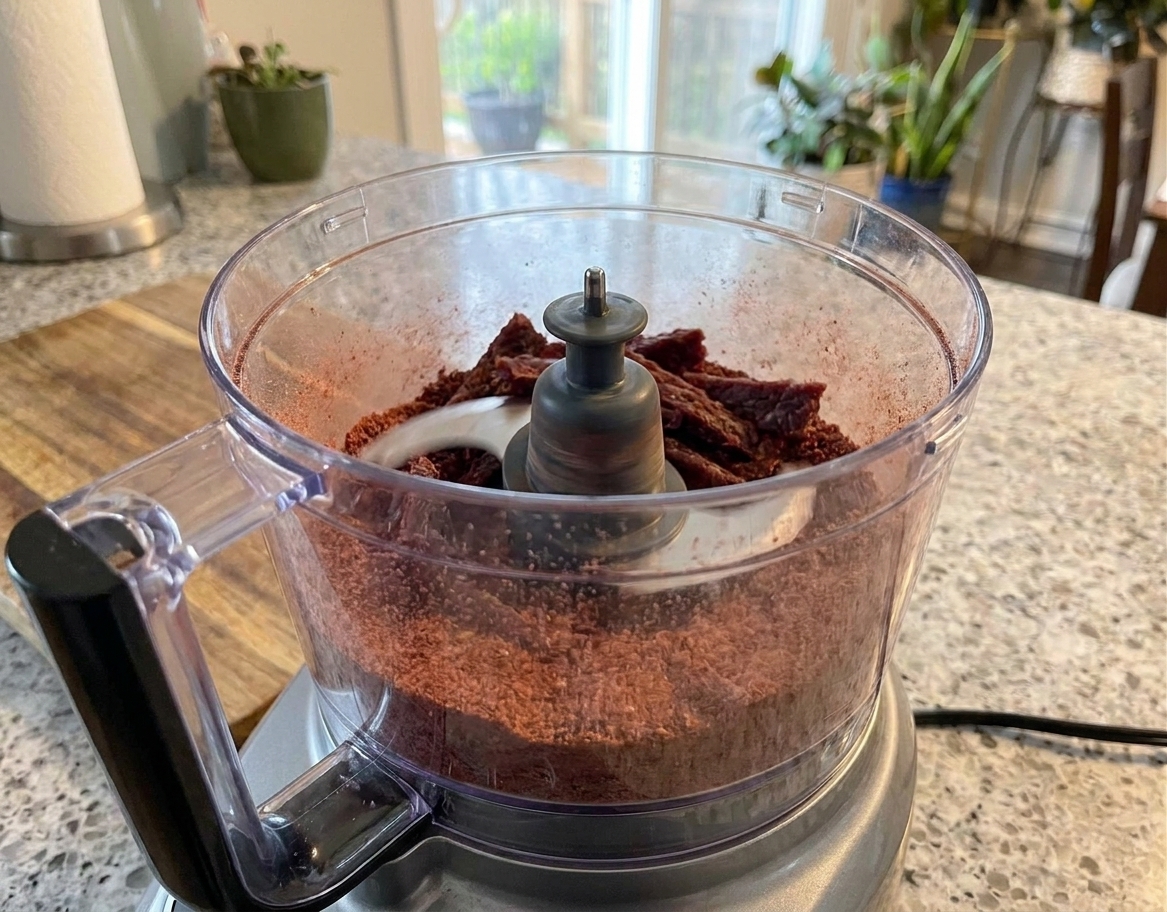
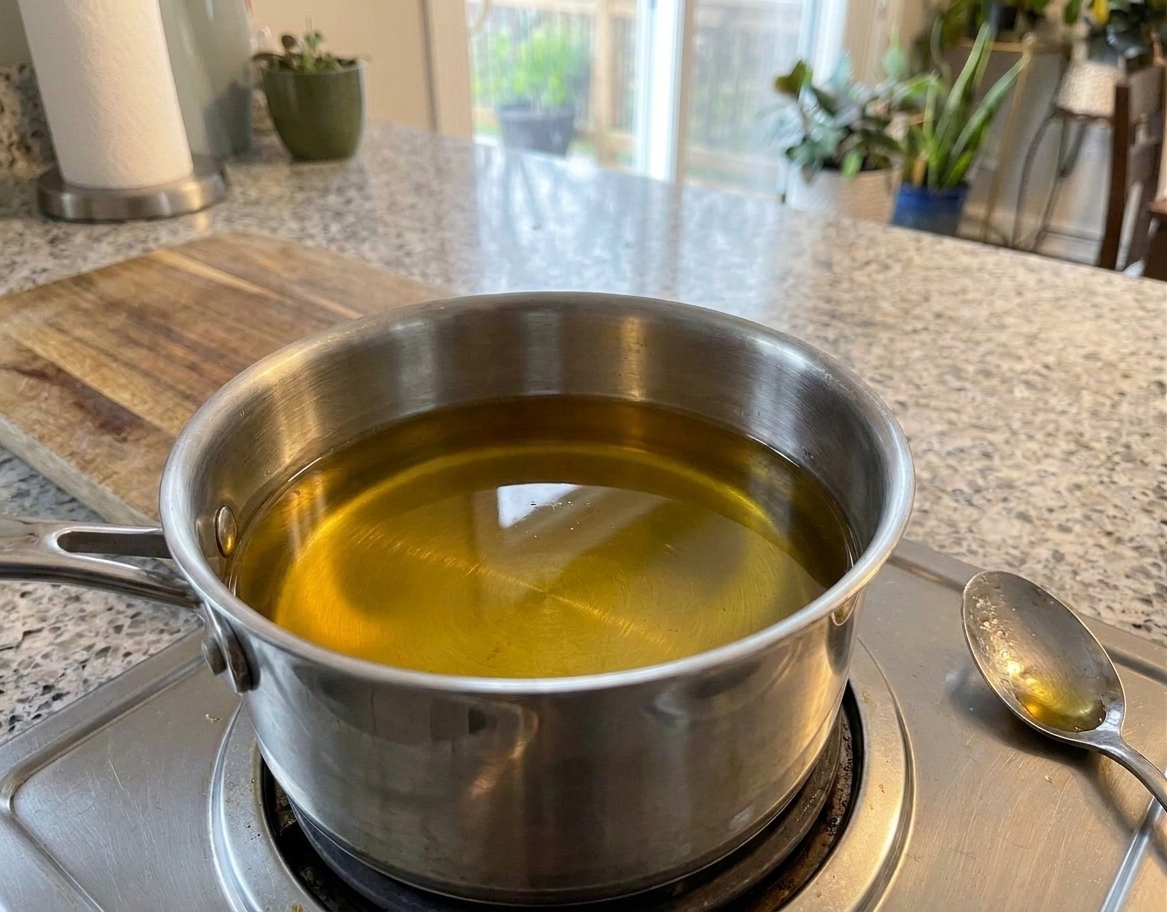
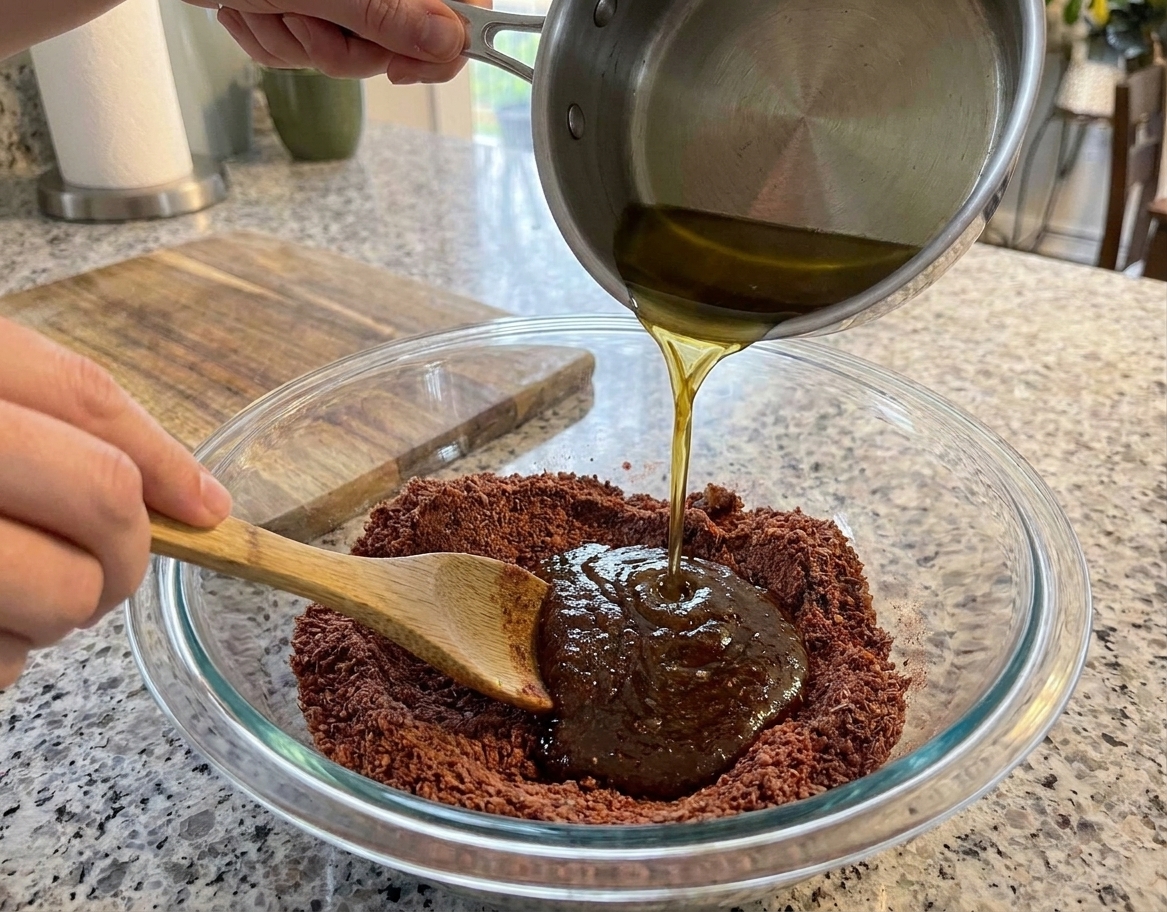
Pemmican is a traditional, high-energy food made from dried lean meat pounded into a powder and mixed with rendered fat (tallow). Some versions include dried berries. It was historically used as travel food because it is compact, calorie-dense, and can be shelf-stable when made and stored correctly.
Do I have to use beef?
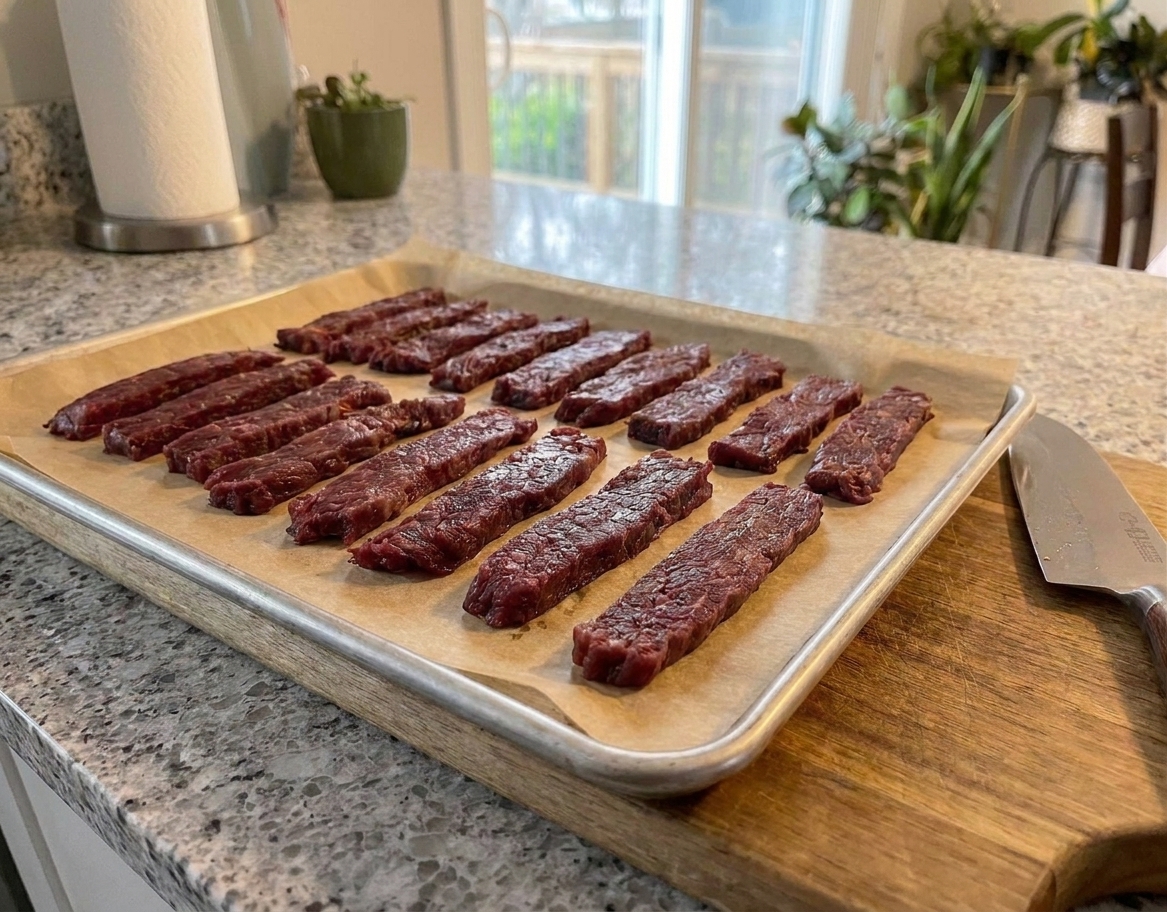
No. Bison, venison, elk, and other very lean red meats work great. The rule is the same: dry it thoroughly and keep it lean. If you start with a fatty cut, it can go rancid sooner.
Can I use butter, coconut oil, or olive oil instead of tallow?
For traditional pemmican and longest storage, tallow is the move. Butter has water and milk solids, which shorten shelf life. Liquid oils do not set firm like tallow and can make a greasy, unstable texture. If you are making a quick snack for the week, you can experiment, but it will not behave like classic pemmican.
Is pemmican safe at room temperature?
It can be, if the meat is dried extremely well, the fat is rendered cleanly, and everything is handled with clean tools. But this is not a USDA-tested preservation method, and home kitchens vary. When in doubt, store it in the fridge or freezer, especially if you add berries or live somewhere hot and humid. Discard if you notice an off smell, visible moisture, or any hint of mold.
Why did my pemmican crumble?
Usually it needs more tallow, or your meat was not powdered finely enough. Add a tablespoon of melted tallow at a time and press firmly. Also check that berries are fully dry, since moisture can stop the bar from binding cleanly.
Why is mine greasy or soft?
Too much tallow, or the mixture was packed while the fat was very hot and thin. Let the tallow cool a couple minutes so it is still liquid but not scorching, then mix and press. You can also blot the finished bars lightly with paper towel once set.