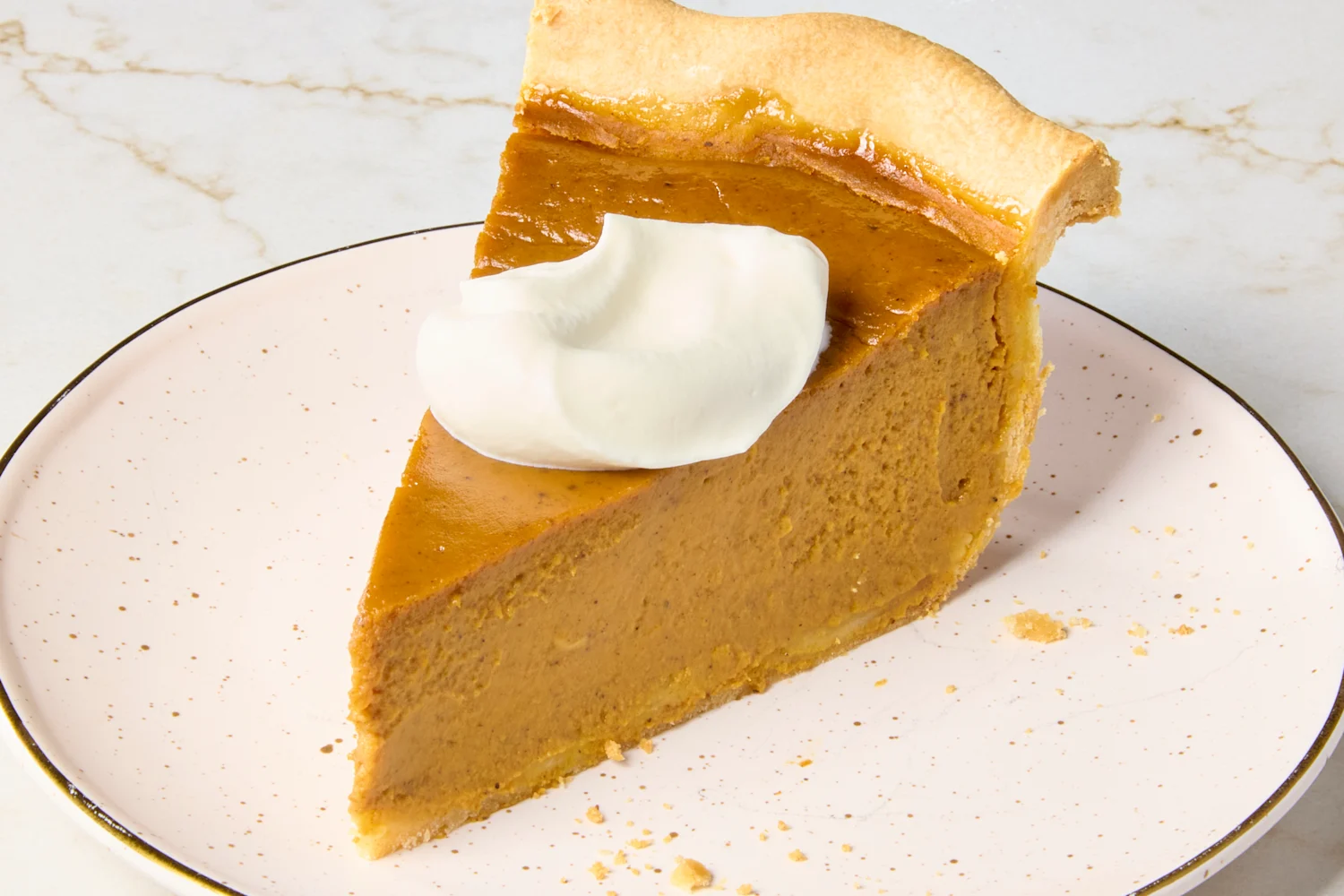
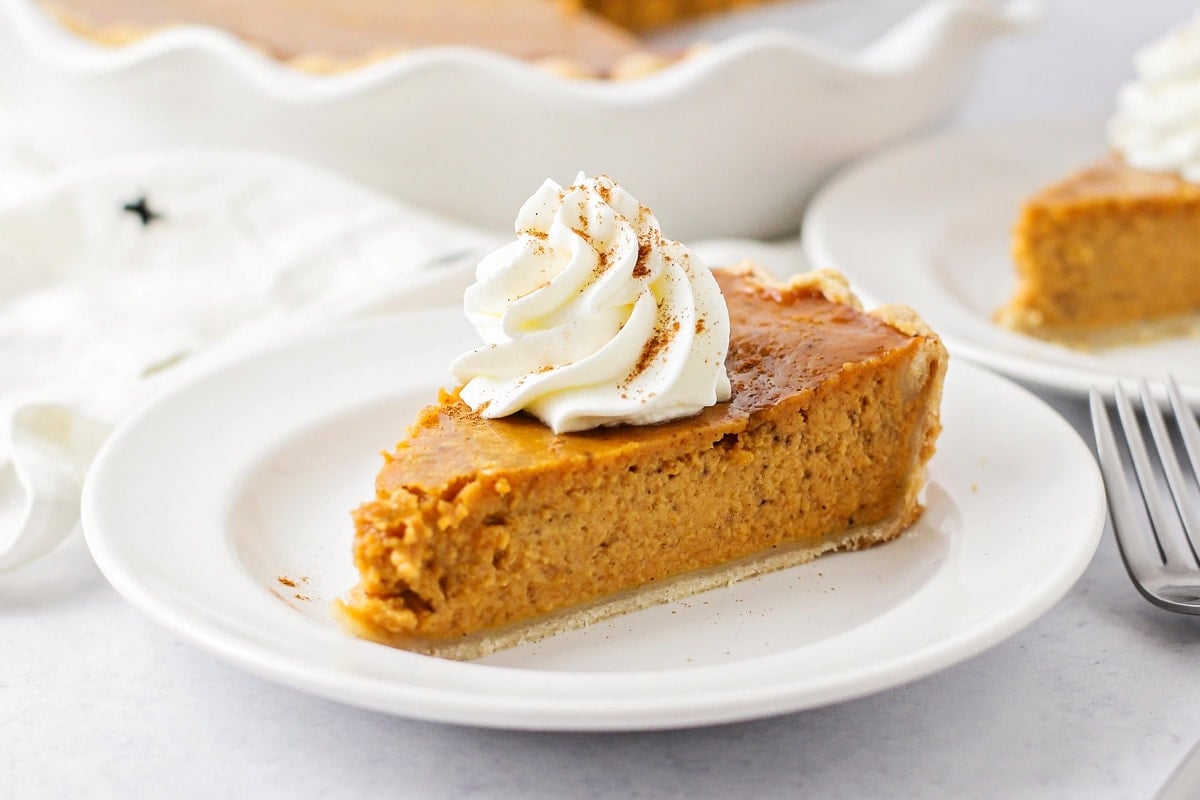
A classic, creamy pumpkin pie with bold spice and a silky custard texture. Clear steps, easy ingredients, and the little tricks that keep the crust crisp and...
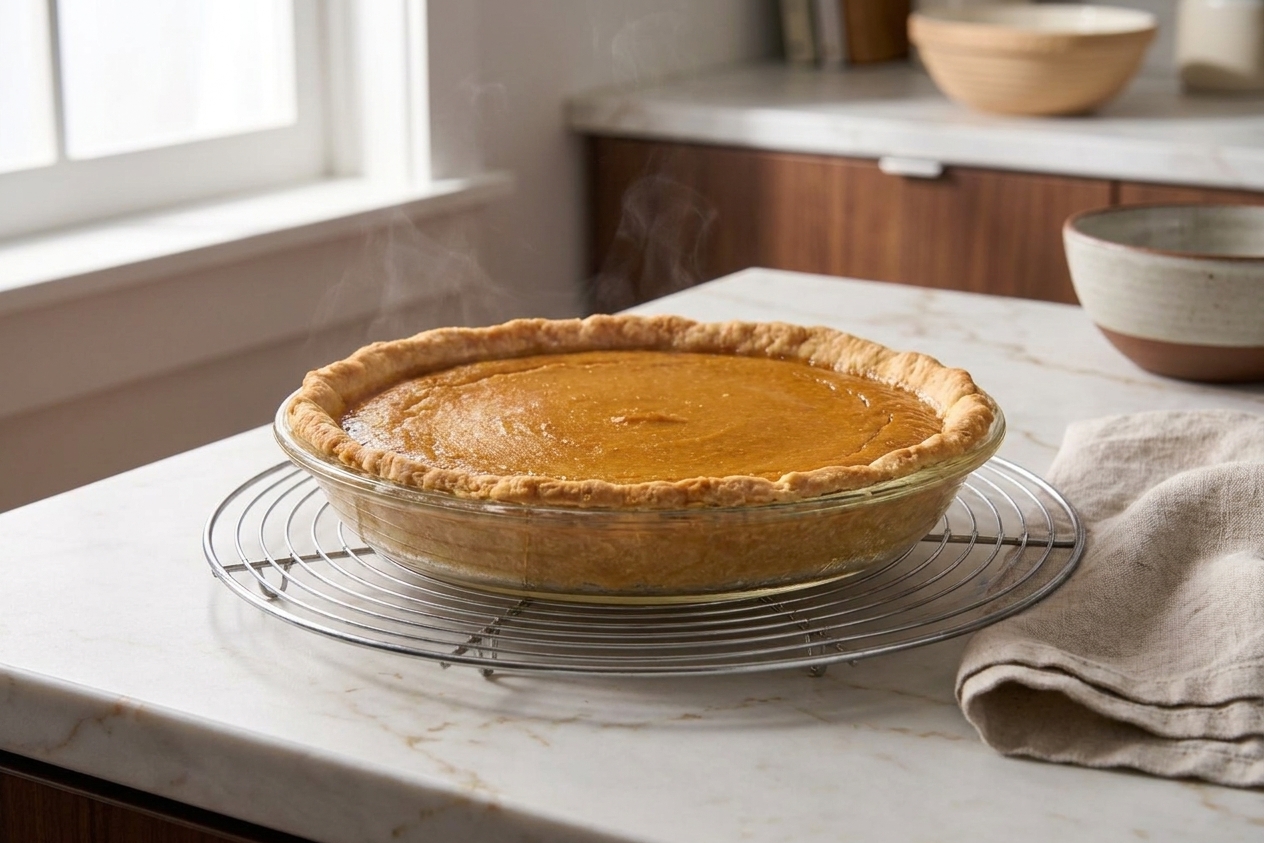
Pumpkin pie is one of those desserts that looks like it should be complicated, but it is really just custard that wants to be treated gently. The goal is simple: a filling that sets up silky, slices clean, and tastes like warm spice and brown sugar without turning grainy or cracking like dry lake bed.
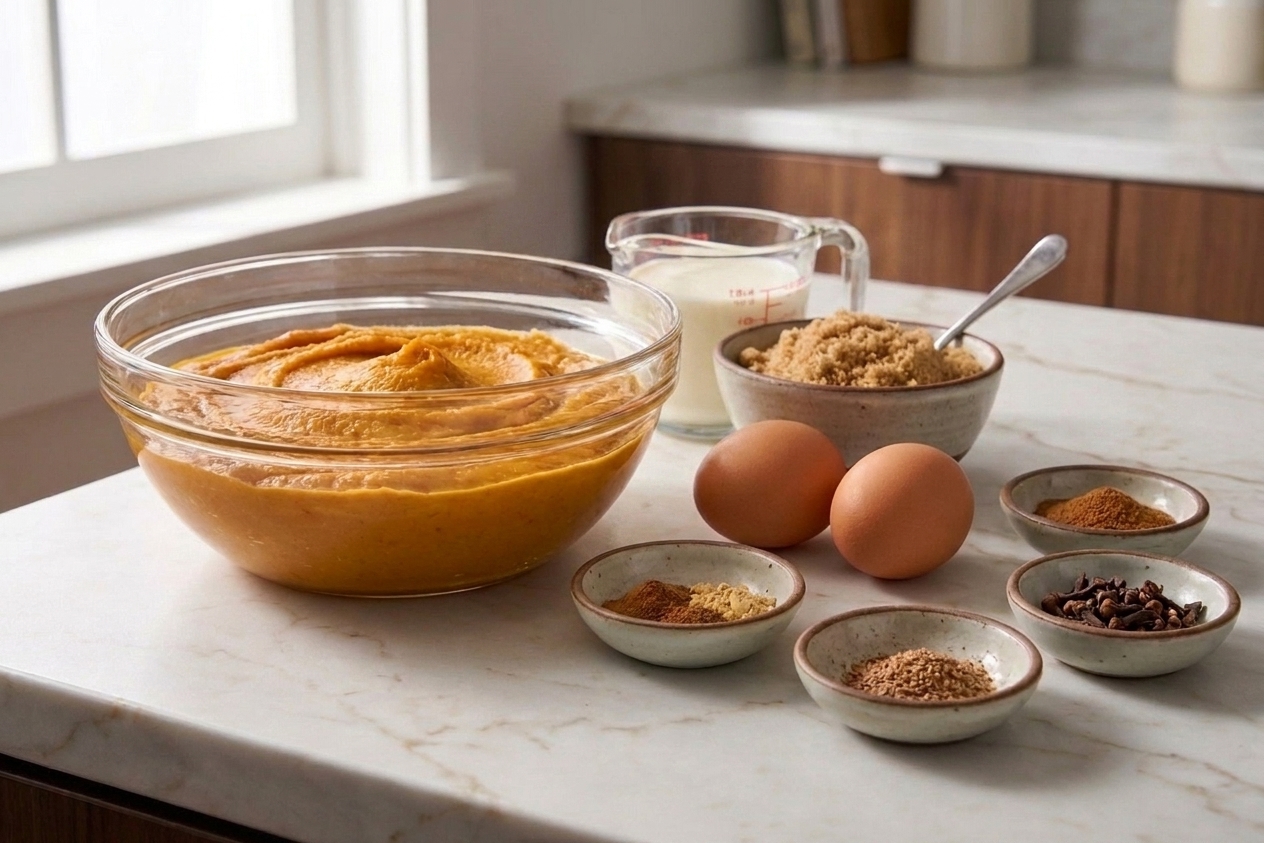
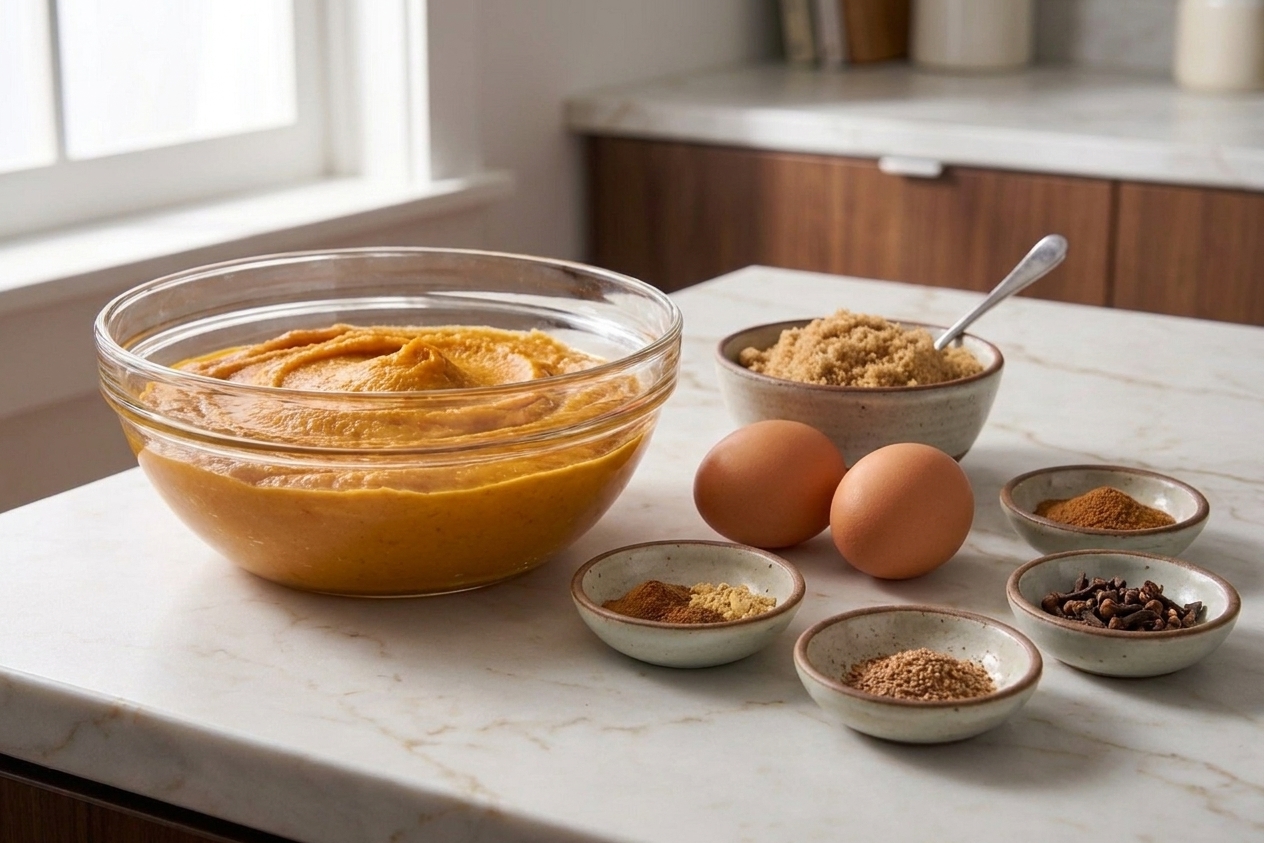
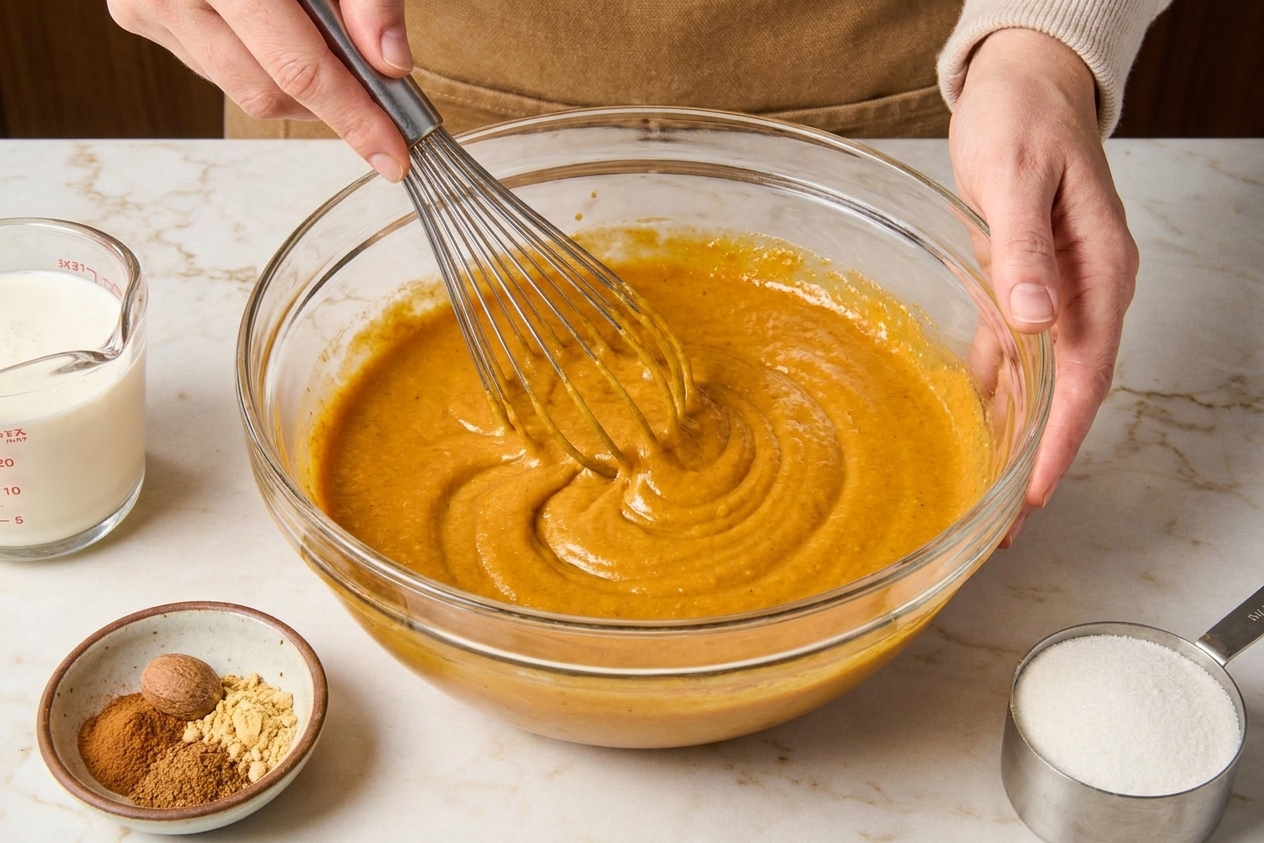
This is my go-to, no-drama pumpkin pie using canned pumpkin puree. It is accessible, reliable, and still feels special. And if you are the kind of person who likes to check the flavor as you go, do your taste test with the sugar and spices before the eggs go in. After the eggs are added, the filling is raw, so save your tasting for the baked pie.
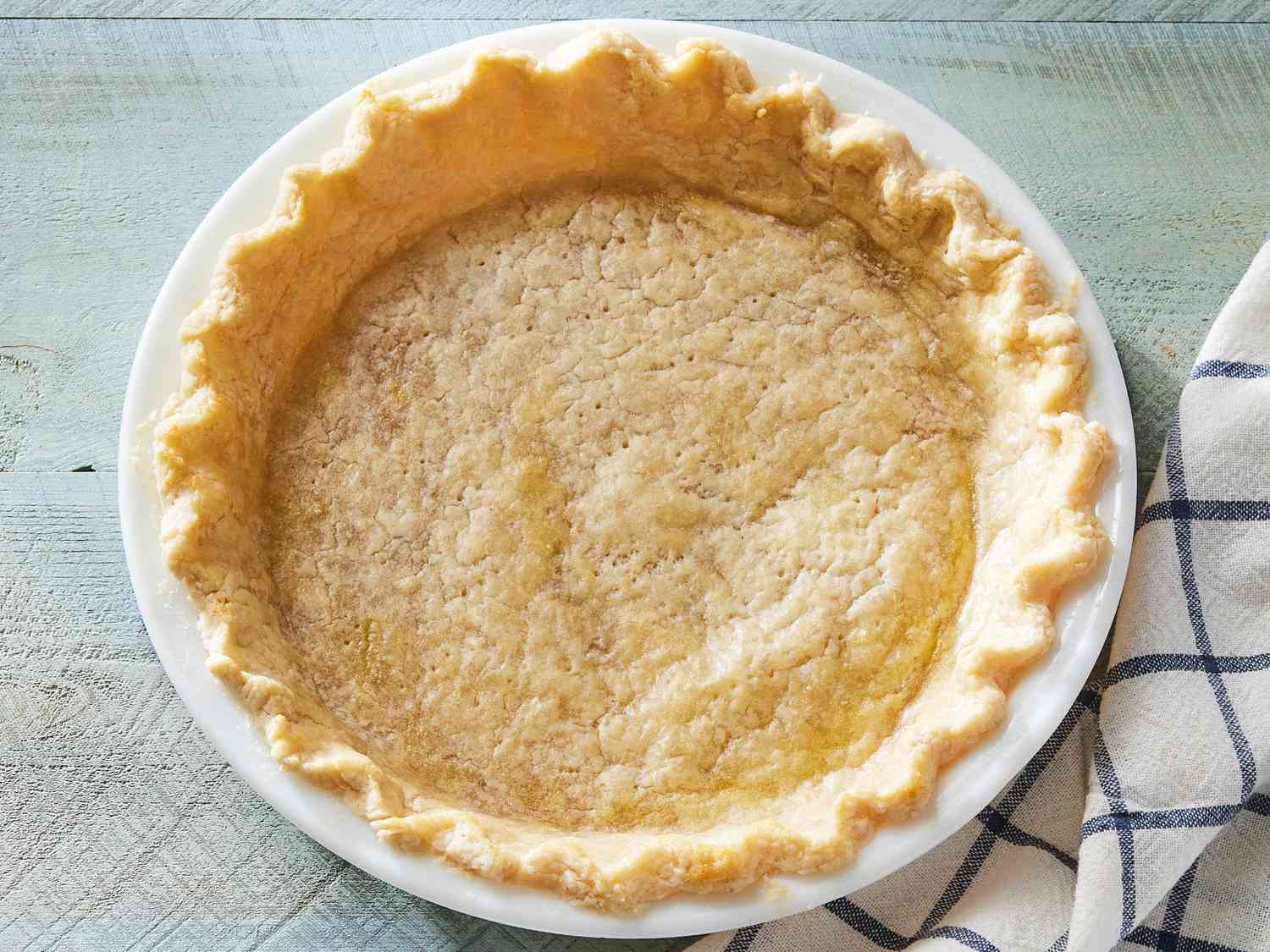
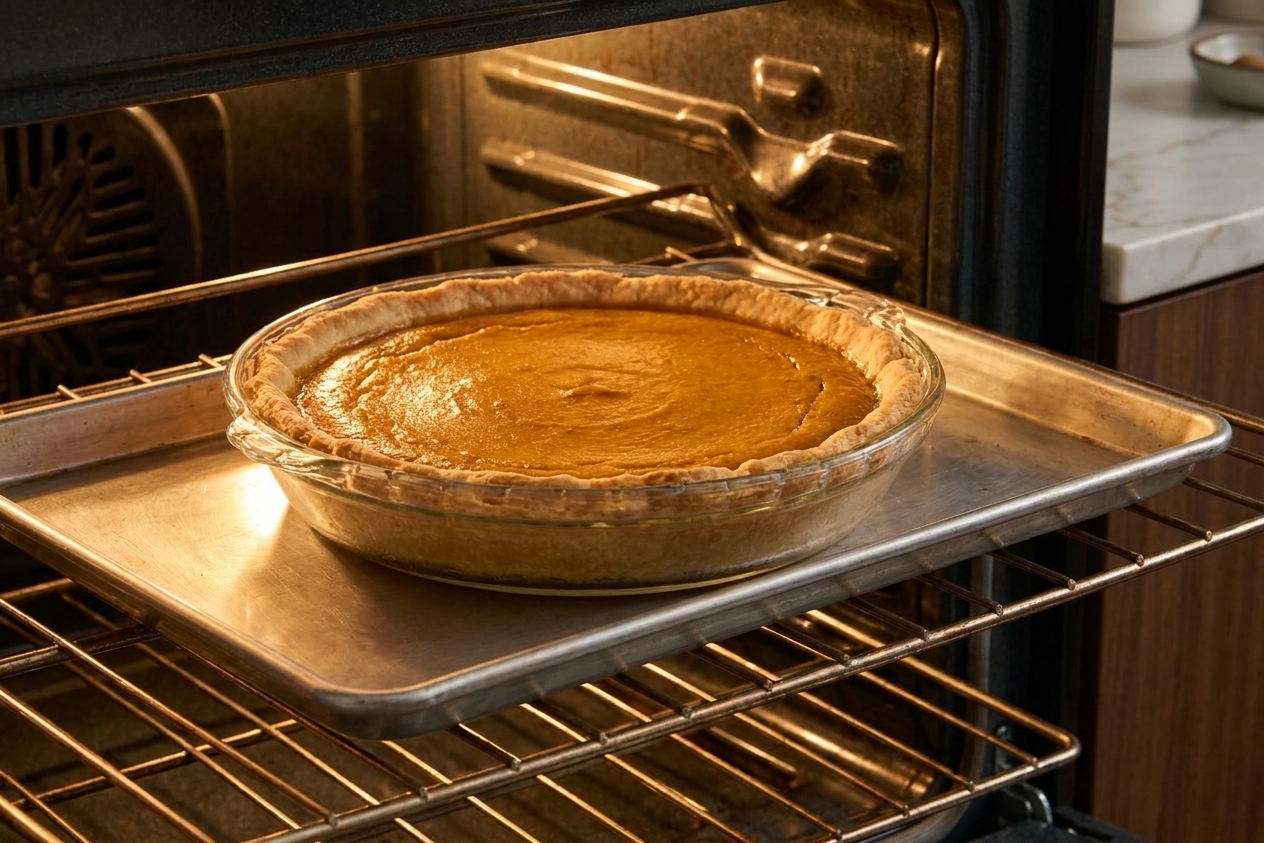
Crust note: use your favorite single-crust pie dough. Homemade and store-bought both work, just keep an eye on browning if your crust runs thin.