Is cloud dough the same as kinetic sand?
Not exactly. Kinetic sand is usually made with sand plus a polymer binder. Cloud dough is typically flour and oil, so it is softer, lighter, and more powdery. It packs well but feels fluffier and less “wet sand.”
Do I really need to heat-treat the flour?
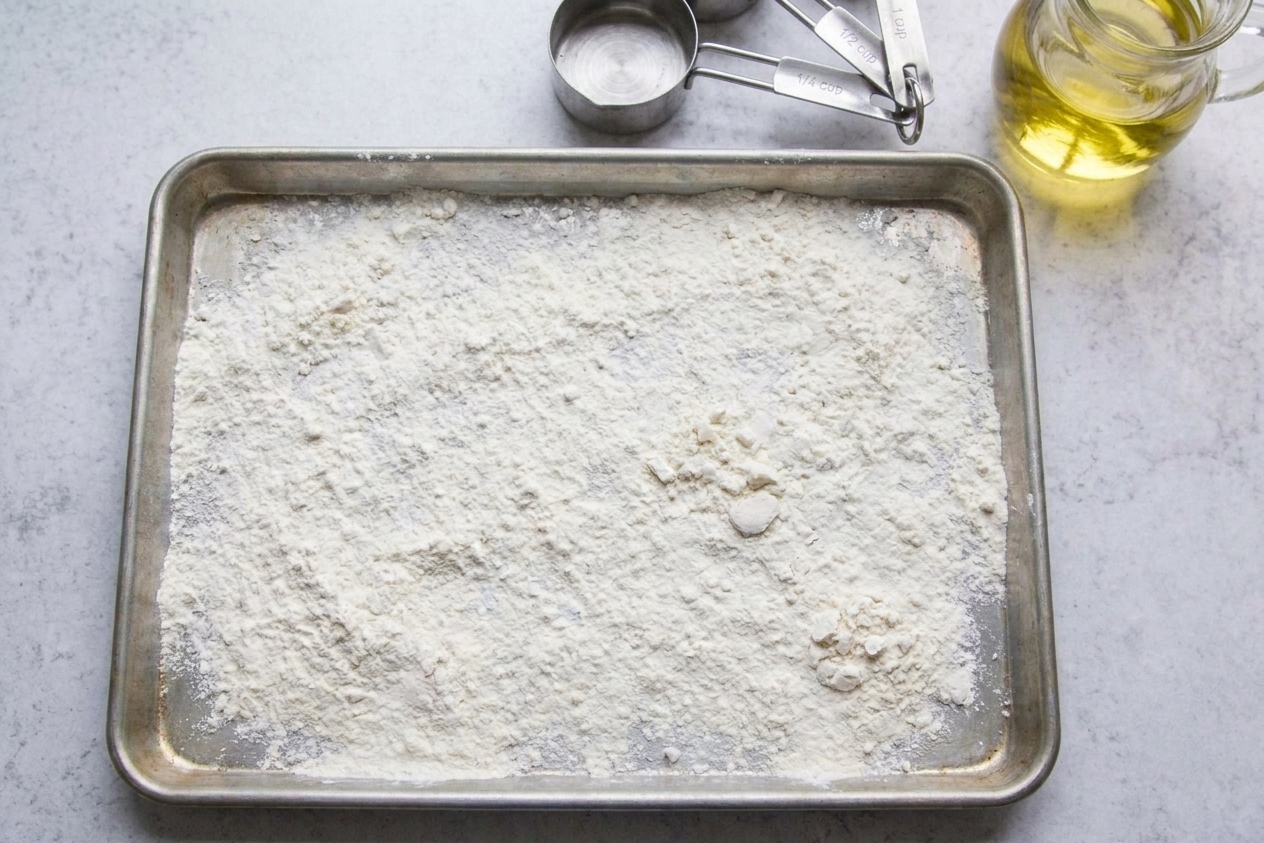
If kids are playing with it (and especially if hands might end up near mouths), yes, I recommend it. Raw flour can carry germs like E. coli and Salmonella. The goal is to heat the flour to 165°F. In many ovens, that takes around 5 to 10 minutes at 350°F, but thickness and oven quirks vary, so treat the time as a guideline and use a thermometer if you can. Let the flour cool completely before mixing.
Why is my cloud dough sticky or greasy?
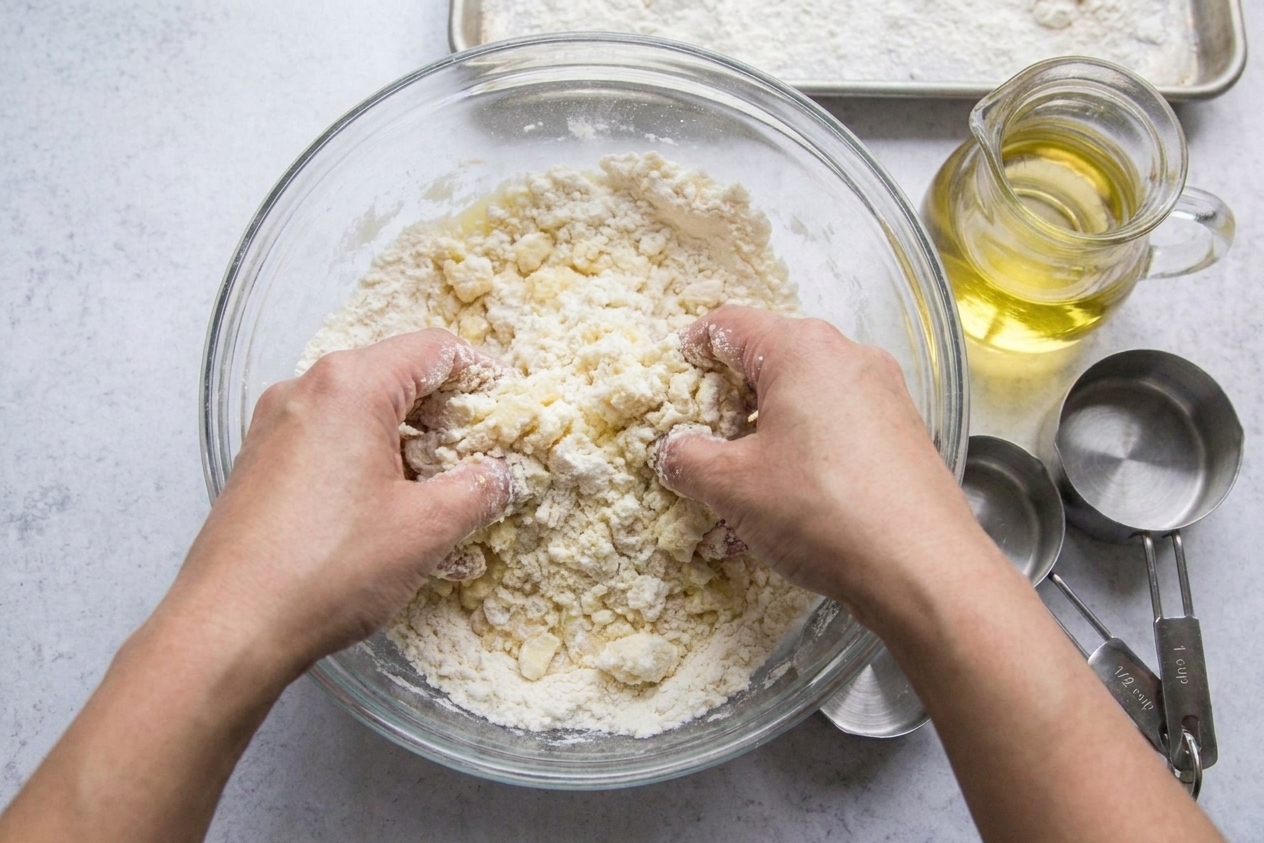
Too much oil. Add 1 tablespoon flour at a time and mix well. Give it a minute after mixing because the flour needs a moment to absorb.
Why is my cloud dough crumbly and not holding shapes?
Not enough oil or you used a very absorbent flour. Add 1 teaspoon oil at a time, mixing thoroughly, until it packs when you squeeze it.
Can I use baby oil?
You can, but I do not recommend it. Baby oil is mineral oil with fragrance and is not food-grade. If kids might put hands in mouths, stick with vegetable oil, canola oil, or light olive oil.
Can I color cloud dough?
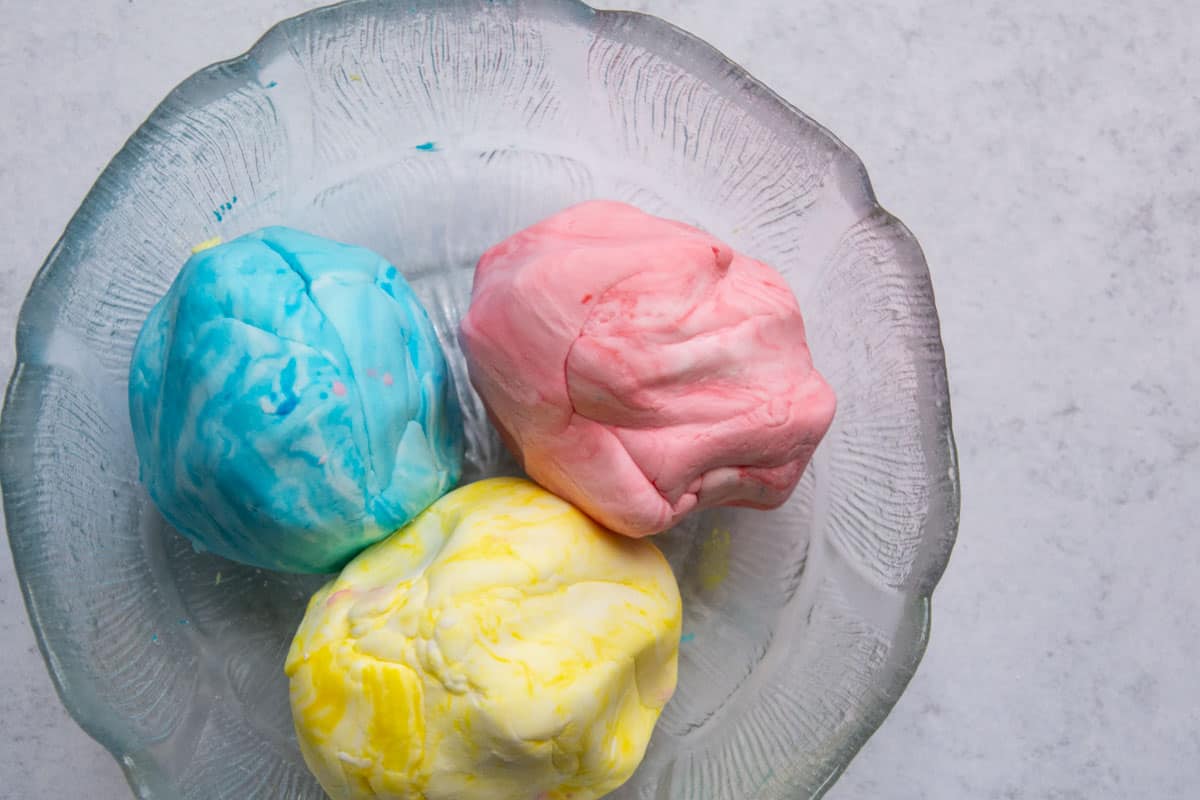
Yes, with a small caveat. Standard liquid or gel food coloring is water-based, so it will not blend smoothly into oil. You have two good options: use oil-based food coloring (often sold as candy coloring) for an even tint, or use regular food coloring and expect tiny beads that create a speckled, tie-dye look in the dough. You can also mix powdered color (like powdered food coloring) into the flour for more even color.
What flour works best?
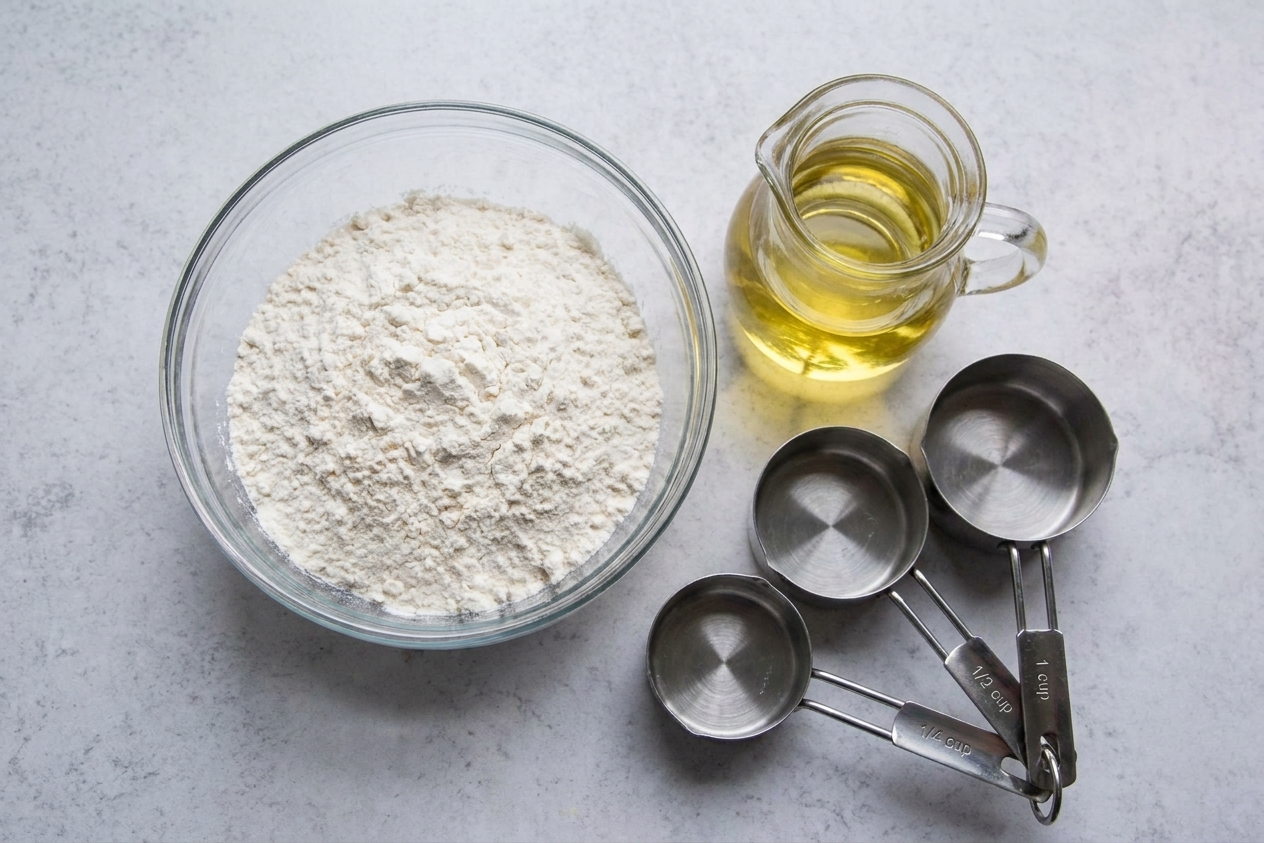
All-purpose flour gives the most reliable texture. Whole wheat works but feels heavier and slightly gritty. If you need a gluten-free option, try a 1:1 gluten-free baking blend, then adjust oil slowly because absorption varies. (And yes, heat-treat whichever flour you use.)