Mom's Best Recipes
Recipe

Crab Apple Jelly

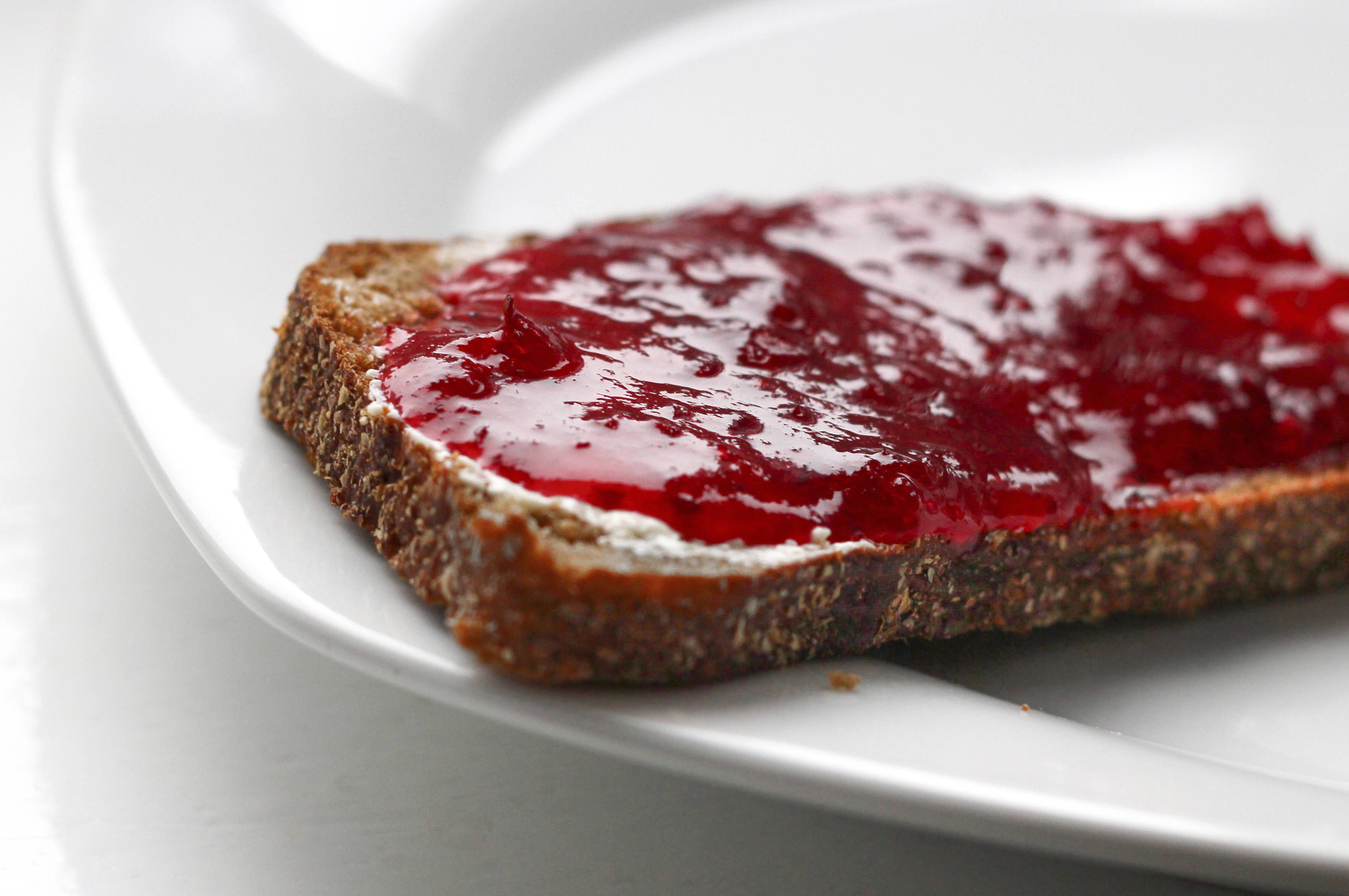
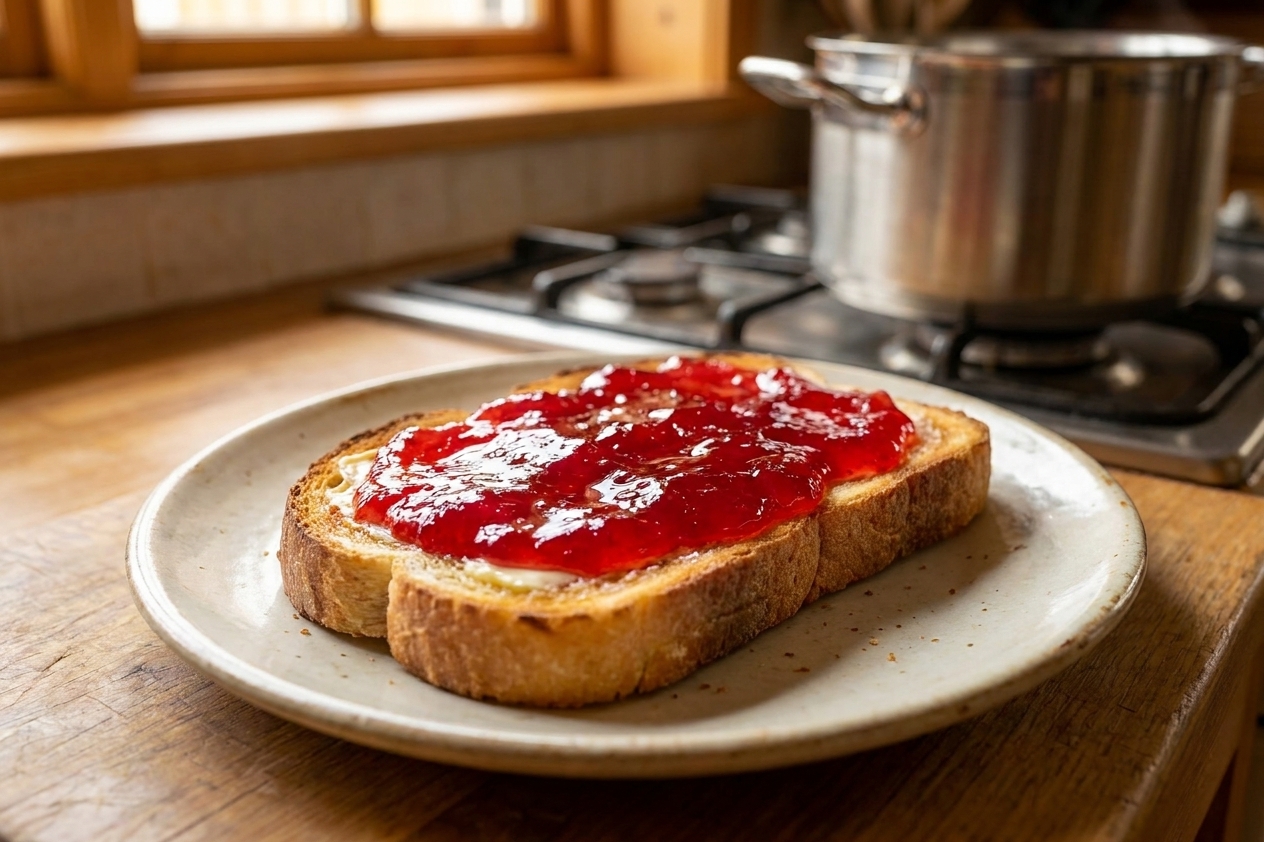
A tart-sweet, jewel-toned jelly with a clean apple bite and that perfect toast-and-butter moment.

Author By Matt Campbell
4.7
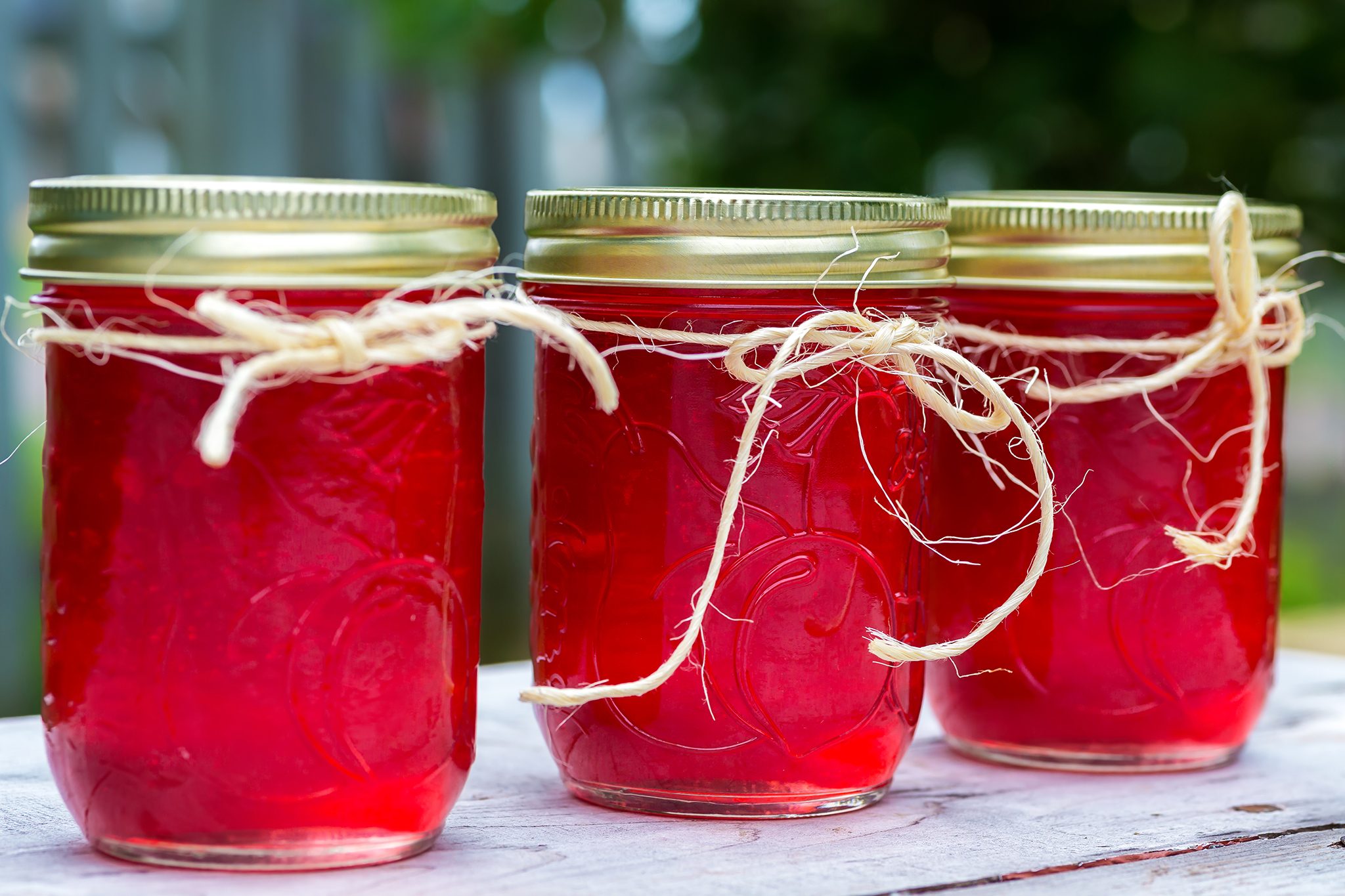
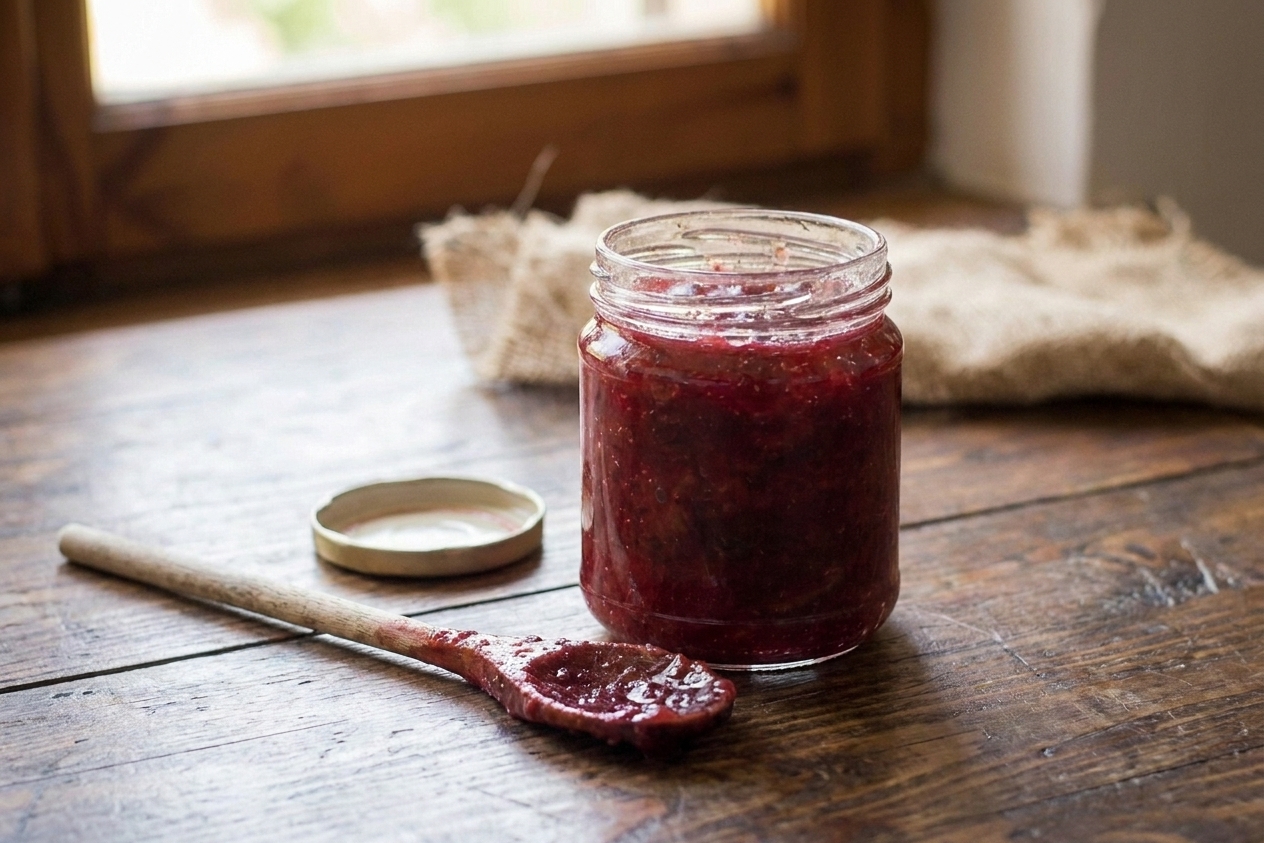
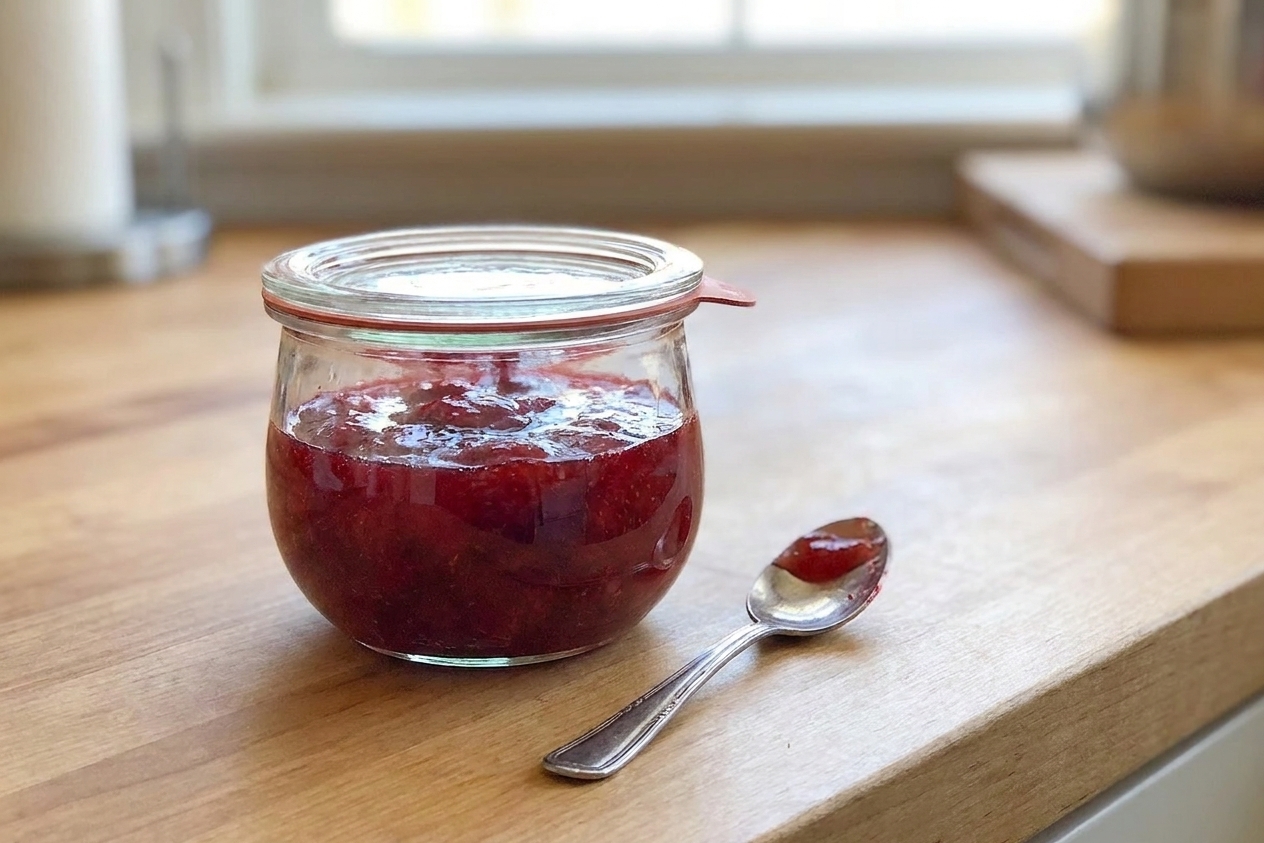
A small glass jar of ruby crab apple jelly on a wooden kitchen counter with a spoon and a few whole crab apples nearby, warm natural window light

Crab apple jelly is one of those cozy pantry projects that feels a little magical. You start with tiny, stubborn apples that taste like they are daring you to do something useful with them, and you end with a clear, ruby (or rosy-gold) jelly that makes toast taste like a special occasion.

This version keeps it simple and reliable: extract the juice, sweeten it, boil to gel, then jar it up. No fussy extras, just a bright, old-school spread with crisp edges of tartness and a sweet finish that behaves beautifully on biscuits, cheese boards, and roasted meats.

If you are canning: Use proper water-bath technique (hot jars, new lids, correct headspace, jars fully submerged, and timing that matches your altitude). For the most conservative, by-the-book approach, you can always cross-check with USDA or NCHFP jelly guidance, especially if you want to tweak sugar.

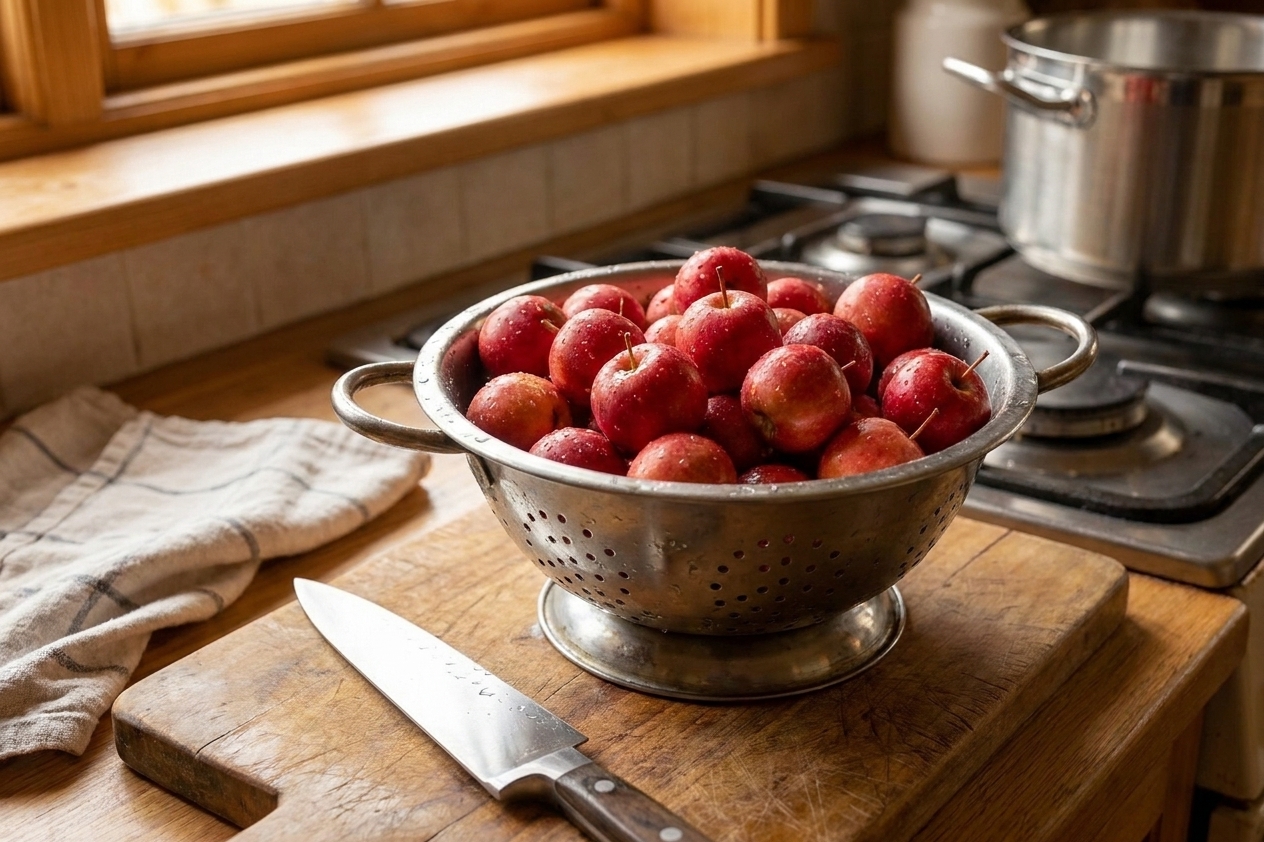
Freshly washed crab apples in a metal colander on a kitchen counter next to a cutting board and knife, soft daylight

Why It Works

  • Naturally high in pectin: Crab apples are loaded with it, so you get a dependable set without added pectin most of the time.
  • Bright flavor, not flat sweetness: The tartness is the point. It keeps the jelly lively instead of candy-like.
  • Clear, glossy finish: A gentle drip-strain keeps the juice clean and gives you that jewel look.
  • Flexible finish: Water-bath can it for the pantry using proper processing times and technique, or do a refrigerator or freezer batch if you want zero canning gear.

Pairs Well With

Storage Tips

After opening: Store jelly in the refrigerator and use within 1 to 2 months for best flavor.

Unopened, properly water-bath processed jars: Keep in a cool, dark spot for up to 1 year. Refrigerate after opening.

Refrigerator jelly (not canned): Keep refrigerated and use within 3 to 4 weeks.

Freezer jelly: Leave at least 1/2 inch headspace, freeze up to 6 months, and thaw overnight in the fridge.

Tip: If you see surface mold, discard the jar. For properly canned jelly, if a seal fails or the lid pops, refrigerate and use soon.

Common Questions

Do I need to peel or core crab apples?

Nope. Skins and cores are helpful here because they contain pectin. Just wash well and cut them in halves or quarters so they break down faster.

Why can’t I squeeze the jelly bag?

Squeezing forces fine pulp through the cloth, which makes cloudy jelly. If you do not care about clarity, you can press gently. If you want that clear, sparkly look, let it drip.

How do I know when jelly will set?

Use one of the tests below (and feel free to use more than one):

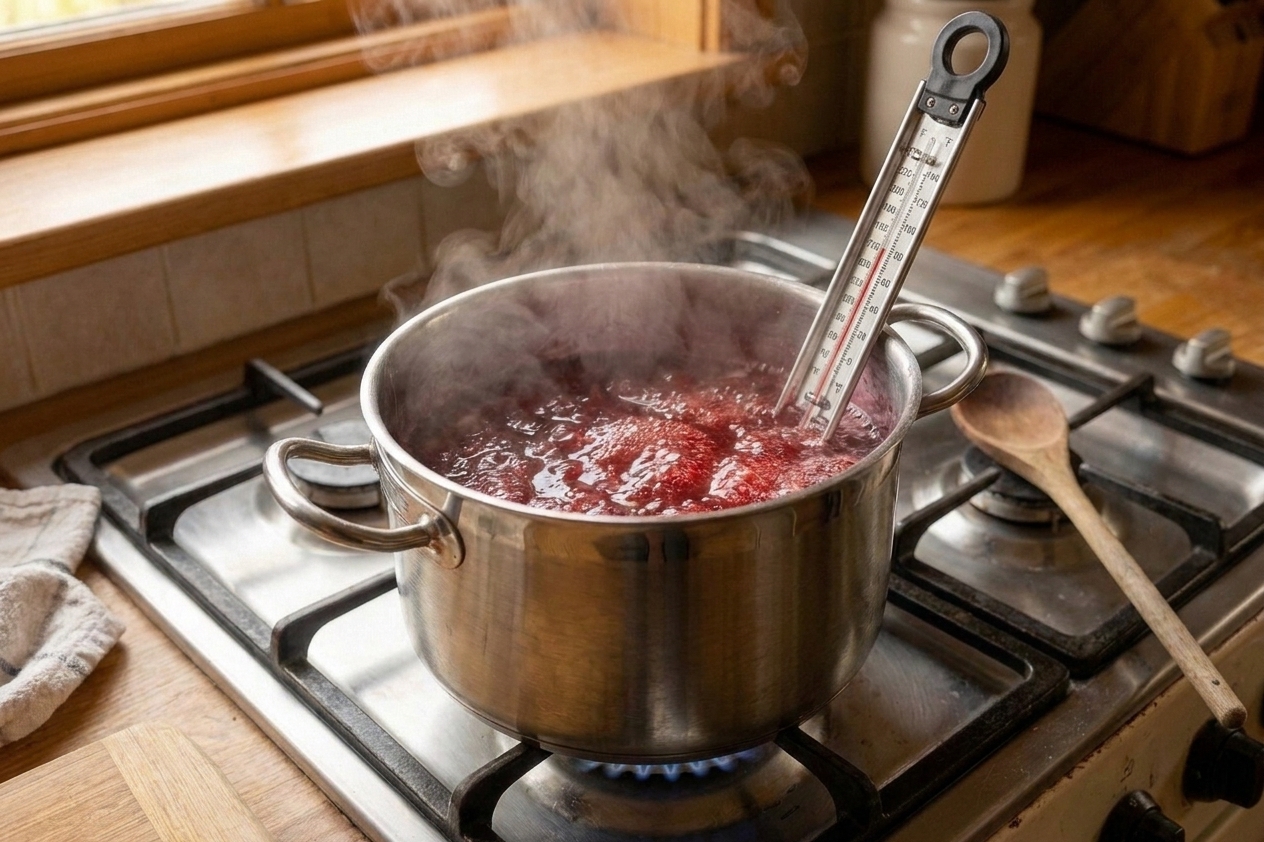
  • Temperature (approximate): Gel point is about 8°F above the boiling point of water at your altitude. Many kitchens use 220°F at sea level as a rule of thumb, but the sheet or plate test is the best reality check.
  • Sheet test: Dip a cool spoon in the boiling jelly. When it falls off in a sheet, not drips, you are close.
  • Plate test: Put a small plate in the freezer. Drop a little jelly on it, wait 1 minute, then push with a finger. If it wrinkles, it is ready.

My jelly did not set. Can I fix it?

Yes. Reheat it and boil again to the gel point, then re-jar. If your crab apples were very ripe, you added extra water, or you used a lower sugar ratio, you may need a little commercial pectin to help the second round. If you plan to re-can it for the pantry, use fresh lids and follow a tested reprocessing method from a trusted source.

Can I reduce the sugar?

You can, but it changes two things: set and storage. For a classic jelly set, sugar is part of the structure. For shelf-stable canning, stick with full-sugar ratios and follow a tested canning recipe. If you want lower sugar, use a tested low-sugar pectin and follow the pectin package directions.

What do I do with the cooked crab apple mash?

Compost it, or run it through a food mill and use it like tart applesauce for baking. It will not be sweet, but it is great stirred into oatmeal with honey.

Where can I confirm safe canning times?

If you want to double-check jar size, headspace, processing times, and altitude adjustments, use a tested source like the USDA Complete Guide to Home Canning or the National Center for Home Food Preservation (NCHFP). They keep the safety guidance current and specific.
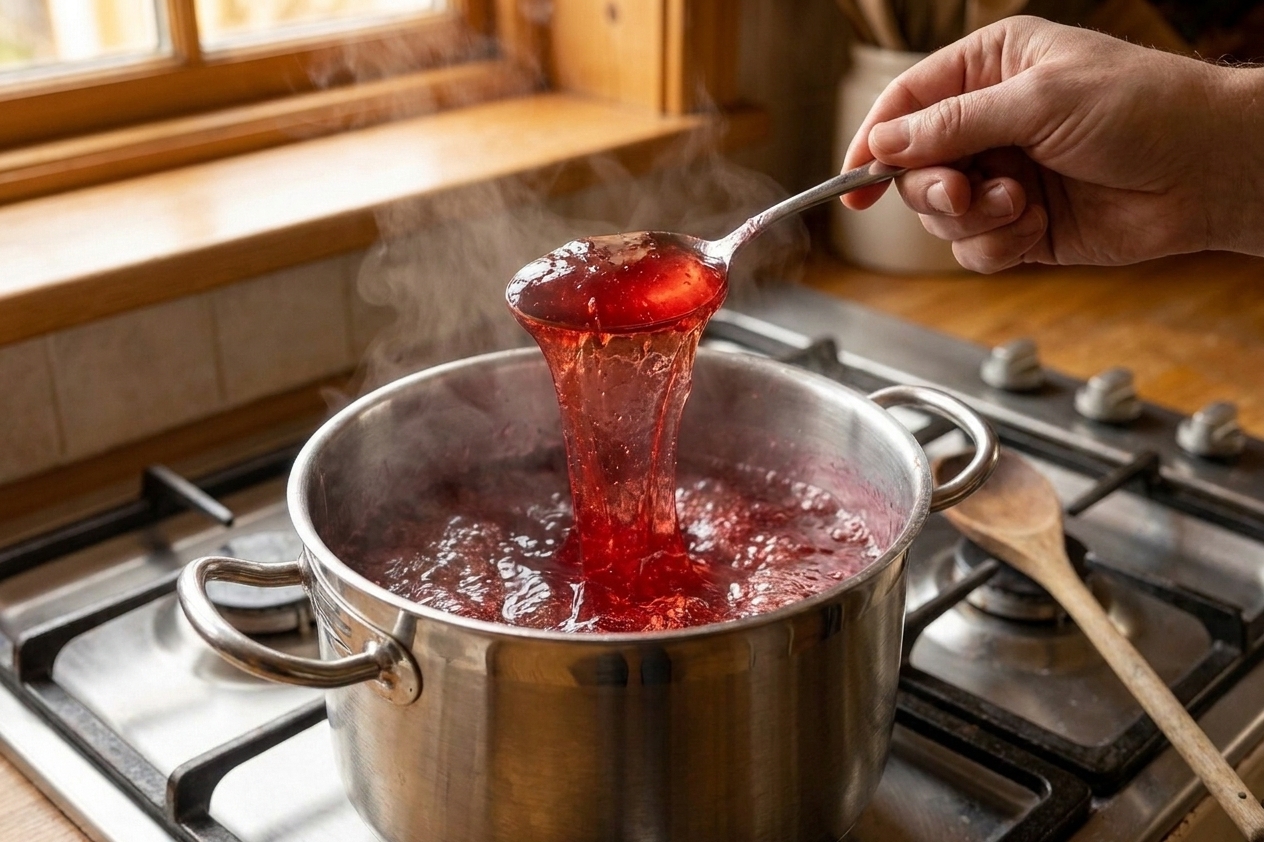

A spoon held over a pot of boiling jelly with the jelly falling in a thick sheet back into the pot, steam rising in a home kitchen

The first time I made crab apple jelly, I was convinced I had messed it up because the pot looked like pink apple soup and the clock was moving at the speed of winter. Then the strain happened, and suddenly it was all clear juice and serious potential. It is one of my favorite kinds of cooking wins: slightly chaotic on the front end, ridiculously satisfying at the end. Also, spreading something you made from a tree that was basically giving away fruit for free feels like you got away with something.