Mom's Best Recipes
Recipe

Crispy Braised Chicken Gizzards

Braise gizzards until tender, then hit them with a quick skillet crisp and a tangy garlic sauce.

Author By Matt Campbell
4.7
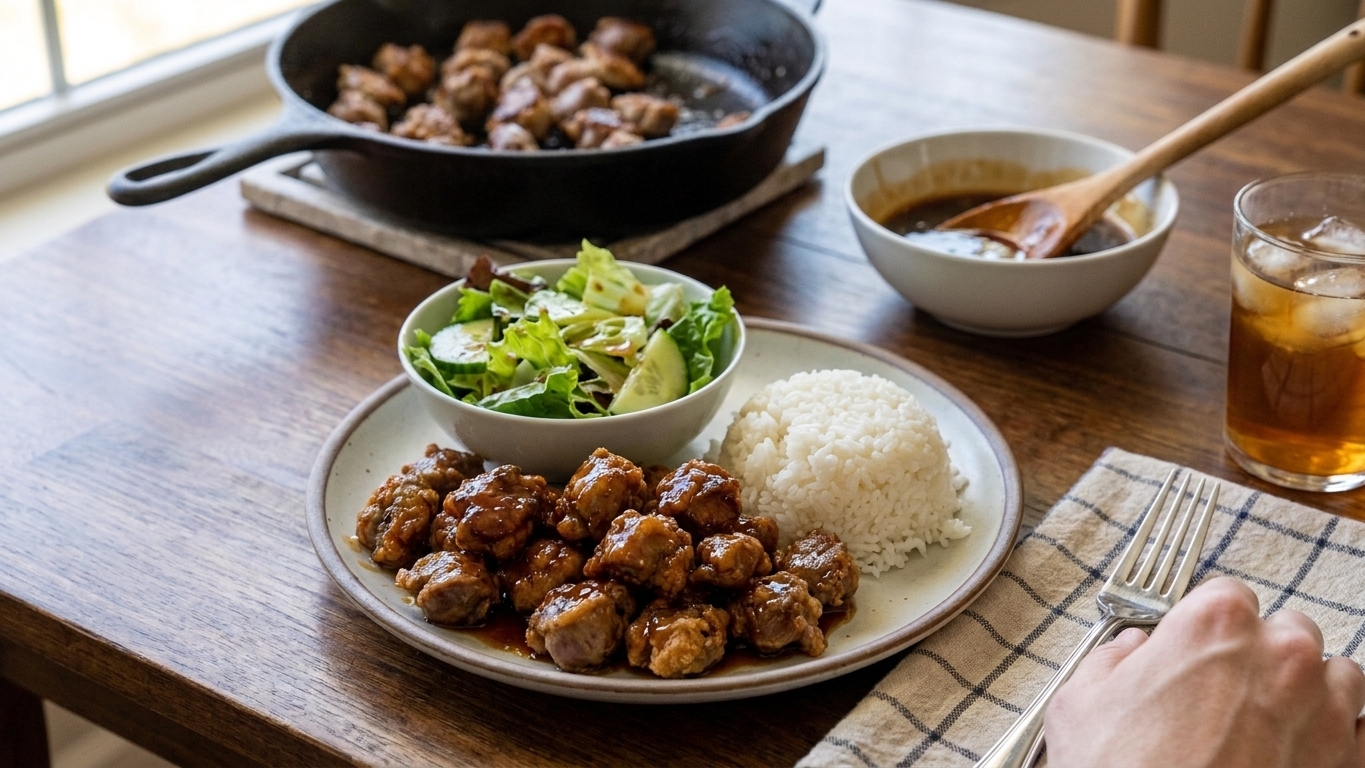
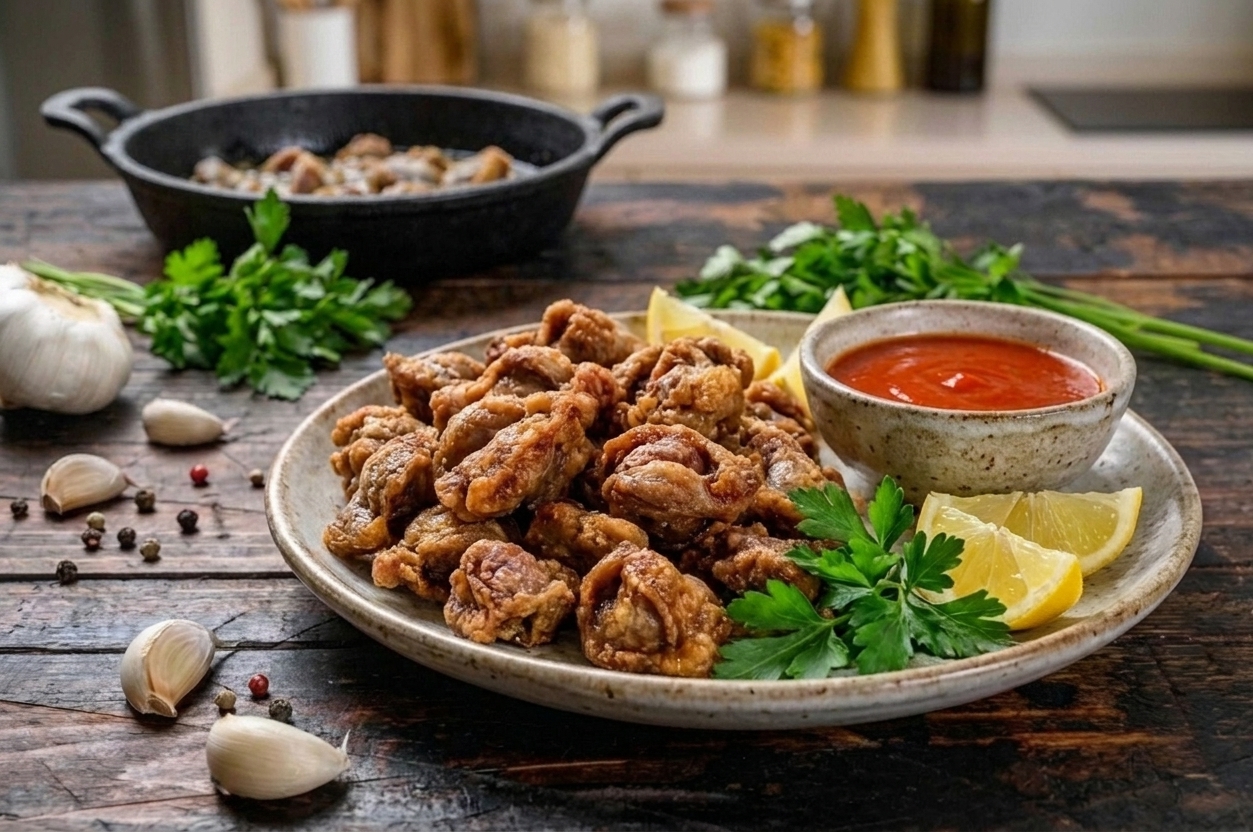
A plate of crispy braised chicken gizzards with golden browned edges, spooned with glossy garlic pan sauce, served on a simple ceramic plate on a warm kitchen table

Chicken gizzards have big “trust me” energy. They look intimidating, they sound intimidating, and then you cook them correctly one time and suddenly you are standing at the stove stealing pieces out of the pan like it is your job.

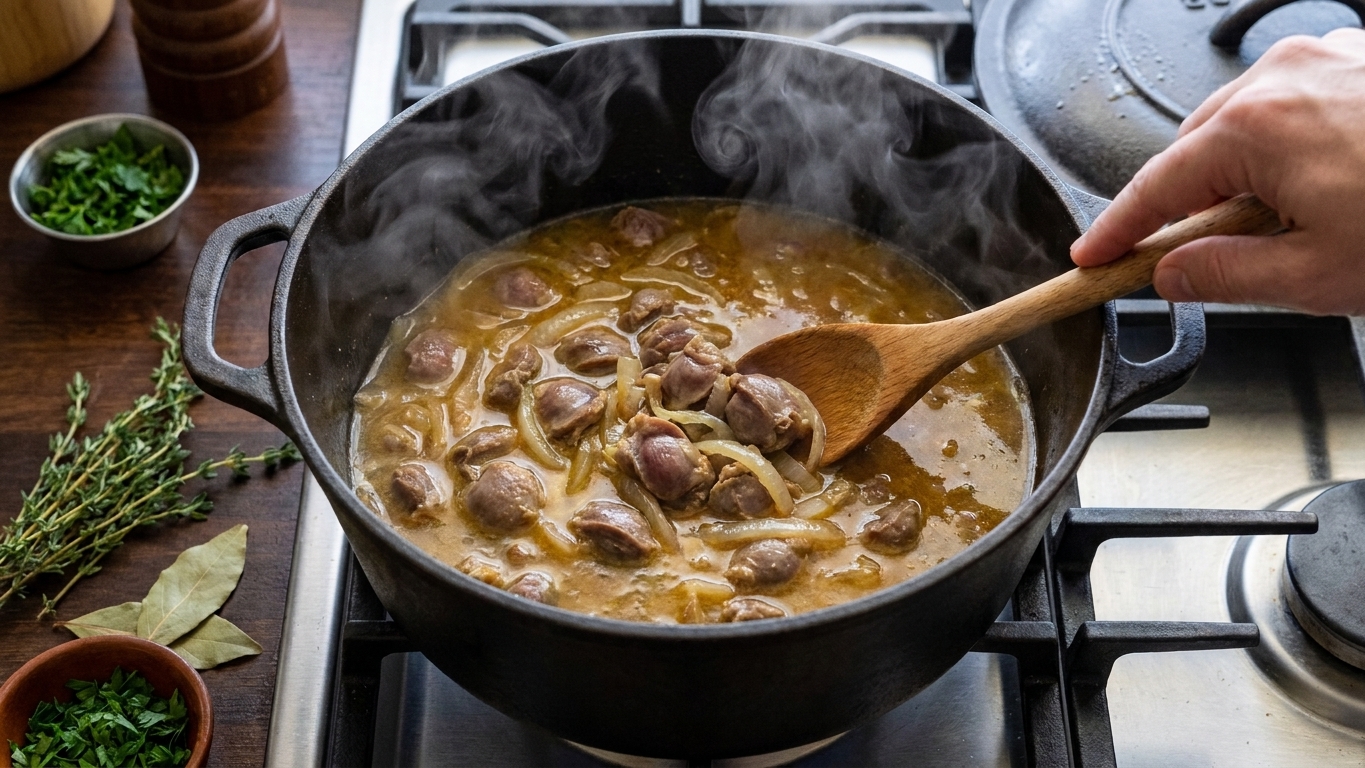
This is my favorite way to win people over: braise first for tenderness, then crisp fast for those browned edges we all chase. The sauce is bright, garlicky, and a little tangy, which is exactly what gizzards want. Serve them over rice, tuck them into tortillas, or do the honest thing and eat them straight from a bowl while “taste testing.”
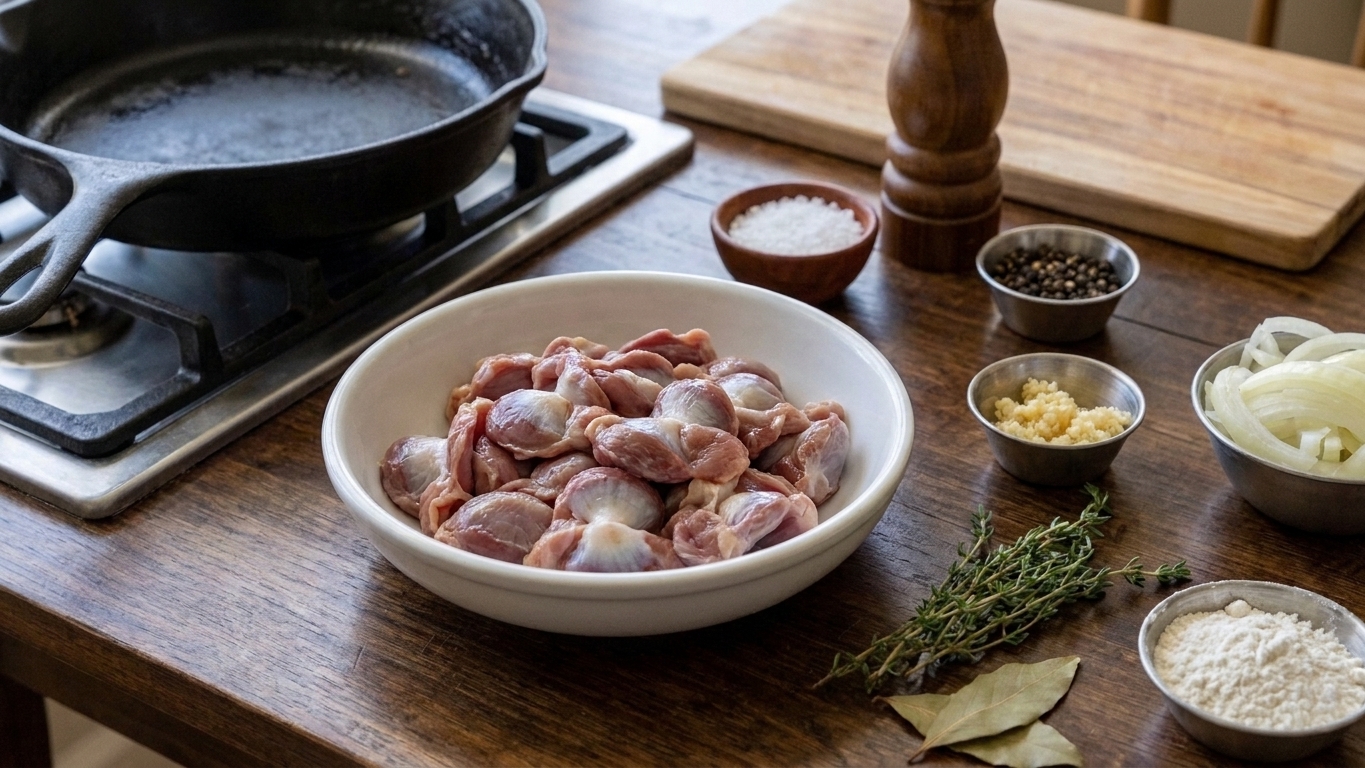
A bowl of raw chicken gizzards on a kitchen counter beside salt, pepper, garlic, onion, and a small dish of flour, ready for prep

Why It Works

  • Braise equals tender. Gizzards are a hardworking muscle, so they need time and moisture. A gentle simmer turns them from chewy to pleasantly bitey and tender.
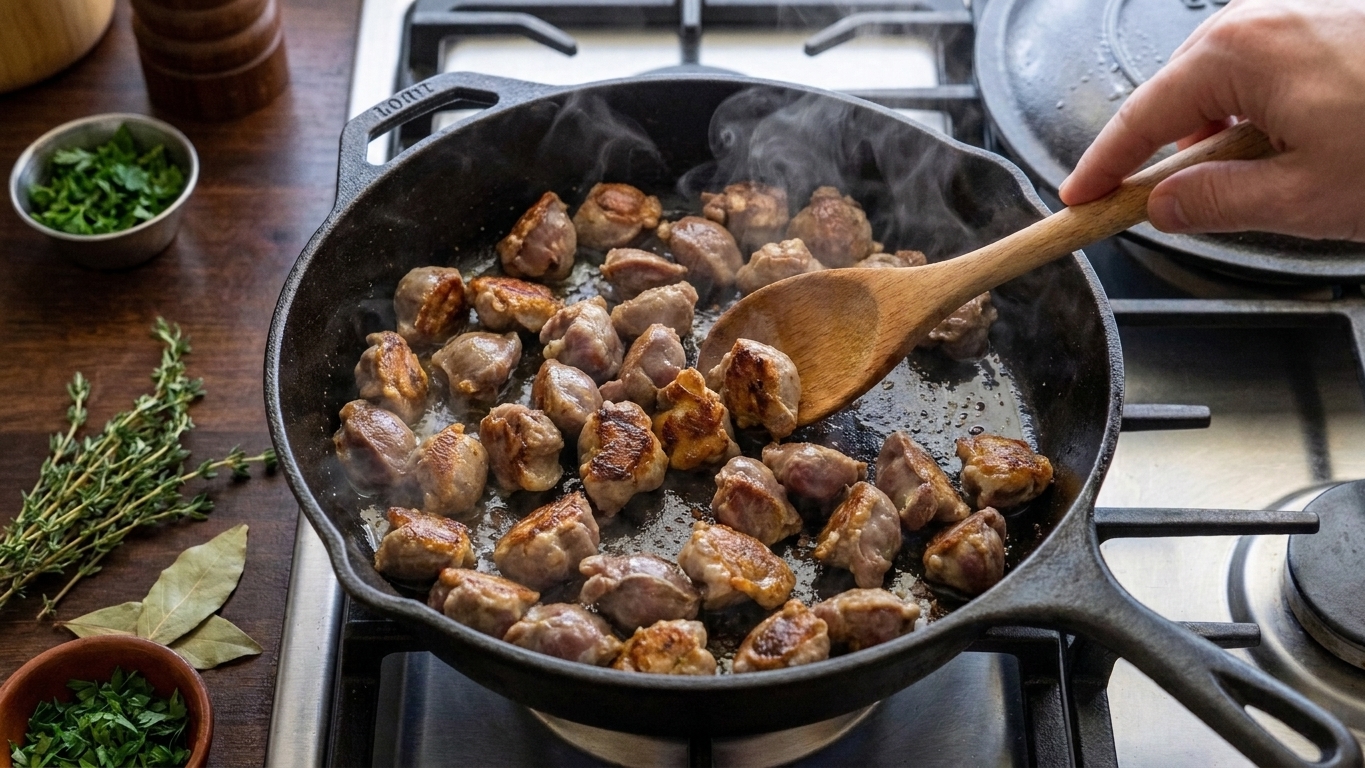
  • Crisp equals obsessed. After braising, a quick toss in a hot skillet gives you browned edges and that savory, snacky finish.
  • Flour, but at the right time. If you want a little extra crunch, dust the gizzards after they are braised and patted dry, right before searing. That is when flour actually helps, instead of disappearing into the braise.
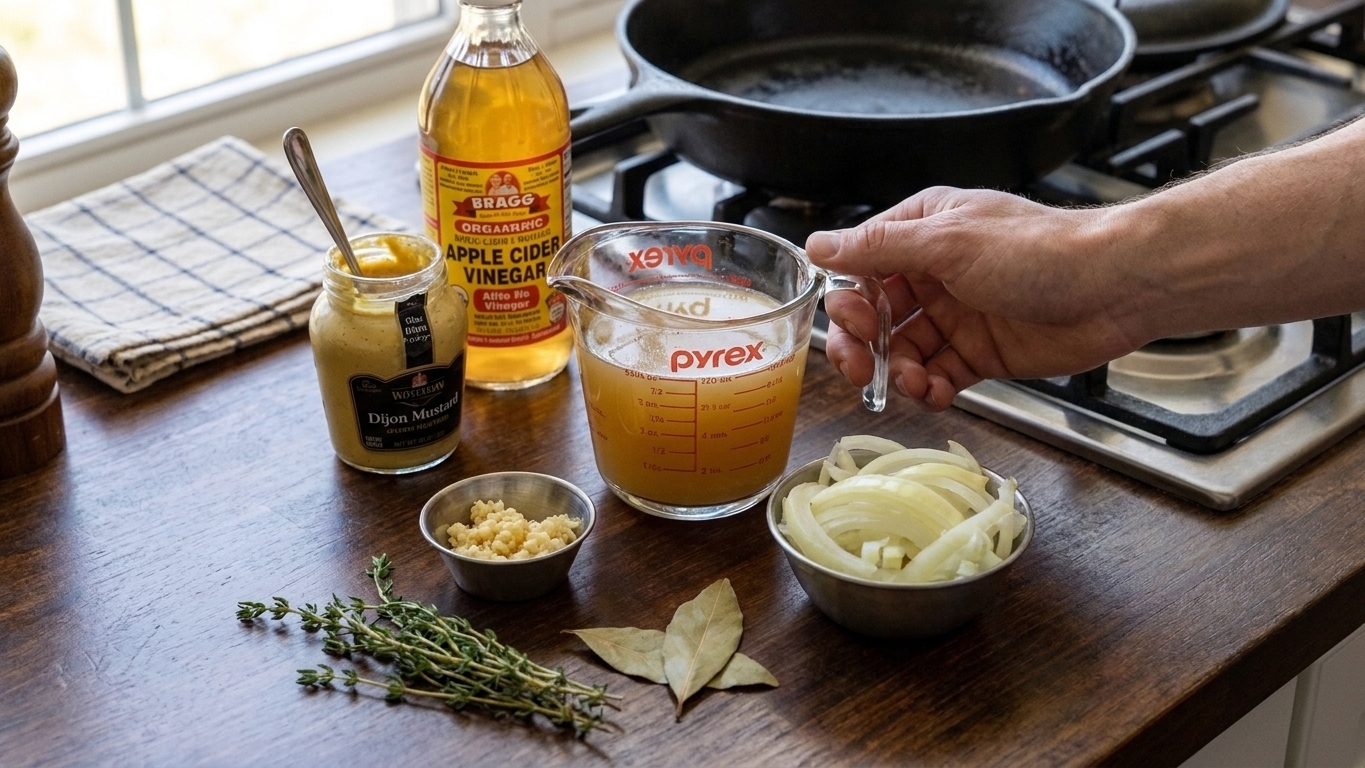
  • Pan sauce does the heavy lifting. Vinegar, garlic, and a little mustard cut through richness and make the whole thing taste intentional, not like you just found gizzards in the back of the fridge.
  • Accessible ingredients. No specialty shopping required. If you have onions, garlic, broth, and vinegar, you are in business.

Pairs Well With

Storage Tips

Refrigerate: Cool leftovers quickly, then store in an airtight container for up to 4 days.

Reheat (best texture): Warm in a skillet over medium heat with a splash of broth or water. Once hot, let them sit another minute to re-crisp the edges.

Microwave (fastest): Microwave covered in 30 second bursts with a teaspoon of water. You will lose some crisp, but the flavor holds.

Freeze: Freeze in a freezer safe container for up to 2 months. Thaw overnight in the fridge before reheating.

Common Questions

What do chicken gizzards taste like?

They are deeply savory, kind of like dark meat chicken with a firmer bite. When cooked right, they are tender with a slightly springy texture, not rubbery.

Why are my gizzards chewy?

They usually just need more time. Gizzards are muscle, so they respond best to a longer simmer. Keep the braise gentle and give them an extra 15 to 30 minutes if needed. You are looking for fork-tender with a little bounce, not “fight you” chewy.

Do I need to clean chicken gizzards?

Grocery store gizzards are often already cleaned, but it varies. Give them a rinse, check for any grit or tough inner lining, trim off silver skin or gristle, then pat them very dry so they brown nicely later.

When do I add the flour for crisping?

After the braise. Braising knocks off flour coatings, so if you want that light crisp, dust the cooked, patted dry gizzards with flour right before they hit the hot skillet.

Can I make this in a slow cooker?

Yes. Cook the gizzards with the onion, garlic, broth, bay leaf, and seasonings on LOW for 6 to 8 hours (timing can vary) until tender, then do the quick skillet crisp and sauce step at the end.

What should I serve with chicken gizzards?

Rice, mashed potatoes, grits, buttered noodles, or a simple slaw all work. Anything that can catch extra sauce is a good idea.

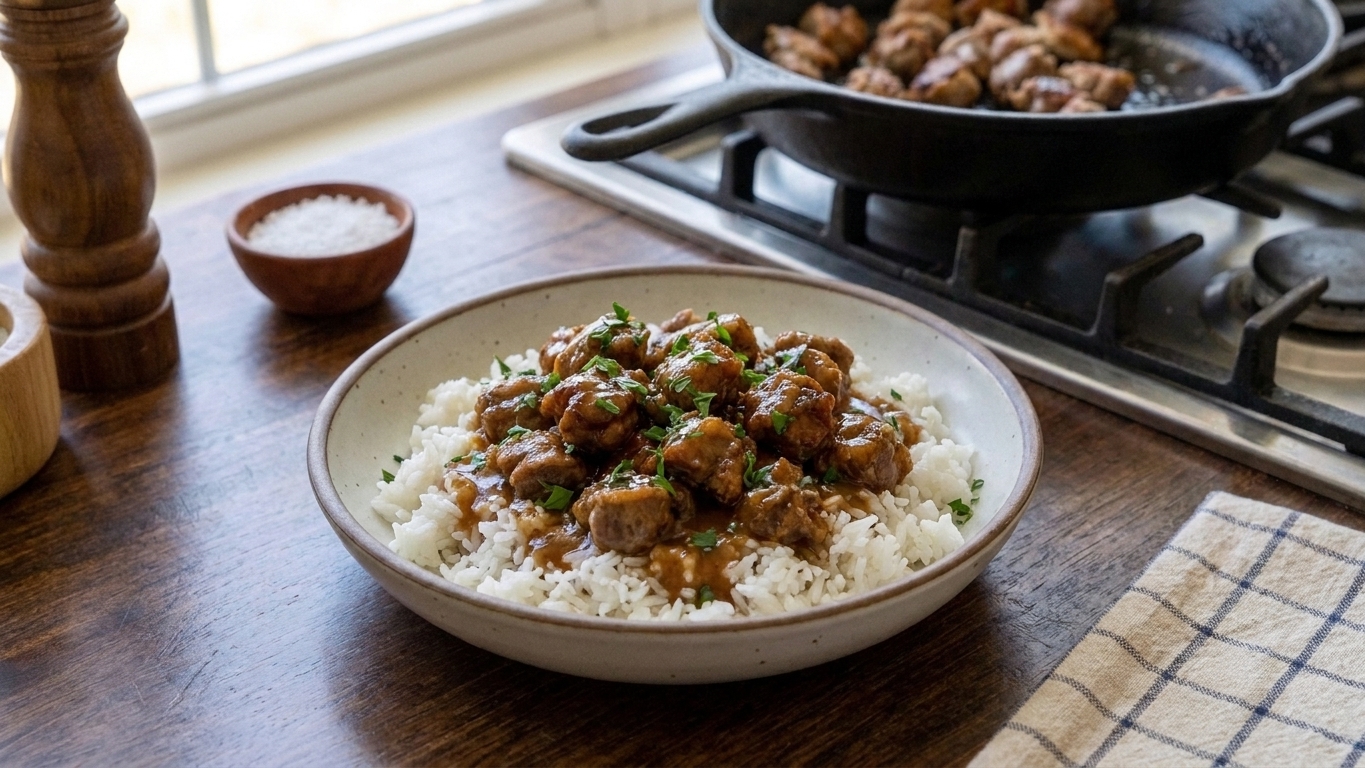
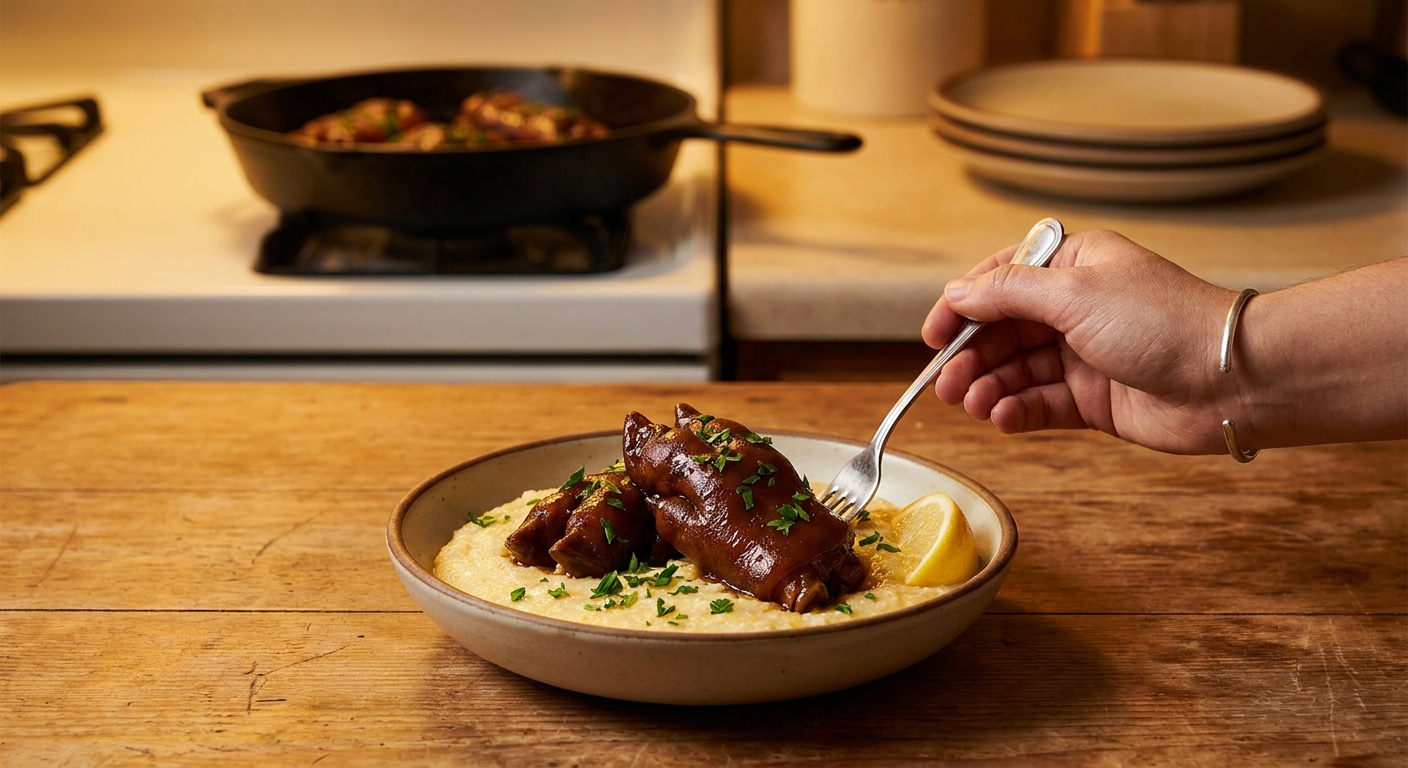
A bowl of saucy crispy chicken gizzards served over white rice with chopped parsley on top, set on a wooden kitchen table

I did not grow up in a “gizzards are normal” household, so the first time I cooked them I was equal parts curious and suspicious. I treated them like a tough cut of meat, gave them a slow simmer, and then got impatient and tried to crisp them at the end. That impatient part was the breakthrough. Tender centers, crisp edges, and suddenly I understood why so many cooks swear by them. Now it is one of my favorite budget friendly, flavor forward dinners, especially when I want something that feels a little adventurous without turning my kitchen into a full time job.