Mom's Best Recipes
Recipe

Crispy Skillet Pheasant With Apple Cider Pan Sauce

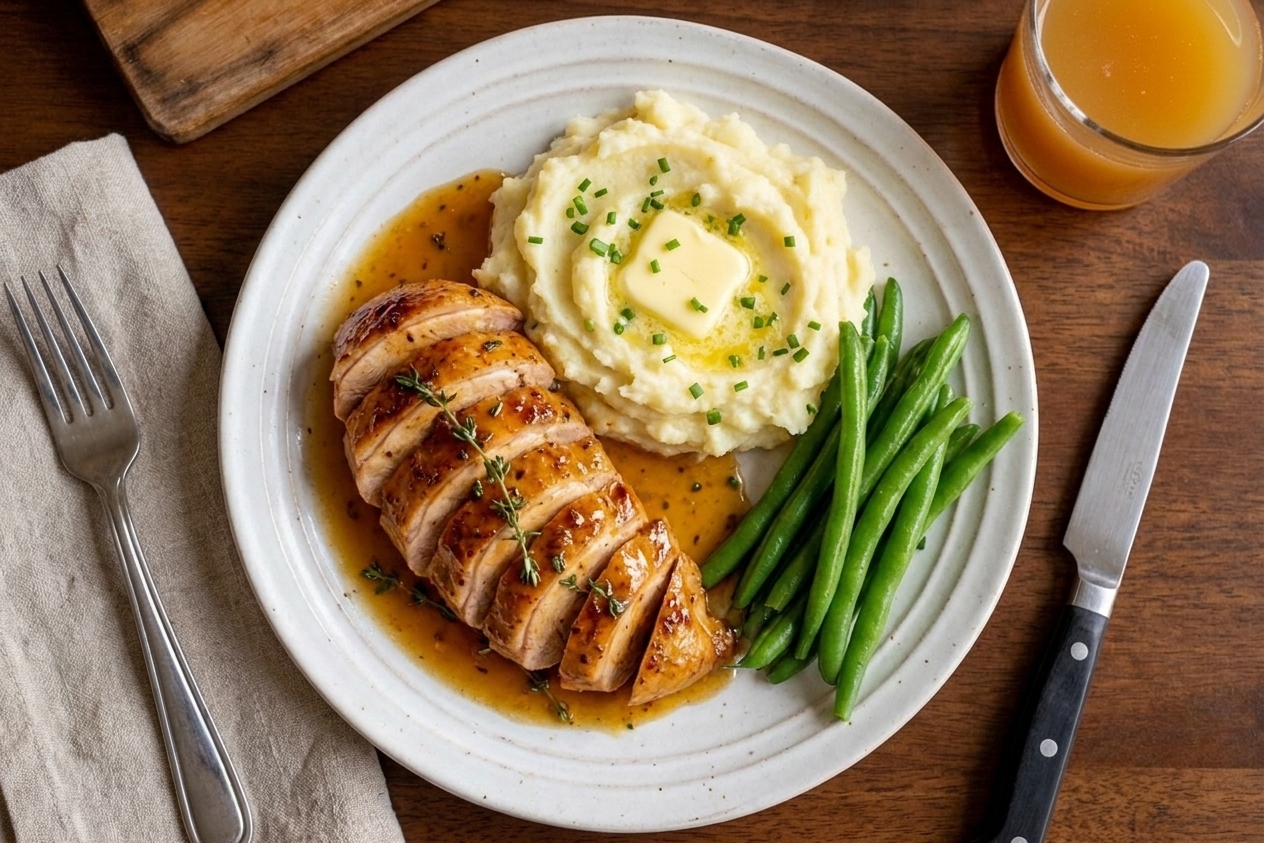
Tender, pan-seared pheasant finished in the oven and spooned with a bright cider-mustard sauce.

Author By Matt Campbell
4.7
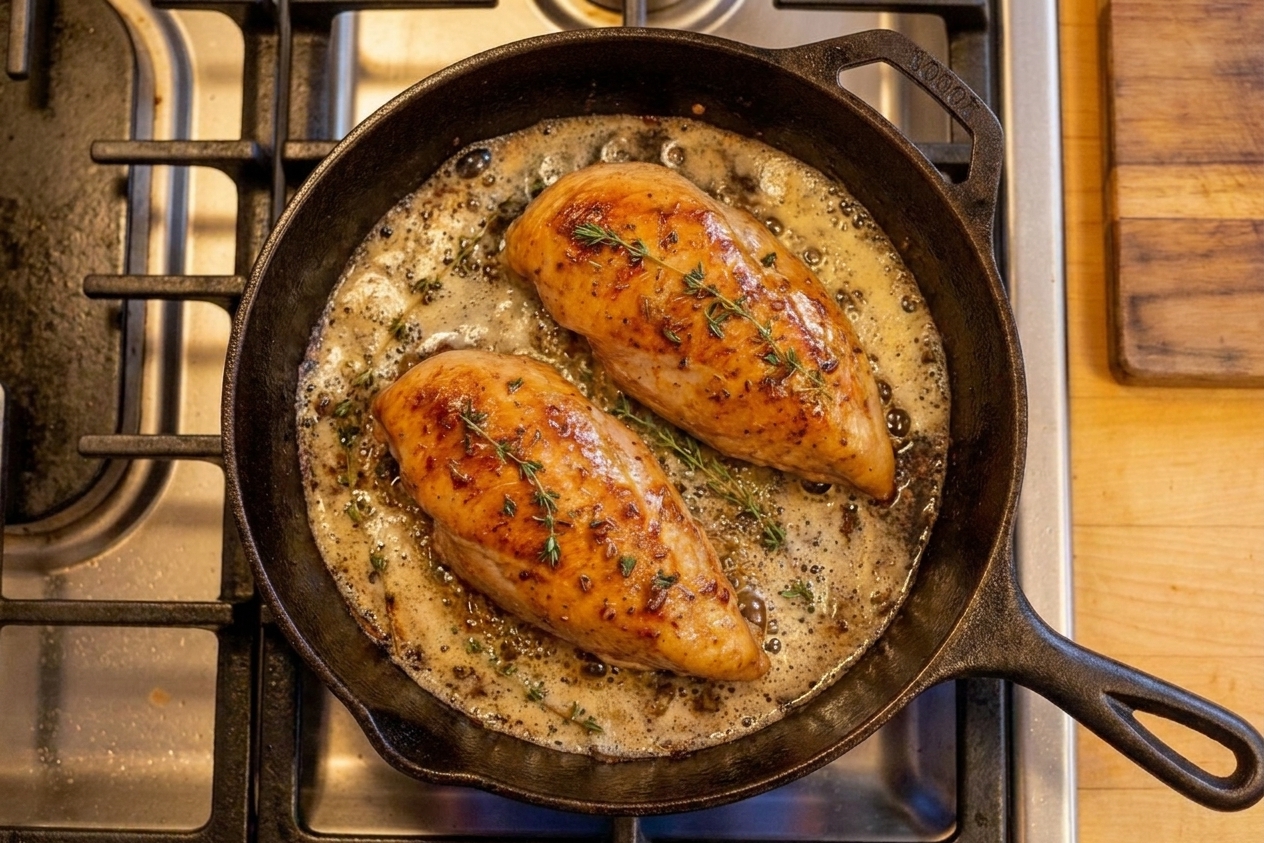
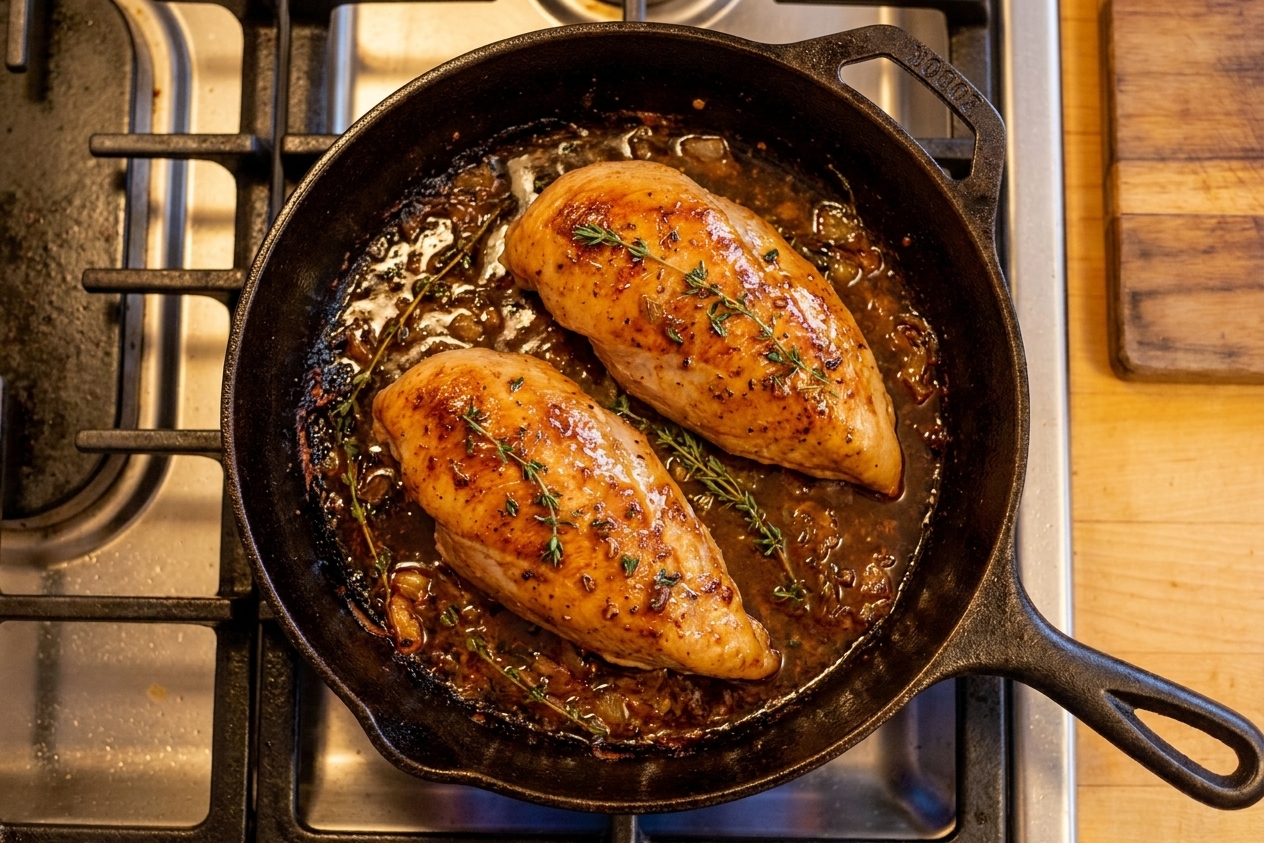
A cast iron skillet holding golden-brown pheasant breasts with a glossy apple cider pan sauce and thyme sprigs on a warm kitchen stove

Pheasant has a reputation for being a little… moody. Lean meat, dries out fast, and if you treat it like chicken breast, it will absolutely let you know.

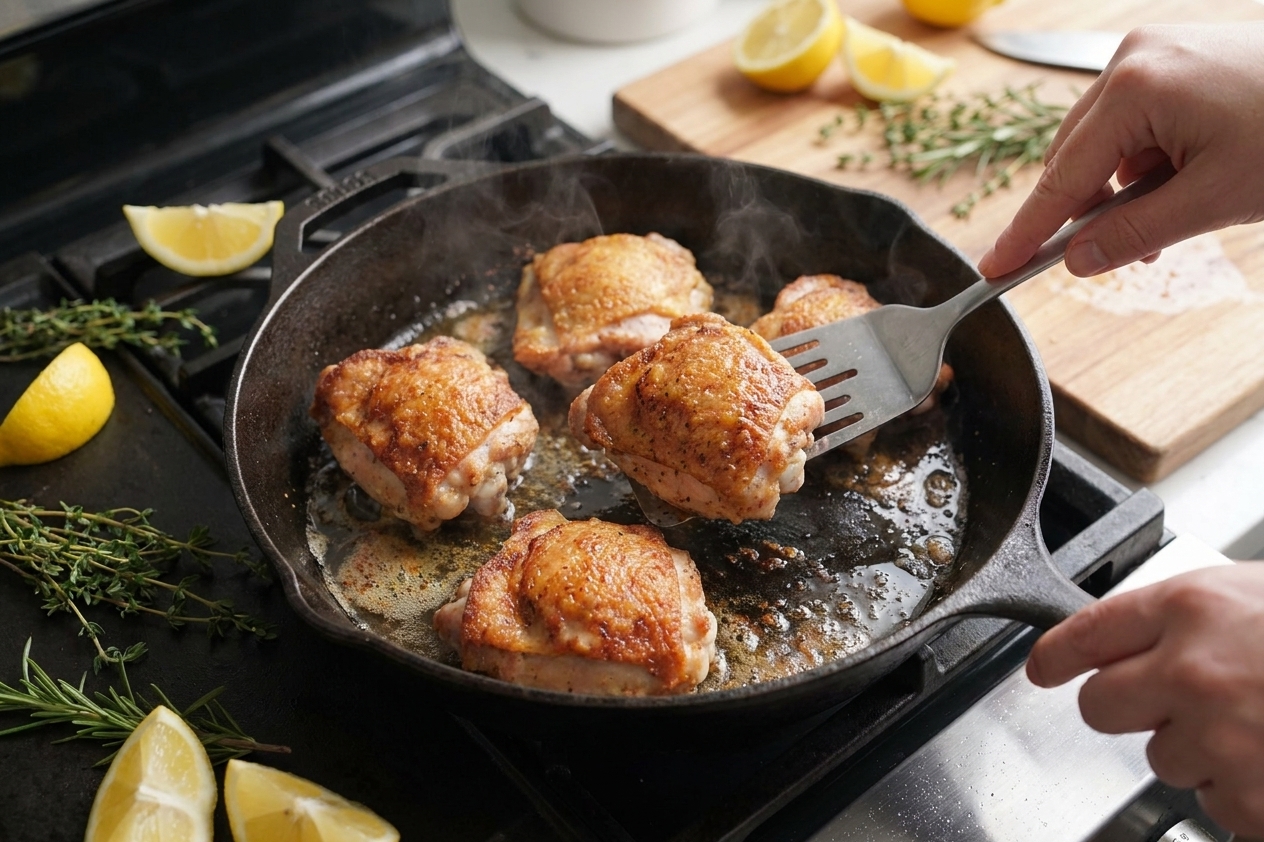
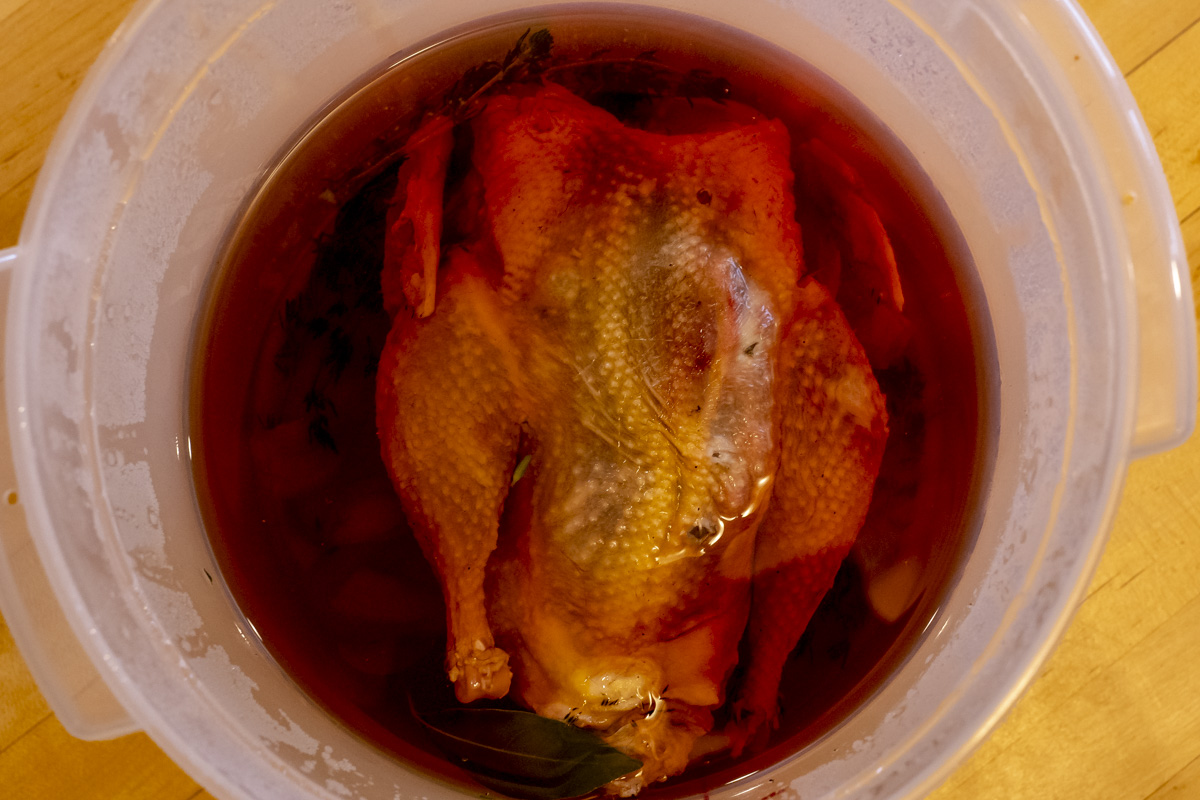
So here’s the plan: we give it a quick brine (low effort, high reward), sear it over medium-high heat for those crisp edges, then finish it gently in the oven so it stays juicy. While it rests, we make an apple cider pan sauce in the same skillet because we are not leaving flavor on the table.

This is the kind of dinner that feels special, but it is built on simple moves you can repeat with any lean game bird.
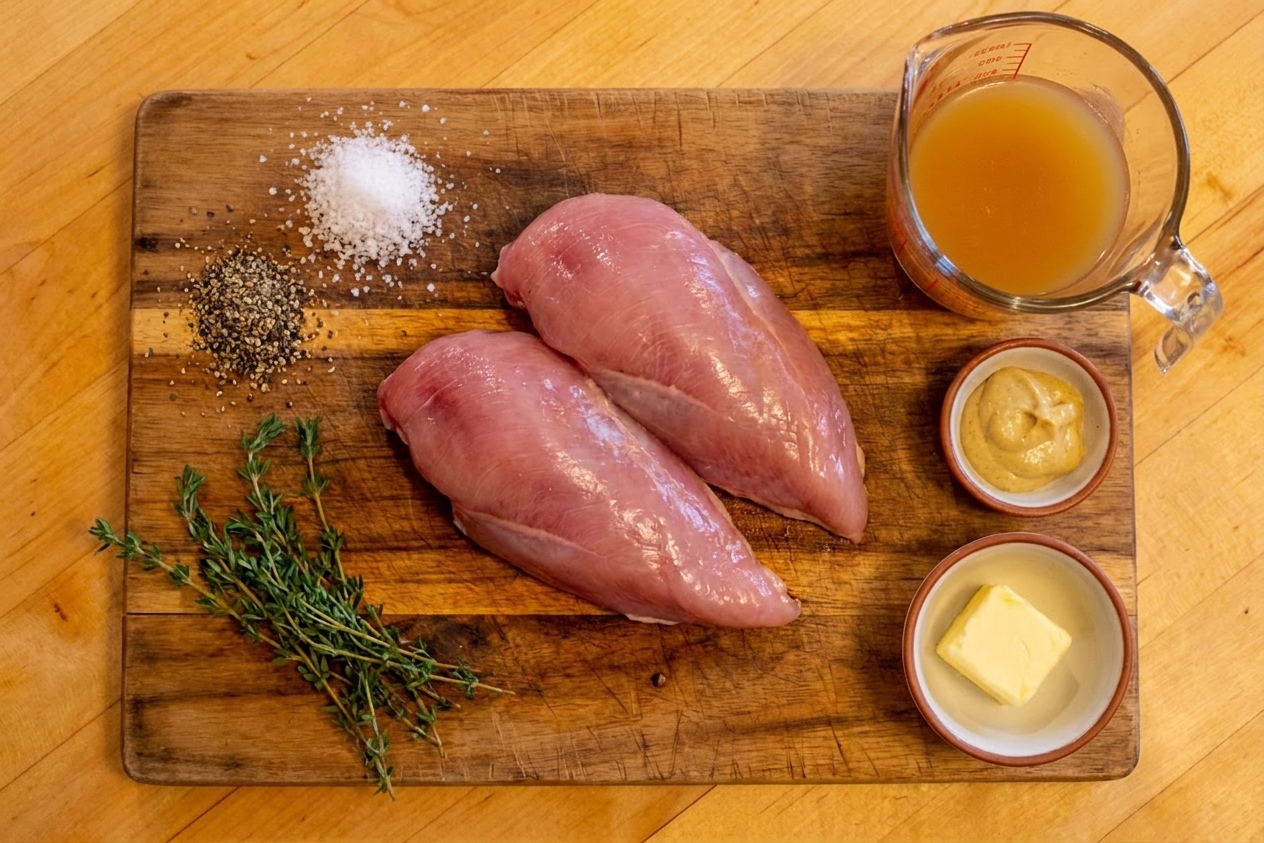
Raw pheasant breasts on a wooden cutting board with kosher salt, black pepper, thyme, Dijon mustard, apple cider, and a small bowl of butter on a kitchen counter

Why It Works

  • Quick brine = insurance. Pheasant is lean, so even 20 to 30 minutes in salted water helps it stay juicy.
  • Sear first, then finish. You get a golden crust without overcooking the center.
  • Pan sauce does the heavy lifting. Apple cider, Dijon, and a little butter turn the browned bits into a cozy, glossy sauce in minutes.
  • Flexible with cuts. Works with pheasant breasts or legs, with timing tweaks and doneness cues included.

Pairs Well With

Storage Tips

Fridge: Store leftover pheasant and sauce in separate airtight containers if you can. Refrigerate up to 3 days.

Reheat (best method): Warm the sauce in a small saucepan with a splash of water or stock. Reheat pheasant gently in a 300°F oven until just warmed through, about 8 to 12 minutes depending on thickness. Avoid the microwave if possible because pheasant goes from tender to tough fast.

Freezer: You can freeze cooked pheasant up to 2 months, but it will be a bit drier when reheated. Freeze with a little sauce for protection.

Leftover move: Slice cold pheasant thin, pile it on toasted bread, add arugula, and drizzle warmed sauce like a fancy sandwich situation.

Common Questions

What does pheasant taste like?

Pheasant is mild and slightly sweet, kind of between chicken and turkey, but leaner. The flavor really shines with bright, not-too-heavy sauces like cider, citrus, mustard, or herbs.

Why is my pheasant dry?

The two big culprits are overcooking and skipping moisture helpers. Use a quick brine, finish gently, and pull it earlier than you think. For breasts, many cooks aim for 150°F to 155°F in the thickest part, then rest. It will coast up a few degrees. If you prefer to follow more conservative poultry guidance, cook to your preferred doneness and follow local food-safety recommendations.

Do I need to soak pheasant in milk or buttermilk?

Not required. If you like, buttermilk works great as a tenderizing soak for 2 to 8 hours, especially for older birds. For this recipe, a quick salt brine is faster and keeps the flavor clean.

Can I use farm-raised pheasant?

Yes. Farm-raised can be a bit more forgiving, but it is still lean. Keep the same method, and start checking temperature a couple minutes early.

What if I only have pheasant legs?

Legs have more connective tissue and need longer cooking. Brown them in the skillet, then braise with cider and a splash of stock, covered, until tender (usually 60 to 90 minutes, sometimes longer for older birds). You are looking for a doneness cue: a fork should twist easily and the meat should feel like it wants to pull from the bone.

The first time I cooked pheasant, I treated it like a boneless chicken breast and then acted surprised when it ate like sawdust. Classic. Now I cook it the way I cook anything lean: salt it, sear it, and give it a sauce with some personality. Apple cider was the lightbulb moment for me. It brings sweetness, tang, and that fall-warm vibe without turning pheasant into a sticky dessert situation. Also, making a pan sauce in the same skillet feels like a tiny magic trick every single time.