Mom's Best Recipes
Recipe

Crispy Spinach and Feta Phyllo Triangles

A beginner-friendly phyllo dough recipe with a savory spinach-feta filling and shatteringly crisp layers.

Author By Matt Campbell
4.8
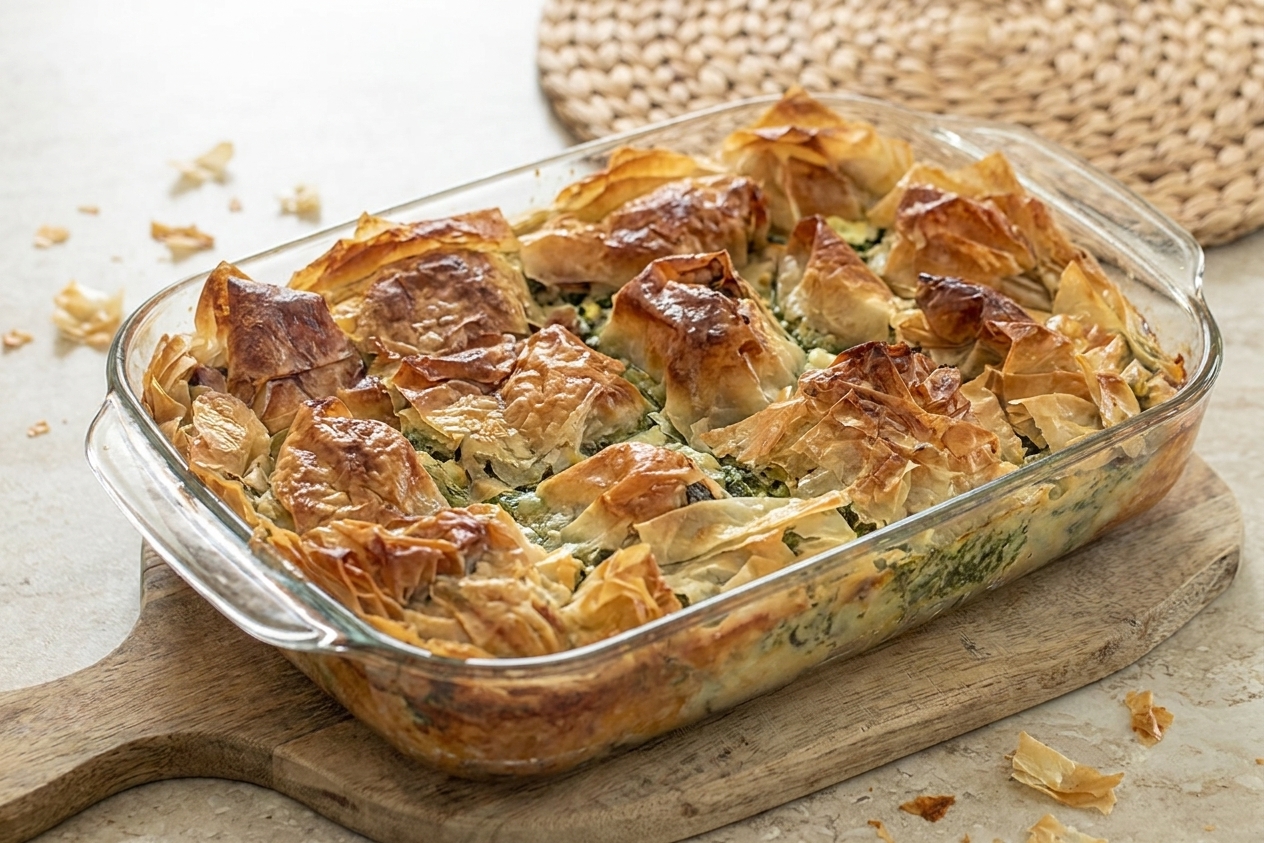
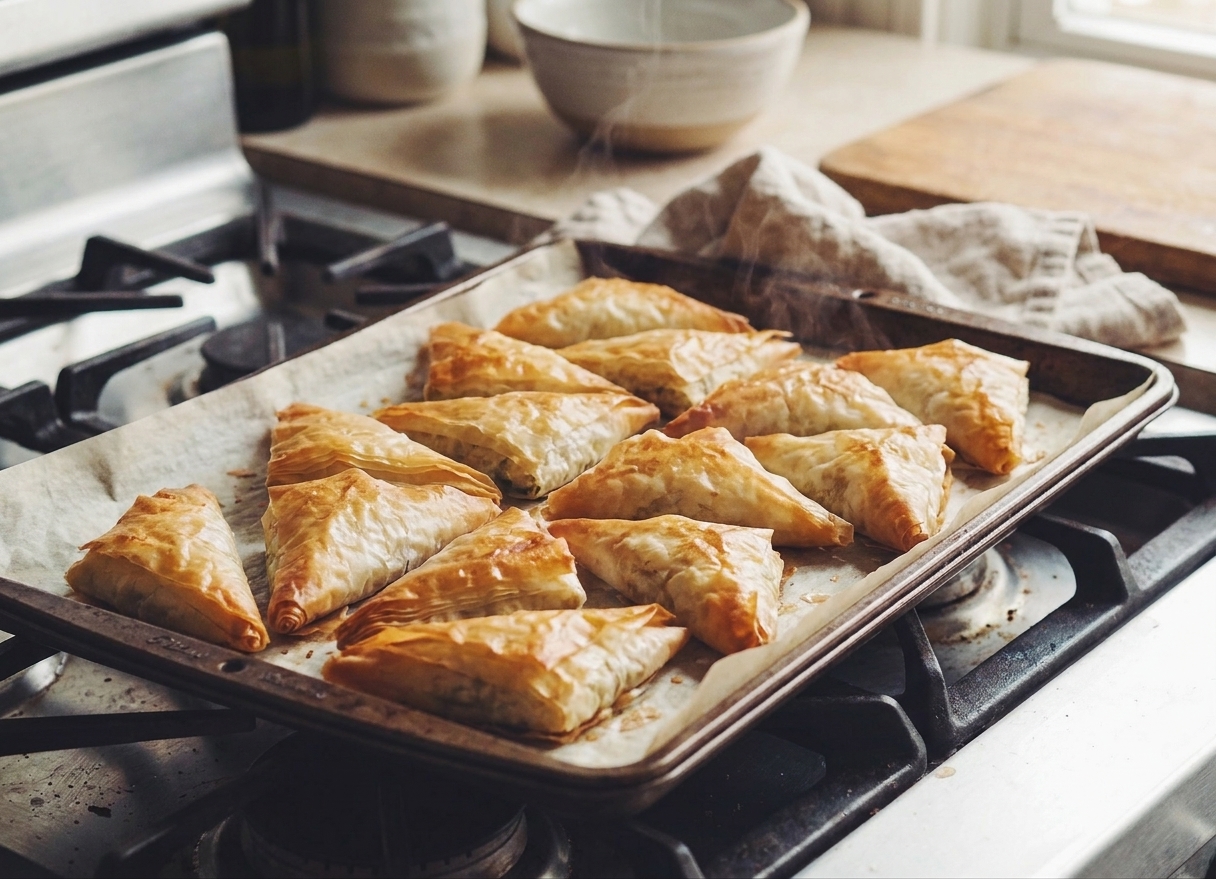
A platter of golden brown spinach and feta phyllo triangles with crisp, flaky layers on a neutral linen-lined table setting

Phyllo dough has a reputation. It is thin, a little dramatic, and if you blink it can dry out on the counter like it is proving a point. But when you treat it like a teammate instead of a delicate museum artifact, it becomes one of the most fun, high-reward ingredients in the kitchen.

These spinach and feta phyllo triangles are my go-to: crisp edges, cozy salty filling, and a buttery (or olive oil) brush that makes the whole thing crackle when you bite in. No deep frying, no mystery techniques, just a few small habits that make phyllo dough behave.

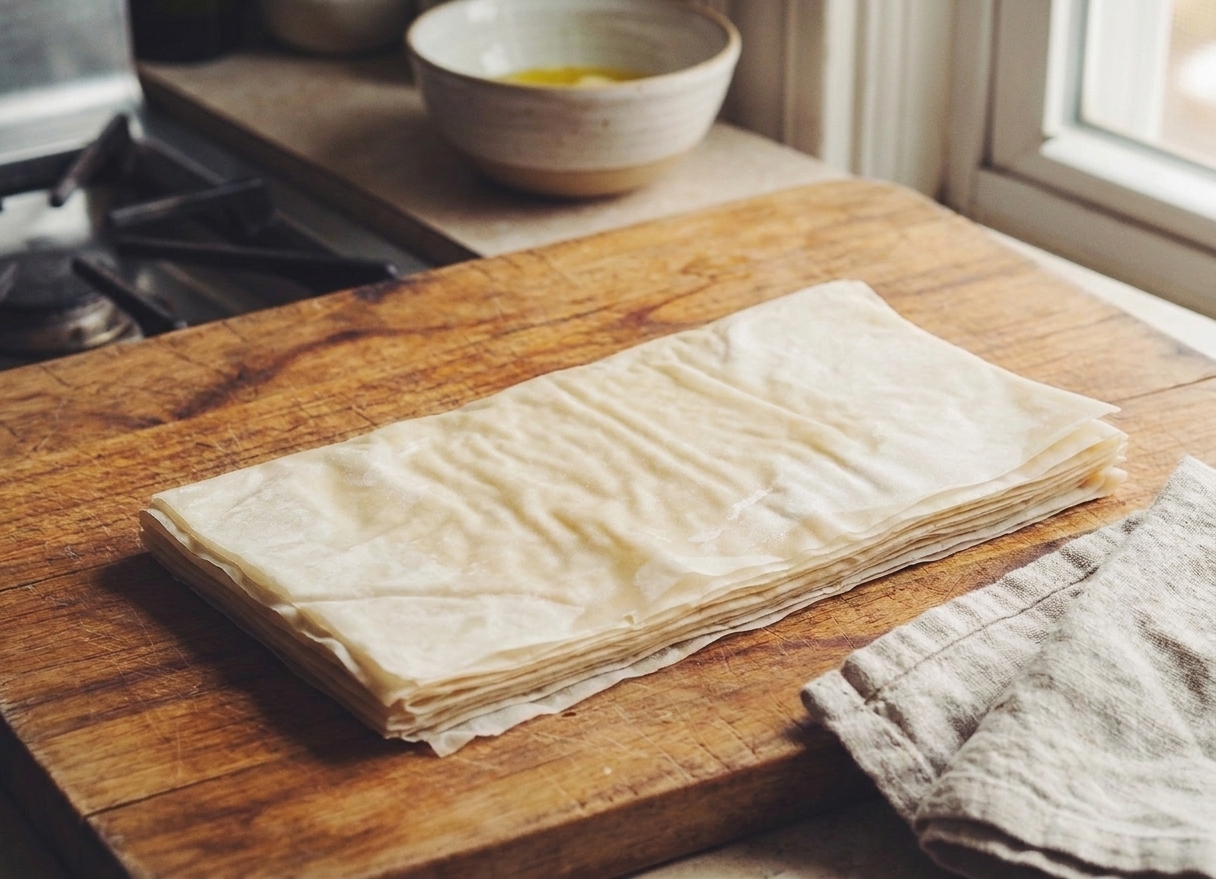
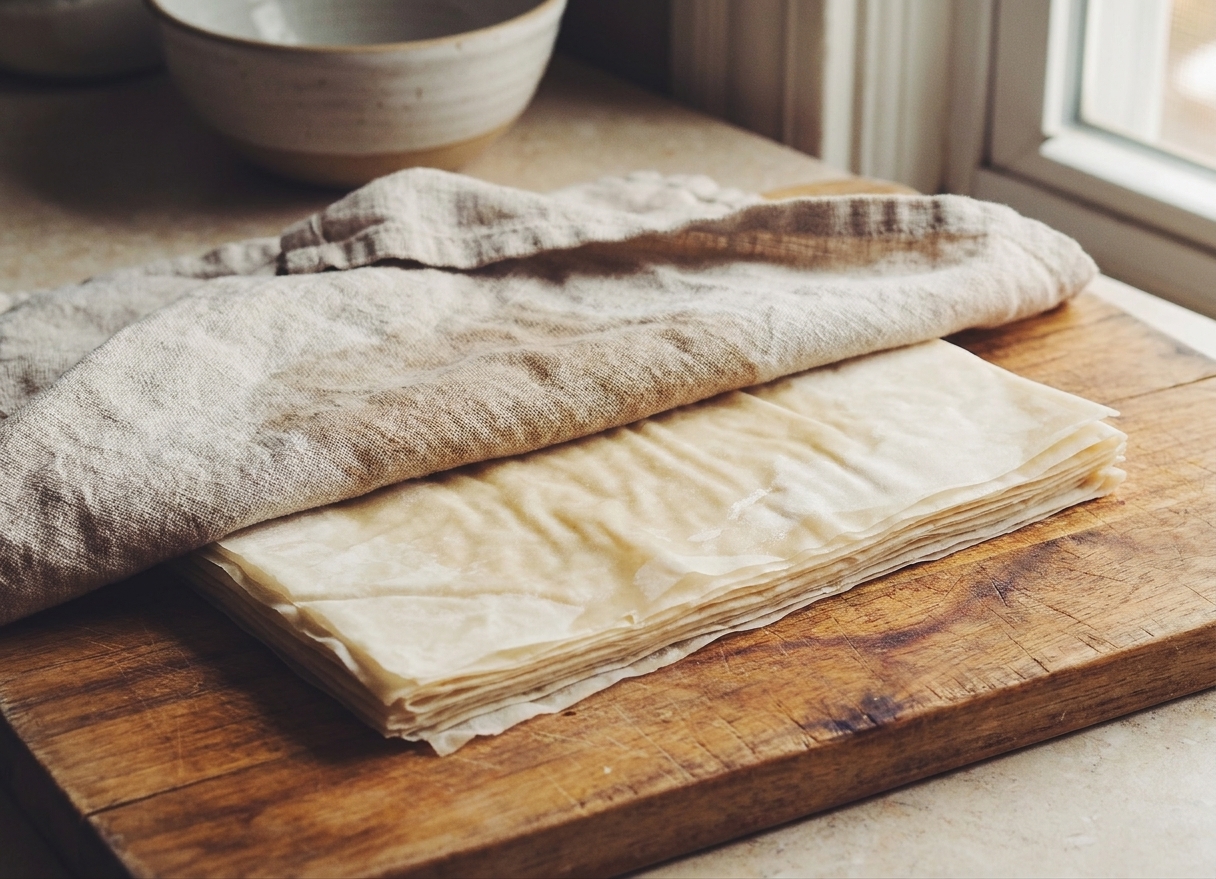
Stack of thawed phyllo dough sheets on a cutting board with a clean kitchen towel nearby on a bright kitchen counter

Why It Works

  • Shatter-crisp layers: Brushing each strip with butter or olive oil creates those flaky, golden sheets that make phyllo worth the fuss.
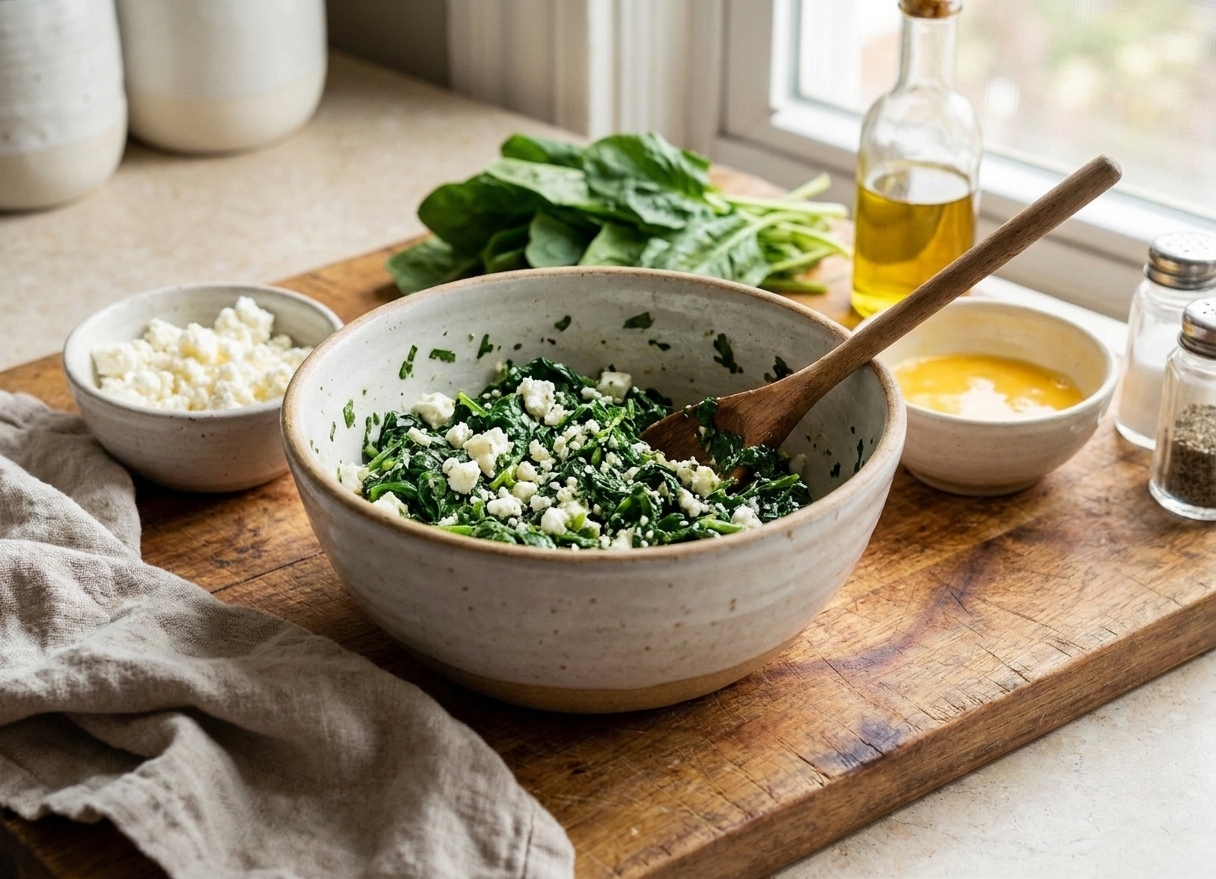
  • No soggy filling: We cook off moisture from the spinach and onions so the triangles stay crisp.
  • Phyllo that does not crack: You will keep the stack covered and work in small batches, which is the whole secret.
  • Freezer-friendly: Bake now or freeze unbaked triangles for future you, who deserves snacks.

Pairs Well With

Storage Tips

How to Store and Reheat

  • Fridge: Store baked triangles in an airtight container for up to 4 days. Put a paper towel in the container to catch condensation.
  • Reheat for crispiness: Oven or toaster oven at 375°F for 8 to 12 minutes until hot and re-crisped. Air fryer works too: 350°F for 4 to 6 minutes.
  • Freeze (best option): Freeze unbaked triangles on a sheet pan until firm, then transfer to a freezer bag. Bake from frozen at 375°F for 25 to 30 minutes.
  • Avoid the microwave: It will reheat them, yes. It will also make them sad and floppy.

Common Questions

Common Questions

What is phyllo dough, exactly?

Phyllo (also spelled filo) is a very thin, unleavened pastry dough used in Mediterranean and Middle Eastern baking. Think: lots of layers that bake up crisp and flaky once brushed with fat (butter or oil).

Do I thaw phyllo dough in the fridge or on the counter?

Thaw it in the fridge overnight in its package. Then let it sit at room temperature for 30 to 45 minutes before you open it. Counter-thawing straight from frozen tends to create condensation, which makes sheets stick and tear.

My phyllo keeps drying out. What am I doing wrong?

The stack needs to stay covered the whole time. Keep the sheets you are not using under a barely damp towel (wrung out very well, not wet), and pull out only a few sheets at a time. Also, phyllo dries faster near a hot stove, so set up your station away from active burners.

Can I use olive oil instead of butter?

Absolutely. Butter browns a bit deeper and tastes richer. Olive oil gives a lighter, savory vibe. Both make crispy layers. Use what you have.

Can I use fresh spinach instead of frozen?

Yes. Start with about 1 pound fresh spinach, sauté until wilted, then squeeze it very dry. You want roughly 10 ounces cooked-and-squeezed spinach, so add a handful more fresh spinach if yours cooks down to less. Moisture is the enemy of crisp phyllo.

Why did my triangles open while baking?

Usually one of three things: overfilling, not enough brushing (the layers do not “glue” together), or the seam was not tucked under. Place triangles seam-side down on the pan and do a final brush on top.

How much phyllo do I actually need for this batch?

Most of the time, you will use about half of a 1 pound box (roughly 12 to 16 sheets, depending on brand and sheet size). Check your package, because sheet counts vary. Keep the rest wrapped airtight and refrigerated, and use it within a couple of days.

Is the yield always exactly 36 triangles?

It depends on your phyllo sheet size and how wide you cut your strips. With common 13 x 18-inch sheets cut into 3-inch strips, you will land around 36 triangles. Smaller sheets may yield closer to 30, larger sheets can push you toward 40+.

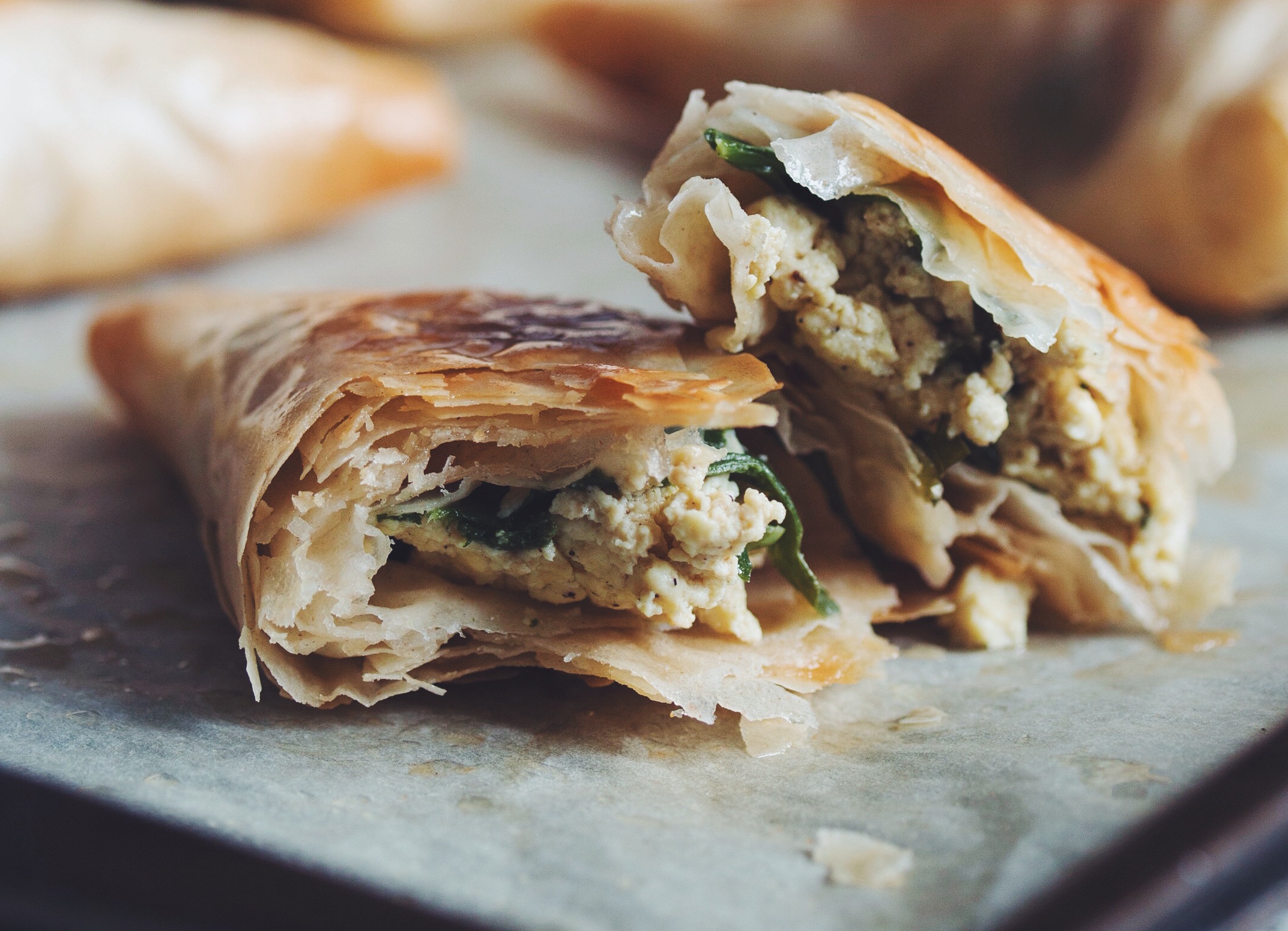
The first time I cooked with phyllo dough, I treated it like it was going to shatter if I looked at it wrong. So of course it did. Now I approach it like a friend who is a little high-maintenance but totally worth inviting over: keep it covered, keep moving, and do not overthink it. These triangles are my favorite payoff because they look impressive, but the process is basically: make a simple filling, fold like you are making little edible letters, and bake until your kitchen smells like a bakery that also knows how to season.