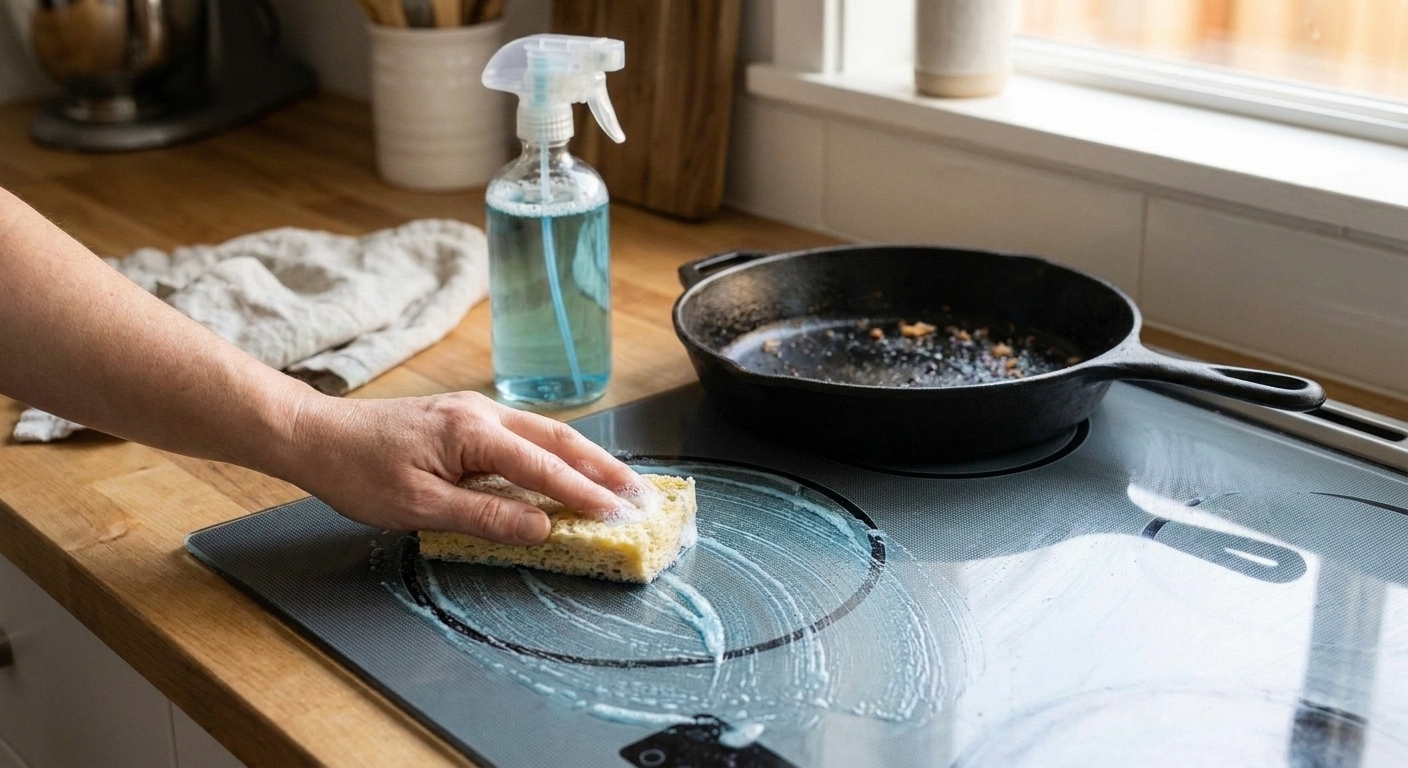
Is DIY Dawn Powerwash the same as the real one?
Not exactly. The store version uses specific surfactants and solvents designed for spray performance. This DIY version is a Powerwash-style degreasing spray that works really well for most home messes, but it is not a perfect chemical match.
What is the best ratio for a DIY Powerwash refill?
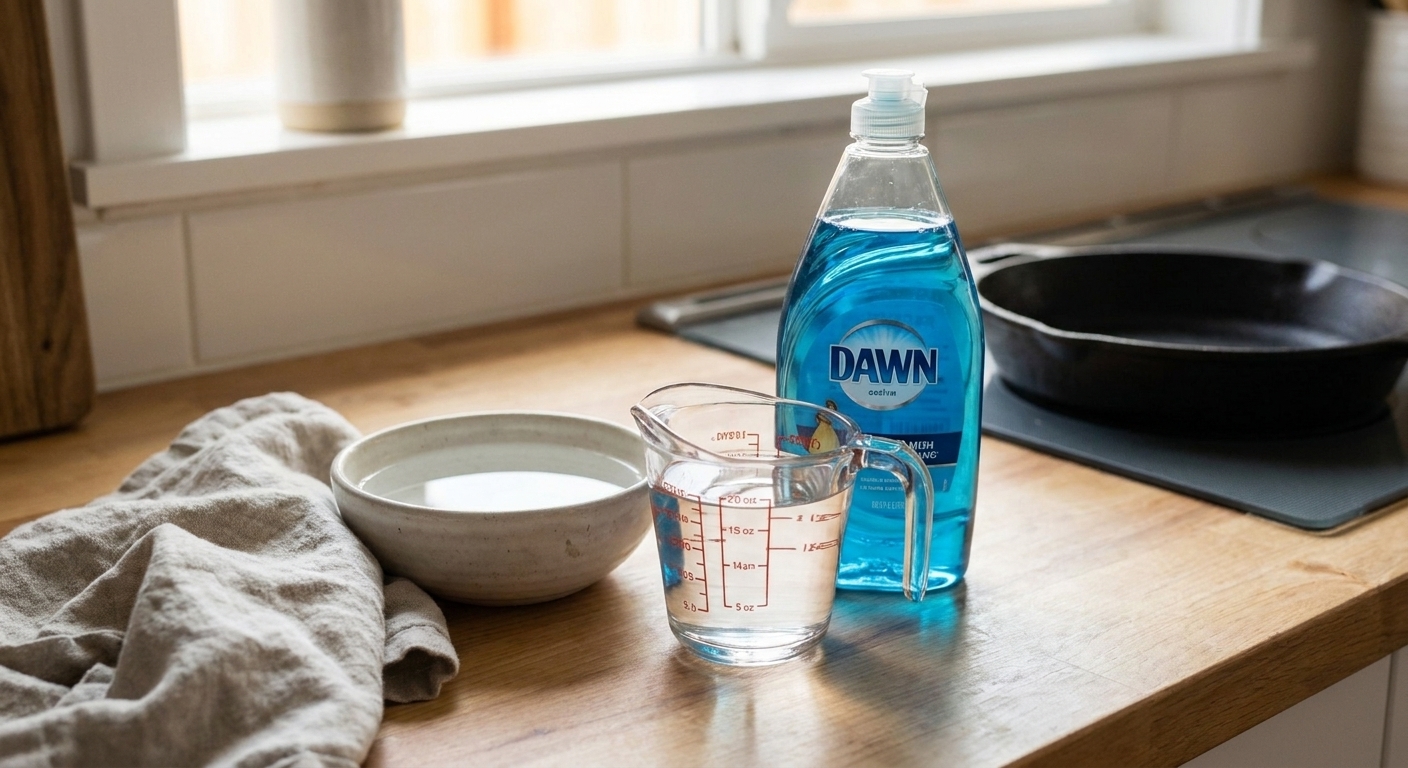
A reliable everyday ratio is:
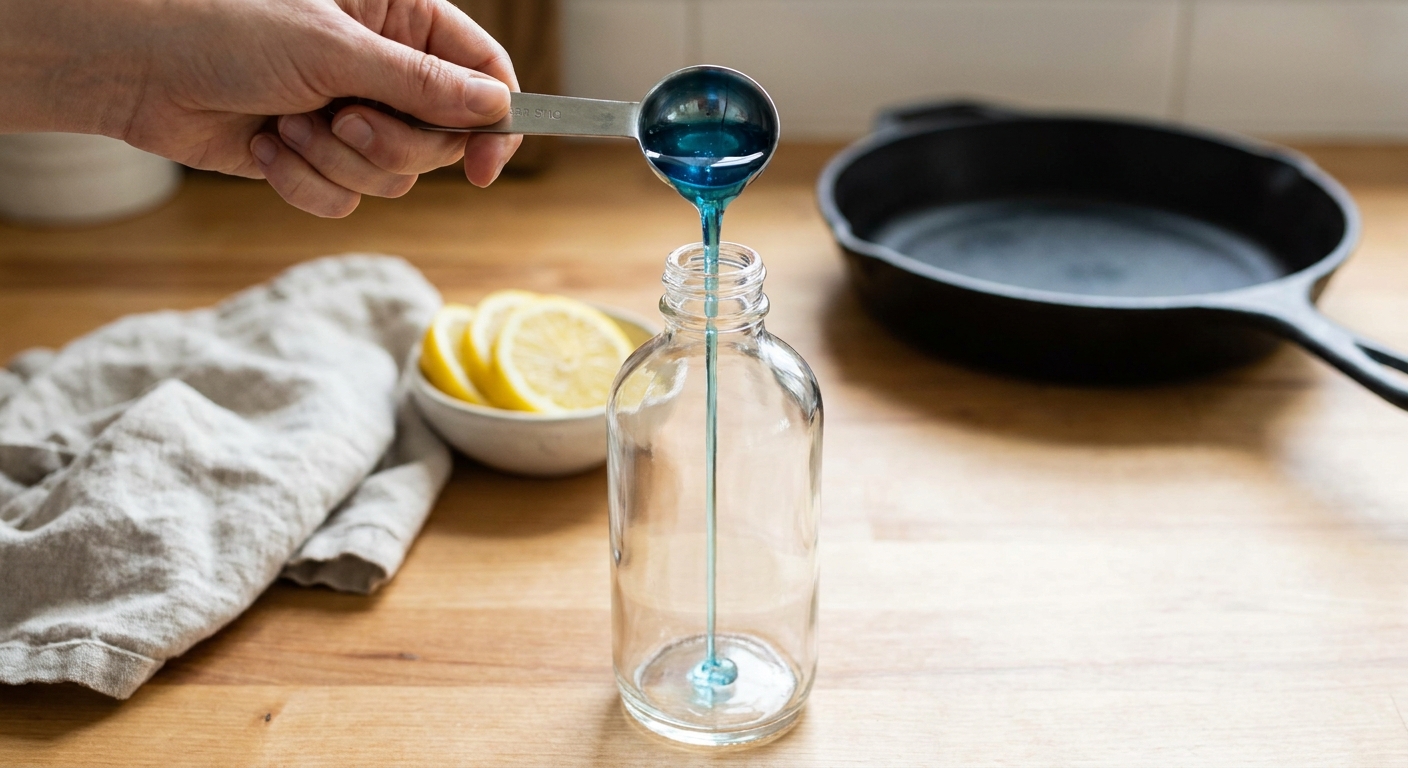
- 2 tablespoons Dawn
- 2 tablespoons rubbing alcohol (70% is common)
- 10 to 12 ounces warm water
This usually lands you in the sweet spot where it sprays nicely, clings to grease, and tends to rinse without leaving much soapy film.
Can I use 91% rubbing alcohol?
Yes. If you use 91%, you can slightly reduce the amount, or keep it the same and just be mindful on delicate surfaces. Either way, do a spot test if you are spraying something finished, painted, or unknown.
What should I NOT use this on?
- Natural stone like marble, granite, or soapstone, especially if unsealed. If sealed, use sparingly, do not let it sit, and rinse well.
- Unfinished wood or butcher block you have not sealed
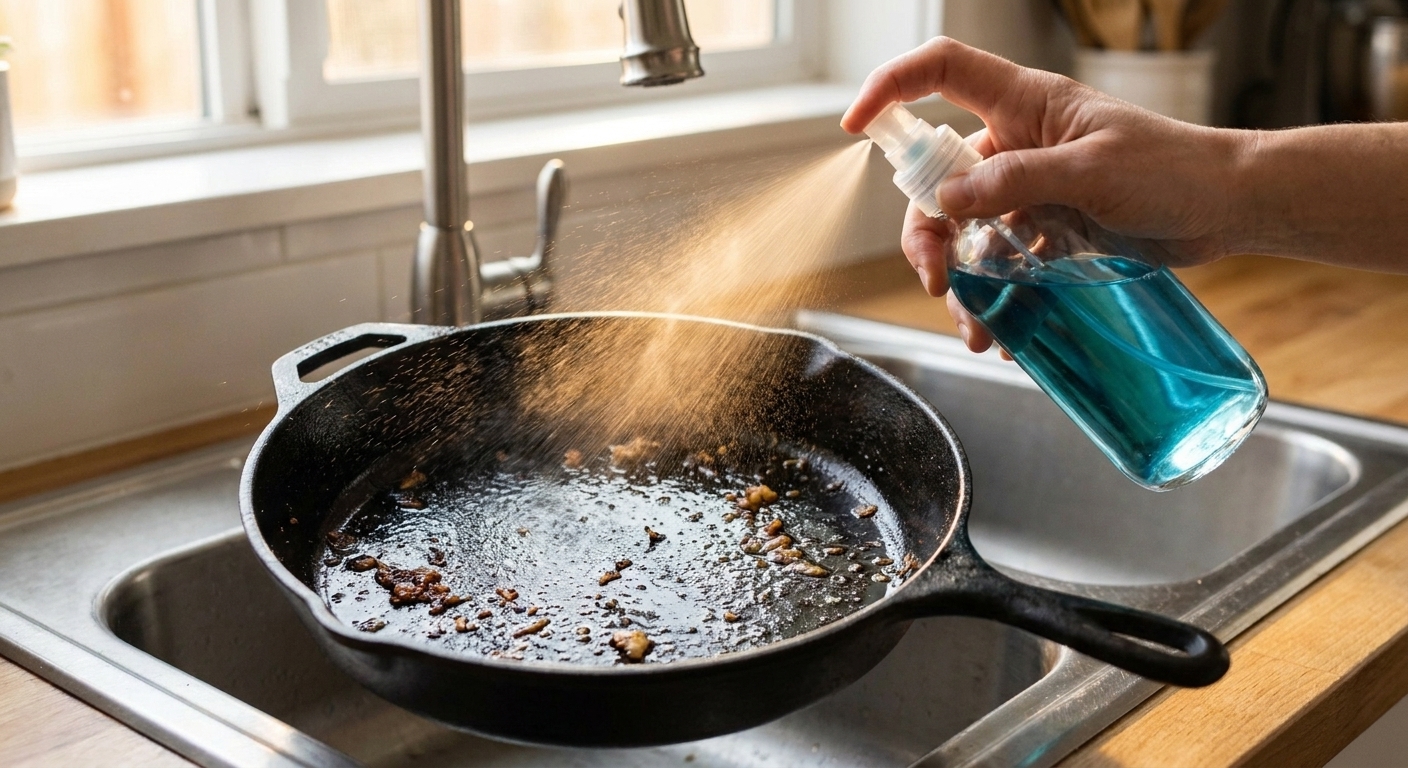
- Cast iron or carbon steel that you are trying to keep seasoned
- Some painted surfaces and specialty finishes
When in doubt, spot test and do not let it sit.
Is it safe for nonstick pans?
Generally yes for washing, but do not let it soak for a long time and avoid abrasive scrubbers. Spray, wait a minute, wipe, rinse.
Can I mix it with vinegar or bleach?
Skip both. Do not mix this with bleach, vinegar, ammonia, or random cleaners. This recipe is designed to work with just Dawn, rubbing alcohol, and water. If you are dealing with hard water buildup, use vinegar separately as a rinse or wipe, then rinse with water, rather than combining it in the bottle.
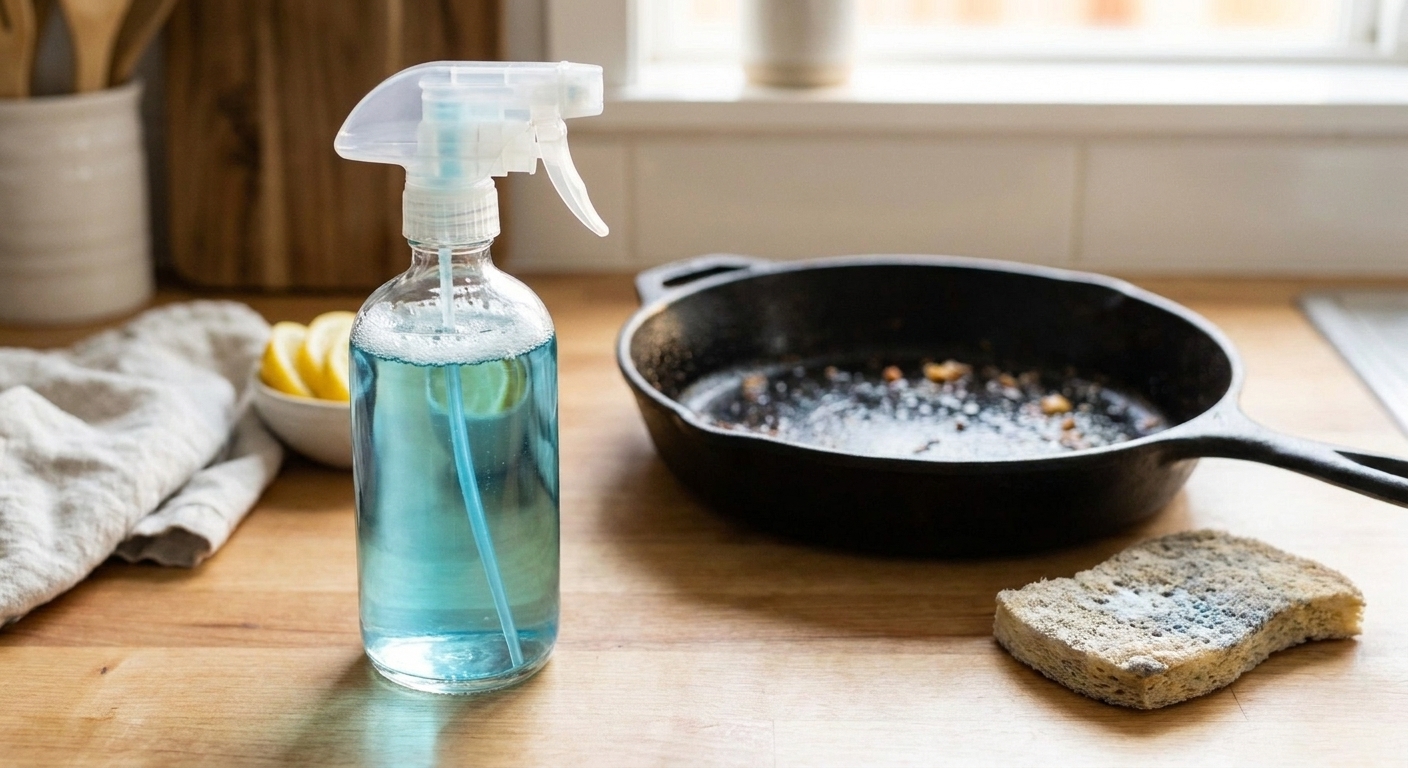
How do I keep it from being too foamy or not spraying well?
If it is too foamy or clogs the sprayer, use a little less soap next time and mix by gently swirling, not shaking. If it feels weak, let it sit on the grease for 30 to 60 seconds, use warmer wash water, or bump the soap up slightly.