Mom's Best Recipes
Recipe

Dolmades (Greek Stuffed Grape Leaves)

Classic Greek dolmades with a lemon, dill, and scallion rice filling, rolled snug and simmered until tender and glossy.

Author By Matt Campbell
4.8
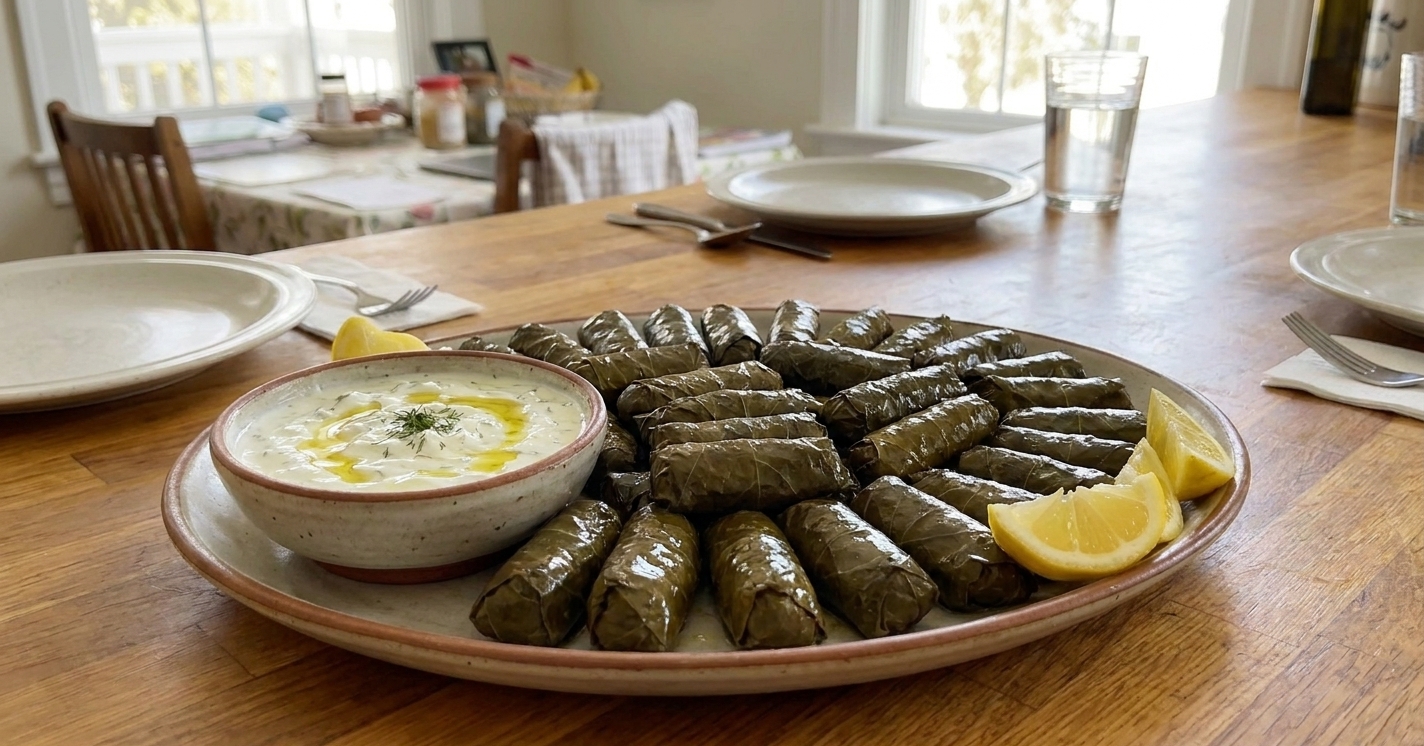
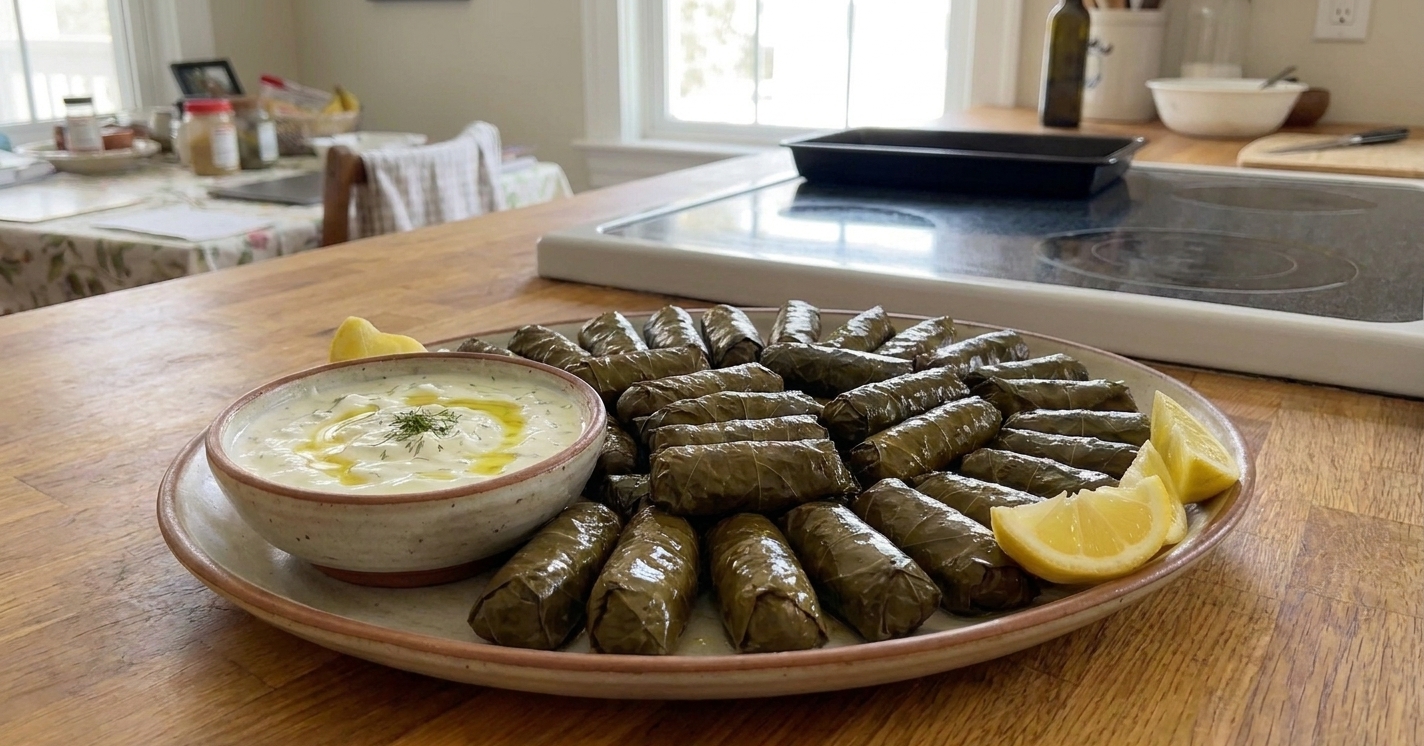
A platter of glossy Greek dolmades arranged in a circle with lemon wedges and a small bowl of yogurt sauce on a warm-toned kitchen table

Dolmades are one of those foods that feel fancy until you actually make them. Then you realize it is mostly: scoop, roll, repeat, snack one for quality control, repeat again. The payoff is huge. Tender grape leaves, a bright lemony bite, and that cozy, herby rice center that tastes even better after a night in the fridge.

This is the classic vegetarian Greek style, often called dolmades yalantzi (you may also see it spelled yalantzi or yalanci depending on the source): rice, loads of fresh herbs, olive oil, and a gentle simmer that turns everything silky. No drama, no rare ingredients, just a little kitchen rhythm.
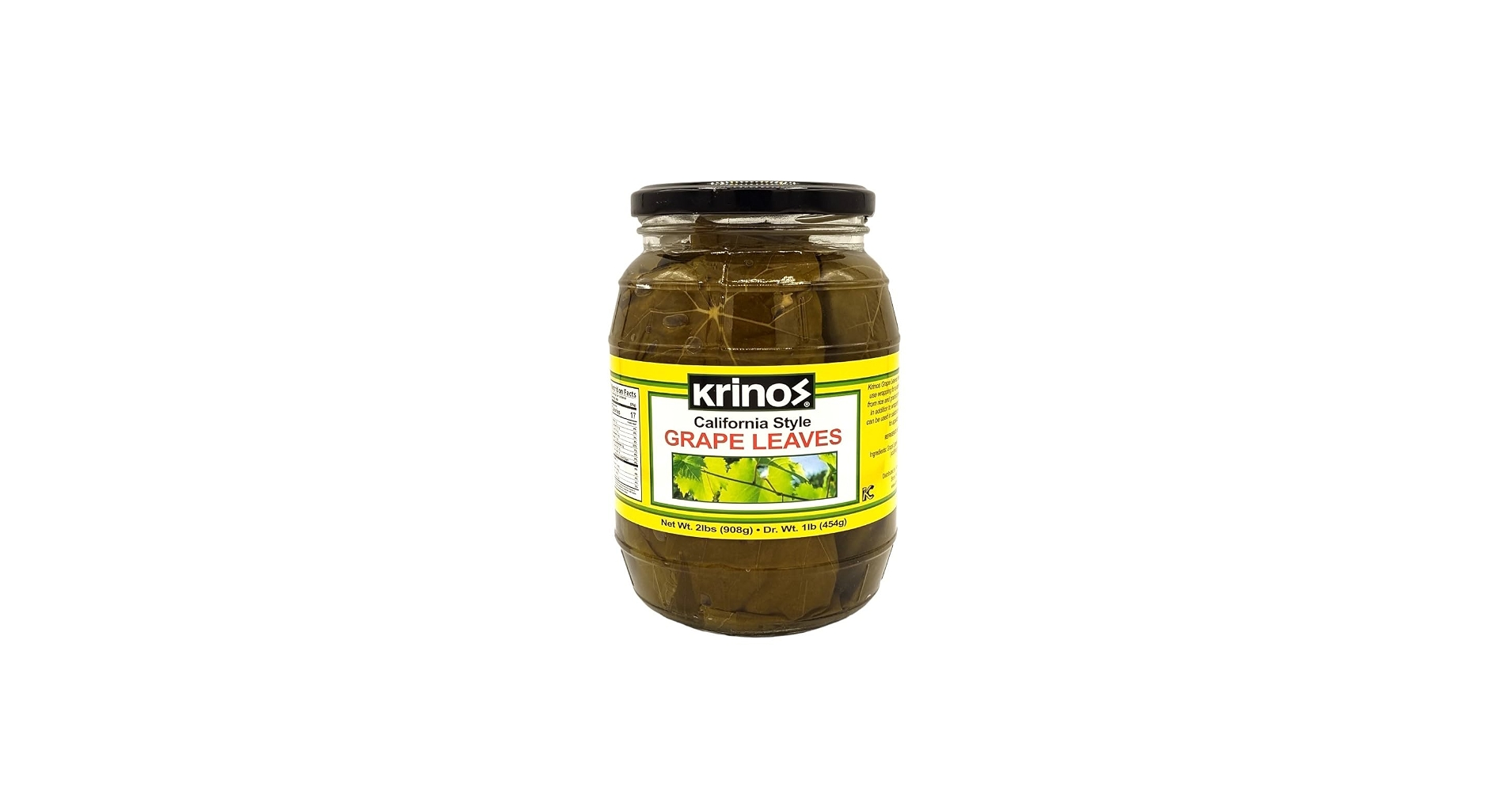
A kitchen counter with jarred grape leaves, fresh dill and parsley, lemons, onions, rice, and olive oil laid out for dolmades

Why It Works

  • Bright, not sour: in this method, most of the lemon goes into the pot, so the flavor stays clean and balanced.
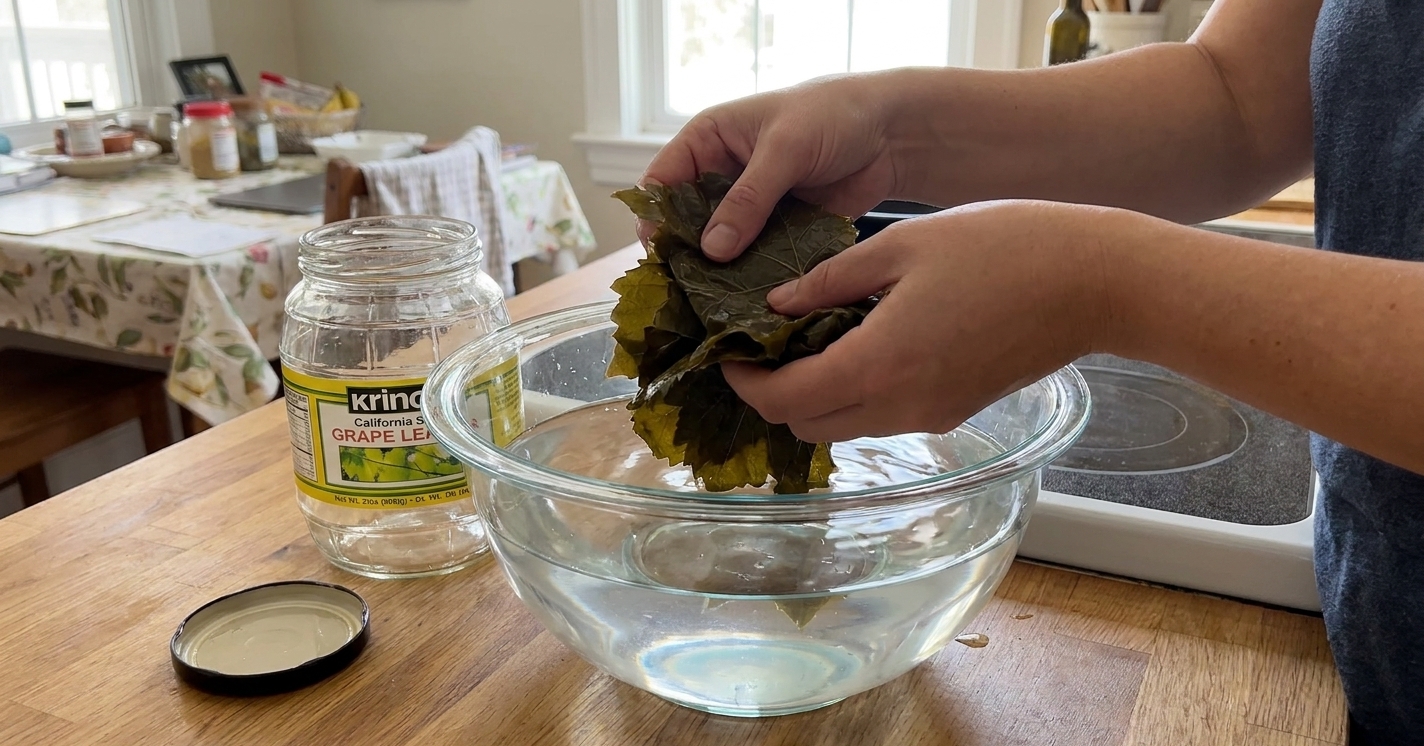
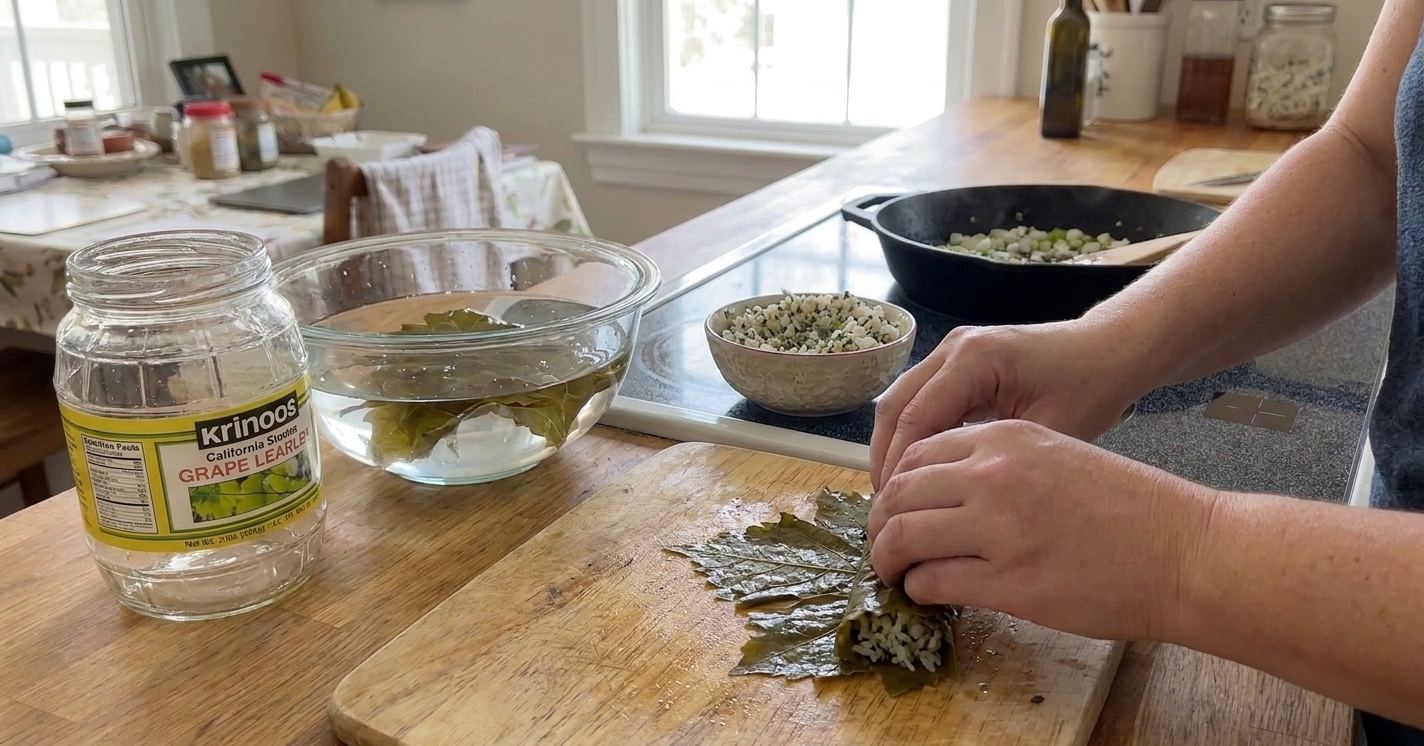
  • Tender leaves without ripping: a quick rinse and careful de-stemming makes rolling easy and prevents salty, briny dolmades. If the leaves are stiff, a quick blanch helps.
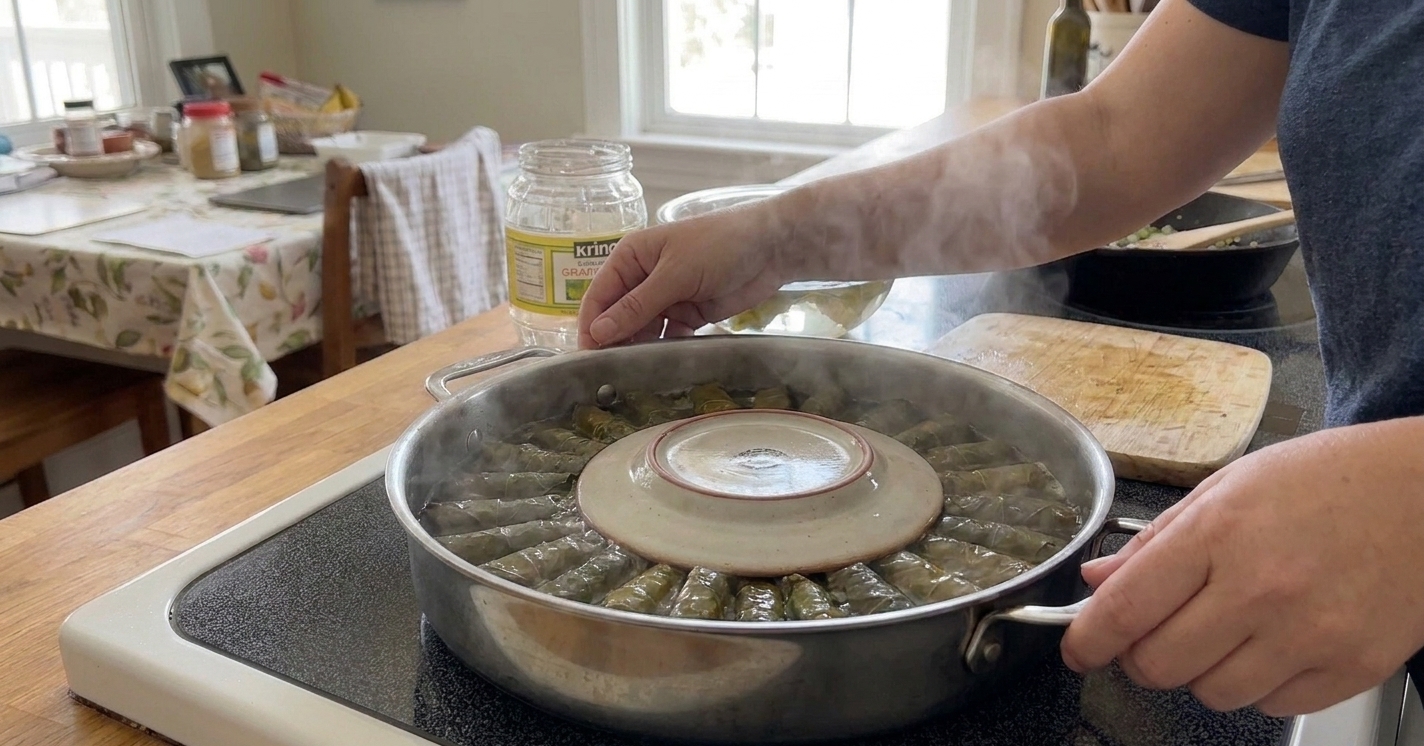
  • Cozy texture: the rice cooks in the pot, soaking up lemony olive oil broth while staying pleasantly fluffy.
  • Make-ahead magic: like a good pasta salad, these get better as they chill.

Pairs Well With

Storage Tips

Refrigerator: Store dolmades in an airtight container with a splash of their cooking liquid. Refrigerate up to 4 to 5 days.

Best way to serve leftovers: They are great cold or cool room temp. If you want them warm, heat gently with a spoonful of liquid in a covered skillet over low heat. Avoid blasting them in the microwave or the rice can get tough.

Freezing: You can freeze them, but the texture softens. Cool promptly, then freeze in a single layer until firm and transfer to a container with parchment between layers. For best quality, use within 2 to 3 months. Thaw overnight in the fridge.

Common Questions

Are dolmades Greek or Turkish?

Both traditions have versions, plus plenty of neighboring cuisines. This recipe leans Greek with lots of dill, parsley, and lemon in an olive oil simmer.

Do I need fresh grape leaves?

Nope. Jarred grape leaves are the weeknight-friendly move. Just rinse well and trim any tough stems.

Should I blanch jarred grape leaves?

Usually, a thorough rinse is enough. But if your leaves feel very stiff or thick, blanch them 30 to 60 seconds in simmering water, then drain and pat dry. It makes rolling easier and helps them turn tender.

Why did my dolmades fall apart?

Usually one of three things: you overstuffed, you rolled too loose, or they boiled too hard. Aim for a snug roll and keep the pot at a gentle simmer.

How many grape leaves are in a jar?

It varies a lot by brand. For this batch, plan on about 45 to 55 leaves. Leaf size changes the yield too. If you run short, you can stuff the extra filling into a bell pepper or tomato and simmer it alongside.

Can I add meat?

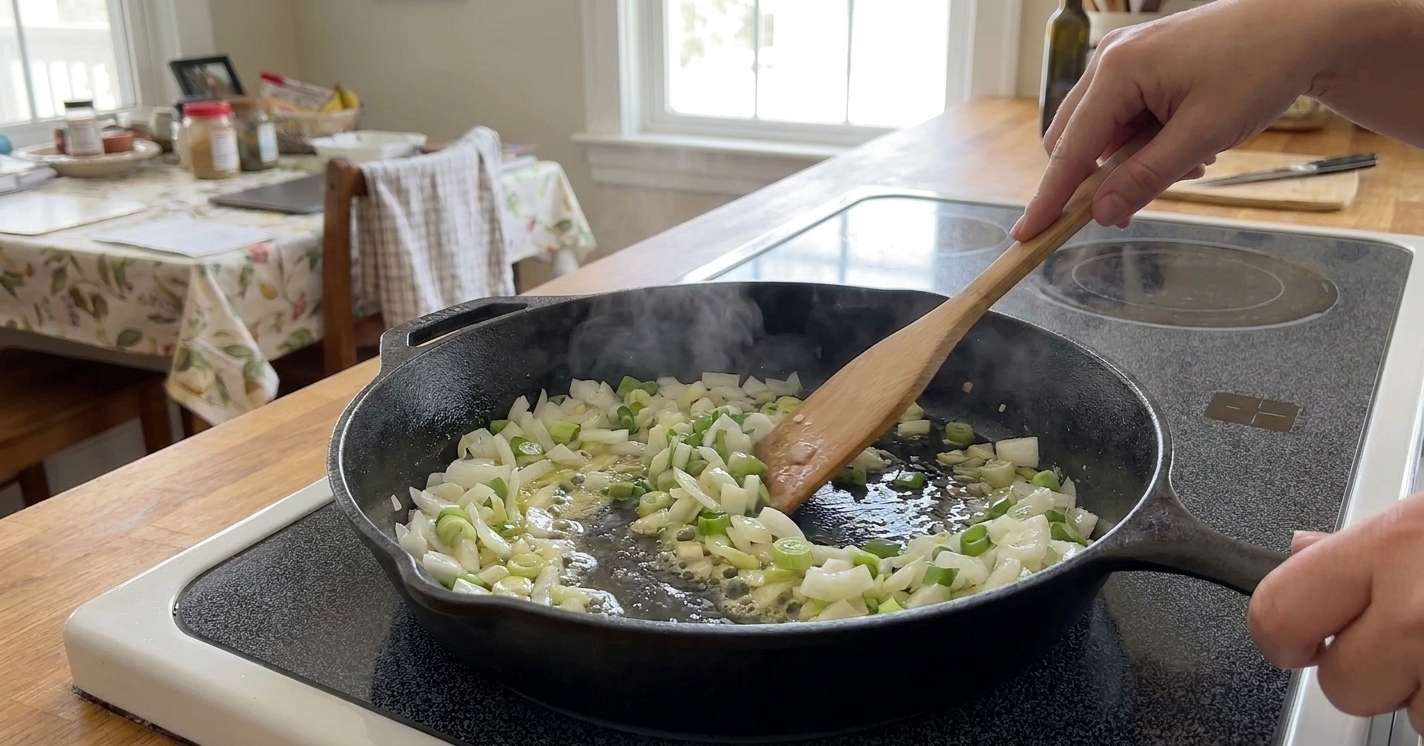
Yes. Add 8 ounces ground lamb or beef to the filling and reduce rice to 3/4 cup. For best results, sauté the meat with the onions until it loses its pink color, then continue the recipe. Keep the pot at a gentle simmer and cook until the rice is tender and the meat is fully cooked.

The first time I made dolmades, I treated it like a big, serious project. Mise en place. Deep focus. Absolute silence. Then about ten rolls in, I realized this is not that kind of food. Dolmades are a hangout recipe. Put on something you like, grab a cutting board, and roll. When the pot finally opens and that lemon and dill steam hits your face, it feels like you just pulled off a magic trick with pantry ingredients.