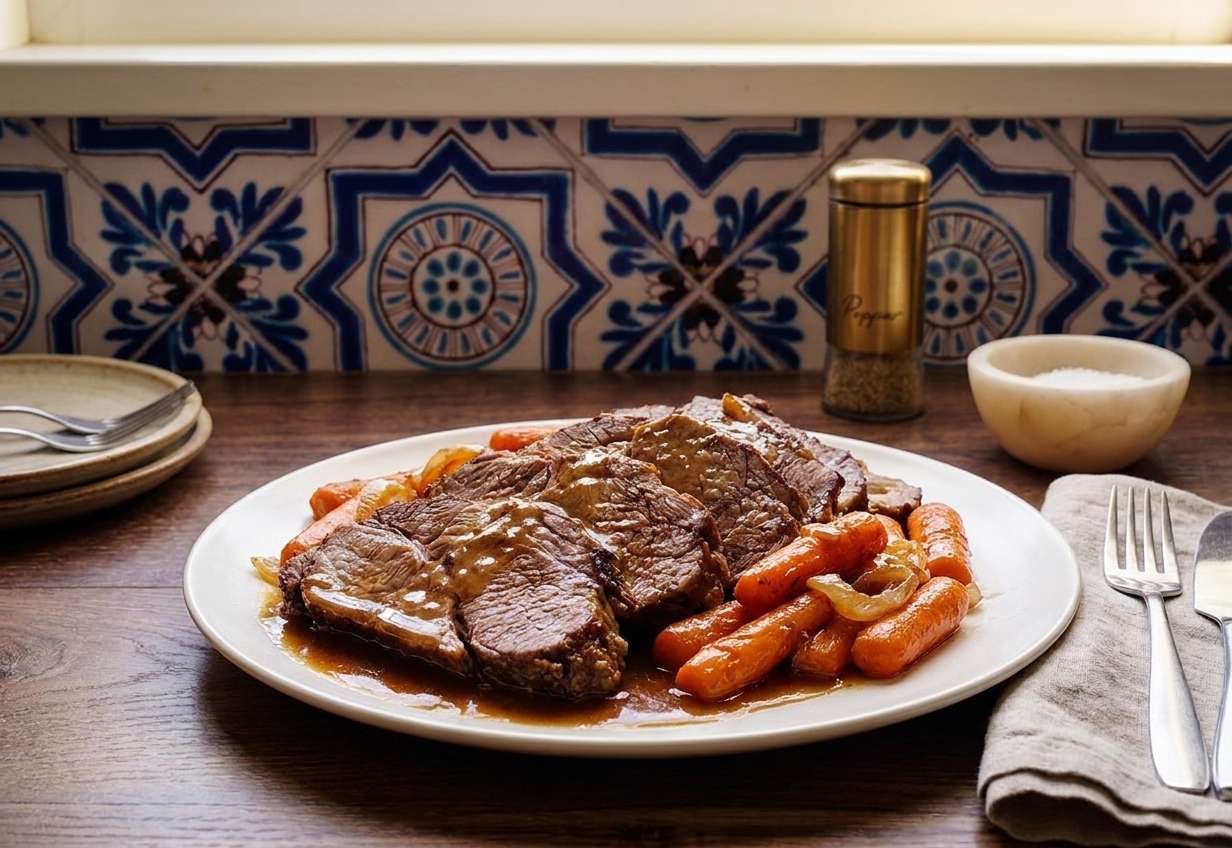
What cut of beef is best for Donna’s pot roast?
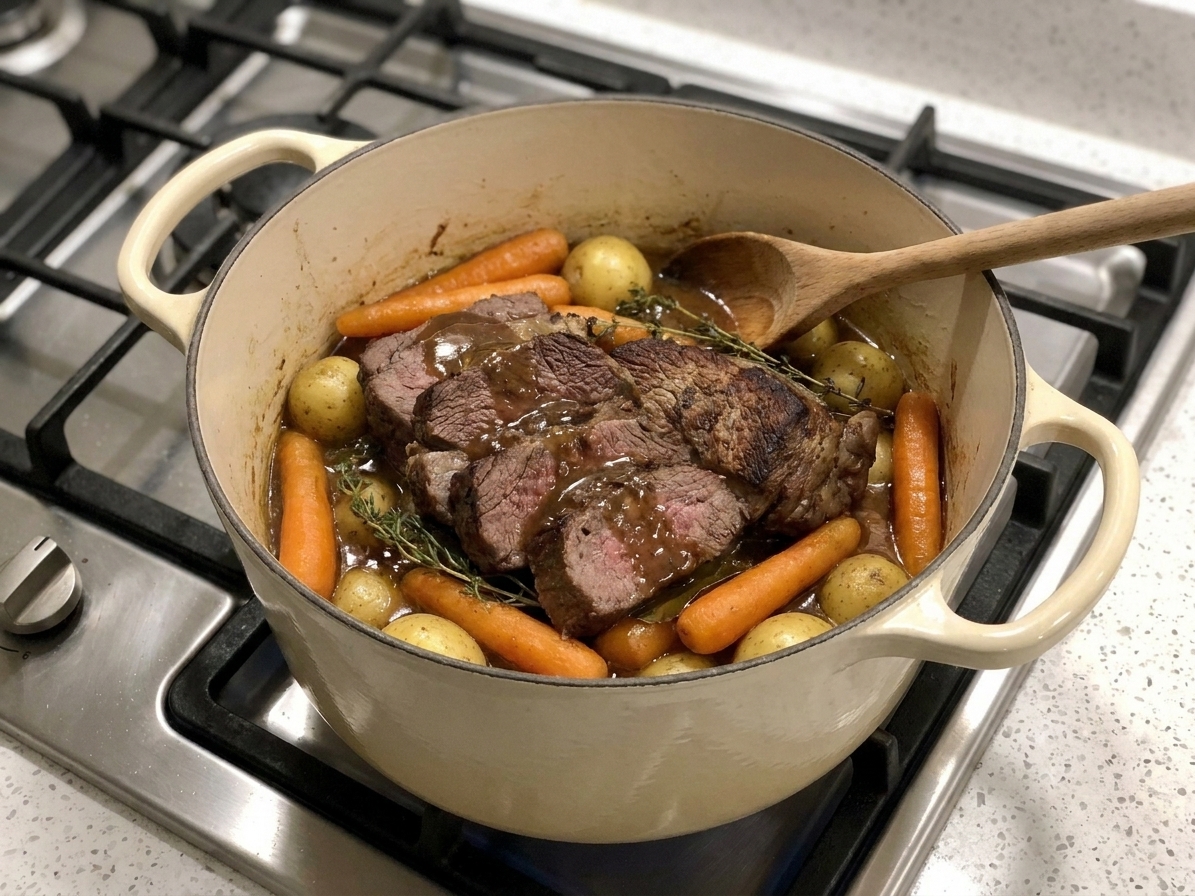
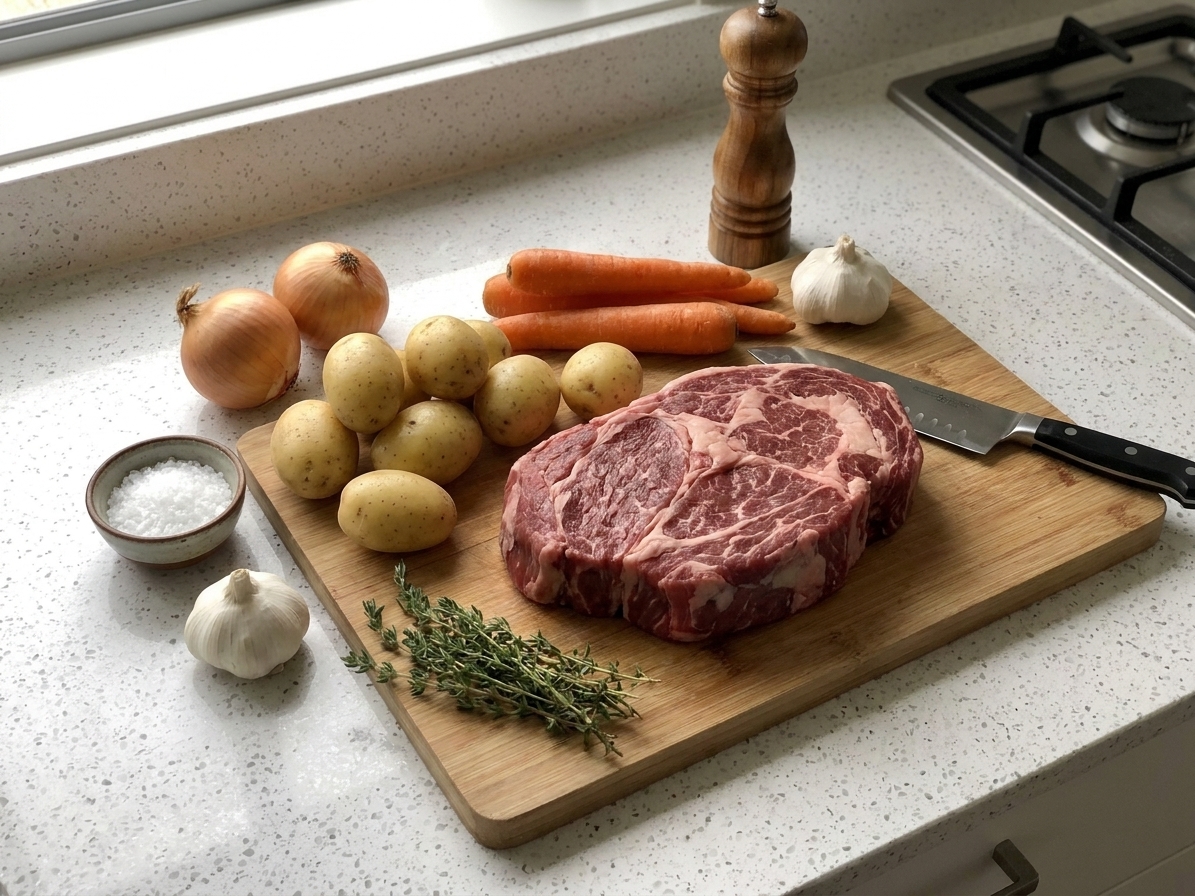
Chuck roast is the move. It has enough fat and connective tissue to turn buttery after a long braise. Bottom round can work, but it will be leaner and less forgiving.
Do I have to sear the roast?
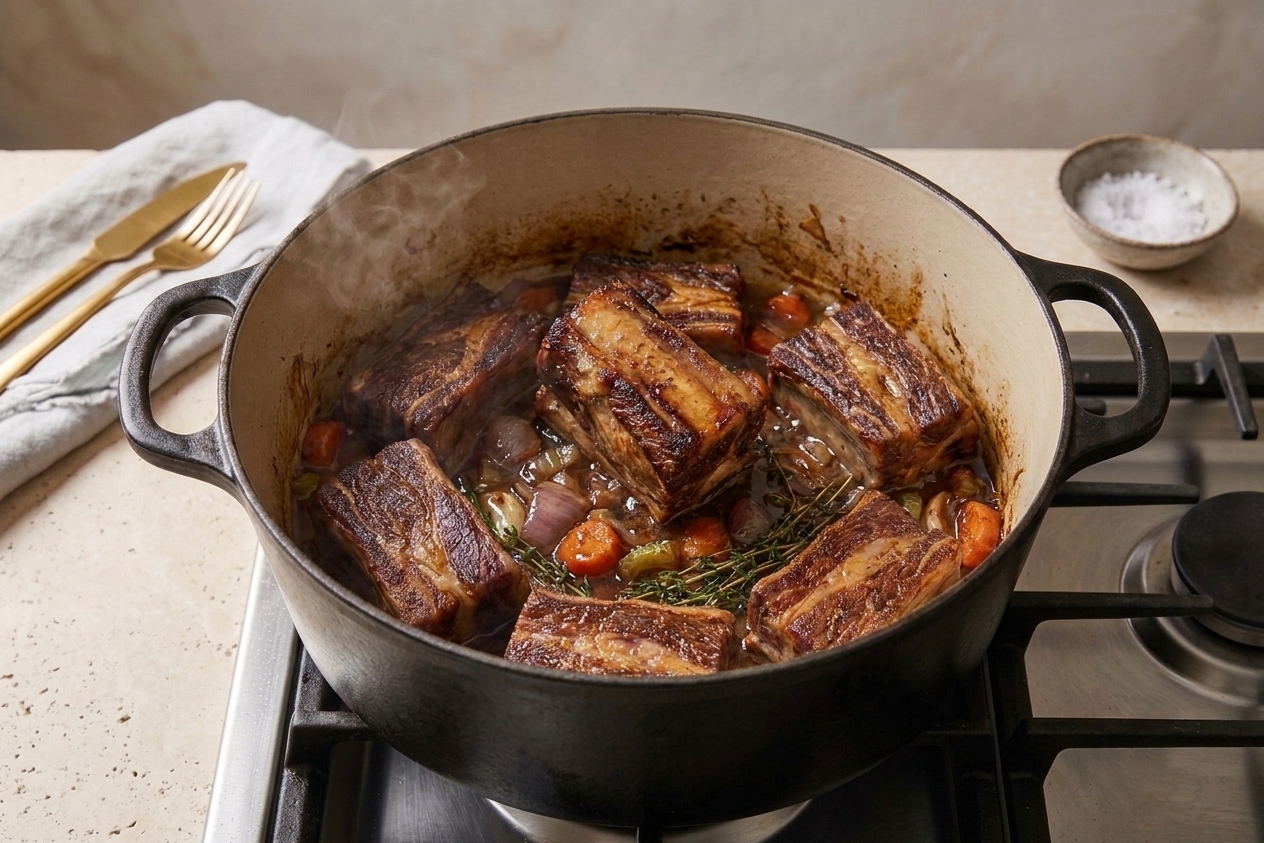
You can skip it, but you will miss the deeper flavor. The sear builds a browned crust and leaves tasty bits in the pot that become your gravy’s personality.
My pot roast is tough. What did I do wrong?
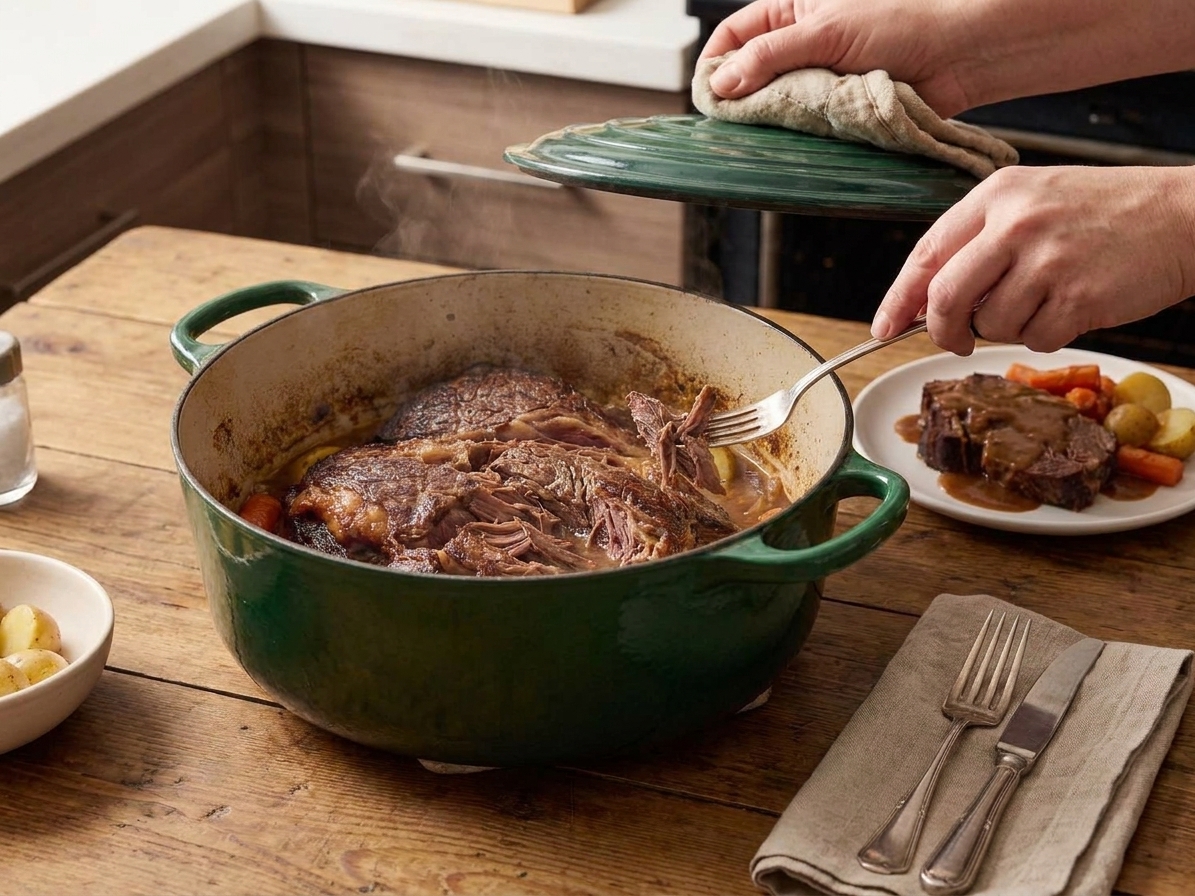
Usually it just needs more time. Tough-but-juicy means the connective tissue has not fully melted yet, so keep braising and check every 20 to 30 minutes.
If it is tough and dry, that is your cue to check two things: the oven temp (keep it at 300°F) and the liquid level. Make sure the pot stays covered and add a splash of broth if things look dry.
How much liquid should be in the pot?
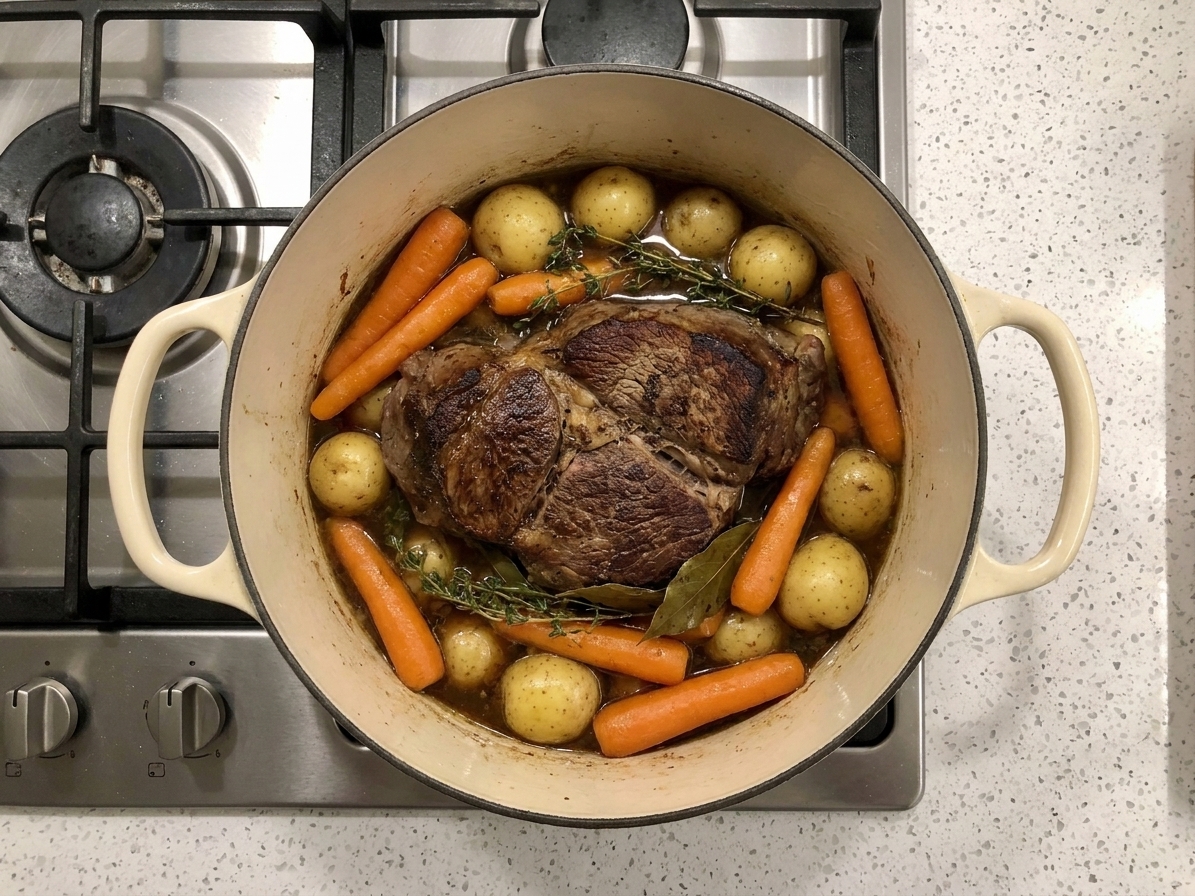
You want the broth to come about 1/3 to 1/2 of the way up the roast, not submerge it. If your pot is wide or your roast sits tall and dry, add an extra 1/2 to 1 cup broth as needed. At the 2-hour mark, take a quick peek and add a splash if the pot looks dry.
Can I make this in a slow cooker?
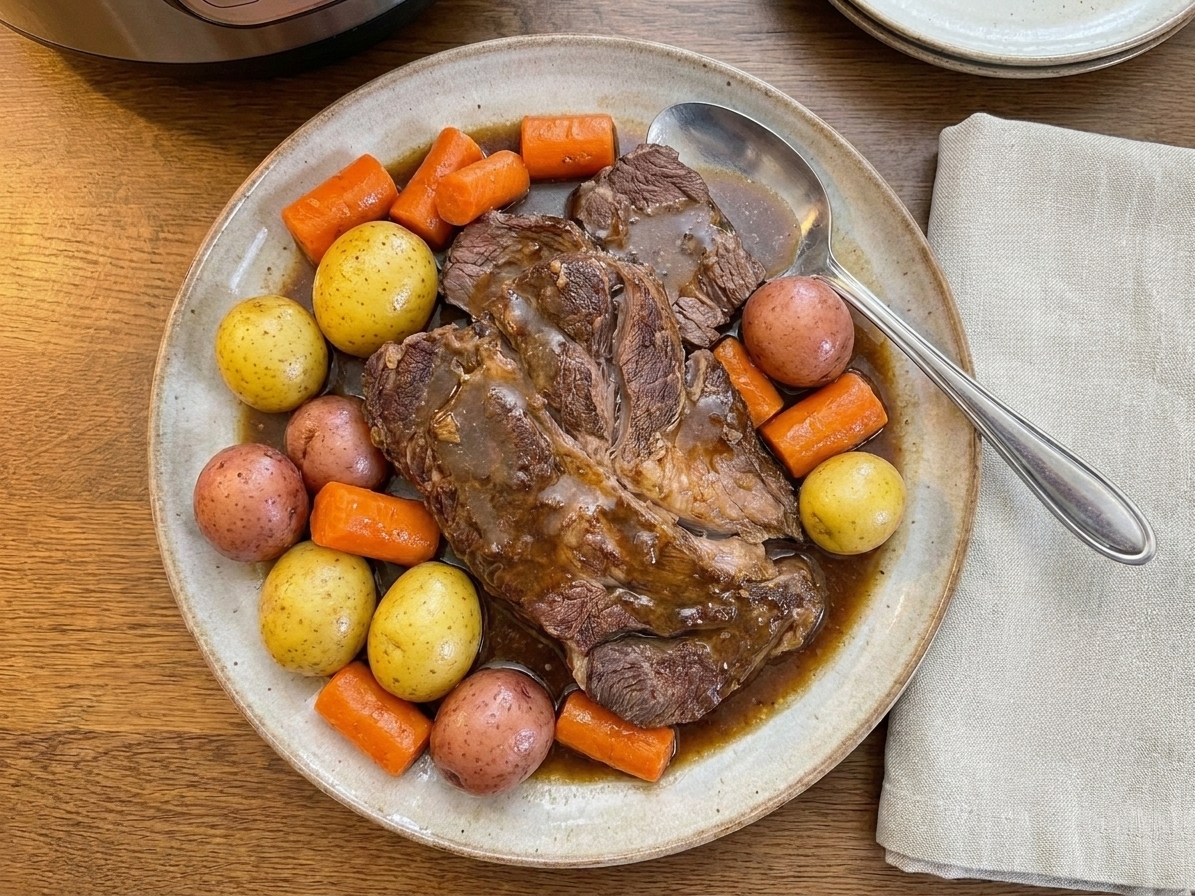
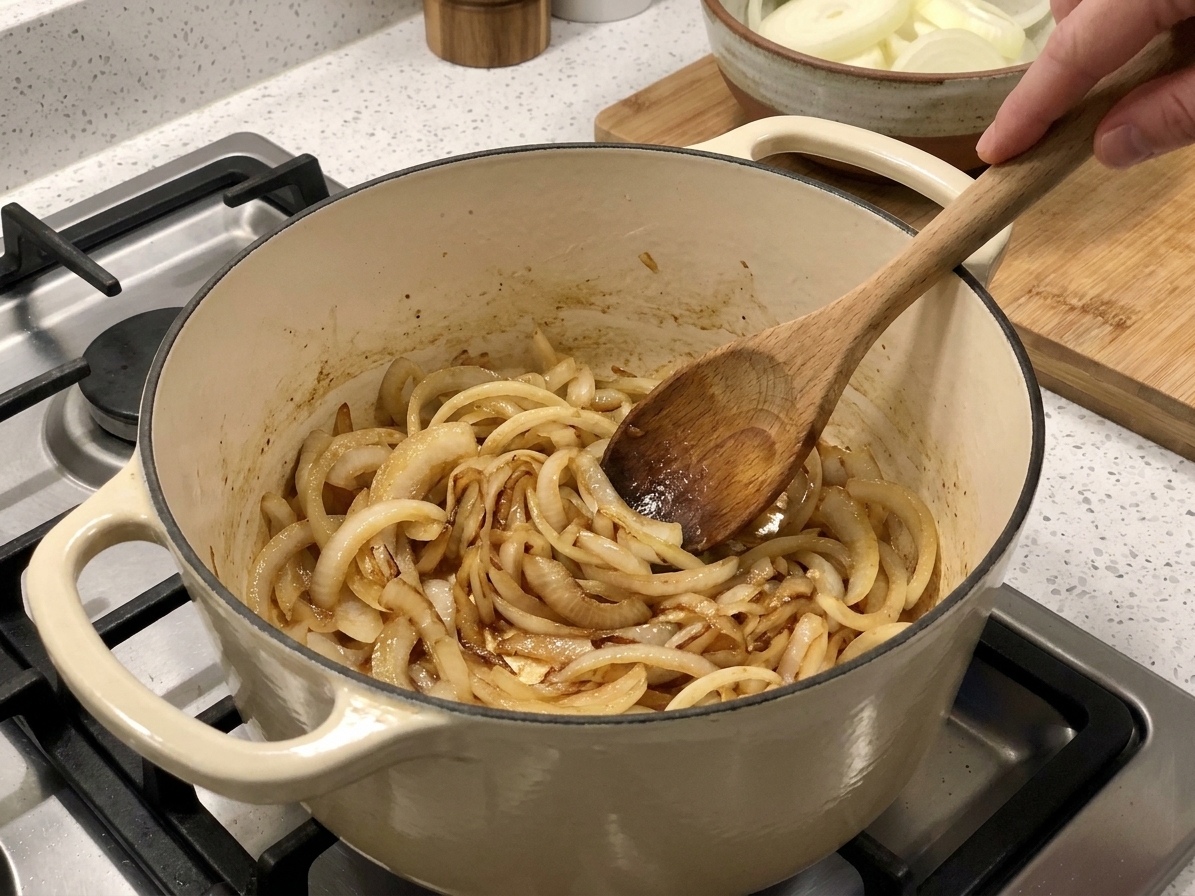
Yes. For best flavor, still sear the roast and soften the onions in a skillet first, then transfer everything to a slow cooker. Cook on low 8 to 9 hours or high 4 to 5 hours.
Add potatoes and carrots for the last 4 to 5 hours on low (or last 2 to 3 hours on high). If you cut the veggies larger, they will need the longer end of that range.
How do I thicken the gravy if it is too thin?
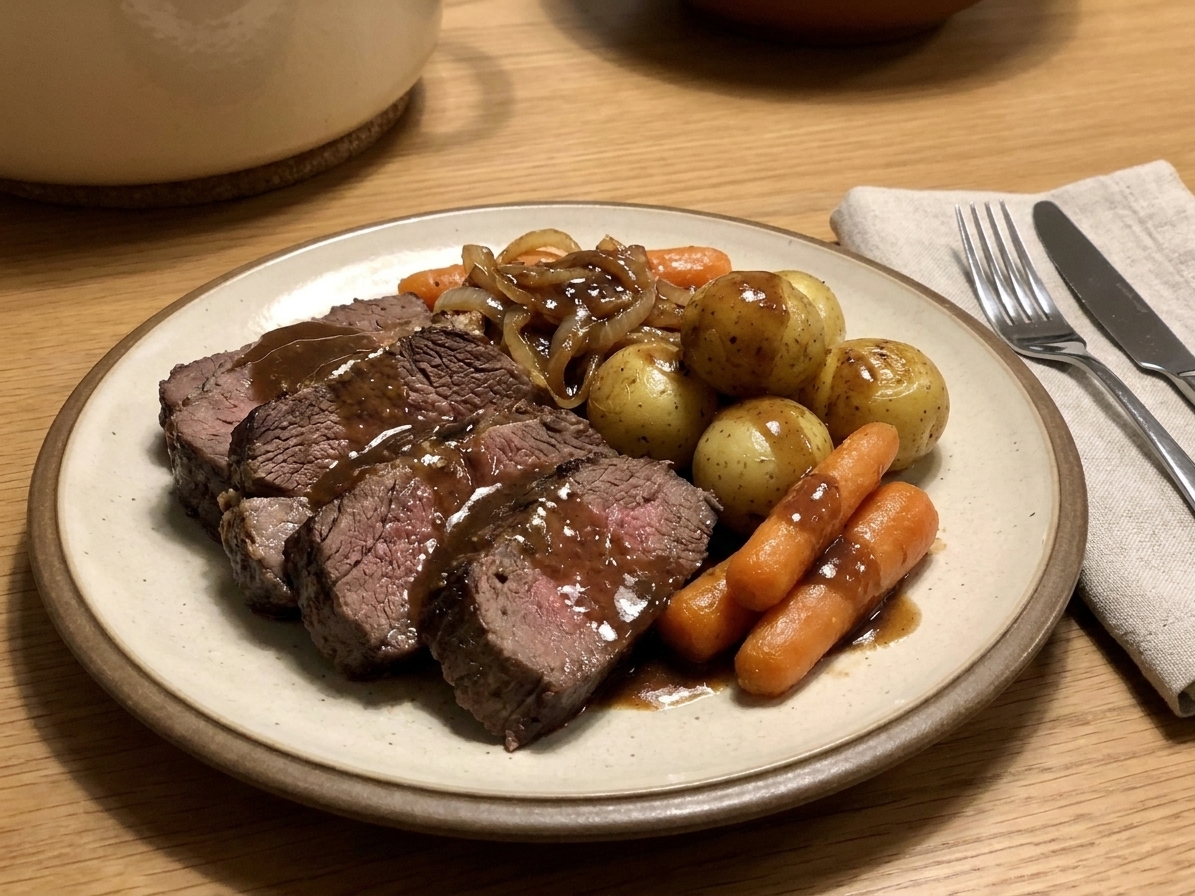
Simmer uncovered on the stove for 10 minutes. If it still needs help, whisk 1 tablespoon cornstarch with 1 tablespoon cold water, then stir it into simmering gravy a little at a time until it thickens.
How do I fix gravy that is too salty?
Dilute with a splash of unsalted broth or water, then simmer for a few minutes and taste again. Adding an extra cooked potato can mellow the perceived saltiness, but think of it as a helper, not a magic eraser.