Mom's Best Recipes
Recipe

Easy Chicken Lo Mein

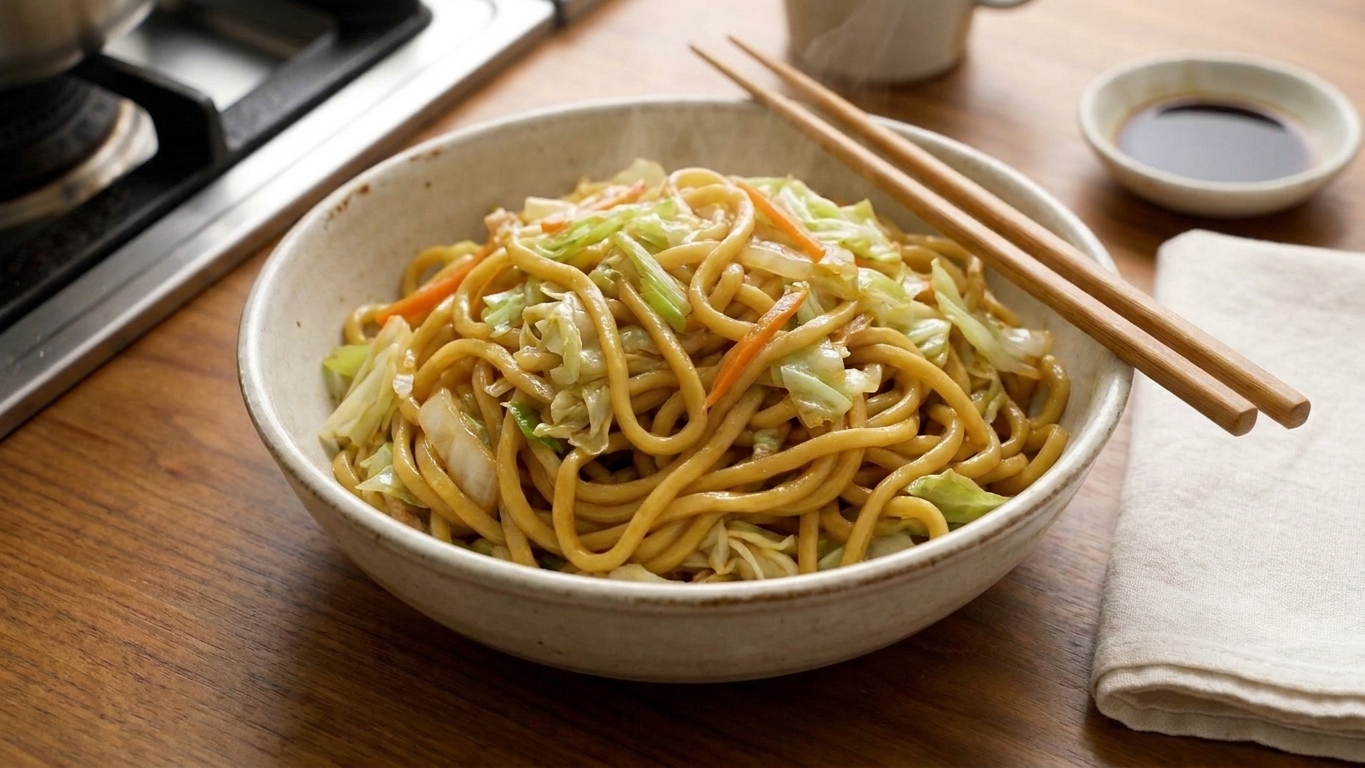
Glossy noodles, crisp veggies, and tender chicken in a fast, punchy sauce you can pull off on a weeknight.

Author By Matt Campbell
4.8
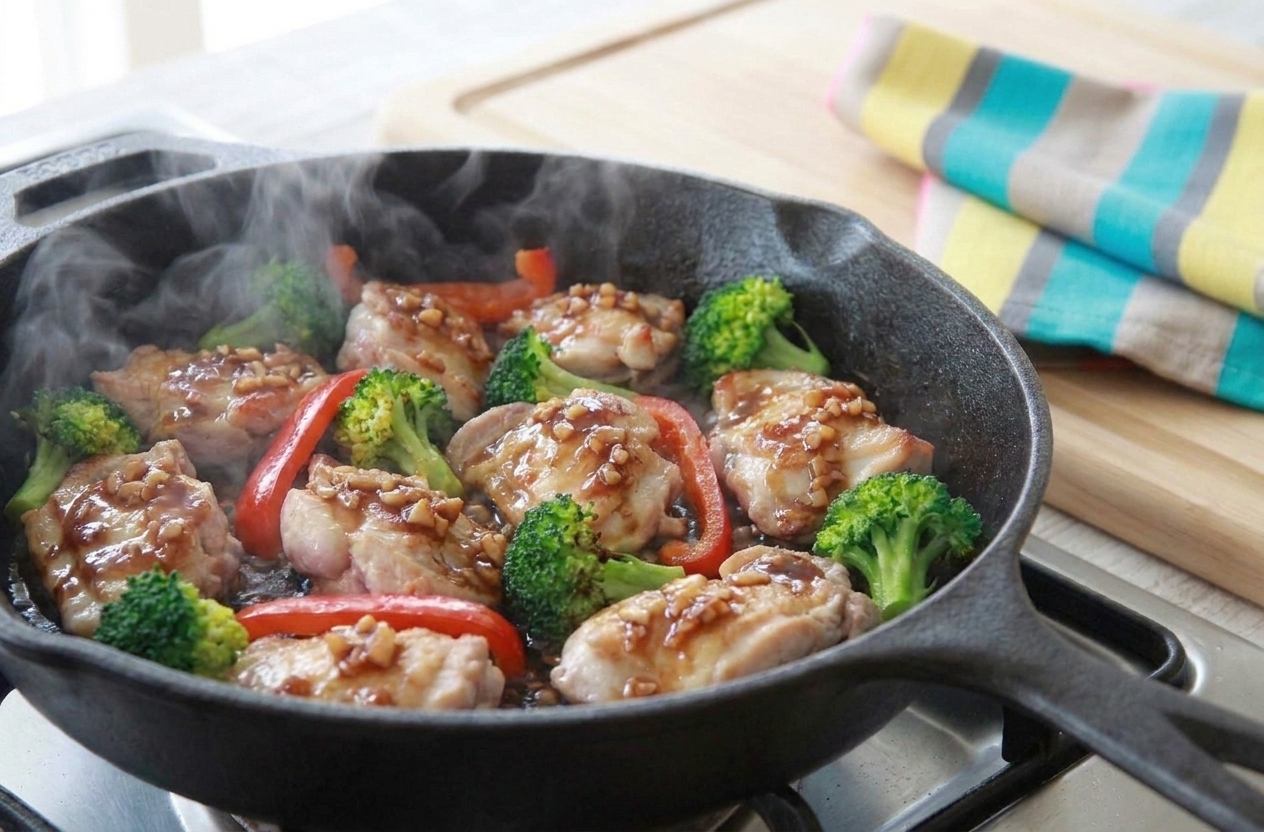
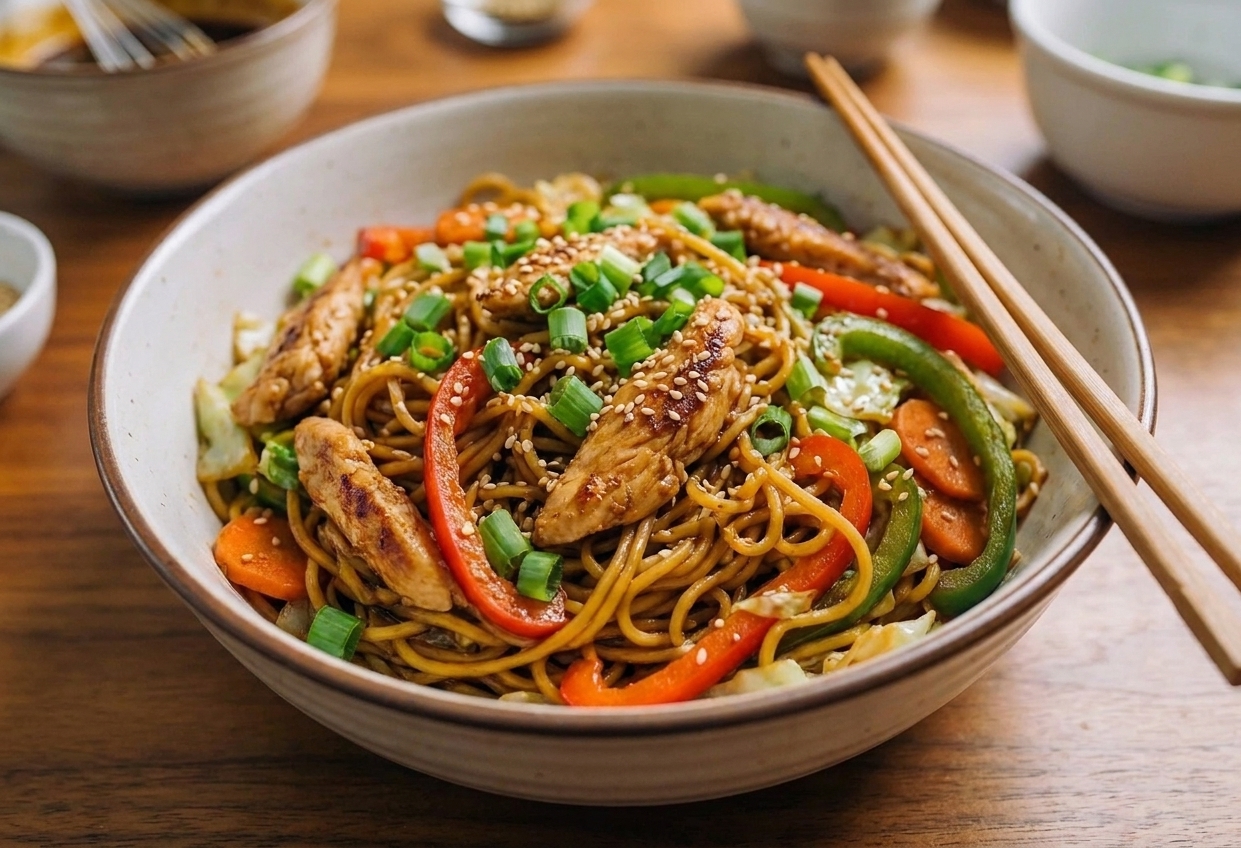
A large skillet filled with glossy lo mein noodles tossed with chicken, bell peppers, and scallions, ready to serve

Lo mein is my favorite kind of “relaxed chaos” dinner. You boil noodles, you stir-fry whatever is lurking in your fridge, then you hit it all with a sauce that’s salty, a little sweet, and just glossy enough to make you feel like you did something impressive. Nobody needs a wok or a mystery ingredient stash for this. You just need a hot pan, a little confidence, and permission to taste as you go.

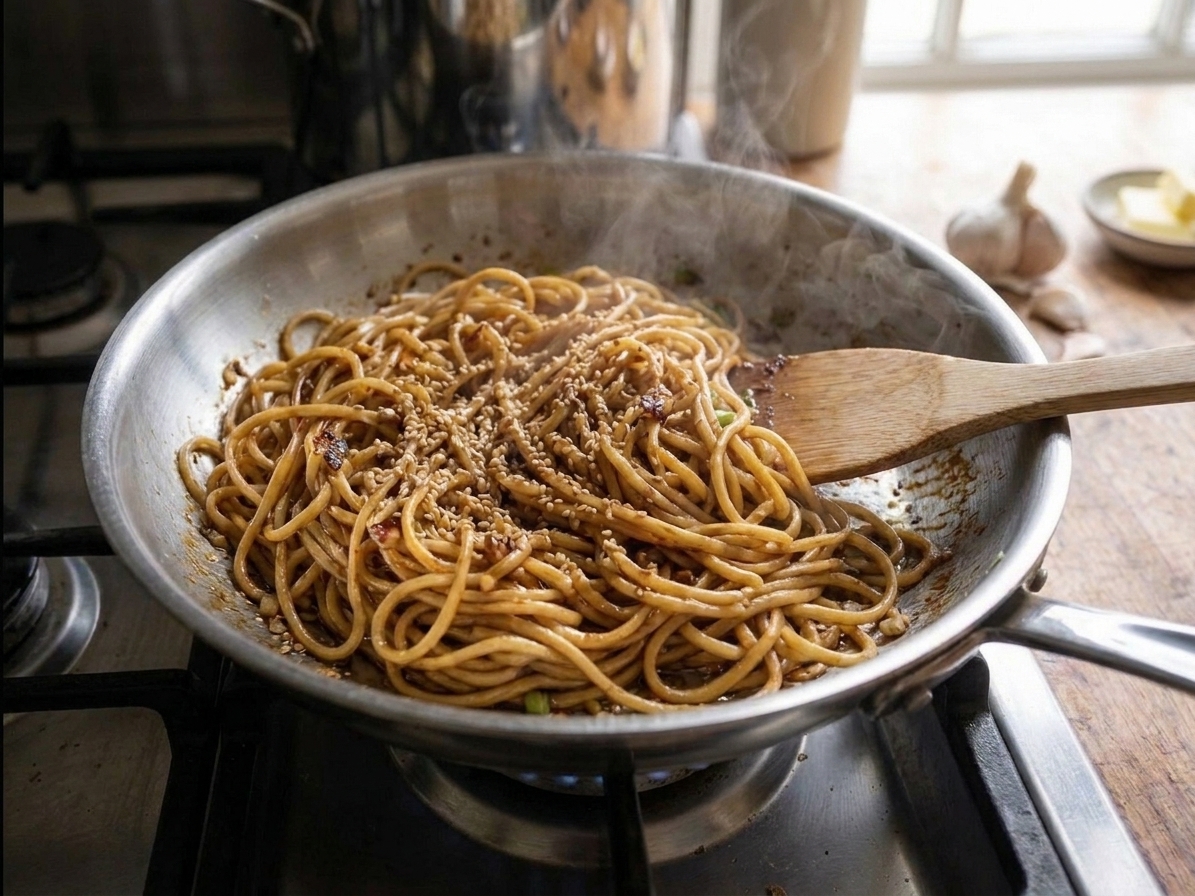
This version is built for real life: chewy lo mein-style noodles (or spaghetti in a pinch), quick-cooking chicken, and vegetables that stay crisp at the edges. The sauce is the whole game here. It clings, it shines, it makes leftovers you actually look forward to.

Small bowls of soy sauce, oyster sauce, sesame oil, brown sugar, and cornstarch arranged on a kitchen counter next to minced garlic and grated ginger

Why It Works

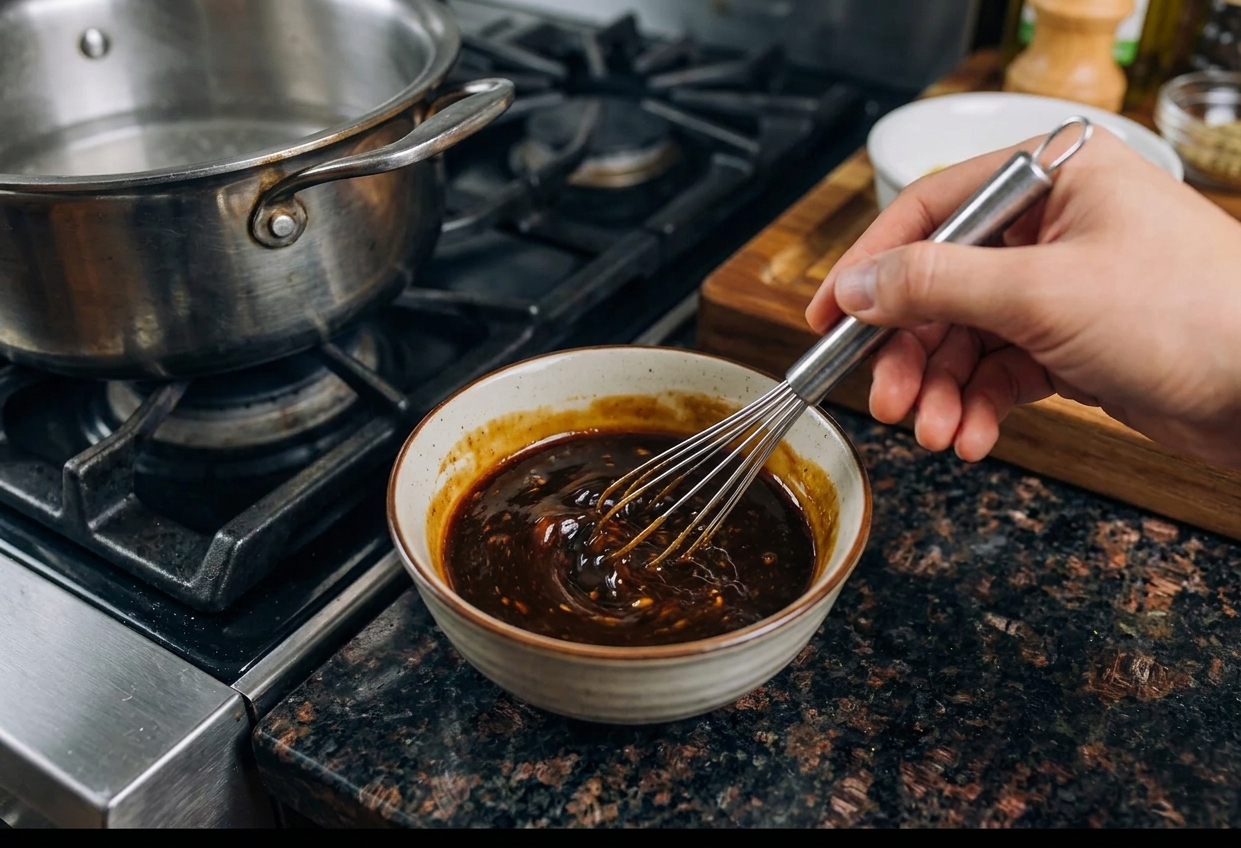
  • Fast, glossy sauce: A simple soy and oyster sauce base with a tiny bit of cornstarch so it coats the noodles instead of pooling at the bottom.
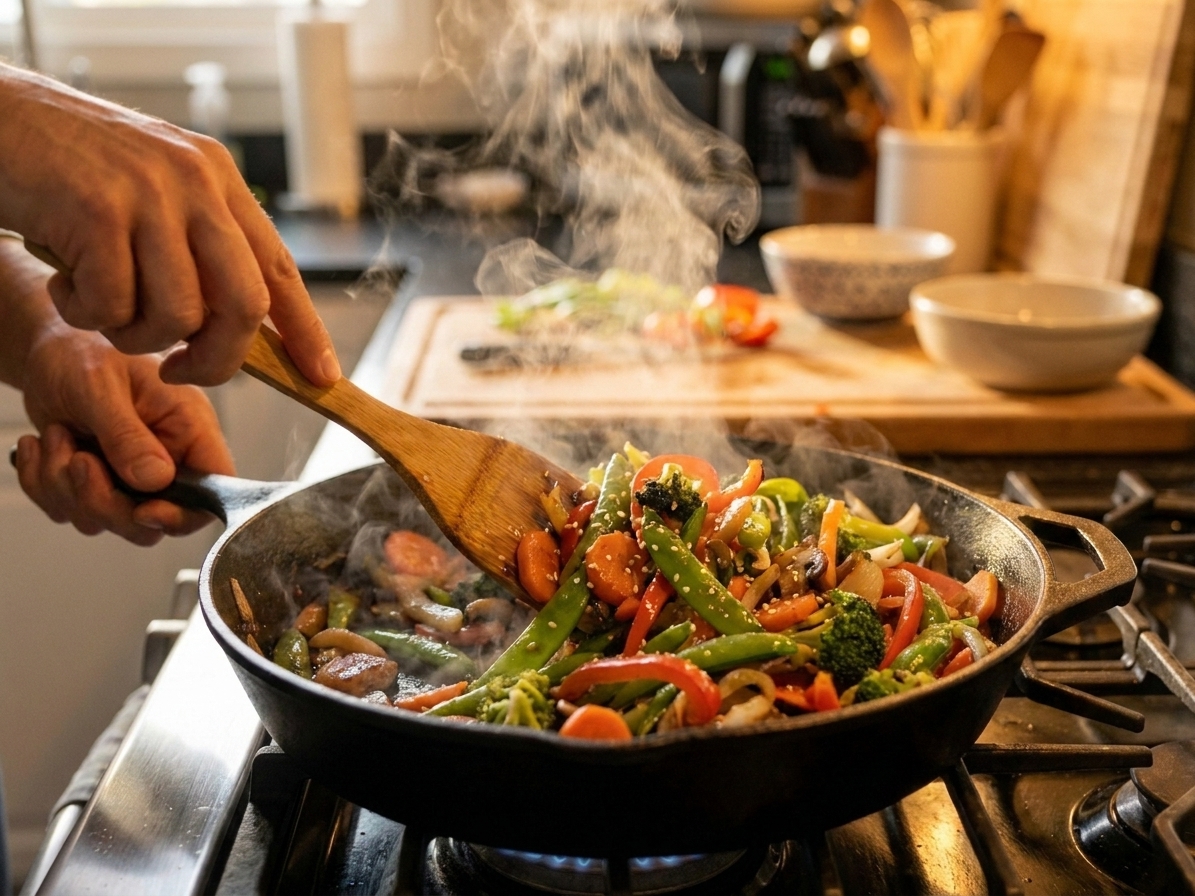
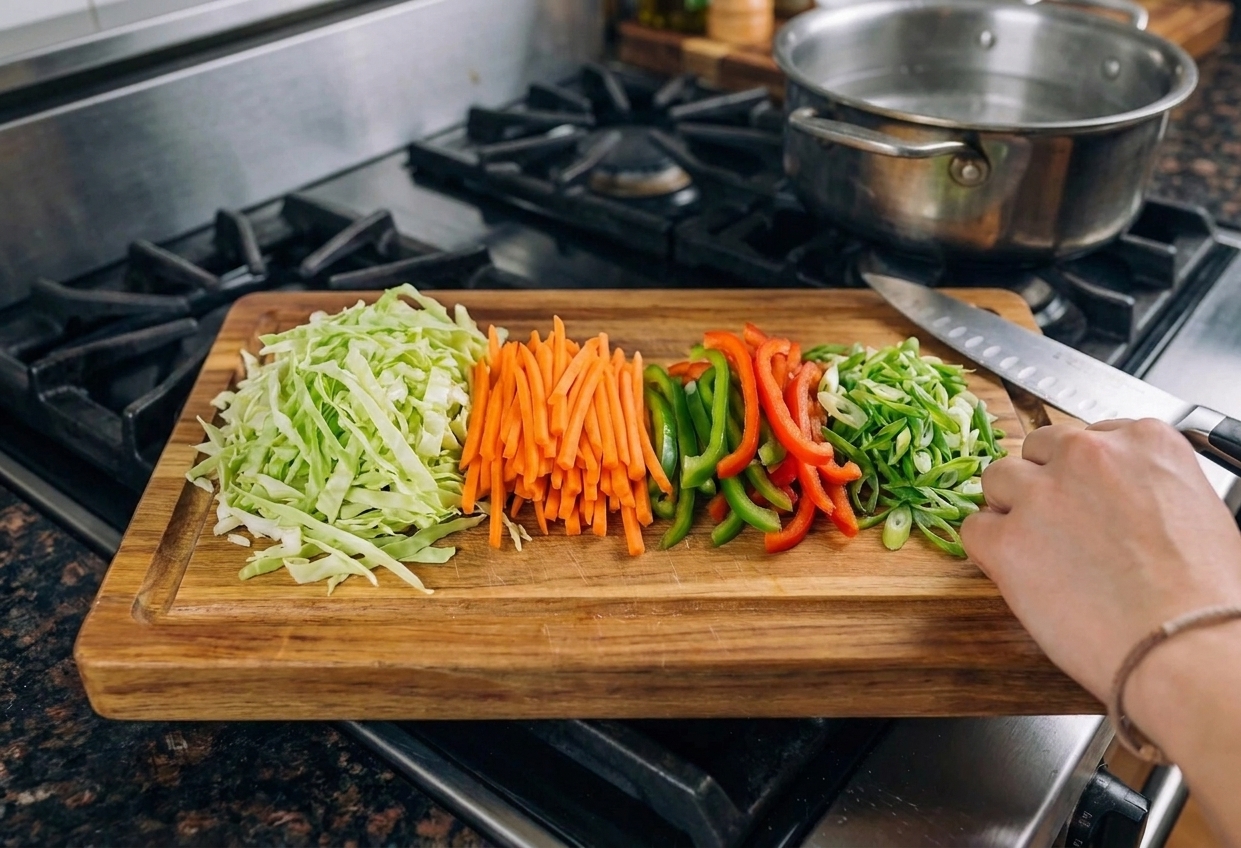
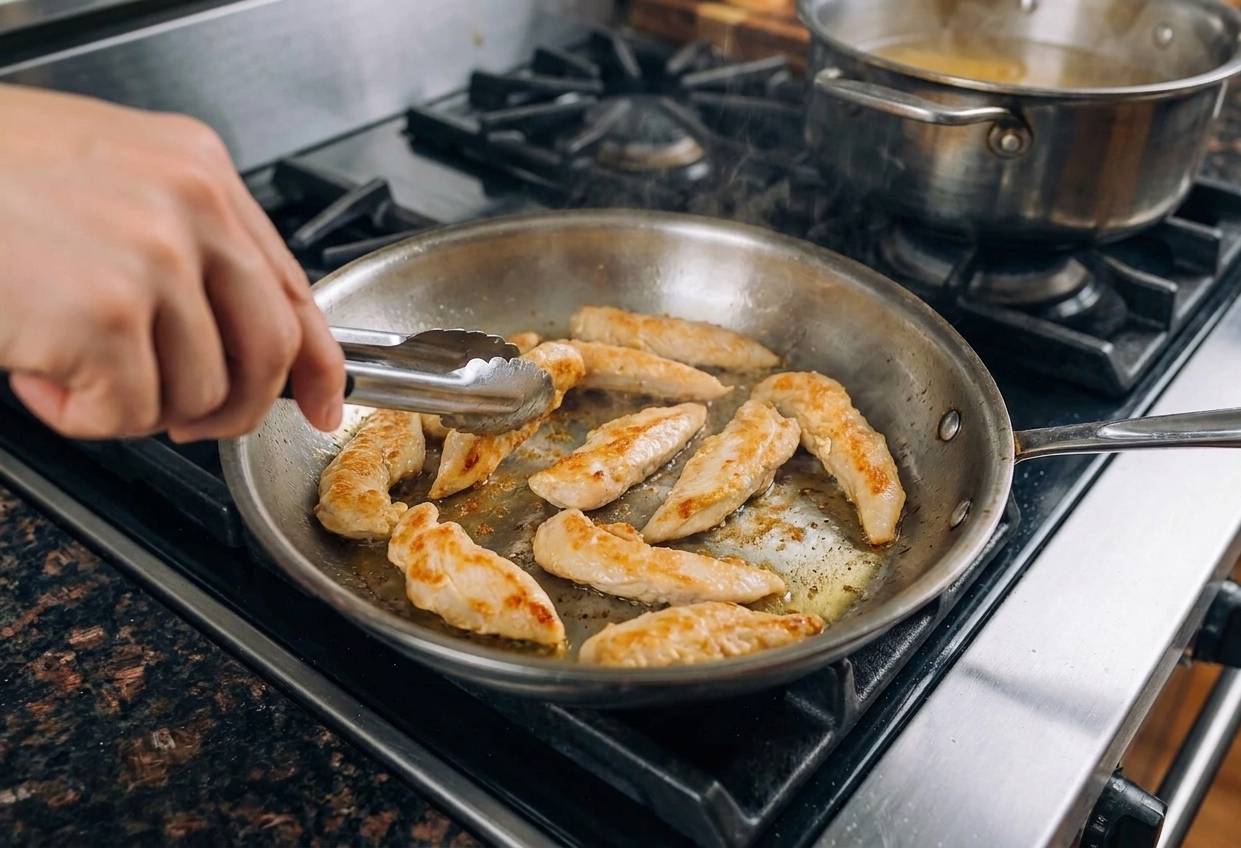
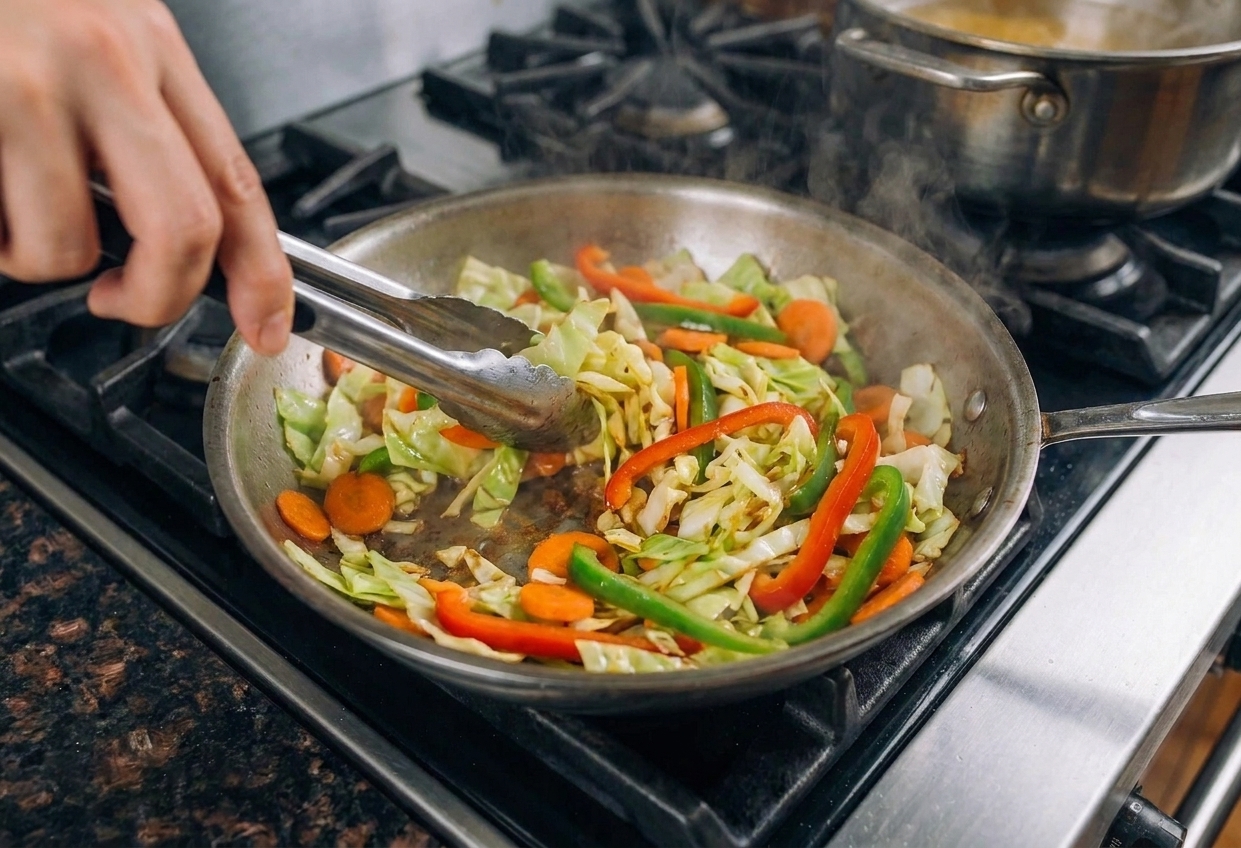
  • Crisp edges, not steamed veggies: We cook chicken first, then vegetables quickly over high heat so everything stays bright and snappy.
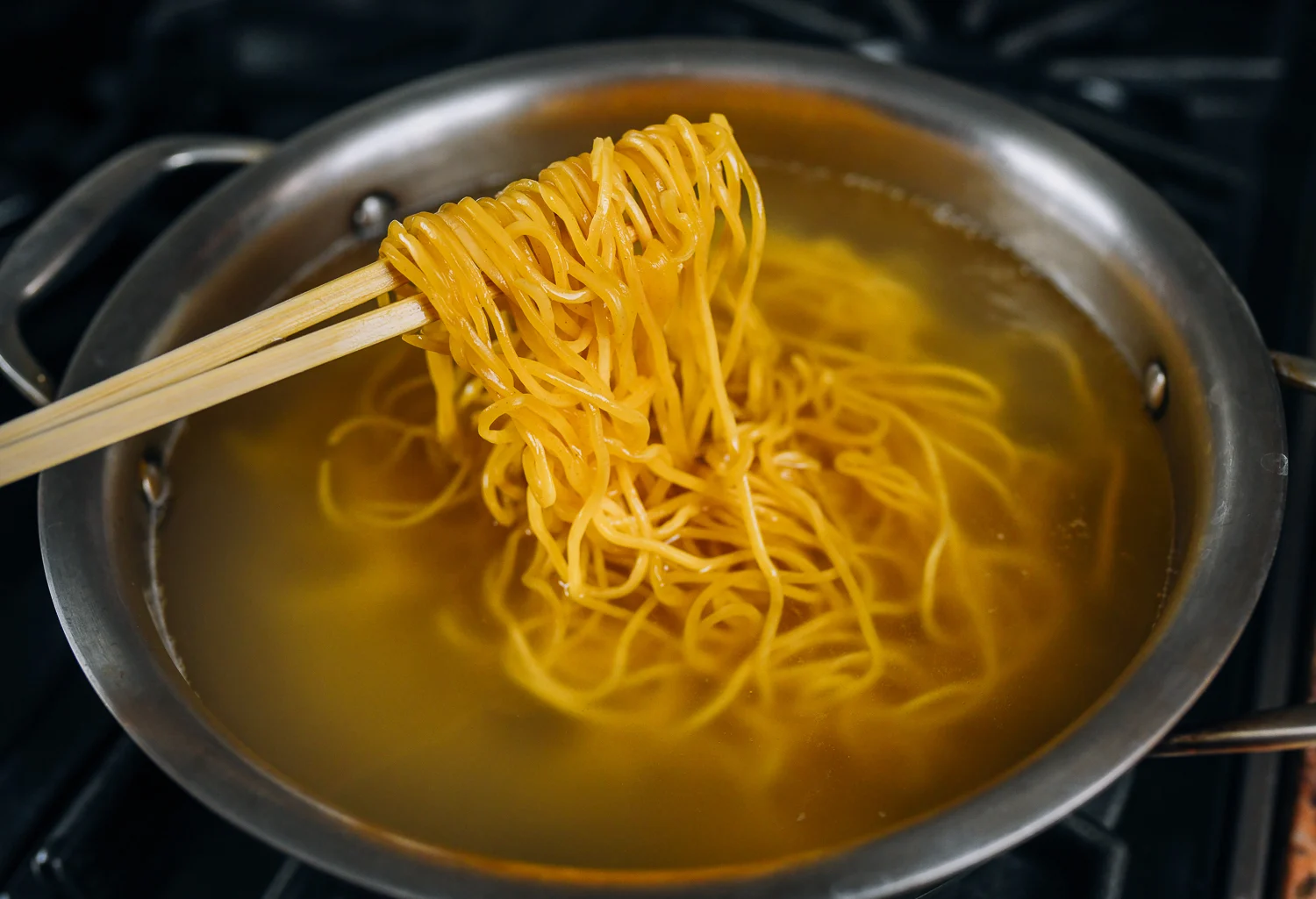
  • Flexible noodles: Lo mein noodles are great, but this recipe still works with spaghetti, ramen noodles (without seasoning), or linguine (use 8 oz dry for any swap).
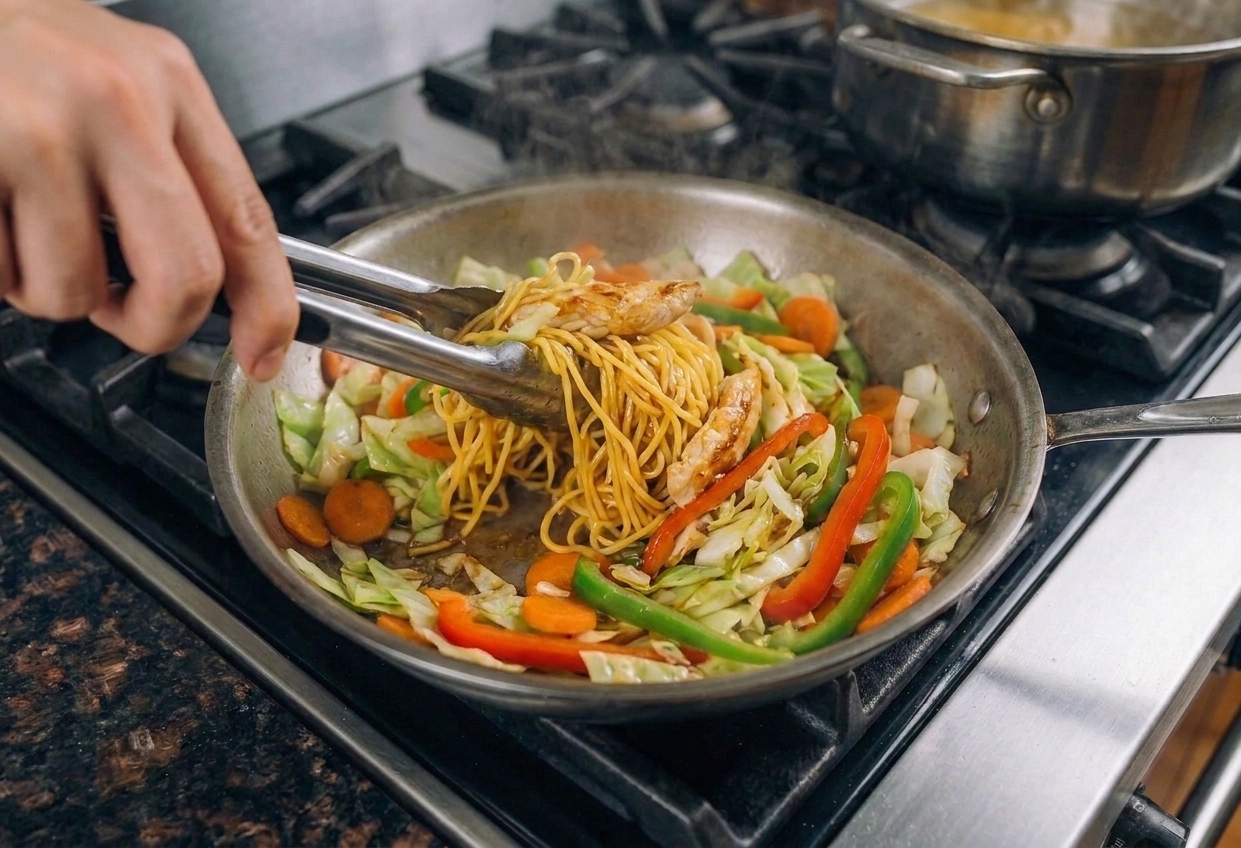
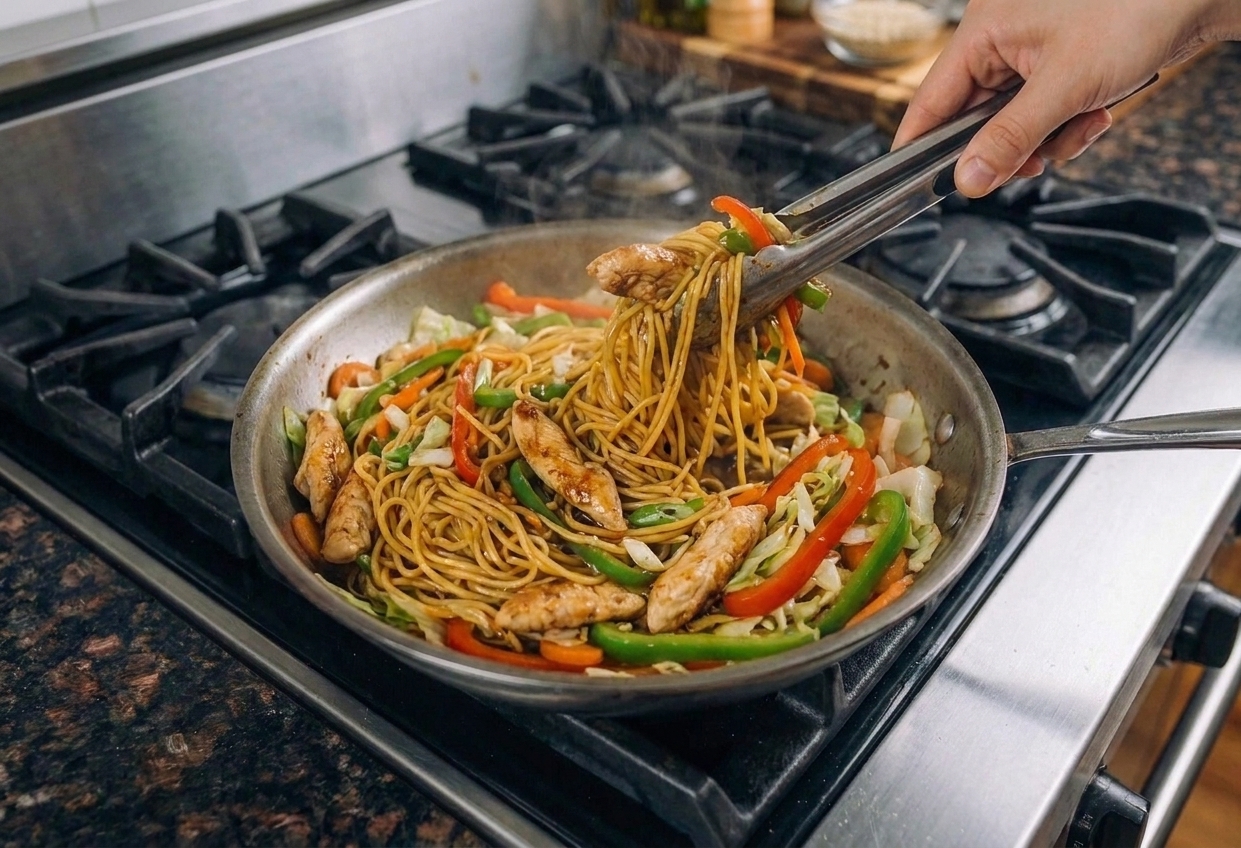
  • One-pan finish: The noodles toss in the skillet with the sauce, so the sauce clings and the flavor stays put.

Pairs Well With

Storage Tips

Refrigerator: Store lo mein in an airtight container for up to 3 to 4 days.

Best reheating method: Warm it in a skillet over medium heat with a splash of water or chicken broth. Toss until the noodles loosen and turn glossy again.

Microwave method: Add a teaspoon or two of water, cover loosely, and heat in 30-second bursts, stirring each time.

Freezing: You can freeze it, but the noodles soften more than I like. If you do freeze, cool completely first and freeze up to 2 months. Thaw overnight in the fridge and reheat in a skillet.

Common Questions

What are lo mein noodles, exactly?

Lo mein noodles are typically wheat flour and egg noodles that cook up springy and slightly chewy. They are similar to fresh Chinese egg noodles and are made to be tossed with sauce. The name comes from a term meaning “tossed” noodles.

Can I use spaghetti instead of lo mein noodles?

Yes. Spaghetti is the most reliable pantry swap. Use the same amount: 8 oz dry. Cook it just shy of al dente, then finish it in the skillet with the sauce so it absorbs flavor.

Do I need a wok?

Nope. A large skillet works great. The key is giving ingredients room and using higher heat so you stir-fry instead of steam.

Why are my lo mein noodles clumpy?

Usually one of three things: the noodles sat too long after draining, you did not toss them with a tiny bit of oil, or the pan was not hot enough. Drain well, toss with a teaspoon of oil, and get them into the skillet fairly soon. If they are already sticking hard (or seem extra starchy), a quick rinse can help, just drain extremely well before oiling so you do not water down the sauce.

Can I make it vegetarian?

Absolutely. Swap chicken for mushrooms, tofu, or extra vegetables. Use a vegetarian “oyster” sauce (often mushroom-based) or extra soy sauce plus a touch more brown sugar.

How do I make it spicier?

Add chili garlic sauce, sambal oelek, crushed red pepper, or a drizzle of chili oil at the end. Start small and taste.

Any tips for keeping the salt level in check?

Start with low-sodium soy sauce and taste before adding extra soy at the end. Different brands of oyster and hoisin sauces vary a lot in salt, so treat the final seasoning step like a choose-your-own-adventure.

Lo mein is the meal I make when I want “takeout energy” without the takeout wait. I love how it rewards a little messy confidence: the pan is hot, the sauce is ready, and you are basically racing the clock in a fun way. The first time I made it at home, I used spaghetti and whatever vegetables were left in the crisper drawer, and it still tasted like a win. Now it’s one of my go-to dinners when I want cozy carbs, crisp edges, and a sauce that makes you pause mid-bite and go, “Okay, wow.”