Mom's Best Recipes
Recipe

Korean Mandu Dumplings

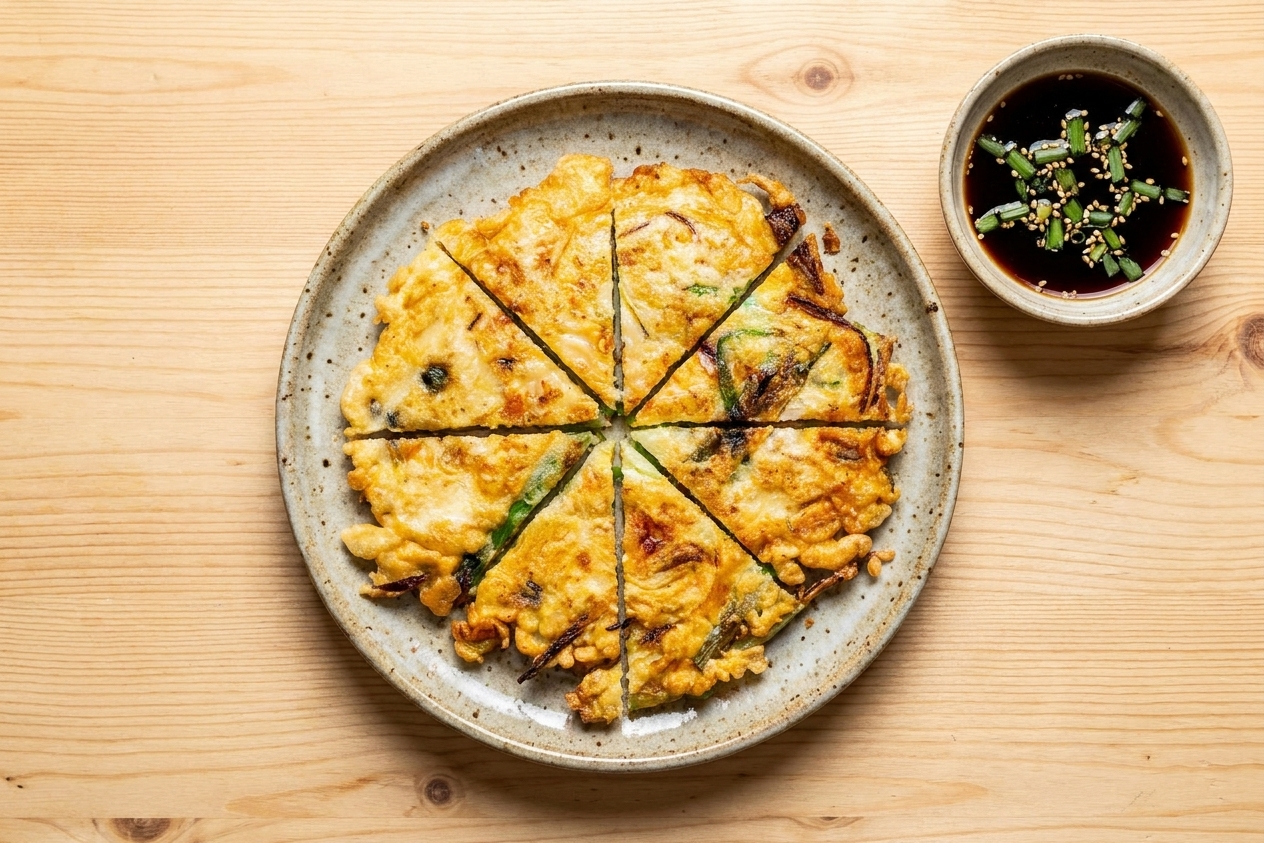
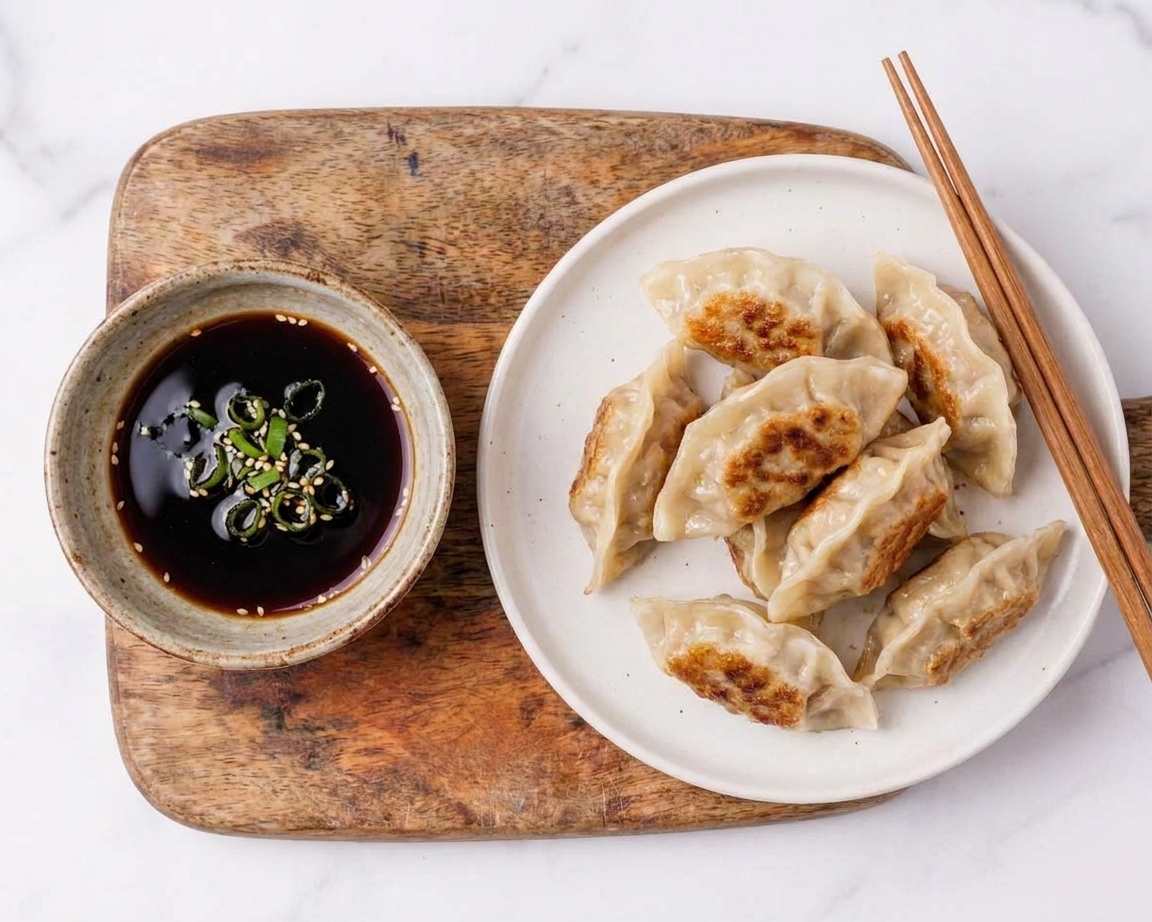
Crispy-bottom, juicy Korean mandu with pork, tofu, kimchi, and a bright dipping sauce.

Author By Matt Campbell
4.8
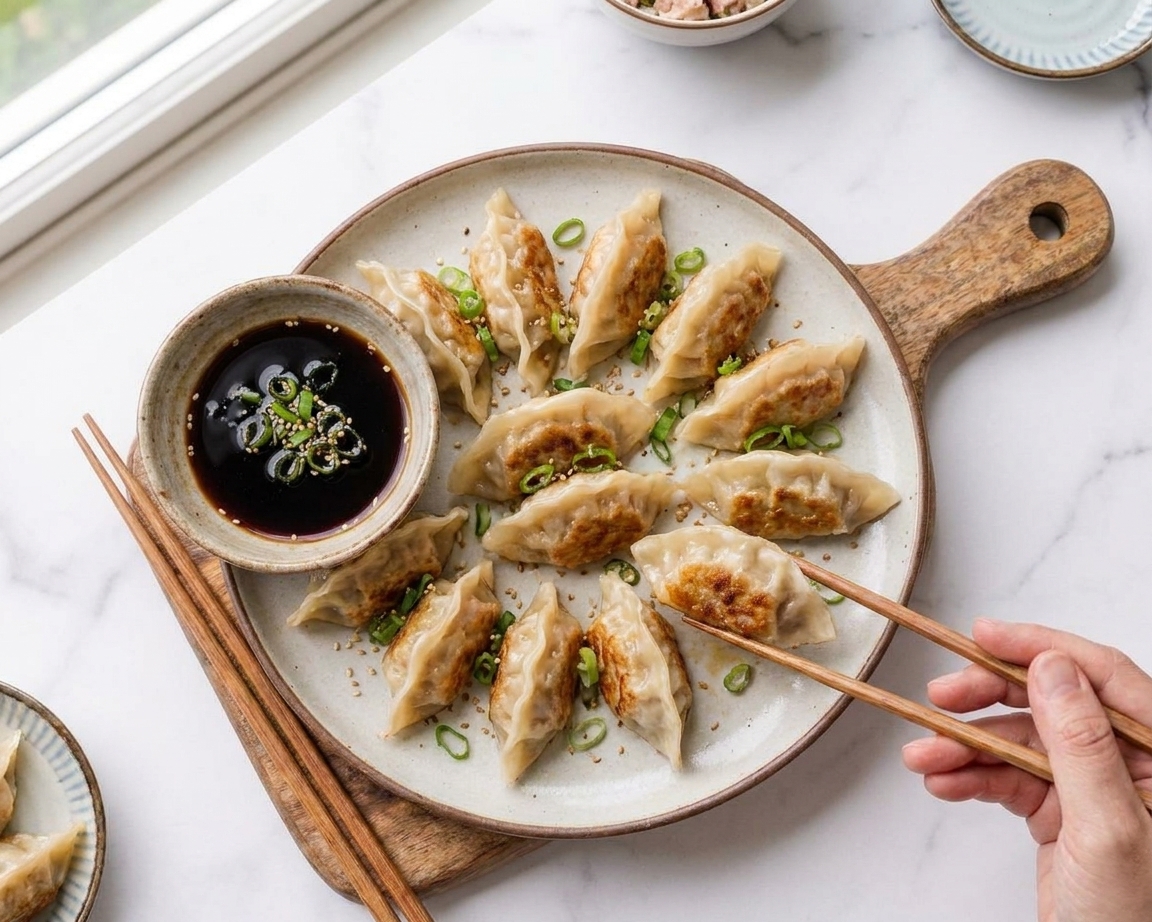
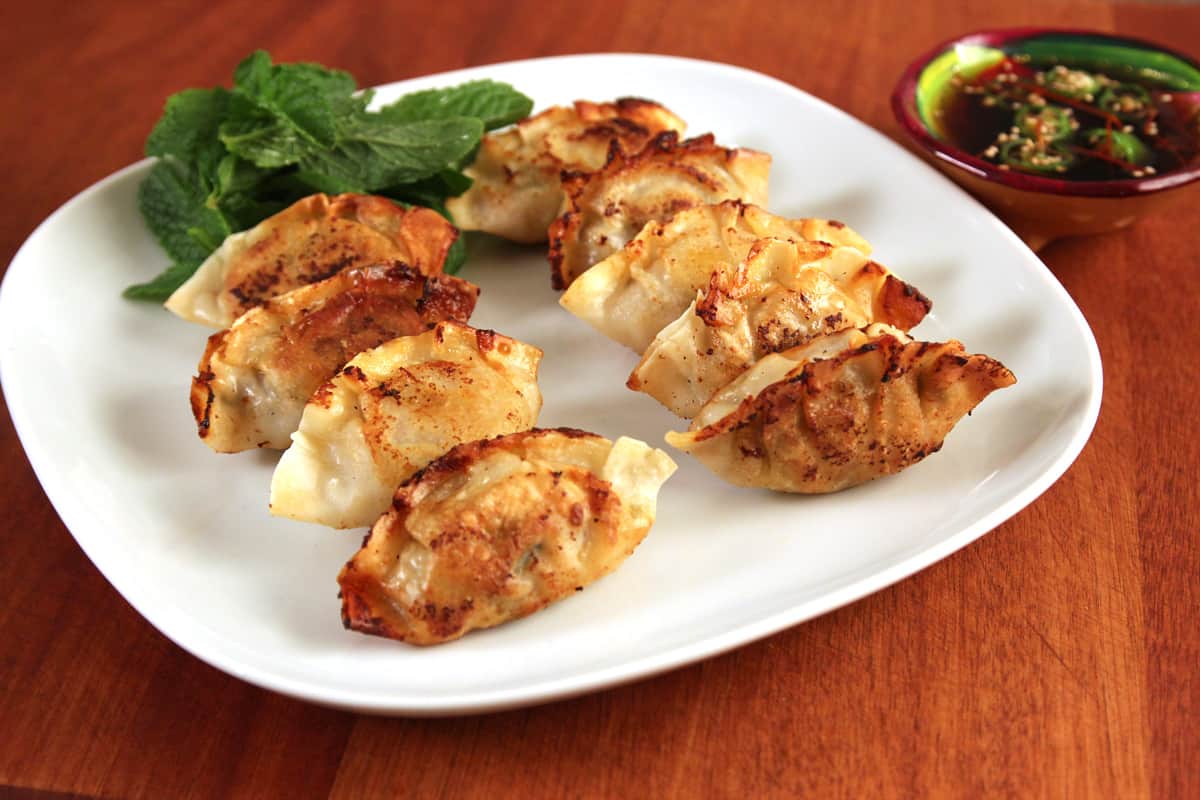
A platter of golden-brown Korean mandu dumplings with crisp bottoms, sprinkled with sliced scallions and sesame seeds, with a small bowl of soy vinegar dipping sauce on a warm kitchen table

If dumplings had a personality type, Korean mandu would be the friend who shows up cozy and sharp. Cozy because you get that savory, juicy filling and tender wrapper. Sharp because there is almost always something bright in the mix, like kimchi, garlic, chives, or a dipping sauce that wakes your whole face up.

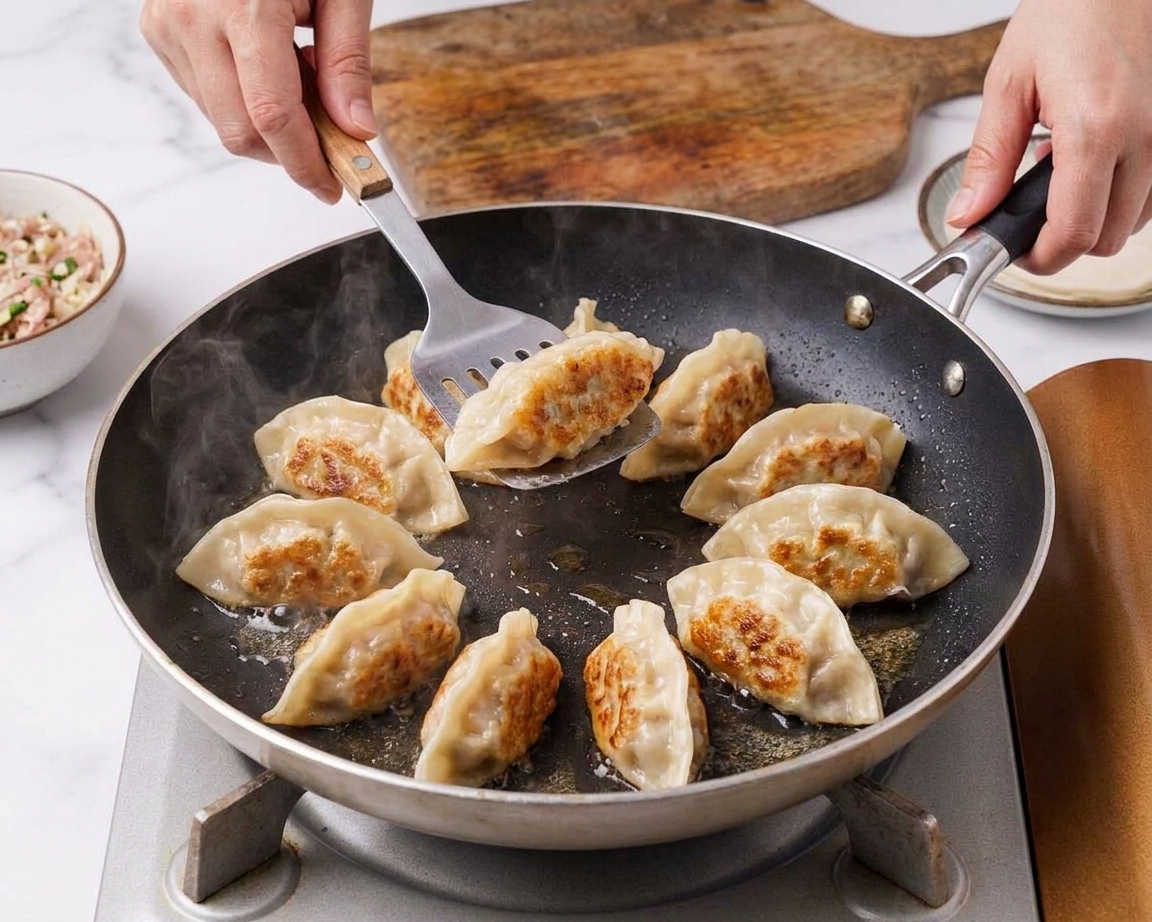
This is my go-to homemade mandu: a pork and tofu filling (light, juicy, and forgiving), a little kimchi for that fermented punch, and the best cooking method for weeknights: pan-fry then steam. You get crisp edges, a soft top, and the kind of dumpling texture combo that makes you hover over the skillet “just to taste one.”
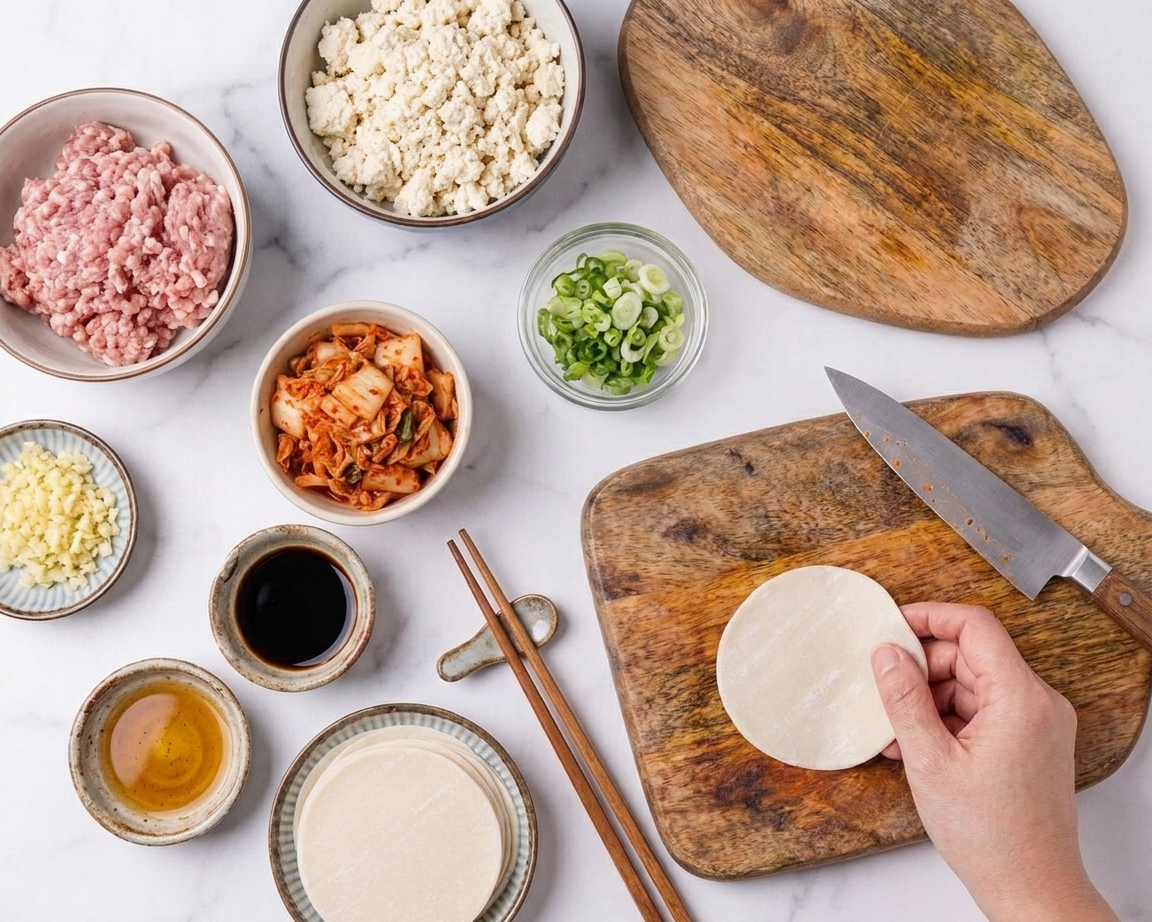
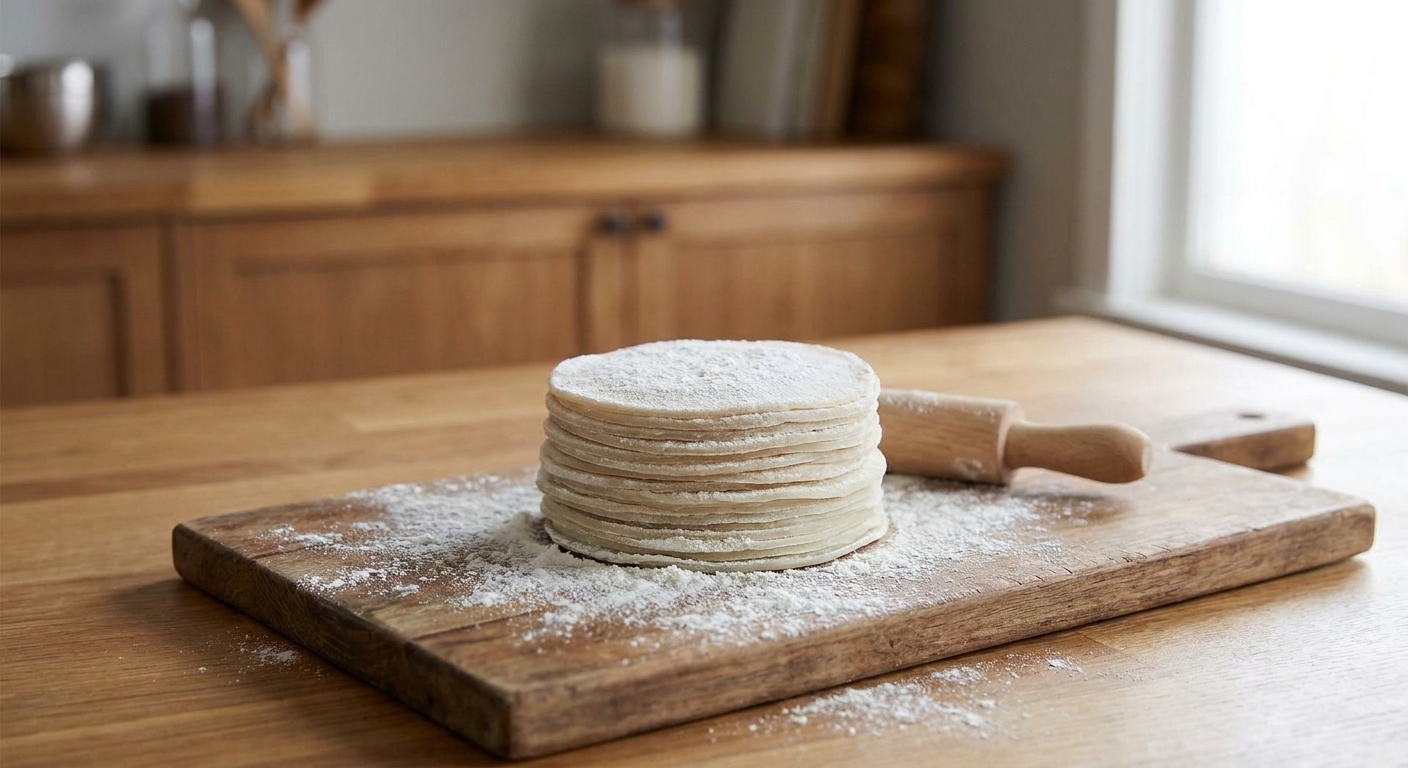
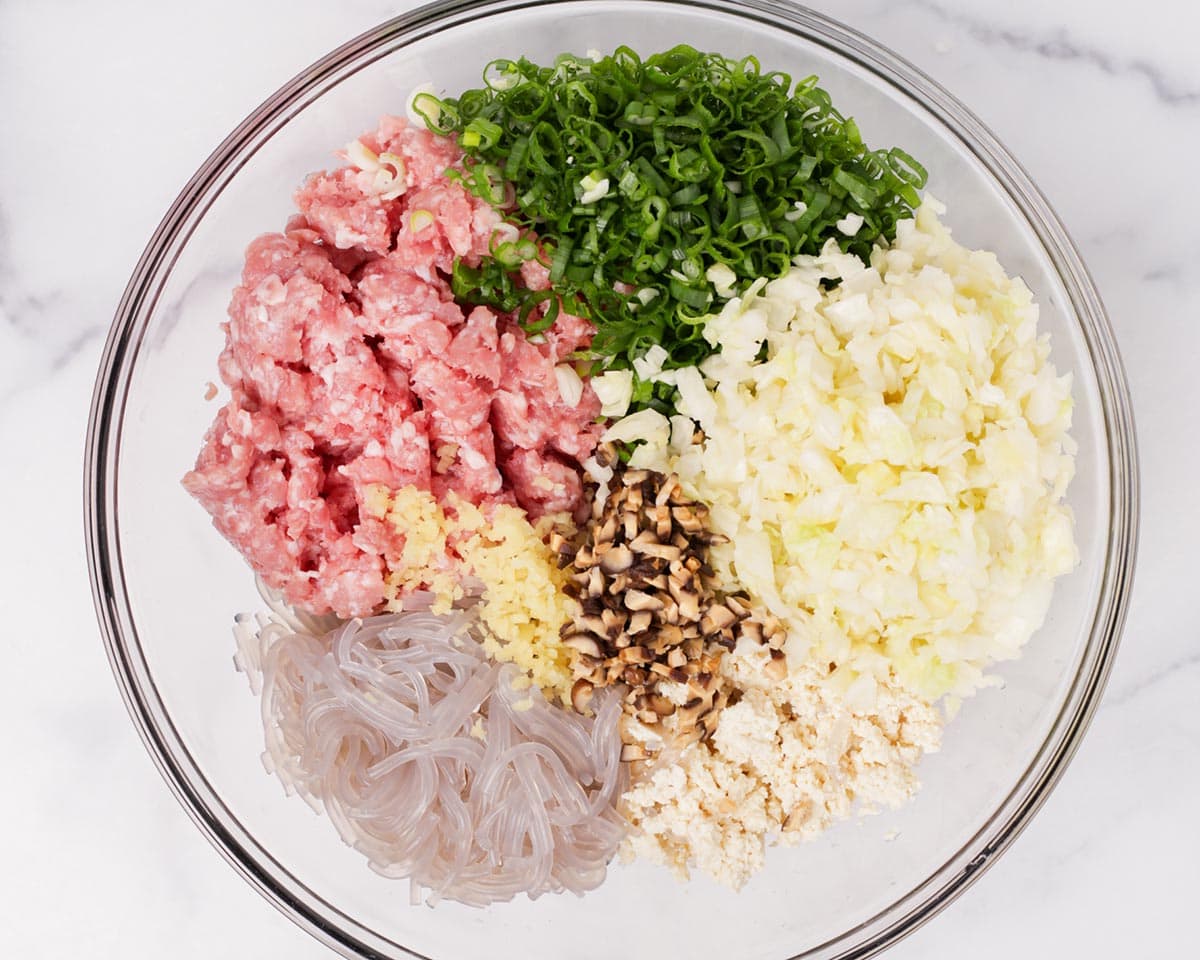
A home kitchen counter with bowls of ground pork, crumbled tofu, chopped kimchi, sliced scallions, minced garlic, dumpling wrappers, and small dishes of soy sauce and sesame oil laid out for cooking

Why It Works

  • Big flavor, zero drama: Kimchi and garlic do the heavy lifting, tofu keeps the filling juicy and tender.
  • Restaurant texture at home: The fry-then-steam method gives you crisp bottoms without deep frying.
  • Freezer-friendly: Make a big batch once, then cook straight from frozen whenever dumpling cravings hit.
  • Accessible ingredients: Store-bought round dumpling wrappers keep the project fun, not exhausting.

Pairs Well With

Storage Tips

Storing cooked mandu

  • Fridge: Store cooked dumplings in an airtight container up to 3 days.
  • Reheat (best): Warm a nonstick skillet over medium heat, add a small splash of oil, and crisp the bottoms again. Add a tablespoon of water and cover for 1 to 2 minutes to re-soften the tops.
  • Microwave (works, not magic): Cover with a damp paper towel and microwave in 20 to 30 second bursts.

Freezing uncooked mandu (highly recommended)

  • Line a sheet pan with parchment. Place dumplings in a single layer so they do not touch.
  • Freeze until solid, about 1 to 2 hours, then transfer to a freezer bag.
  • Freeze up to 2 months for best flavor.
  • Cook from frozen: Pan-fry as written, but add 1 to 2 extra minutes to the steaming step.

Common Questions

What are Korean dumplings called?

They are called mandu. You will see them steamed, boiled, in soup (like 떡만두국, tteok-mandu-guk), or pan-fried for crispy bottoms.

Do I need kimchi for mandu?

No, but it adds that classic tang and depth. If you skip it, add extra scallions or garlic chives and a little more soy sauce and sesame oil. You can also add finely chopped sautéed mushrooms for savory punch.

Can I make these without pork?

Yes. Swap ground pork for ground chicken or turkey. For vegetarian mandu, use crumbled extra-firm tofu plus minced mushrooms and more kimchi, then season assertively.

Why is my filling watery?

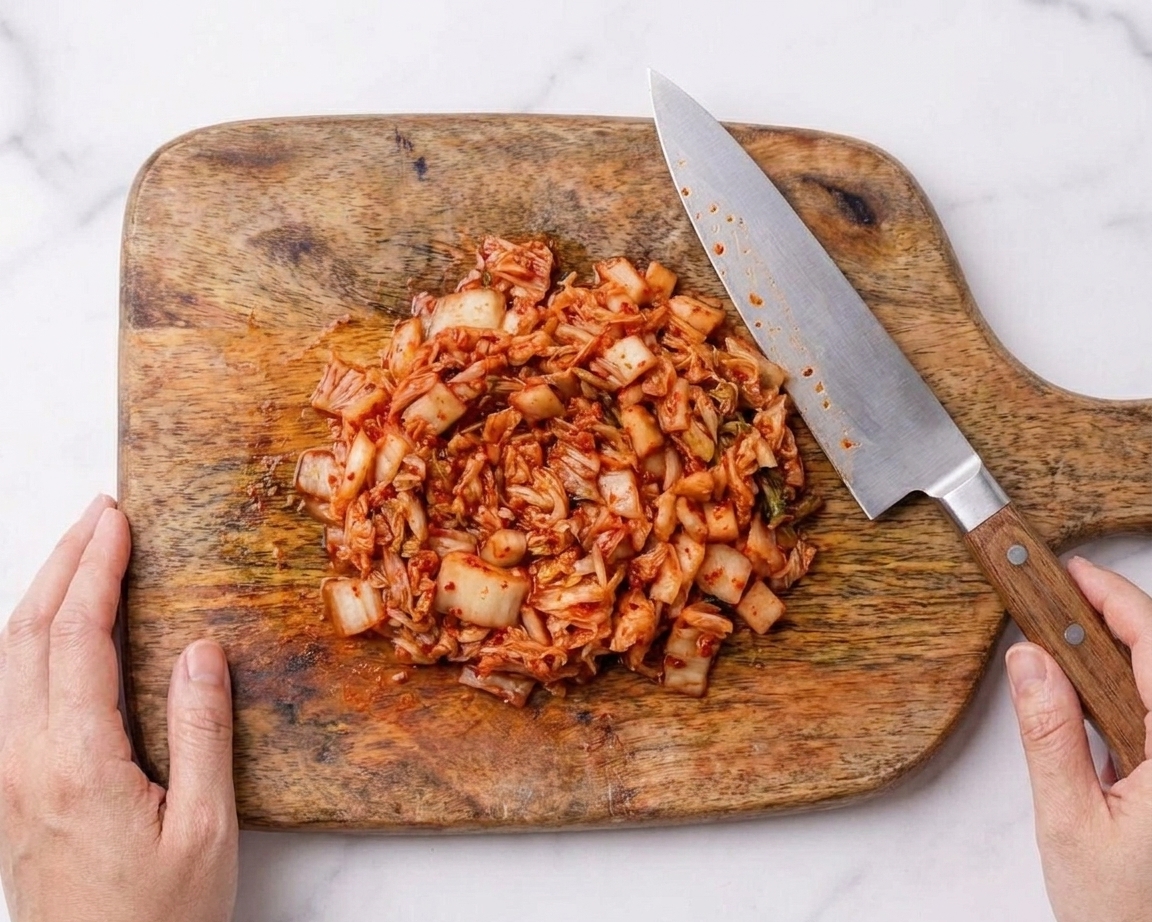
Usually it is tofu or kimchi holding extra liquid. Squeeze the tofu well, and after chopping kimchi, press it in a towel to remove excess juice. Watery filling makes sealing harder and can cause blowouts.

How do I keep dumplings from sticking to the pan?

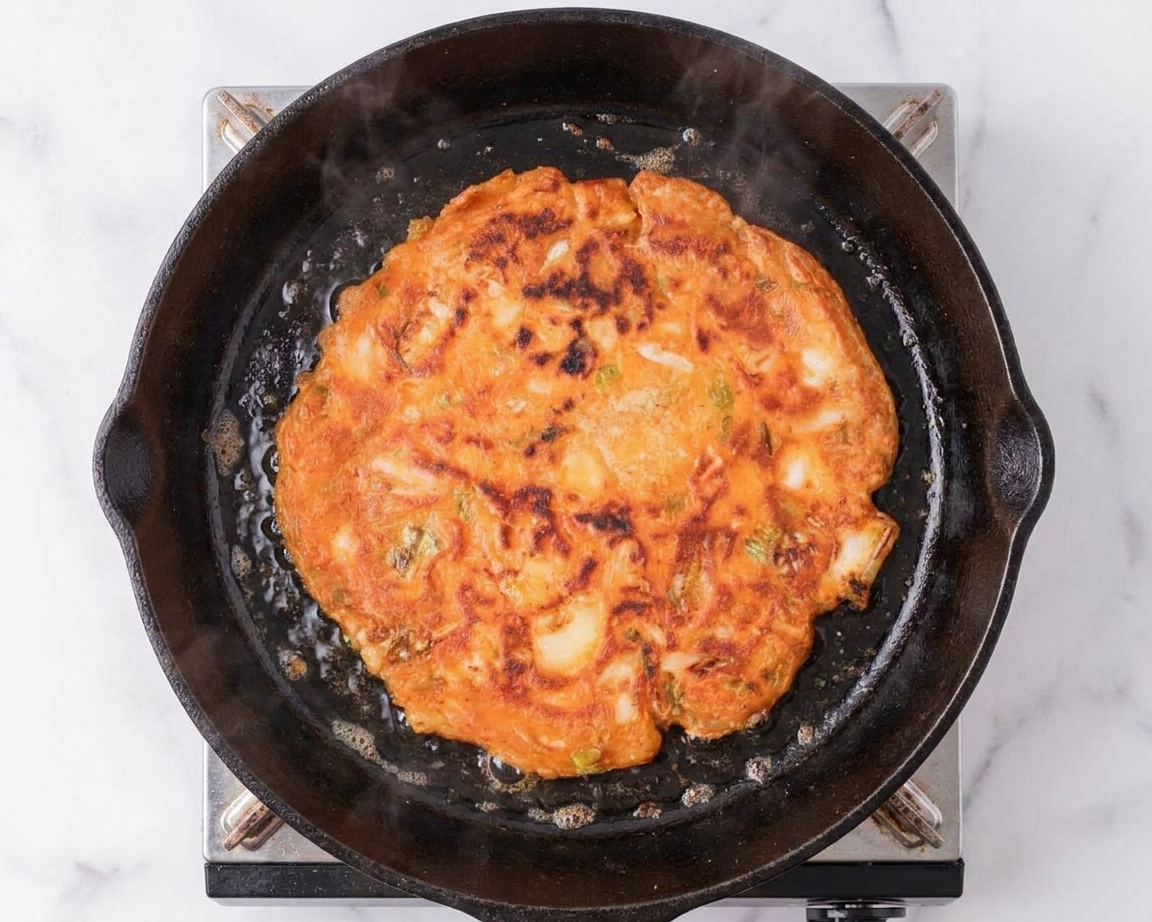
Use a nonstick skillet or a well-seasoned cast iron. Heat the oil first, then add dumplings. Do not move them for the first 2 to 3 minutes so the crust can set.

Can I boil these instead?

Yes. Simmer in gently boiling water until they float, then cook 1 to 2 minutes more. Pan-frying gives better texture, but boiling is great for soup.

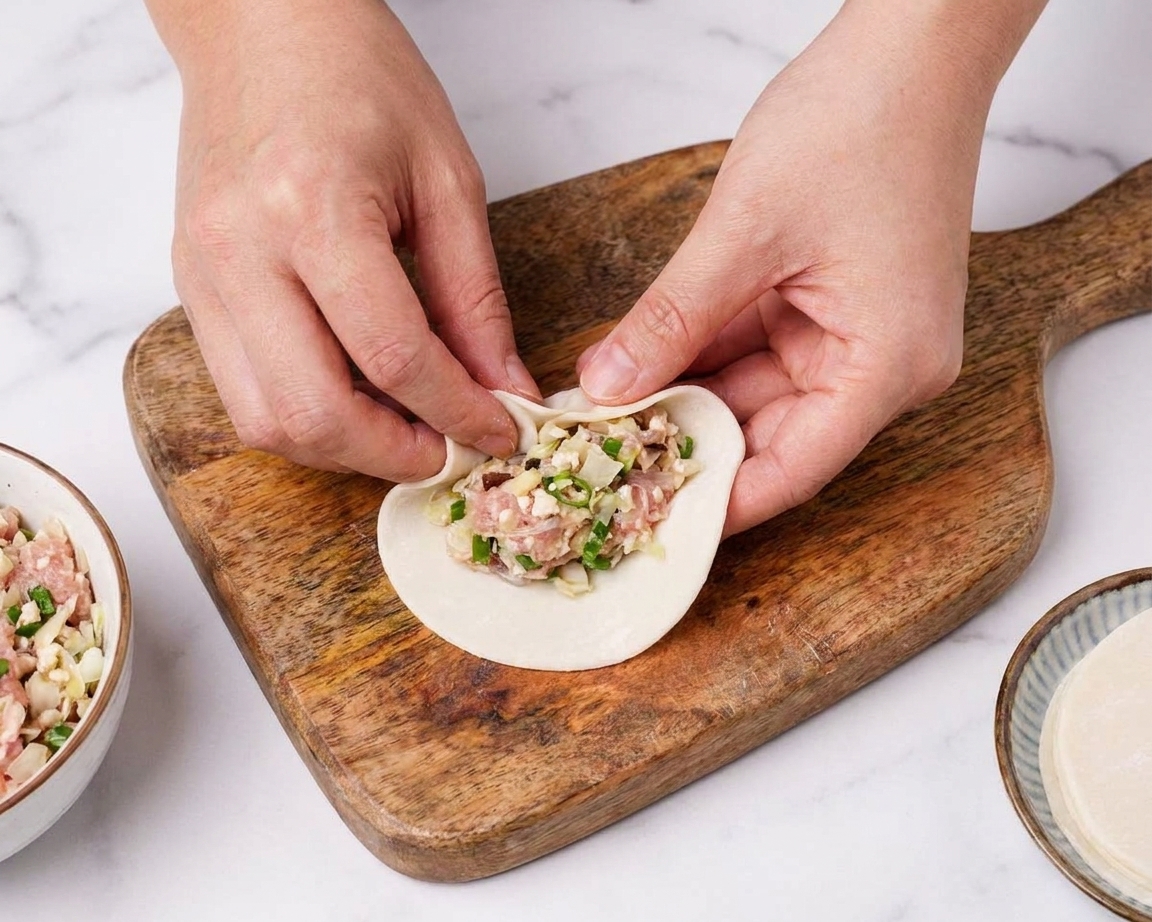
I used to think homemade dumplings were an “only on a rainy Sunday” project. Then I started treating them like a team activity: put a bowl of filling in the middle, wrappers on one side, a little cup of water on the other, and just start folding. Some come out cute, some come out… expressive. They all get crispy in the pan anyway.

Mandu is also one of my favorite ways to practice the kind of cooking I want in my future restaurant. You learn balance fast: salt, acid, aromatics, texture. Plus, you get to taste-test your way through the batch, which is important for quality control. Strictly professional, obviously.