Mom's Best Recipes
Recipe

Easy Japanese Mochi

Soft, chewy Japanese mochi made in the microwave with glutinous rice flour. No fancy tools, just that cozy chew and bounce.

Author By Matt Campbell
4.8
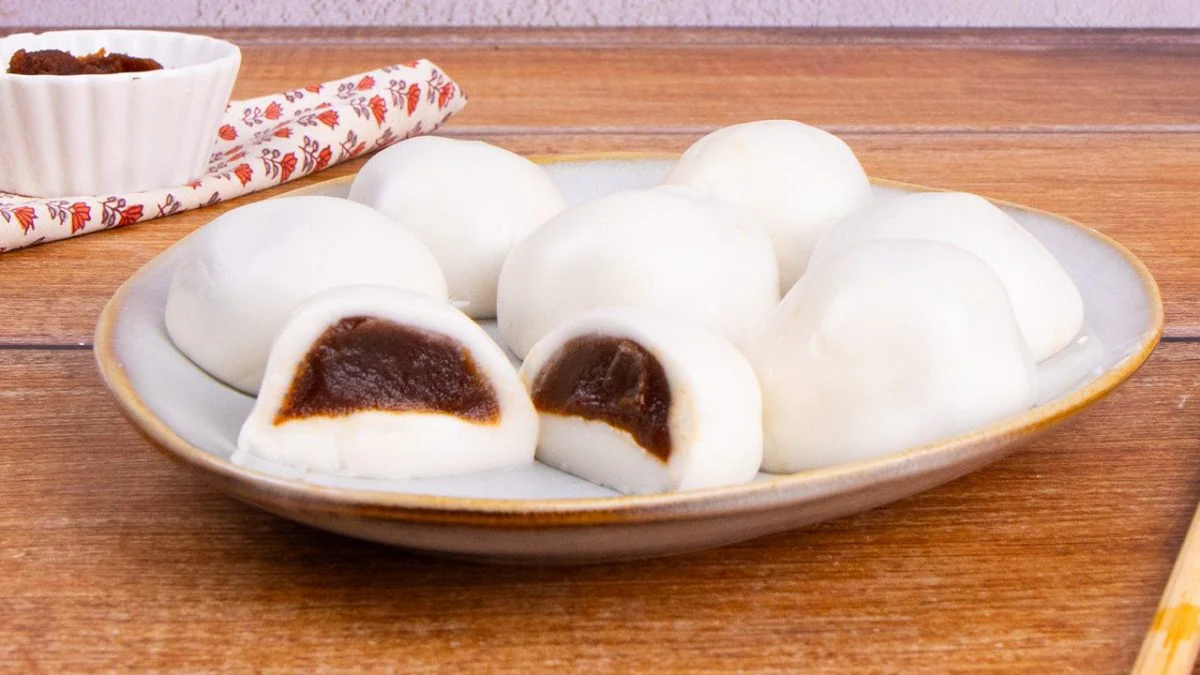
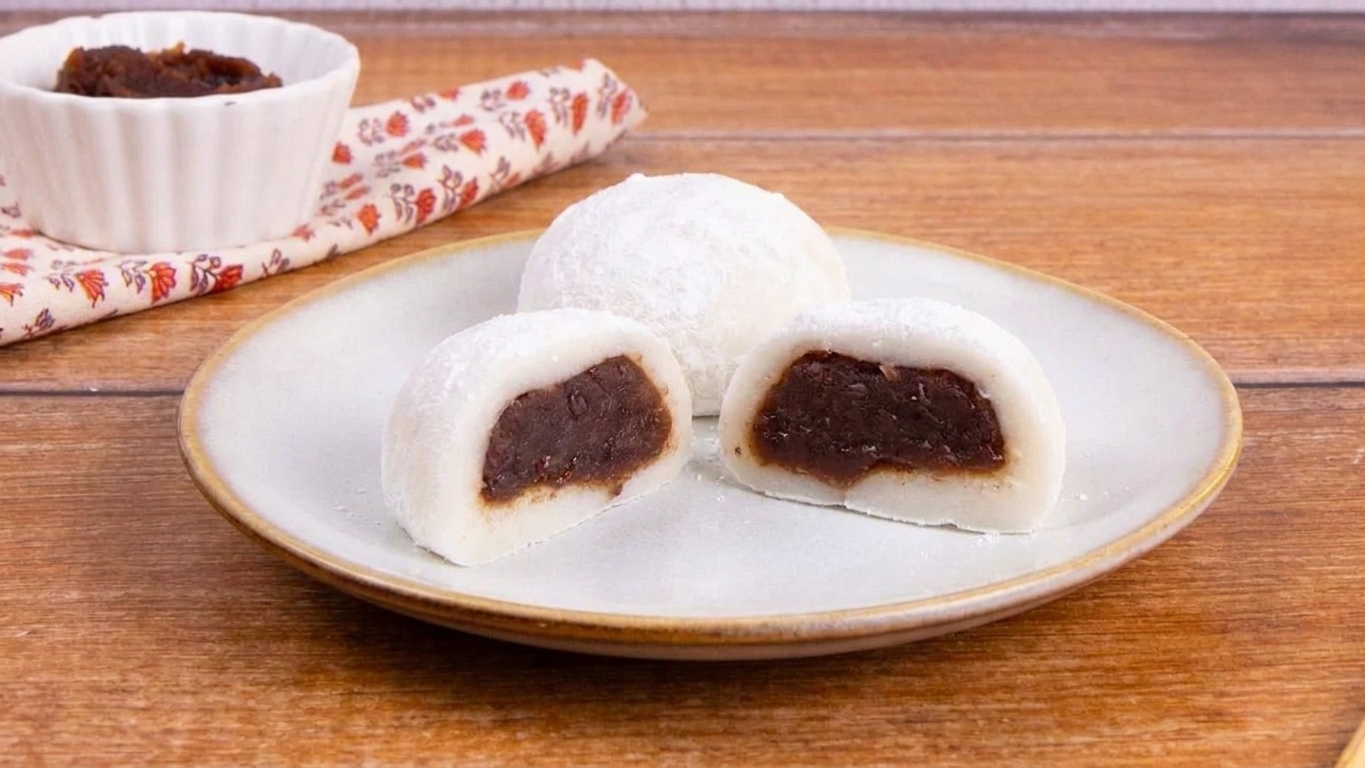
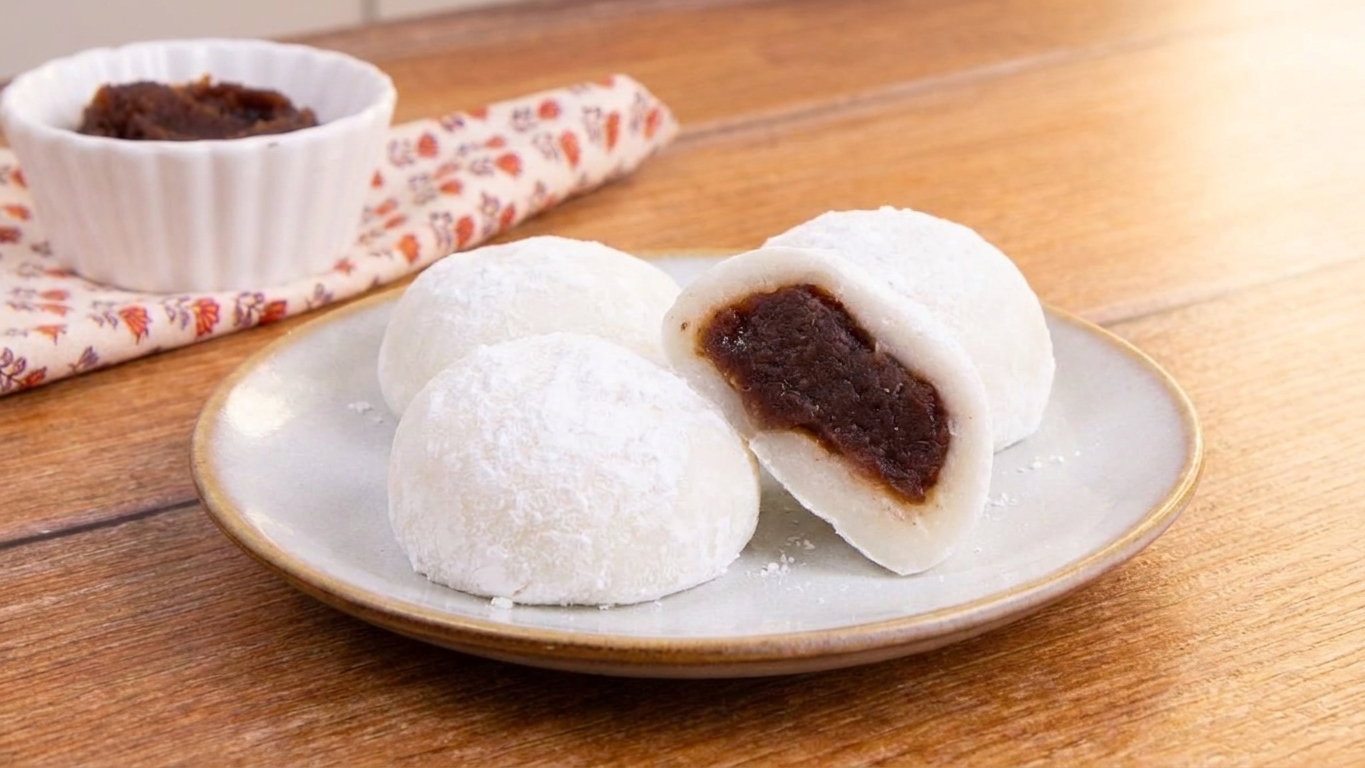
A small plate of soft white daifuku mochi dusted with potato starch on a wooden table with warm natural light

Mochi is one of those foods that feels like a magic trick the first time you make it. You stir a simple batter, microwave it, and suddenly you are holding a warm, stretchy, cloud-like dough that is somehow chewy and tender at the same time.

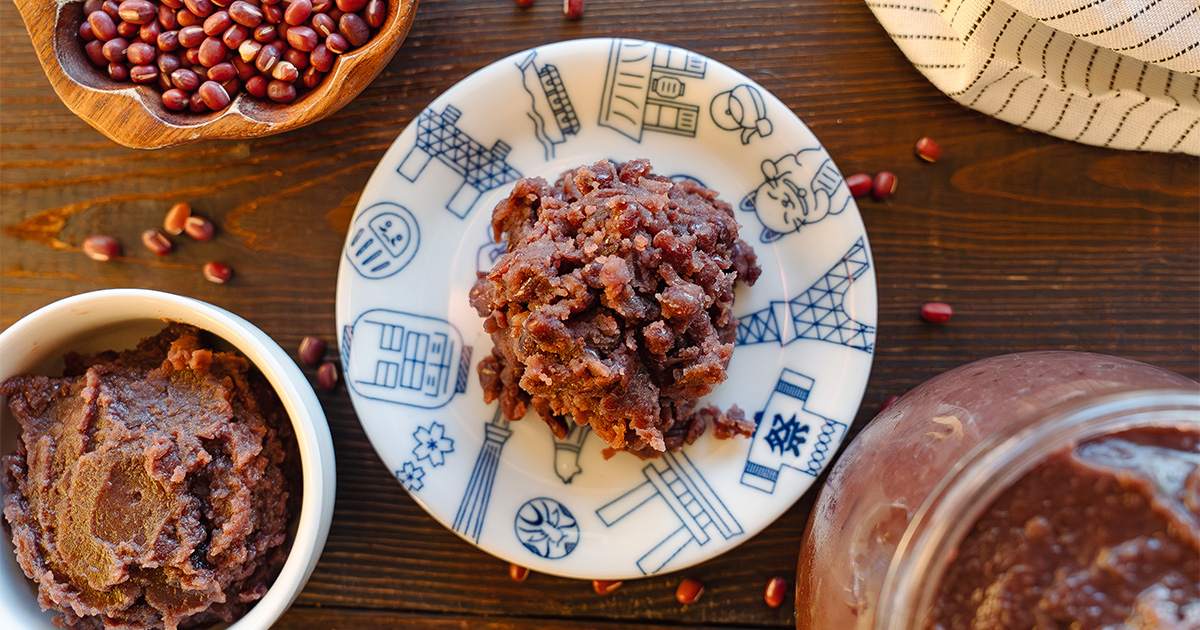
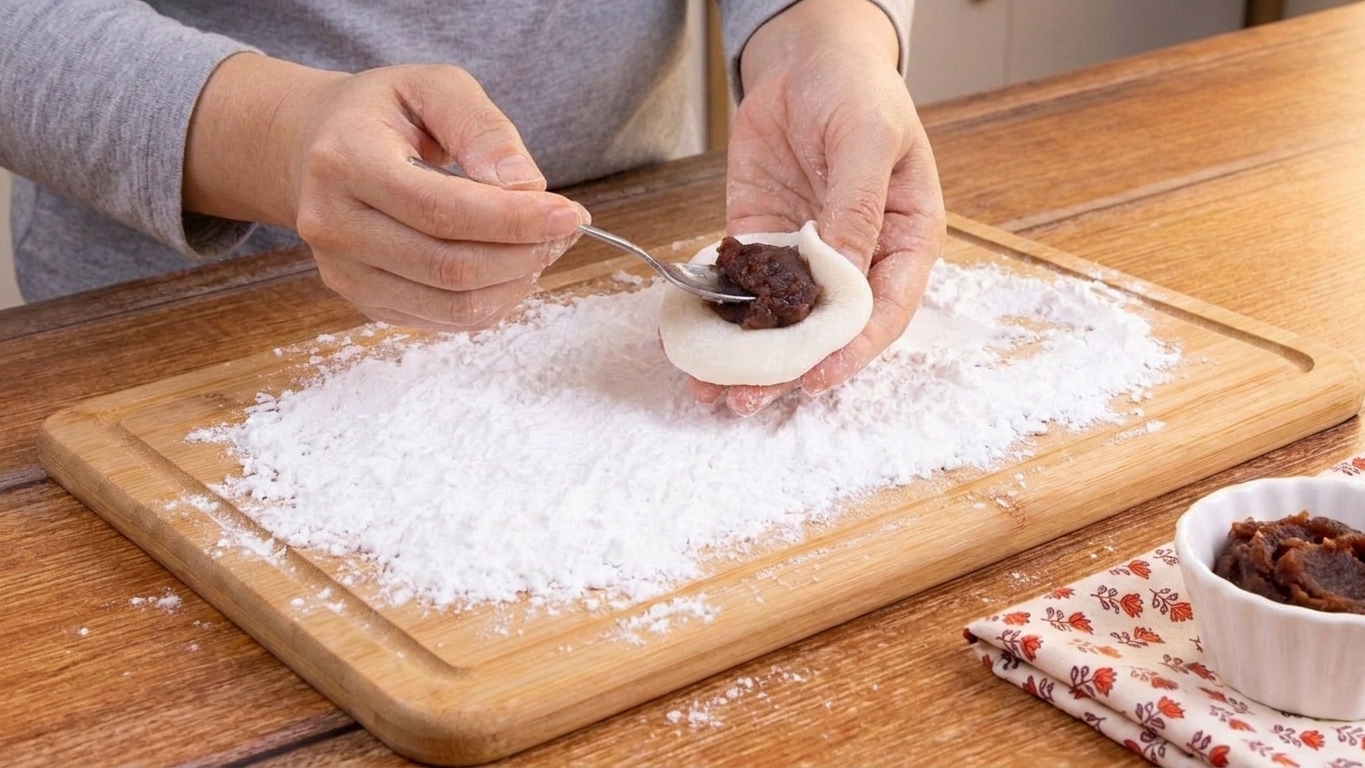
This is a classic Japanese-style mochi dough using glutinous rice flour (also labeled sweet rice flour, like Mochiko). You can keep it plain and snacky, wrap it around sweet red bean paste for an easy daifuku moment, or slice it up for toppings later. It is relaxed, a little sticky, and very forgiving if you embrace the starch.

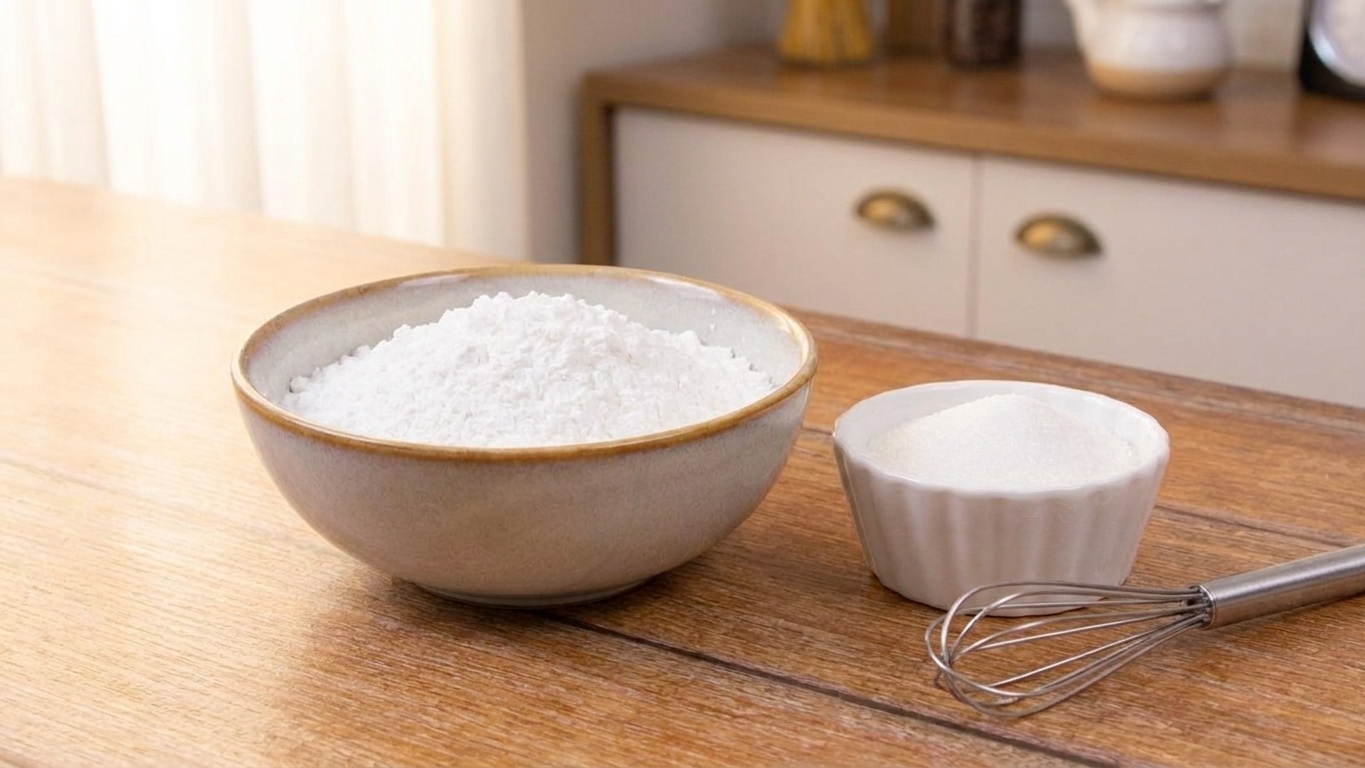
Glutinous rice flour measured in a ceramic bowl on a kitchen counter next to sugar and a small whisk

Why It Works

  • Fast bounce: Microwave cooking gives you that signature chewy pull without steaming setups.
  • Accessible ingredients: Glutinous rice flour, sugar, water, and starch for dusting.
  • Flexible: Leave it plain, fill it, or use it for toppings. The dough is a blank canvas.
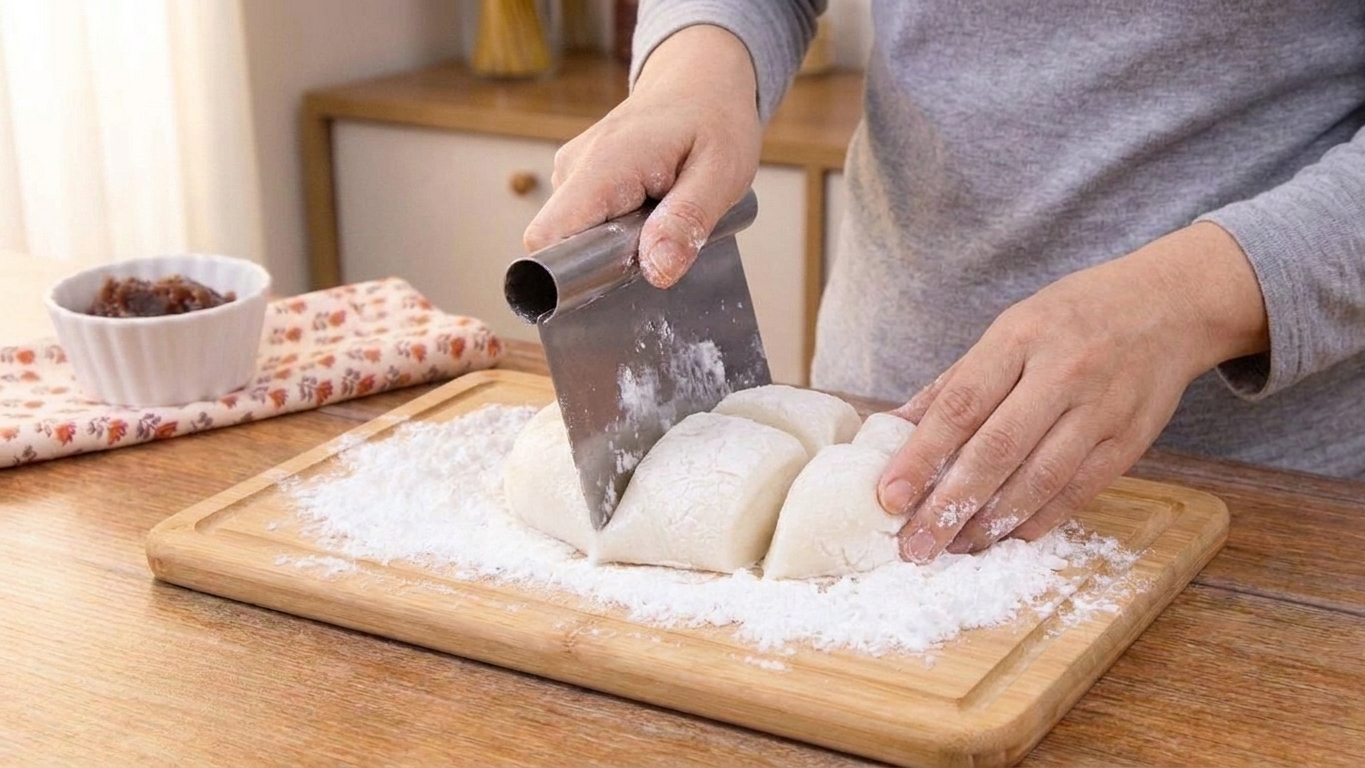
  • Clear shaping strategy: Starch is your best friend, and warm mochi is easier to portion.

Pairs Well With

Storage Tips

Mochi is best the day it is made, when it is soft and springy. That said, you can absolutely save extras. Just know the texture changes quickly once it cools.

Room temperature (short window)

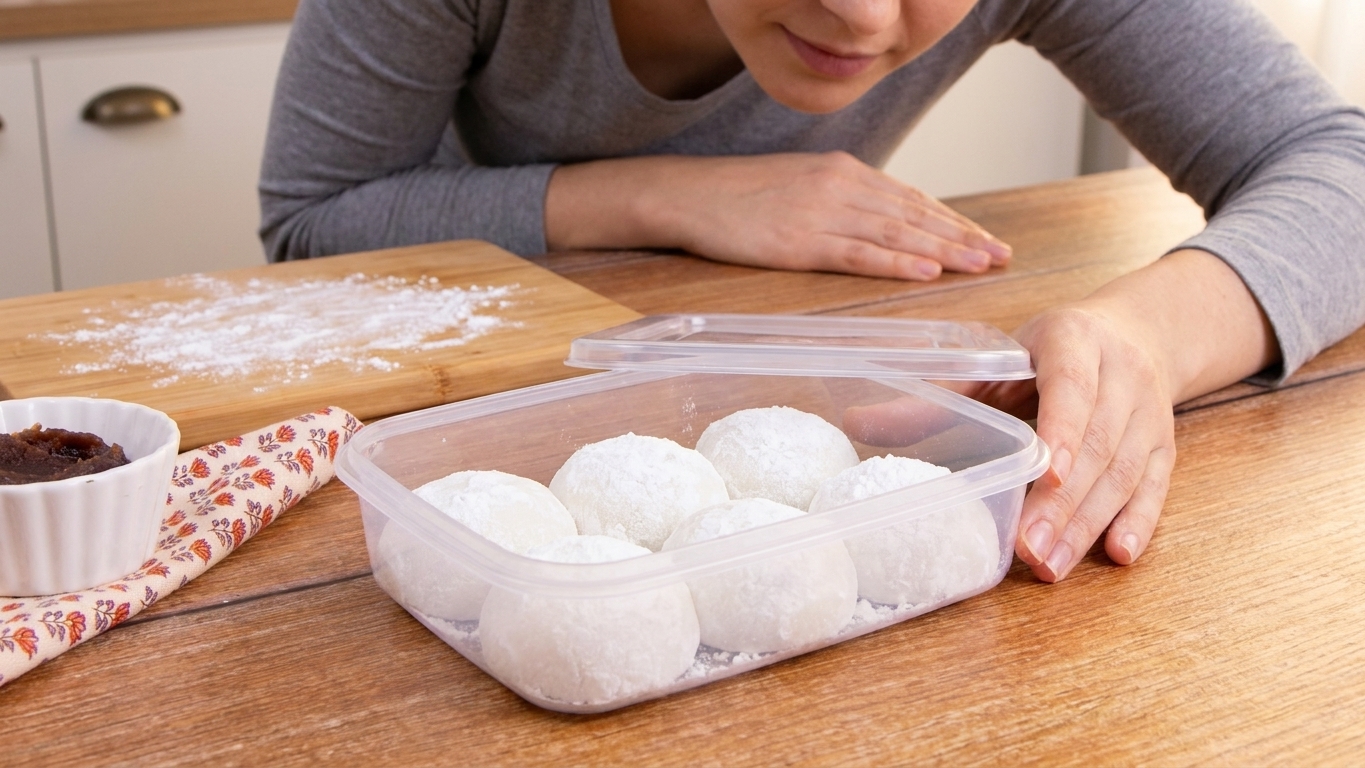
If you will eat it within a few hours, keep mochi in an airtight container at cool room temp. Dust lightly with starch so pieces do not glue together.

Refrigerator (not my favorite, but doable)

The fridge makes mochi firm and a bit stale, sometimes within hours. If you must refrigerate, wrap each piece tightly in plastic wrap and store airtight for up to 2 days. To soften, microwave a piece for 5 to 10 seconds until just pliable again.

Freezer (best for longer storage)

Wrap each piece tightly in plastic wrap, then place in a freezer bag. Freeze up to 1 month. Thaw at room temp for about 30 to 60 minutes, or microwave in short bursts (start with 10 seconds), stopping as soon as it turns stretchy. Overheating makes it tough.

Several pieces of mochi dusted with potato starch resting in a shallow airtight container on a kitchen counter

Common Questions

Is mochi gluten-free?

Traditional mochi made from rice is gluten-free, but always check your specific package labels for cross-contamination warnings. Also note that glutinous rice flour does not contain gluten. The name refers to its sticky texture. One more small caveat: some commercial mochi (or certain flavored/savory versions) can include wheat-based ingredients or flavorings, so labels matter.

What is the difference between glutinous rice flour and regular rice flour?

They are not a 1:1 swap for mochi. Glutinous rice flour (sweet rice flour) makes mochi stretchy and chewy. Regular rice flour tends to make a mixture that is more pasty or crumbly, and you will not get that signature bounce.

Why is my mochi too sticky to handle?

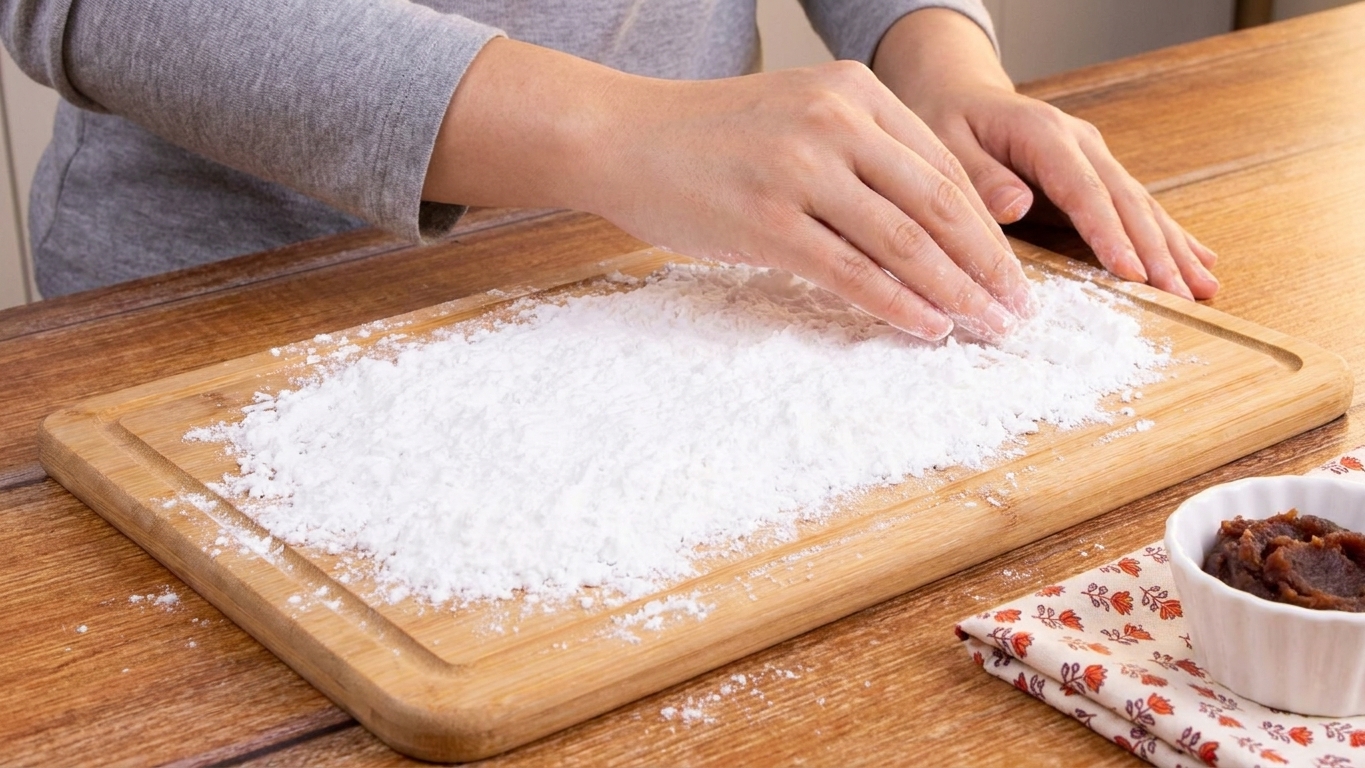
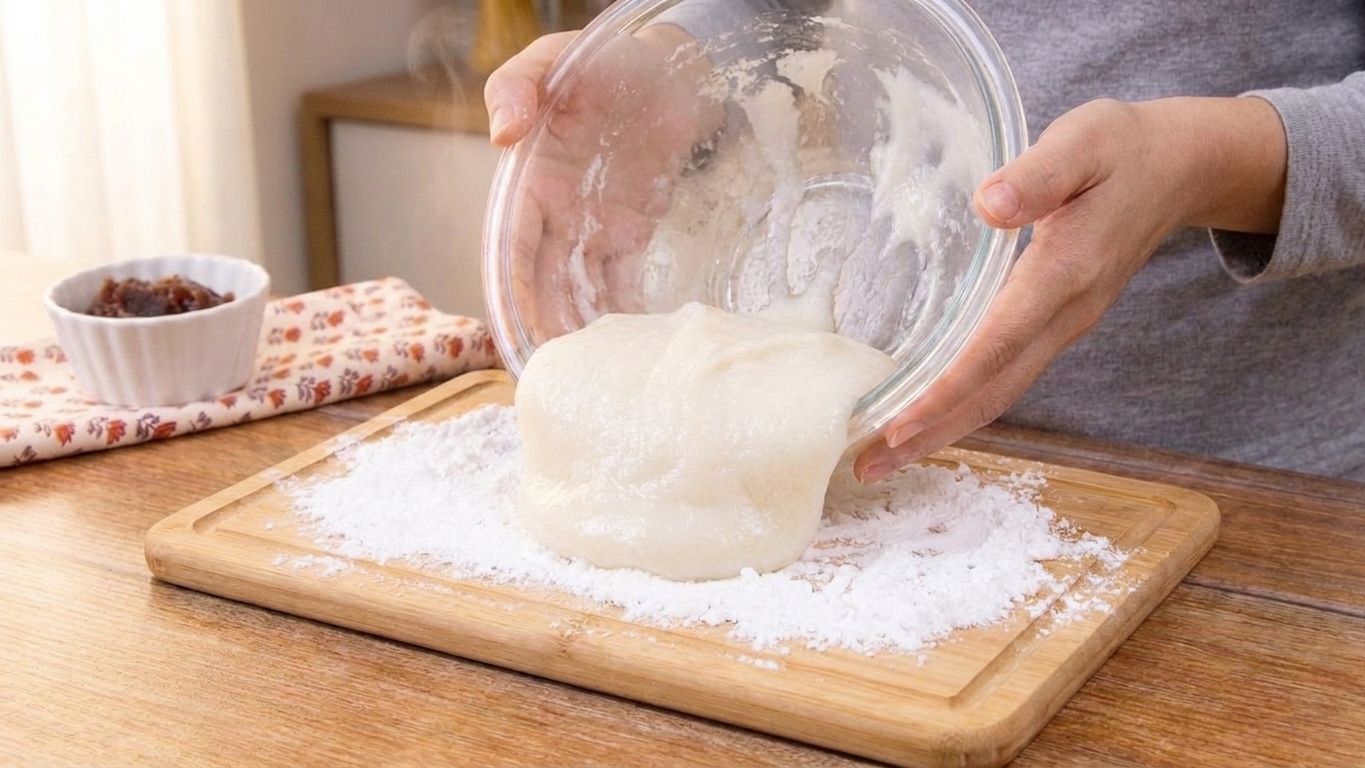
Two common reasons: not enough starch on your hands and surface, or the dough is still very hot. Dust your counter generously with potato starch or cornstarch, then let the mochi cool 3 to 5 minutes before shaping.

Can I reduce the sugar?

You can, but mochi tastes flat without some sweetness and the texture can feel a little less tender. If you want it less sweet, reduce sugar to 3 tablespoons.

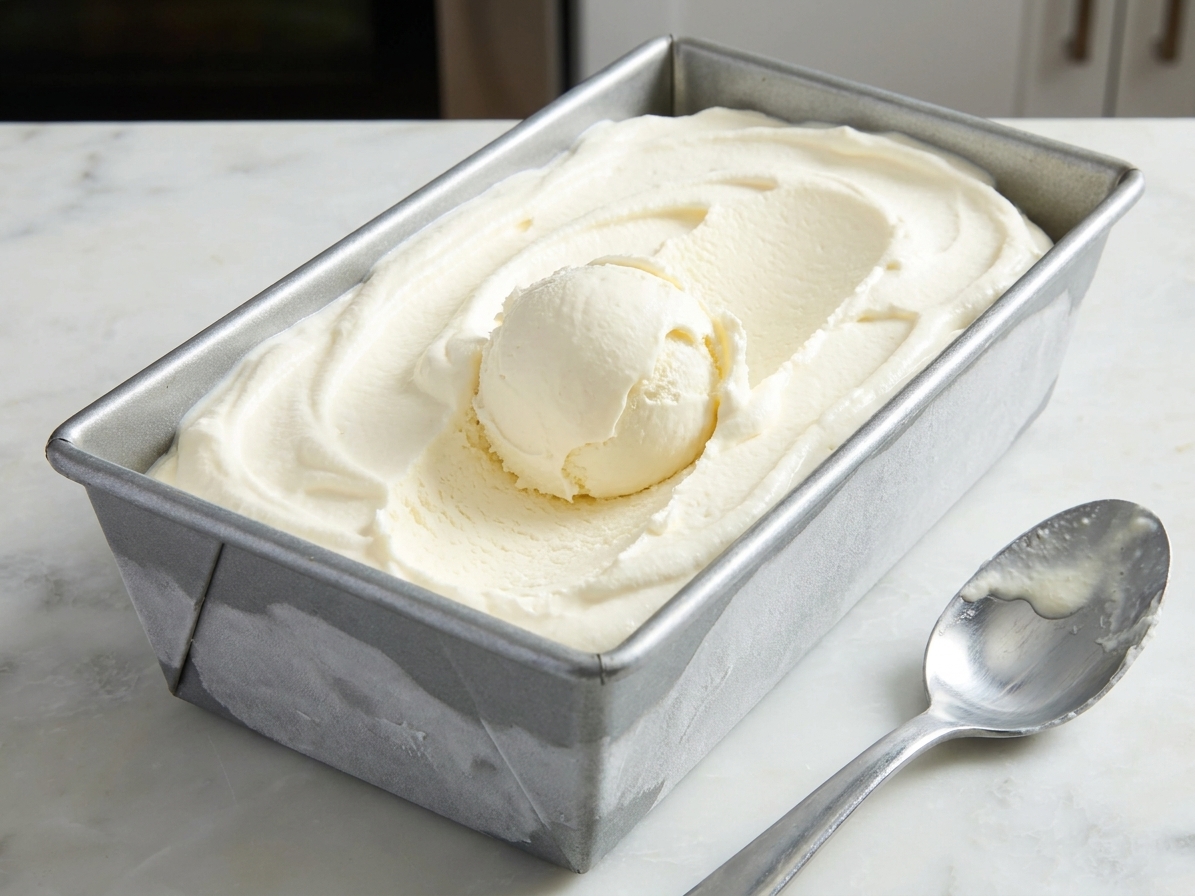
Can I fill it with ice cream?

Yes, but use a different workflow. Freeze small scoops of ice cream rock-solid first, and work fast with well-chilled filling. For this page, I am focusing on classic mochi dough and optional sweet fillings like red bean paste.

Is mochi a choking hazard?

It can be for young children and older adults because it is very chewy and sticky. Serve small pieces and supervise kids closely.

The first time I made mochi at home, I fully believed I had ruined it. It was sticky, glossy, and honestly looked like it wanted to escape the bowl. Then I dusted the counter like I was prepping a snow day, folded it over itself a couple times, and suddenly it turned into this smooth, bouncy dough that felt alive. Mochi is like that. It rewards you the moment you stop fighting the stickiness and start working with it.