Mom's Best Recipes
Recipe

Mitarashi Dango

Chewy rice dumpling skewers with a glossy sweet soy glaze that hits salty, sweet, and toasty all at once.

Author By Matt Campbell
4.8
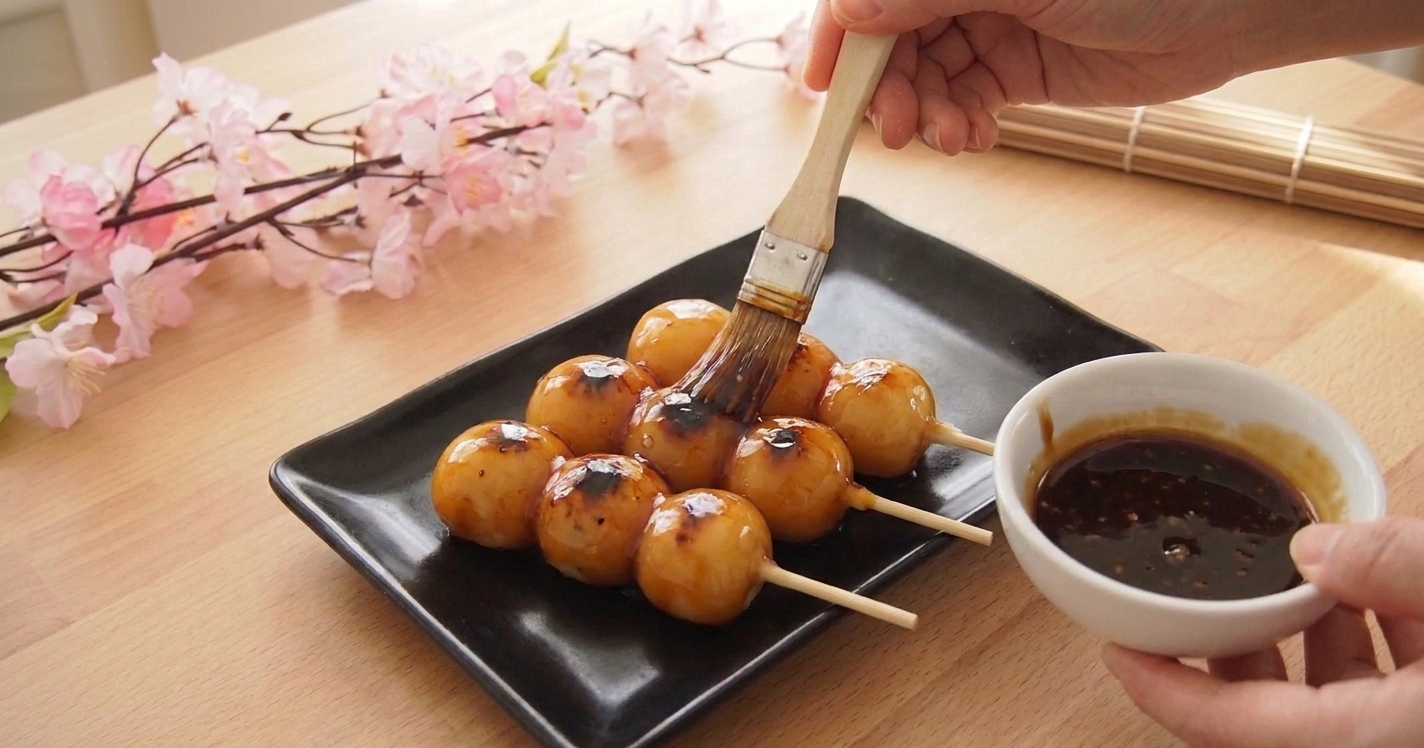
A plate of mitarashi dango skewers coated in a glossy sweet soy glaze, with a small bowl of extra sauce on a warm kitchen table

Dango is one of those snacks that looks cute and harmless until you realize you've eaten three skewers standing at the counter just to taste the sauce. This is mitarashi dango, the classic version with a shiny, sweet soy glaze that clings to the dumplings like it has a personal mission.

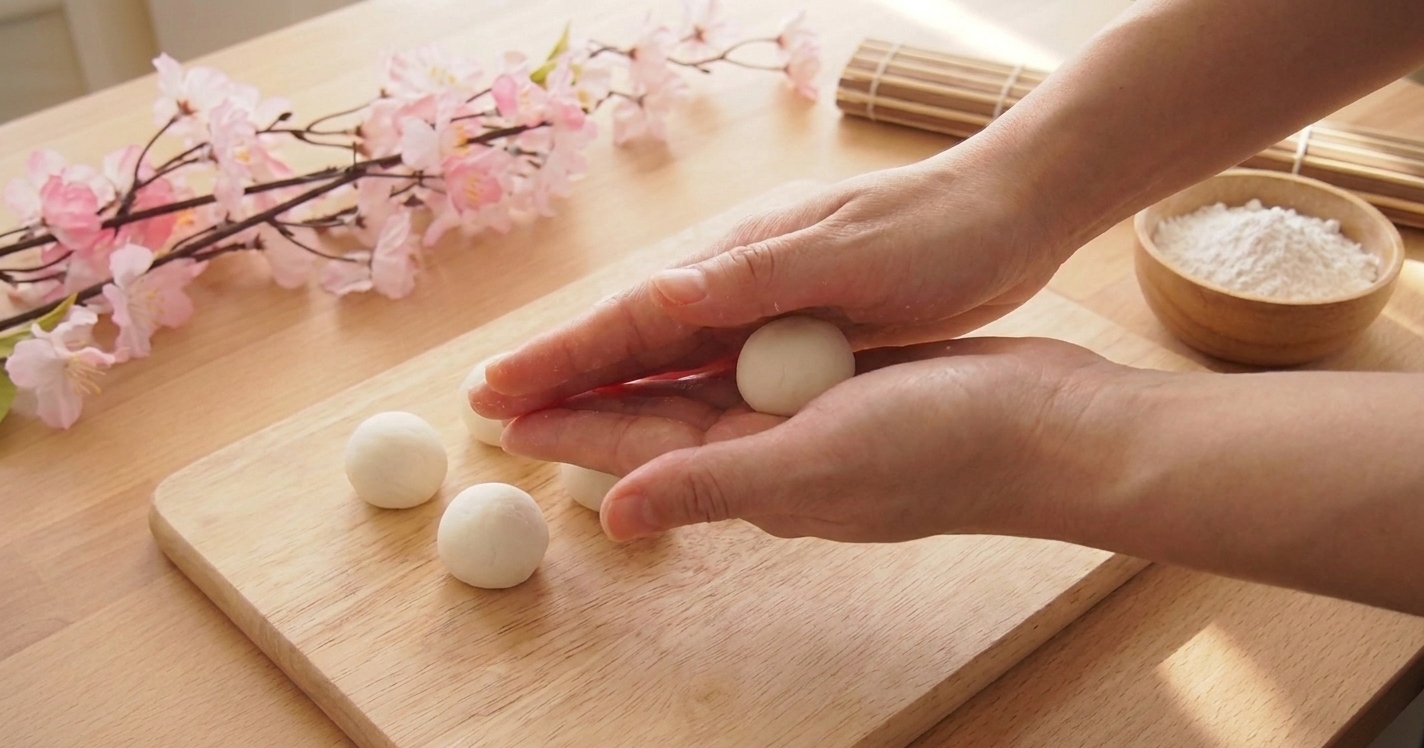
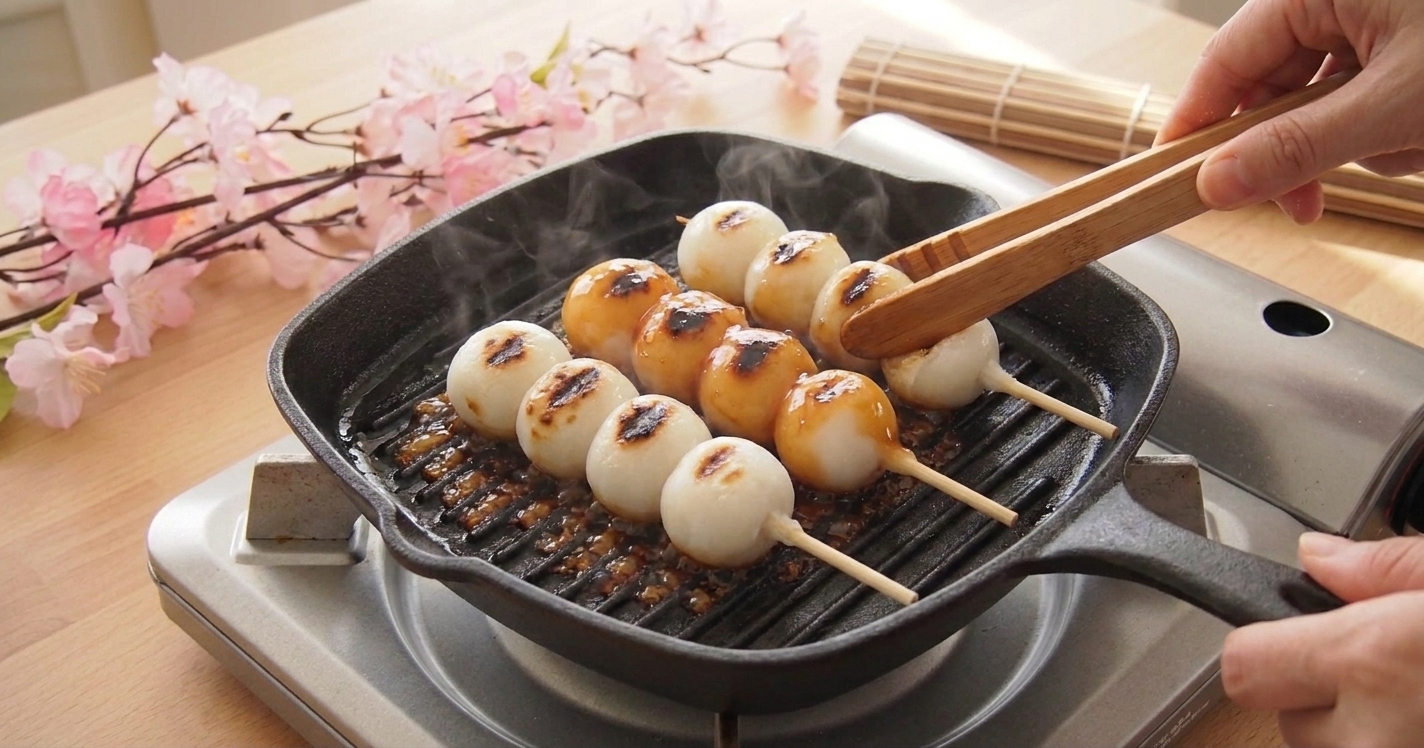
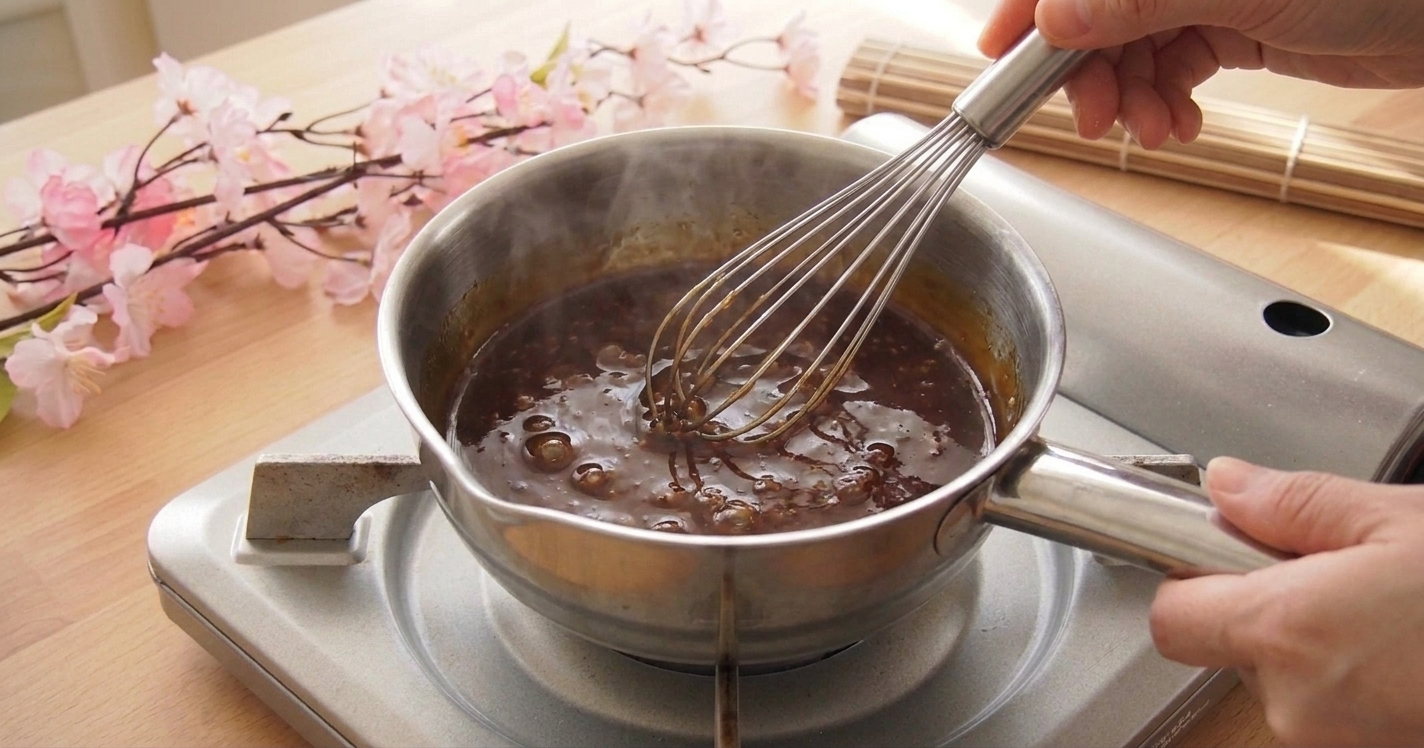
The vibe here is simple: chewy rice dumplings, lightly cooked, then kissed on a hot pan or grill for a little toastiness. Then you dunk or brush them with a glaze that is basically caramel's savory cousin. If you can stir a pot and roll dough into balls, you can make dango.

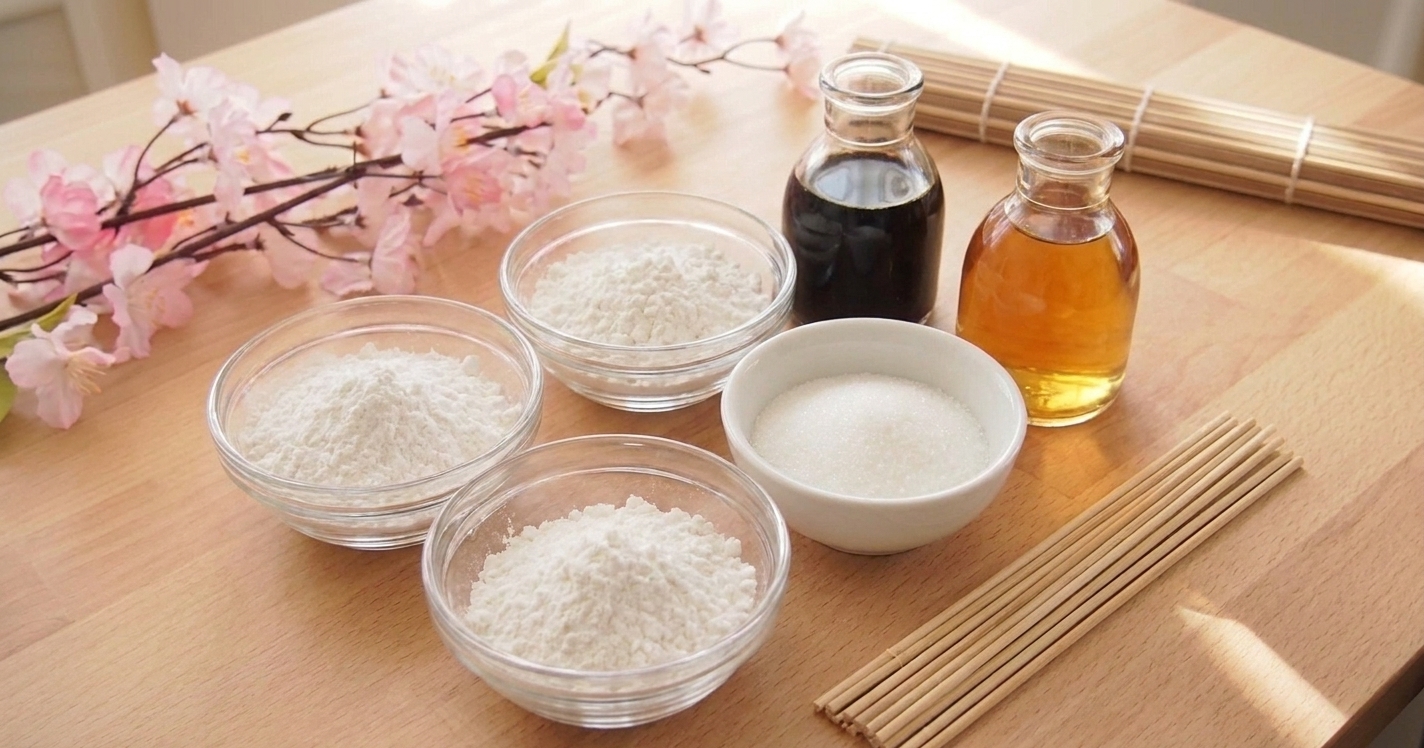
Sweet rice flour, regular rice flour, sugar, soy sauce, mirin, and skewers arranged on a clean kitchen counter with small prep bowls

Why It Works

  • That perfect chew: a blend of sweet rice flour (glutinous) and regular rice flour gives you bouncy, tender dumplings that aren't gummy.
  • Glossy glaze that actually sticks: a quick starch slurry makes a shiny sauce that coats instead of sliding off.
  • Toasty edges, minimal drama: a quick sear after boiling adds aroma and keeps the glaze from feeling one-note sweet.
  • Accessible ingredients: you can find rice flour and sweet rice flour at most Asian markets, and often in larger grocery stores.

Pairs Well With

Storage Tips

Dango is best the day it's made, when it's at peak chewy. If you have leftovers, here's the least-sad way to handle them.

Fridge (1 to 2 days)

  • Store dango (preferably un-glazed) in an airtight container.
  • Reheat by steaming 3 to 5 minutes, or microwaving with a damp paper towel in short bursts until soft again.
  • Warm the glaze separately and brush on after reheating.

Freezer (up to 1 month)

  • Freeze boiled, cooled dango balls on a tray, then move to a freezer bag. Keep skewers separate.
  • Reheat from frozen by simmering 1 to 2 minutes until heated through, then sear and glaze.

Glaze storage

  • Keep glaze in the fridge up to 5 days. Rewarm gently with a splash of water to loosen.

Make-ahead note

  • The dough dries out fast, so shape and boil promptly. If you need a pause, keep the balls covered with a damp towel until they hit the pot.

Common Questions

What is dango?

Dango is a Japanese rice dumpling made from rice flour, often a blend of flours. It is typically served on skewers and can be sweet, savory, or both. Mitarashi dango is the famous one with sweet soy glaze.

Is dango the same as mochi?

Not exactly. Mochi is traditionally made from pounded steamed glutinous rice, and it tends to be softer and stretchier. You can also make mochi-like dough from glutinous rice flour (mochiko). Dango is more dough-like, rolled, and boiled, with a bouncy chew.

Do I need both sweet rice flour and regular rice flour?

For this texture, yes. Sweet rice flour (often labeled mochiko) brings chew. Regular rice flour keeps it tender and not too sticky. If you only have sweet rice flour, you can still make it, but it'll be softer and more mochi-like.

Can I use tapioca starch instead of cornstarch in the glaze?

Yes. Use the same amount. Tapioca starch tends to make a slightly stretchier, clearer glaze.

What thickener is traditional for mitarashi glaze?

Katakuriko (potato starch) is a classic choice and gives a clear, glossy sauce. Cornstarch is a very common home swap and works great here.

Why did my dango crack or feel dry?

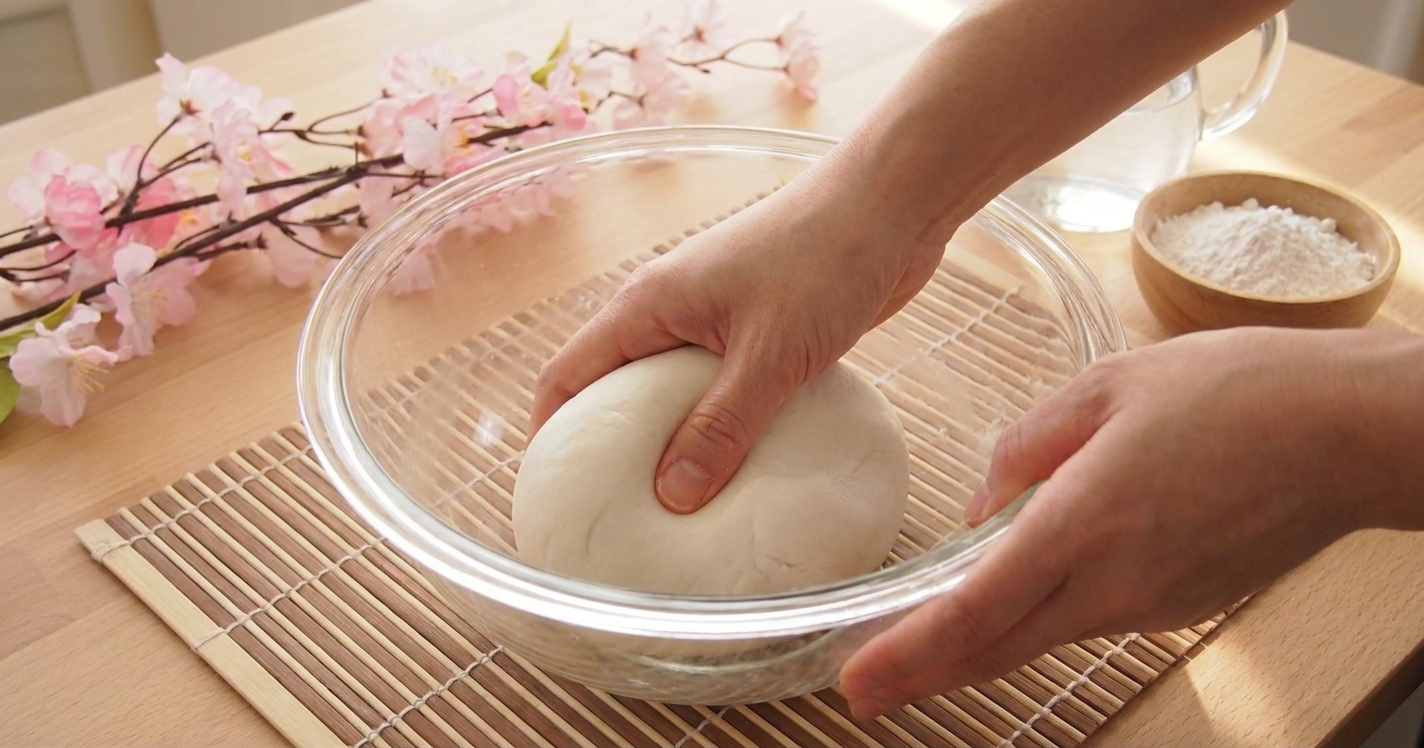
Usually the dough needed a bit more hot water, or the balls dried out before boiling. Add water 1 teaspoon at a time until the dough is smooth and holds together without crumbling. Keep the formed balls covered while you work.

Why did my dango flatten in the water?

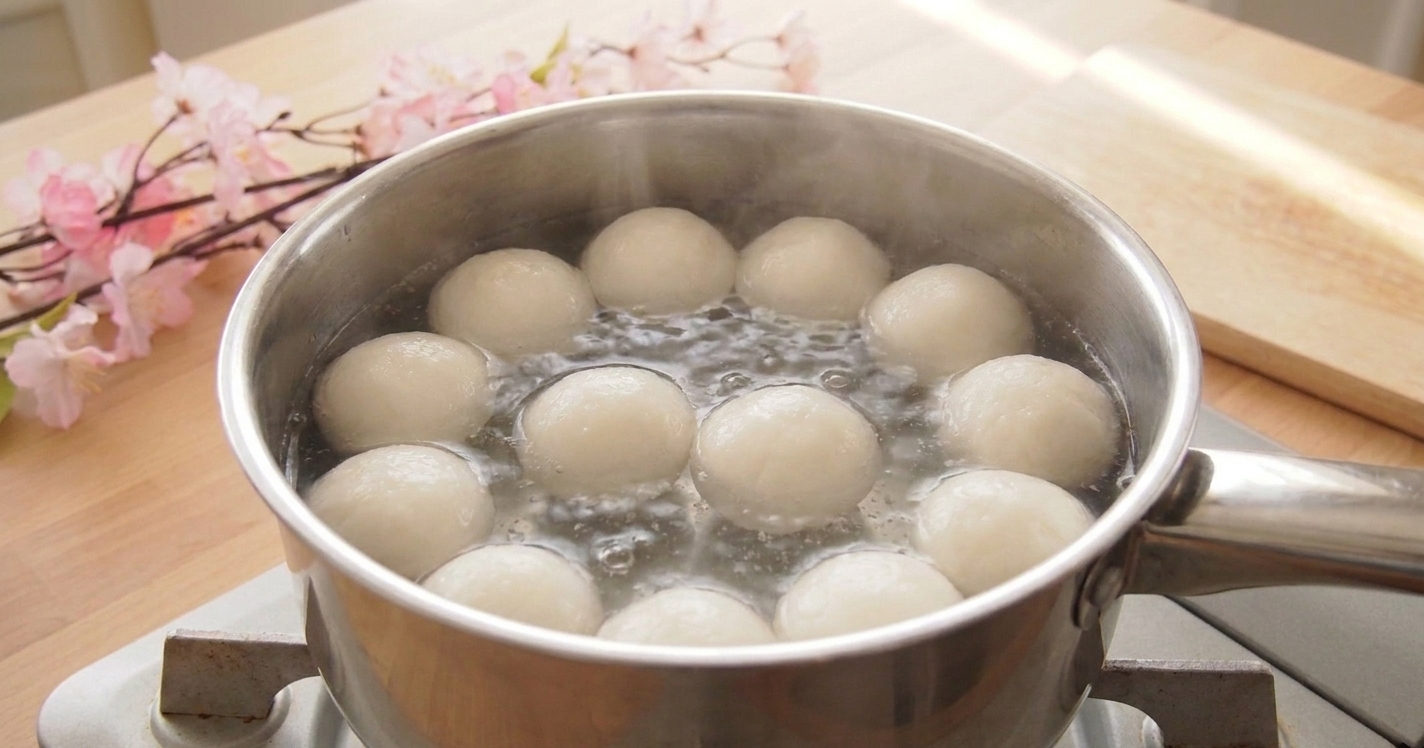
The dough may have been too wet. Dust in a little more rice flour, knead gently, and try again. Also keep the simmer gentle, not a rolling boil.

Can I make it without skewers?

Absolutely. Skewers are traditional and convenient for glazing, but a bowl of glazed dumplings is still a win.

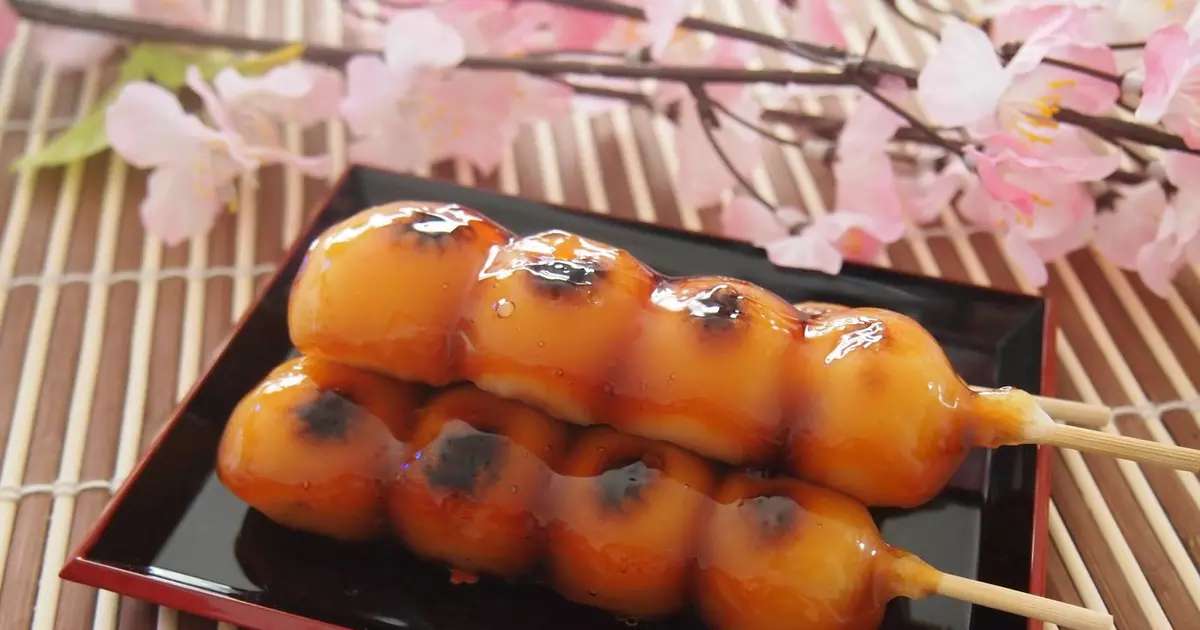
The first time I tried making dango, I treated the dough like it was going to judge me. It didn't. It just needed hot water, a little patience, and someone willing to stop overthinking and start rolling. Now it's one of my favorite kitchen reset snacks: boil, sear, glaze, repeat. Also, the glaze is the kind of seasoning moment that makes you pause mid-bite like, okay wow, why is this so good.