Mom's Best Recipes
Recipe

Easy Lo Mein Sauce

A glossy, garlicky, takeout-style lo mein sauce you can whisk together fast with pantry staples. One bowl, one pan, big flavor.

Author By Matt Campbell
4.8 (214)
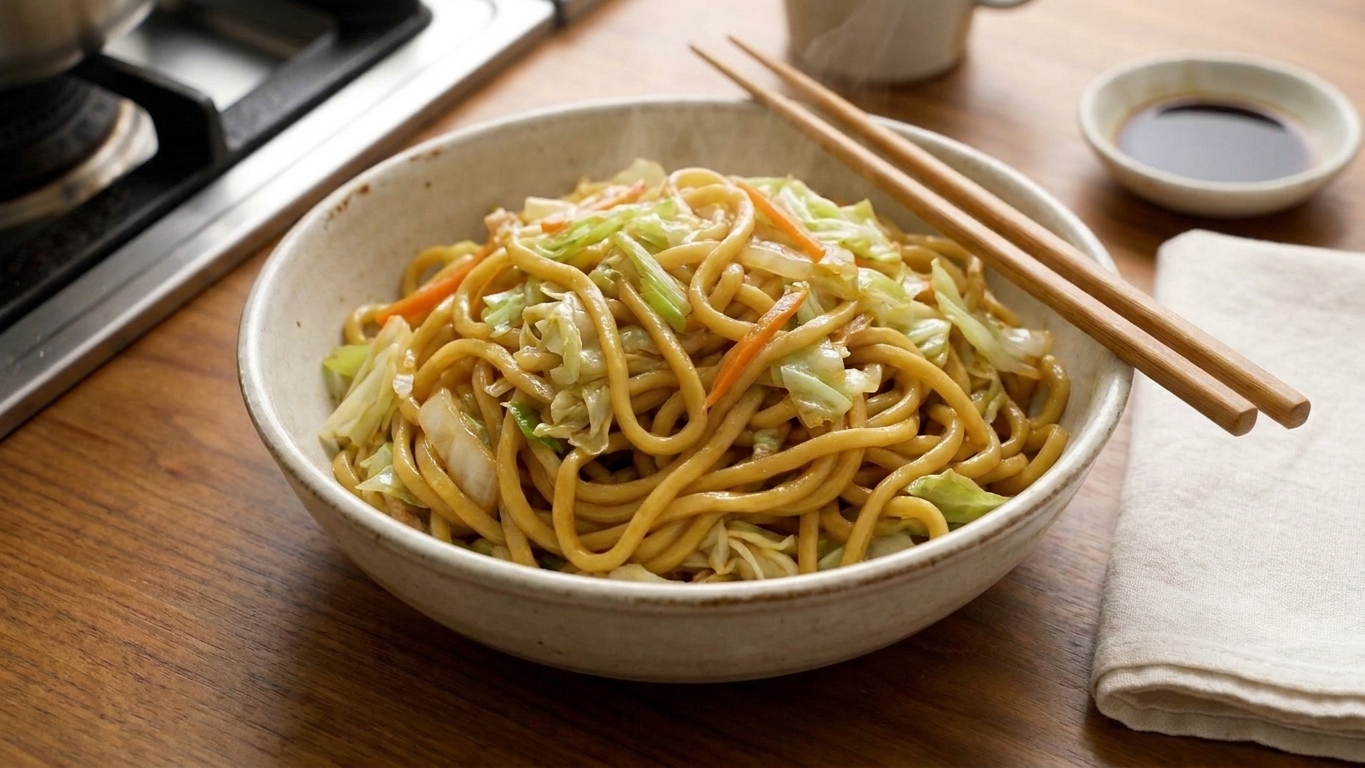
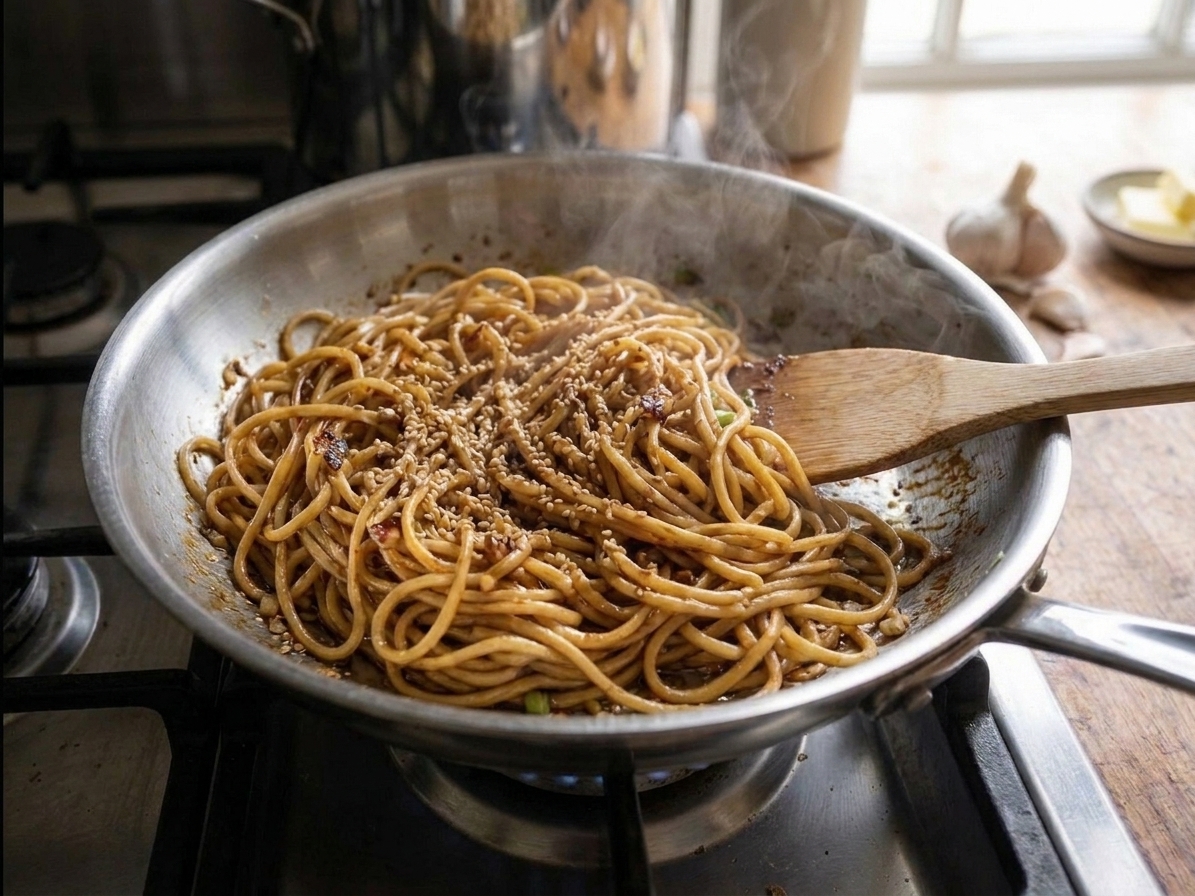
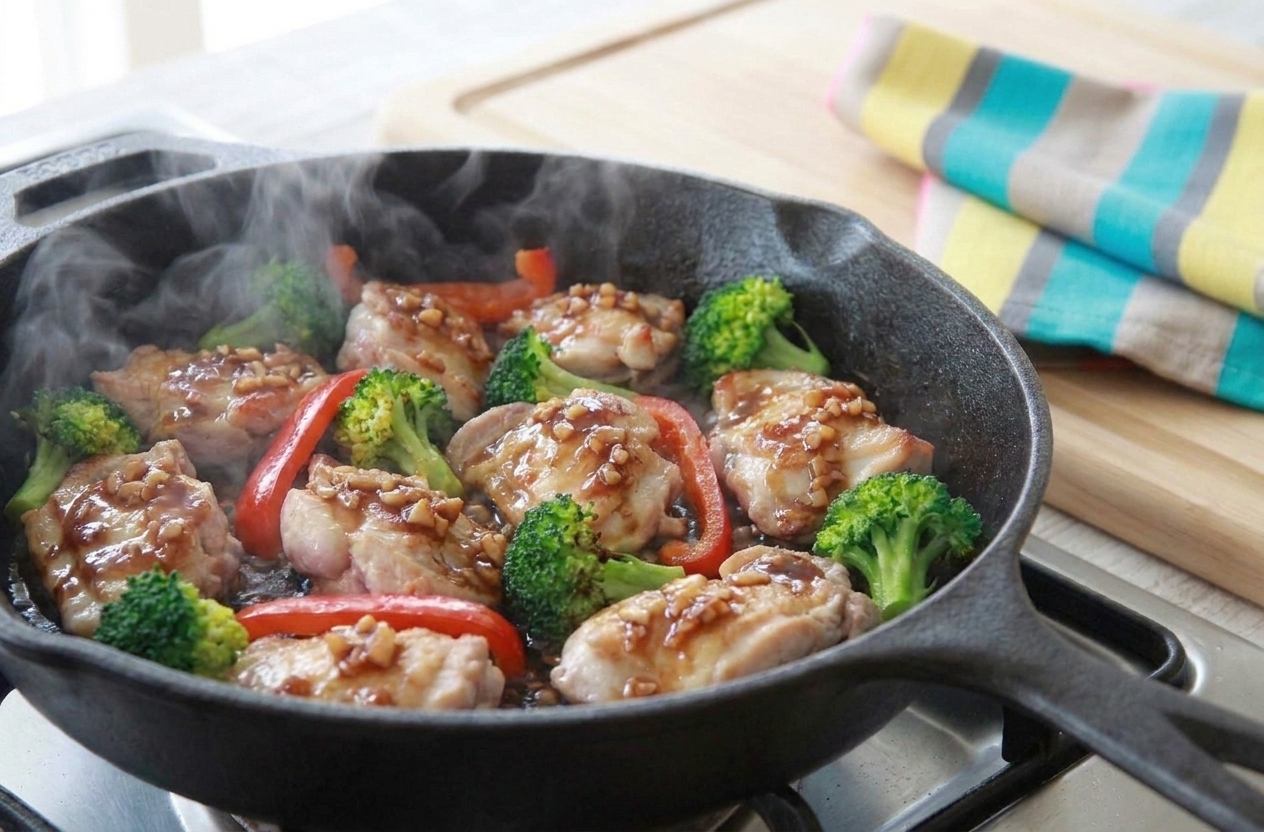
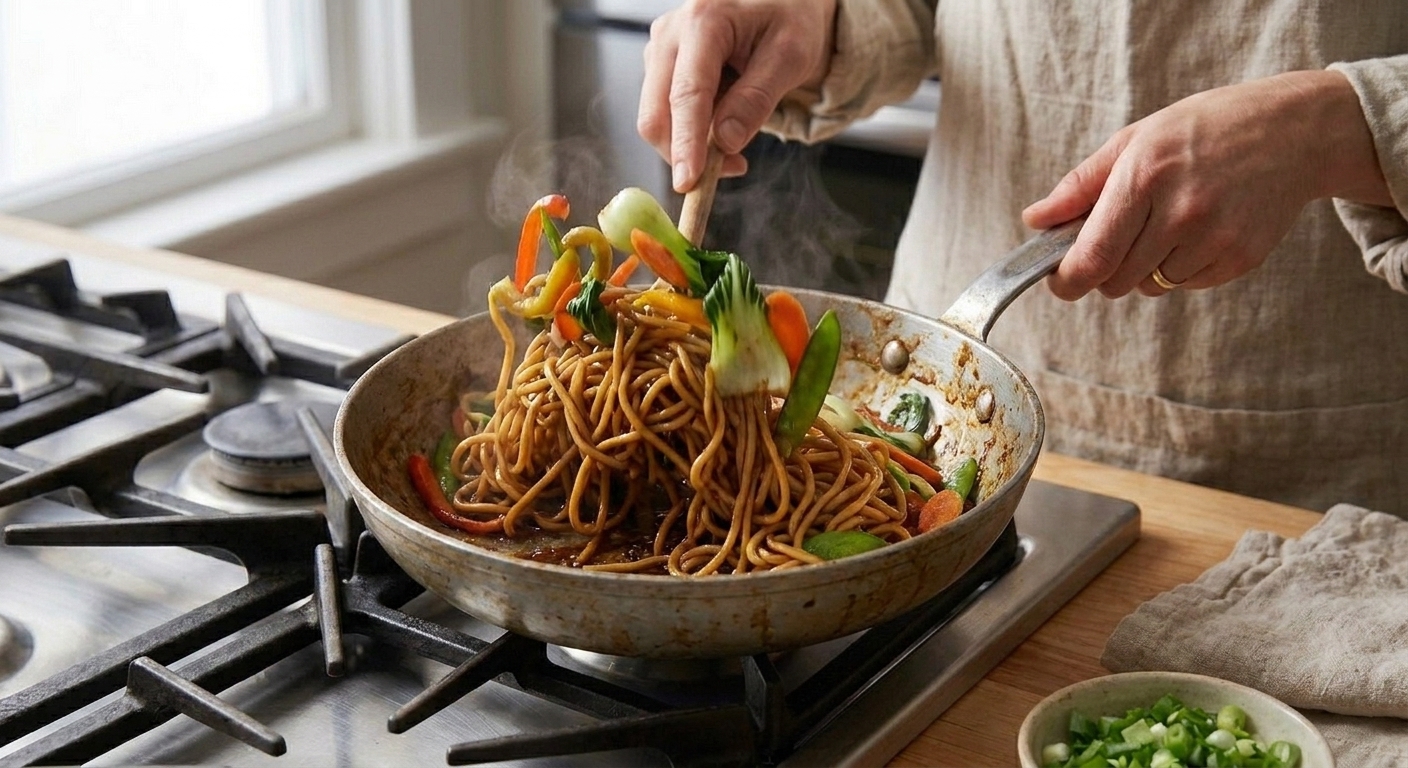
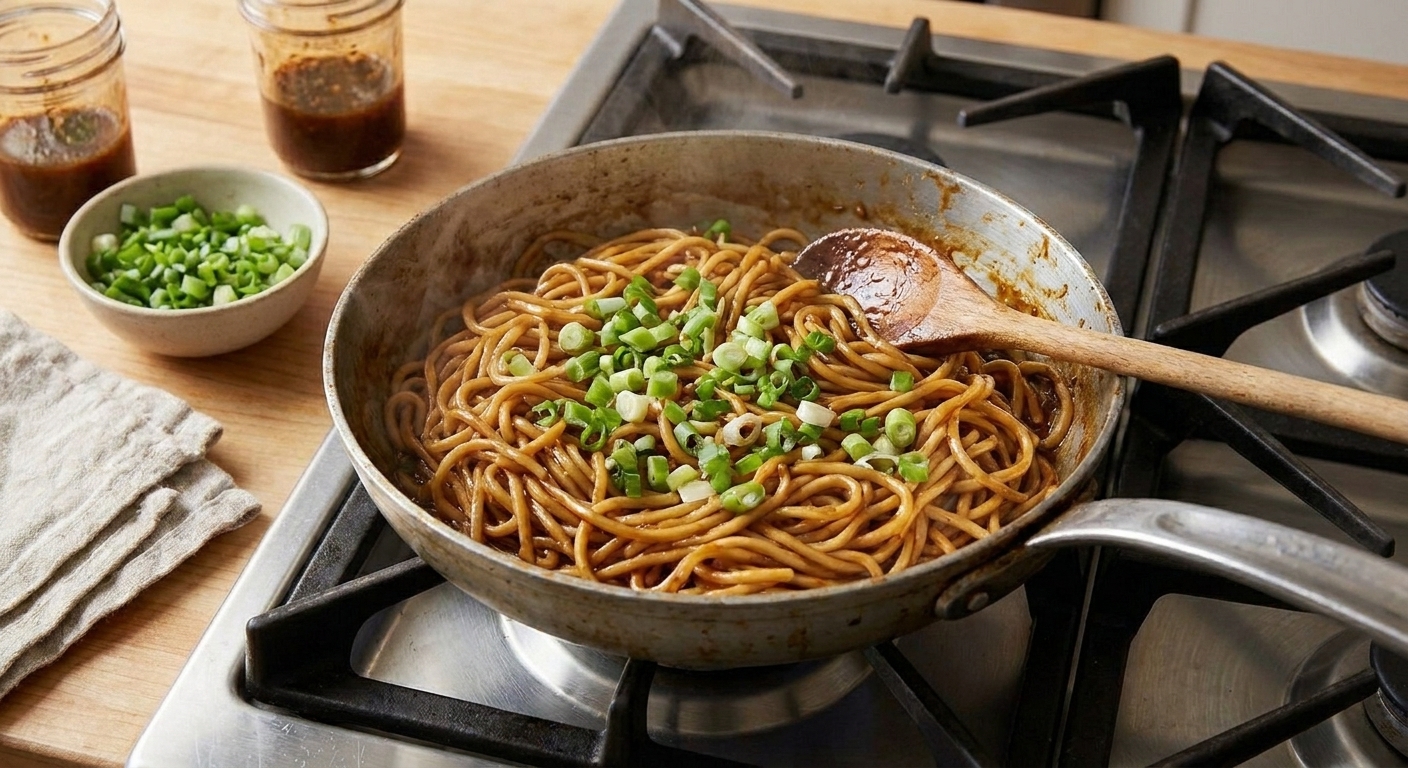
A skillet of lo mein noodles tossed in glossy brown lo mein sauce with sliced scallions on a warm kitchen stovetop

Lo mein sauce is one of those tiny kitchen power moves that makes you feel like you’ve got your life together, even if you’re cooking in sweatpants and your cutting board is currently a little too crowded. It’s savory, a little sweet, deeply garlicky, and it turns plain noodles into that glossy, clingy, takeout-style situation we all want on a Tuesday.

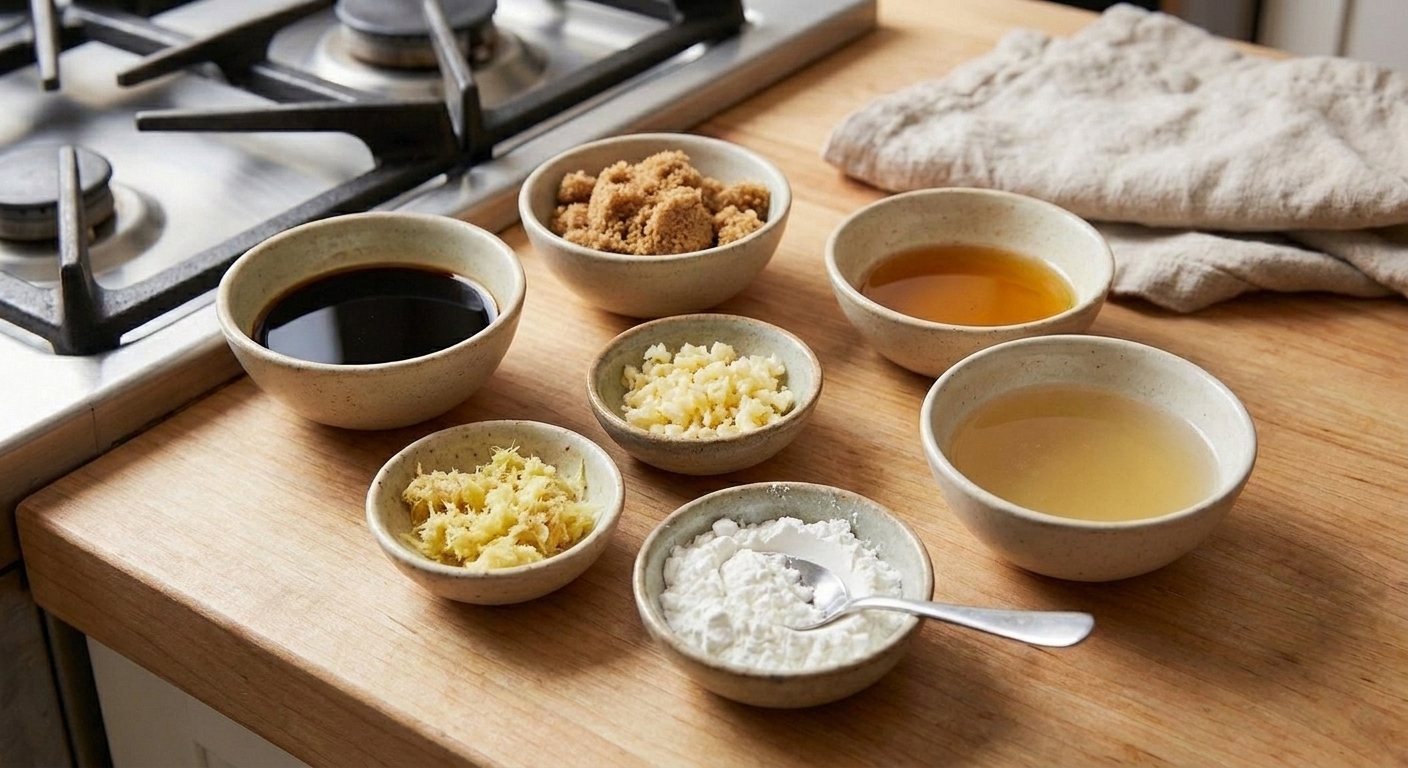
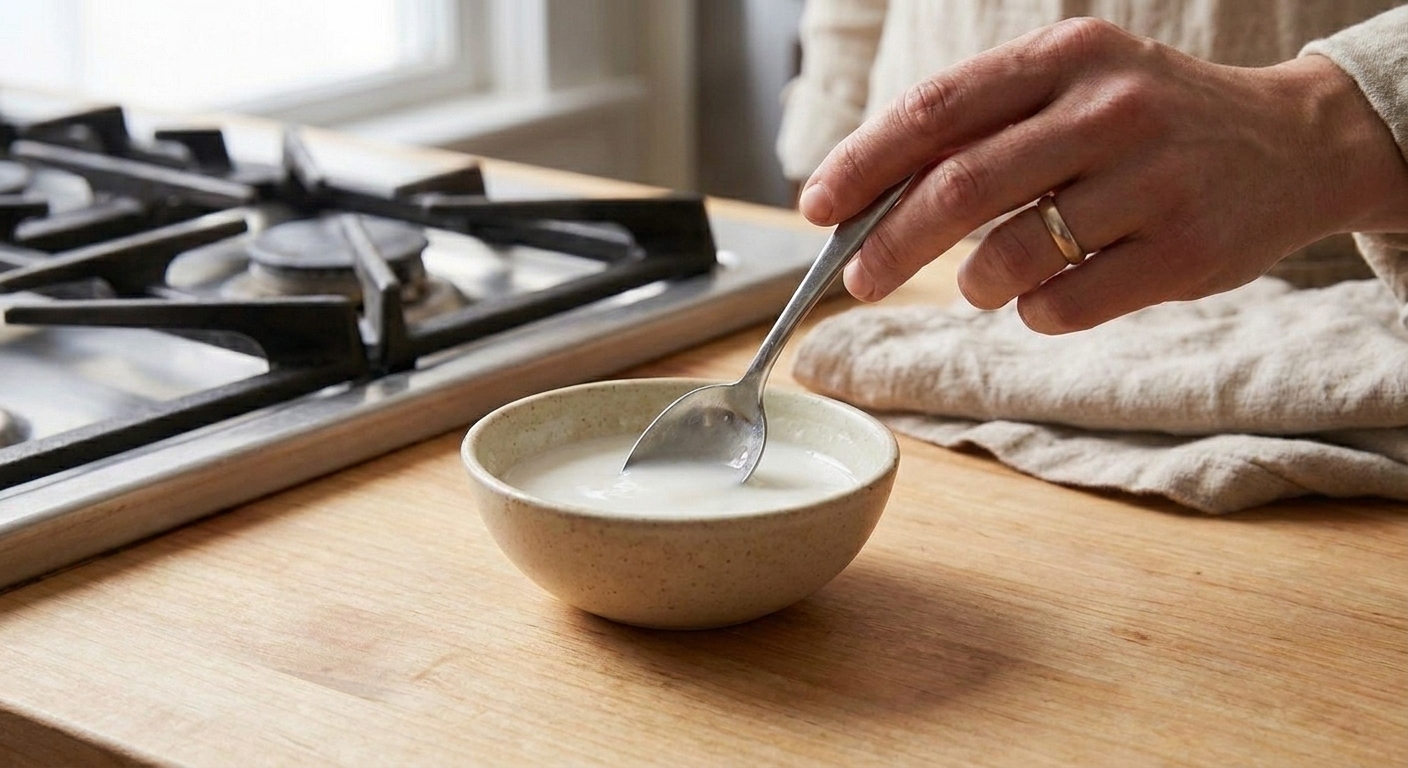
This version’s built from everyday pantry stuff: soy sauce, brown sugar, sesame oil, garlic, ginger, and a quick cornstarch slurry so it coats noodles instead of pooling sadly at the bottom of the bowl. Make it once and you’ll start keeping a jar in the fridge like a responsible adult who also loves cozy carbs.

Small bowls of soy sauce, brown sugar, sesame oil, minced garlic, grated ginger, cornstarch, and broth arranged on a bright kitchen counter

Why It Works

  • Balanced flavor, not just salty: soy sauce plus brown sugar and aromatics gives you that sweet-savory lo mein vibe.
  • Glossy, clingy texture: a quick cornstarch slurry thickens the sauce so it actually sticks to noodles and veggies.
  • Flexible and forgiving: use water or broth, swap sweeteners, and adjust with a splash of vinegar or extra soy sauce as you taste.
  • Fast: whisk, simmer for 1 to 2 minutes, then toss with noodles. Dinner moves quickly from “what now?” to “okay, wow.”

Pairs Well With

Storage Tips

Refrigerator: Store lo mein sauce in a sealed jar or container for 5 to 7 days. Use a clean jar, keep it refrigerated, and discard if you notice an off smell, mold, or any weird changes.

It’ll thicken as it chills. That’s normal.

To reheat: Warm gently in a small saucepan or microwave in 15 to 20 second bursts. If it’s too thick, loosen with 1 to 2 tablespoons water or broth and whisk.

Freezer: Freeze in a small container or ice cube tray for up to 2 months. Thaw overnight in the fridge, then whisk well before using.

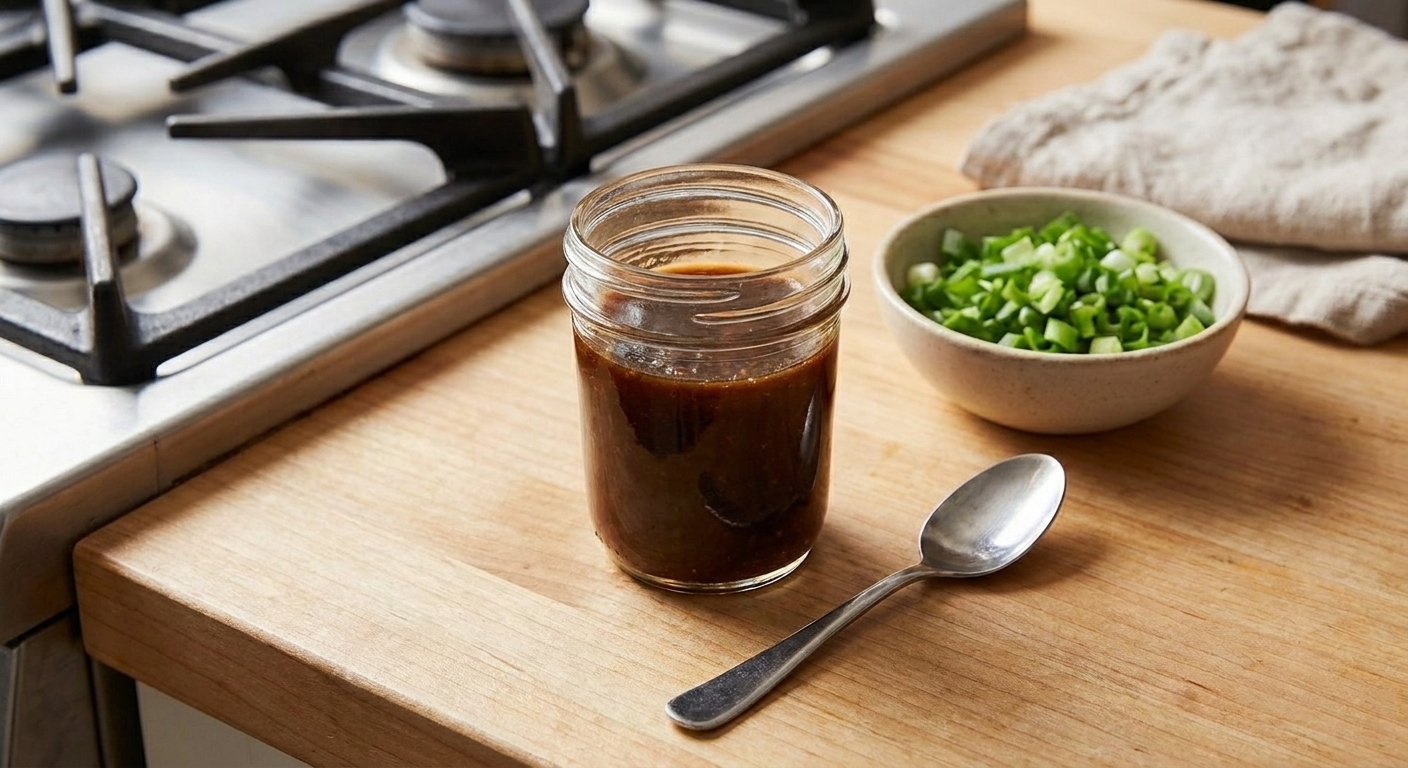
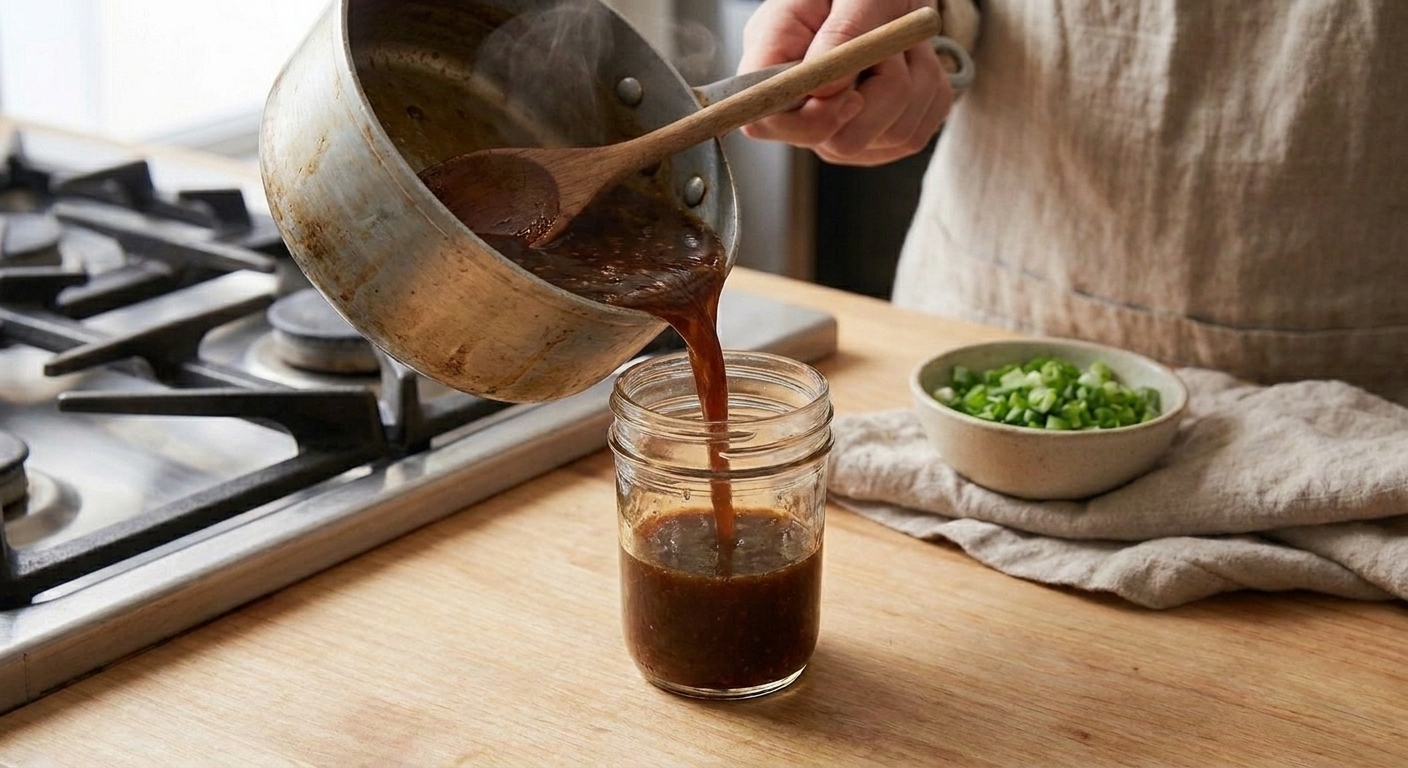
A small glass jar filled with brown lo mein sauce on a kitchen counter beside a spoon and sliced scallions

Common Questions

What is lo mein sauce made of?

A common takeout-style lo mein sauce starts with soy sauce plus a sweetener, aromatics like garlic and ginger, and a little sesame oil. Some versions use oyster sauce for extra savory depth and a thickener like cornstarch so the sauce clings to noodles instead of sliding to the bottom.

Is lo mein sauce the same as chow mein sauce?

They’re similar, but not always the same. Lo mein is usually saucier and made for soft noodles that get tossed and coated. Chow mein often leans lighter or is used with crisped noodles. Either way, this sauce works for both. Just use a little less if you want it less saucy.

Can I make lo mein sauce without oyster sauce?

Yes. Oyster sauce adds that restaurant-style savory sweetness, but you can still get great flavor without it. Swap in hoisin sauce (it’s a bit sweeter) or add an extra teaspoon of soy sauce plus a pinch more brown sugar.

Is this sauce vegetarian?

Not if you use traditional oyster sauce. To keep it vegetarian, use mushroom “oyster” sauce (often labeled vegetarian oyster sauce) or just skip the oyster sauce and lean on hoisin plus a touch more soy sauce.

How do I make it gluten free?

Use tamari or certified gluten free soy sauce. Also check your oyster sauce, hoisin, and chili garlic sauce if you use them, since they can contain wheat.

My sauce is too salty. How do I fix it?

Add a splash of water or broth to dilute, then balance with a little more brown sugar. A tiny splash of rice vinegar can also help make the saltiness taste less loud.

How much sauce do I need for noodles?

As a rule of thumb, this recipe makes about 3/4 cup, which is great for about 8 to 12 ounces dry noodles (roughly 16 to 24 ounces cooked) plus veggies and protein. If you like it extra saucy, use it all. If you want it lighter, start with about 1/2 cup and add more as you toss.

What noodles can I use for lo mein?

Lo mein noodles are ideal, but you’ve got options. Spaghetti works surprisingly well in a pinch, and ramen (without the seasoning packet) is great for a quick weeknight version. To prevent clumping, drain well and toss noodles with a tiny drizzle of oil if they’re sitting for more than a minute before you stir-fry.

I didn’t go to culinary school, but I did spend a lot of time chasing that exact takeout lo mein flavor that somehow tastes like comfort and good decision-making at the same time. The first few tries were fine, but the sauce always felt thin. Like it was taking a nap at the bottom of the bowl instead of hanging out on the noodles where the party is.

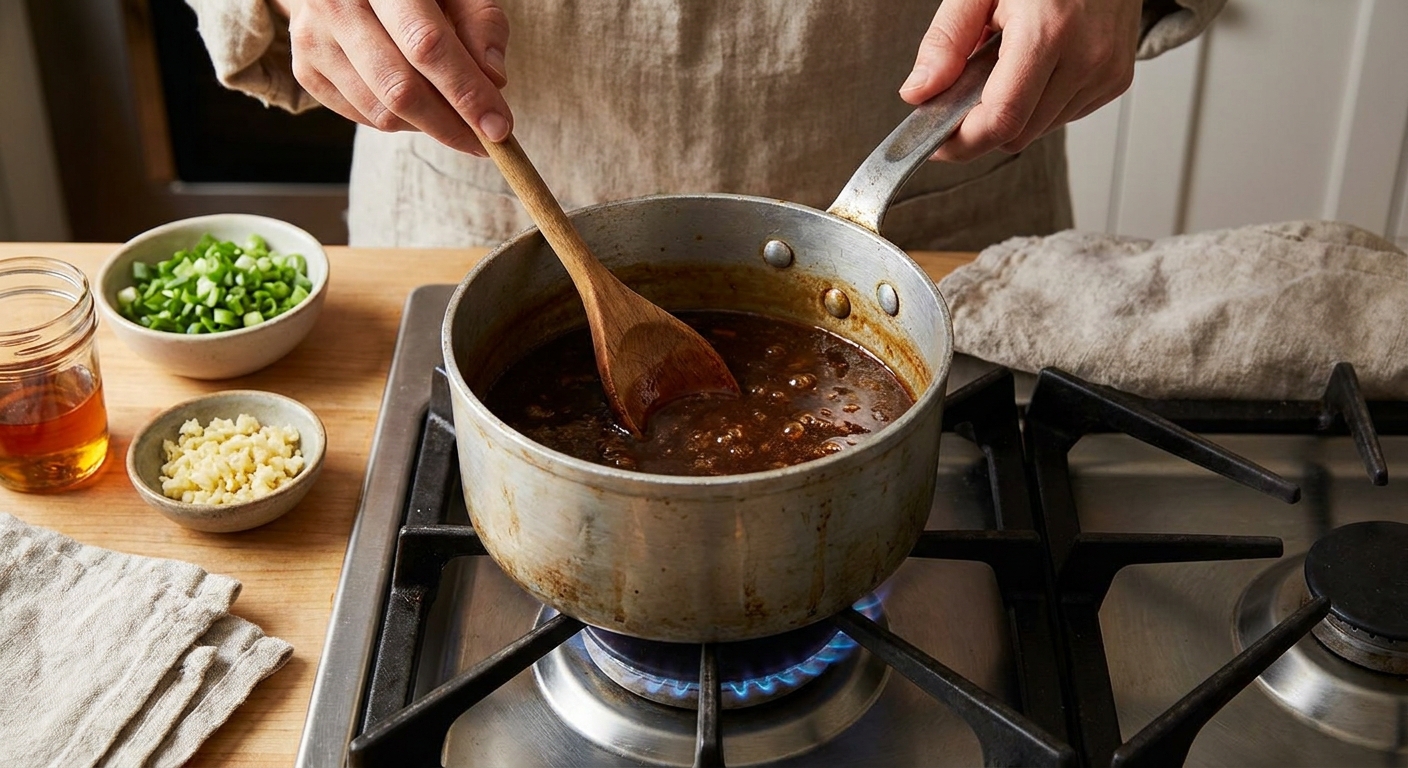
The fix was simple: a quick slurry and a short simmer. Now I make this sauce when my fridge is full of random vegetables and my brain is full of zero plans. Toss it with noodles, taste as you go, and suddenly dinner feels kind of intentional.

A small saucepan of brown lo mein sauce simmering gently on a stovetop as it thickens