Mom's Best Recipes
Recipe

Easy Napa Cabbage Kimchi

Crunchy, spicy, garlicky napa cabbage kimchi with a simple salt brine and a bold gochugaru paste.

Author By Matt Campbell
4.8
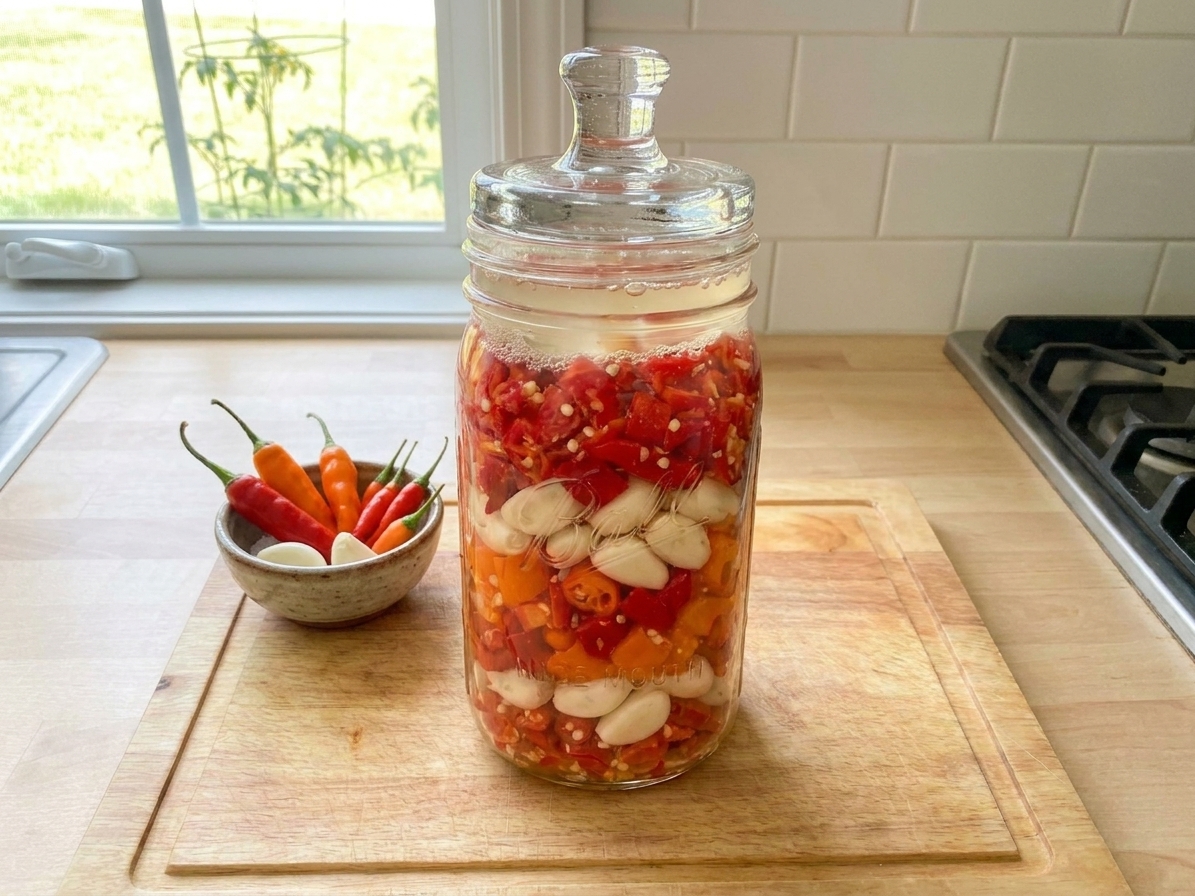
A wide-mouth glass jar packed with bright red napa cabbage kimchi on a kitchen counter, with a small bowl of gochugaru and garlic nearby

Kimchi is one of those foods that feels like a magic trick the first time you make it: you salt cabbage, rub it with a spicy paste, stash it in a jar, and a few days later it is tangy, funky, crisp, and somehow makes everything taste more alive.

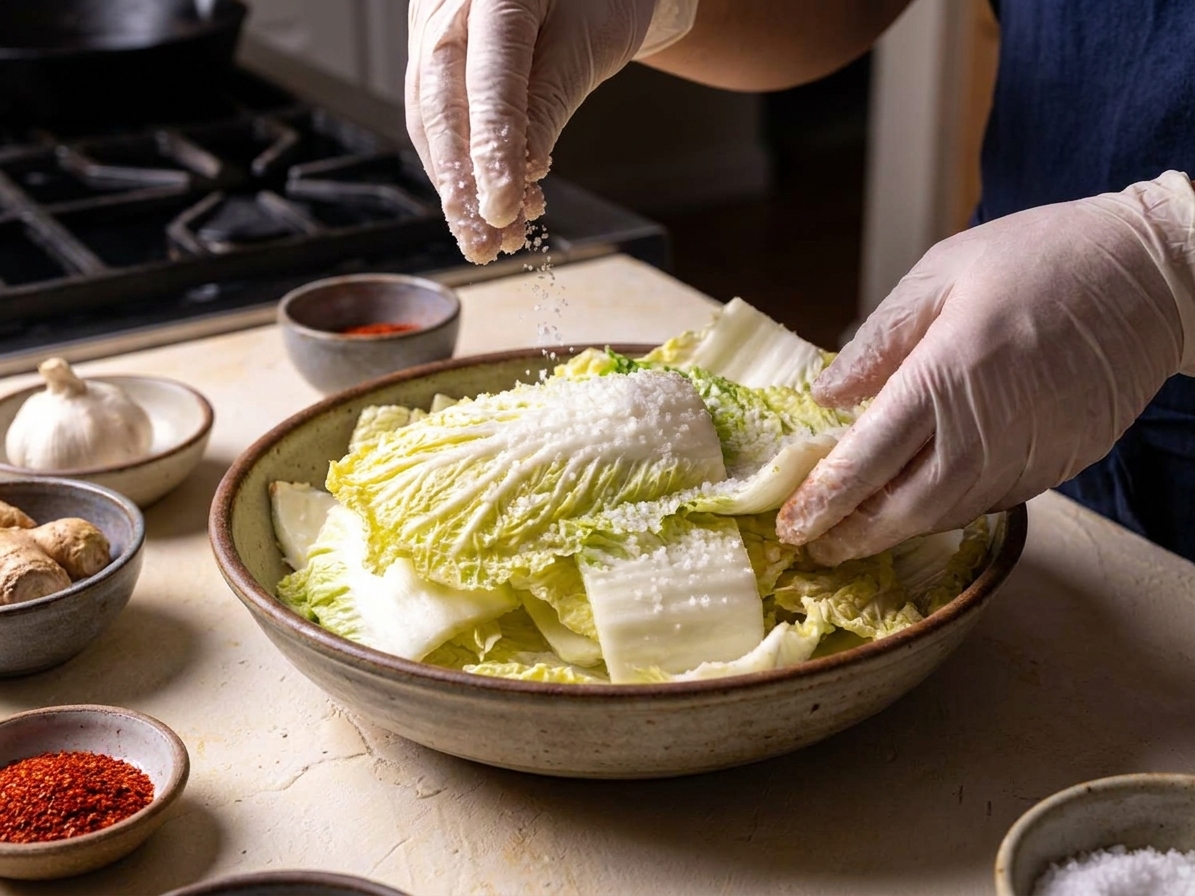
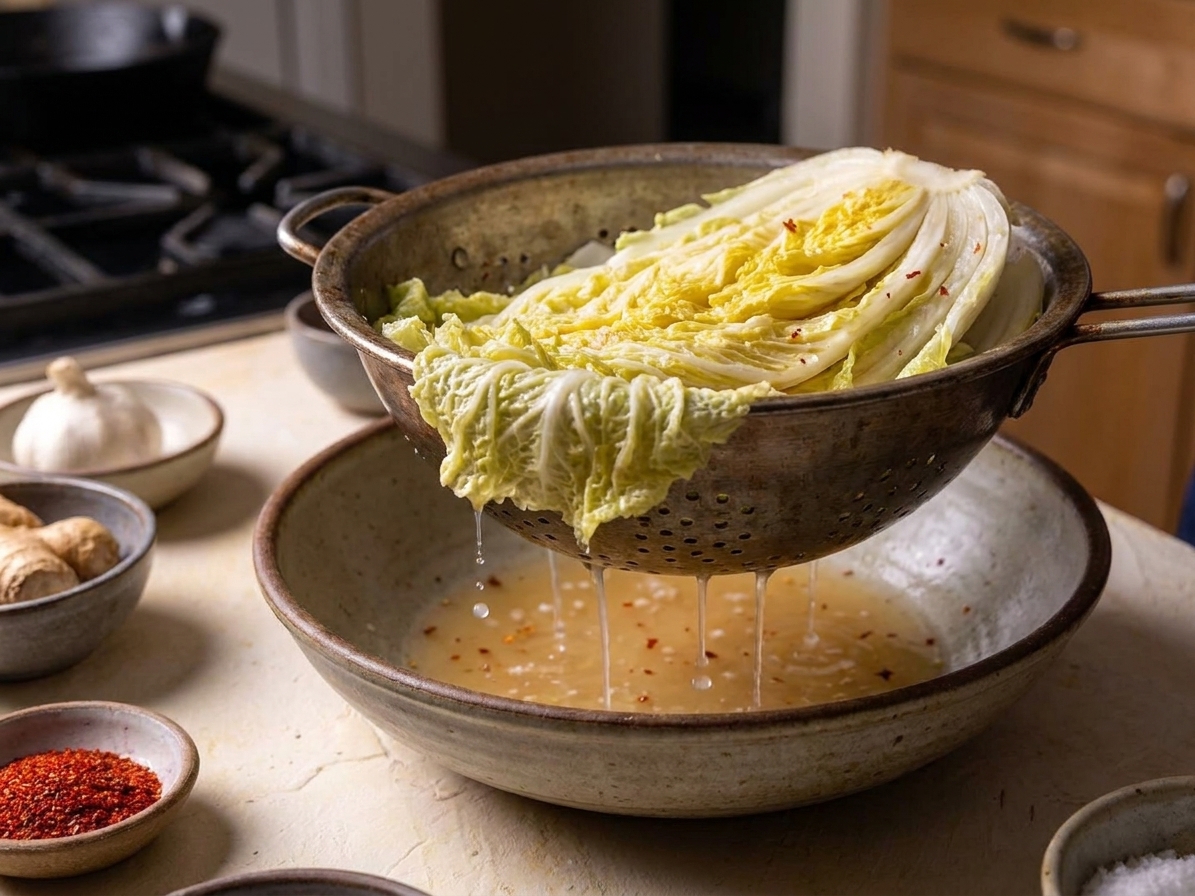
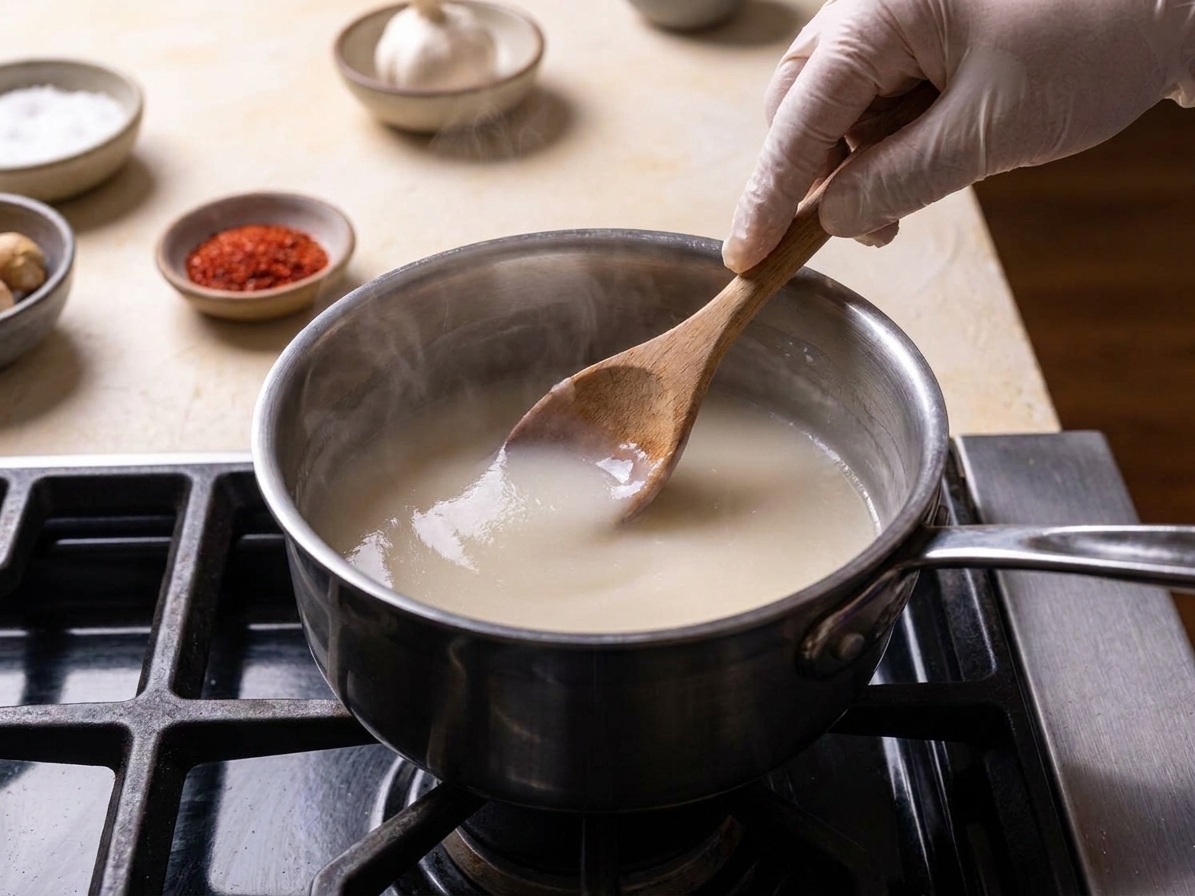
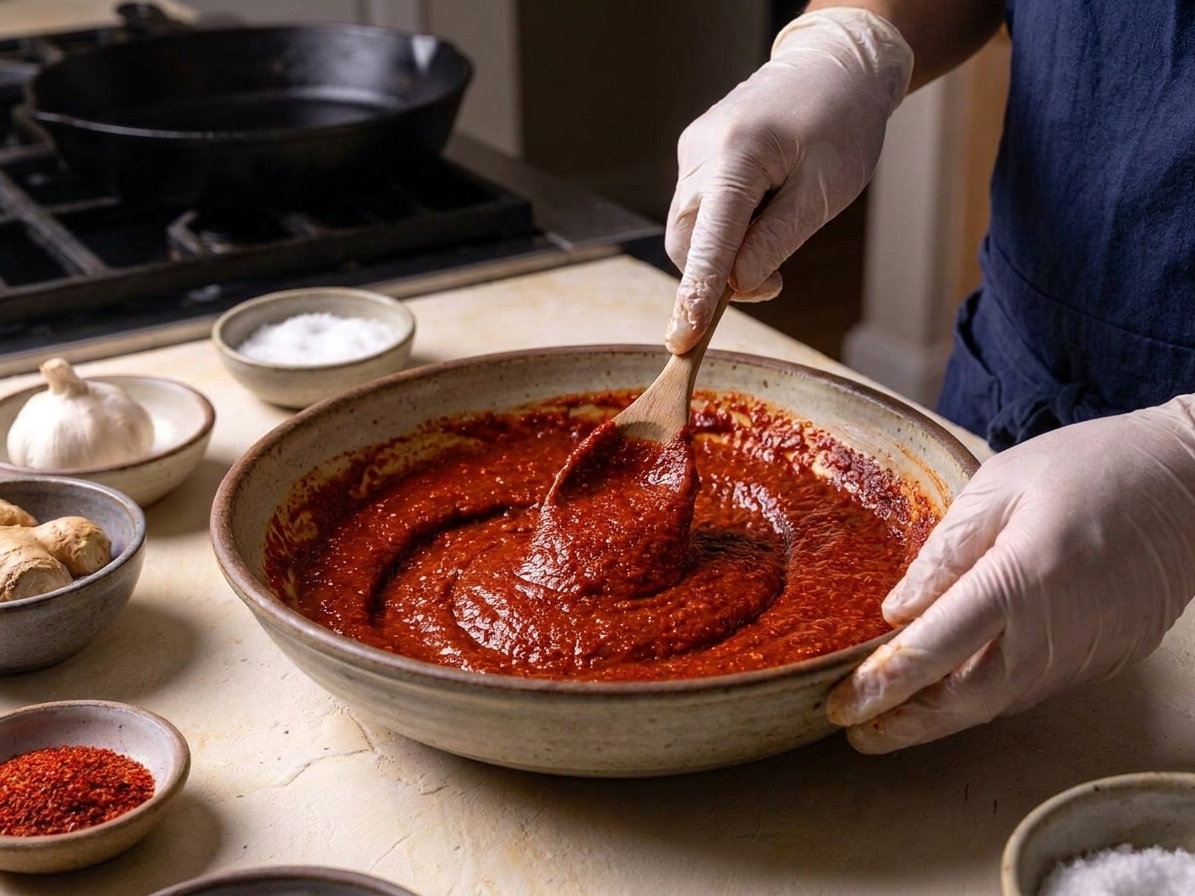
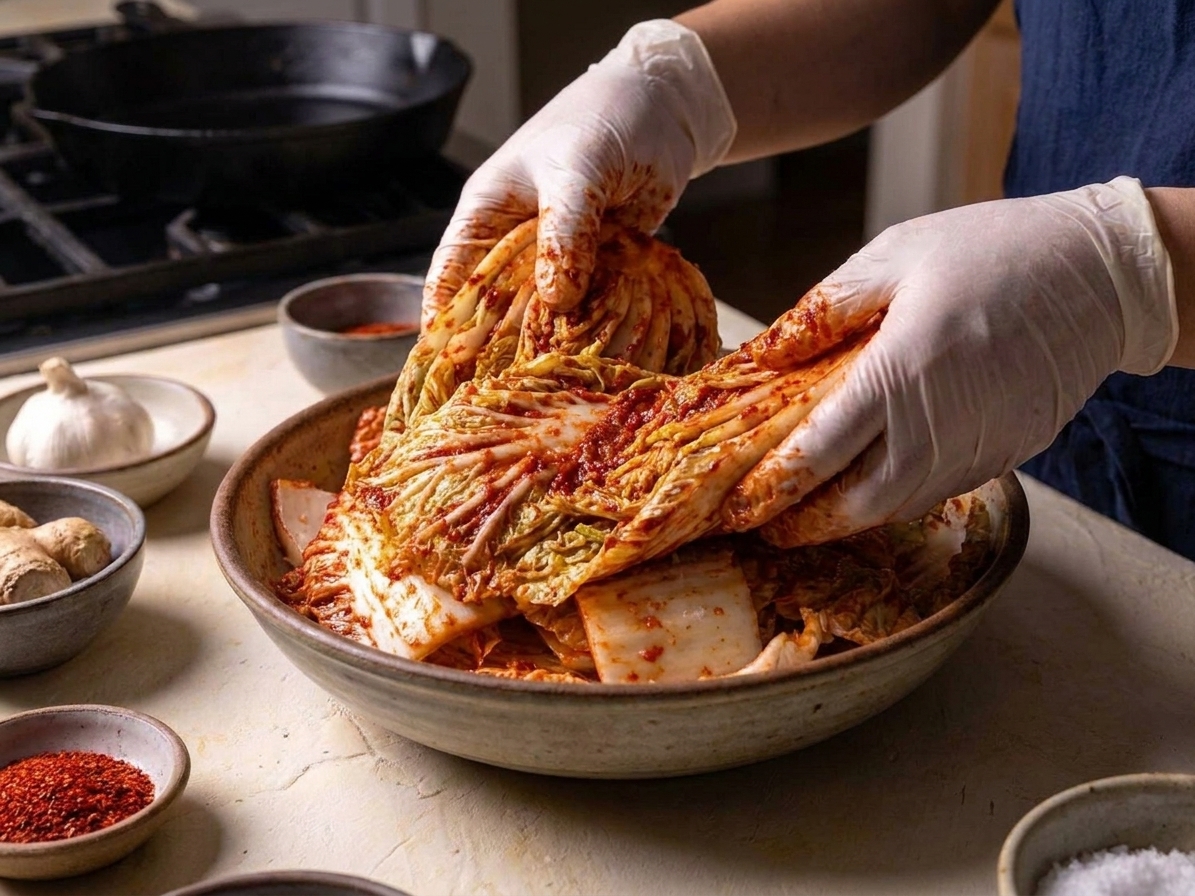
This version is the classic style most people think of, baechu kimchi made with napa cabbage, gochugaru (Korean red pepper flakes), garlic, ginger, and scallions. It is beginner-friendly, flexible, and it teaches you the core move that makes kimchi work: salt first, then season, then ferment.
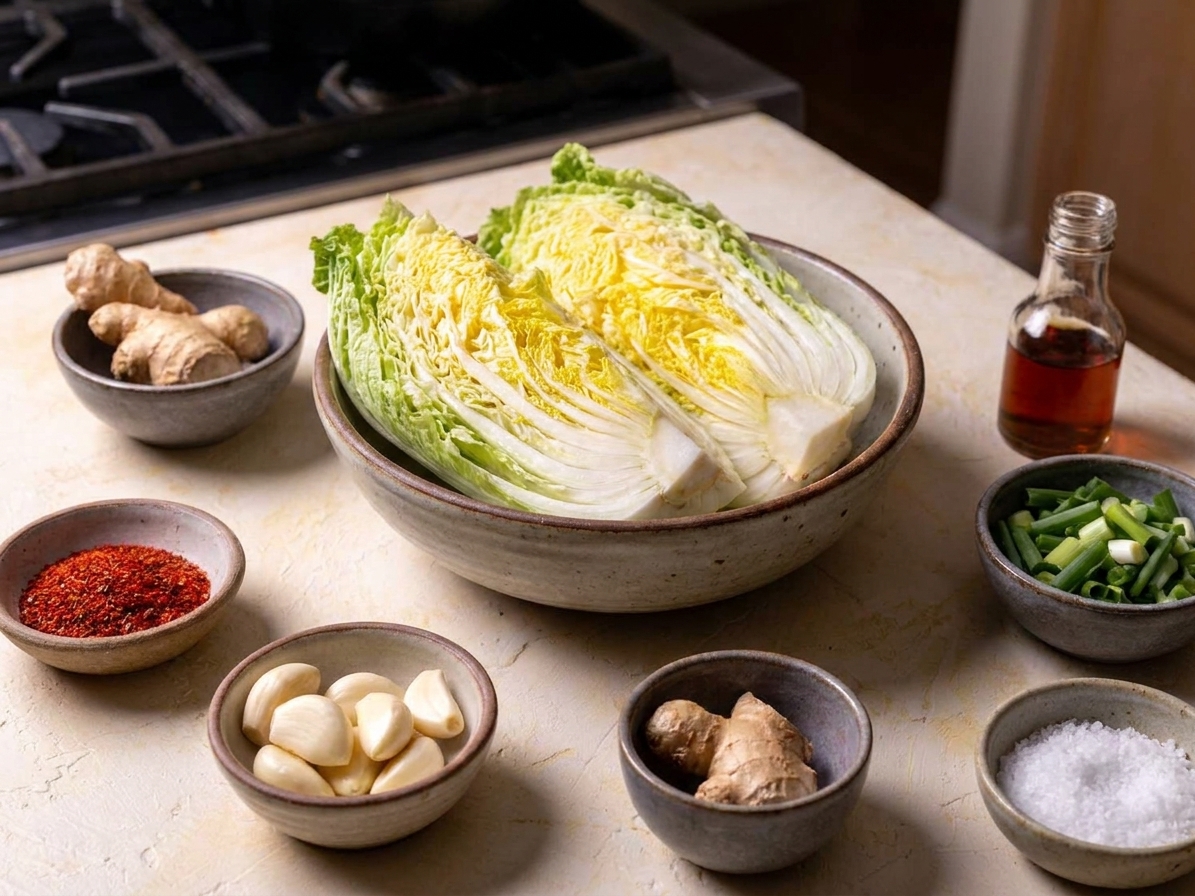
Bowls of napa cabbage, gochugaru, garlic, ginger, scallions, fish sauce, and salt arranged on a kitchen counter before making kimchi

What to Expect

Day 1 it tastes like spicy seasoned cabbage. Somewhere between day 2 and day 5 at room temp (depending on temperature), it starts to bubble a little and the flavor shifts into that signature tangy kimchi zone. After that, it can live in your fridge for weeks, slowly deepening and getting more sour.

If your kitchen runs warm, things move quickly. If it is cool, give it more time. Kimchi is patient, and honestly, it is not judging you.


Why It Works

  • Crisp texture from a proper salt soak and a gentle toss instead of over-massaging the cabbage.
  • Big, balanced flavor with gochugaru for warmth, garlic and ginger for punch, and a touch of sugar to help fermentation get moving.
  • Flexible fermentation so you can eat it young and crunchy or let it go longer for a more sour, stew-ready kimchi.
  • Clear safety cues: bubbling is normal, mold is not, and we keep everything submerged to prevent issues.

Pairs Well With

Storage Tips

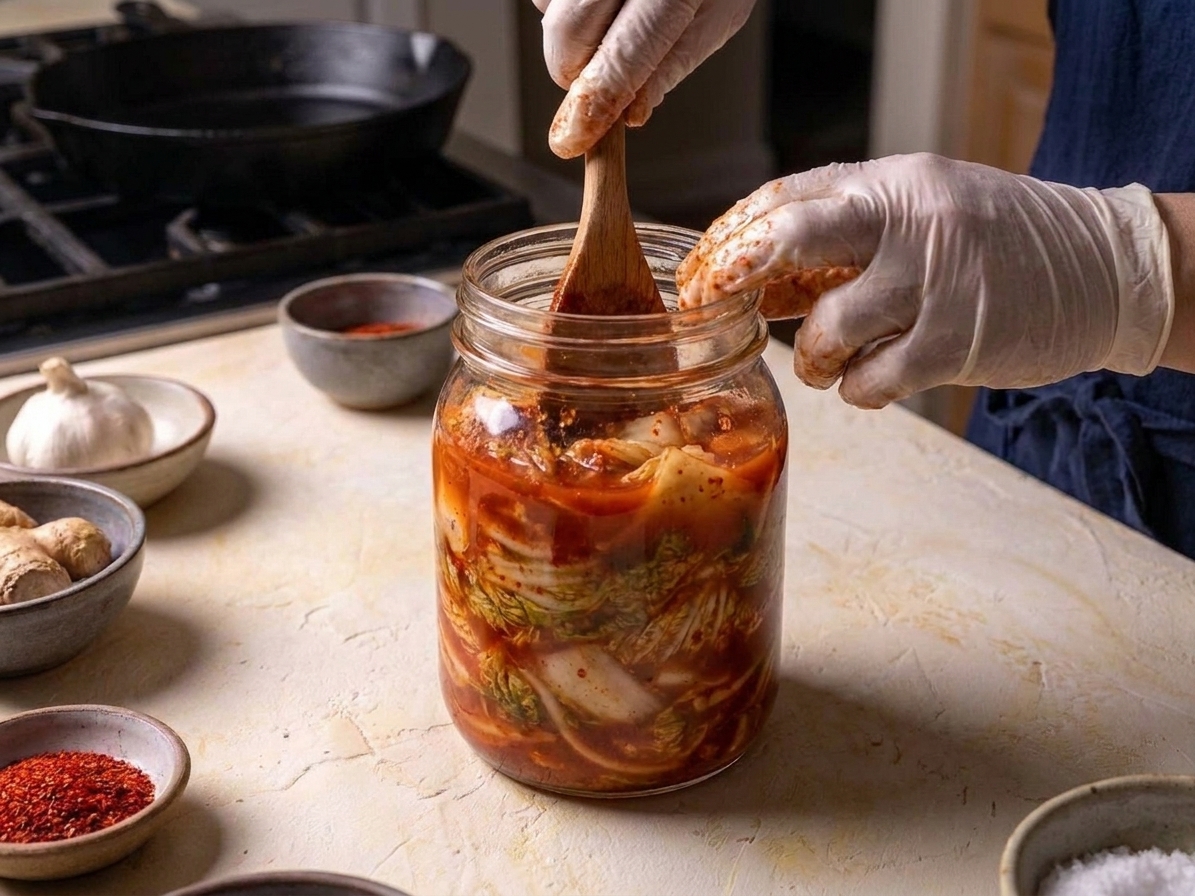
Refrigerate: Pack kimchi into clean glass jars or a fermentation container. Press it down so the cabbage is submerged in its own juices. Keep the lid on, but do not crank it down super tight if it is still actively fermenting.

Burp if needed: For the first couple days in the fridge, open the jar briefly once a day to release pressure if it is very bubbly.

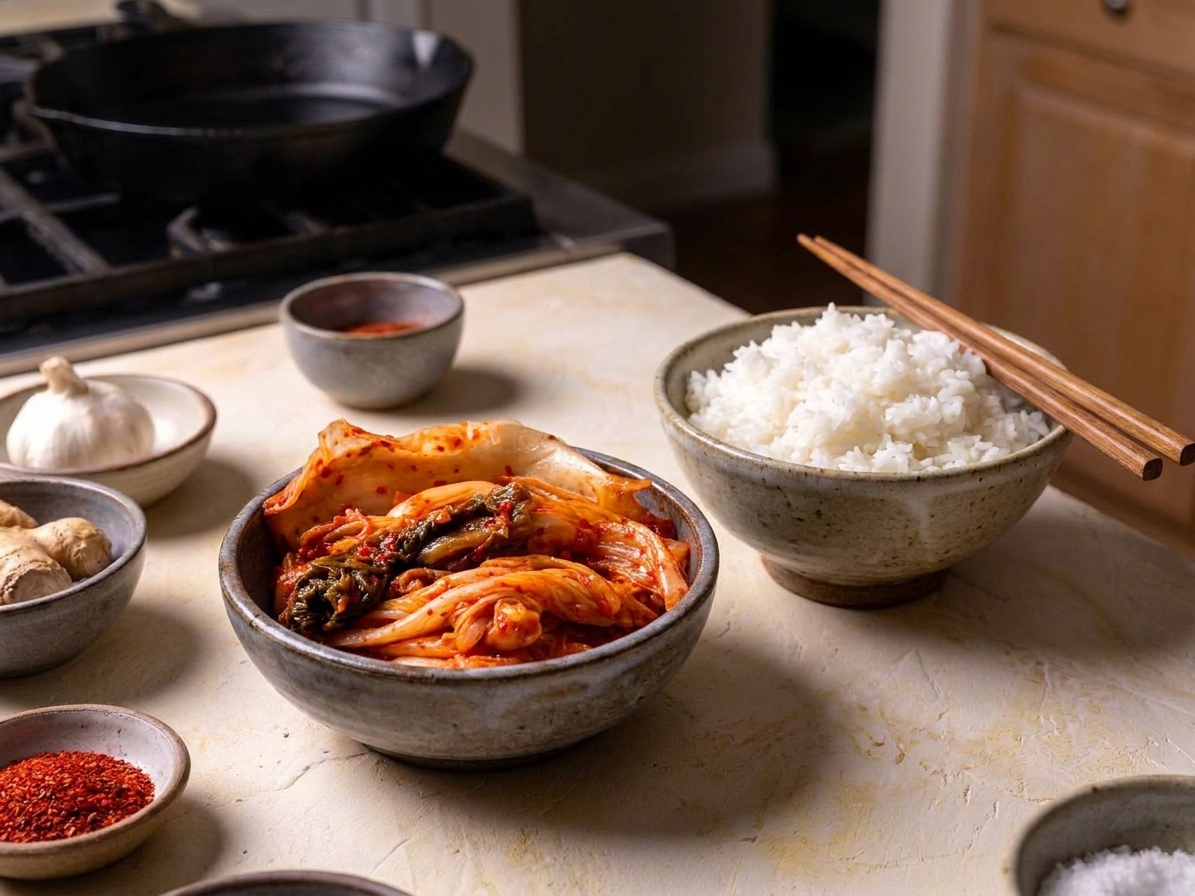
How long it lasts: 1 to 2 months is common (often longer). It will get more sour over time. Older kimchi is perfect for kimchi fried rice, kimchi jjigae, and grilled cheese that has no business being that good.

Texture tip: Keep a clean fork or tongs for grabbing kimchi. Dirty utensils speed up spoilage.

Common Questions

Is it okay to make kimchi without fish sauce or shrimp?

Yes. Swap the fish sauce for 2 to 3 tablespoons soy sauce or 1 to 2 tablespoons white miso thinned with a splash of water. The flavor will be a little different but still very good.

Can I use regular chili flakes instead of gochugaru?

You can, but gochugaru is the easiest way to get that signature kimchi flavor and color without harsh heat. If you must substitute, use crushed red pepper and start with half since it can be hotter and sharper.

How do I know fermentation is happening?

Look for small bubbles, a lightly fizzy smell, and a tangy shift in flavor. The kimchi may puff up a bit in the jar. That is normal.

What if my kimchi is too salty?

Next time, reduce brining time slightly, use the lower end of the salt range, or rinse a bit more thoroughly. For this batch, let it ferment a little longer and serve it with plain rice or mix into fried rice or soup where the saltiness balances out.

What if it is not sour after a few days?

Your kitchen might be cool. Leave it at room temp another day or two, then refrigerate when it hits the tang you like. If you want a gentle nudge, you can add 1 teaspoon sugar to the jar and stir it in. It is optional and it will slightly sweeten the flavor, but it can help kick-start activity in a chilly kitchen.

Is kahm yeast okay?

A thin white film on top can happen in ferments, but kimchi is usually packed pretty tightly and acidic. If you see a film, remove it and anything exposed above the brine, then press everything down. If you see fuzzy mold, the mold is widespread, or it smells truly rotten (not just funky), discard the whole batch.

The first time I made kimchi, I treated it like a science project and a craft project at the same time. I was measuring, hovering, sniffing the jar like it owed me money. A couple days later I tried it and immediately understood why people keep a tub of it on standby. It is not just a side dish, it is a flavor button. Rice is better. Eggs are better. Leftover noodles are better. Even a sad microwave dumpling gets its life together with one crunchy forkful.