Mom's Best Recipes
Recipe

Easy Pecan Pralines

Buttery, caramel-kissed pecan pralines that set up crisp at the edges and softly snappy in the center, no candy thermometer required (but you can use one for extra confidence).

Author By Matt Campbell
4.8
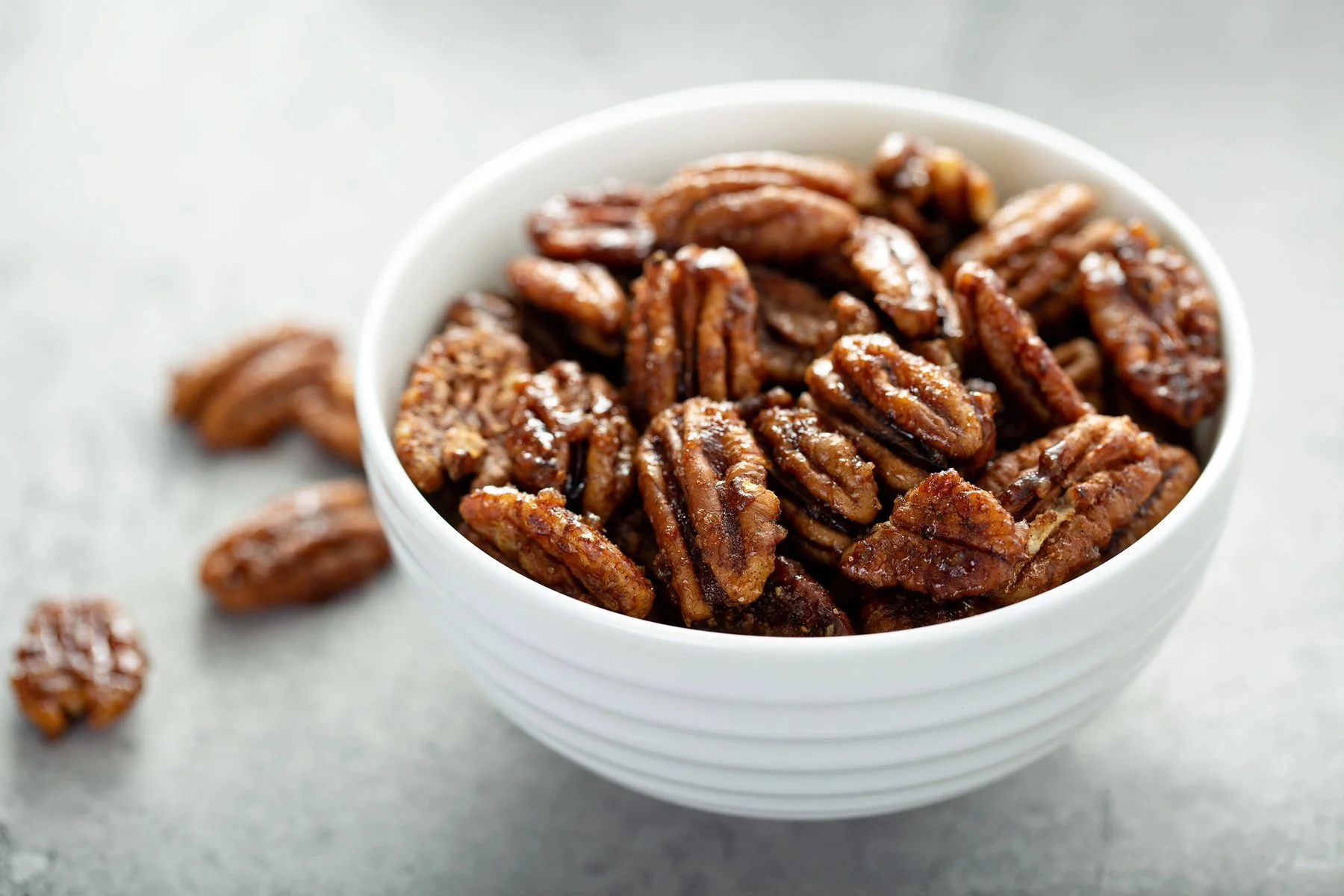
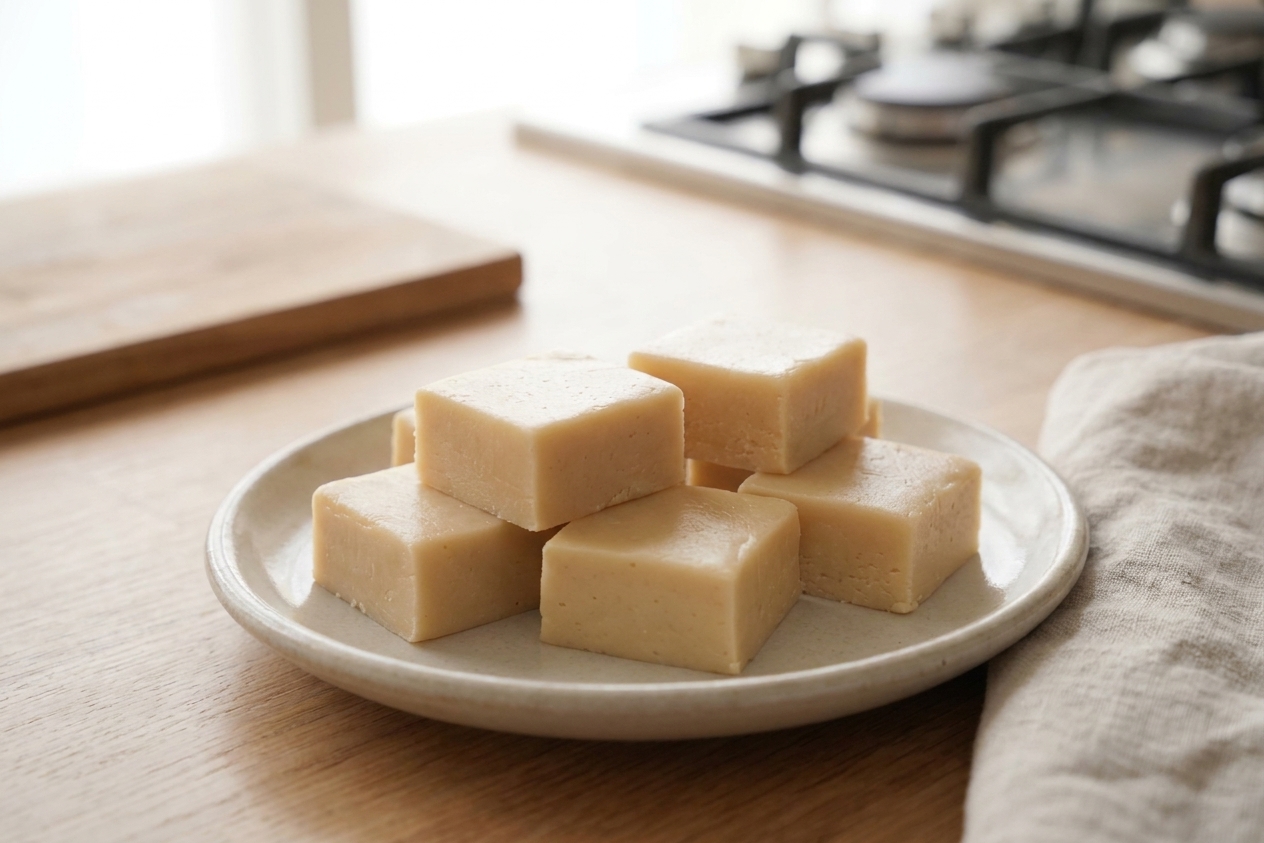
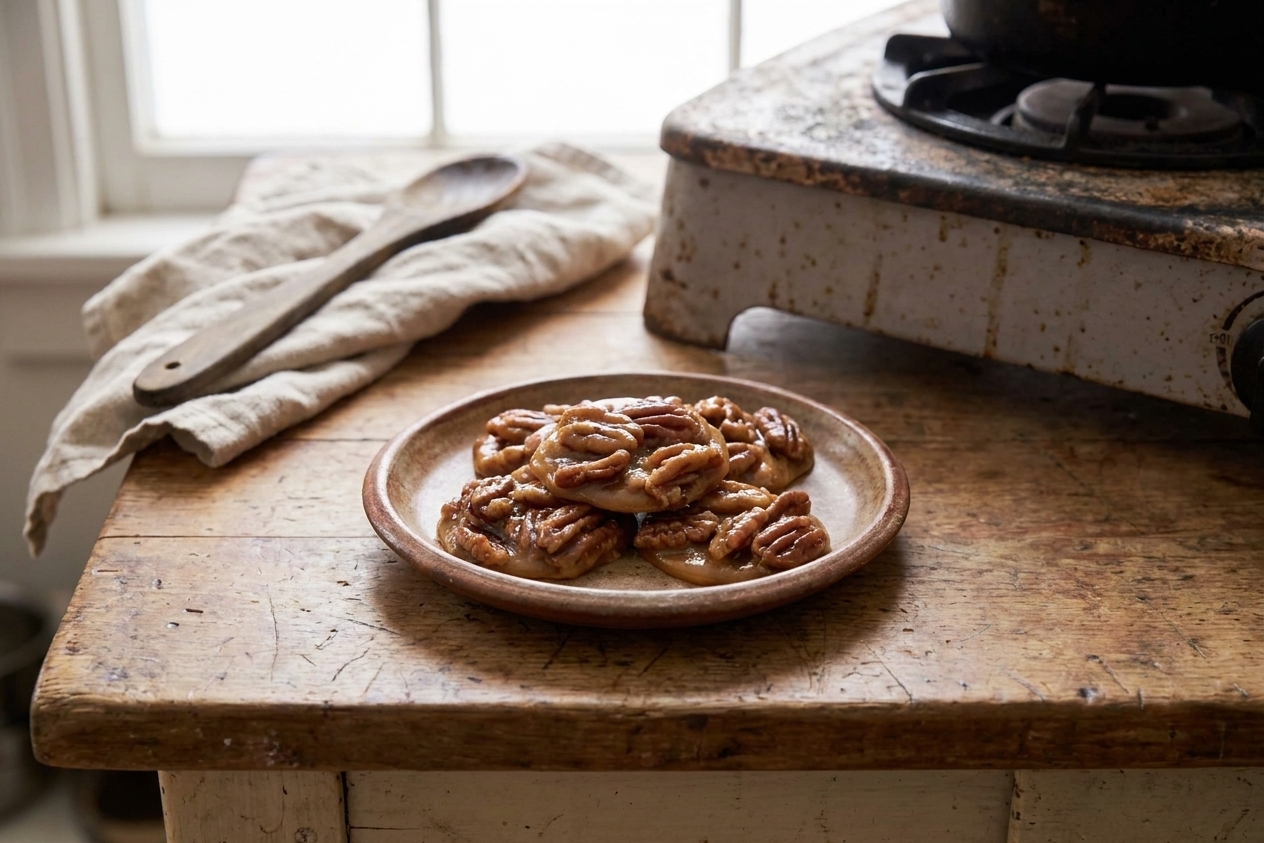
A small stack of golden pecan pralines cooling on parchment paper on a warm-toned kitchen counter, with a few loose toasted pecans nearby

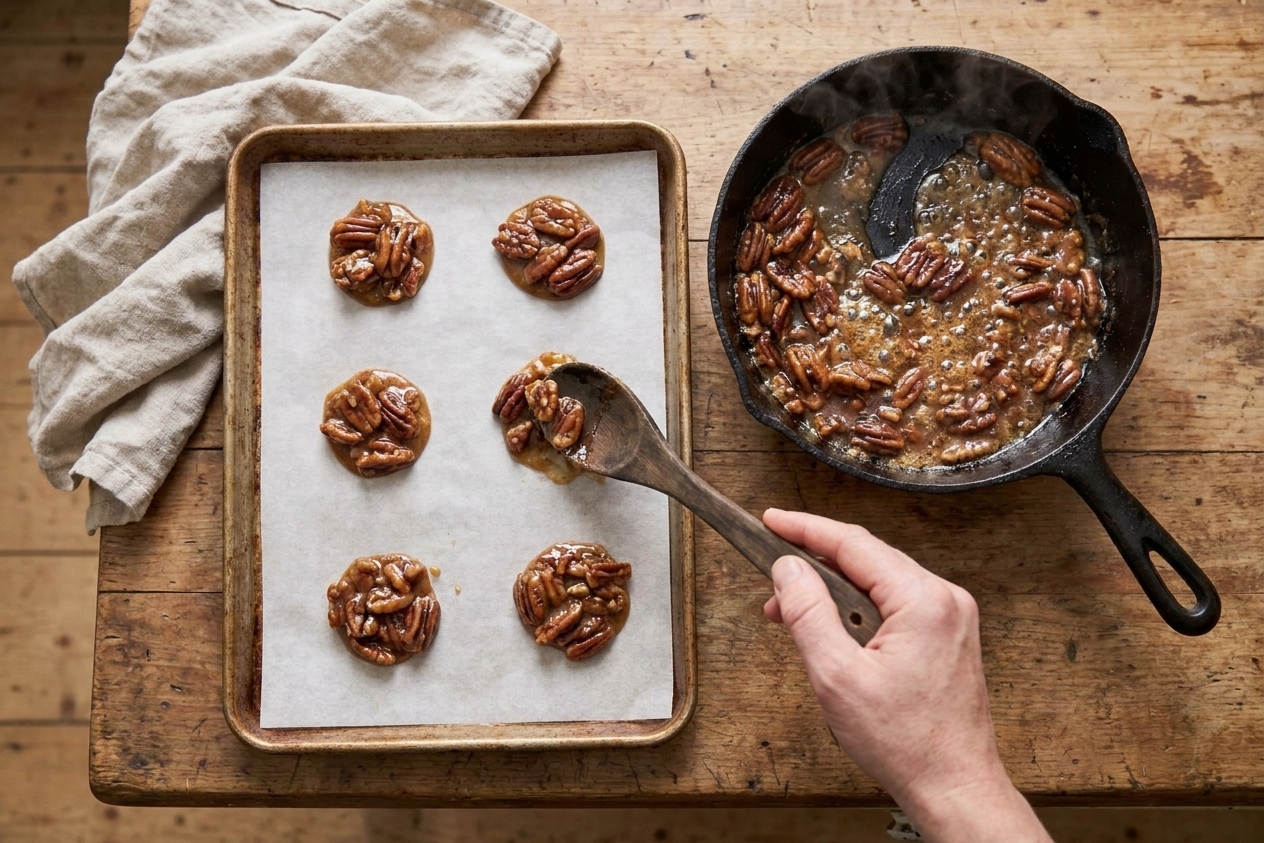
Pecan pralines are one of those treats that feel fancy but cook like a weeknight side quest. You melt butter, build a caramel, fold in toasted pecans, then drop glossy little puddles onto parchment and let them turn into candy coins. When they are right, they taste like roasted nuts and brown sugar with a buttery snap that makes you go back for “just one more” until the tray is suspiciously empty.

Quick expectation check, because pralines are opinionated: some Southern pralines are creamy and fudge-like, others are more crisp and snappy. This recipe lands in the soft-crisp, gently snappy camp with crisp edges and a toasty bite. I also included the fixes for the most common praline drama: grainy texture, sticky candy that will not set, and pralines that go from perfect to scorched in the time it takes to answer a text.

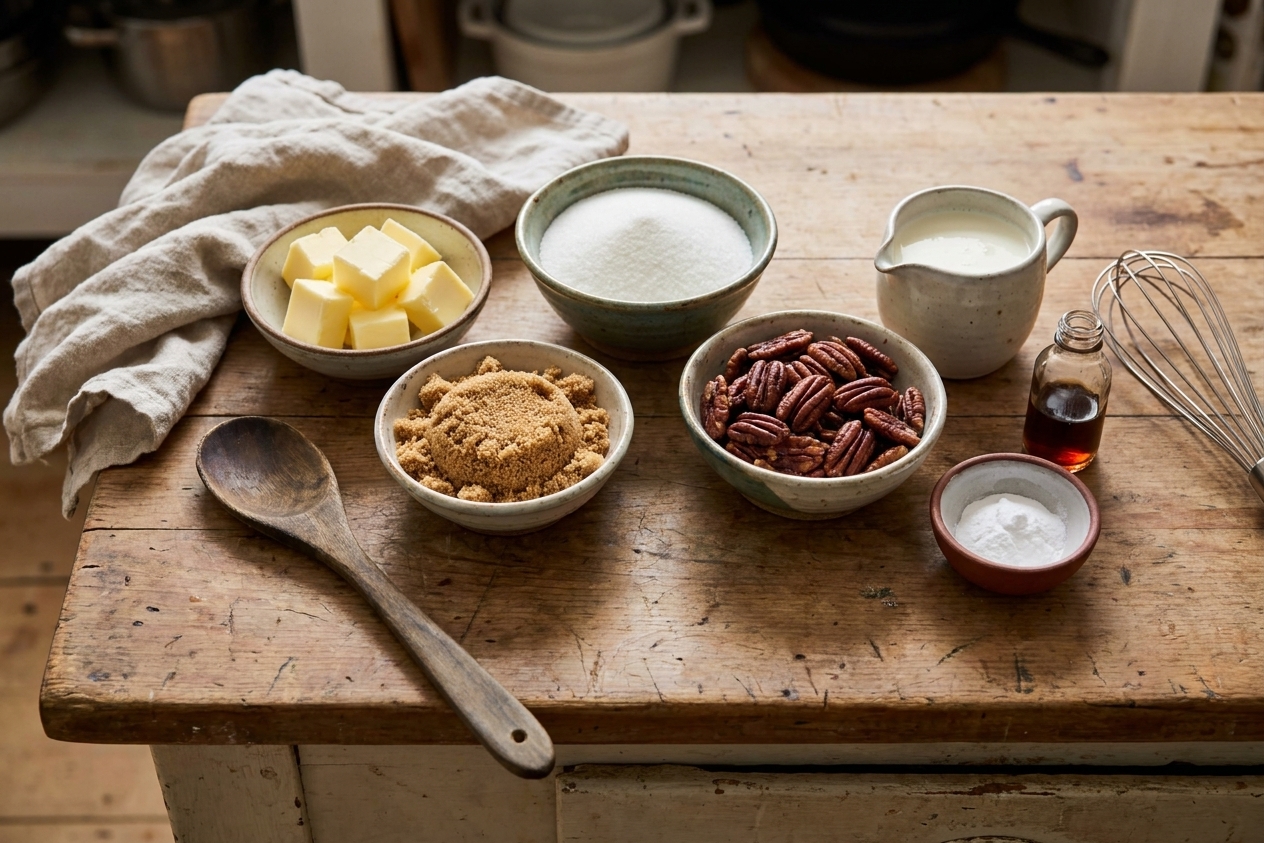
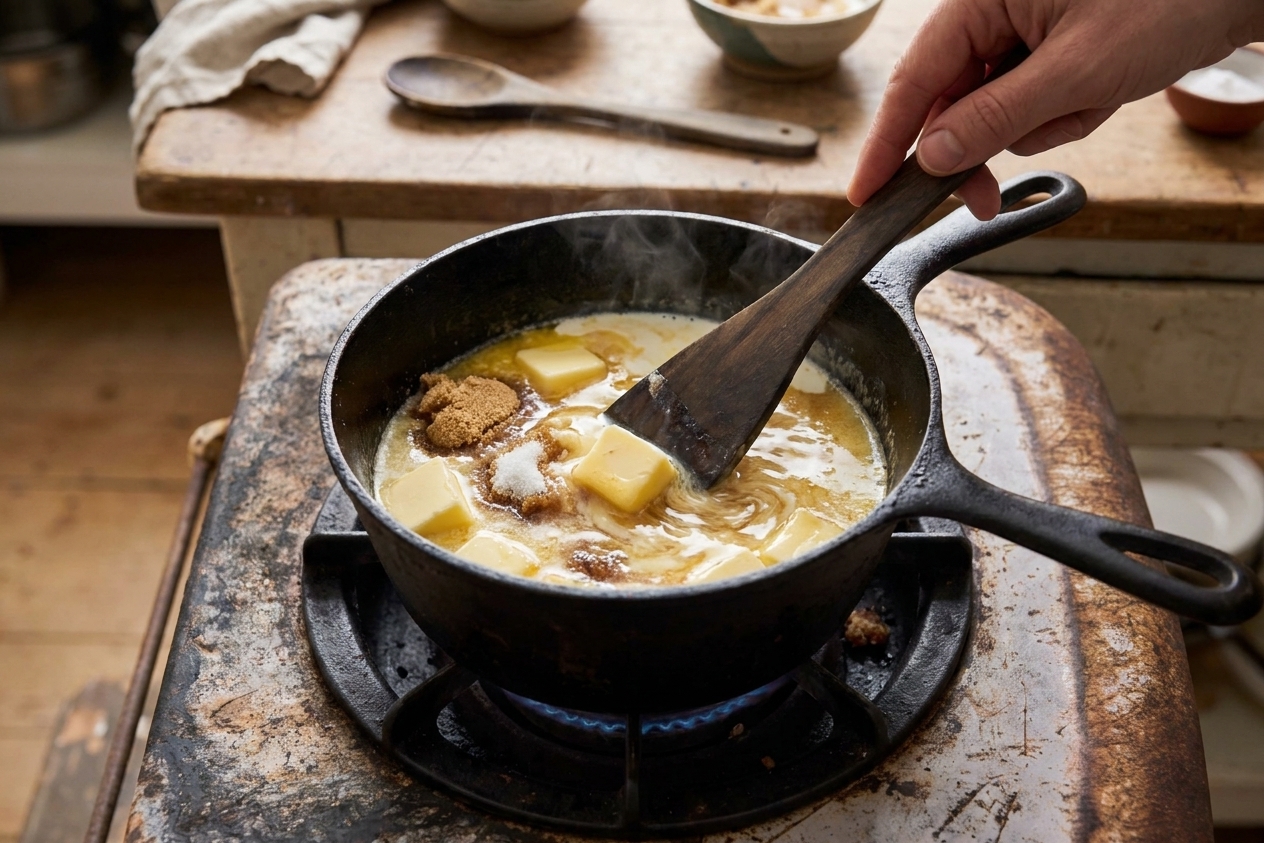
Butter, brown sugar, granulated sugar, heavy cream, pecans, vanilla, and baking soda measured in small bowls on a clean kitchen counter

Why It Works

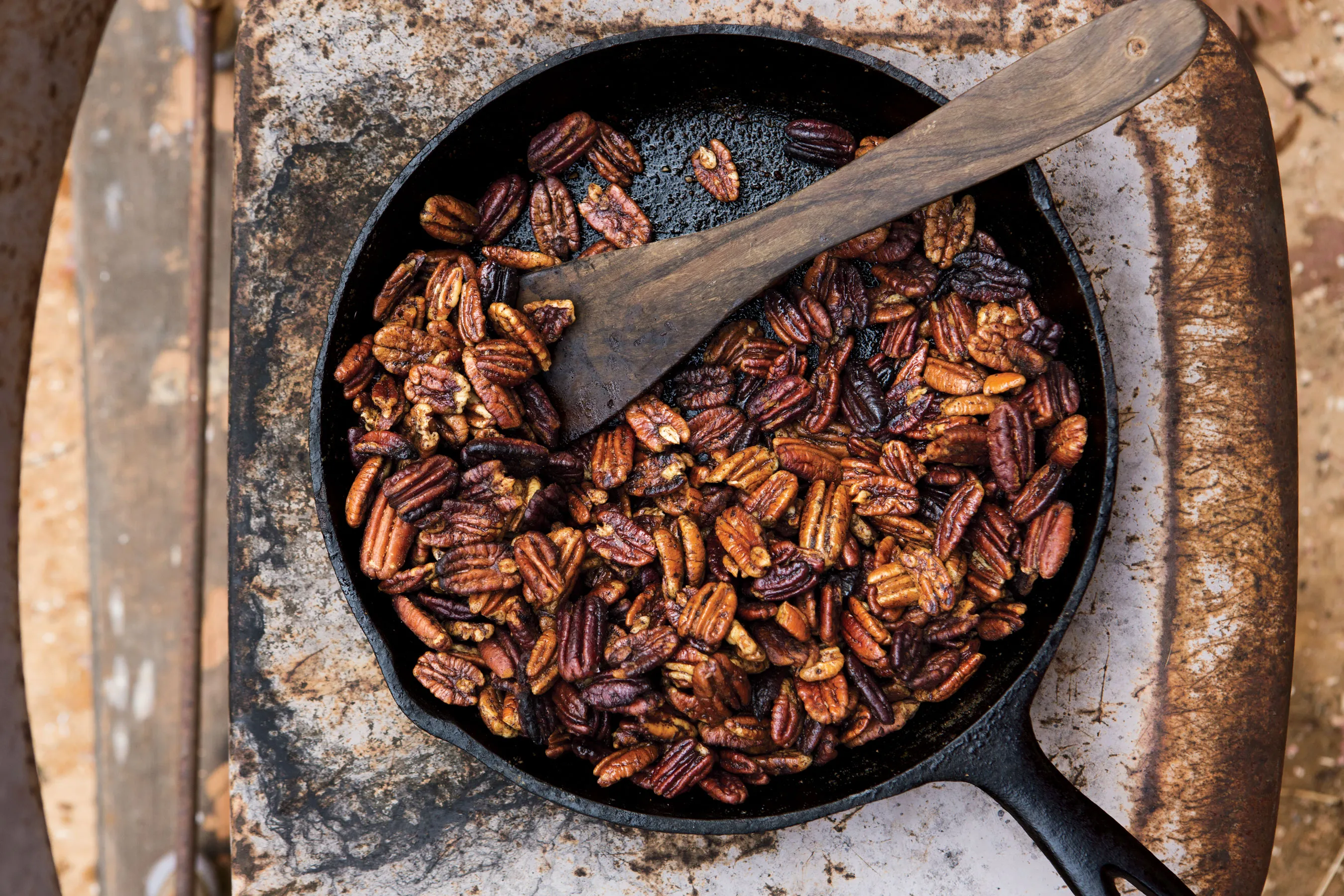
  • Big flavor from simple moves: a quick toast on the pecans plus a deeper caramel cook gives you that rich, nutty praline taste.
  • Texture you can aim for: this recipe is designed for a soft-crisp praline with a gentle snap. (If you grew up on creamy pralines, check the FAQ for how to steer it softer.)
  • No thermometer required: you cook to a specific look plus a quick cold-water test, then work fast while the candy is at peak gloss.
  • Beginner-friendly rescue options: built-in troubleshooting so you can save a batch before it becomes “caramel mystery.”

Pairs Well With

Storage Tips

Room temperature: Store pralines in an airtight container with parchment between layers for up to 1 week. Keep them somewhere cool and dry. Humidity is praline’s enemy.

To keep them snappy: Skip the bread trick here. Candy tends to absorb moisture and go sticky. If your kitchen is very humid, a small packet of food-safe desiccant can help, or simply store them in the driest spot you have.

Freezing: You can freeze pralines for up to 2 months. For best results, double-wrap: airtight container (with parchment between layers) inside a freezer bag. Thaw uncovered at room temperature so condensation does not make them sticky.

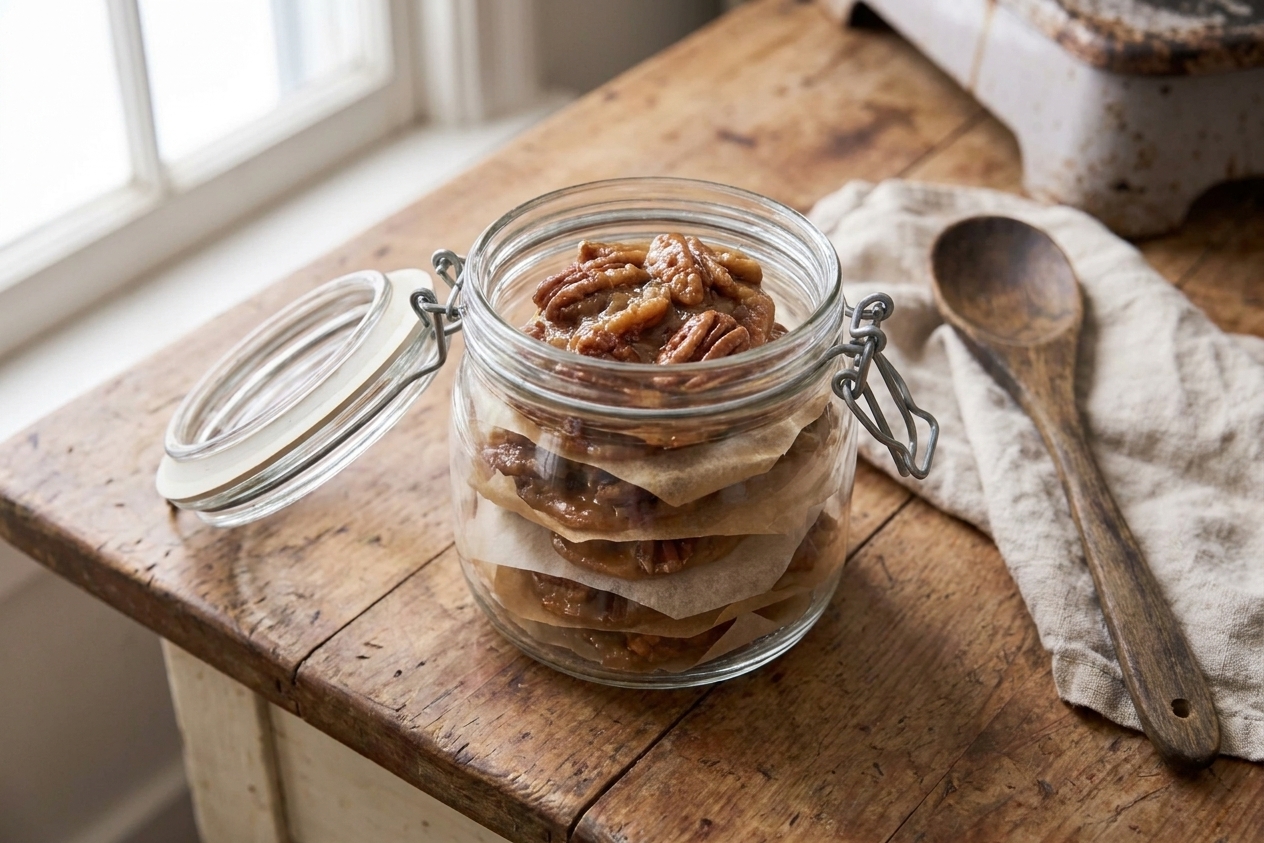
Pecan pralines stacked in an airtight container with parchment paper between layers on a kitchen counter

Common Questions

What is praline, exactly?

In the classic Southern style, pralines are a cooked sugar-and-dairy candy (often with butter and cream) loaded with pecans. They can set creamy and slightly crumbly, soft-crisp, or more snappy depending on final temperature, humidity, and how much you stir while they cool.

What texture does this recipe make?

This version aims for soft-crisp with a gentle snap, not a fudge-like, creamy praline. Expect crisp edges and a toasty bite. If you prefer a creamier praline, cook a little less and stir a bit more off the heat before dropping.

Why did my pralines turn grainy?

Graininess usually comes from sugar crystals forming. Prevent it by stirring early until everything is dissolved, then keeping stirring to a minimum once it boils. Also make sure any sugar on the sides gets dissolved. If you have it, a tiny splash of corn syrup helps, but this recipe works without it.

How do I prevent sugar crystals on the pan sides?

Once the mixture starts simmering, you can cover the saucepan for 1 to 2 minutes so steam washes down the sides. After that, uncover and continue cooking. You can also brush the sides with a little water using a pastry brush.

My pralines will not set. What happened?

They were likely undercooked, or your kitchen is very humid. If the candies stay sticky after cooling 30 minutes, scrape everything back into the pan, add 1 to 2 tablespoons water or cream, and cook again for 2 to 4 minutes until thicker and darker, then re-drop.

Do I need a candy thermometer?

No. If you want to use one, aim for 238°F to 242°F for a more reliably snappy set. For a softer, creamier set, stop closer to 235°F to 238°F. Visually, you are looking for a thicker boil that coats the spoon and falls in a slow ribbon, plus a quick cold-water test (see Step 4).

Can I use half-and-half or milk instead of heavy cream?

You can, but the pralines tend to set softer and can lean sticky. Heavy cream gives the most consistent texture. Evaporated milk is a good middle ground if that is what you have.

Can I swap the nuts?

Totally. Walnuts work, and cashews are surprisingly good. Keep the amount the same and toast them first for the best flavor.

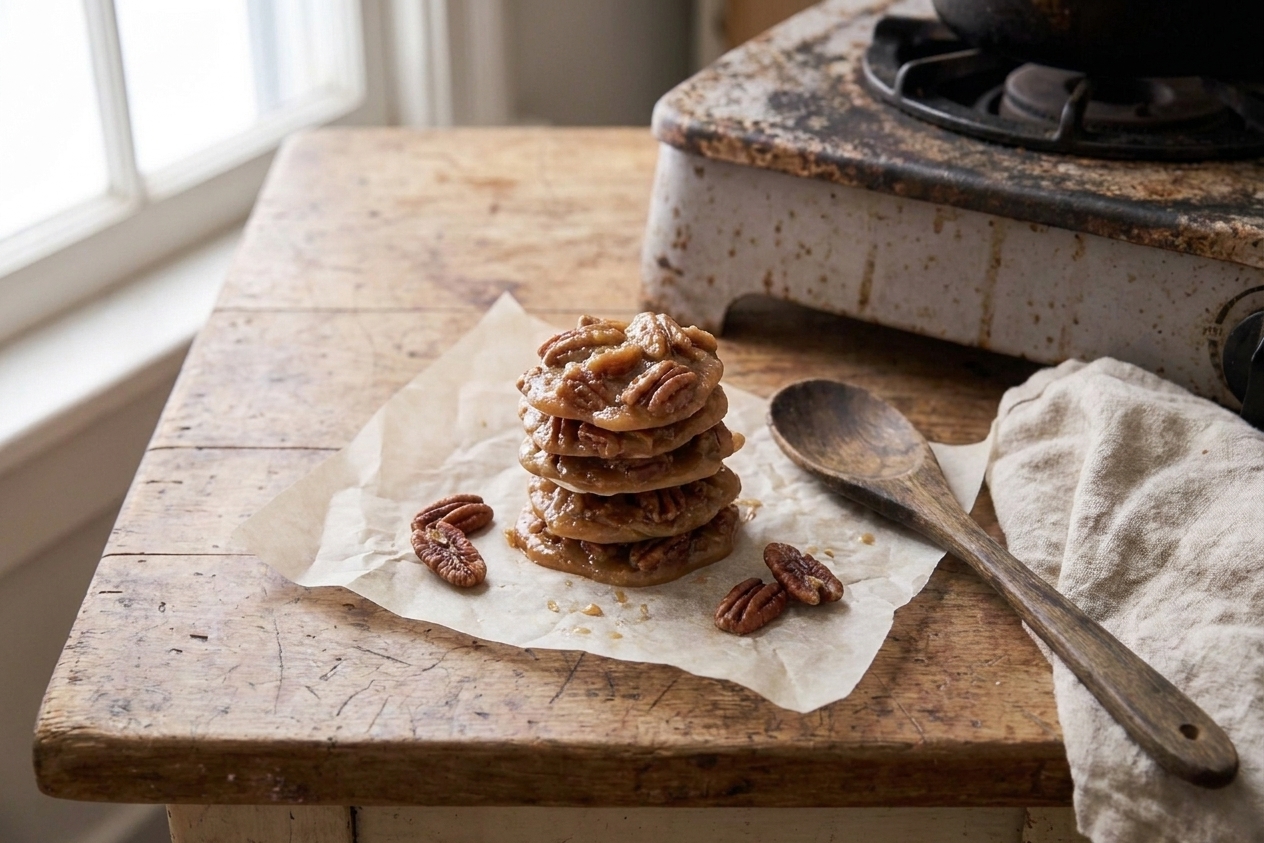
I learned pretty fast that pralines do not care if you are “pretty sure” it is done. They want confidence and speed. The first time I made them, I stirred like I was defusing a bomb, then took a victory lap, and the pot turned into a sugary brick. Now I do it the friend way: toast the pecans, get everything ready, cook with intention, then drop the candies like you mean it. When that first one cools and snaps clean, it feels like kitchen magic you can repeat on demand.