Mom's Best Recipes
Recipe

Easy Plum Jam

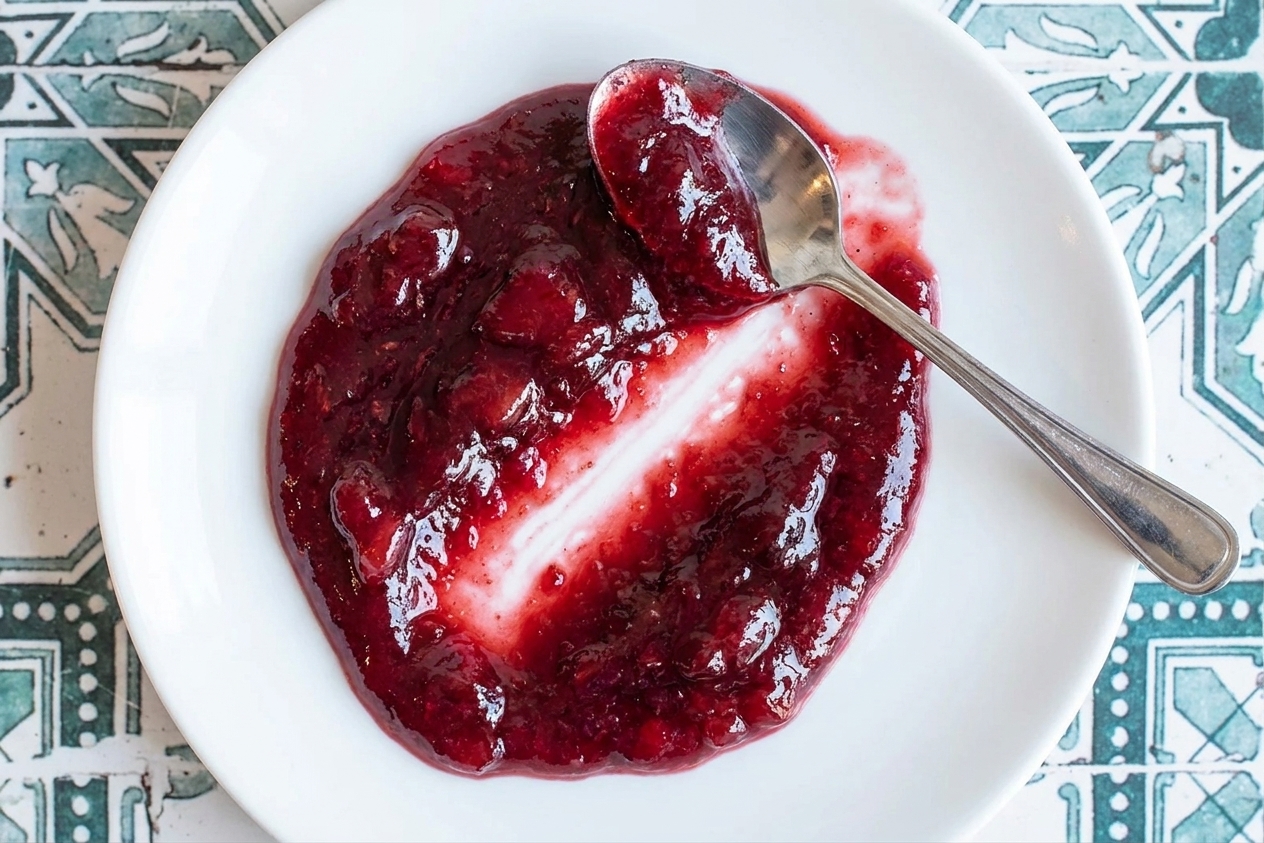
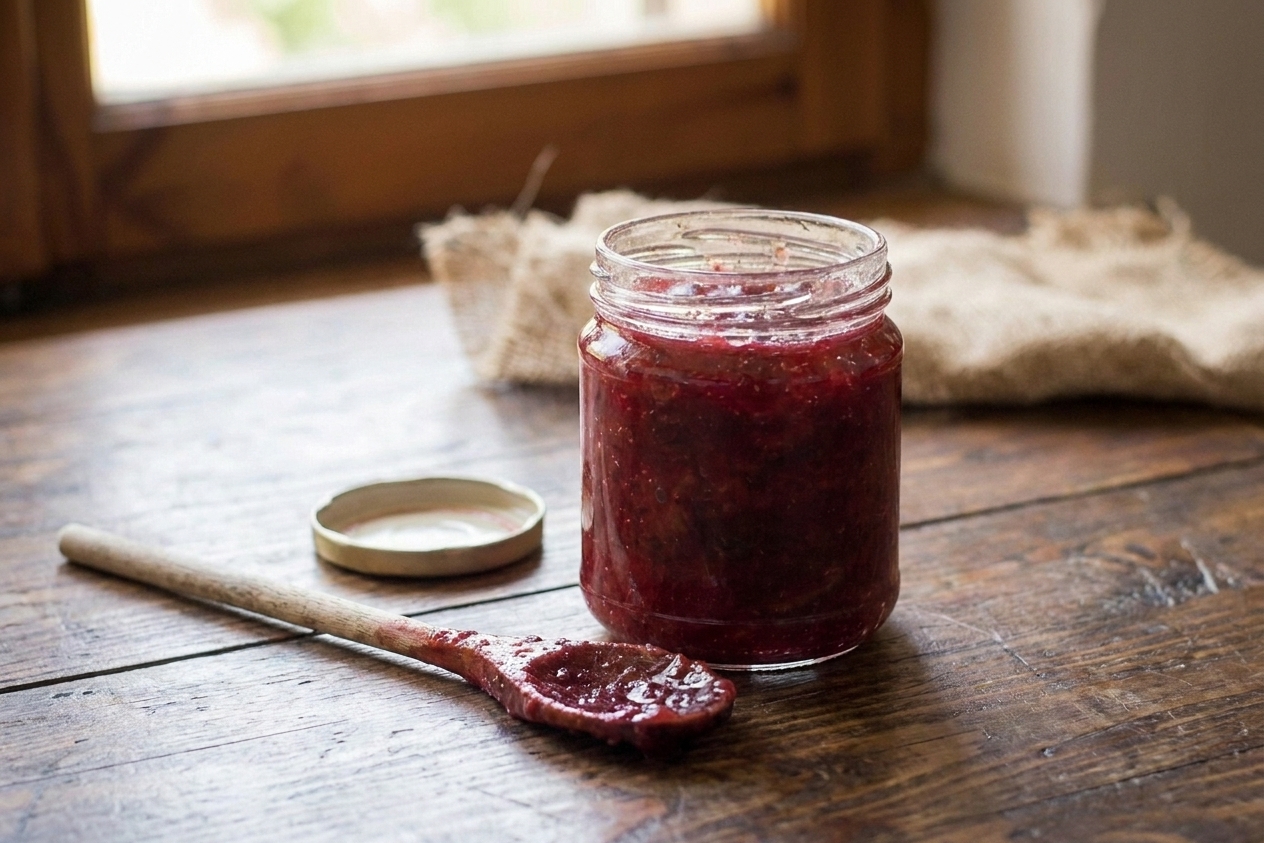
A no-pectin, small-batch plum jam that turns juicy plums into a deep ruby spread with a clean lemon finish.

Author By Matt Campbell
4.8
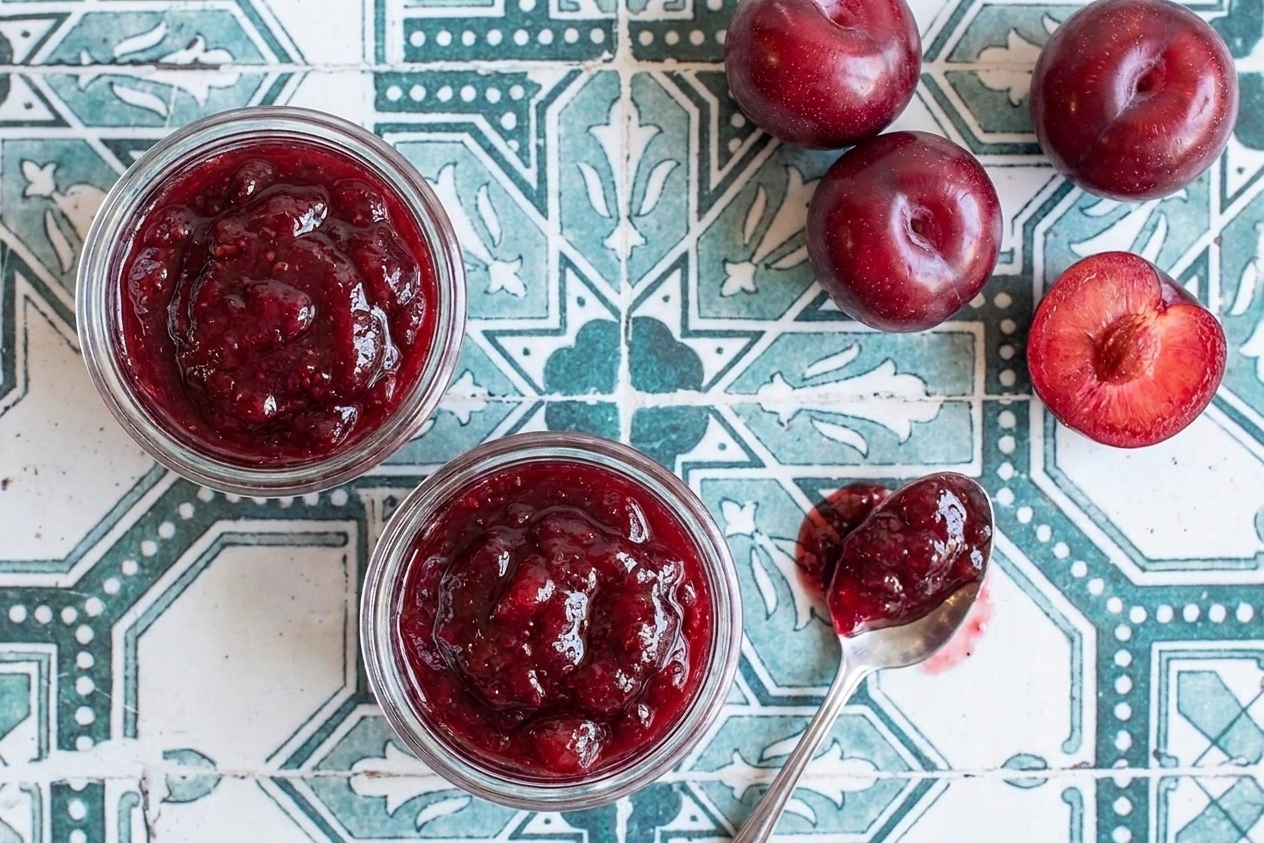
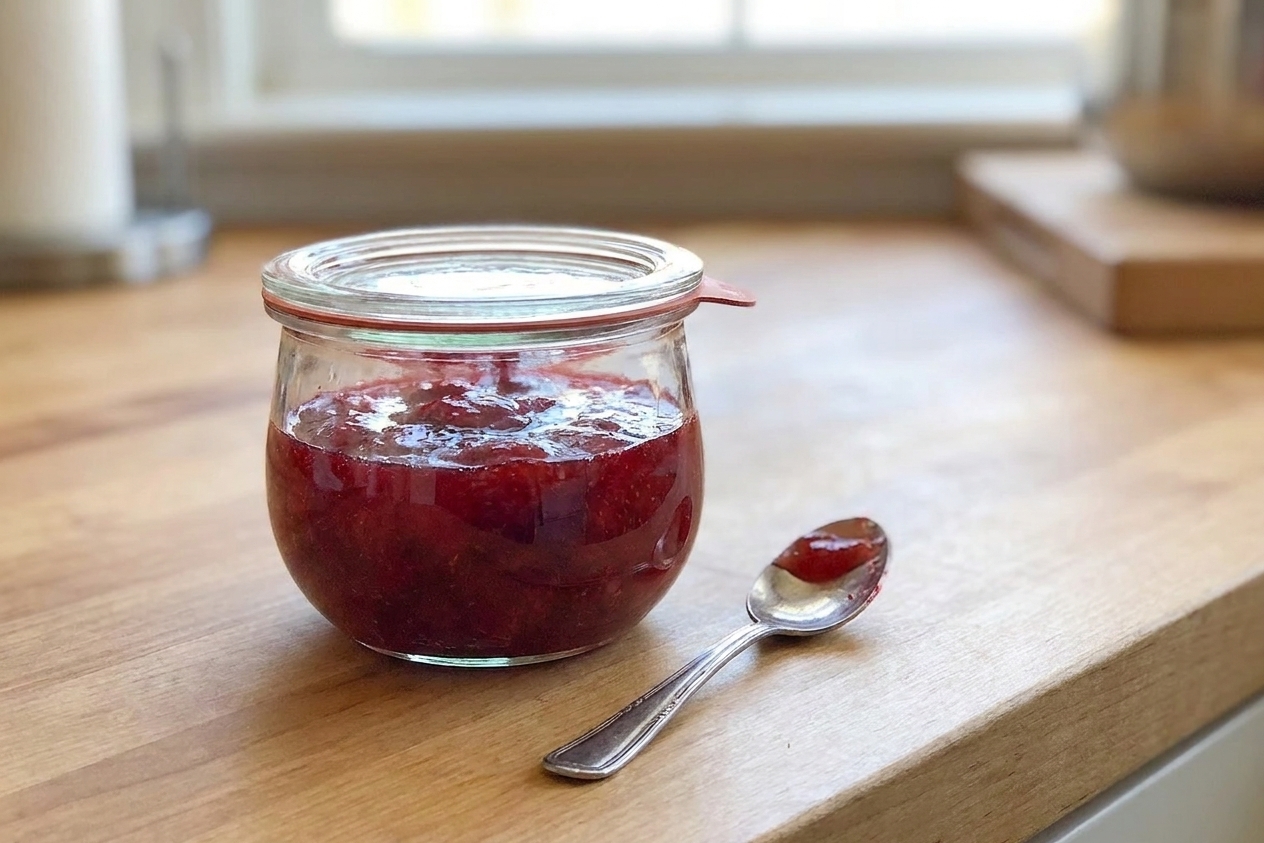
Two small glass jars filled with deep ruby plum jam on a bright kitchen counter, with a spoonful of jam beside them and a few fresh plums nearby

Plum jam is one of those kitchen projects that feels fancy, smells incredible, and is secretly very low drama. Plums have natural pectin, but it can vary by variety and ripeness, so the real trick is simple: lemon juice, a steady simmer, and the freezer-plate test. No boxed pectin or chemistry degree required.

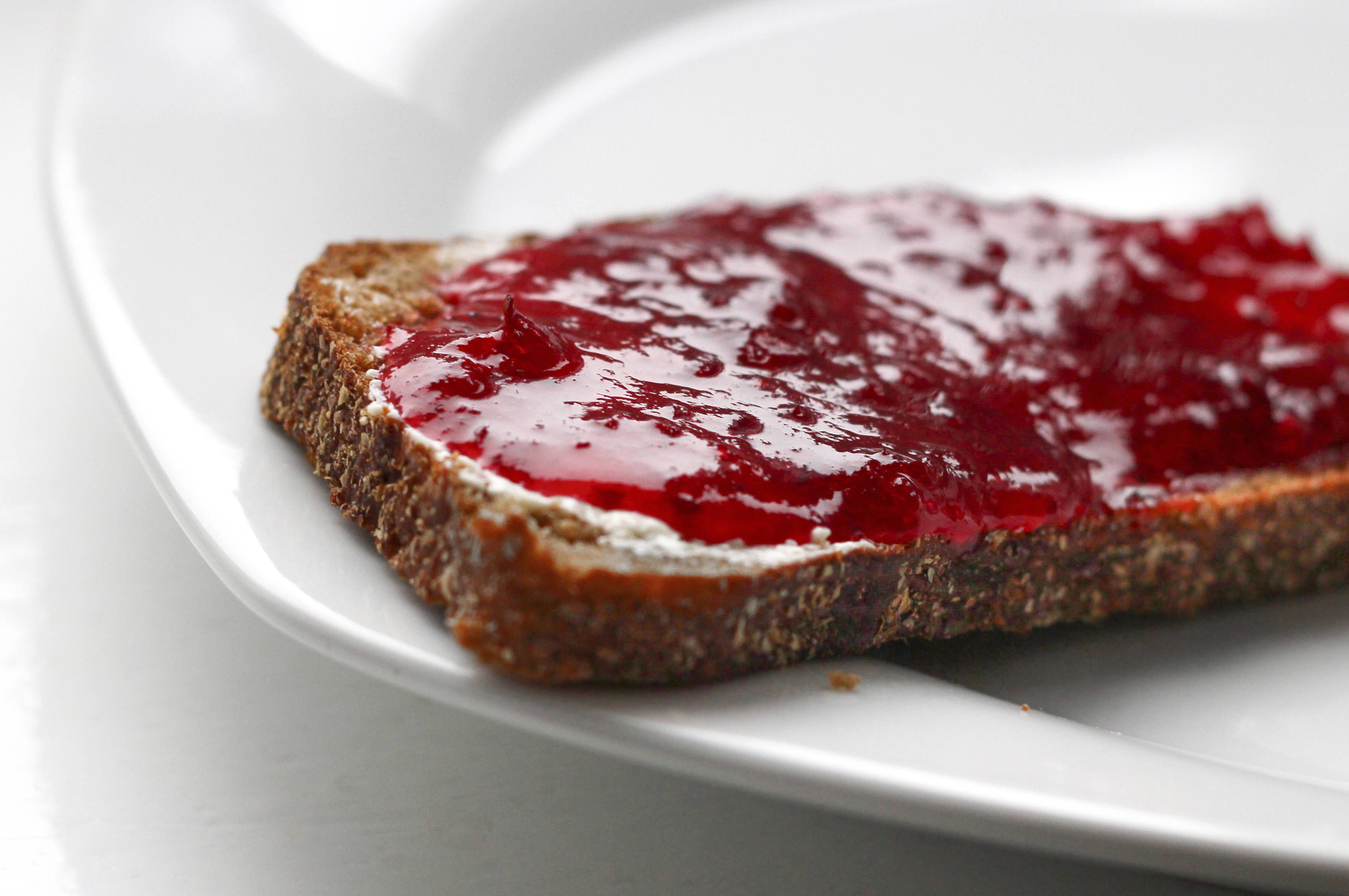
This version is small batch, which is my favorite way to start. It is easier to control, faster to reduce, and you can make it on a regular evening without turning your kitchen into a full canning operation. Spread it on toast, swirl it into yogurt, tuck it into thumbprint cookies, or do the very classy move of eating it straight off the spoon while pretending you are “tasting for quality.”
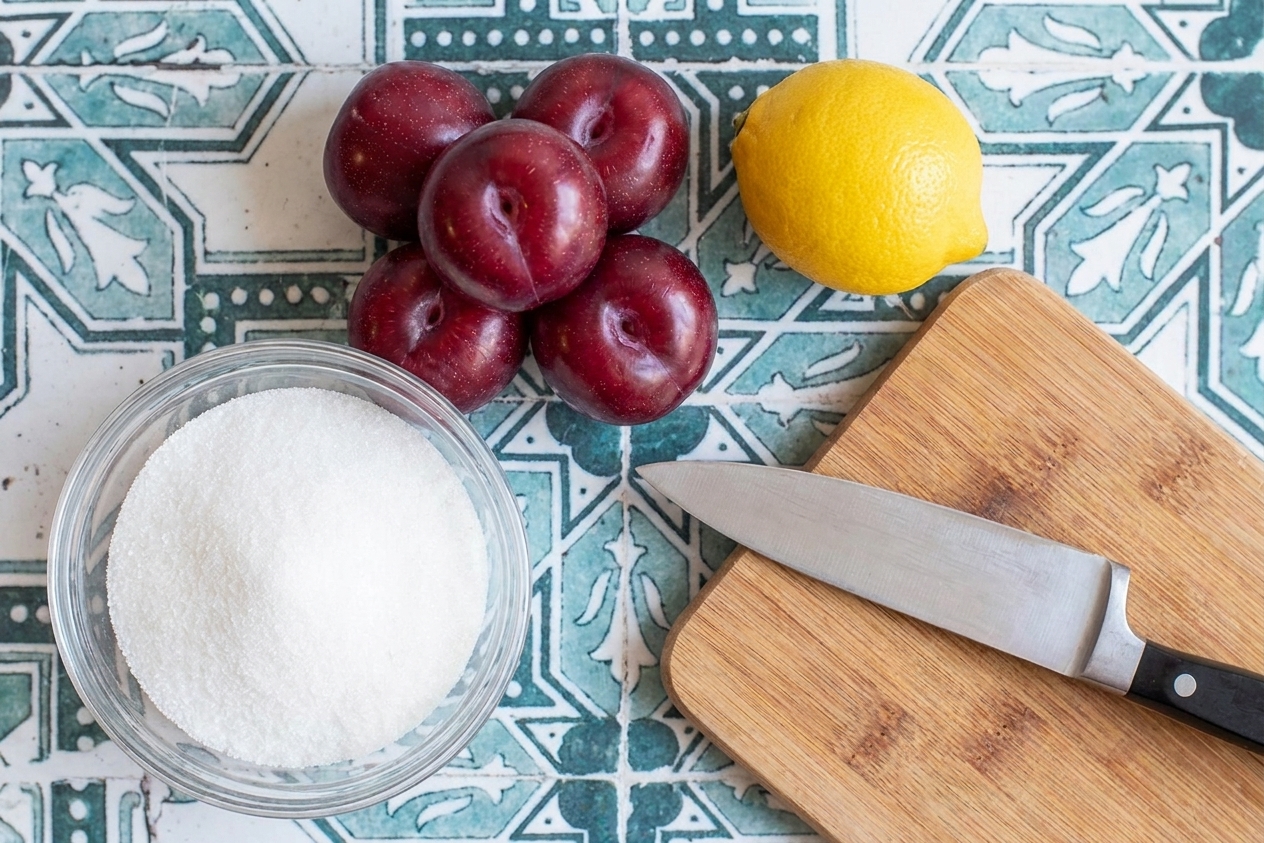
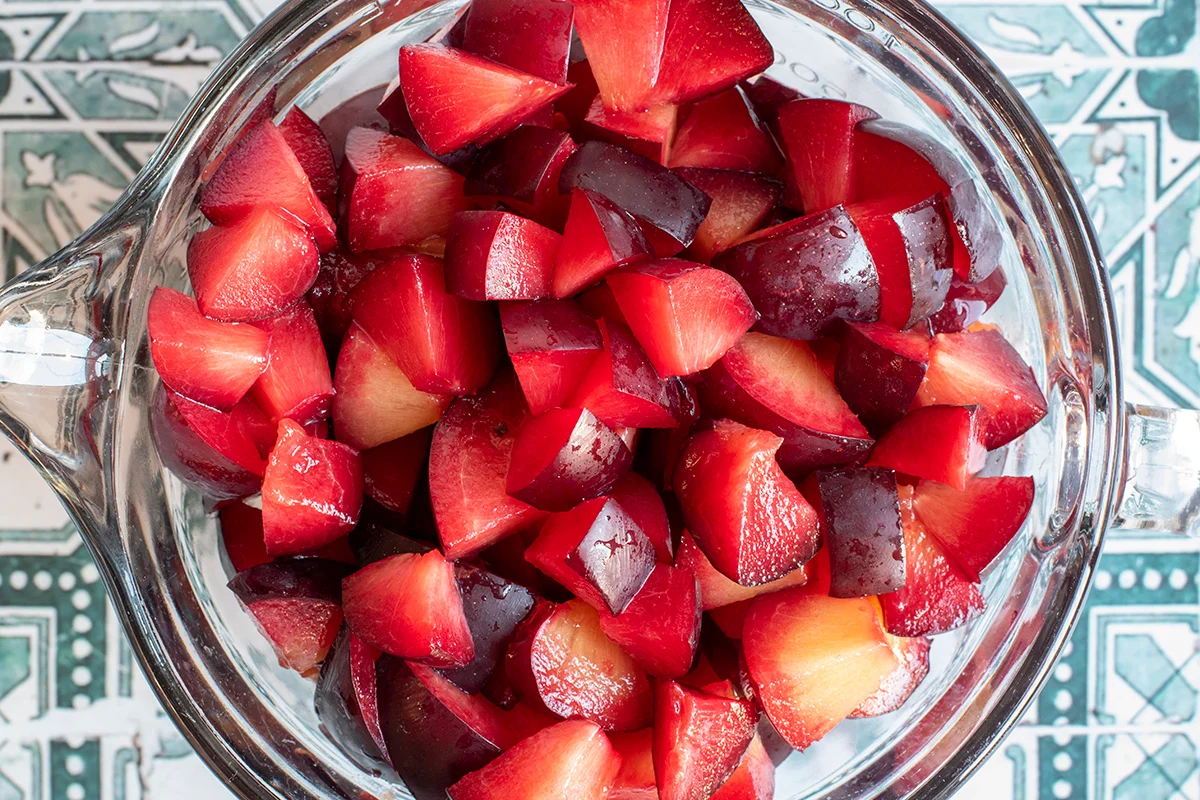
Whole ripe plums, a bowl of granulated sugar, and a lemon on a clean kitchen counter with a chef knife and cutting board ready

Why It Works

  • No pectin needed: plums naturally thicken as they cook, and lemon juice helps the set (but expect variety-to-variety differences).
  • Big fruit flavor: a short ingredient list keeps the plum taste front and center.
  • Flexible texture: keep it a little chunky or blend it smooth depending on your mood.
  • Reliable set: the freezer-plate test takes the guesswork out of “is it done yet?”

Pairs Well With

Storage Tips

Storage Tips

Refrigerator: Cool completely, then store in clean jars with tight lids for up to 2 to 3 weeks for best quality. Use clean utensils every time and keep the lid time short.

Freezer: Freeze in freezer-safe jars or containers for up to 6 months. Leave about 1/2 inch headspace because jam expands as it freezes. Thaw overnight in the fridge.

Water-bath canning note: This recipe is written for fridge or freezer storage. If you want shelf-stable jam, use a tested canning recipe and process times for your jar size and altitude.

Common Questions

Common Questions

Do I have to peel the plums?

Nope. Plum skins soften as they cook and help with color and body. If you want a super silky jam, blend it at the end or push it through a fine mesh sieve.

What kind of plums work best?

Almost any ripe, flavorful plum works. Black plums and Italian prune plums give a deep color and classic jam vibe. Very ripe plums are usually sweeter and can set a little softer, so just plan to rely on the set test instead of the clock.

Do plums always have enough pectin to set without pectin?

Plums have natural pectin, but the amount varies by variety and ripeness. That is why this recipe leans on lemon juice and the freezer-plate test. If your plums are extra juicy or very ripe, you may simply need a longer simmer for a thicker set.

How do I know when the jam is set?

Use the freezer-plate test: chill a small plate in the freezer. Spoon a little hot jam onto it, wait 60 seconds, then drag your finger through. If it wrinkles and holds a line, you are there. If it runs back together, simmer 3 to 5 minutes more and test again.

Why is my jam runny?

Usually it just needs more cook time. Jam thickens as water evaporates and it cools. Simmer a bit longer, and do not skip the cooling part before judging final texture.

Can I reduce the sugar?

You can, but sugar is doing more than sweetening. It helps the jam set and keeps it from tasting flat. For best results, reduce by no more than about 1/4 cup and expect a softer set.

Do I need a candy thermometer?

No. It helps, but it is not required. The freezer-plate test is the easiest, most reliable method for home jam.

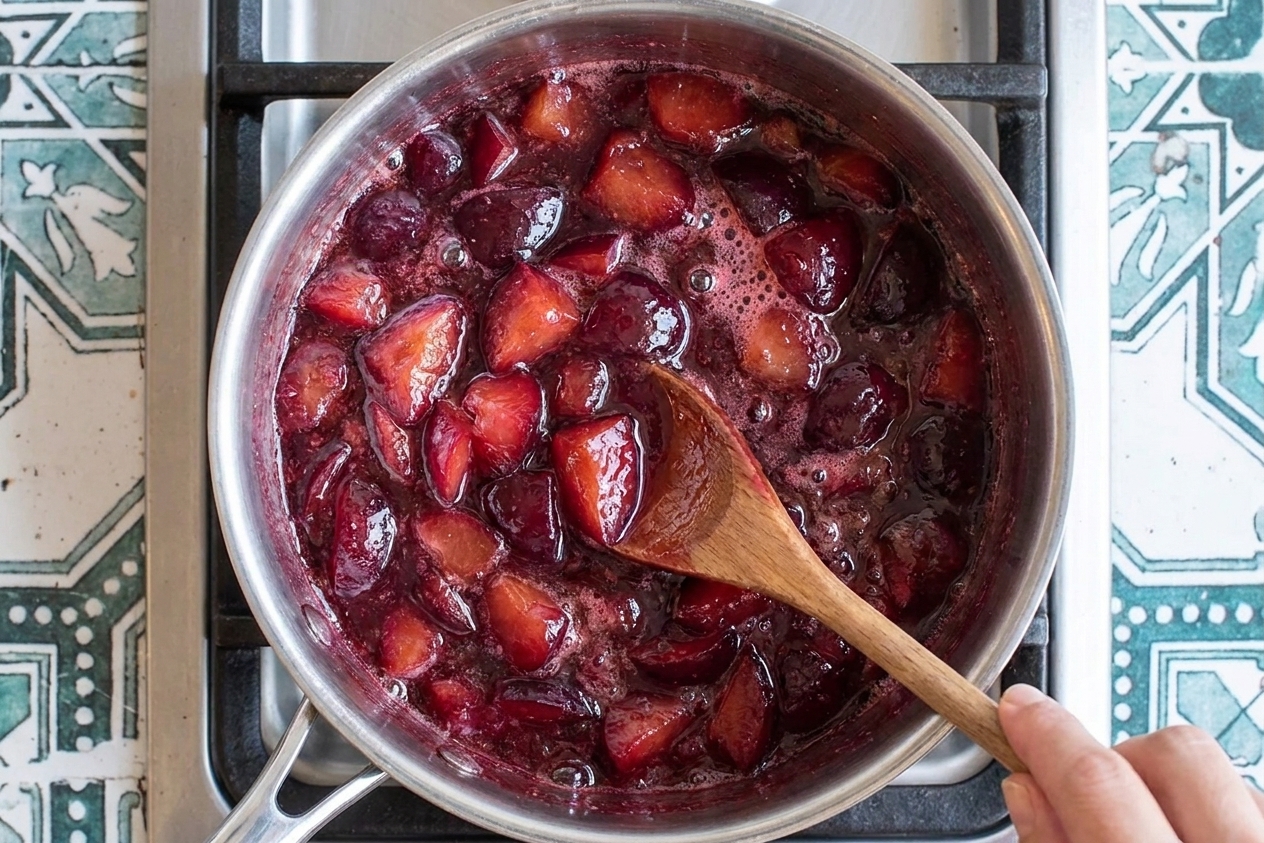
A pot of bubbling plum jam on a stovetop with a wooden spoon stirring, showing thick, glossy purple-red fruit

The first time I made plum jam, I did it because I had a bag of plums that went from “perfect” to “blink and they are wrinkly” in about twelve minutes. I figured I would either save them or turn them into a sticky science experiment. What I got was this deep, jammy, almost wine-like fruit spread that made basic buttered toast taste like it had plans for the day. Now I keep it in the fridge like a little flavor emergency kit for yogurt, oatmeal, grilled cheese, and the occasional spoon-only situation.