Mom's Best Recipes
Recipe

Easy Sourdough Bread

A crusty, tangy sourdough loaf with a chewy crumb, made with a relaxed no-knead method and baked in a Dutch oven.

Author By Matt Campbell
4.8
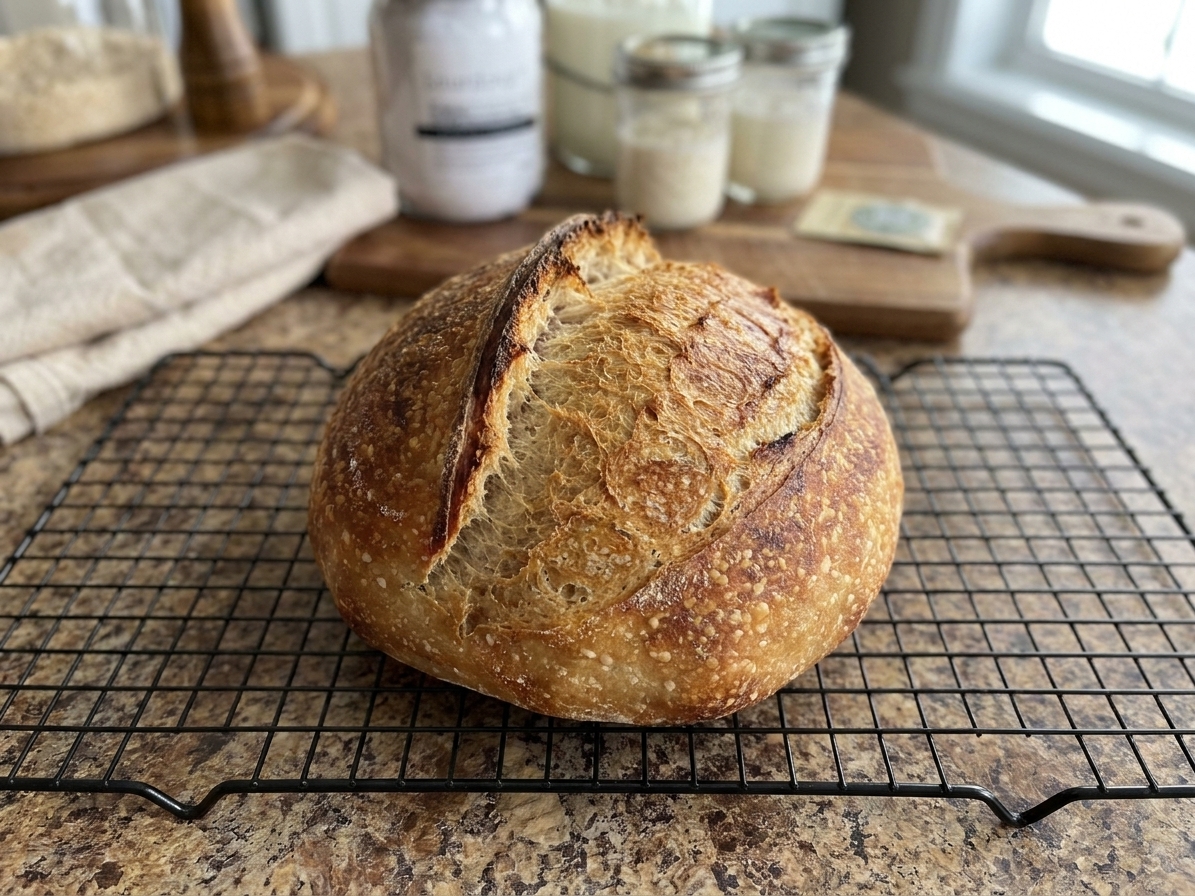
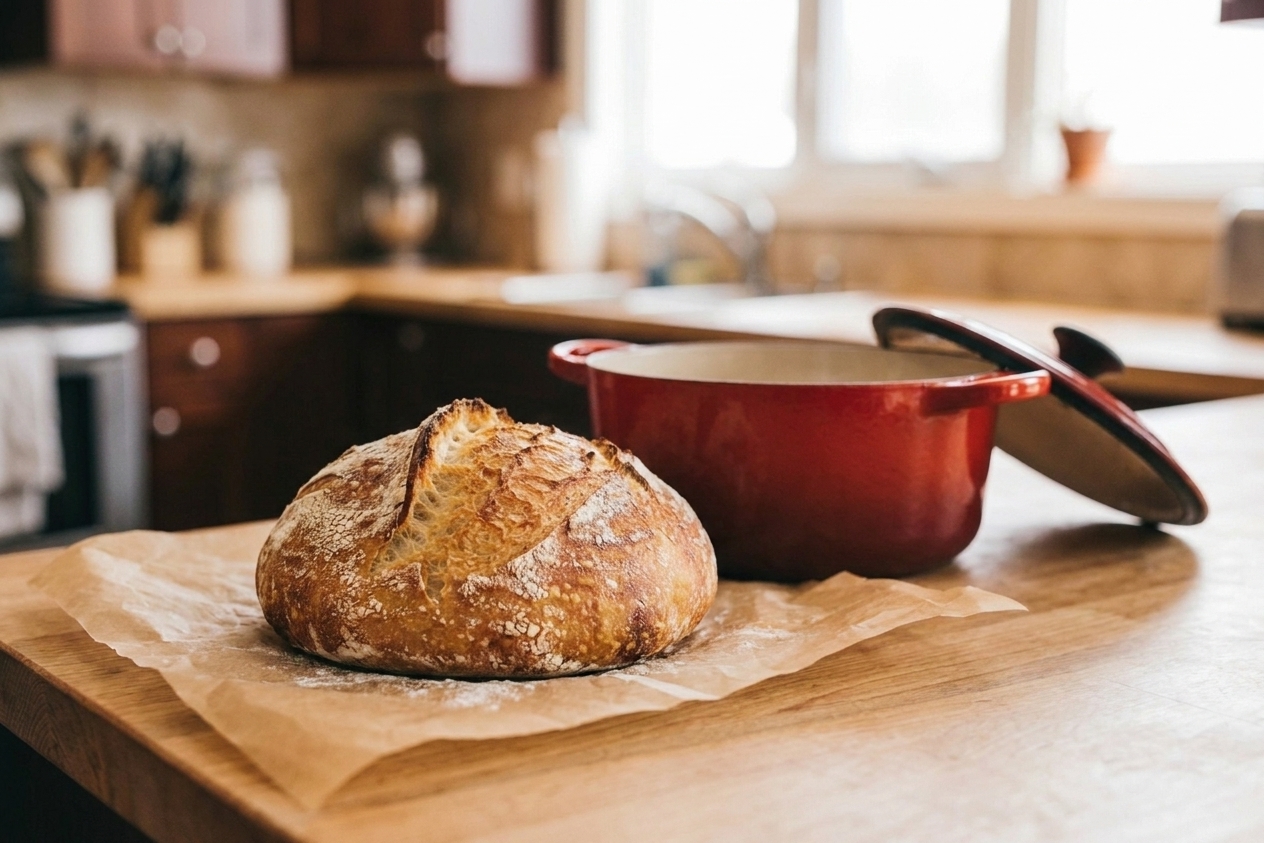
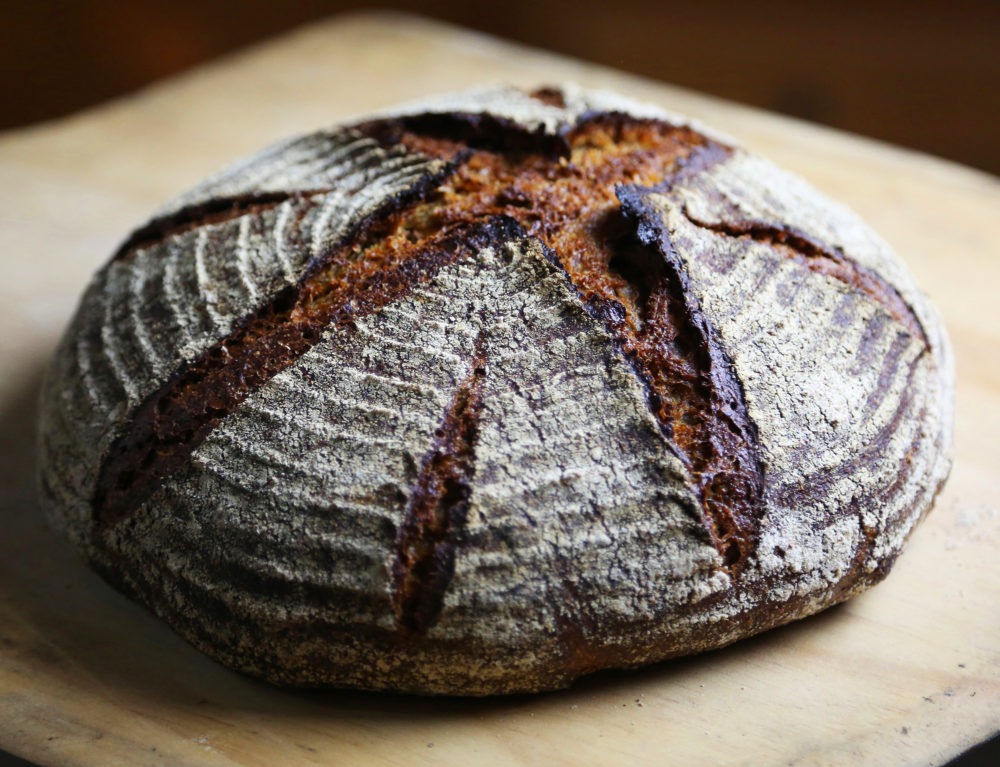
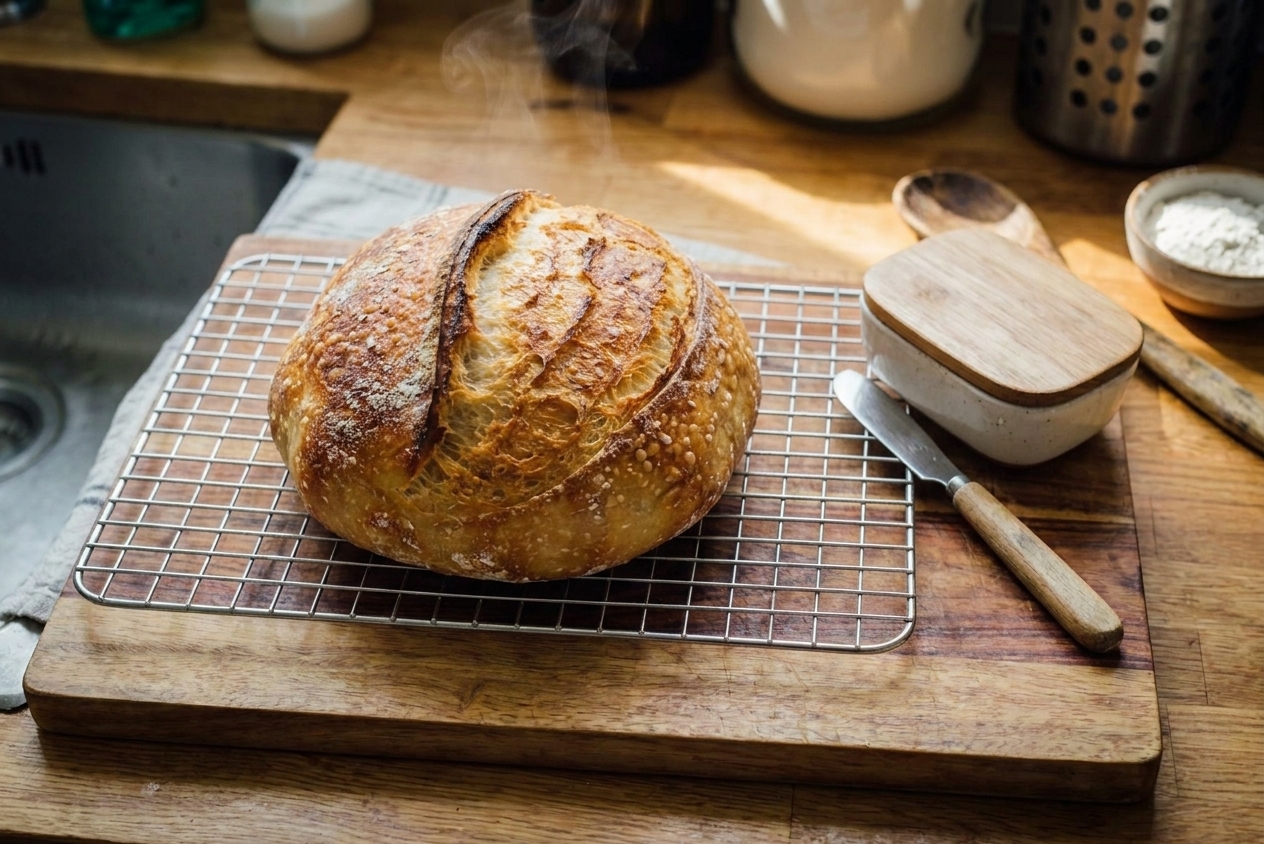
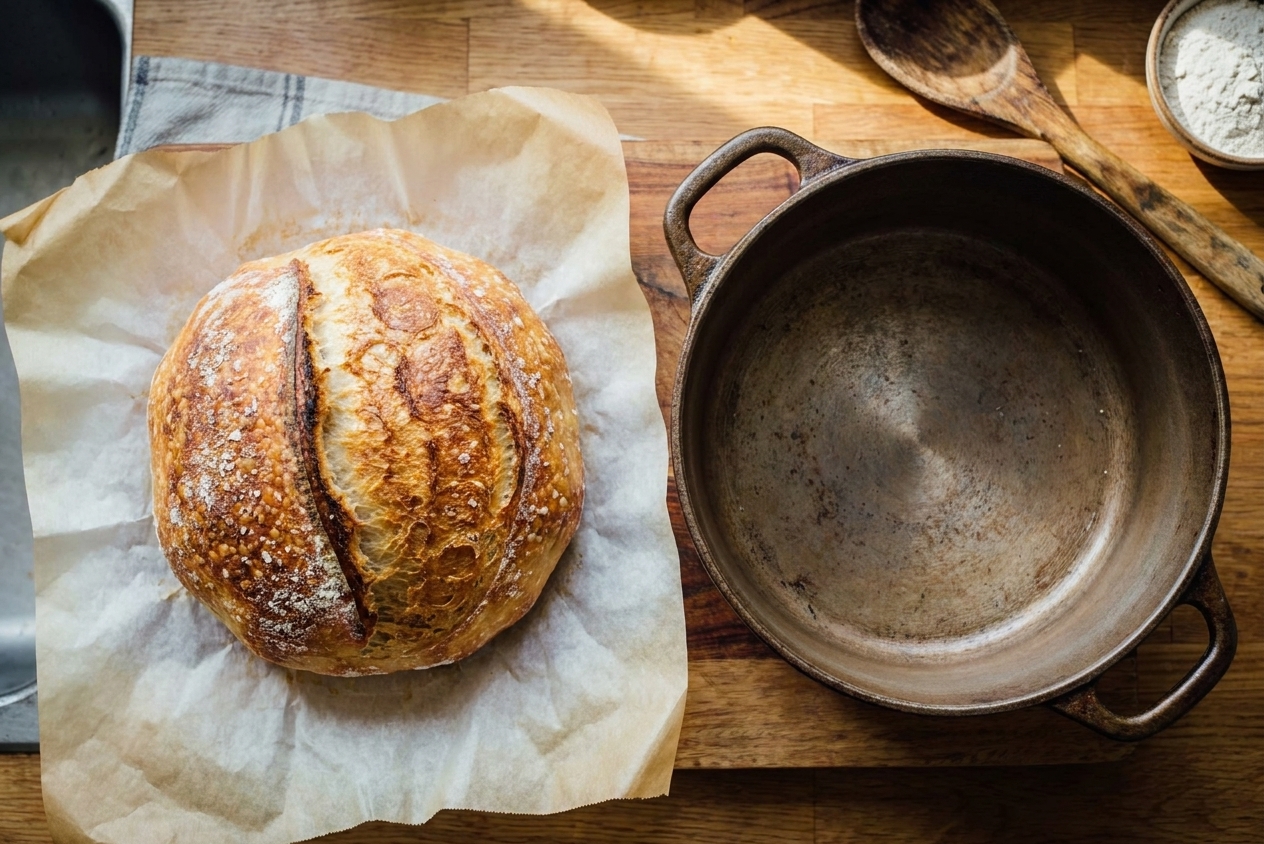
A golden-brown sourdough boule with a crisp, blistered crust resting on parchment beside a Dutch oven on a warm kitchen counter

Sourdough bread sounds like a weekend-only hobby until you realize most of the work is just waiting. The dough does the heavy lifting while you live your life, and then you get paid in crackly crust, chewy interior, and that gentle tang that makes butter taste like it got an upgrade.

This is my go-to accessible sourdough loaf for home bakers who want great results without turning the kitchen into a lab. No stand mixer. No complicated steps. Just a strong starter, a Dutch oven, and a couple small tricks that keep the process low-drama.

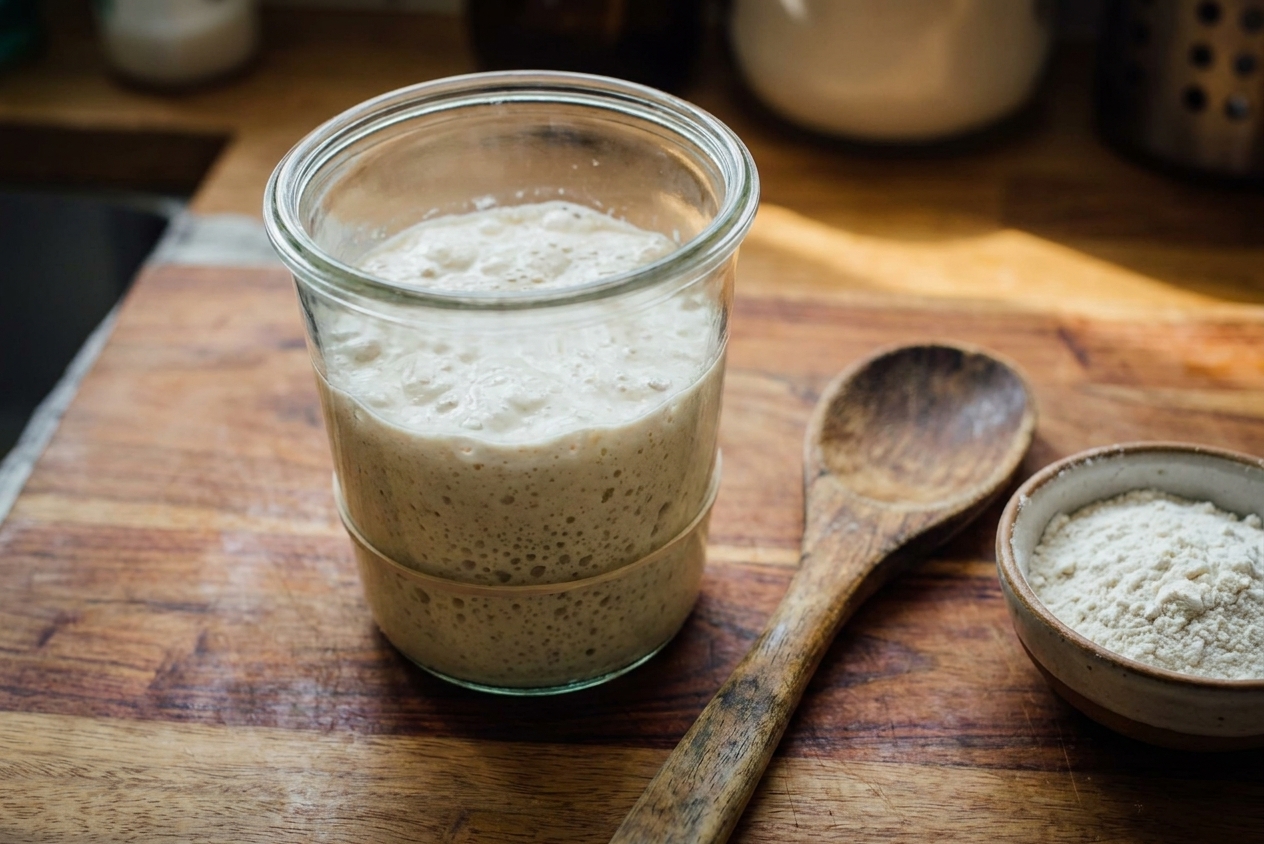
A glass jar of active sourdough starter with bubbles on top sitting on a kitchen counter next to a wooden spoon and a small bowl of flour

Why It Works

  • Big flavor without extra ingredients: Fermentation builds tang and depth, so the loaf tastes like it took way more effort than it did.
  • Crisp crust, cozy crumb: The Dutch oven traps steam so you get that bakery-style crust and a tender, chewy interior.
  • Flexible timing: You can bake the same day or cold-proof overnight in the fridge to fit your schedule.
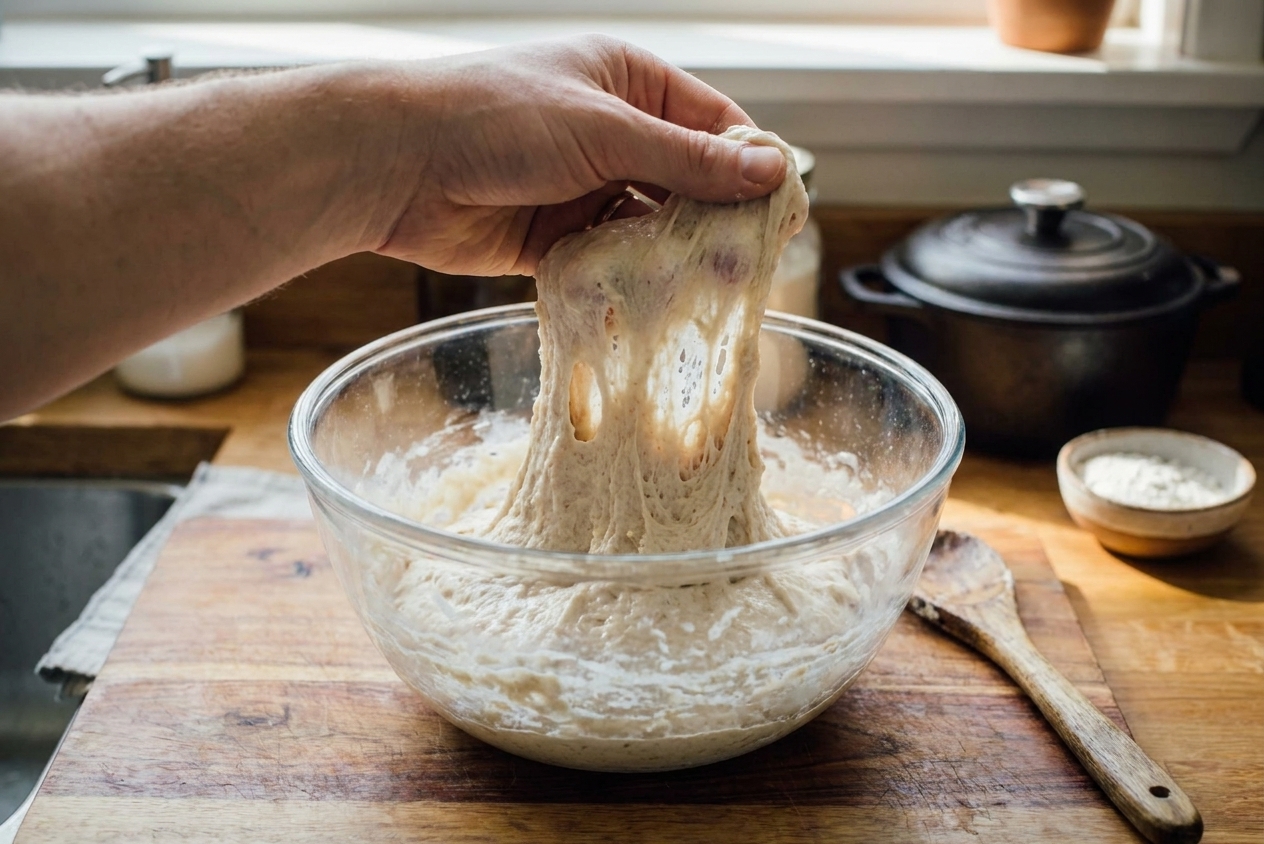
  • No-knead friendly: A few stretch-and-folds build strength without turning this into an arm workout.

Pairs Well With

Storage Tips

Day 1 and 2: Keep the loaf cut-side down on a cutting board, or wrap loosely in a clean kitchen towel. This keeps the crust from going soft.

After that: Slice it and freeze it. I like sliding slices into a freezer bag with parchment between a few of them so you can grab what you need.

Best reheat: Toast slices straight from frozen, or refresh a larger piece in a 350°F oven for 8 to 12 minutes.

Avoid: Refrigerating the loaf. The fridge usually stales bread faster than room temperature.

Common Questions

What is sourdough bread, exactly?

Sourdough is bread leavened with a starter, a culture of wild yeast and friendly bacteria. It rises more slowly than commercial yeast bread, which is where the flavor comes from.

How do I know my starter is ready to bake with?

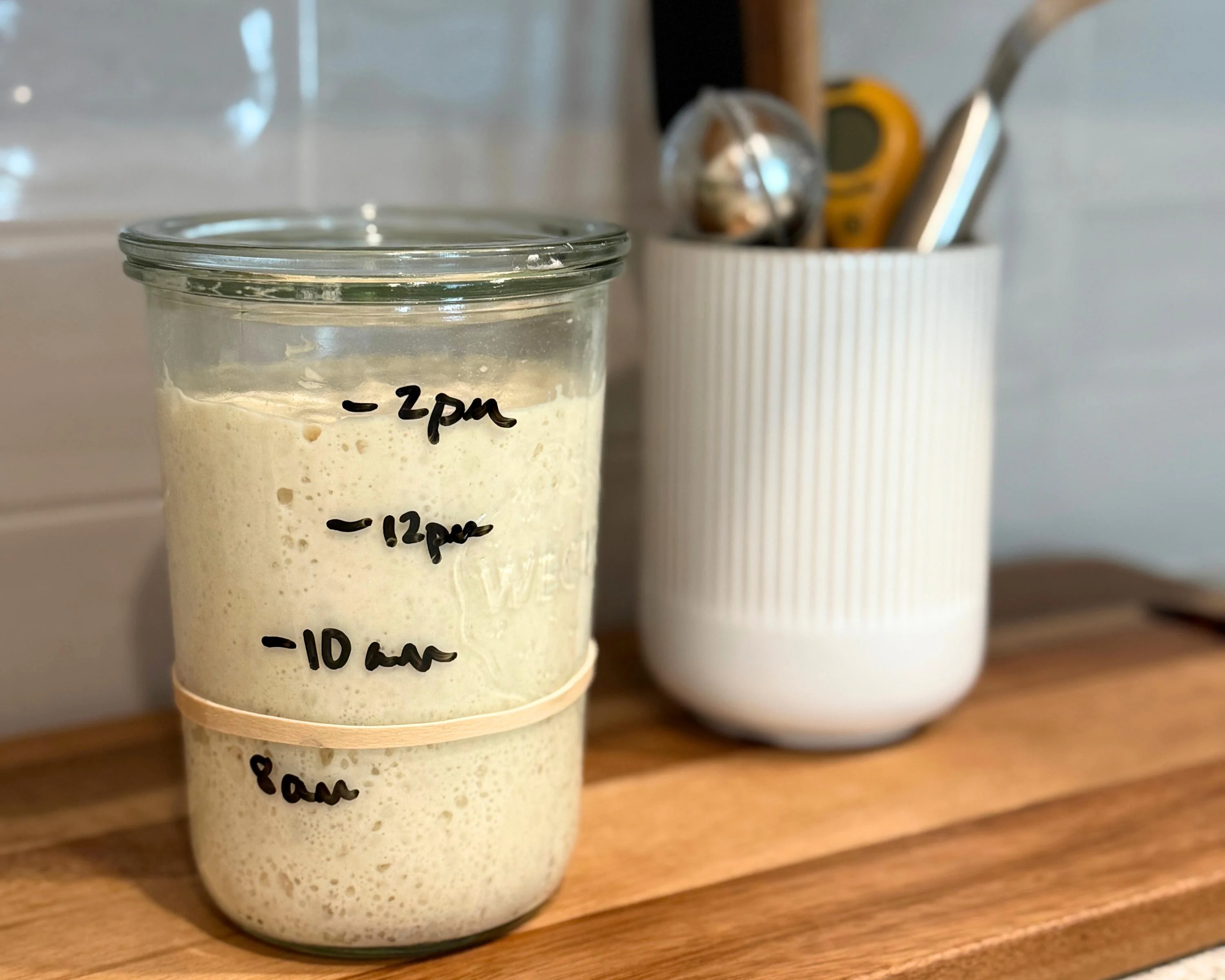
A ready starter looks bubbly and lively and smells pleasantly tangy. The most reliable sign is behavior: after feeding, it should rise noticeably (often doubling) within 4 to 8 hours at warm room temperature. If it is sluggish, give it a couple daily feedings before baking.

What kind of starter is this recipe written for?

This recipe assumes a 100% hydration starter (fed with equal weights flour and water). If your starter is much thicker or thinner, your dough will feel different. Trust the dough and hold back a splash of water if it seems overly slack.

My dough is sticky. Did I mess it up?

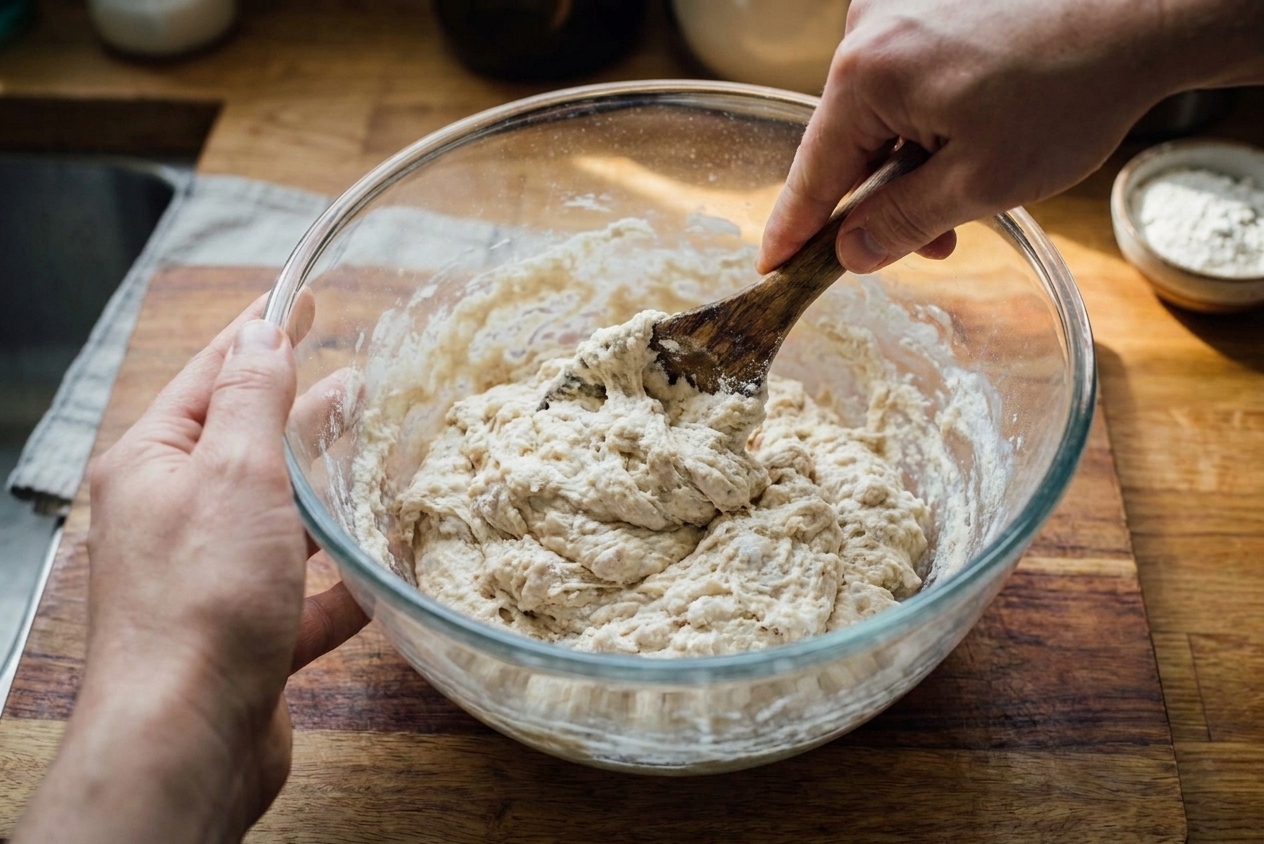
Sticky is normal. Use wet hands for stretch-and-folds and a bench scraper for shaping. If the dough is soupy and will not hold any shape, your flour may be lower protein or your kitchen may be warm. Next time, reduce water by 20 to 30 grams and see how it behaves.

How do I get a more sour flavor?

For more tang, do a longer, cooler proof. The easiest move: refrigerate the shaped dough overnight (8 to 16 hours) before baking.

Do I need a Dutch oven?

It is the simplest way to trap steam for great crust. If you do not have one, bake on a preheated sheet pan or stone and add steam by placing a small metal pan on the bottom rack and carefully pouring in hot water when the bread goes in.

Why is my loaf gummy inside?

Usually one of three things: it was underproofed, underbaked, or sliced while still hot. Let it cool at least 1 hour, and make sure the crust is deep golden brown before pulling it. If you want a sure thing, check doneness with a thermometer. Aim for about 208 to 212°F in the center.

I wanted to study culinary arts, but I ended up chasing the more practical route: get my hands messy, learn by doing, and build skills that actually translate to real kitchens. Sourdough fits that energy perfectly. It is part technique, part instinct, and it rewards you for paying attention.

The first time I nailed a loaf with a crust that actually crackled when it cooled, I just stood there like, okay, so this is what all the hype is about. Now it is my favorite kind of kitchen chaos: a bowl of flour and water that turns into something you want to tear into with your hands.