Do I need caraway seeds?
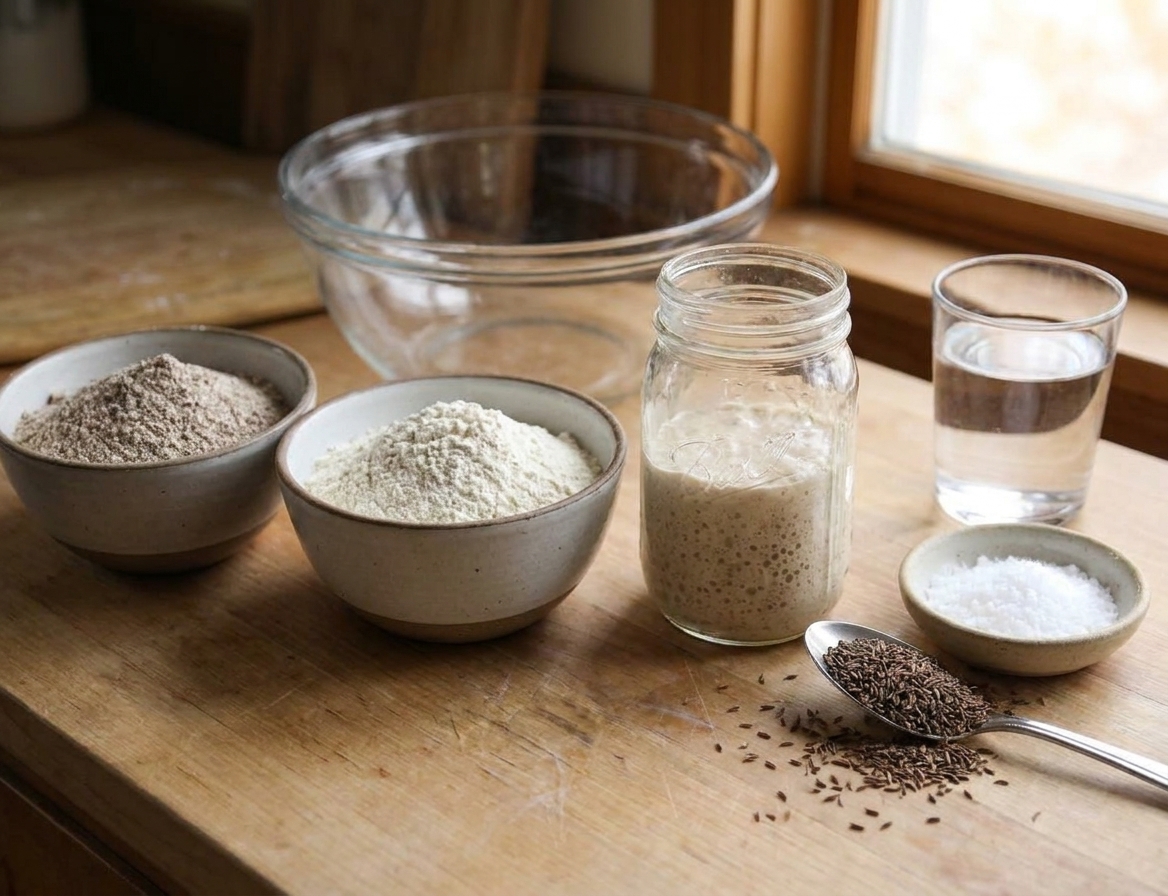
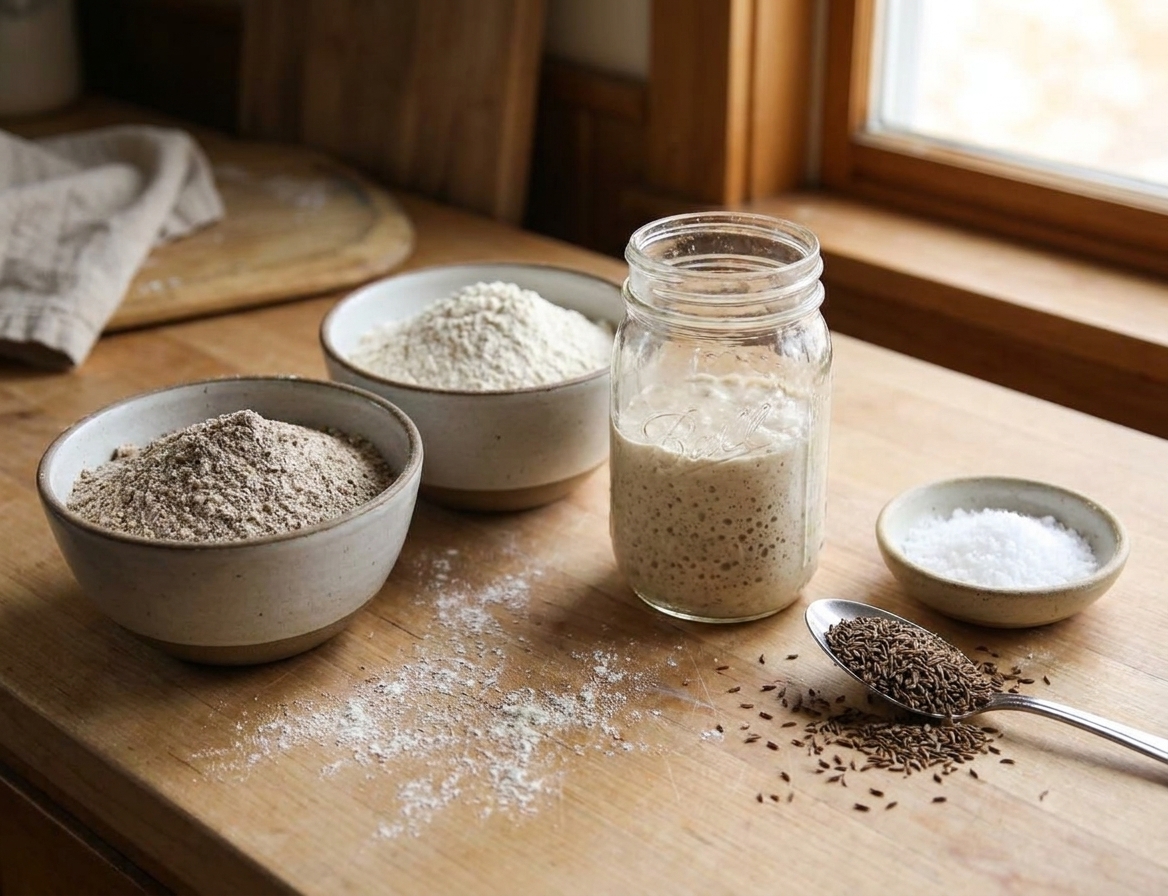
Nope. Caraway leans classic deli rye, but the bread is still excellent without it. If you want a twist, try fennel seeds, cracked coriander, or just black pepper.
How do I know my starter is ready?
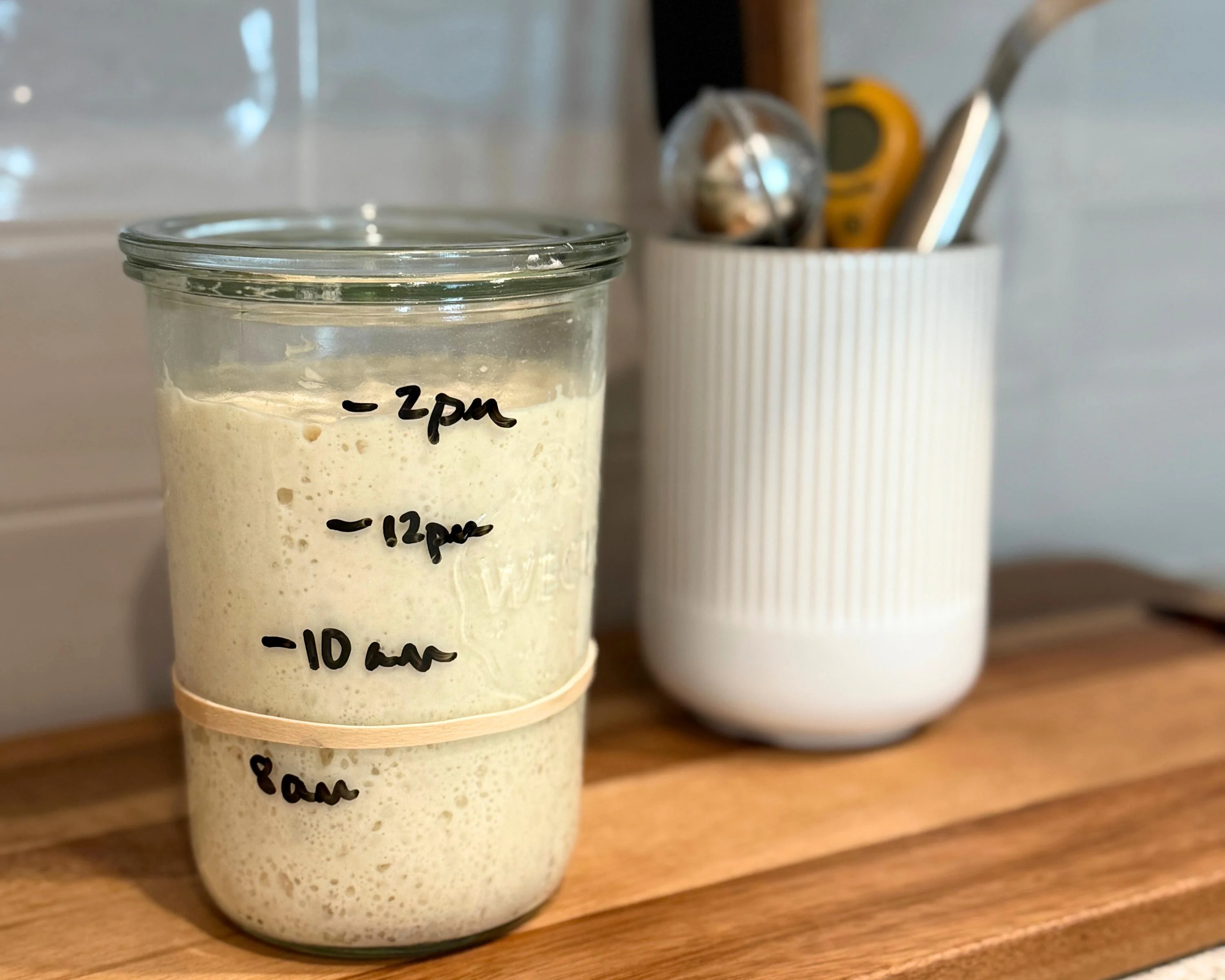
Use it when it is bubbly, smells pleasantly tangy (not harsh), and reliably doubles in volume a few hours after feeding (timing depends on temperature and feeding ratio). If you like the float test, consider it optional: useful sometimes, not a required audition.
Why does rye dough feel sticky?
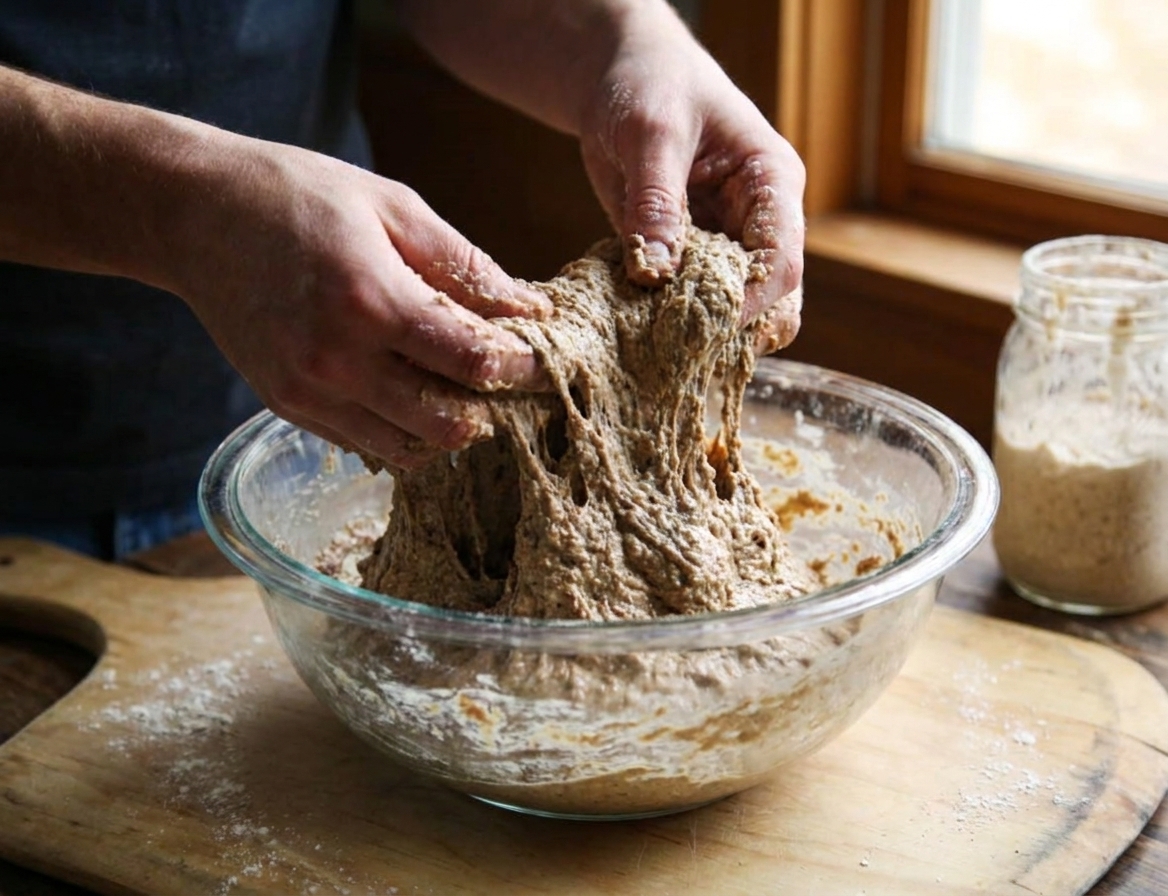
Rye has different starch and gluten behavior than wheat. It absorbs water and can feel tacky even when it is developed. Resist the urge to add lots of flour. Use wet hands during folds and a lightly floured bench for shaping.
Can I make this without a Dutch oven?
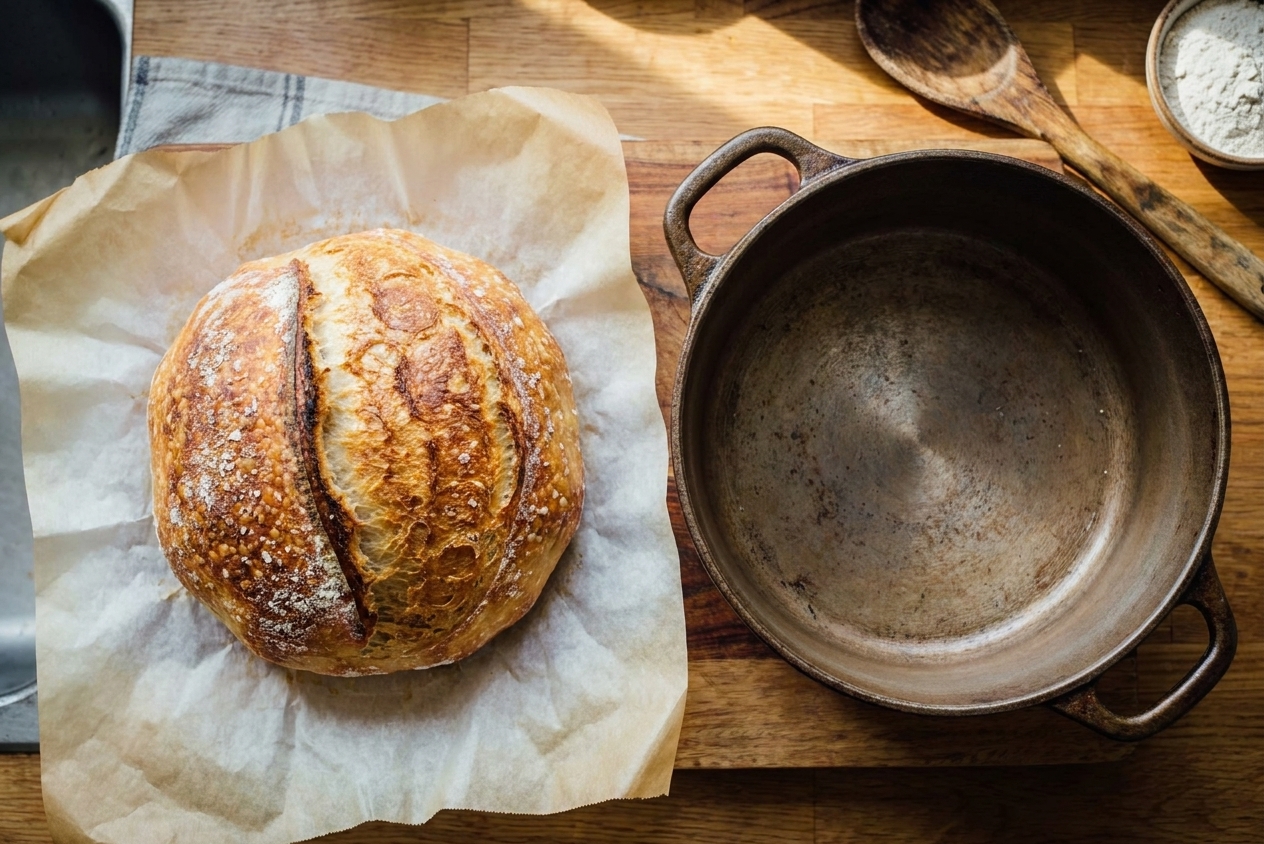
Yes. Bake on a preheated stone or sheet pan and add steam. Put a metal pan on the bottom rack while the oven preheats, then pour in 1 cup of boiling water right after loading the bread. Vent the steam halfway through baking.
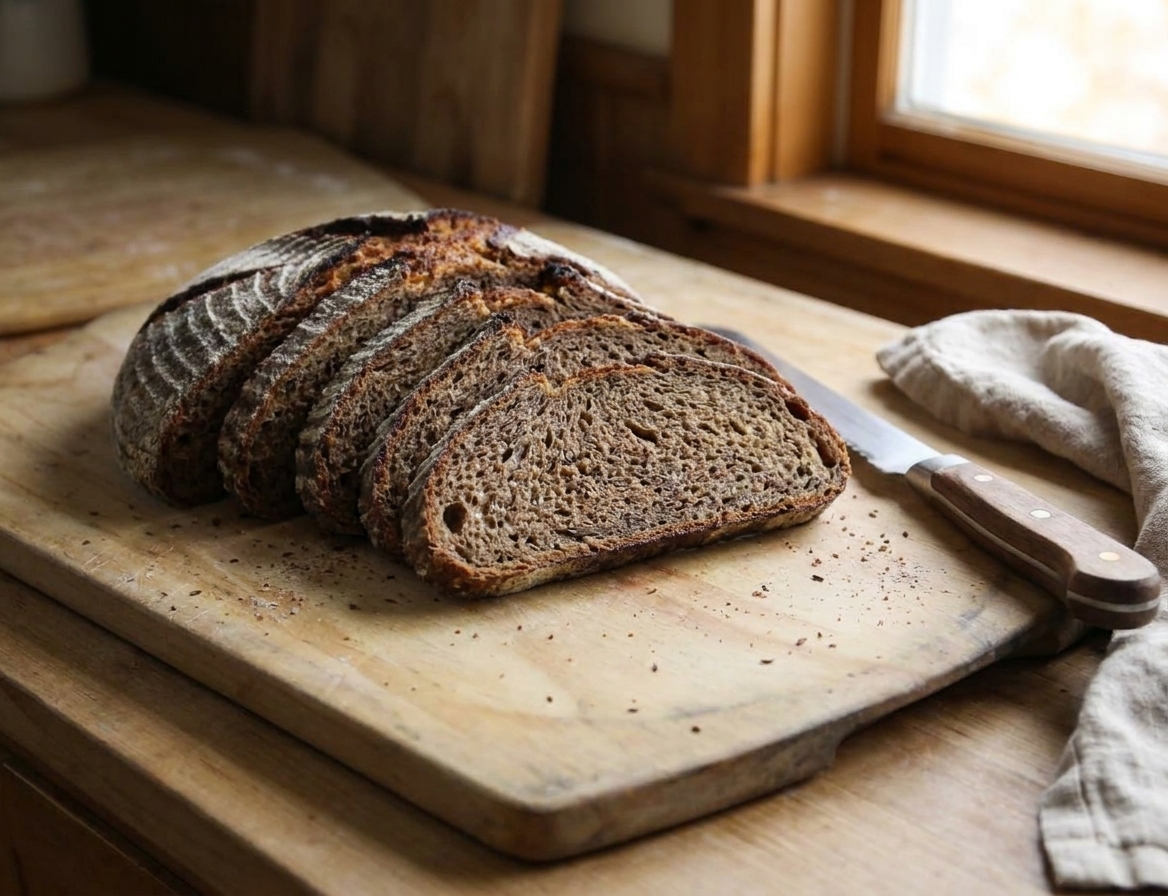
My crumb is tight. What happened?
Most common causes: under-fermented bulk, starter not active enough, or shaping that pressed out too much gas. Next time, extend bulk until the dough is noticeably puffier (think 30% to 50% rise), jiggly, and showing bubbles at the edges, and shape with a lighter touch.
What rye flour should I use?
If your store carries light, medium, or dark rye, medium is a great all-around choice. If your bag just says “rye flour” (common in many markets), use it. Whole rye or dark rye will taste more assertive and the dough may feel stickier, so keep your hands wet during handling.