Mom's Best Recipes
Recipe

Easy Yellow Curry

A cozy, Thai-inspired yellow curry with a bright coconut sauce , tender potatoes, and your choice of chicken or tofu.

Author By Matt Campbell
4.8
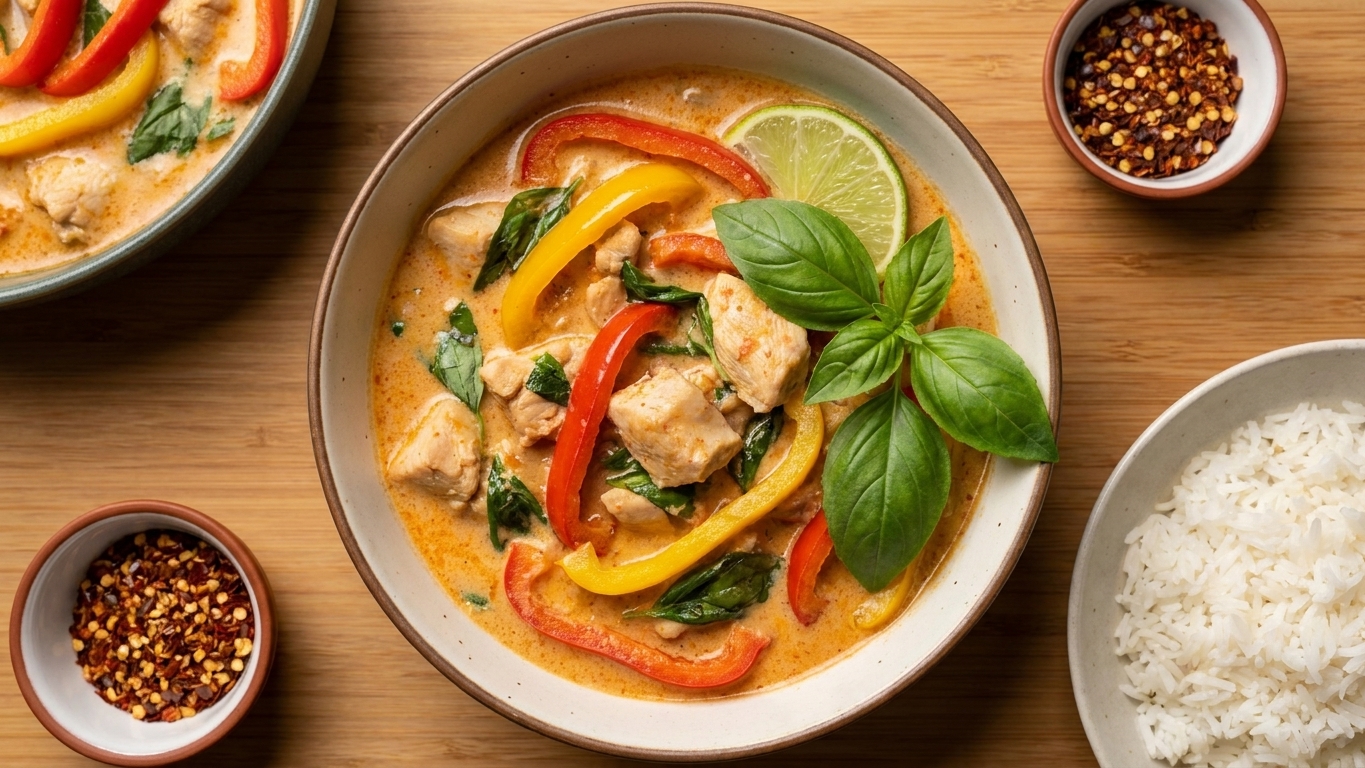
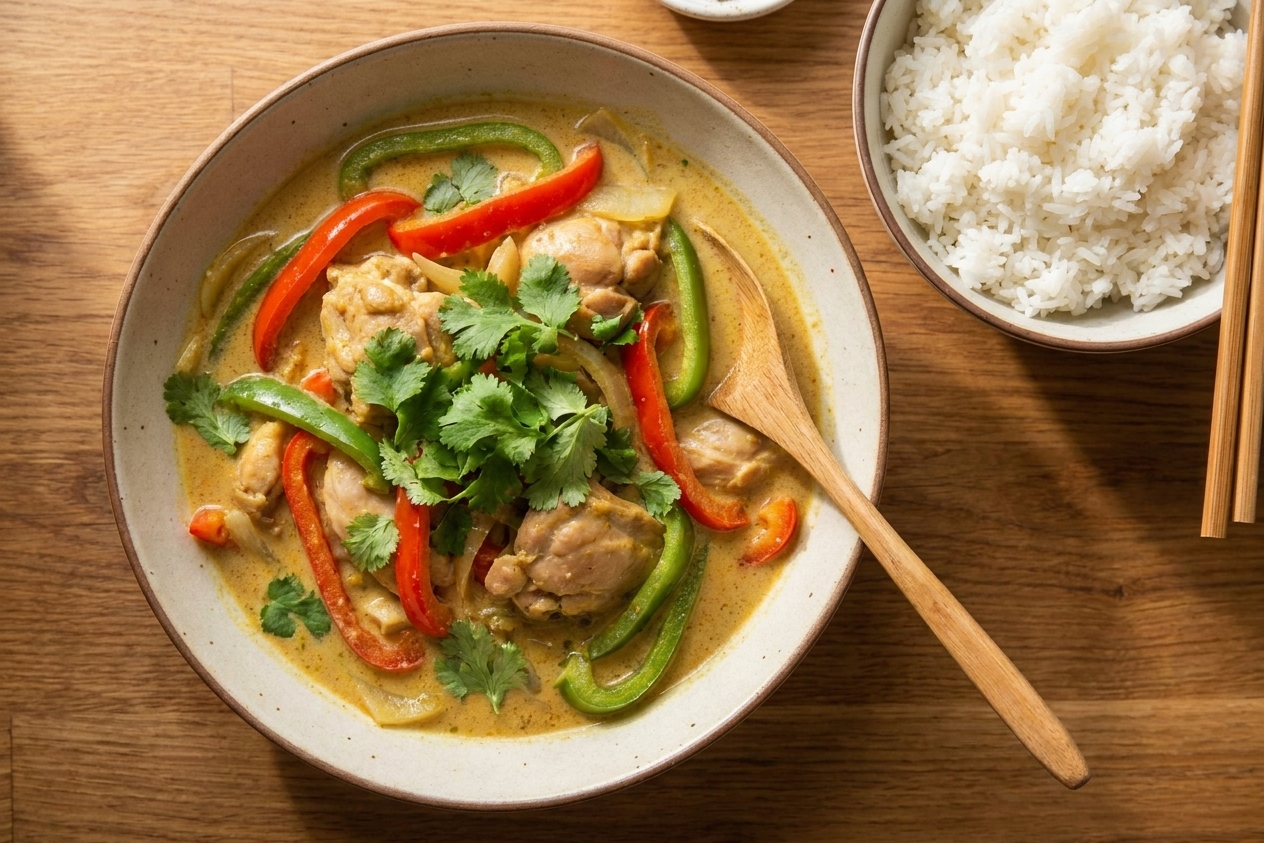
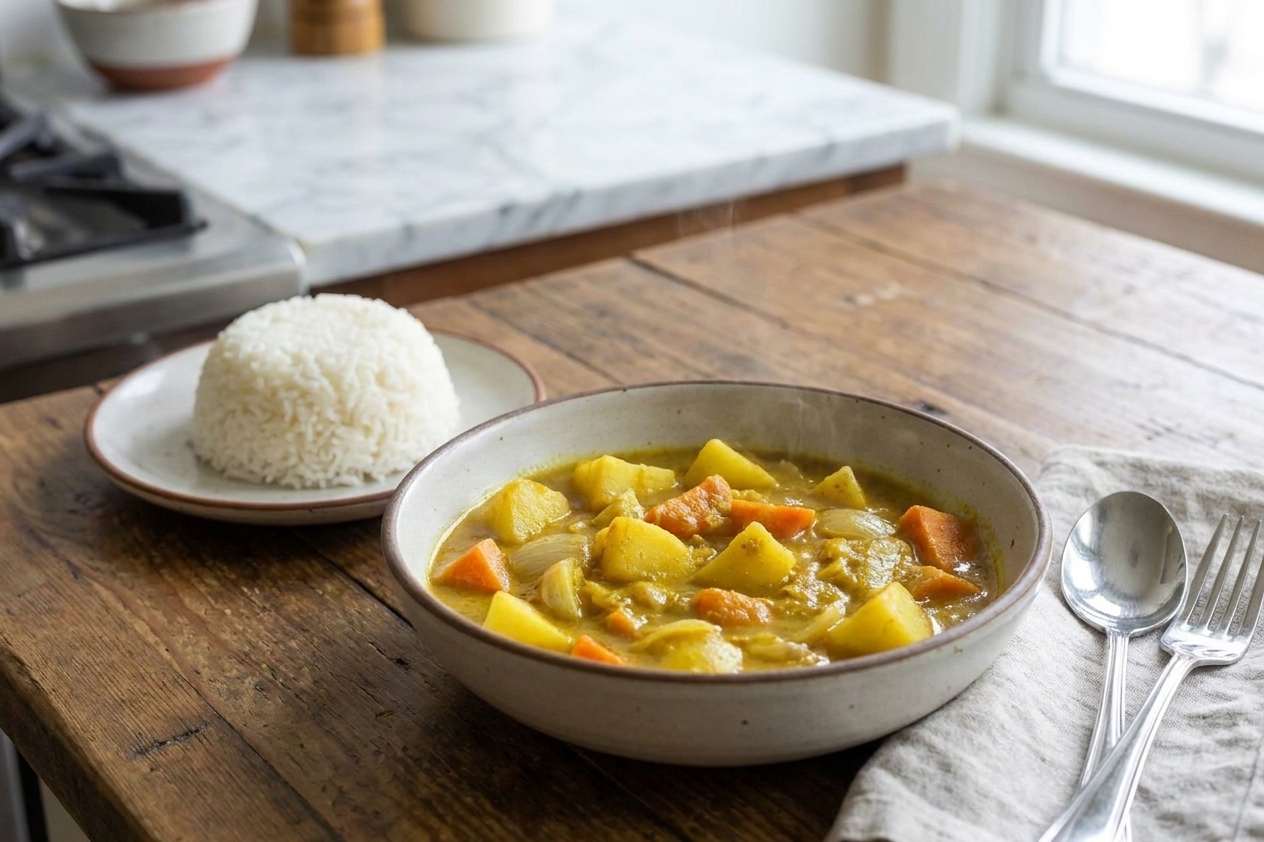
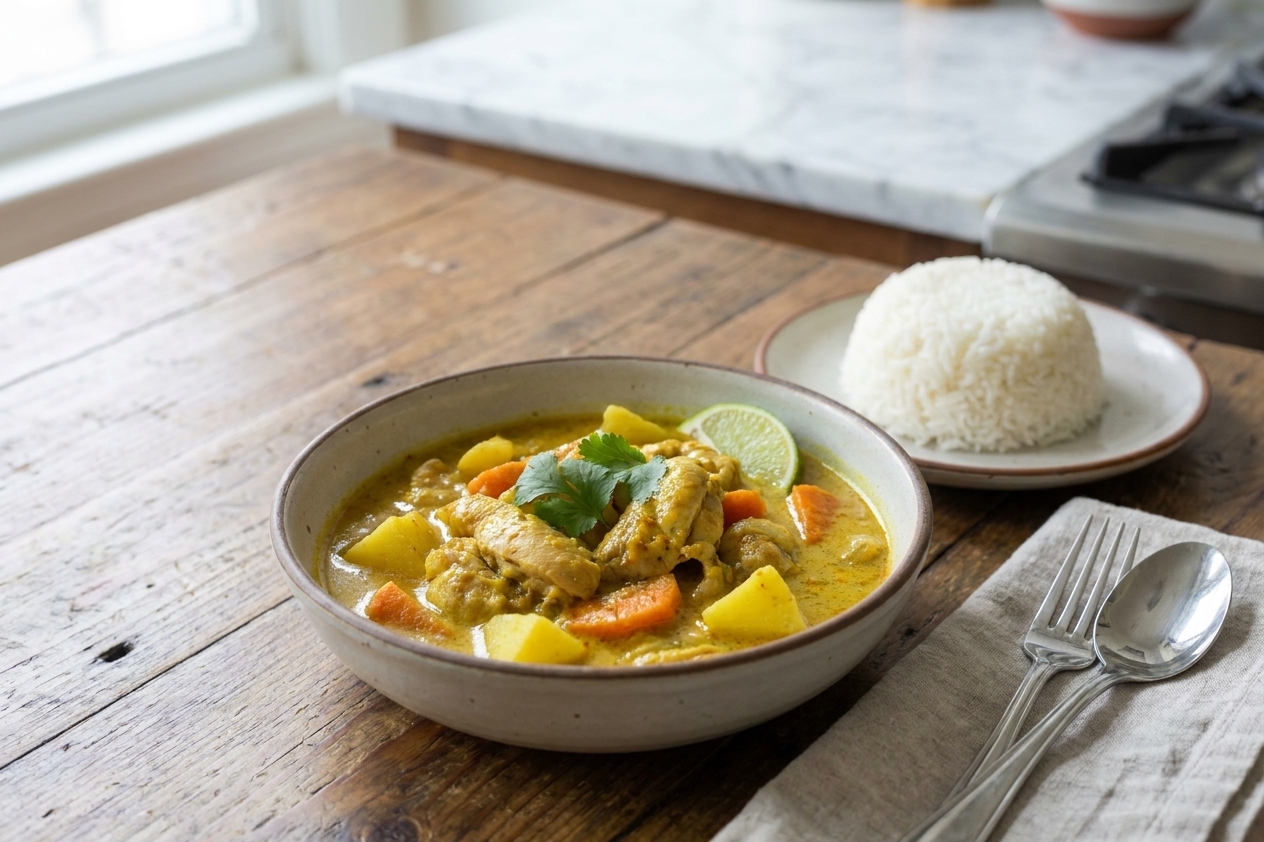
A shallow bowl of Thai-style yellow curry with chicken, potatoes, and carrots in a golden coconut sauce, served with jasmine rice on a warm-toned kitchen table

Yellow curry is my go-to when I want dinner to feel like I tried, without actually trying that hard. It is cozy and mellow, but still has enough spice and brightness to keep you coming back for “one more bite” that turns into a second bowl.

This version is Thai-inspired and weeknight-friendly: curry paste, coconut milk , a quick sauté to wake everything up, then potatoes simmer until tender. You can run it with chicken, shrimp, or tofu, and it plays nice with whatever vegetables are hanging out in your crisper drawer.

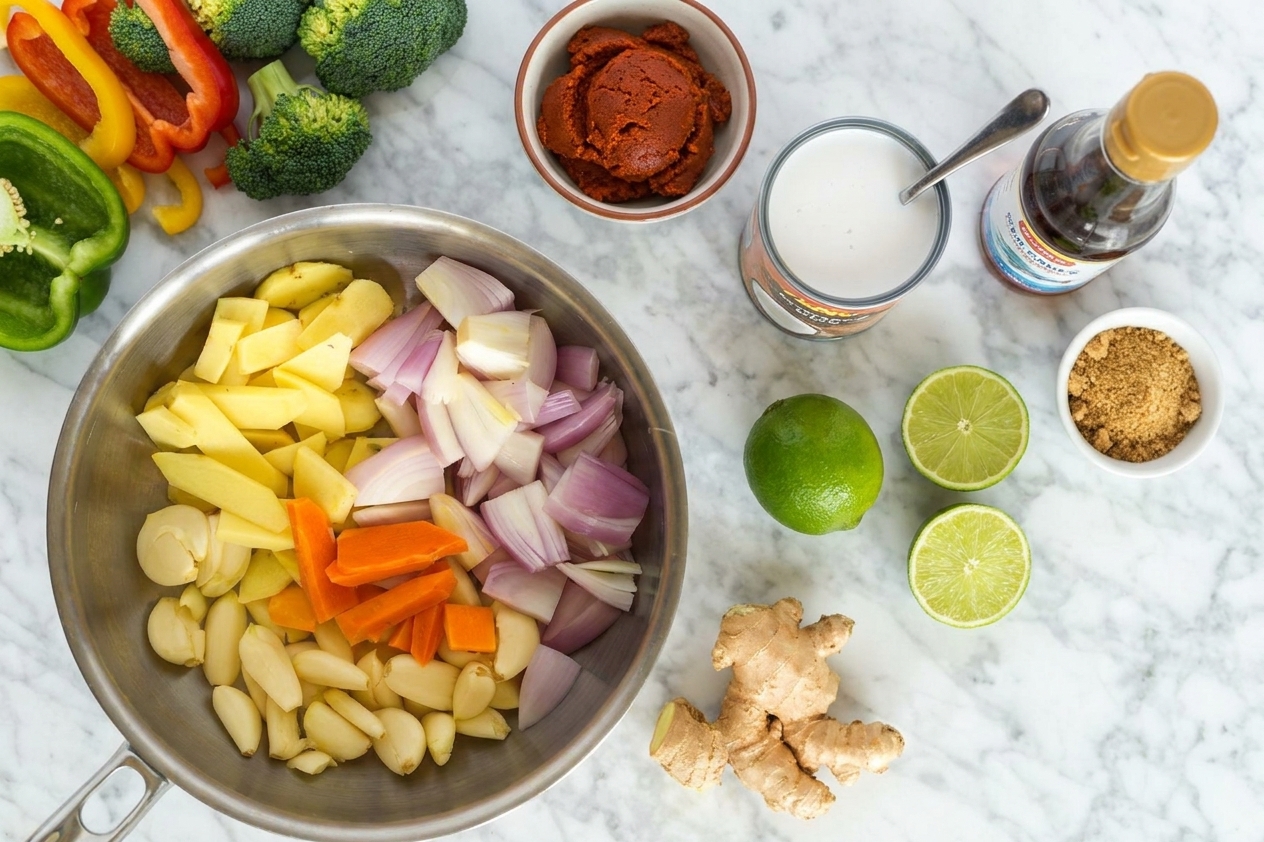
Curry paste, coconut milk, fish sauce, brown sugar, lime, garlic, ginger, and sliced vegetables arranged on a light stone kitchen counter

Why It Works

  • Big flavor fast: blooming the curry paste in oil pulls out the toasty spices so the sauce tastes layered, not flat.
  • Silky, spoon-coating sauce: coconut milk plus a small hit of fish sauce and sugar gives you that sweet-savory curry shop balance.
  • Potatoes that actually taste like something: they simmer in the curry, soaking up the golden sauce from the inside out.
  • Flexible and forgiving: swap the protein, swap the veg, adjust heat at the end. You are in charge.

Pairs Well With

Storage Tips

Fridge: Store curry in an airtight container for up to 4 days. Keep rice separate if you can, since rice drinks sauce like it is getting paid for it.

Reheat: Warm gently on the stove over medium-low, stirring often. Add a splash of water or broth to loosen if it thickens. Microwave works too, but stir halfway through so the coconut sauce reheats evenly.

Freeze: You can freeze it up to 2 months. Coconut-based curries can separate a bit when thawed, but a gentle reheat and a good stir brings it back. Potatoes may soften more after freezing, so if you are meal-prepping specifically for the freezer, consider swapping potatoes for cauliflower or sweet potato.

Common Questions

Is yellow curry spicy?

It is often one of the milder Thai curries, but heat is brand- and recipe-dependent. Some pastes are gentle, some mean business. Start with less, then add more at the end if you want a bigger kick.

What is the difference between Thai yellow curry and Indian curry?

Thai yellow curry typically uses a curry paste (often including turmeric, cumin, coriander, lemongrass, galangal, and chiles) and gets its creamy body from coconut milk. Many Indian curries use different spice blends and techniques, and may be tomato-based, yogurt-based, or finished with cream or ghee instead of coconut milk.

Can I make it vegetarian or vegan?

Yes. Use tofu or chickpeas, and swap fish sauce for soy sauce or tamari. It will taste a little different (fish sauce is its own thing), so if you want extra depth add a small spoonful of miso off heat, or a pinch of mushroom powder. A squeeze of lime at the end helps bring back that bright, savory balance.

Why does my curry taste flat?

It usually needs one of these: more salt (fish sauce or soy sauce), more acid (lime), or a touch more sweetness (brown sugar). Taste at the end and adjust in that order.

How do I thicken yellow curry?

Simmer uncovered a few extra minutes. For a thicker, stew-like vibe, mash a few potato chunks into the sauce. If you are in a hurry, stir 1 teaspoon cornstarch with 1 tablespoon water and simmer 1 minute.

What should I serve with yellow curry?

Jasmine rice is classic. Rice noodles work great too. For something extra, add a quick cucumber salad or sautéed greens to cut the richness.

Does curry paste brand matter?

Yes, and it is the main reason “3 to 4 tablespoons” is a range. Some common grocery store pastes are mild, while others (often found at Asian markets) can be much hotter and more concentrated. Start with 2 to 3 tablespoons if you are unsure, then stir in more at the end until it tastes right to you.

Any coconut milk tips?

Use full-fat coconut milk for the best texture. Shake or stir the can first, and keep the simmer gentle so the sauce stays silky. If it looks like it “breaks” a bit, do not panic. A low simmer and a good stir usually brings it back together.

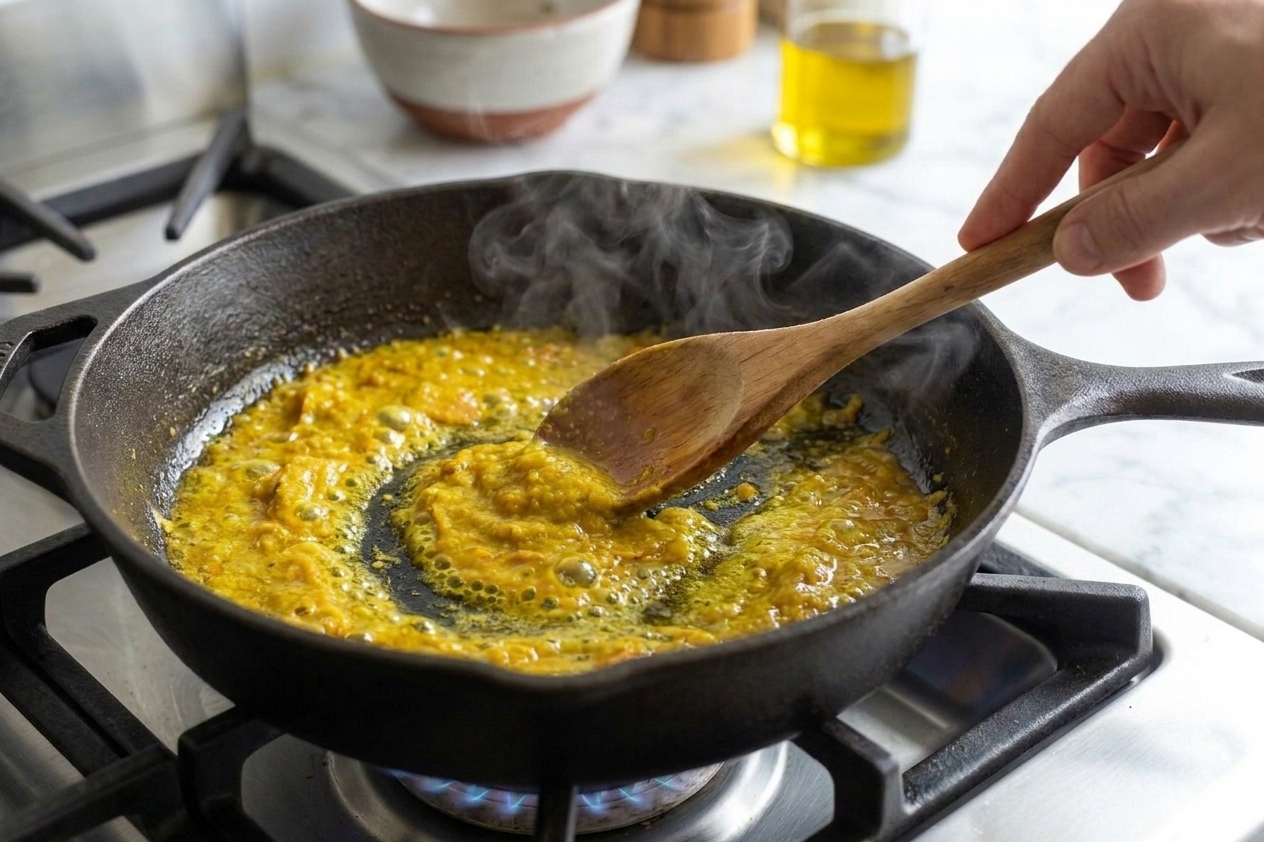
The first time I tried to make yellow curry at home, I treated curry paste like it was just “seasoning” and tossed it into liquid like a rookie. The result tasted fine, but it did not taste alive. Then I learned the move: let the paste hit hot oil first, let it sizzle for a minute, and suddenly your kitchen smells like you know what you are doing. Now it is one of my favorite weeknight resets. One pot, one spoon, plus a measuring spoon, and a sauce that makes plain rice feel like a plan.

A wooden spoon stirring yellow curry paste in a hot skillet with oil, with steam rising on a home stove