Mom's Best Recipes
Recipe

Empanada Dough

Tender, easy-to-roll dough for baking or frying, with practical tips so your empanadas seal tight and come out crisp and golden.

Author By Matt Campbell
4.8
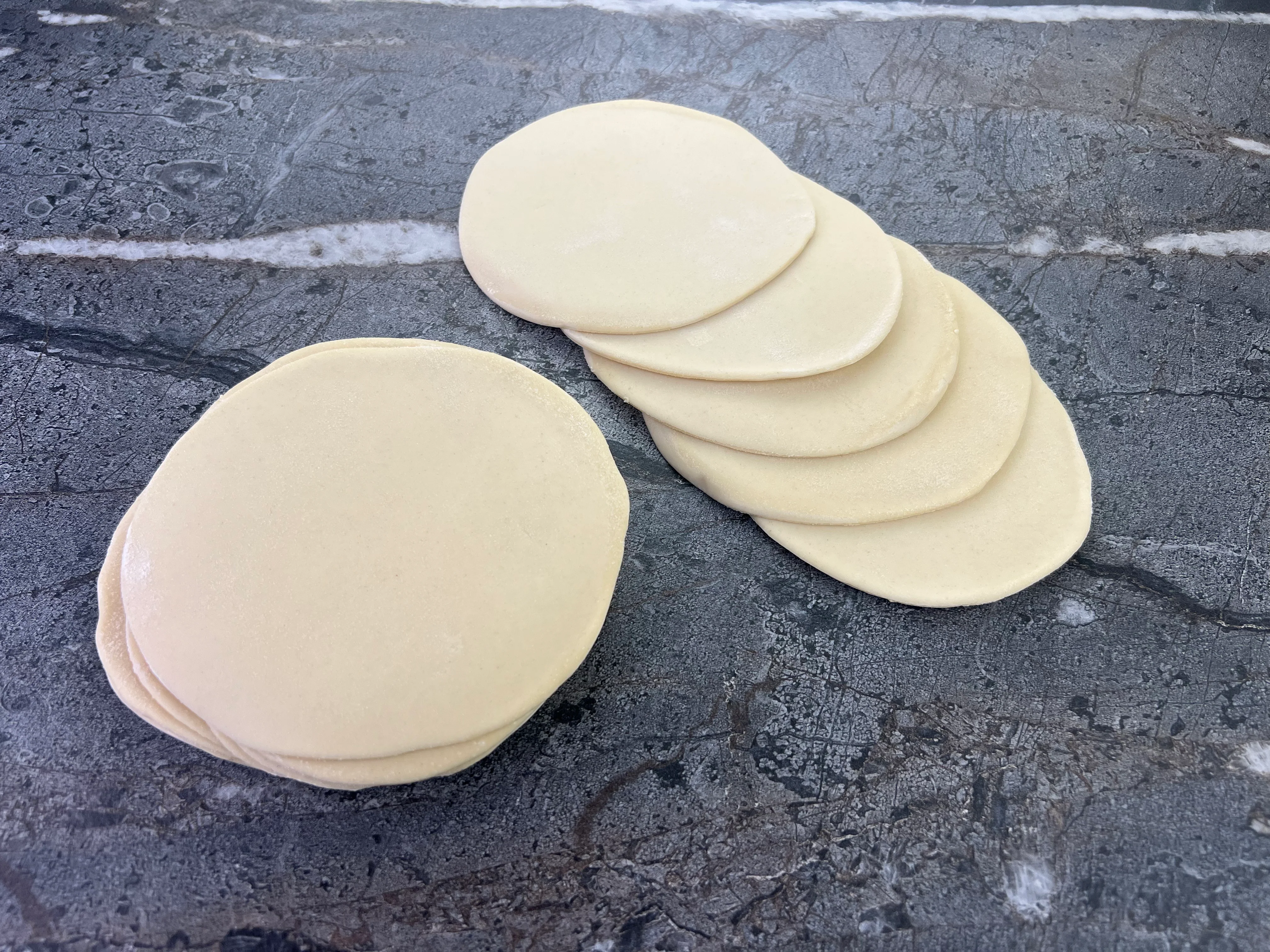
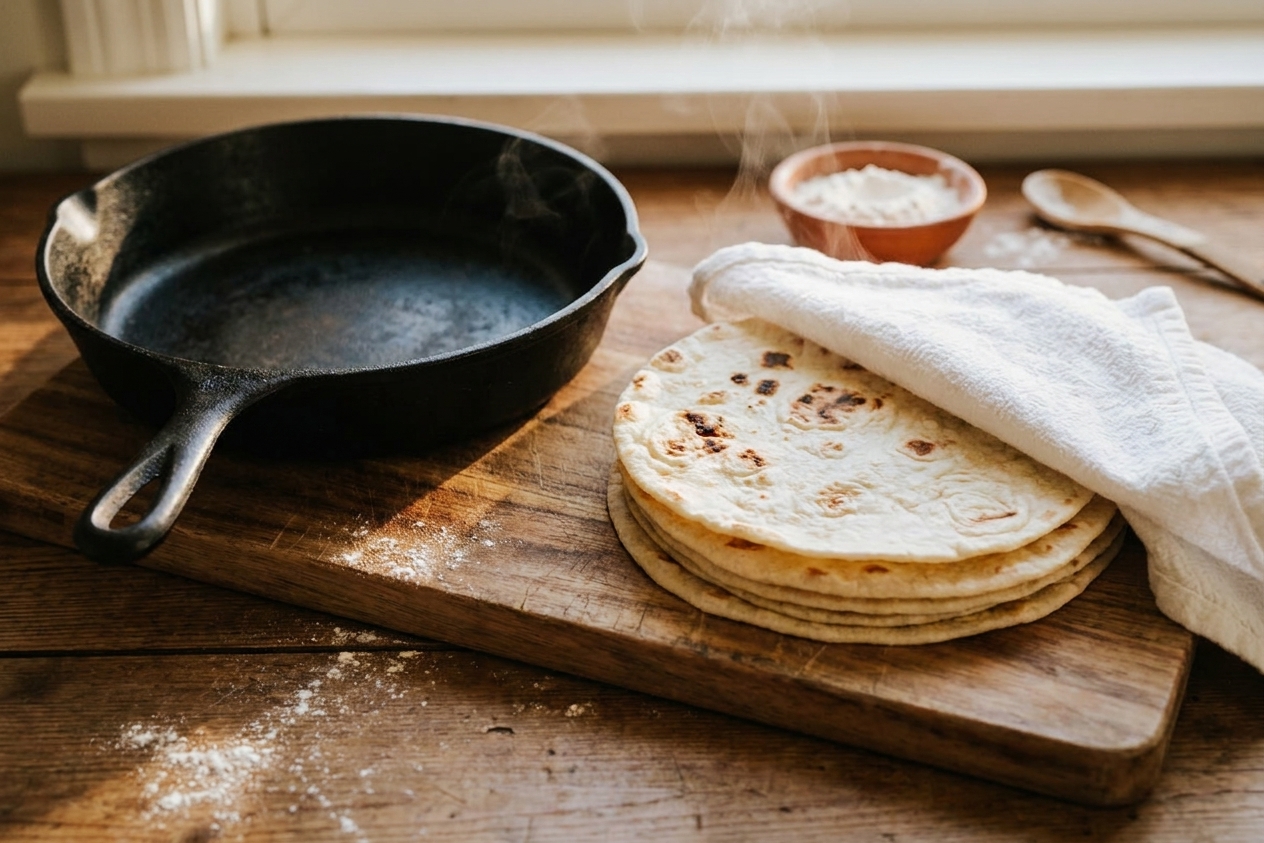
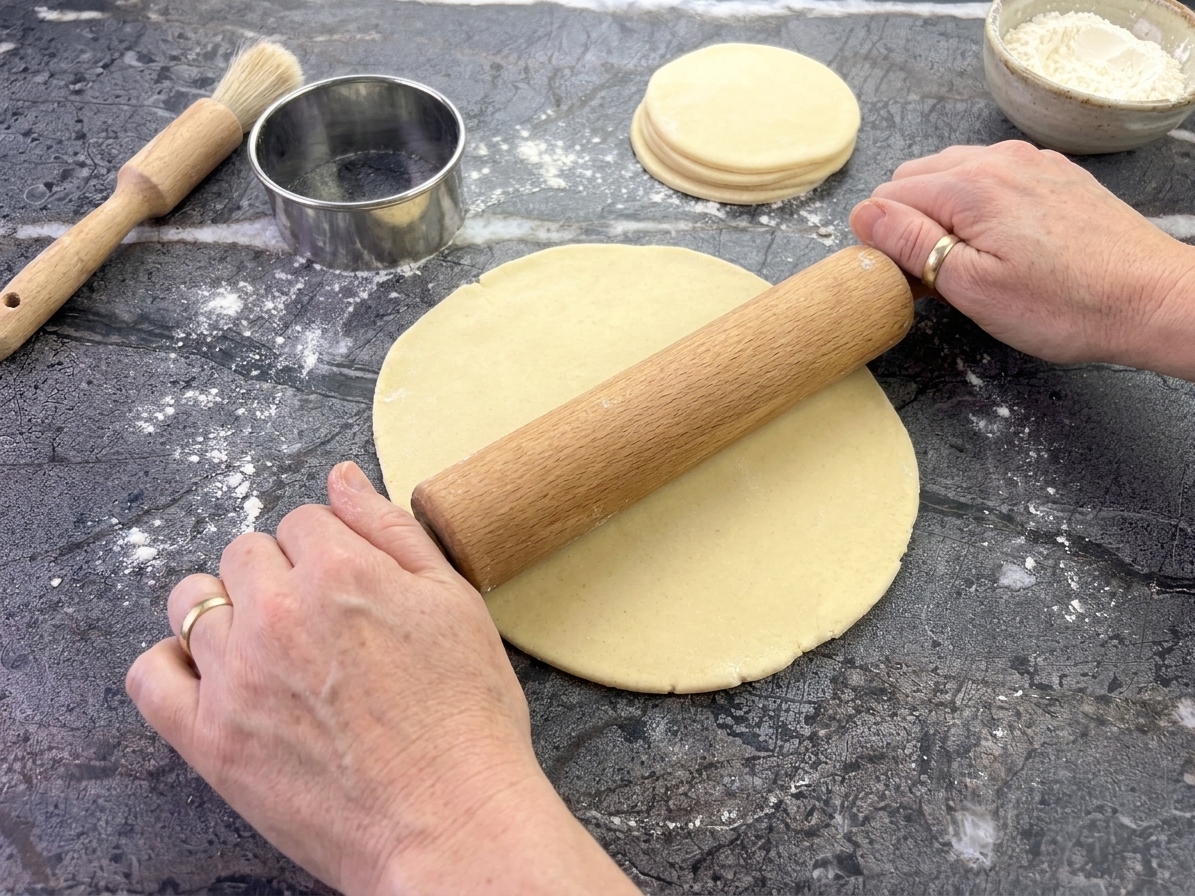
Round empanada dough discs stacked on a lightly floured wooden board beside a small bowl of flour on a warm kitchen counter

Empanadas are one of my favorite kitchen projects because they feel a little festive, even if your filling is just leftover chicken and whatever cheese you have hanging out in the fridge. The real secret is the dough. You want it easy to roll, easy to seal, and sturdy enough to hold a juicy filling without turning soggy or splitting at the seams.

This empanada dough is my go-to: it mixes fast, rests while you make the filling, and works for baking or frying. If you have flour, butter, and an egg, you are basically already there.

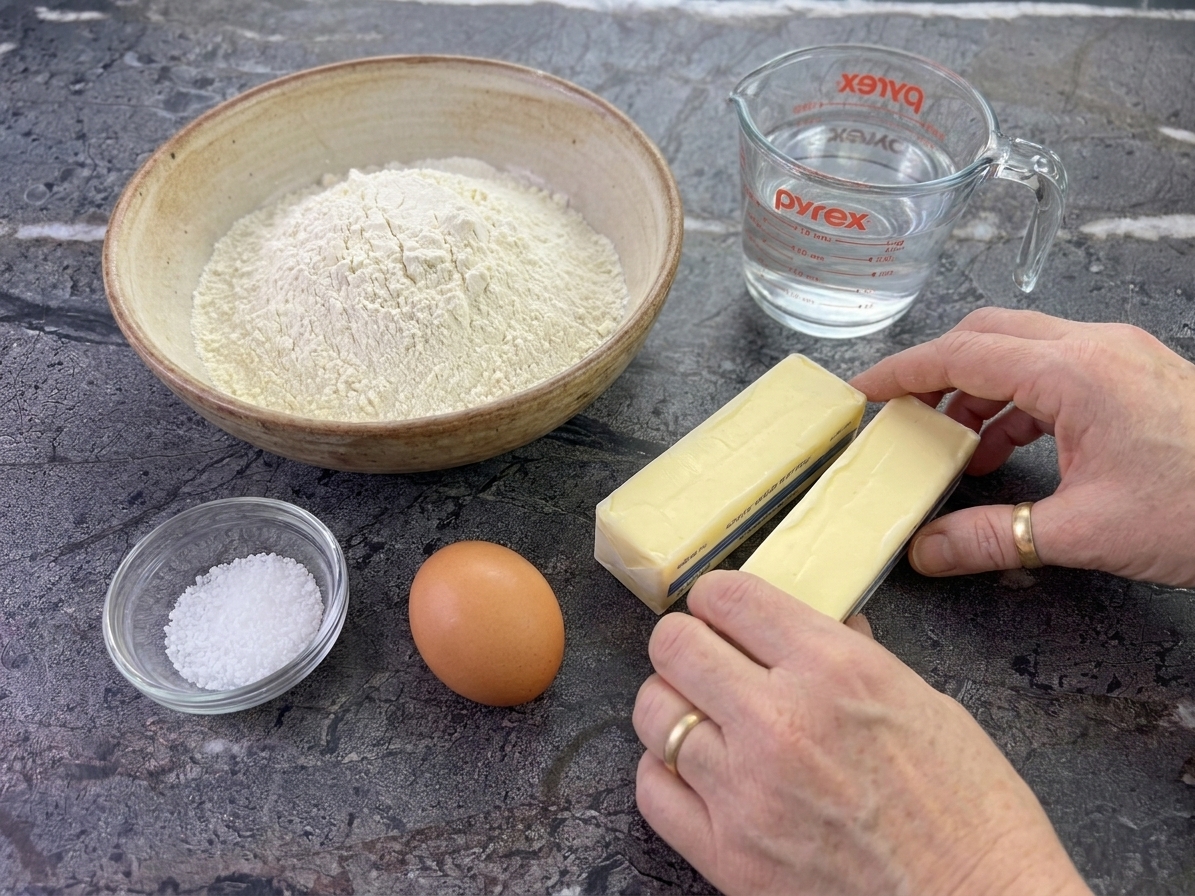
A neat ingredient setup on a kitchen counter with a bowl of flour, sticks of butter, an egg, salt, and a measuring cup of water

Why It Works

  • Tender but strong: Butter gives you flake and flavor, while a little egg helps the dough hold up to hearty fillings.
  • Rolls without drama: A short rest relaxes the gluten, so you are not fighting springy dough.
  • Seals well: The dough has enough structure to crimp cleanly and stay shut in the oven or fryer.
  • Flexible: Bake for a flaky, golden shell or fry for that crisp, bubbly exterior.

Pairs Well With

Storage Tips

How to Store Empanada Dough

  • Refrigerator: Wrap the dough tightly (plastic wrap or an airtight container) and refrigerate up to 3 days. Let it sit at room temp for 15 to 30 minutes before rolling so it does not crack.
  • Freeze as a dough ball: Wrap well, then place in a freezer bag. Freeze up to 3 months. Thaw overnight in the fridge.
  • Freeze as discs: Roll and cut discs, stack with parchment between them, then freeze in a sealed bag up to 3 months. Thaw in the fridge or on the counter until pliable.

Tip: If the surface dries out in the fridge, knead in 1 to 2 teaspoons ice-cold water until smooth again.

Common Questions

Common Questions

Can I bake and fry this same dough?

Yes. For baking, you will get a tender, flaky bite with a smooth finish. For frying, it puffs a bit and turns crisp with tiny bubbles. If you know you are frying, adding 1 teaspoon vinegar (or an extra teaspoon if you already use it) can help keep the dough tender by slightly limiting gluten development.

Why is my dough cracking when I roll it?

Cracking usually means the dough is too cold or too dry. Let it warm up a bit, then knead in a splash of water (start with 1 teaspoon). Also keep your work surface lightly floured, not heavily floured, since extra flour dries the dough out.

Why is my dough shrinking back?

It needs more rest. Cover it and let it relax for 10 to 15 minutes, then roll again. Gluten is stubborn like that.

Can I make empanada dough without a food processor?

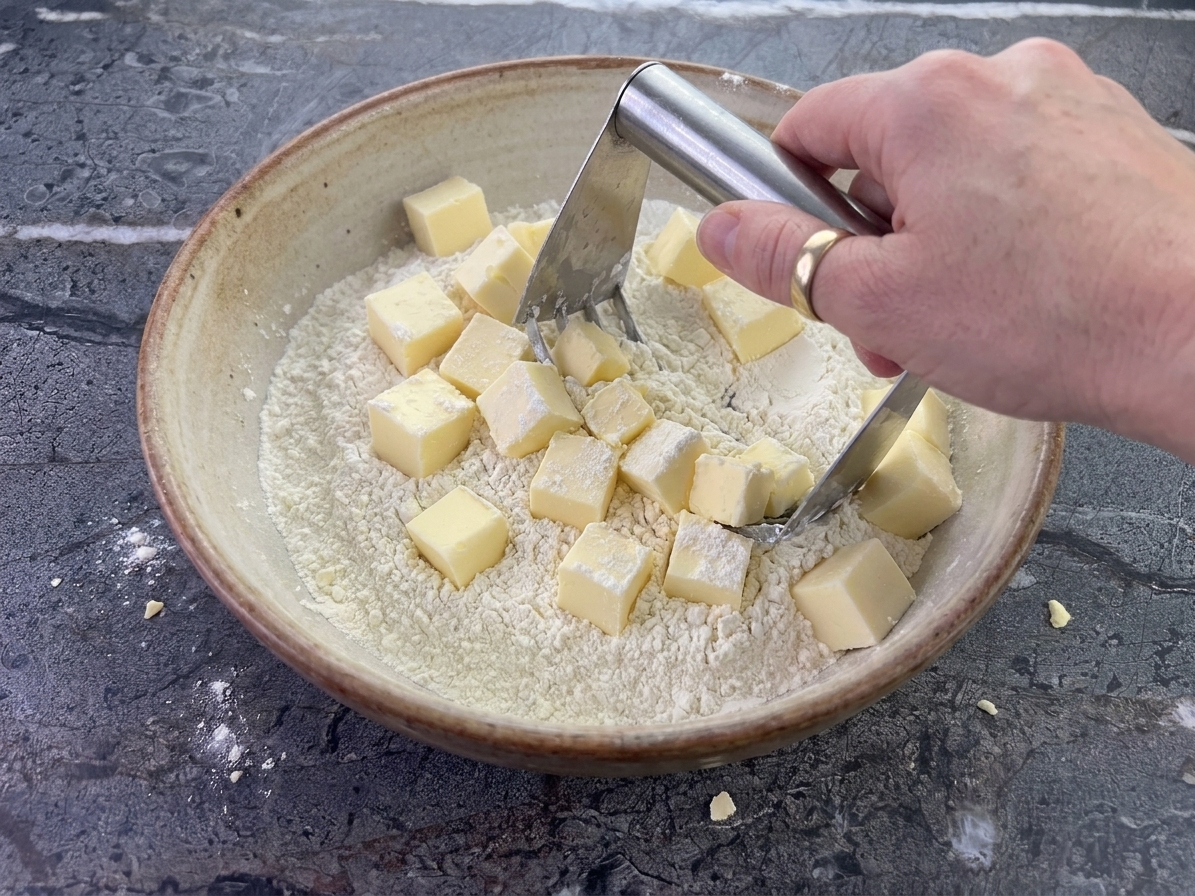
Absolutely. Use a bowl and a pastry cutter, or rub the butter into the flour with your fingertips until you have pea-sized pieces, then mix in the wet ingredients.

How thick should I roll empanada dough?

For most fillings, aim for about 1/8 inch. Thicker is sturdier but bready. Thinner is crispier but more likely to tear if your filling is very wet.

How do I keep empanadas from leaking?

  • Cool your filling before assembling.
  • Do not overfill. Think: generous, not chaotic.
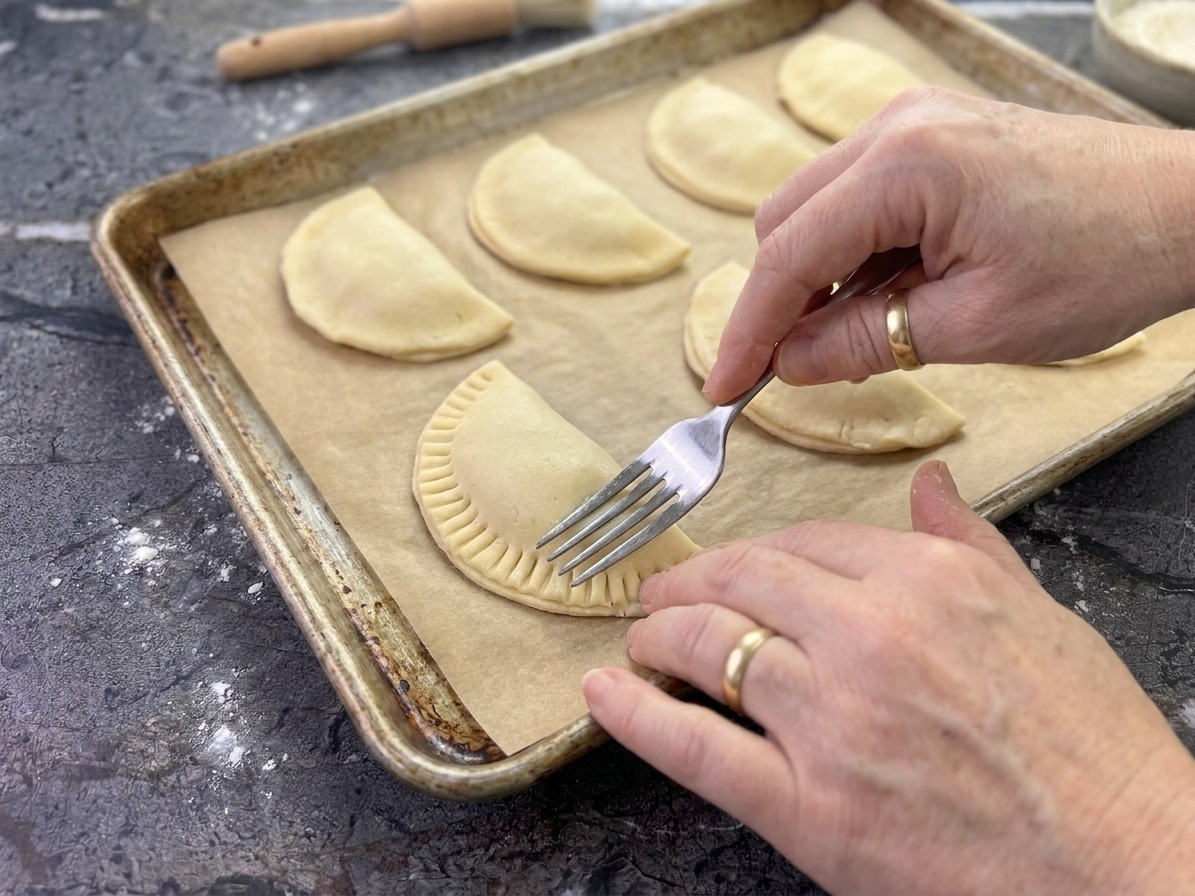
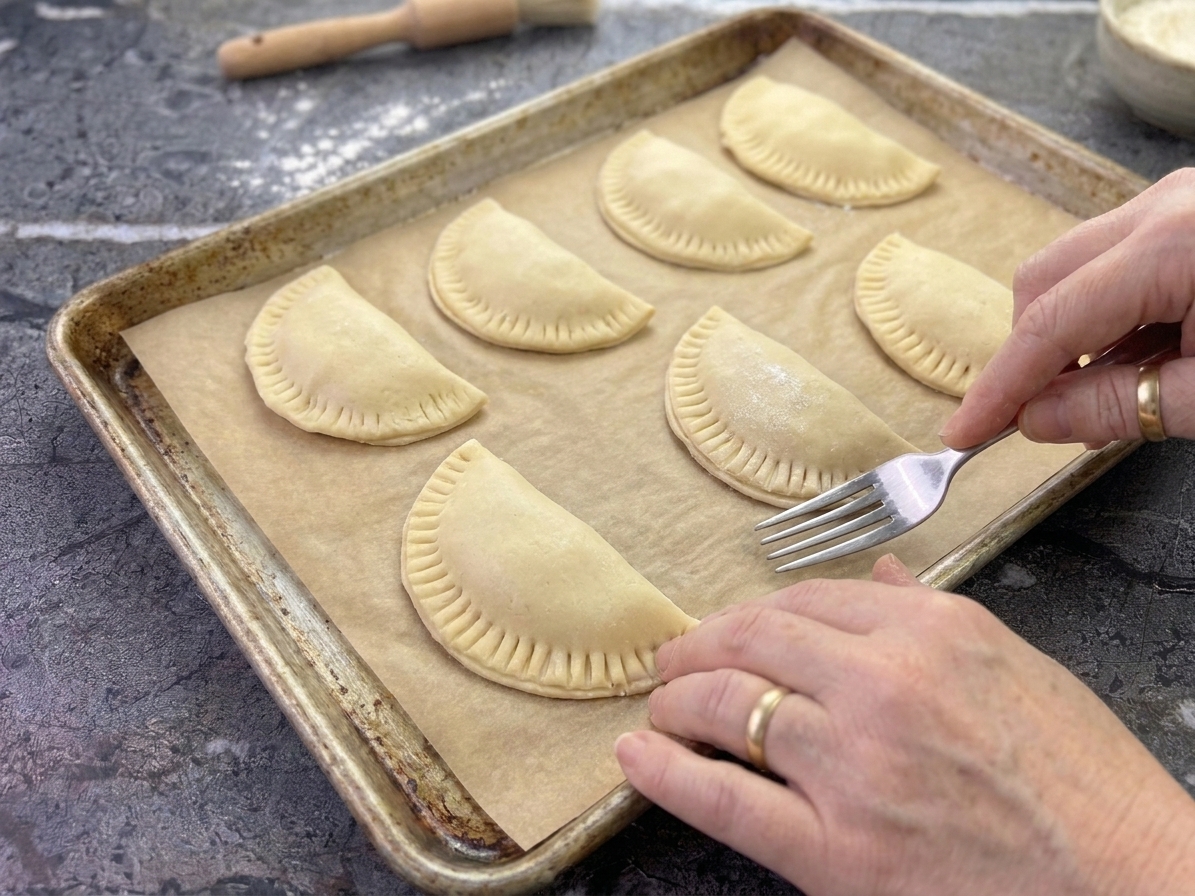
  • Brush the edge with a little water or egg wash, press firmly, then crimp.
  • Chill assembled empanadas for 15 minutes before baking or frying if your kitchen is warm.

The first time I made empanadas from scratch, I treated the dough like it was a pie crust final exam. It fought me, cracked, and I overfloured everything until the counter looked like it had survived a blizzard. Now I keep it simple: cold butter, a quick mix, and a real rest. The vibe is less perfection, more momentum. Roll, fill, crimp, repeat. By the time the tray hits the oven, you are already planning what to stuff in the next batch.