Mom's Best Recipes
Recipe

Ermine Frosting

A light, silky “cooked flour” frosting that tastes like vanilla ice cream in cloud form and is way less sweet than buttercream.

Author By Matt Campbell
4.8
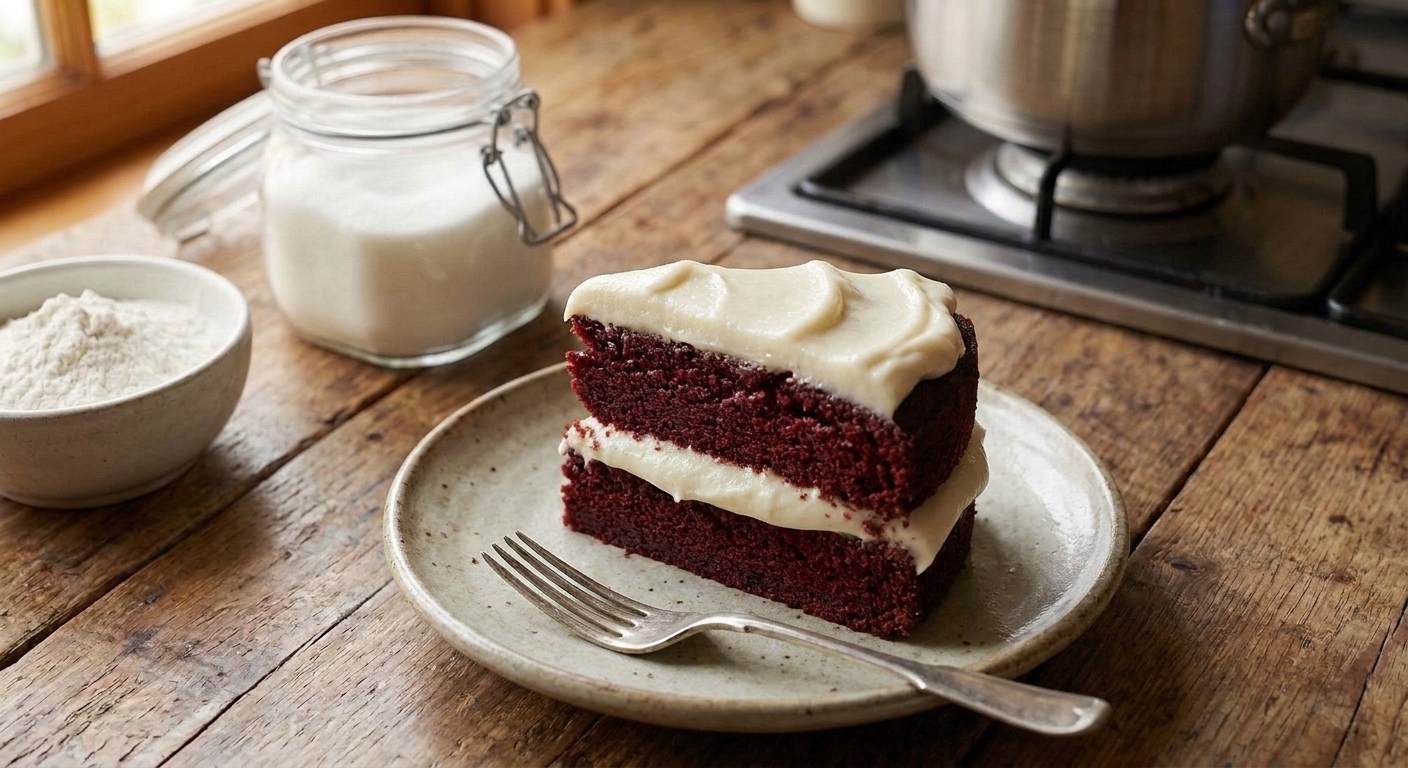
A slice of red velvet layer cake with a thick swoop of smooth white ermine frosting on a ceramic plate on a warm-toned kitchen table

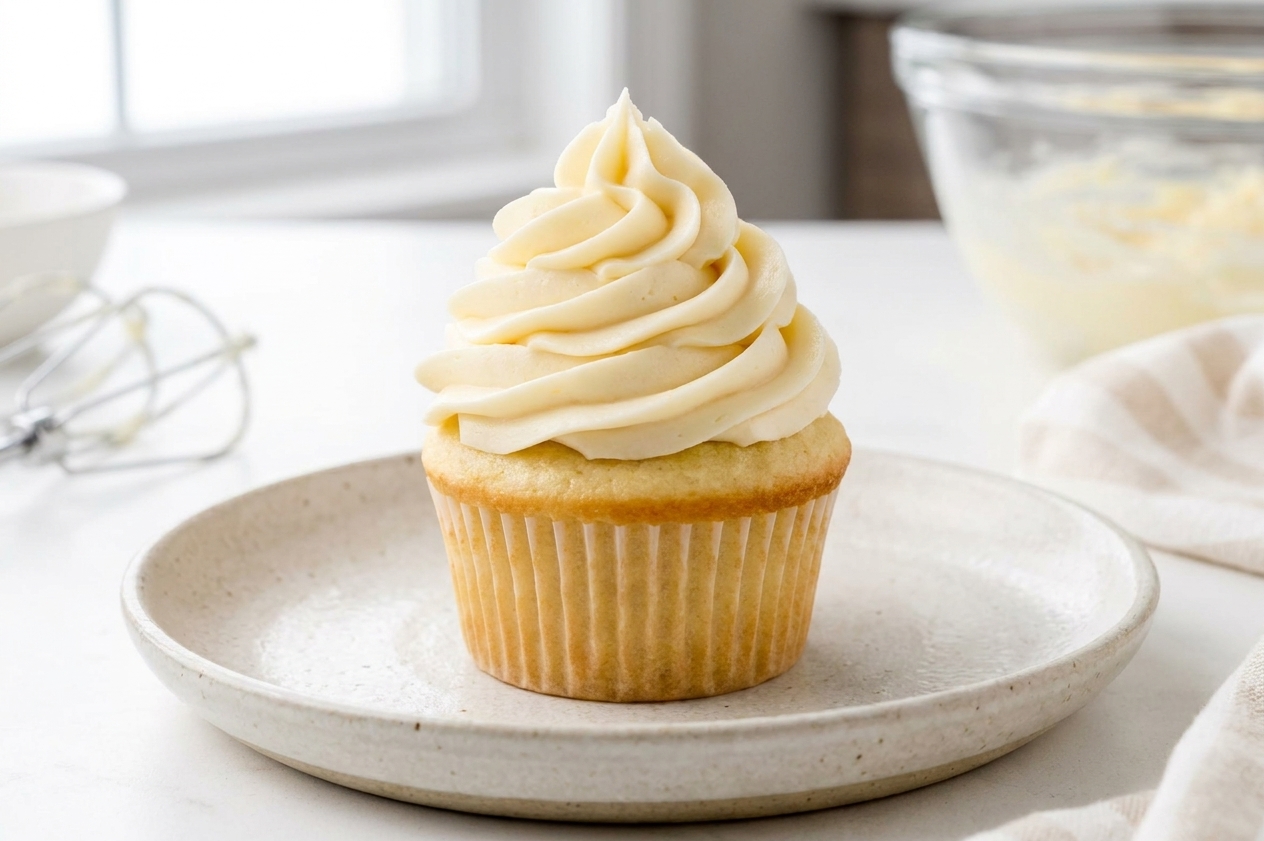
Ermine frosting is the one I make when I want a cake to feel classic and comforting, not like I just frosted it with a sugar-bomb paste. It is fluffy, silky, and lightly vanilla, with a finish that reads more like melted ice cream than powdered sugar punch.

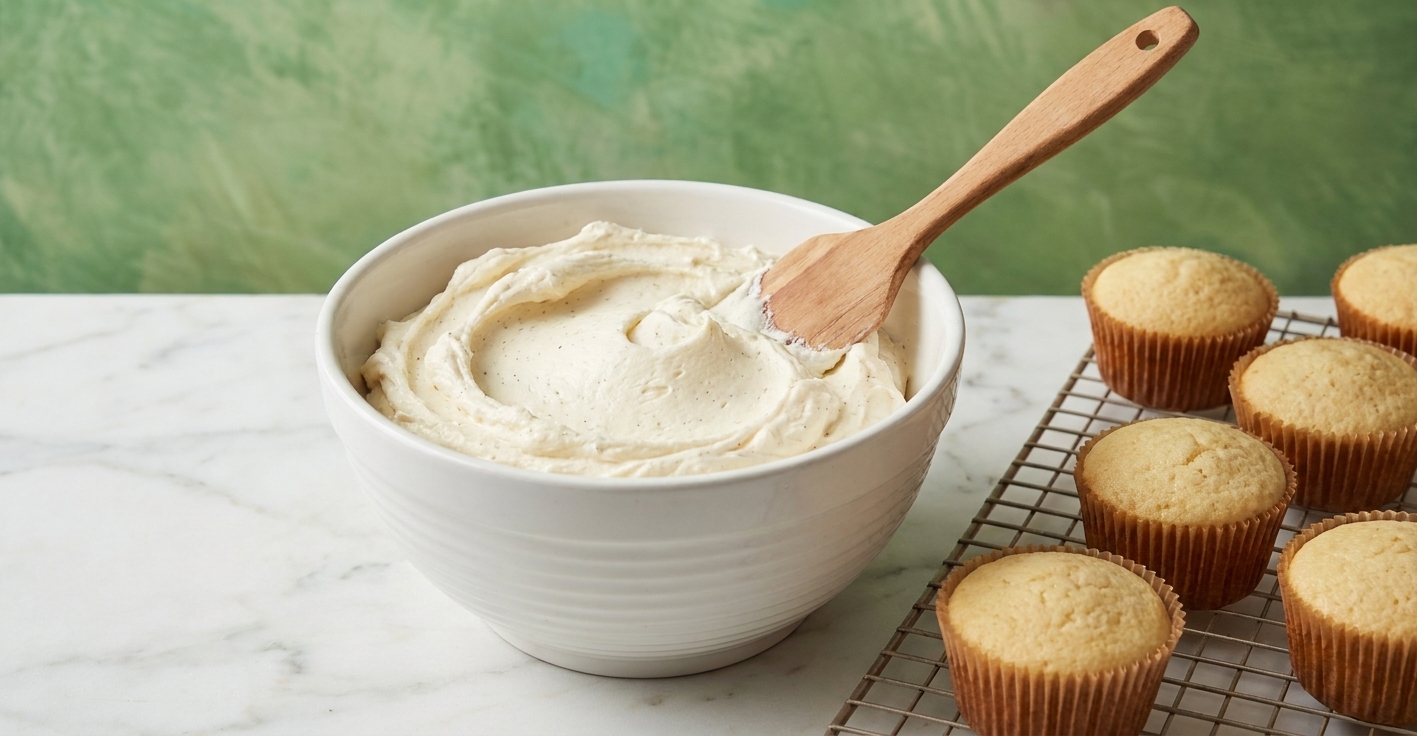
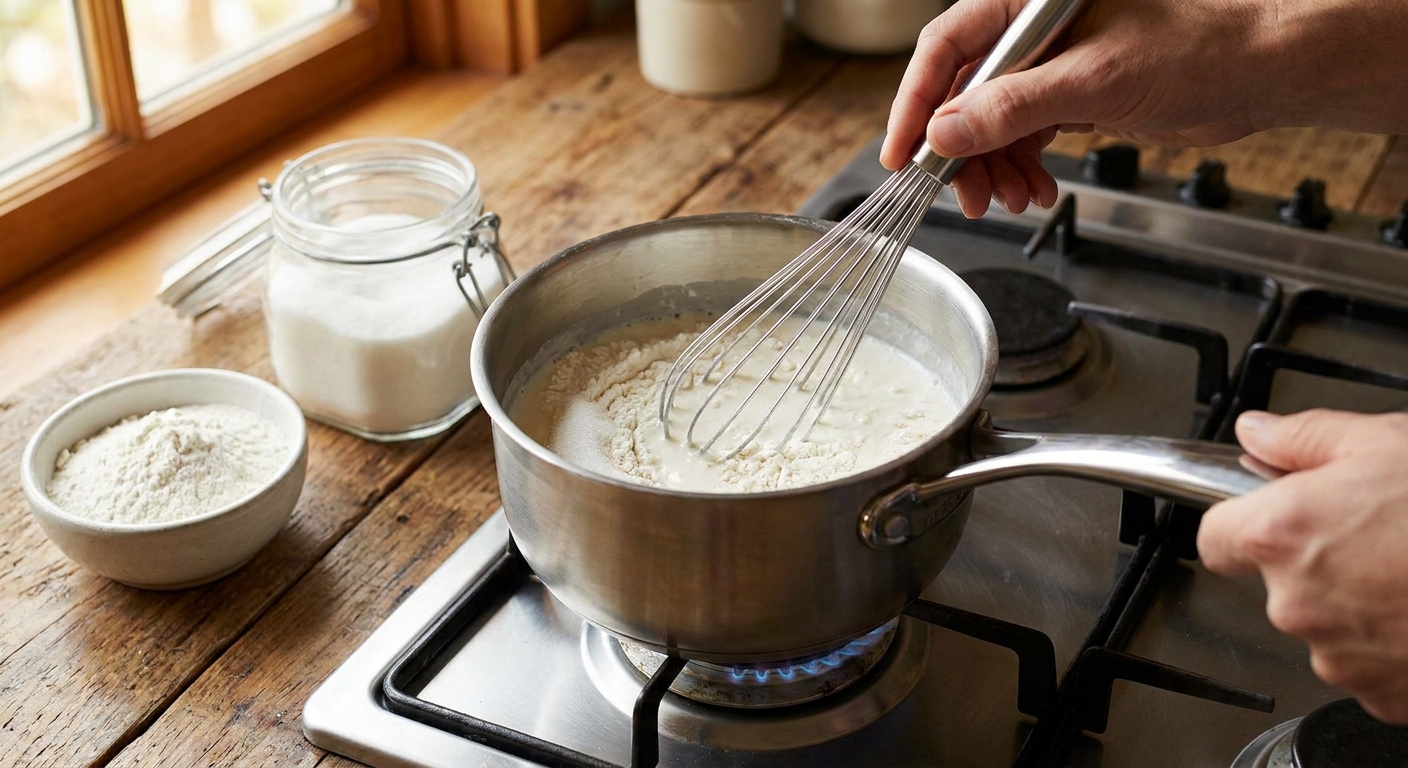
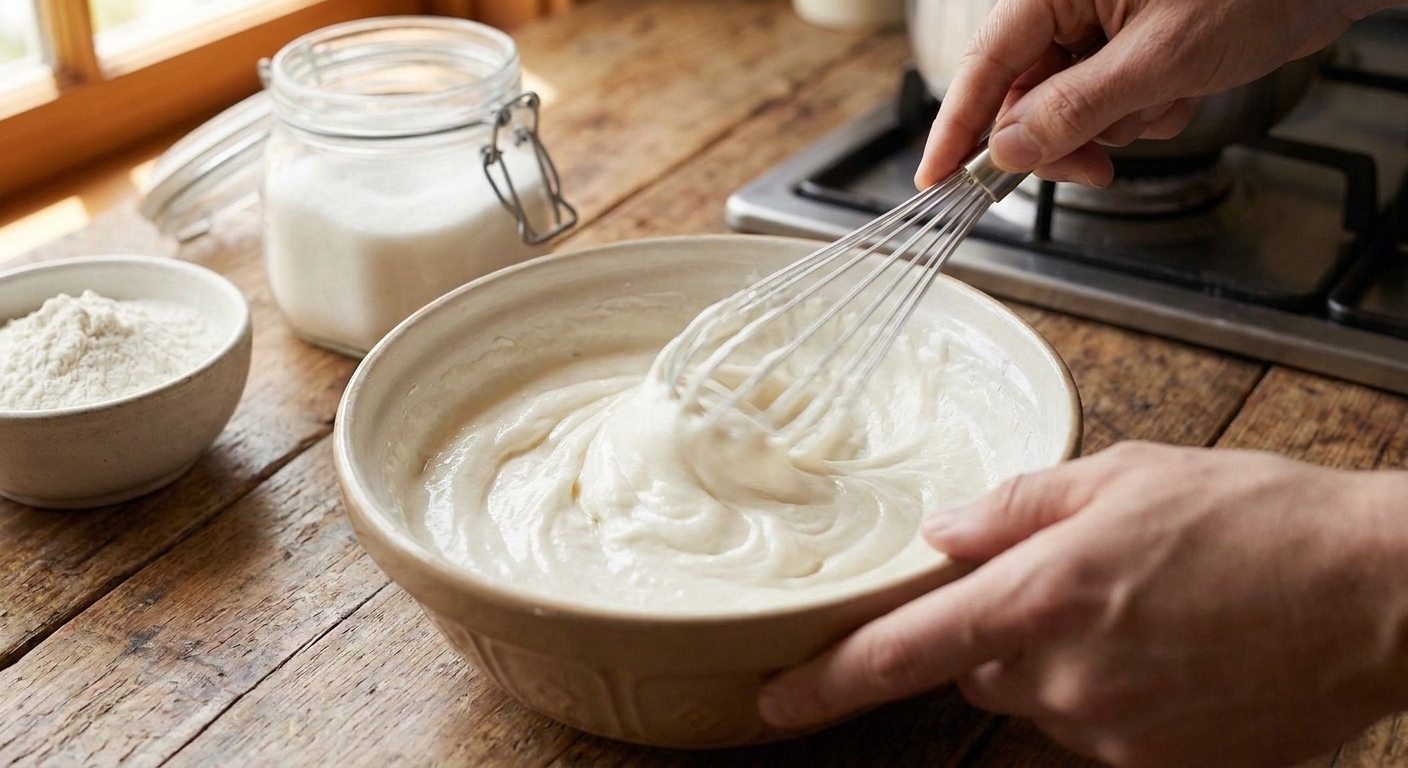
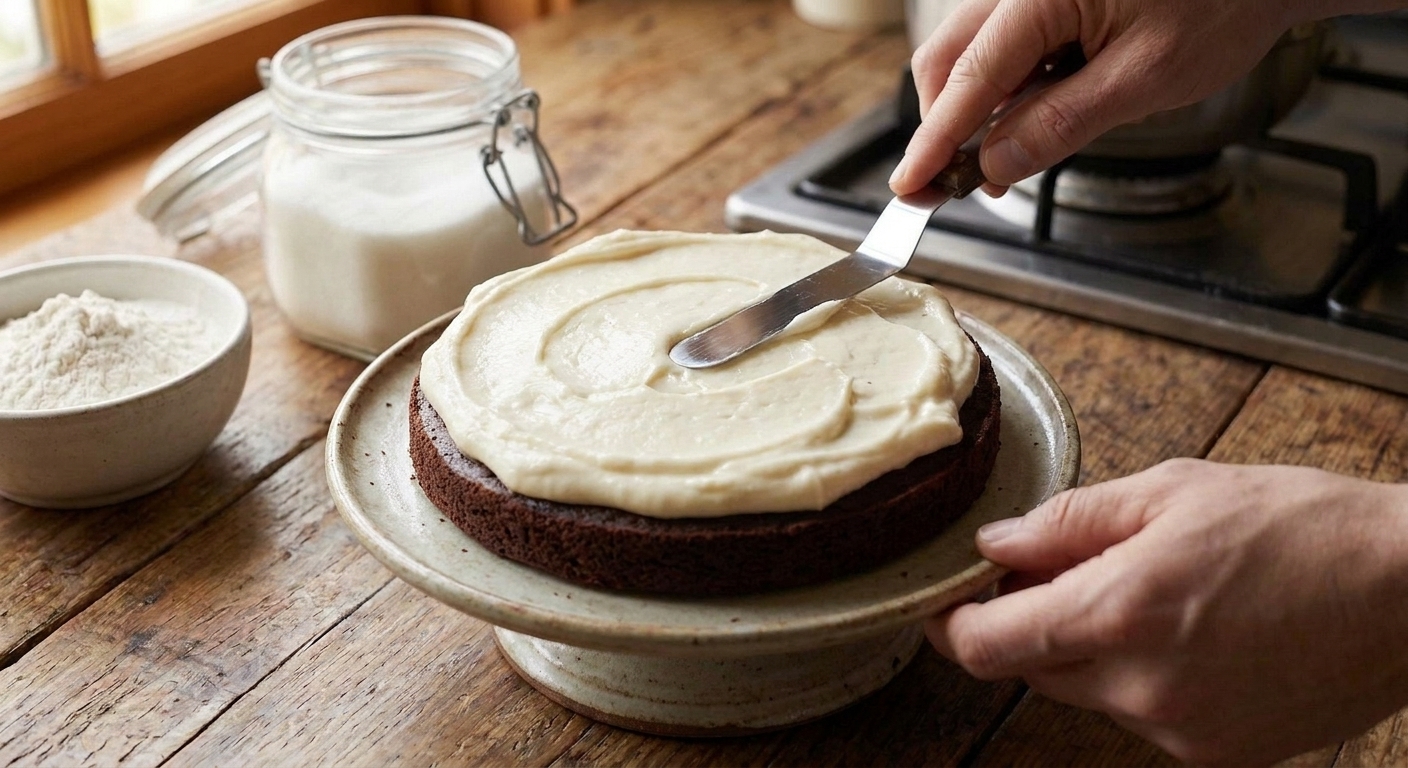
The move is simple: you cook a quick flour and milk pudding on the stove, cool it completely, then whip it into butter and sugar until it turns into a soft, spreadable cloud. If you have ever wanted a frosting that pipes and spreads nicely without being aggressively sweet, this is your new best friend.

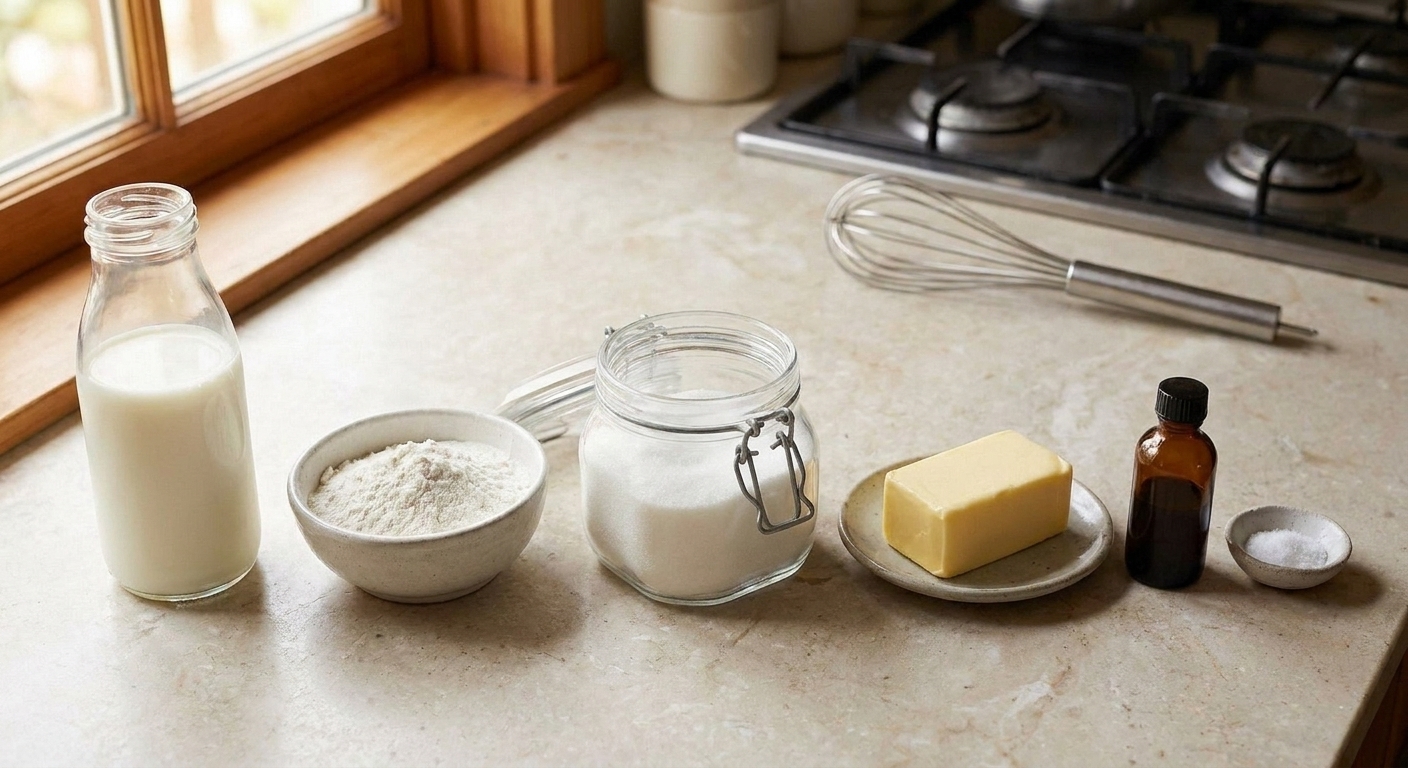
A neat lineup of ingredients for ermine frosting on a light stone countertop, including milk, flour, sugar, butter, vanilla, and salt

Why It Works

  • Light and not-too-sweet: The sweetness is gentle, so your cake flavor still gets to talk.
  • Silky texture: That cooked base gives a smooth, creamy mouthfeel with zero grit.
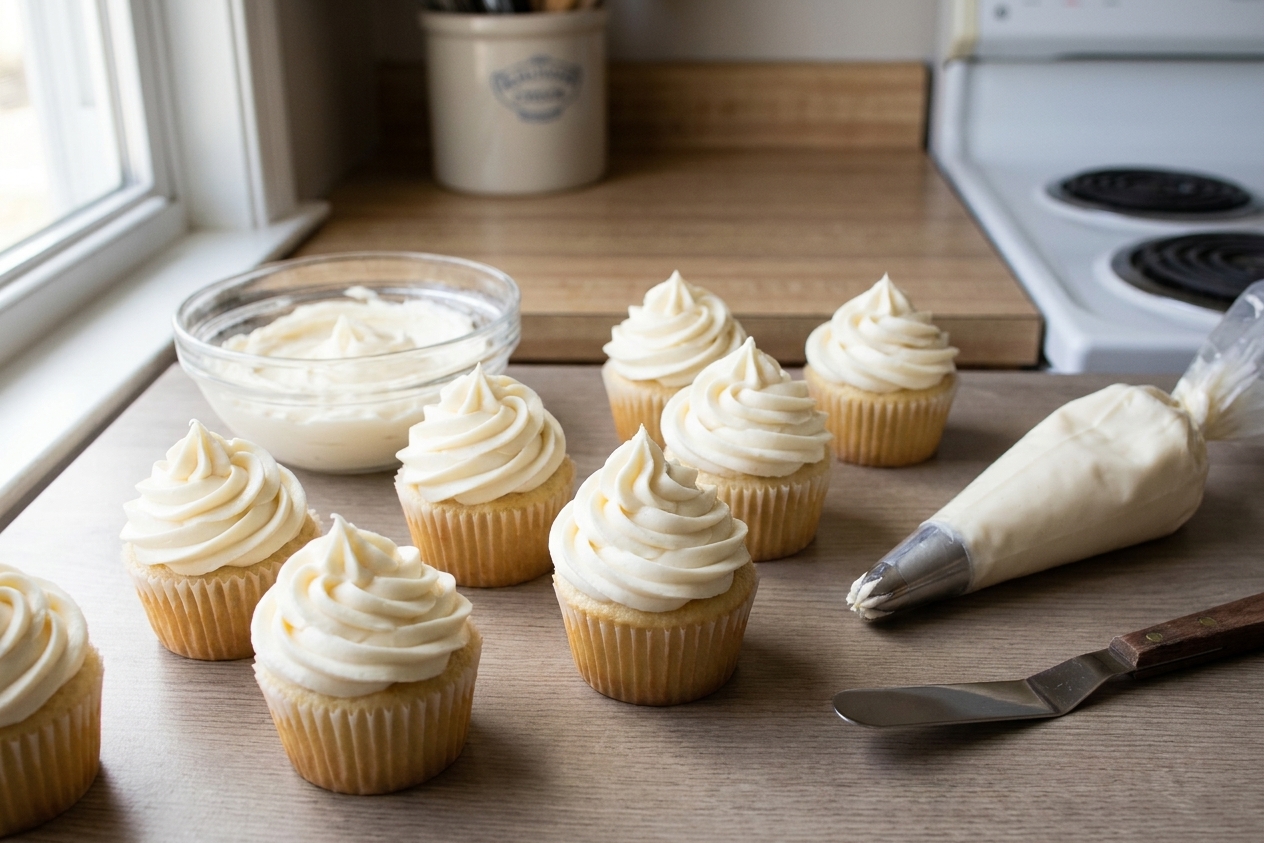
  • Spreads like a dream: Great for layer cakes and cupcakes, and it is forgiving if you are not a perfectionist.
  • Classic pairing: A traditional option for red velvet, but honestly it is great on chocolate, spice cake, and vanilla too.

Heads up: Temperature is the whole game. Cool pudding, room temp butter, and a little patience equals success.

Pairs Well With

Storage Tips

Refrigerator: Store ermine frosting in an airtight container for about 3 to 5 days. It will firm up when cold.

Before using again: Let it sit at room temperature for 30 to 60 minutes, then re-whip briefly with a mixer until fluffy. If it looks a little separated at first, keep whipping. It usually pulls itself together.

Freezer: Freeze in a tightly sealed container for about 1 to 2 months for best quality. Thaw overnight in the fridge, then bring to room temp and re-whip.

Frosted cake storage: A frosted cake can sit at cool room temperature for a few hours. For longer storage, refrigerate and let slices come to room temp before serving for the best texture. In hot weather, refrigerate sooner and avoid leaving it in the sun or a warm kitchen.

Common Questions

What is ermine frosting, exactly?

Ermine frosting is a cooked milk-and-flour frosting (sometimes called boiled milk frosting or cooked flour frosting). You cook flour, milk, and sugar into a thick pudding, cool it fully, then whip it into butter with vanilla and salt until it becomes fluffy and smooth.

Is ermine frosting the same as cream cheese frosting?

No. It is creamy like cream cheese frosting, but it does not use cream cheese. The flavor is clean, vanilla-forward, and less tangy.

Why is my ermine frosting lumpy?

Usually the cooked base was not whisked enough, or it did not cook long enough to fully smooth out. Next time, whisk constantly and cook until it is thick like pudding. If you have small lumps now, you can press the warm pudding through a fine mesh sieve, then cool.

Why did my frosting turn soupy?

The pudding base was likely still warm when it hit the butter, or the butter was too soft. Everything should be around cool room temperature. Chill the bowl for 10 to 15 minutes, then re-whip.

Why does it look curdled or separated?

That is a temperature mismatch issue. If it is too cold, warm the outside of the bowl slightly (set the bowl over warm water for 10 to 20 seconds). If it is too warm, chill briefly. Then whip again. Ermine is dramatic at first, but it usually comes back together.

Can I make ermine frosting without flour?

Traditional ermine uses flour. Some versions use cornstarch, but the texture can be slightly different. If you need gluten-free, a 1:1 gluten-free all-purpose flour blend typically works well in the cooked base.

Is ermine frosting stable for piping?

Yes for basic swirls, borders, and simple piping. It is softer than American buttercream, so it is not the best for ultra-sharp buttercream flowers in a hot room.

Can I flavor it?

Absolutely. Add citrus zest, espresso powder dissolved in a teaspoon of milk, a spoonful of cocoa, or a little almond extract. Keep additions modest so the texture stays fluffy.

Can I make it ahead?

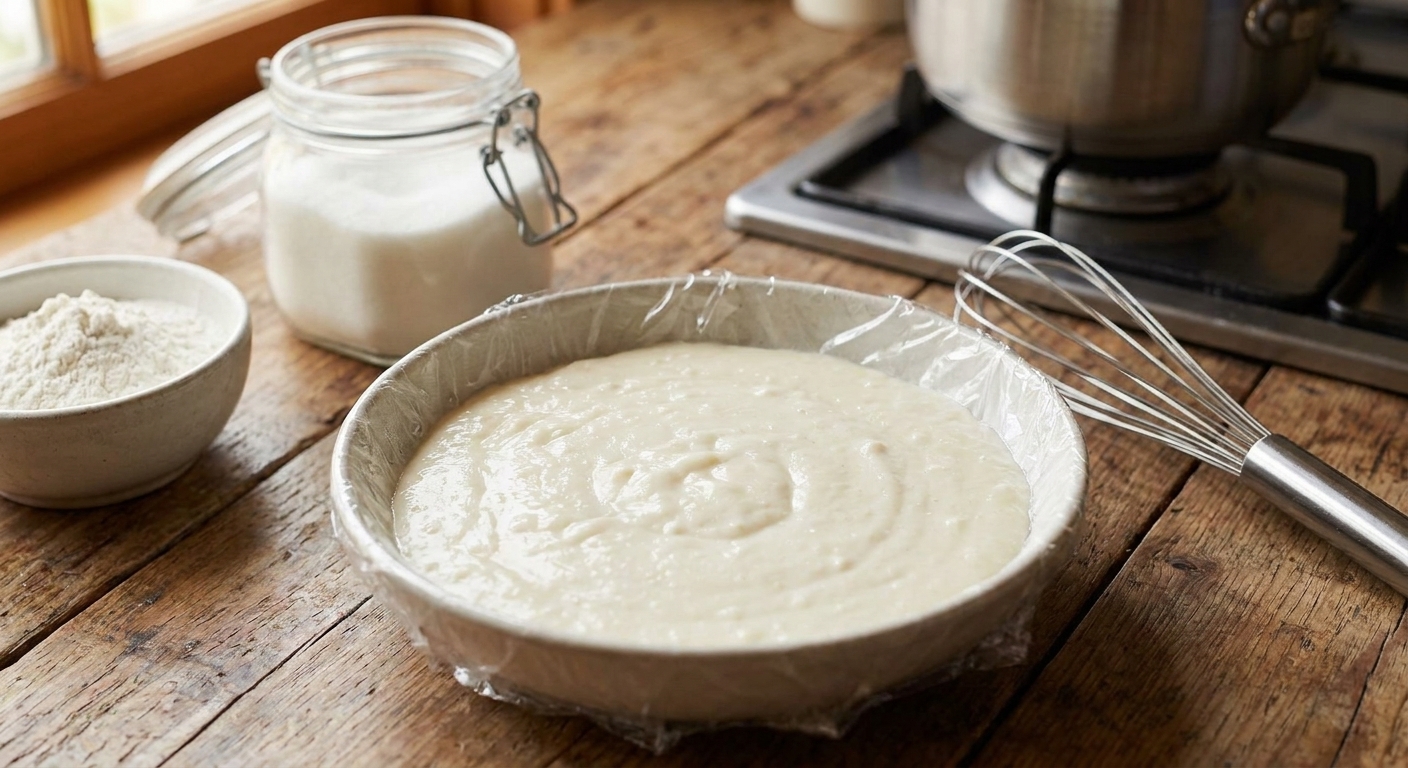
Yes. The cooked base is perfect for making ahead. Make it up to 1 day in advance, press plastic wrap directly on the surface, and refrigerate. Before mixing, let it sit at room temperature until it is no longer cold-stiff (it should be cool, not warm), then whip into the butter.

Is it OK for hot weather or parties?

It is butter-based, so treat it like you would any frosting that relies on butter for structure. It can sit out for a few hours in a cool room, but in high heat or direct sun it will soften fast. If it gets too soft, refrigerate briefly and re-whip to bring it back.

The first time I made ermine frosting, I was convinced I had messed it up because I had a pot of thick, beige-ish pudding on the stove and zero faith. Then I cooled it, whipped it into butter, and watched it turn into this soft, glossy frosting that tasted like the inside of a fancy bakery cake but in a very homemade, cozy way. Now it is my go-to when I want a cake that feels nostalgic and a little elegant, without the sugar overload.