Mom's Best Recipes
Recipe

Filipino Chicken Adobo

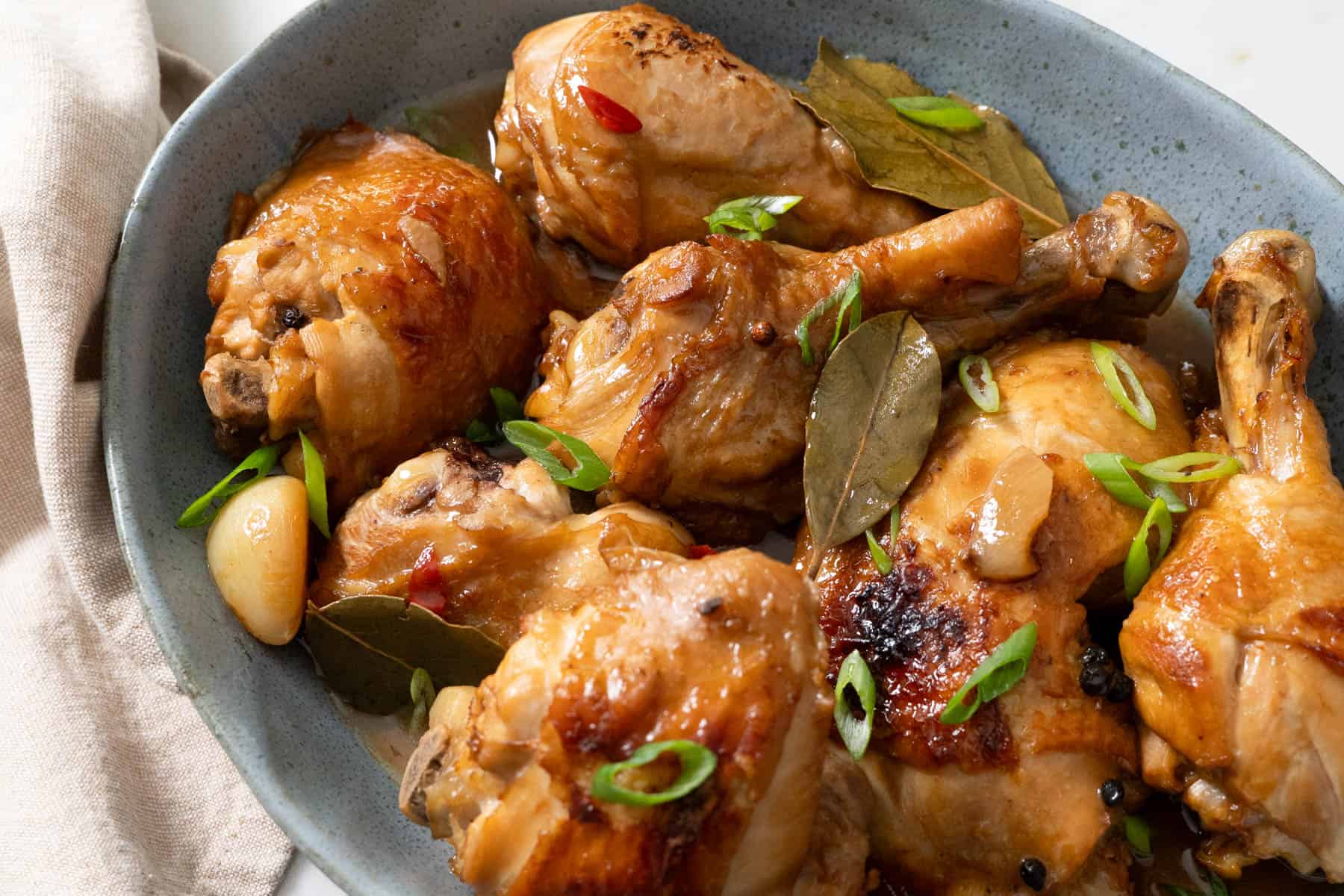
Tender chicken simmered in a savory, tangy soy-vinegar sauce with garlic, bay leaves, and peppercorns, finished with a glossy reduction for spooning over rice.

Author By Matt Campbell
4.8
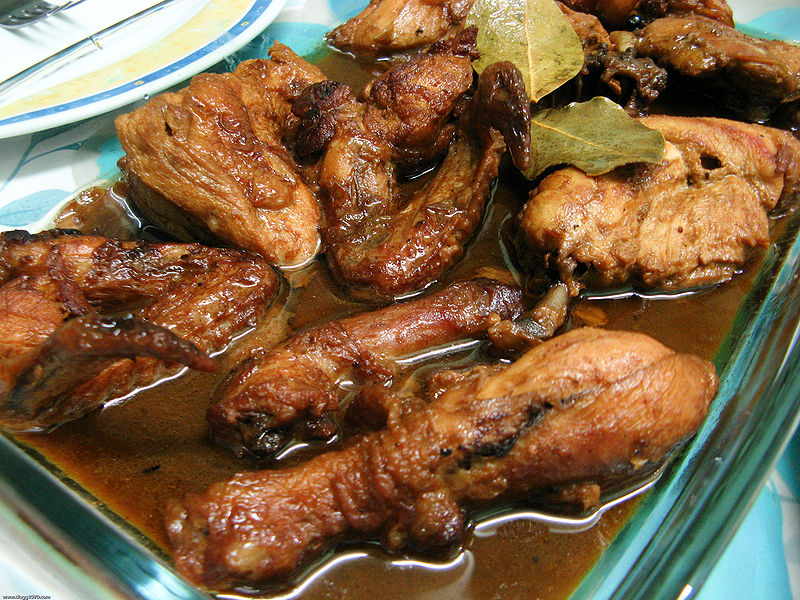
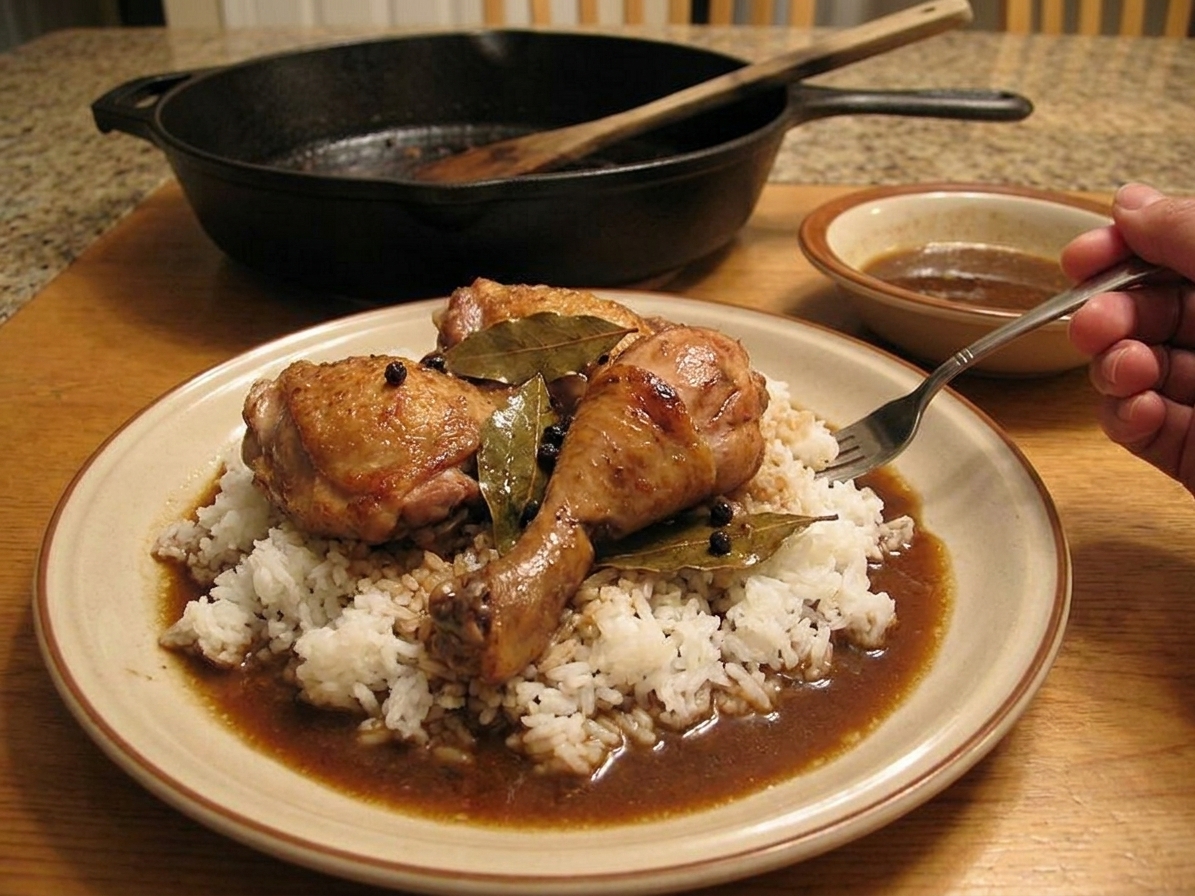
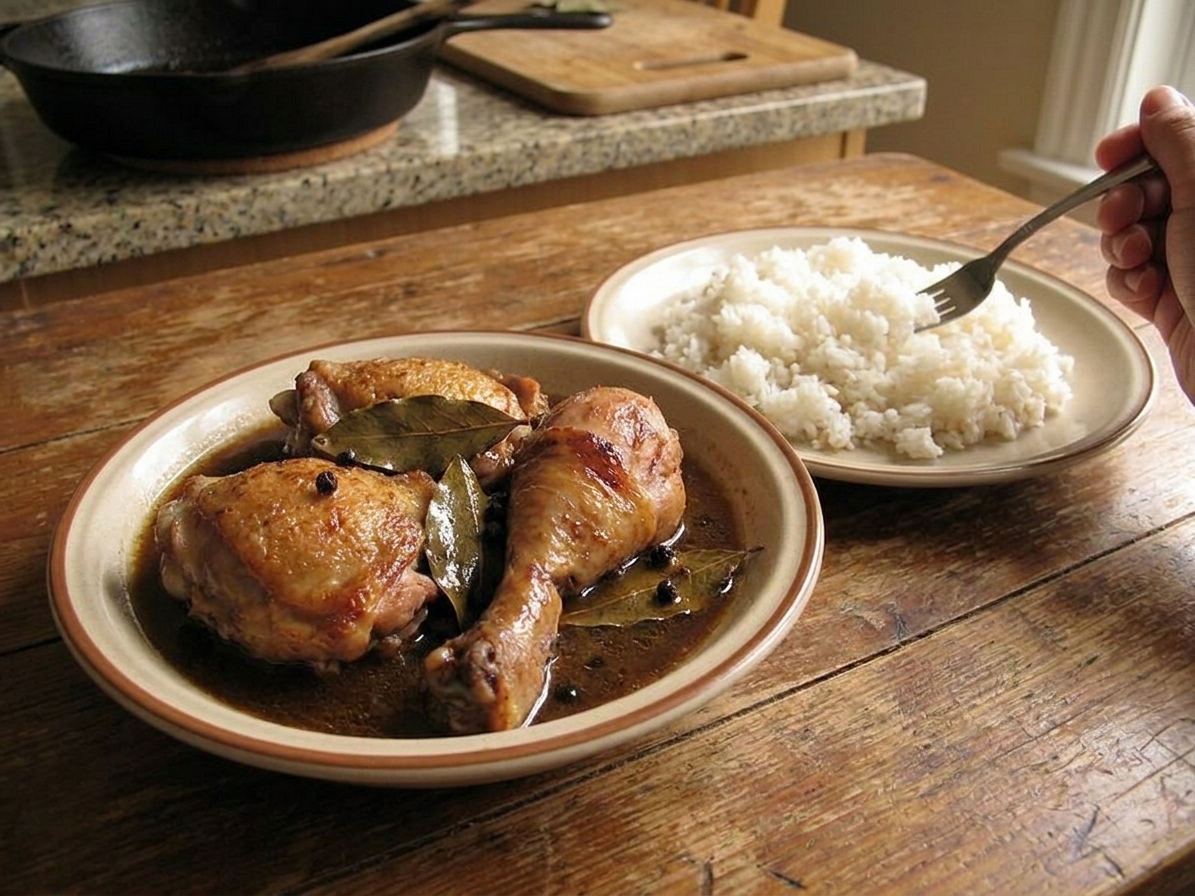
Chicken adobo in a shallow bowl with glossy soy-vinegar sauce and bay leaves, served next to steamed white rice on a wooden table

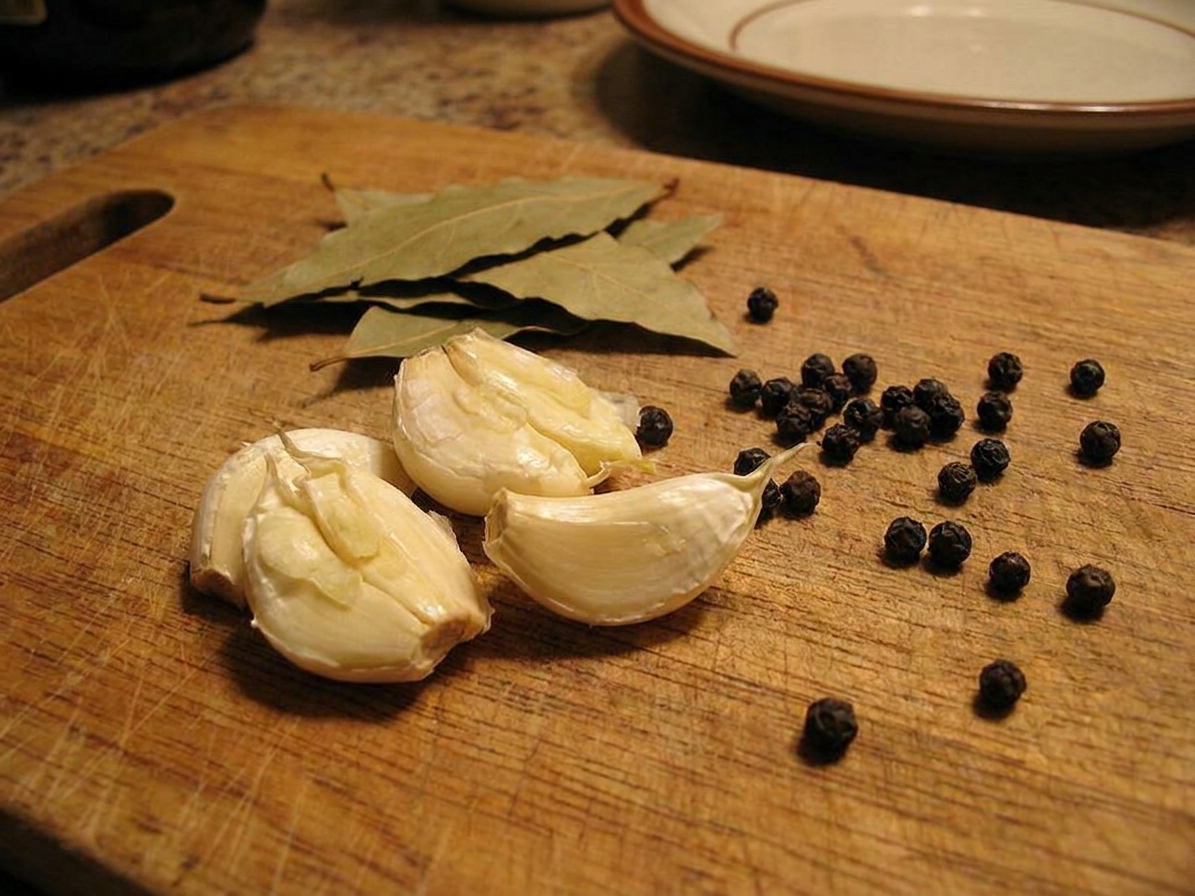
Chicken adobo is one of those magic dishes that tastes like you babysat it all day, even though it mostly cooks itself. The combo is simple: soy sauce for savory depth, vinegar for that bright punch, garlic for, well, garlic, plus bay leaves and peppercorns doing their quiet background work.

This is my home-cook, weeknight-friendly take on Filipino chicken adobo, with one non-negotiable finishing move: reduce the braising liquid into a glossy sauce that clings to the chicken and makes rice feel like it finally found its purpose.

One more thing I love about adobo is that it is not a single fixed recipe. Families and regions have their own balances and add-ins, and the flexibility is part of the tradition.
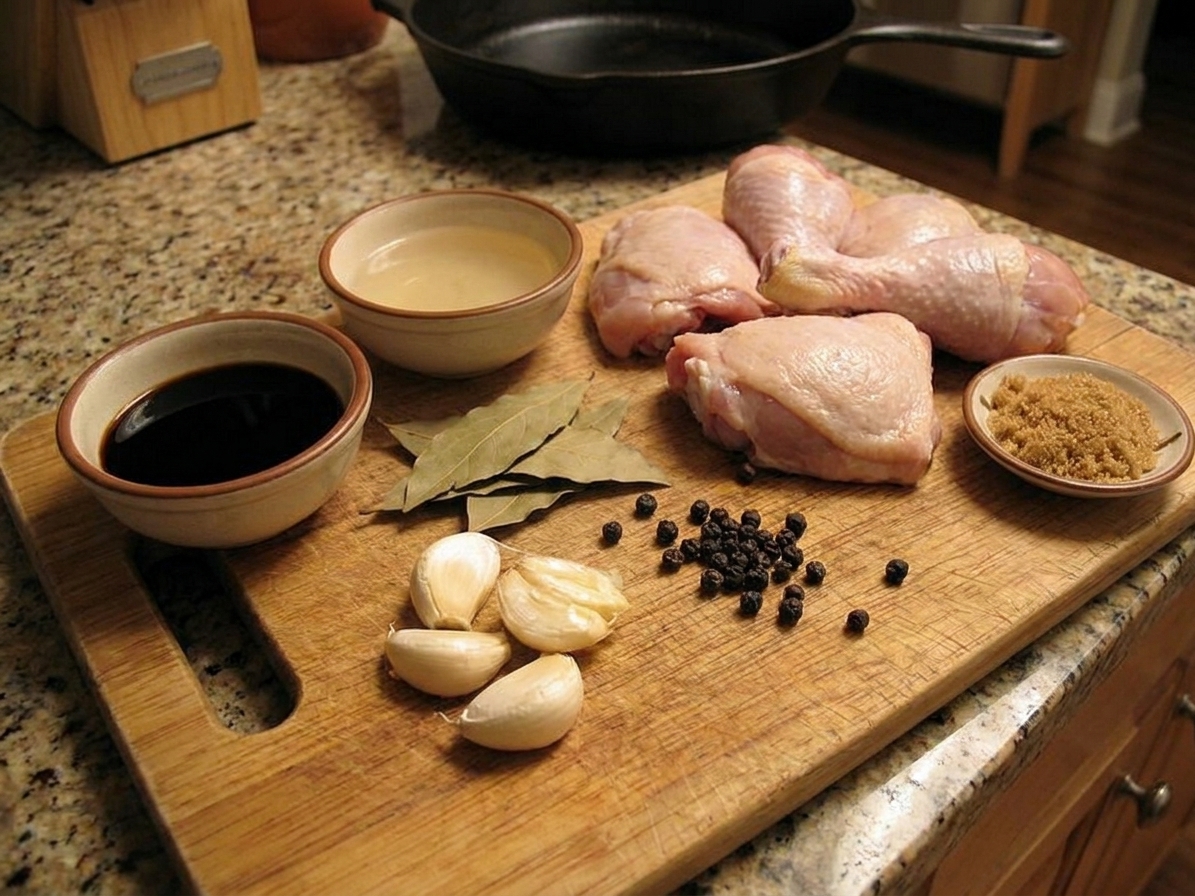
Chicken thighs, soy sauce, cane vinegar, garlic, bay leaves, peppercorns, and brown sugar arranged on a kitchen counter

Why It Works

  • Big flavor from pantry staples: soy sauce, vinegar, garlic, bay, and peppercorns do the heavy lifting.
  • Tender, juicy chicken: a gentle simmer turns thighs or drumsticks fall-apart tender.
  • A sauce you will actually want to spoon: reducing the braising liquid creates that glossy, savory-tangy finish.
  • Weeknight flexible: make it ahead, reheat like a dream, and it gets even better the next day.

Pairs Well With

Storage Tips

Refrigerate: Cool completely and refrigerate promptly, then store in an airtight container with plenty of sauce for up to 4 days.

Freeze: Freeze in a freezer-safe container for up to 3 months. Thaw overnight in the fridge.

Reheat: Warm gently on the stove over medium-low with a splash of water if the sauce has tightened up. Heat until the chicken is hot all the way through (aim for 165°F). Microwave works too, but stovetop keeps the chicken texture best.

Leftover chicken adobo stored in a clear airtight container with sauce and bay leaves

Common Questions

Common Questions

Do I have to marinate the chicken first?

Nope. Marinating is great if you have time, but adobo is forgiving. This recipe builds flavor during the simmer, and you still get a bold, classic result.

Can I use chicken breast?

You can, but it cooks faster and can dry out. If using breast, sear it, then simmer gently and start checking around 12 to 15 minutes of simmer time. Pull it when it hits 165°F and reduce the sauce separately.

Why do some cooks say not to stir right after adding vinegar?

Some cooks prefer to let the vinegar boil for a minute or two before stirring much. The idea is to cook off some of the raw vinegar sharpness. Stirring right away will not ruin the dish, so do what works for you.

Is chicken adobo supposed to be sour?

It should be tangy, not puckering. If yours is too sharp, add a little more sugar (or a splash more soy) and simmer uncovered to mellow it.

What is the best vinegar for Filipino adobo?

Cane vinegar is classic, but white vinegar works well and is easy to find. Apple cider vinegar is a nice option if you want a slightly fruitier, softer tang.

Is there one “correct” adobo?

Not really. Adobo is famously flexible from family to family and region to region. Some versions lean more vinegary, some more soy-forward, and you will also see additions like potatoes or a splash of coconut milk in certain areas.

The first time I made chicken adobo, I thought, “This can’t possibly be enough ingredients.” Then the kitchen started smelling like garlicky, peppery comfort and I got it. Adobo is the kind of dish that teaches you a very good lesson: you do not need a packed spice cabinet to cook something memorable. You just need a few bold flavors and the confidence to let them simmer.