Mom's Best Recipes
Recipe

Filipino Pandesal

Pillowy, lightly sweet breakfast rolls with a crisp breadcrumb coat and soft center.

Author By Matt Campbell
4.8
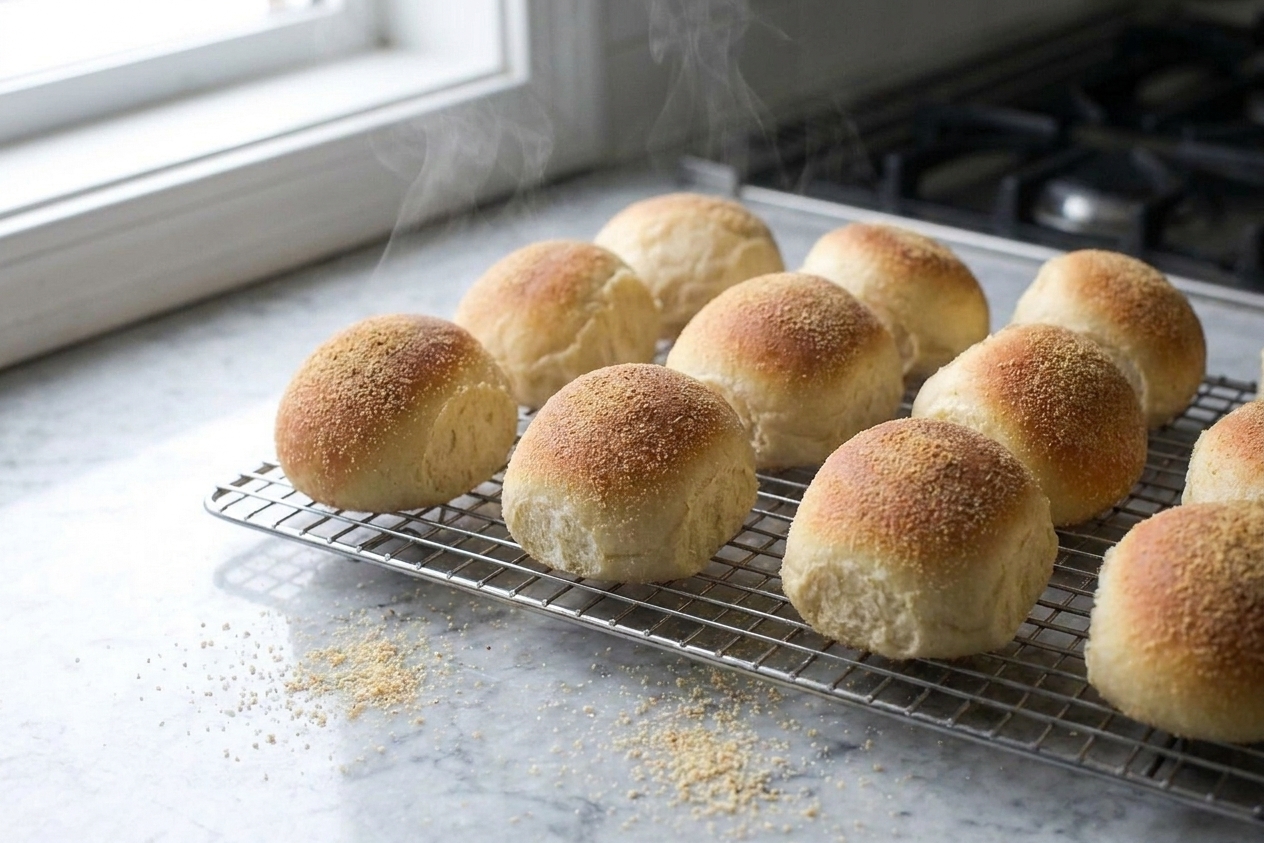
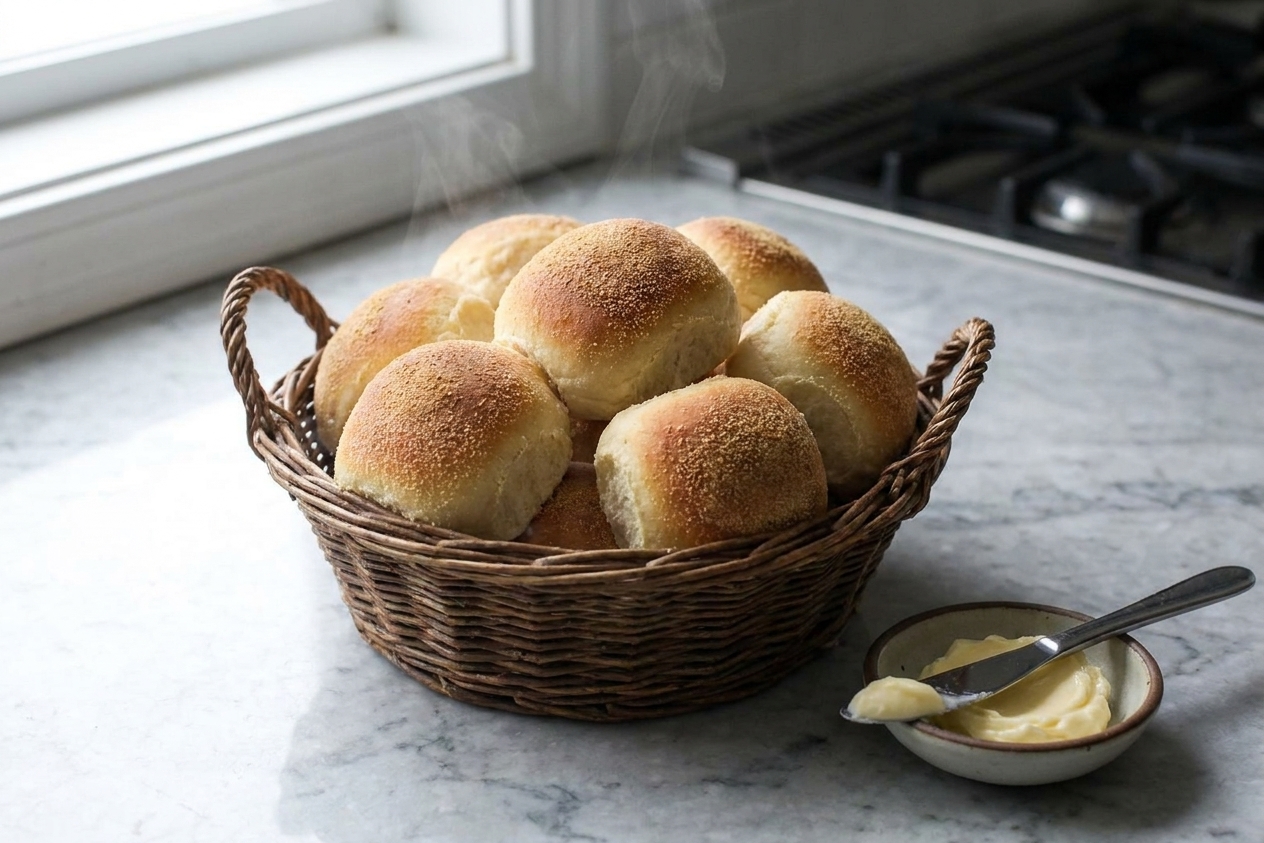
A basket of warm Filipino pandesal rolls with a fine breadcrumb coating, golden brown tops, and a small dish of butter on a cozy kitchen table

Pandesal is the kind of bread that makes mornings feel a little more manageable. It is soft, slightly sweet, and coated in fine breadcrumbs that toast up into a gentle crunch before you hit the fluffy center. Split one open while it is warm and you get that little puff of steam that makes the whole kitchen smell like a bakery.

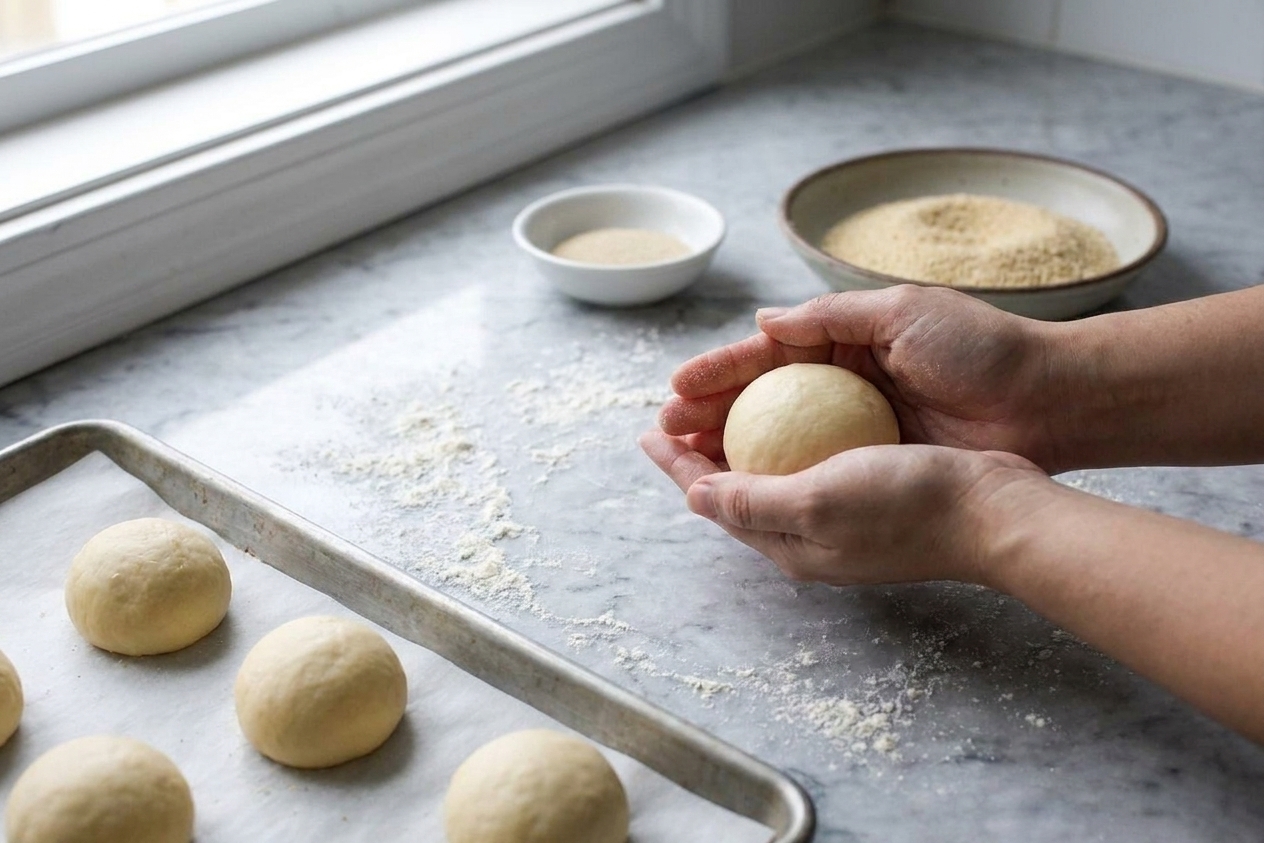
This is my home kitchen version for reliable, bakery-style pandesal with accessible ingredients. No mystery steps, no fussy shaping. Just a forgiving dough, a little patience for the rise, and one crucial move: roll the shaped dough in breadcrumbs so you get that classic finish.

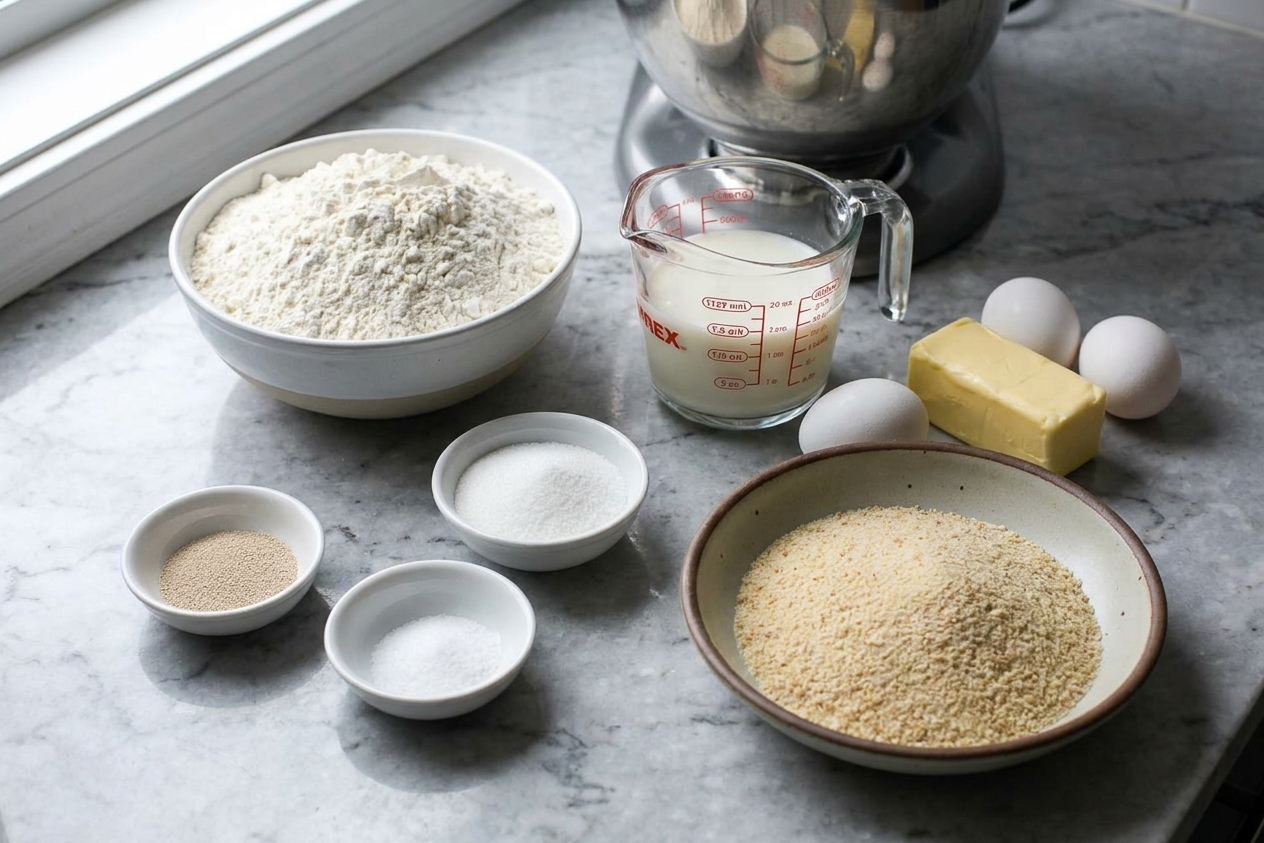
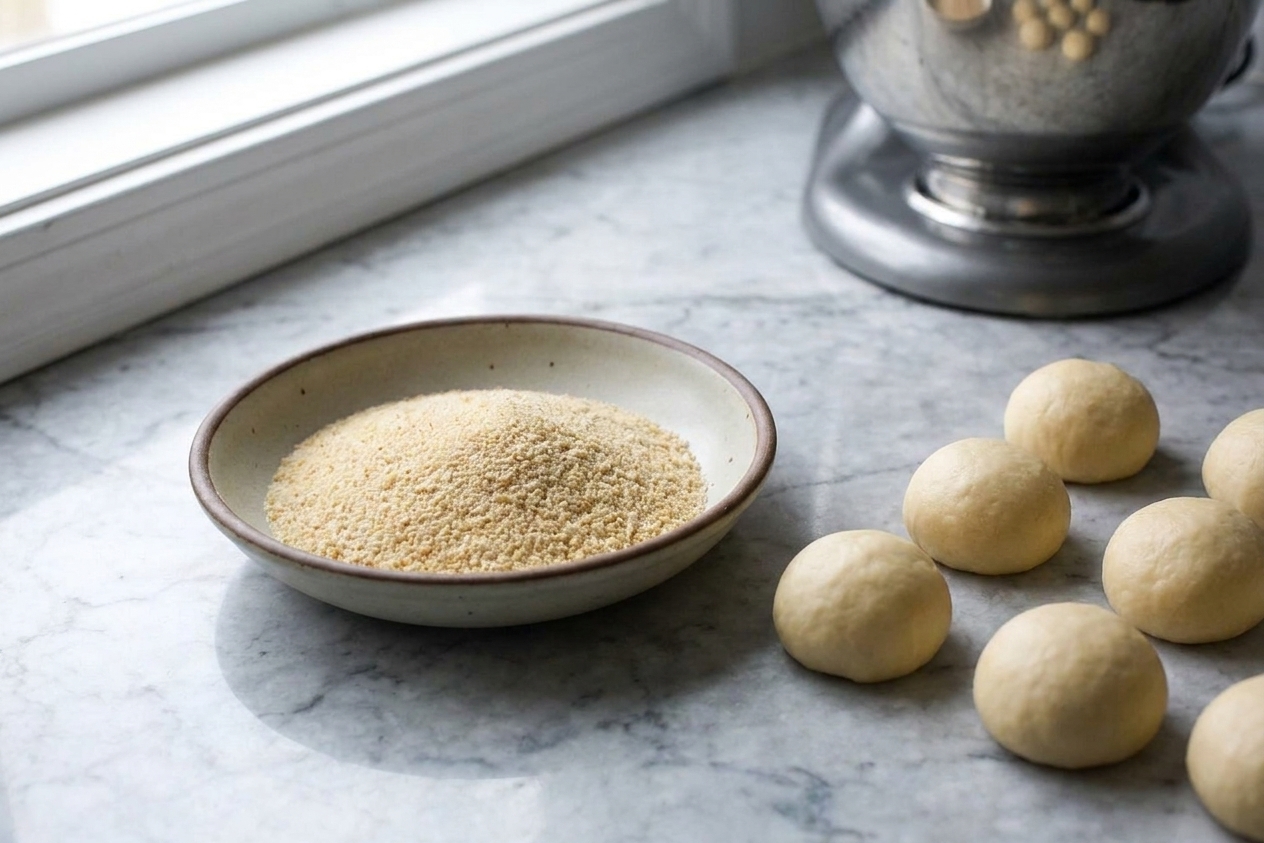
All pandesal ingredients on a kitchen counter: flour, yeast, sugar, salt, warm milk, eggs, butter, and a shallow bowl of fine breadcrumbs

Why It Works

  • Soft, tender crumb: Milk, egg, and butter keep the rolls pillowy, even the next day.
  • That signature breadcrumb coat: Fine breadcrumbs toast in the oven and give pandesal its classic look and gentle crunch.
  • Approachable dough: You can mix by hand or with a mixer, and the shaping is straightforward.
  • Make ahead friendly: Options to cold-proof overnight or freeze baked rolls for future breakfasts.

Pairs Well With

Storage Tips

How to Store Pandesal

Room temperature: Cool completely, then store in a zip-top bag or airtight container for up to 2 days. If your kitchen is humid, lean toward 1 day for best texture.

Reheat to bring back the magic: Wrap in foil and warm at 325°F for 8 to 10 minutes, or microwave for 10 to 15 seconds then toast the cut sides in a dry pan for crisp edges.

Freeze: Freeze fully cooled rolls in a freezer bag for up to 2 months. Thaw at room temp, then reheat in the oven at 325°F until warm.

Tip: For the simplest, most reliable results, freeze the rolls fully baked. If you prefer, you can bake them 1 minute shy of golden, but make sure they are set and not doughy in the center, then finish warming in the oven later.

Common Questions

Common Questions

Is pandesal sweet?

Lightly. It is subtly sweet, more like a soft dinner roll that leans breakfast. If you want it less sweet, reduce the sugar by 1 to 2 tablespoons without hurting the dough.

What kind of breadcrumbs should I use?

Fine, dry breadcrumbs work best. If yours are coarse, blitz them quickly in a food processor. Panko is usually too crunchy and looks a bit off for classic pandesal.

Can I use instant yeast instead of active dry yeast?

Yes. Use the same amount (2 1/4 teaspoons). With instant yeast, you can skip the blooming step and mix it right into the dry ingredients. I still like dissolving it in warm milk for peace of mind, but it is optional.

Can I make pandesal without a stand mixer?

Yes. Mix with a sturdy spoon, then knead by hand on a lightly floured counter for about 10 minutes, until smooth and elastic.

Why did my pandesal turn dense?

The usual reasons are under-kneading, not enough rise time, or yeast that is past its prime. Also, too much flour during kneading can dry out the dough. It should be soft and slightly tacky, not stiff.

My breadcrumbs will not stick. What do I do?

If the dough surface feels dry, the crumbs can slide right off. Lightly mist the dough balls with water (or brush with a tiny bit of milk), then roll in breadcrumbs. You just want a whisper of moisture, not a wet coating.

Can I do an overnight rise?

Absolutely. After the first rise, cover and refrigerate the dough overnight. The next day, let it sit at room temp for 45 to 60 minutes, then shape, coat in breadcrumbs, and do the final rise.

Do I need bread flour?

No, all-purpose works great. Bread flour will make the rolls slightly chewier. If you use bread flour, you may need 1 to 2 extra tablespoons of milk depending on your brand.

Is this “authentic” pandesal?

Pandesal varies a lot by bakery and by region. Some versions are a little sweeter, some are extra soft and enriched, and some are more chewy. This is a reliable, home-kitchen version that bakes up soft with the classic breadcrumb finish.

I love breads that feel like they belong in a real morning routine, not a once-a-year baking project. Pandesal is exactly that. It is humble, dependable, and weirdly joyful to make. You roll the dough in breadcrumbs and suddenly it looks like it came from an actual bakery, even if your kitchen is a little chaotic and you are flour-dusted like a cartoon. My favorite way to eat it is still the simplest: warm pandesal, a swipe of salted butter, and a quiet moment where nobody asks me where the missing socks are.