
Mom's Best Recipes
Recipe

Filipino Pandesal

Soft, lightly sweet rolls with a golden breadcrumb crust, perfect warm with butter or as a breakfast sandwich.

Author By Matt Campbell
4.8
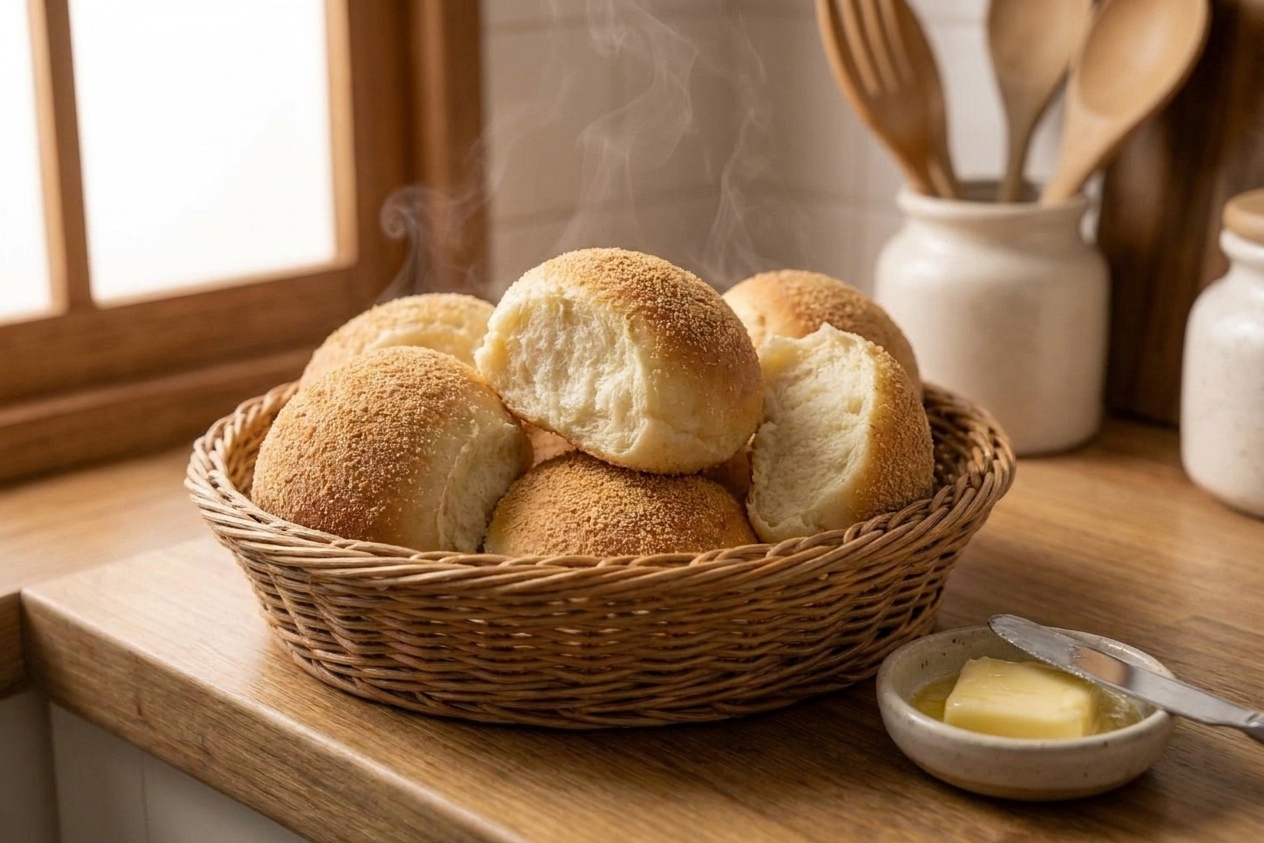
A basket of warm Filipino pandesal rolls with a golden breadcrumb coating on a wooden kitchen table with a small dish of butter nearby, natural morning light

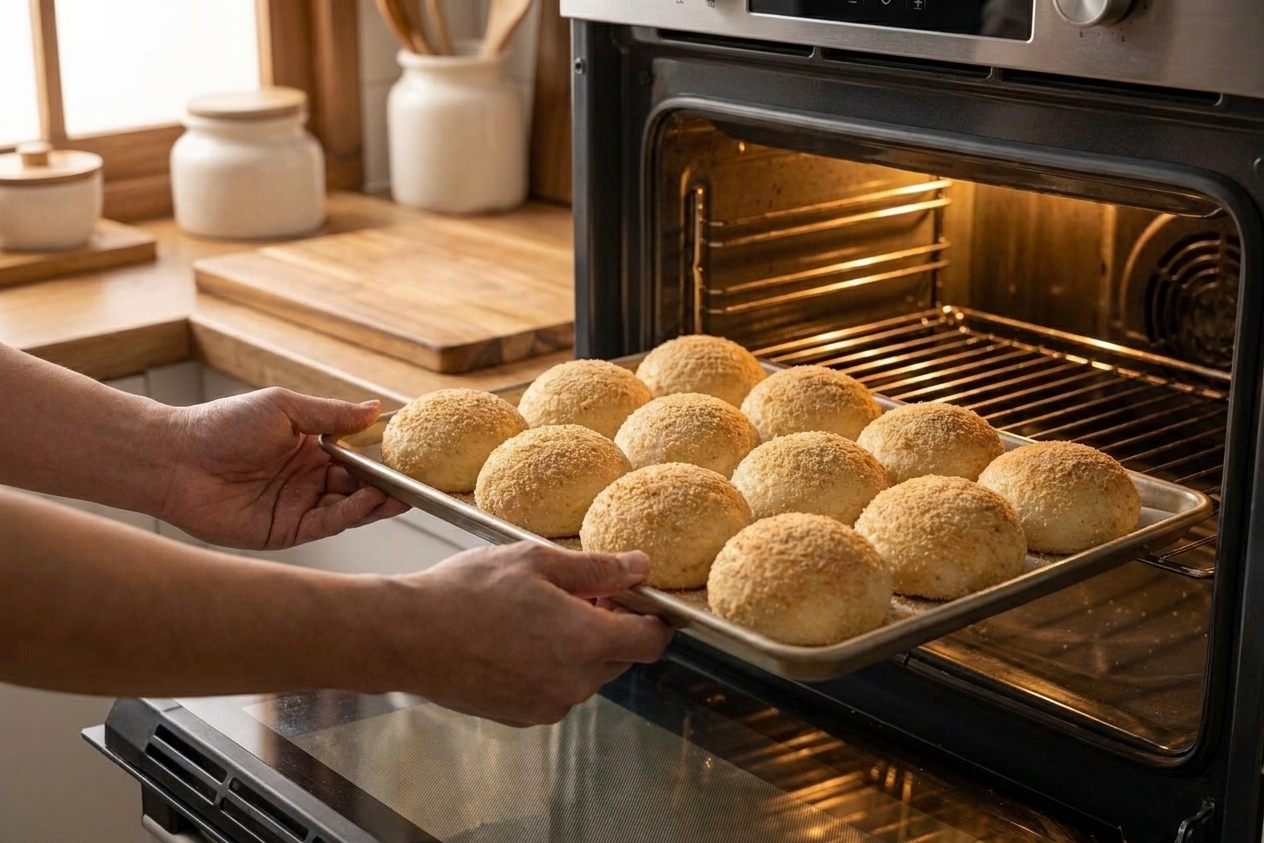
Pandesal is the kind of bread that disappears faster than you think it should. It is soft and fluffy inside, lightly sweet, and finished with a thin coat of breadcrumbs that gives you that gentle crisp on the outside. Warm one up and suddenly you are making “just one more” with butter, cheese, or whatever you have in the fridge.

This is my home kitchen version: approachable ingredients, clear steps, and the little tricks that keep your rolls tender. If yeast dough makes you nervous, this is a friendly place to start. We are aiming for pillowy centers, browned tops, and that classic sandy crumb coat that makes pandesal pandesal.
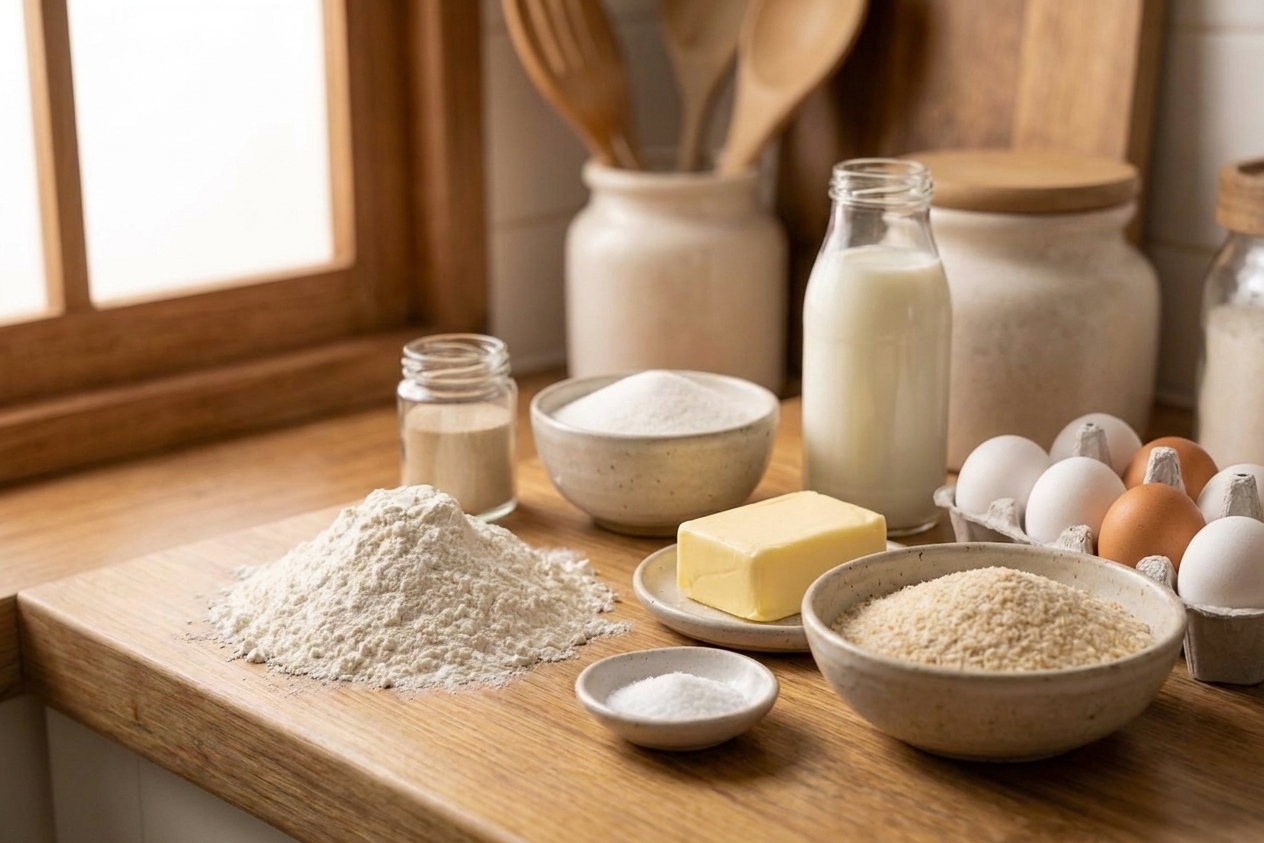
All ingredients for pandesal laid out on a light kitchen counter including flour, yeast, sugar, milk, eggs, butter, salt, and a bowl of breadcrumbs

Why It Works

  • Soft, fluffy crumb: Enriched dough with milk, egg, and butter makes rolls that stay tender.
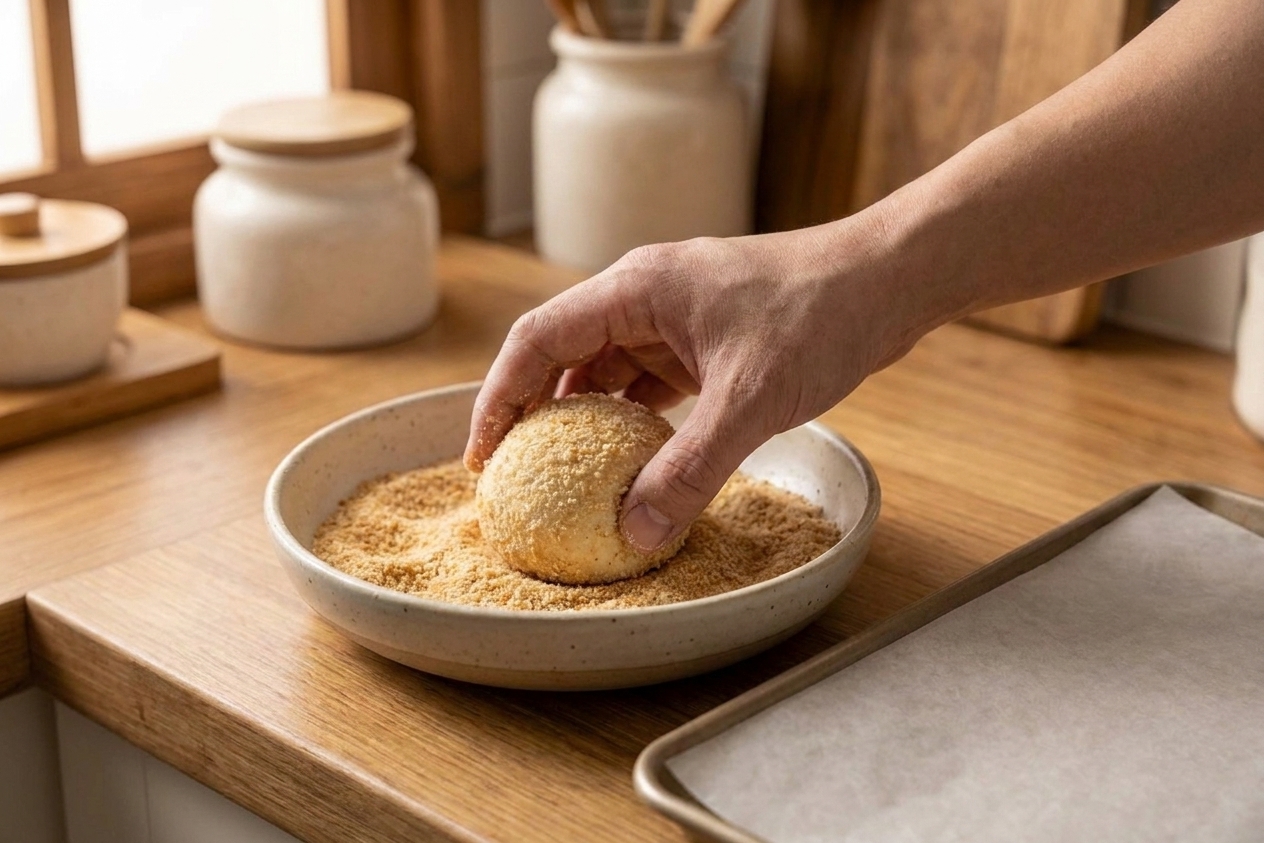
  • That classic breadcrumb coat: A quick roll in breadcrumbs adds texture and helps the outside bake up lightly crisp.
  • Beginner friendly timing: Two rises, simple shaping, and no fancy equipment required.
  • Make ahead flexible: You can chill the shaped rolls overnight or freeze baked rolls for later.

Pairs Well With

Storage Tips

How to Store Pandesal

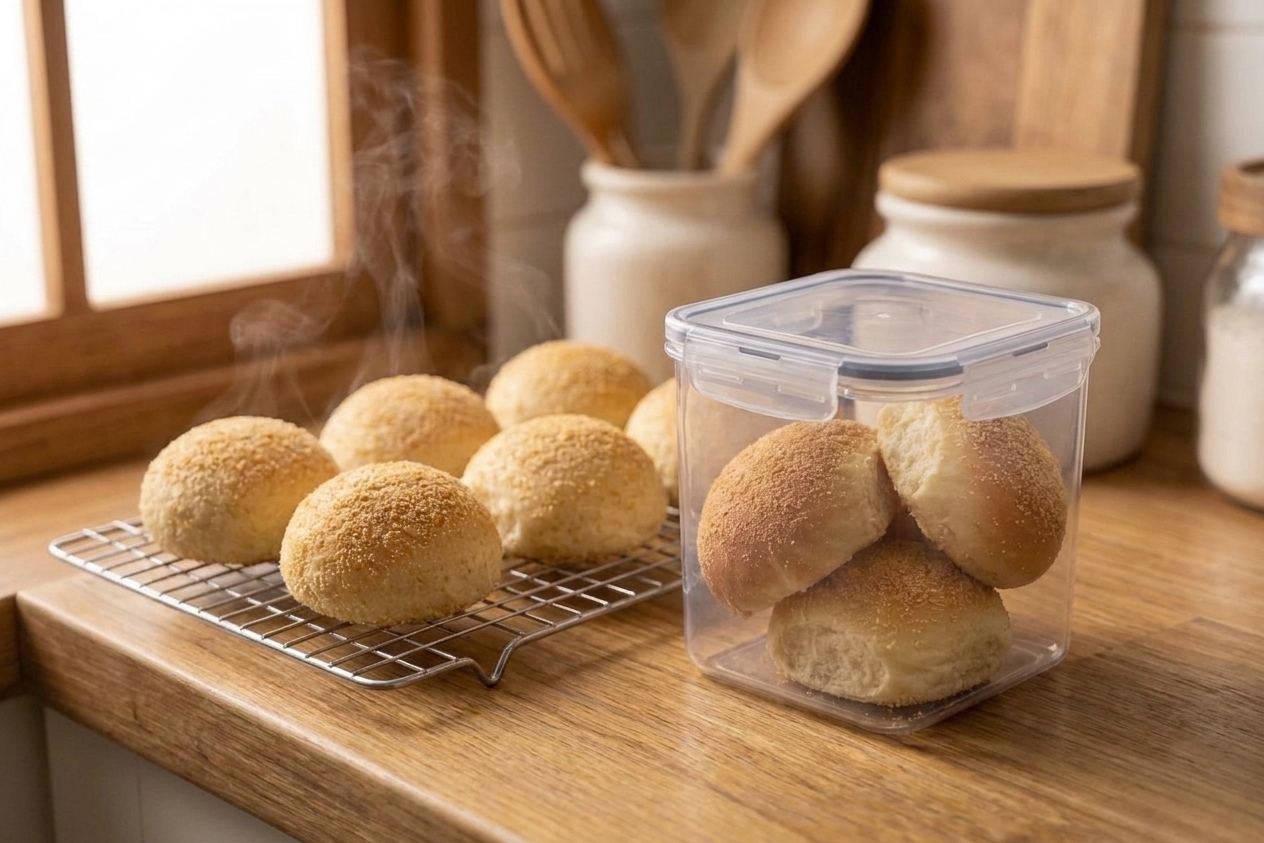
Room temperature: Cool completely, then store in an airtight container or zip top bag for up to 2 days. If your kitchen runs humid, keep them well sealed so the crumb topping stays pleasant, not soggy.

Reheat: For that fresh bakery vibe, warm in a 300°F oven for 6 to 8 minutes, or split and toast lightly. Microwave works in a pinch (about 10 to 15 seconds), but the oven keeps the outside nicer.

Freeze: Freeze completely cooled rolls in a freezer bag for up to 2 months. Thaw at room temp, then warm in the oven. If you want, slice before freezing so you can go straight into the toaster.

Fresh pandesal rolls cooling with a few stored in a clear airtight container on a kitchen counter

Common Questions

Common Questions

Is pandesal sweet?

It is lightly sweet, not dessert sweet. Think: a soft dinner roll with just enough sugar to make it cozy, especially with salty butter or cheese.

What breadcrumbs should I use?

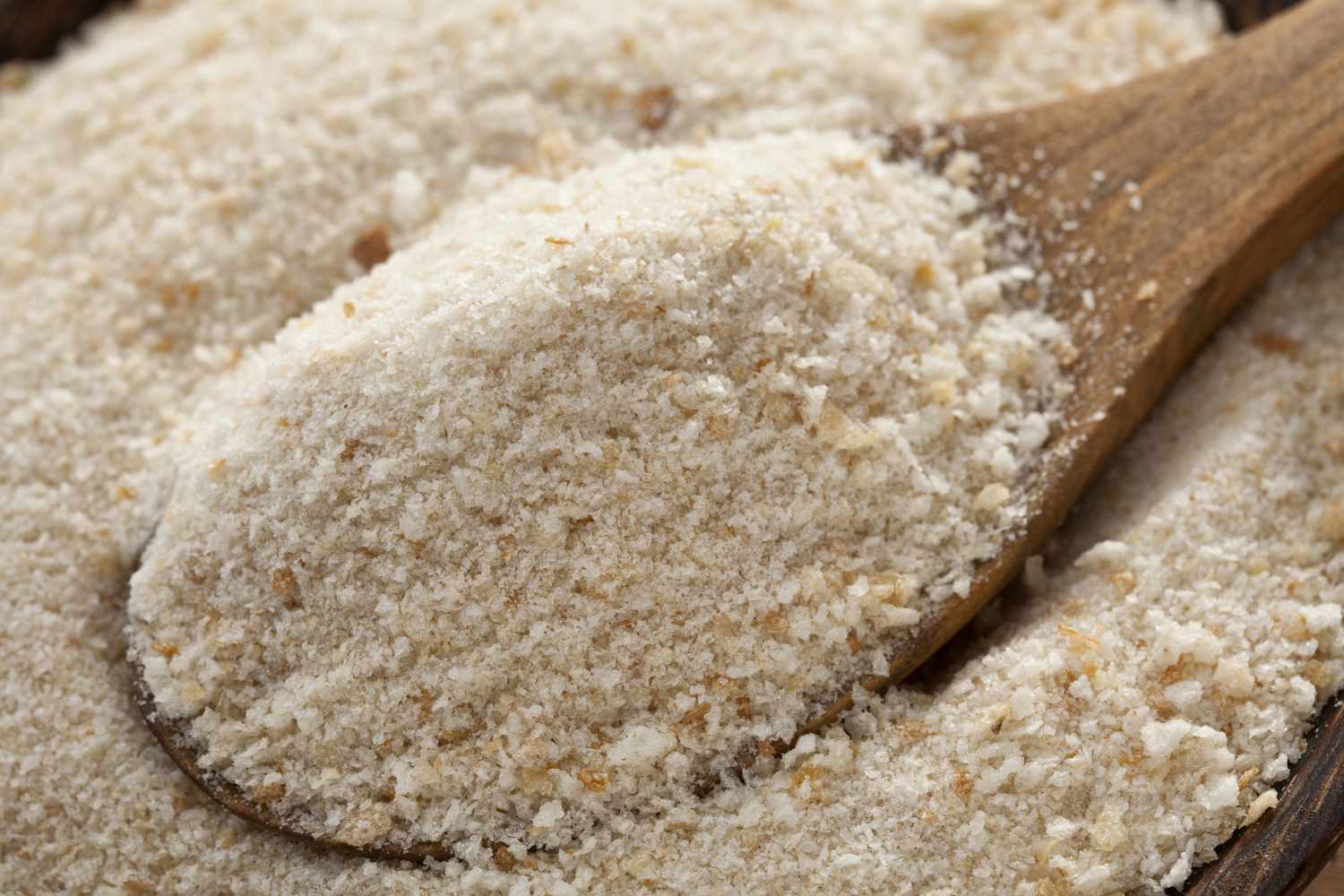
Most traditional home and bakery styles use fine, dry breadcrumbs. Plain store bought works great. If your crumbs are coarse, pulse them briefly in a food processor for a more even coating. (Some versions use fresh crumbs or crushed crackers, so do not stress if you are improvising.)

Can I make pandesal without eggs?

Yes. You will lose a little richness and the rolls may brown a bit less, but it still works. For an egg free version, try replacing the egg with 3 tablespoons milk (or water) plus 1 tablespoon melted butter or neutral oil. You can also use a commercial egg replacer, prepared according to the package for 1 egg.

Why did my pandesal turn dense?

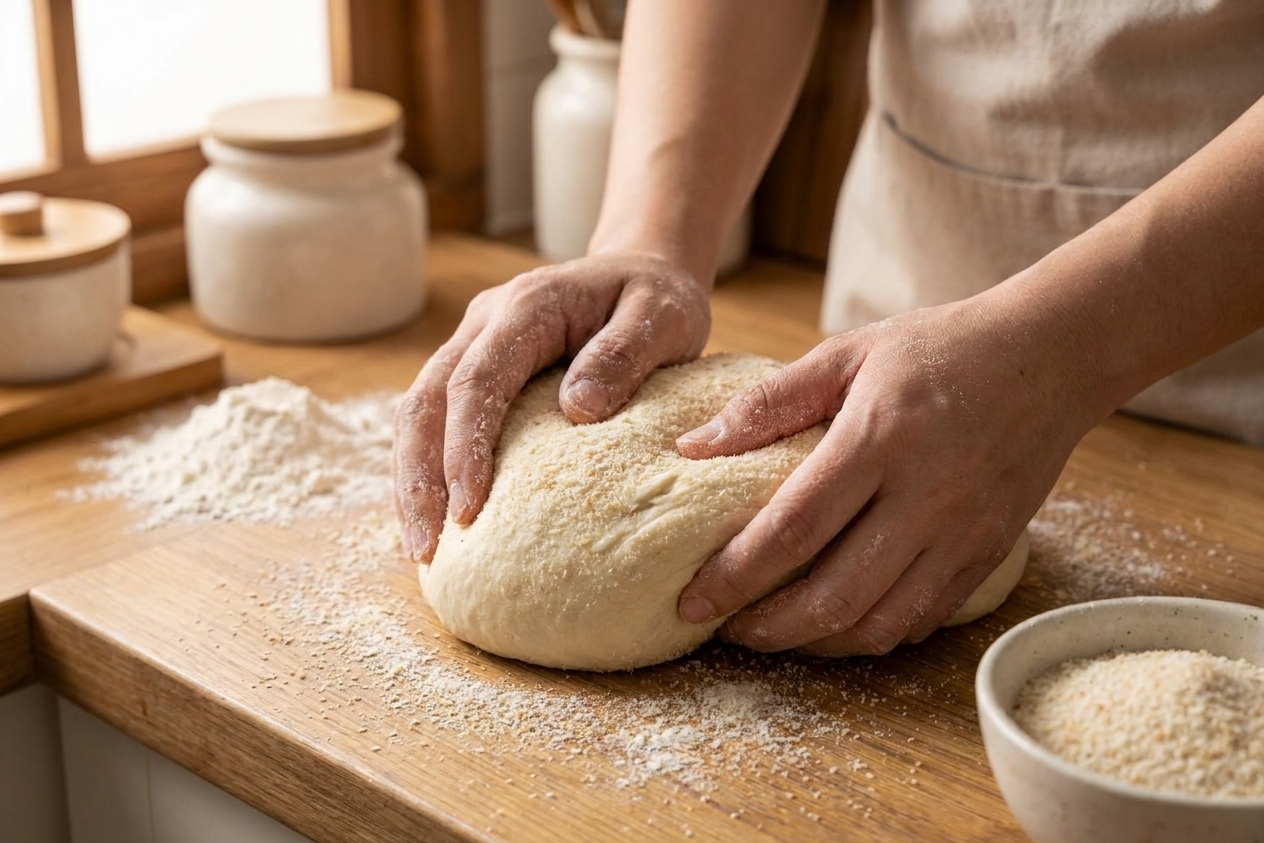
The usual culprits are: underproofing (not letting it rise enough), using too much flour during kneading, or yeast that is old. The dough should feel soft and slightly tacky, not stiff. If you can, weigh your flour for best results.

Can I proof the shaped rolls overnight?

Yes, and it is a great move for low drama mornings. Shape the rolls, then coat lightly with breadcrumbs (or hold some crumbs back). Place on a tray, cover tightly, and refrigerate 8 to 12 hours. Breadcrumbs can absorb moisture and soften in the fridge, so if they look a little gummy in the morning, simply re roll in dry crumbs right before baking. Bake straight from the fridge, adding 2 to 5 minutes if needed.

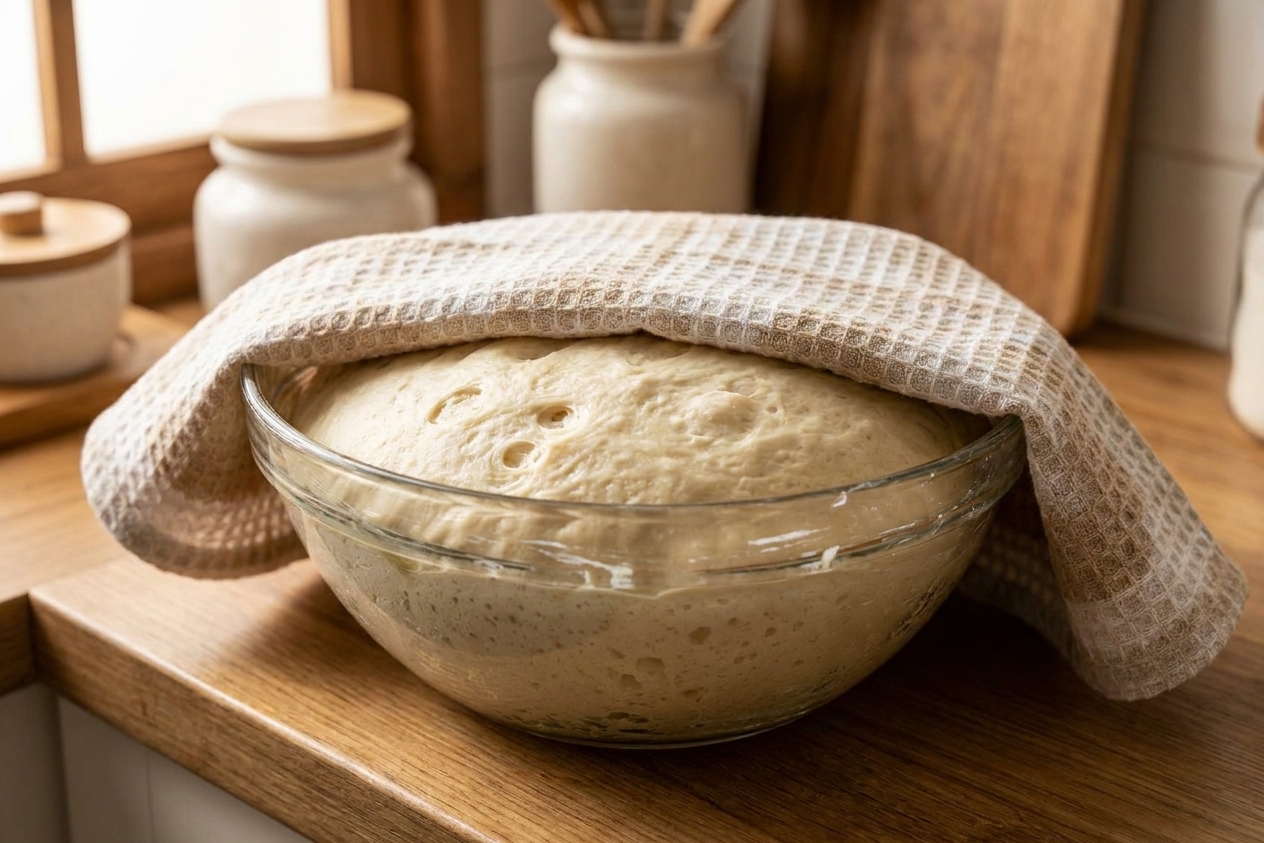
Pandesal dough rising in a greased glass bowl covered with a clean kitchen towel on a warm kitchen counter

The first time I tried making pandesal at home, I over floured the dough because I was trying to keep my hands clean. Rookie move. The rolls came out edible but a little tough, like they were holding a grudge.

Now I keep the dough soft, a little sticky, and I trust the rise. The payoff is immediate: warm bread, butter melting instantly, and that breadcrumb coat that leaves just enough “crumb confetti” on the cutting board to make you feel like you actually baked something special.