Why are my macarons hollow?
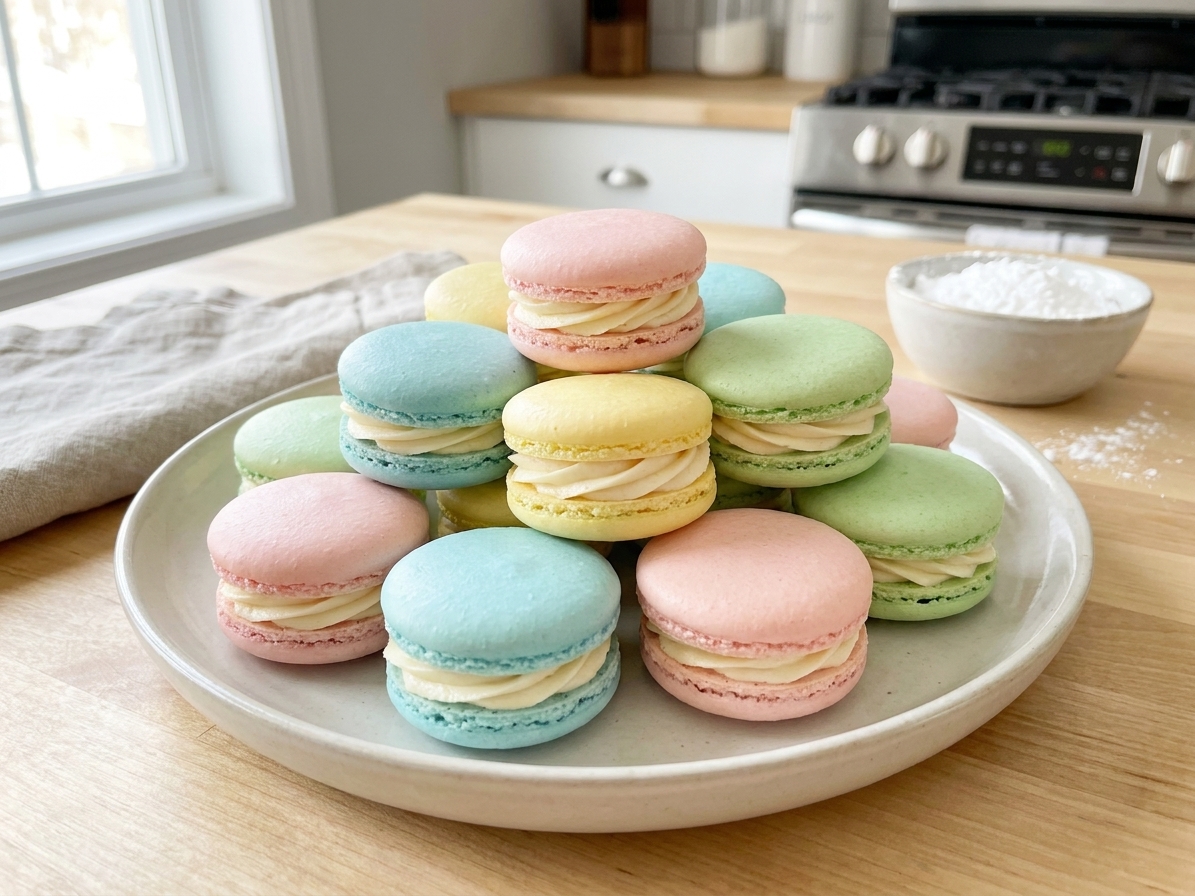
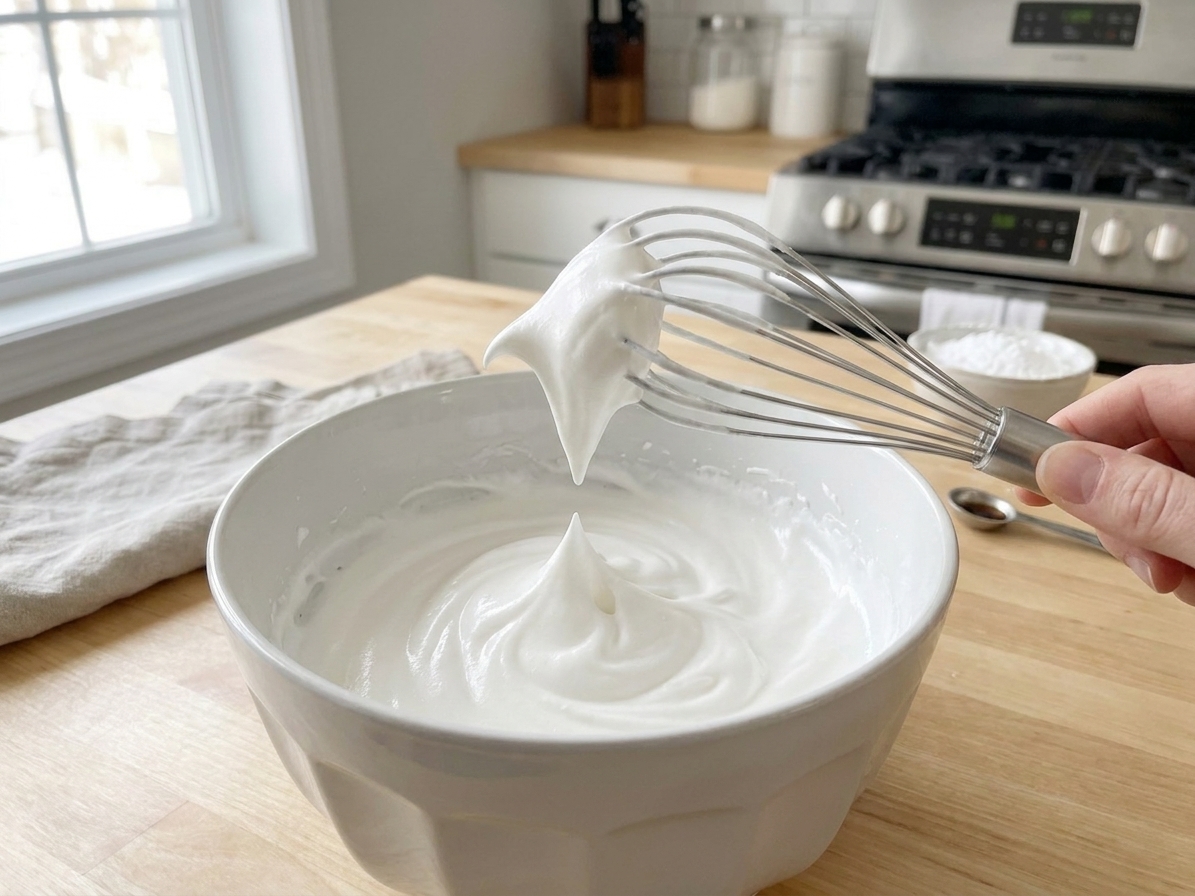
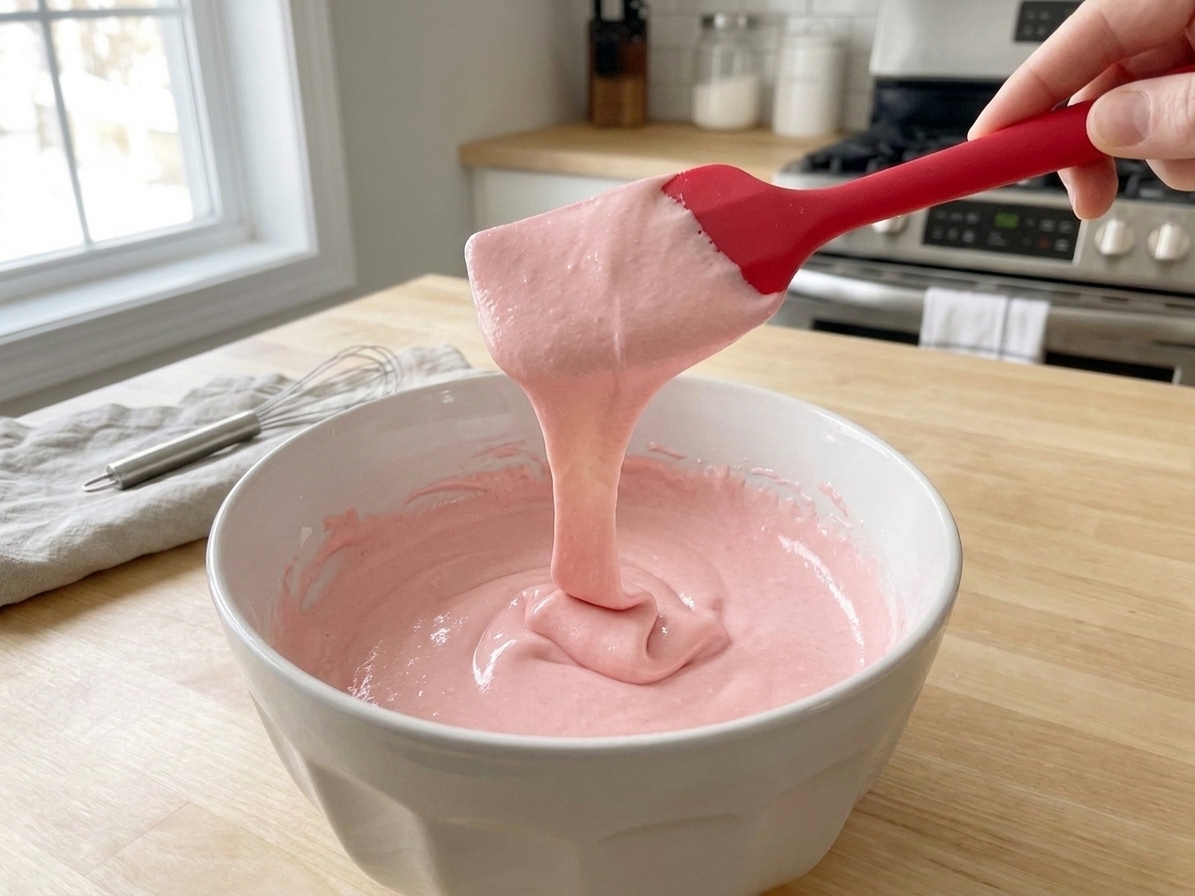
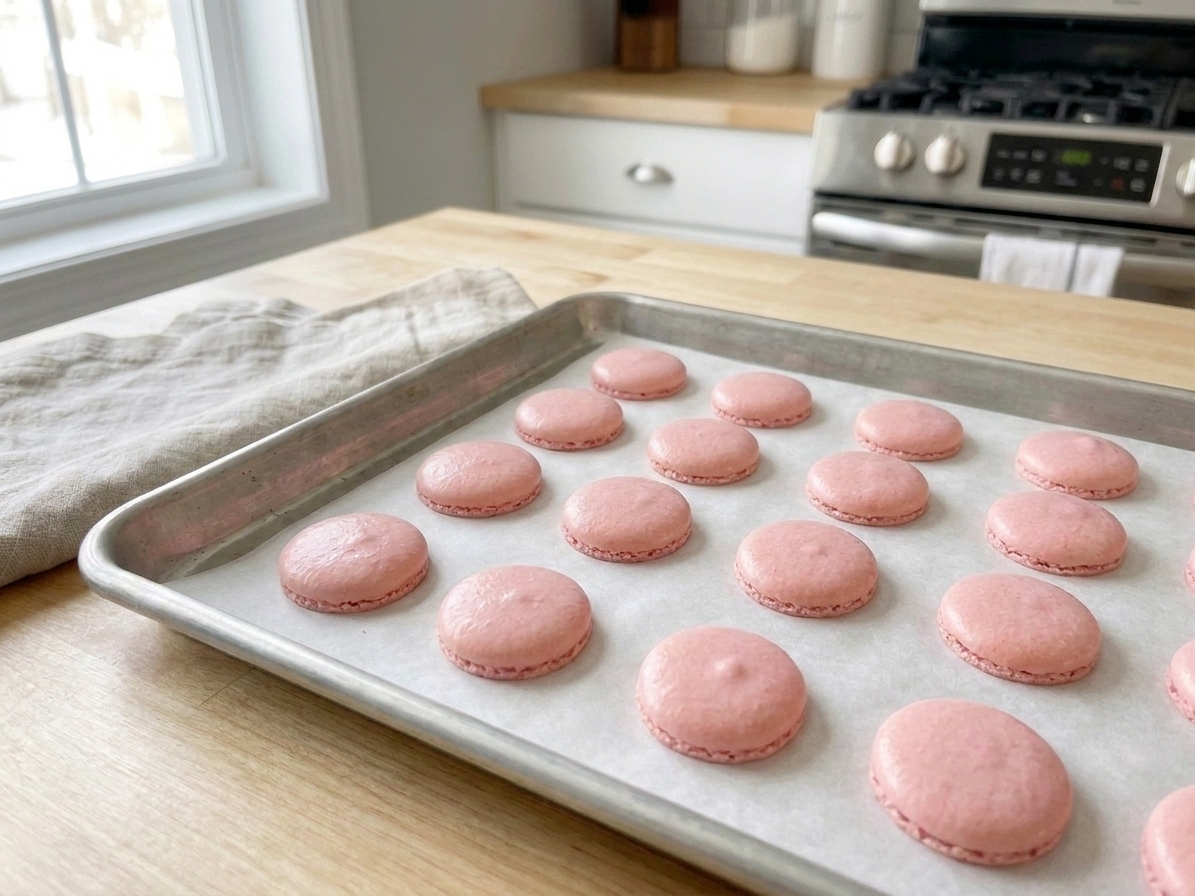
Hollows are usually a timing and structure problem. Common causes include underbaking, an oven that is too hot (shells rise fast, centers cannot set), over-whipping (dry, chunky meringue), and over-macaronage (batter gets too loose and can trap a weird pocket). Try baking 1 to 2 minutes longer, verify your oven temp with a thermometer, and aim for stiff, glossy peaks that are smooth, not clumpy.
Why did my macarons crack?
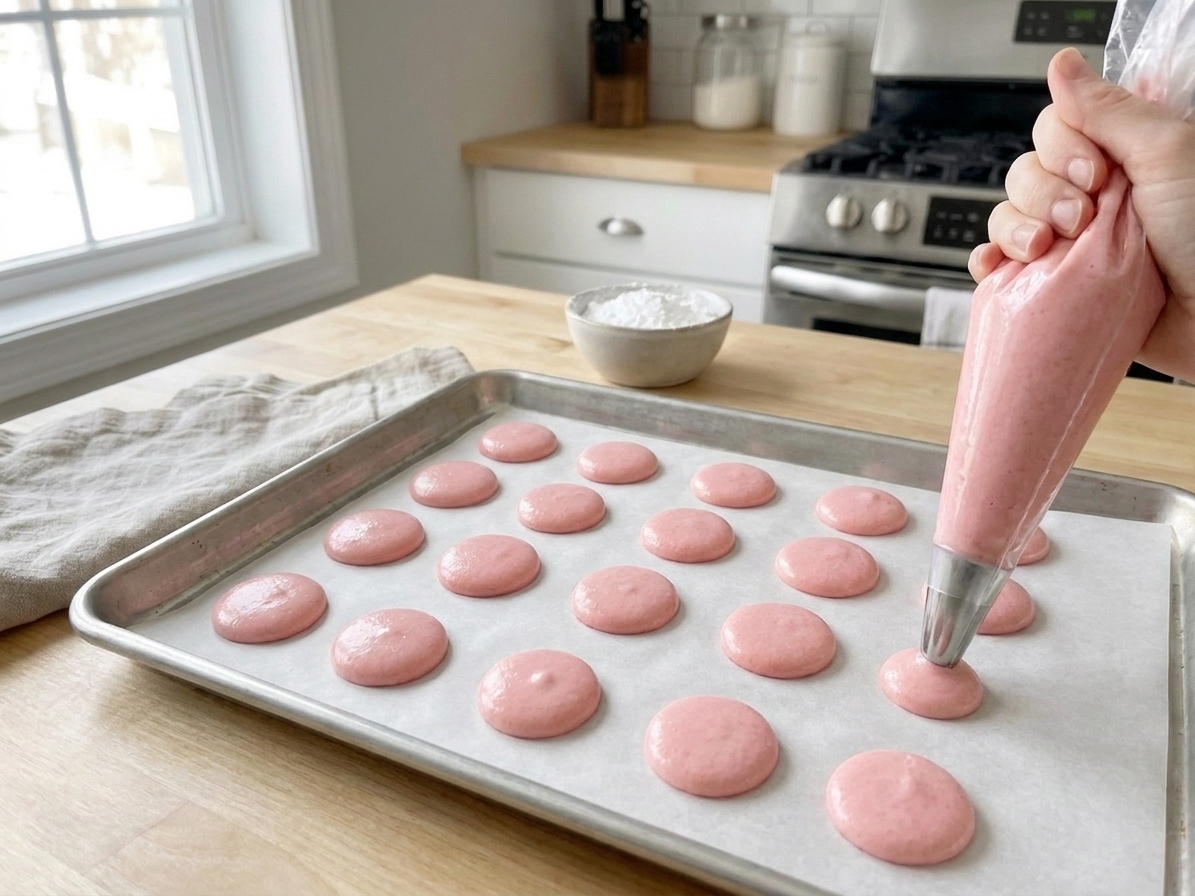
Common causes are not resting long enough, an oven that is too hot, or a batter that is too thick (under-mixed) and cannot settle. Rest until the tops feel dry to the touch, and consider dropping oven temp 10 to 15°F if your oven is aggressive.
Why are my macarons lopsided?
Usually uneven oven heat or air circulation. Rotate the pan halfway through baking, and make sure your tray is flat. Also check that your batter is not too thick, since thick batter can pull to one side as it rises.
Why are the bottoms sticky?
They are likely underbaked or removed too soon. Give them another 2 minutes and let them cool fully before lifting. If your kitchen is humid, resting can take longer too.
Can I make macarons without almond flour?
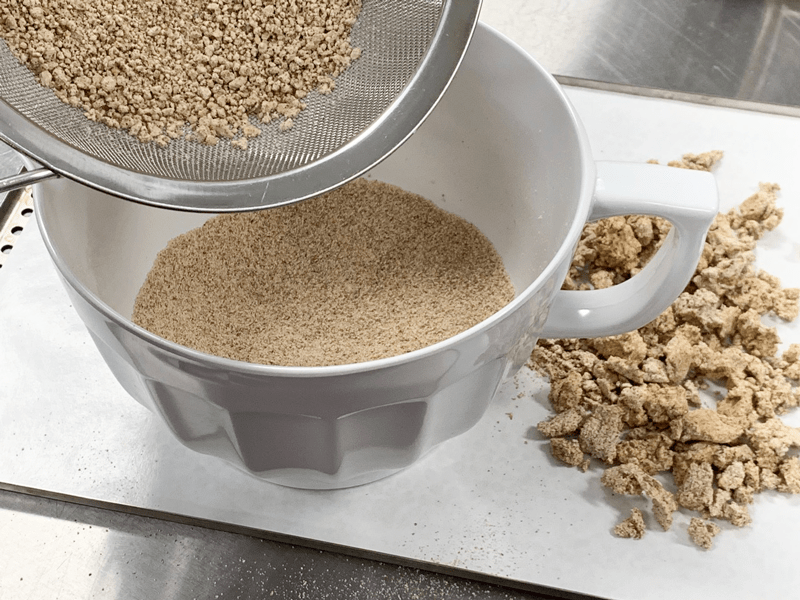
Classic French macarons are almond-based. You can experiment with sunflower seed flour or pumpkin seed flour, but results vary and the color can shift. If you want the classic texture, stick with finely ground blanched almond flour.
Do I need cream of tartar?
No, but it helps stabilize the egg whites. If you do not have it, use lemon juice as a gentle backup. Start with 1/4 teaspoon per 100 g egg whites, and go up to 1/2 teaspoon if needed. Whip until the meringue is glossy and stiff.
What oven temperature is best for macarons?
There is no single magic number. This recipe starts at 300°F, but many home ovens land in the 285 to 325°F range. Pan color and silicone mats matter too. If your shells brown or crack, drop 10 to 15°F. If they are hollow or sticky, bake a bit longer or nudge temp up slightly.