Mom's Best Recipes
Recipe

Garlic Herb Top Round Roast

A budget friendly beef roast that comes out rosy, tender, and full of flavor, with an easy pan gravy made right in the same pan.

Author By Matt Campbell
4.7
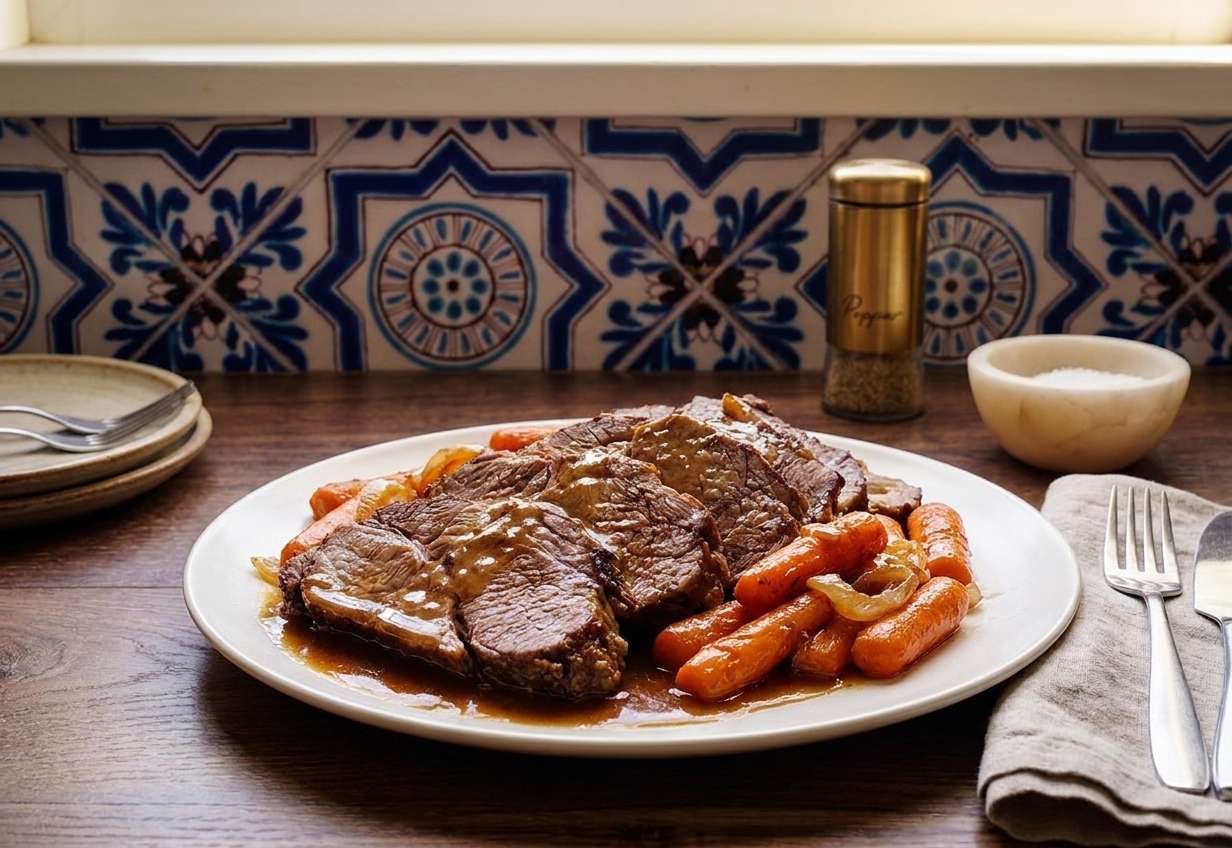
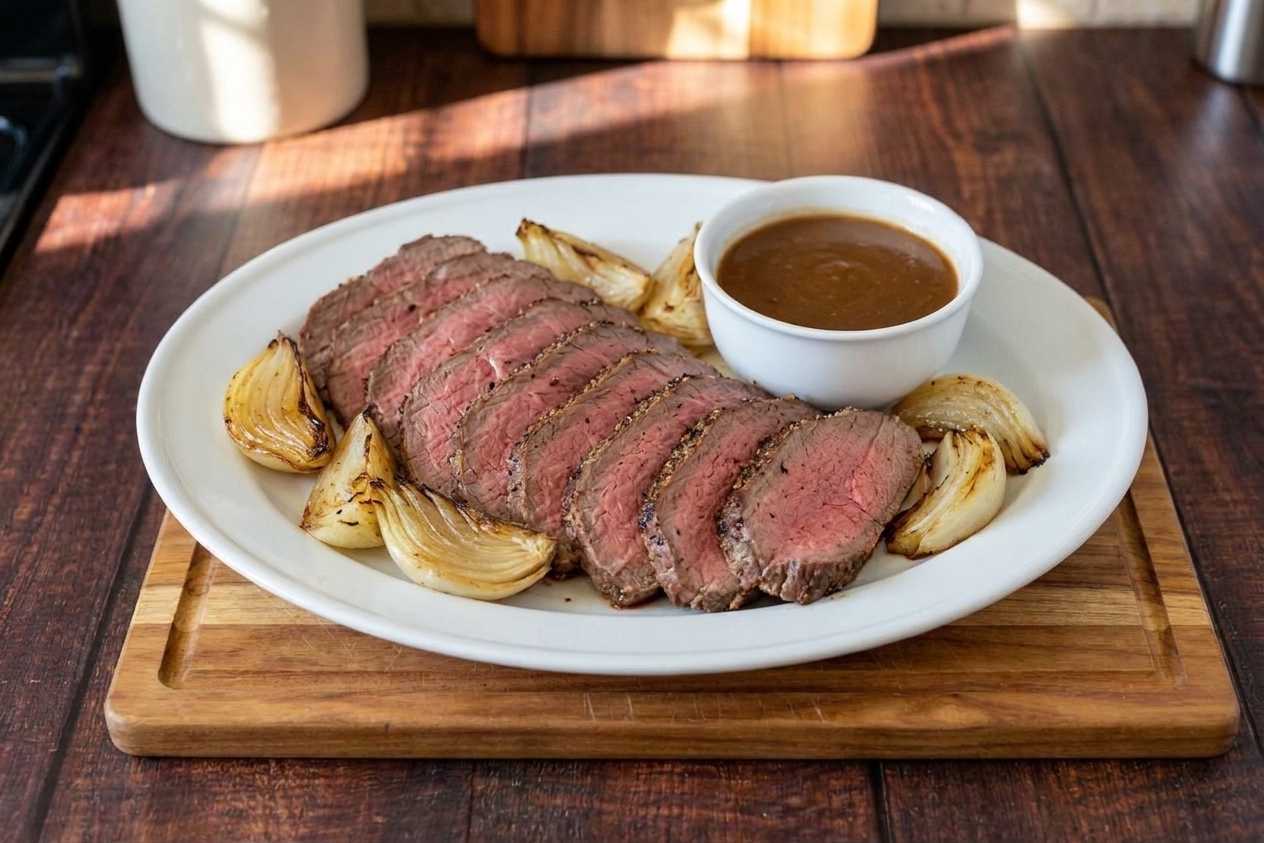
A sliced top round roast on a platter with a garlic herb crust, surrounded by roasted onions and a small bowl of brown gravy on a warm kitchen table

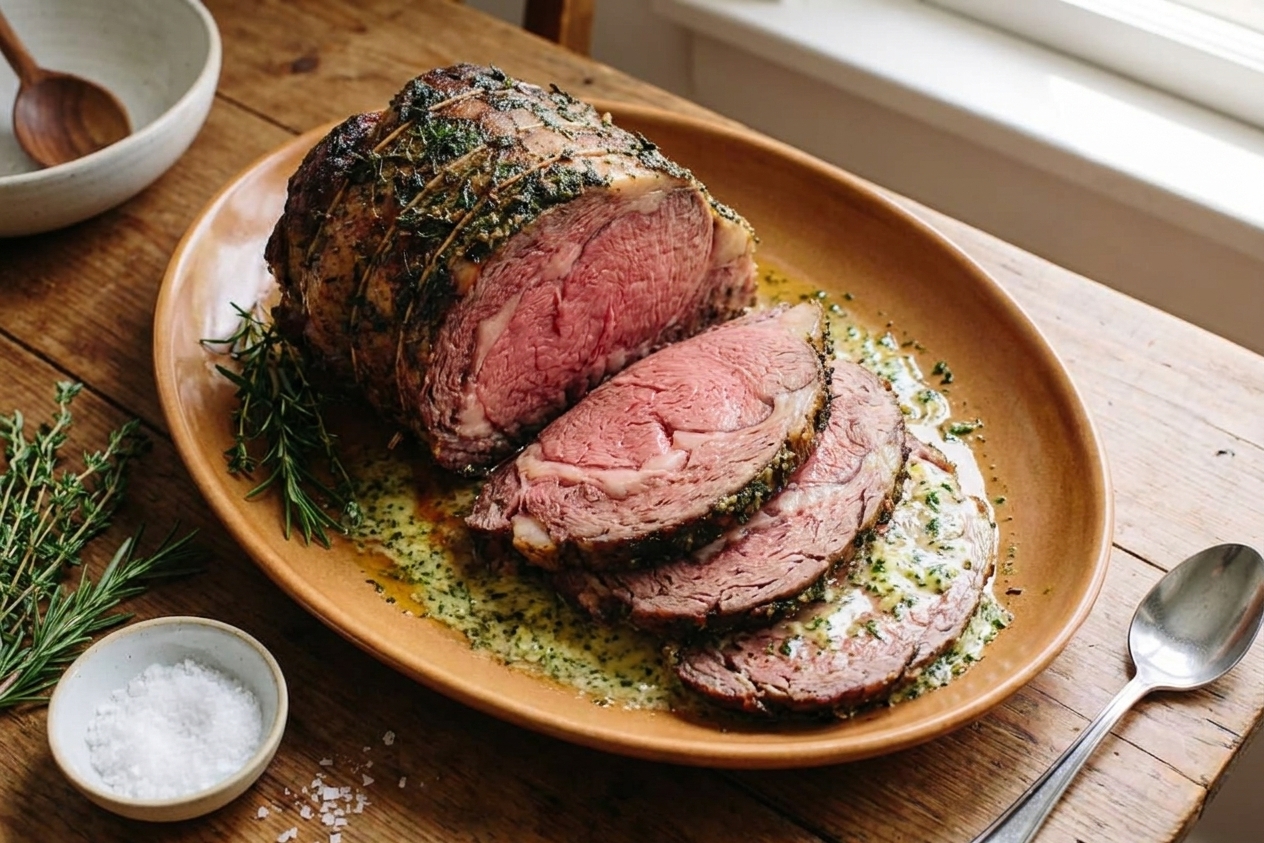
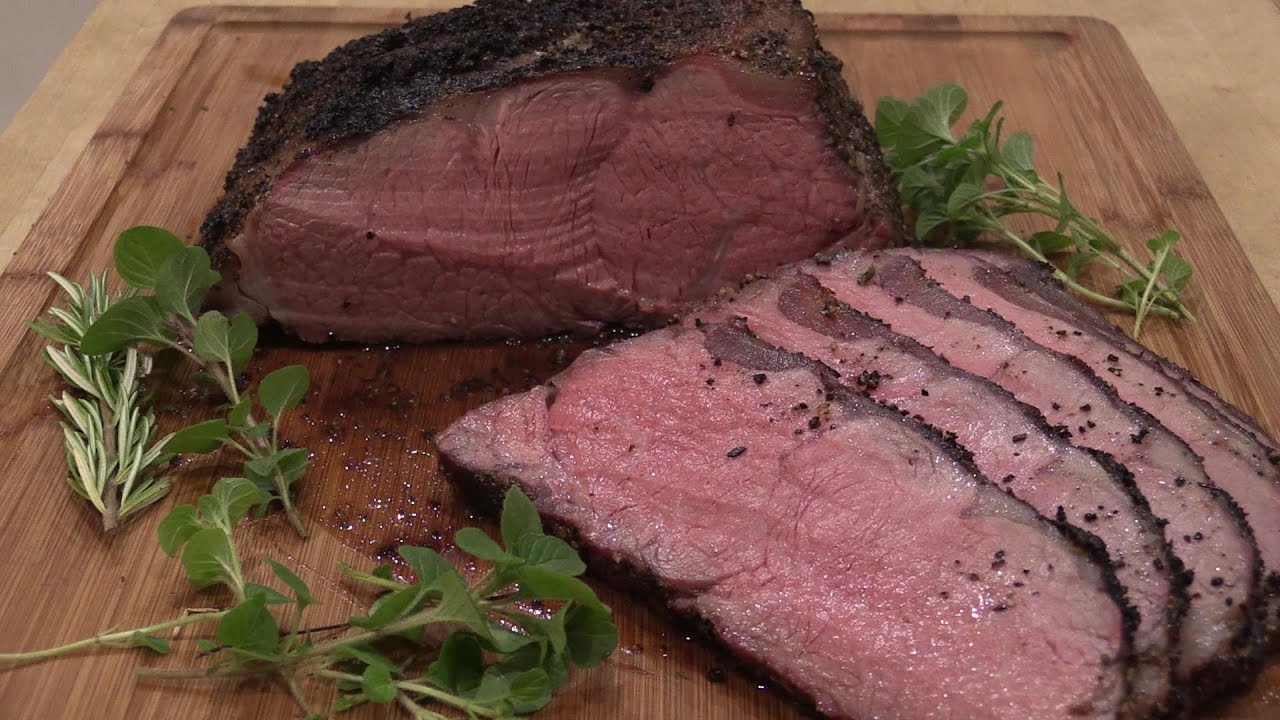
Top round roast is one of those cuts that can go two ways: dry and sad, or surprisingly tender and sliceable with that classic roast beef vibe. The difference is not fancy ingredients. It is a few simple moves: salt early, roast at high heat to brown, then finish gently, and rest like you mean it.

This is my go-to method when I want a cozy Sunday dinner that also turns into cold roast beef sandwiches all week. You get a garlicky herb crust, a pan that smells like you did something impressive, and a no-drama gravy that tastes like it simmered all day.

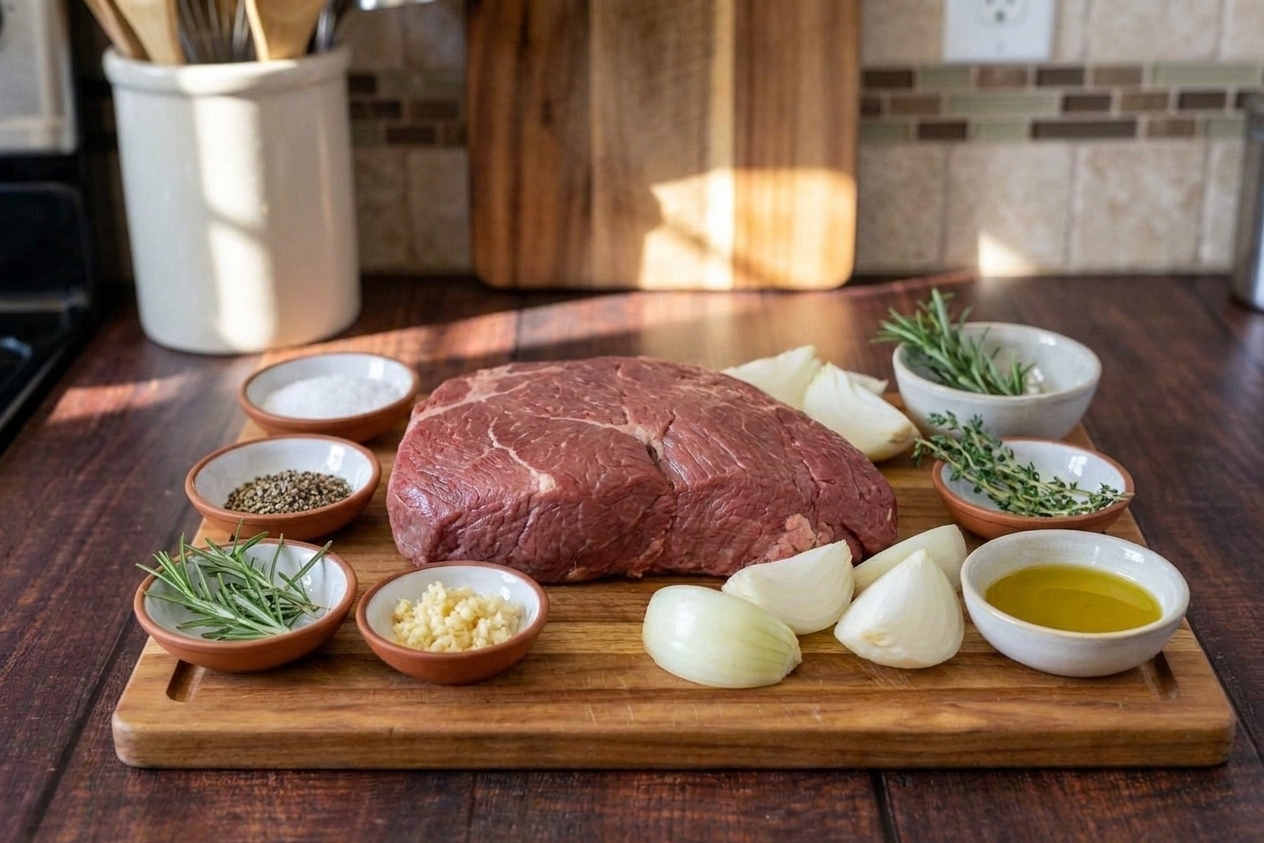
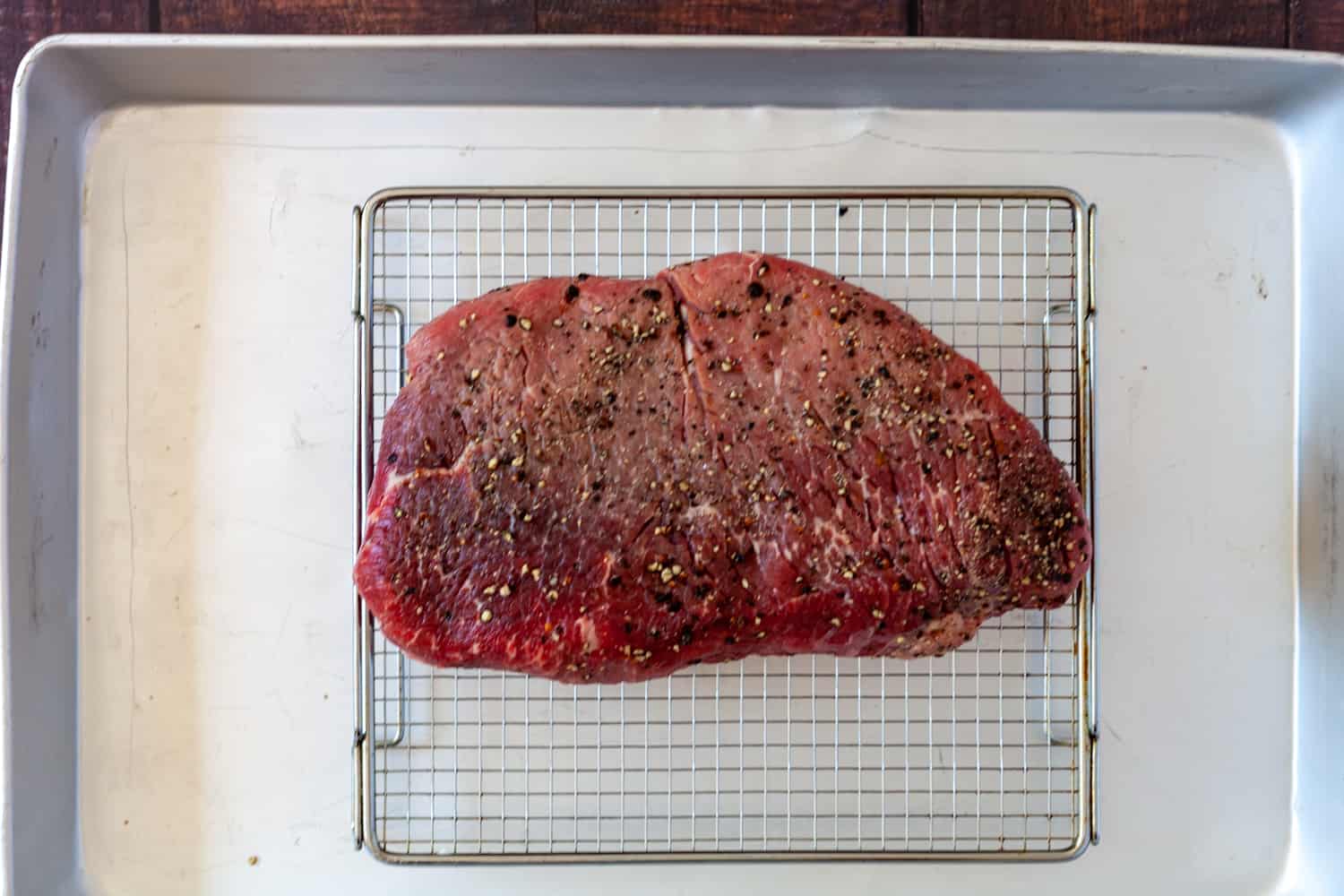
Raw top round roast on a cutting board with small bowls of salt, black pepper, minced garlic, rosemary, thyme, olive oil, and thick-cut onion wedges on a kitchen counter

Why It Works

  • Juicy slices: We cook to temperature, not to the clock, so the roast stays pink and tender instead of turning into jerky.
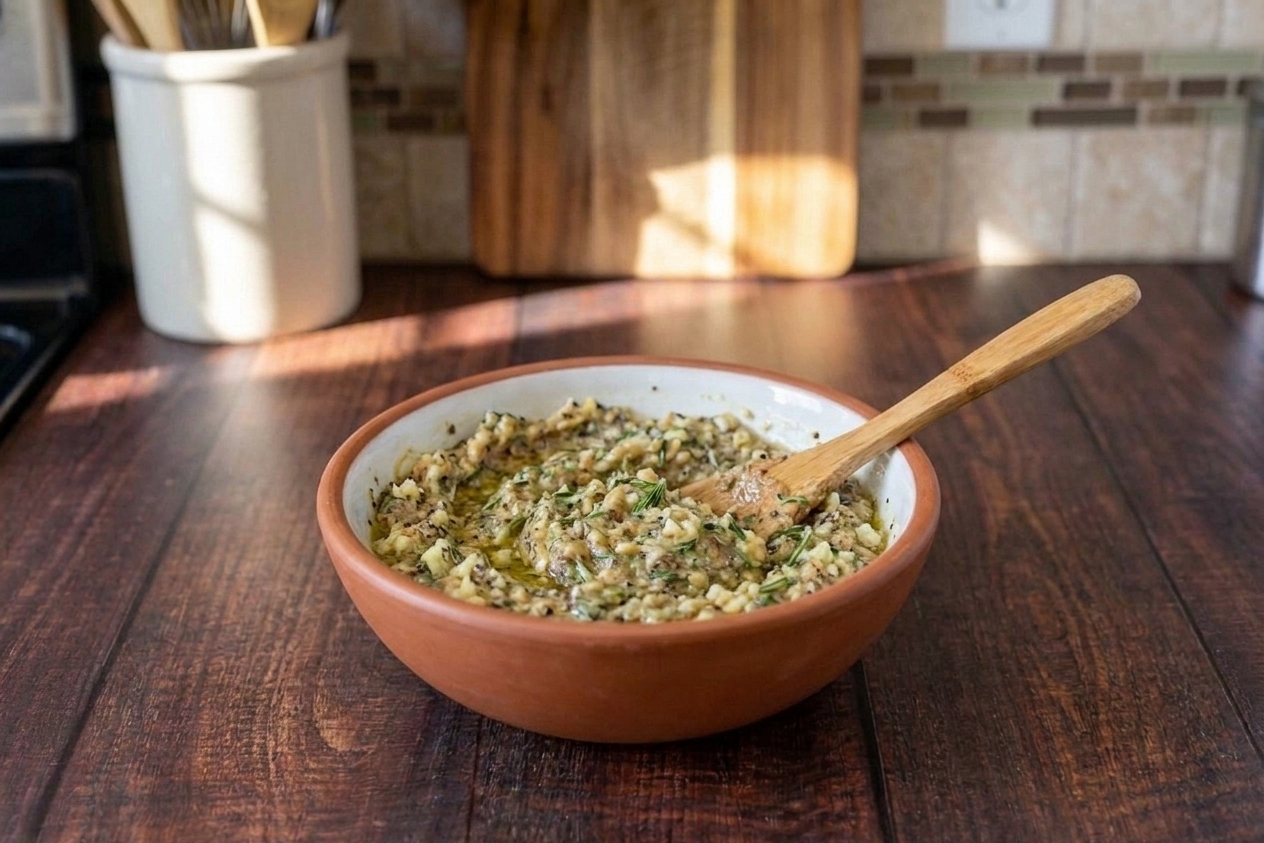
  • Big flavor with pantry basics: Garlic, herbs, and a little Dijon build a crust that tastes way fancier than it is.
  • Gravy without stress: The onions and drippings do the heavy lifting, and you can thicken it in minutes.
  • Leftovers that are actually exciting: Think French dip vibes, breakfast hash, and quick rice bowls.

Pairs Well With

Storage Tips

How to Store Leftovers

Cool it fast: Slice what you will eat in the next day or two, then refrigerate the rest as a chunk so it stays juicier.

  • Fridge: Store roast beef in an airtight container up to 4 days. Store gravy separately up to 4 days.
  • Freezer: Freeze sliced beef in portions up to 2 to 3 months. Add a splash of broth before sealing to protect it from drying out.
  • Reheat (best method): Warm slices in a skillet with a little broth or gravy over low heat just until heated through. Avoid blasting it in the microwave unless you like chewy edges.

Make-ahead deli slice tip: If you want extra thin sandwich slices, chill the cooked roast overnight, then slice it cold. It is easier to get those tidy, even slices.

Leftover move I love: Pile warm slices onto toasted rolls with provolone and a dunkable cup of the gravy turned into au jus with extra broth.

Common Questions

Common Questions

Is top round roast tender?

It can be. Top round is lean, so tenderness comes from not overcooking and slicing thinly against the grain. Treat it like roast beef, not like a fatty pot roast.

What temperature should I cook top round to?

For the best texture, pull it at:

  • Rare: 120 to 125 F (carryover takes it to about 125 to 130 F)
  • Medium-rare: 125 to 130 F (finishes around 130 to 135 F)
  • Medium: 135 to 140 F (finishes around 140 to 145 F)
  • Well-done: 150 to 155 F (expect a drier, firmer slice)

Food safety note: USDA guidance for whole cuts is 145 F with a rest. Many people enjoy roast beef served below that for a pink center, but only do so if you are comfortable with the risk. It is safest with an intact whole muscle roast (not blade-tenderized, injected, or ground). People who are pregnant, older adults, young kids, or anyone immunocompromised should stick with the conservative 145 F guidance.

Why does my top round turn out dry?

Most often it is cooked too long. Because it is lean, going even a little past medium can make it feel dry. The other common culprit is slicing with the grain instead of against it.

Do I need to sear it first?

Not separately. This recipe starts with a short high-heat roast to brown the outside, then drops the temperature to finish gently.

Can I cook this in a slow cooker?

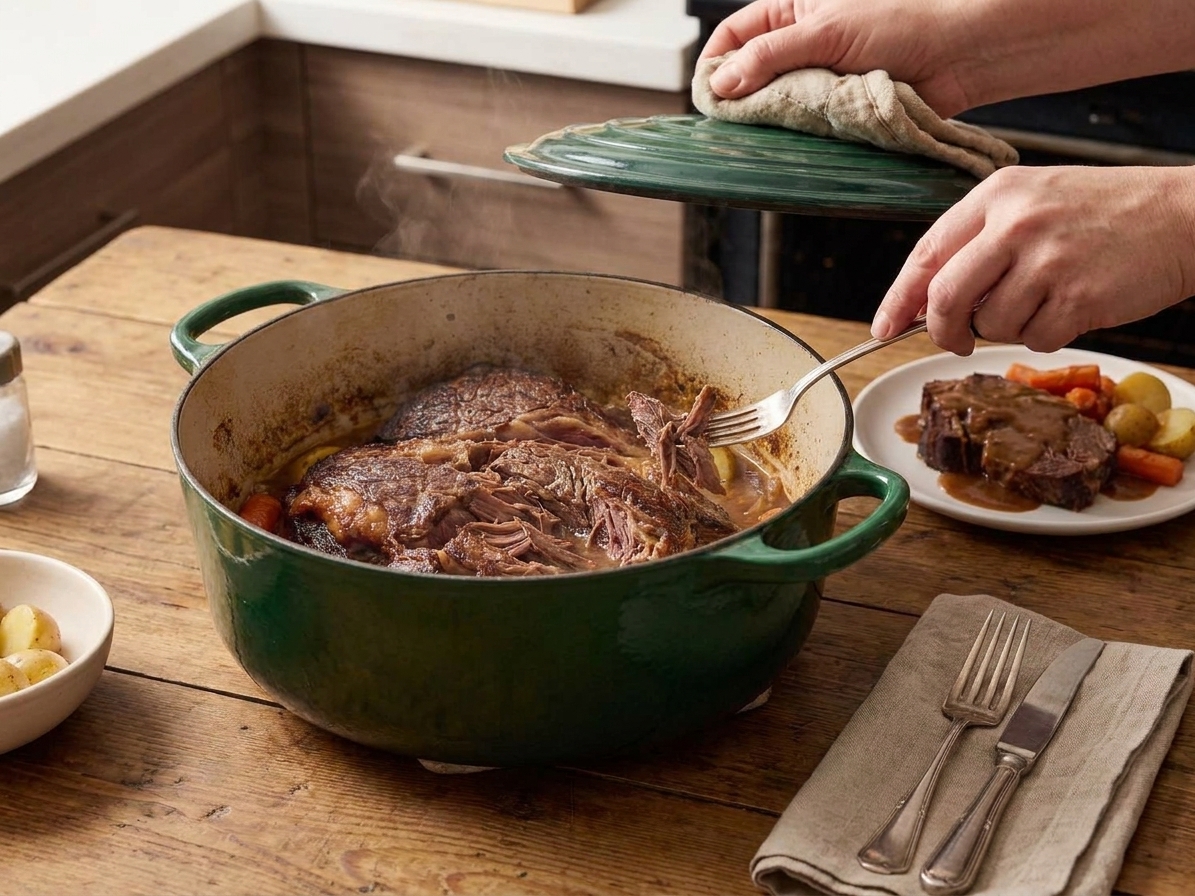
You can, but it will taste more like shredded beef than sliceable roast beef, and the lean meat can still dry out. If you want that classic deli style slice, oven roasting is the move.

How do I slice it correctly?

Let it rest, then look for the lines of muscle fibers and cut perpendicular to those lines. Thin slices are your friend here.

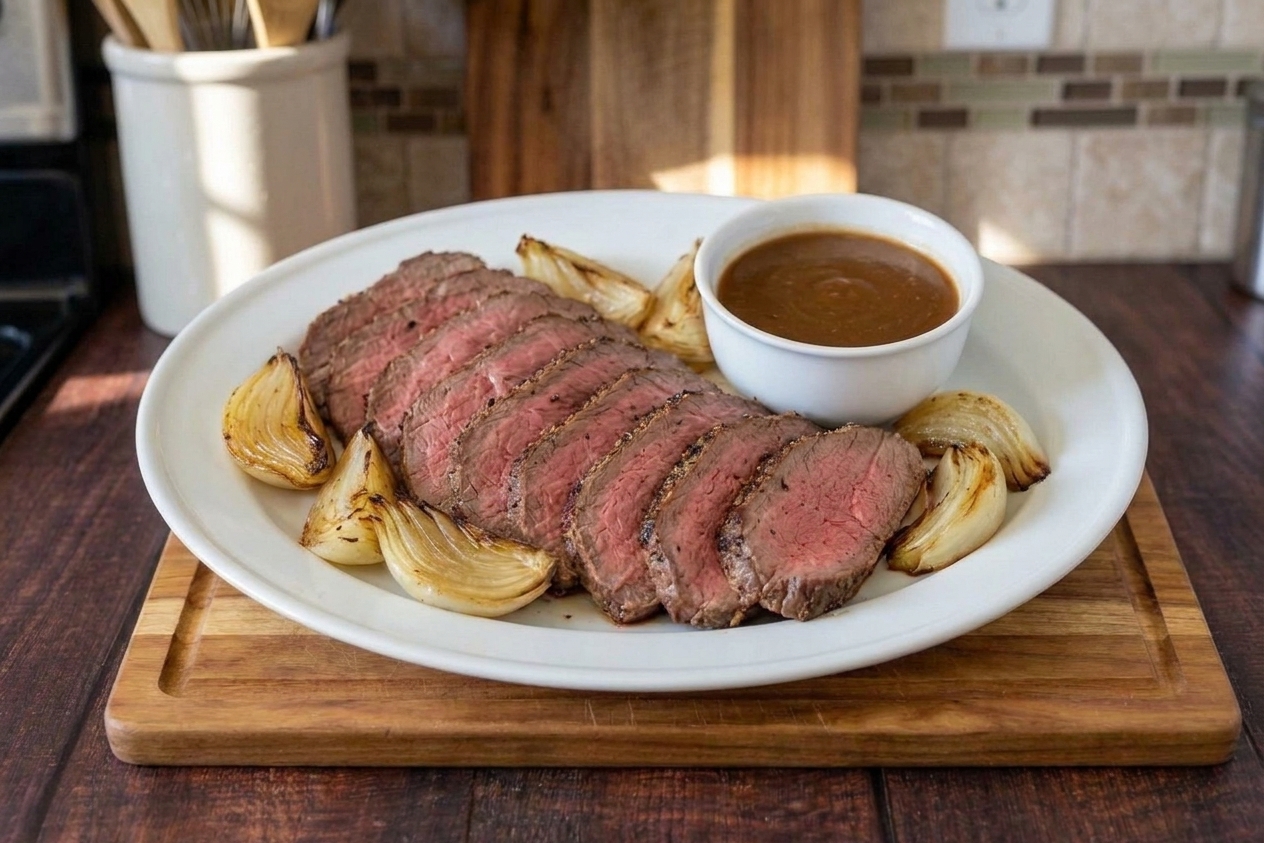
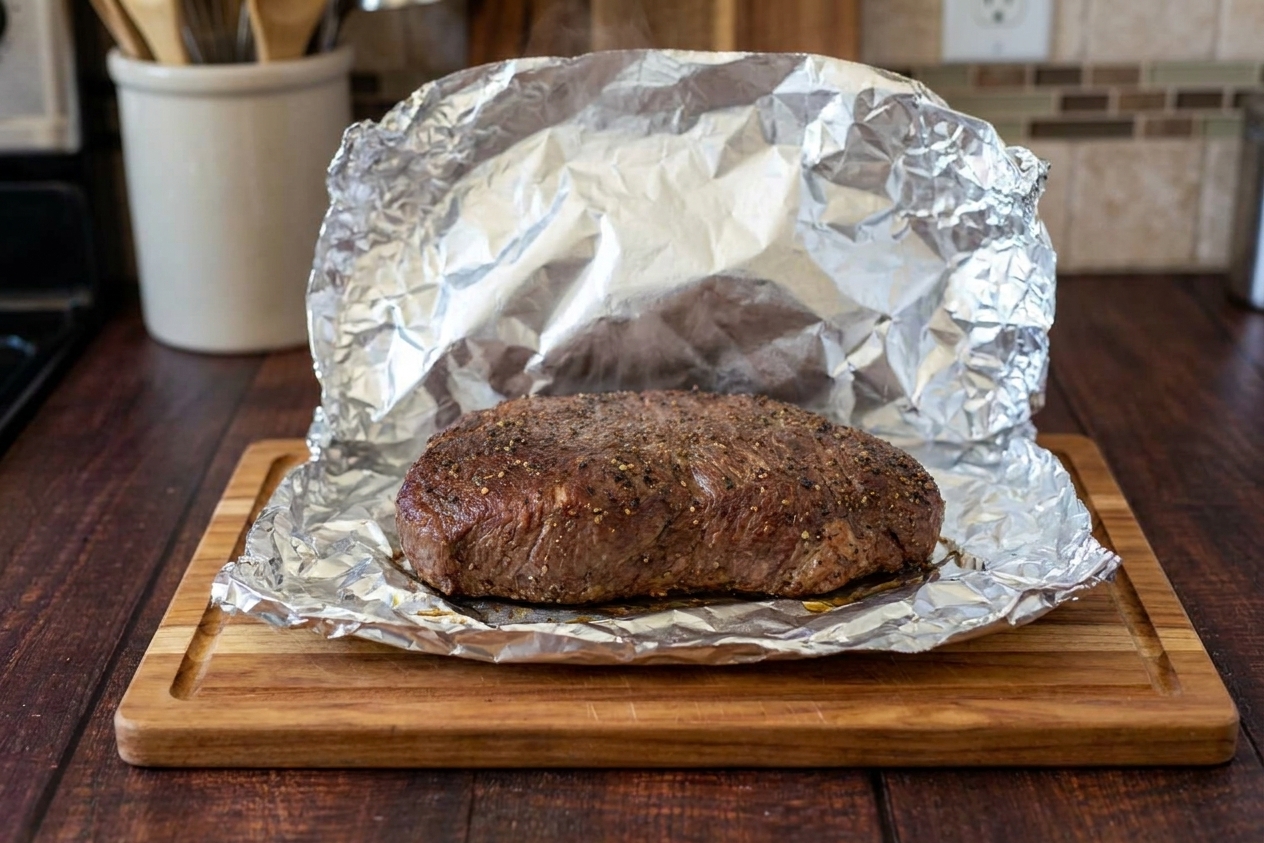
The first time I cooked top round, I treated it like a big fancy roast and left it in the oven until it felt “done.” It was done all right. It was also basically a beef-flavored hockey puck. Now I cook it like a friend who needs a little support: hot start for color, gentle finish for tenderness, and a proper rest so the juices stay where they belong. The payoff is that perfect moment when you cut the first slice and it is rosy, steamy, and just begging for a swipe through gravy.