Mom's Best Recipes
Recipe

Garlic Rosemary Lamb Shoulder Chops

Crisp-edged lamb shoulder chops finished in the oven and bathed in a lemony garlic rosemary pan sauce.

Author By Matt Campbell
4.7
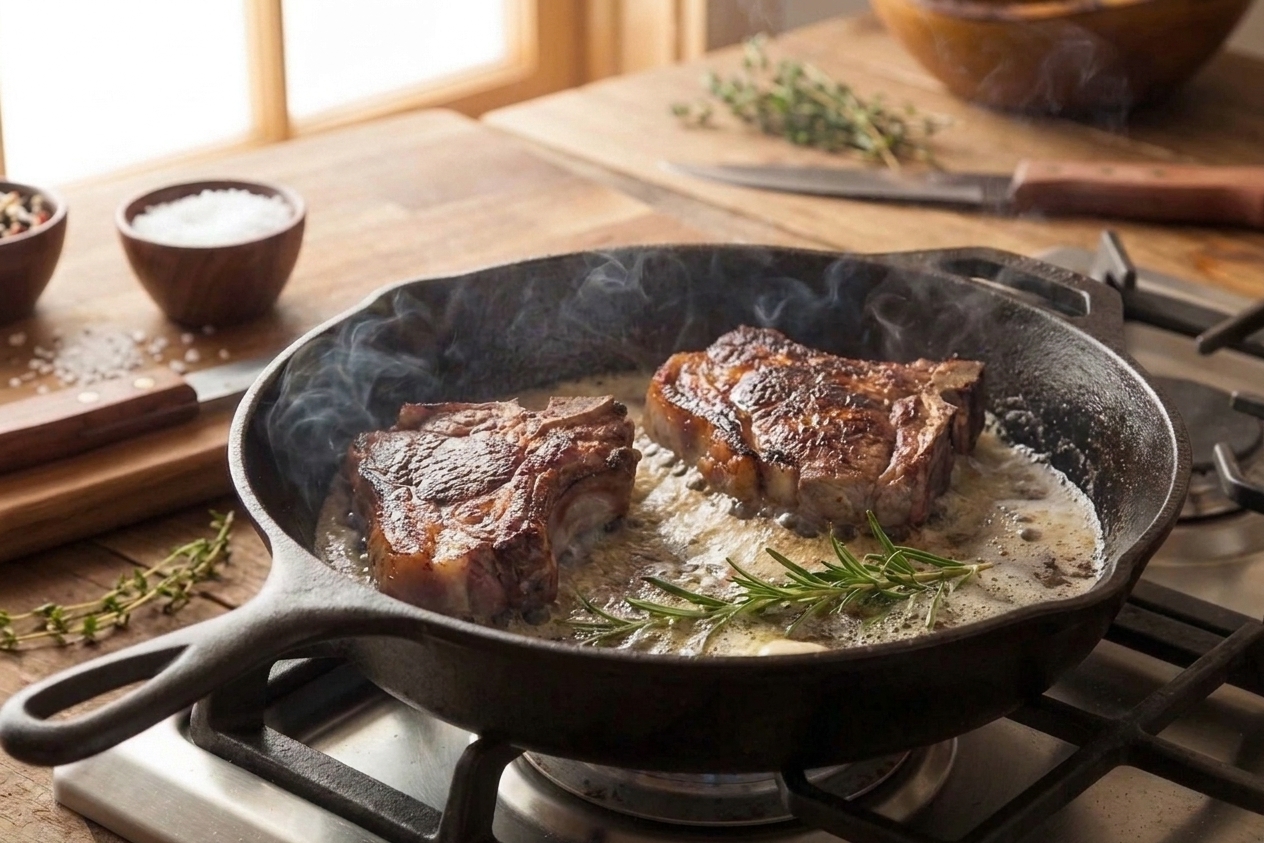
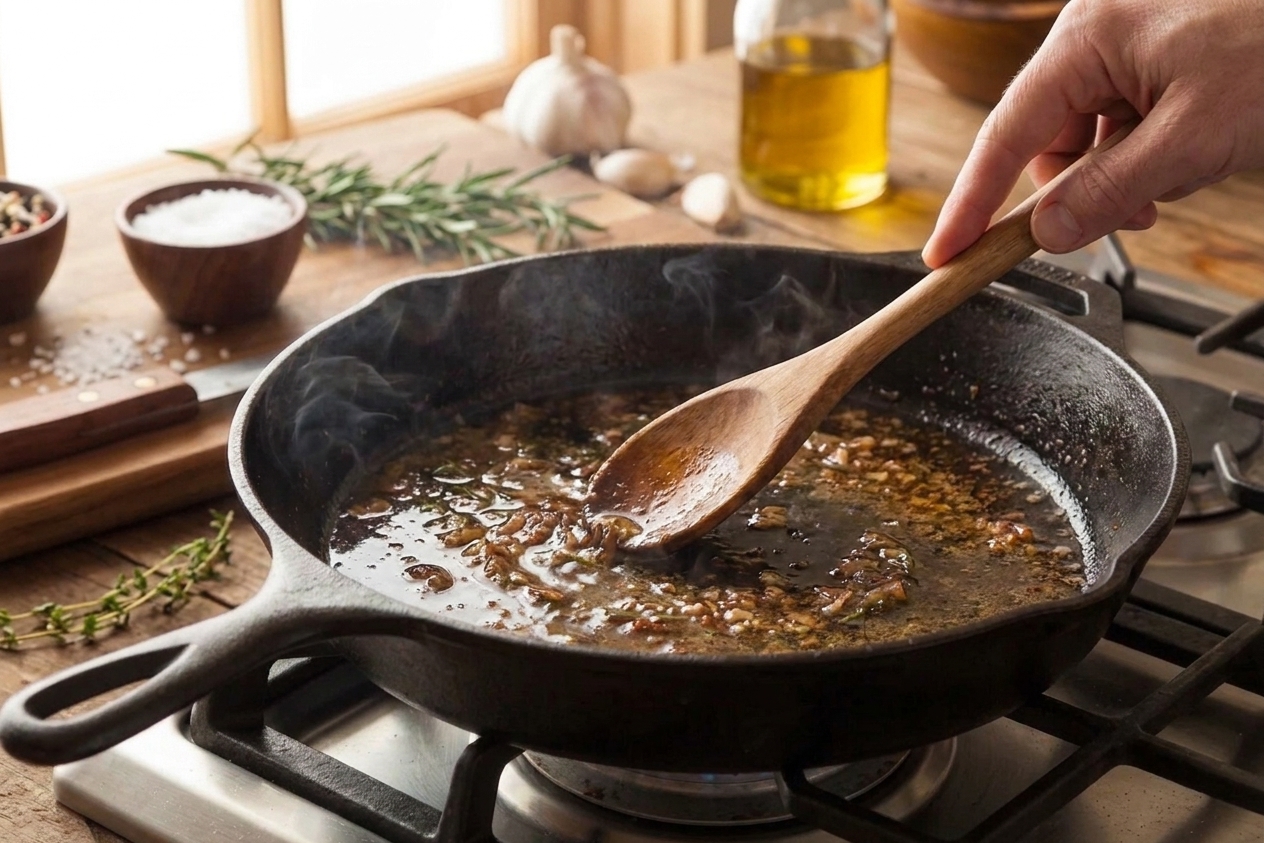
A cast iron skillet holding seared lamb shoulder chops with browned edges, rosemary sprigs, and a glossy garlic pan sauce, set on a warm kitchen counter with soft natural light

Lamb shoulder chops are the underrated weeknight hero of the meat case. They are boldly flavored, nicely marbled, and they often do great with high heat so the edges get crisp and the inside stays juicy.

This is my favorite way to do them when I want restaurant energy without restaurant effort: a hard sear, a quick oven finish, then a fast pan sauce that tastes like you tried harder than you did. Garlic, rosemary, lemon, and a little butter show up and do the heavy lifting. You just have to taste as you go and not panic.

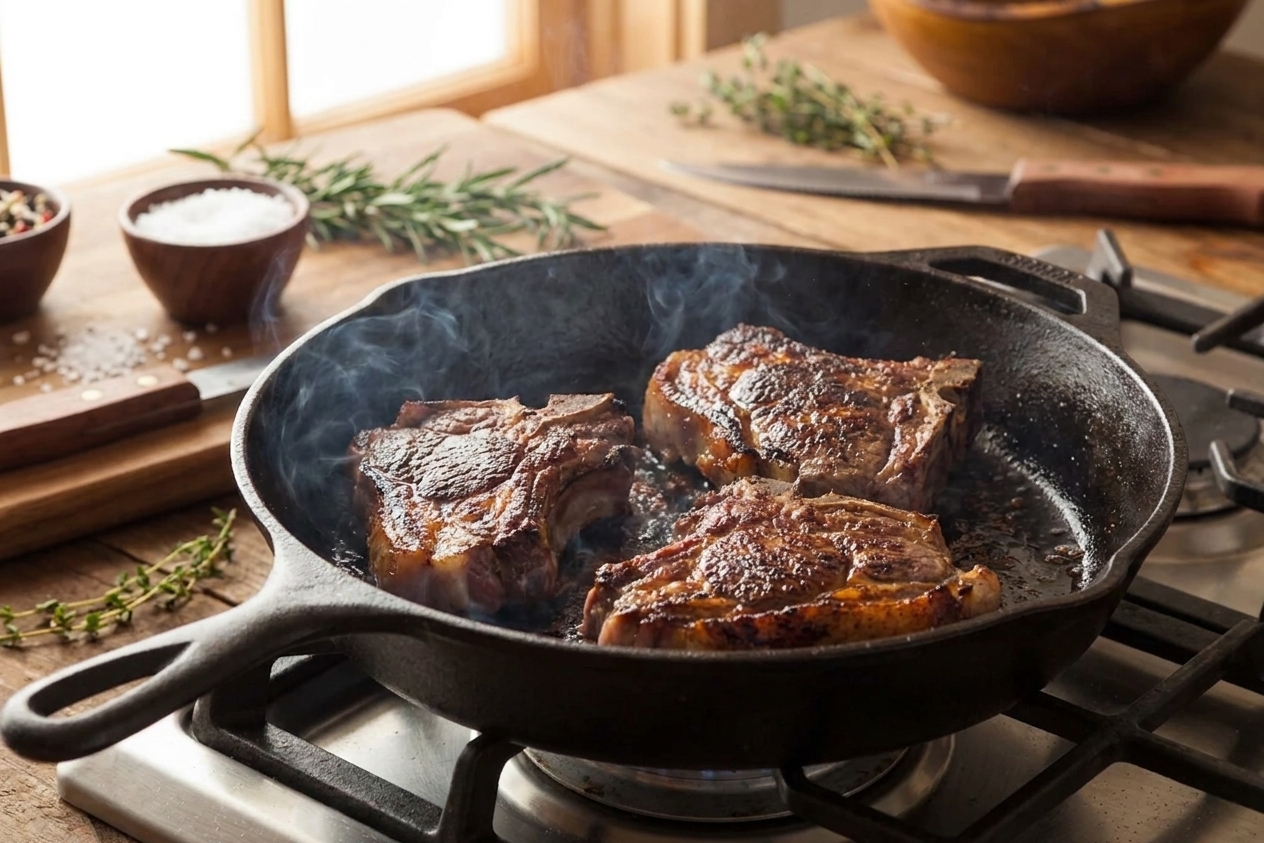
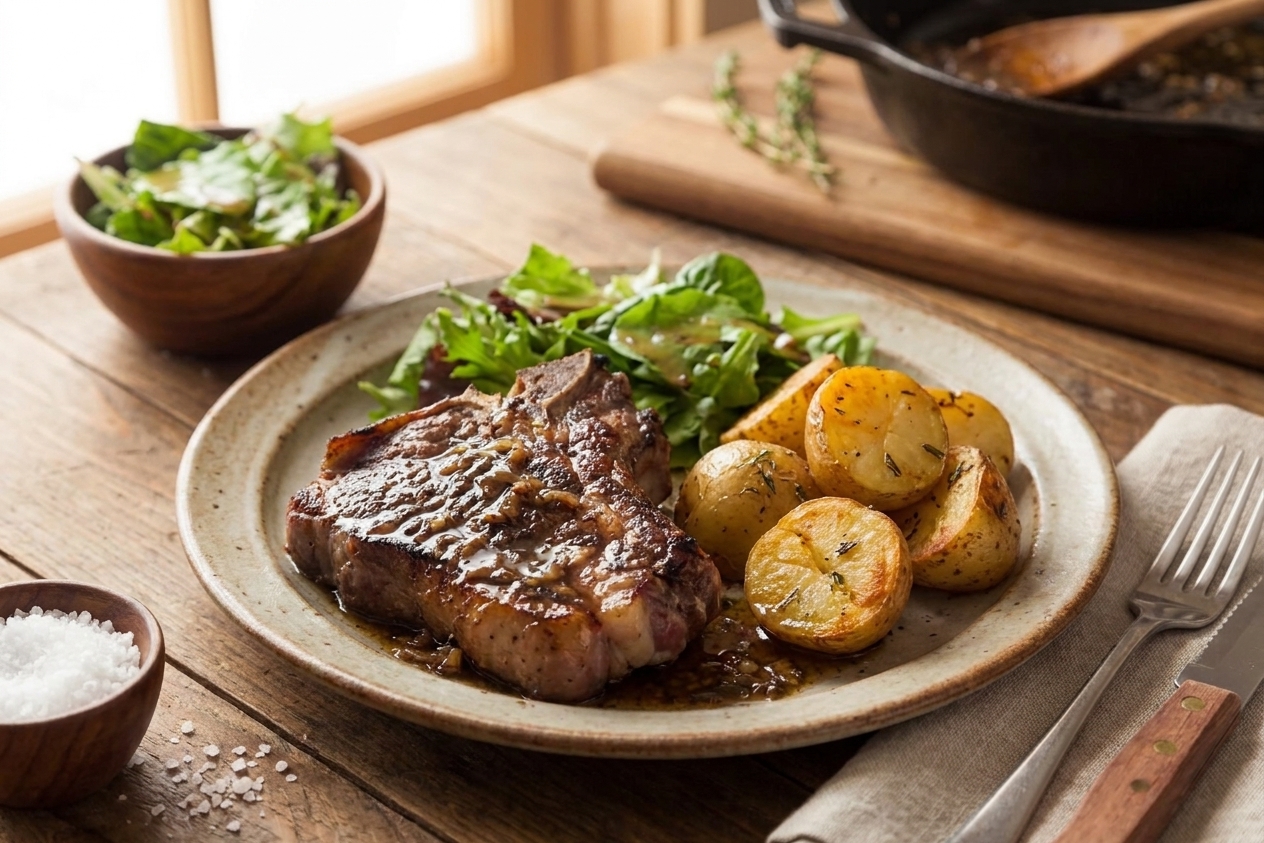
Two lamb shoulder chops sizzling in a cast iron skillet with foaming butter and rosemary, photographed on a home stove with warm lighting

Why It Works

  • Crisp edges, tender middle: Shoulder chops have enough fat to brown beautifully without drying out fast.
  • Built-in flavor: Lamb brings its own richness, so a simple garlic, rosemary, and lemon combo tastes huge.
  • One skillet plan: Sear, finish, sauce. Fewer dishes and all the browned bits end up where they belong.
  • Flexible doneness: Cook to your comfort. Medium-rare is great for lamb, but you can take it further without wrecking the meal if you watch temp.

Pairs Well With

Storage Tips

Fridge: Cool leftovers, then store lamb and sauce together in an airtight container for up to 3 days.

Freezer: Freeze in a freezer-safe container for up to 2 months. The sauce may separate a little after thawing, but it comes back together when warmed gently.

Reheat without sadness: Warm in a covered skillet over low heat with a splash of water or broth until just heated through. If you have a microwave, use 50% power in short bursts. Lamb goes from juicy to chewy fast if you blast it.

Leftover move I love: Slice the lamb thin, warm it in the sauce, then pile it into a pita with cucumbers, yogurt, and a squeeze of lemon.

Common Questions

Are lamb shoulder chops tender?

They can be very tender, but they are not the same as loin chops. Shoulder chops have more connective tissue and fat, which is great for flavor. They often do best with a hard sear and a gentle finish, and they can vary a bit by thickness and how much connective tissue you got in the package. The key is not overcooking them. Sear hard, finish gently, and rest so the juices stay put.

What internal temperature should I cook lamb shoulder chops to?

  • Medium-rare: pull at 130 to 135°F, rest to 135 to 140°F
  • Medium: pull at 140 to 145°F, rest to 145 to 150°F
  • Medium-well: pull at 150 to 155°F
  • Well-done: 160°F and up

Food safety note: The USDA safe minimum for whole cuts of lamb is 145°F with a 3-minute rest. Many people prefer lamb lower than that for texture. Choose what makes you happiest, just use a thermometer.

Can I cook lamb shoulder chops on the stovetop only?

Yes. Keep the heat at medium after searing and flip often until they hit your target temp. The oven finish is simply an easier way to avoid burning the outside while the inside catches up.

Why are my lamb chops tough?

Most often it is one of these: overcooked, not rested, or cooked at too low a heat so they steamed instead of seared. Shoulder chops also vary in thickness and connective tissue. Use a thermometer, aim for a strong sear, and let carryover cooking do the last few degrees while they rest.

What can I substitute for rosemary?

Thyme is the easiest swap. Oregano works too, especially if you lean into a more Greek vibe with extra lemon and a little cumin.
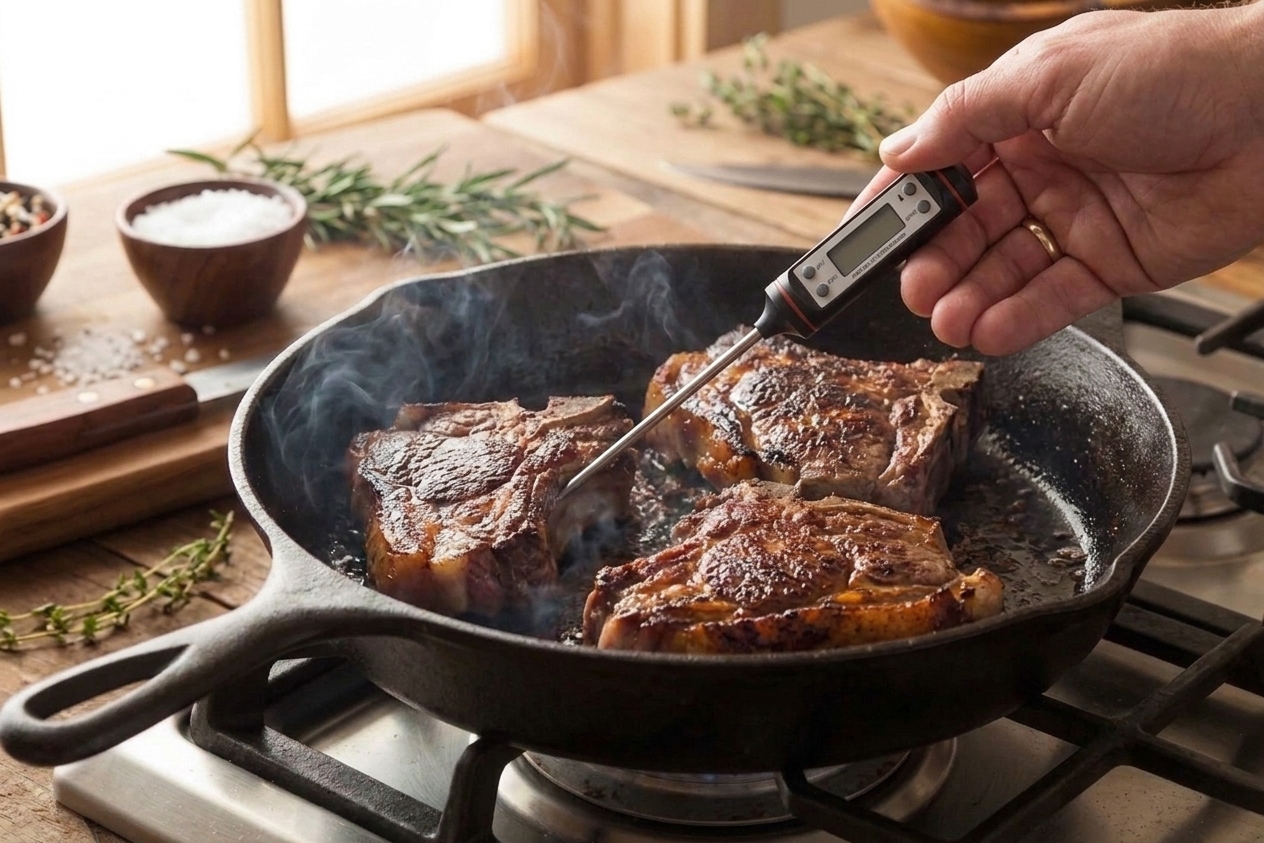

An instant read thermometer being inserted into the thickest part of a lamb shoulder chop in a skillet on a home stove

I used to think lamb was an “event” meat, like you needed a holiday, a plan, and possibly a tiny panic attack. Then I met the humble shoulder chop. It is scrappy in the best way. More flavor, more marbling, more forgiveness, and it rewards you for doing the simple things well.

This is the kind of dinner I make when I want the kitchen to feel alive. A hot skillet, garlic hitting oil, rosemary doing its piney magic, and that moment when you squeeze in lemon and the whole pan smells like you just upgraded your life. It is not fussy. It is just very, very satisfying.