What cut of lamb should I use for roasting?
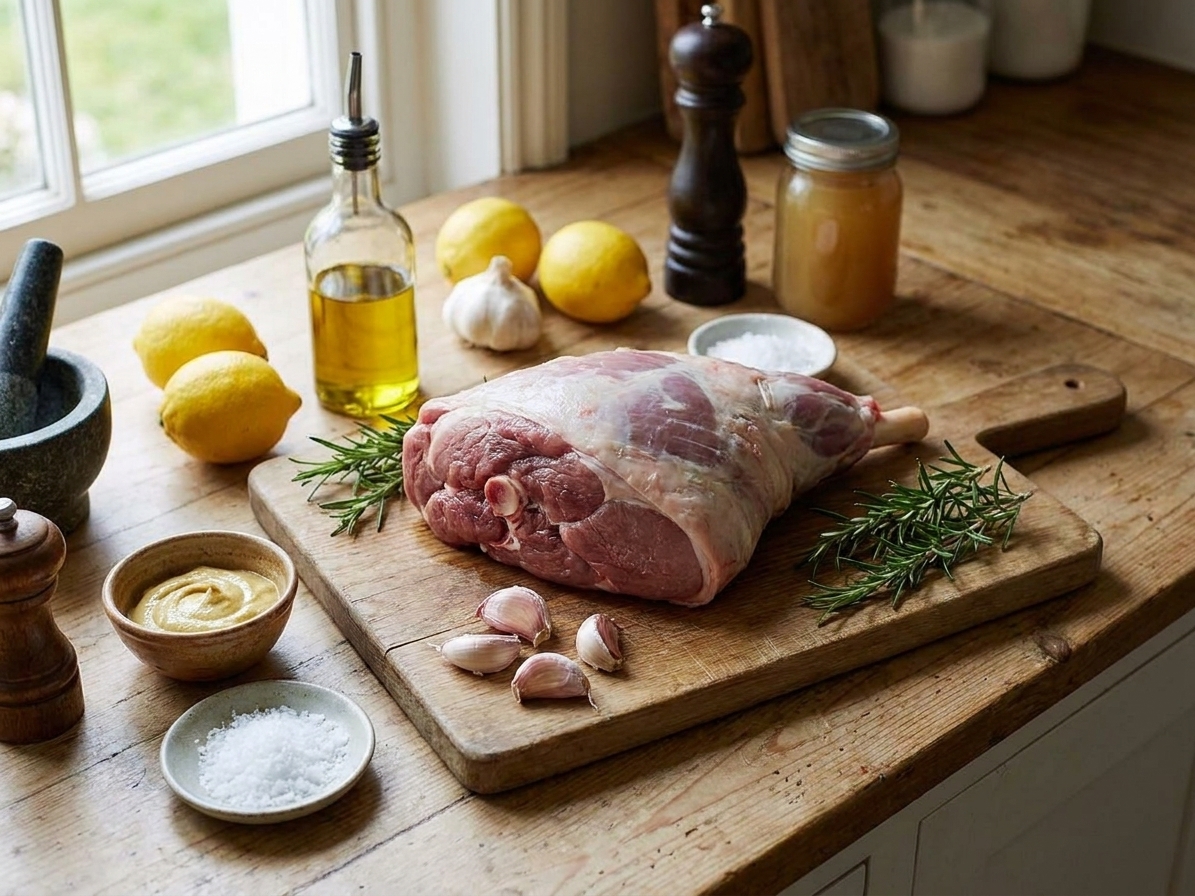
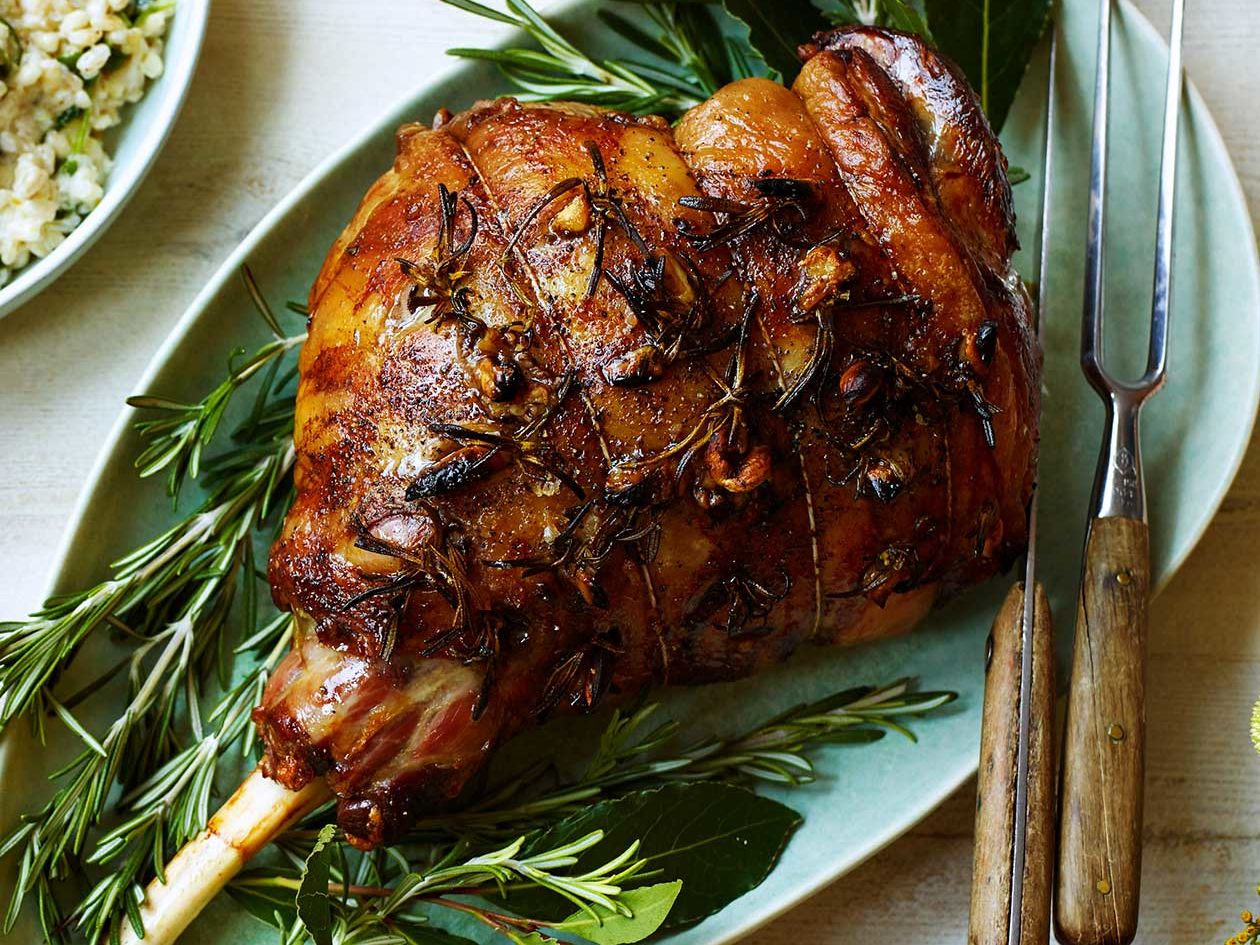
A boneless leg of lamb is the easiest all-around choice because it cooks evenly and slices cleanly. A bone-in leg also works, it just takes a bit longer. Lamb shoulder is delicious but takes longer and is better for slow roasting.
What internal temperature should lamb be?
For this recipe, I recommend pulling the lamb at:
- Rare: 120°F to 125°F (it may rise about 5°F to 10°F while resting)
- Medium-rare: 125°F to 130°F (may rise about 5°F to 10°F)
- Medium: 135°F (may rise about 5°F to 10°F)
- Medium-well: 145°F (may rise about 5°F to 10°F)
- Well-done: 155°F+
USDA guidance for whole cuts is 145°F with a 3 minute rest, but many people prefer lamb at medium-rare to medium for tenderness and flavor. Use your comfort level and a thermometer.
Do I need to marinate lamb overnight?
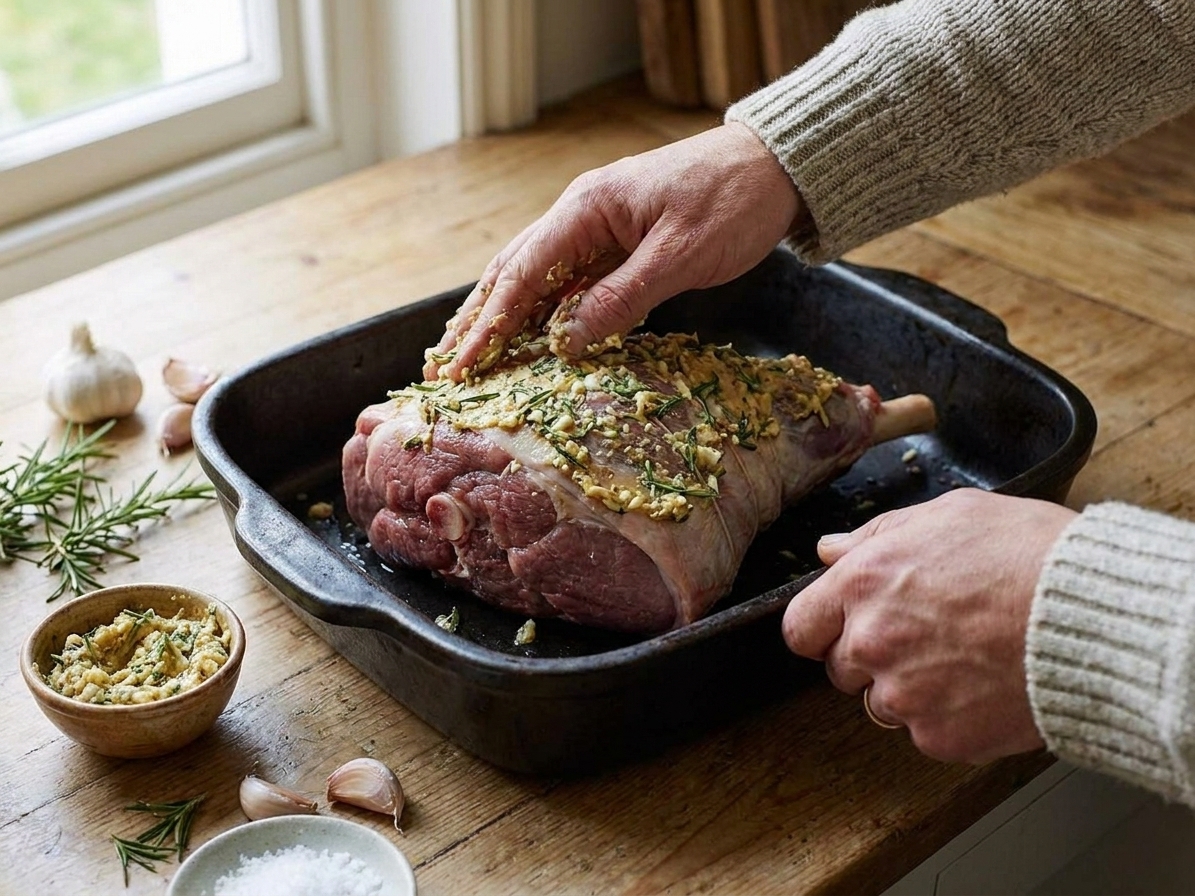
No. If you have time, a few hours is great, but even 30 minutes at room temperature while the oven heats helps. The bigger win is salting well and not overcooking.
Food safety note: Do not leave it out longer than 1 to 2 hours total (and keep it shorter if your kitchen is warm).
How do I reduce the lamb “gamey” flavor?
Lemon, garlic, rosemary, and Dijon help a lot. Also trim any very thick outer fat, and make sure the lamb is fresh. Serving with something bright like a lemony salad or yogurt sauce also balances richness.
Can I add wine to the pan sauce?
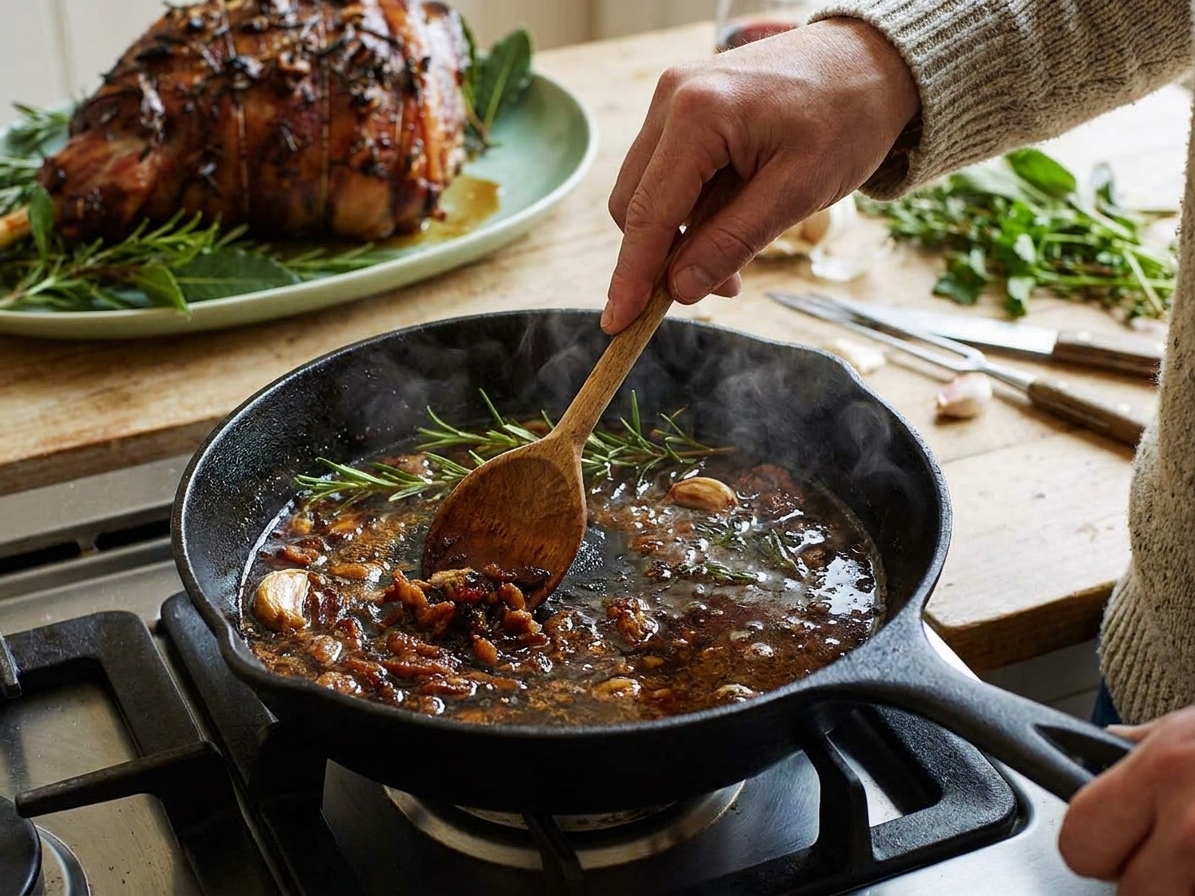
Yes, and it is great. After you skim off excess fat, deglaze the pan with 1/2 cup dry white wine (or red), simmer 1 to 2 minutes, then add the stock. Prefer no wine? Skip it and use stock plus a splash of lemon. If you want extra depth, add 1 teaspoon Worcestershire or a tiny spoon of tomato paste while the sauce simmers.
My pan sauce looks off. Now what?
Too thin: simmer a few minutes longer. Too salty: add a splash of water or unsalted stock. Too fatty: skim more fat, or chill the sauce for a few minutes so the fat firms up and lifts off easily.