Mom's Best Recipes
Recipe

Garlic Sesame Glass Noodle Stir-Fry

Glossy glass noodles tossed with crisp vegetables in a garlicky sesame soy sauce. Fast, flexible, and big on flavor.

Author By Matt Campbell
4.8
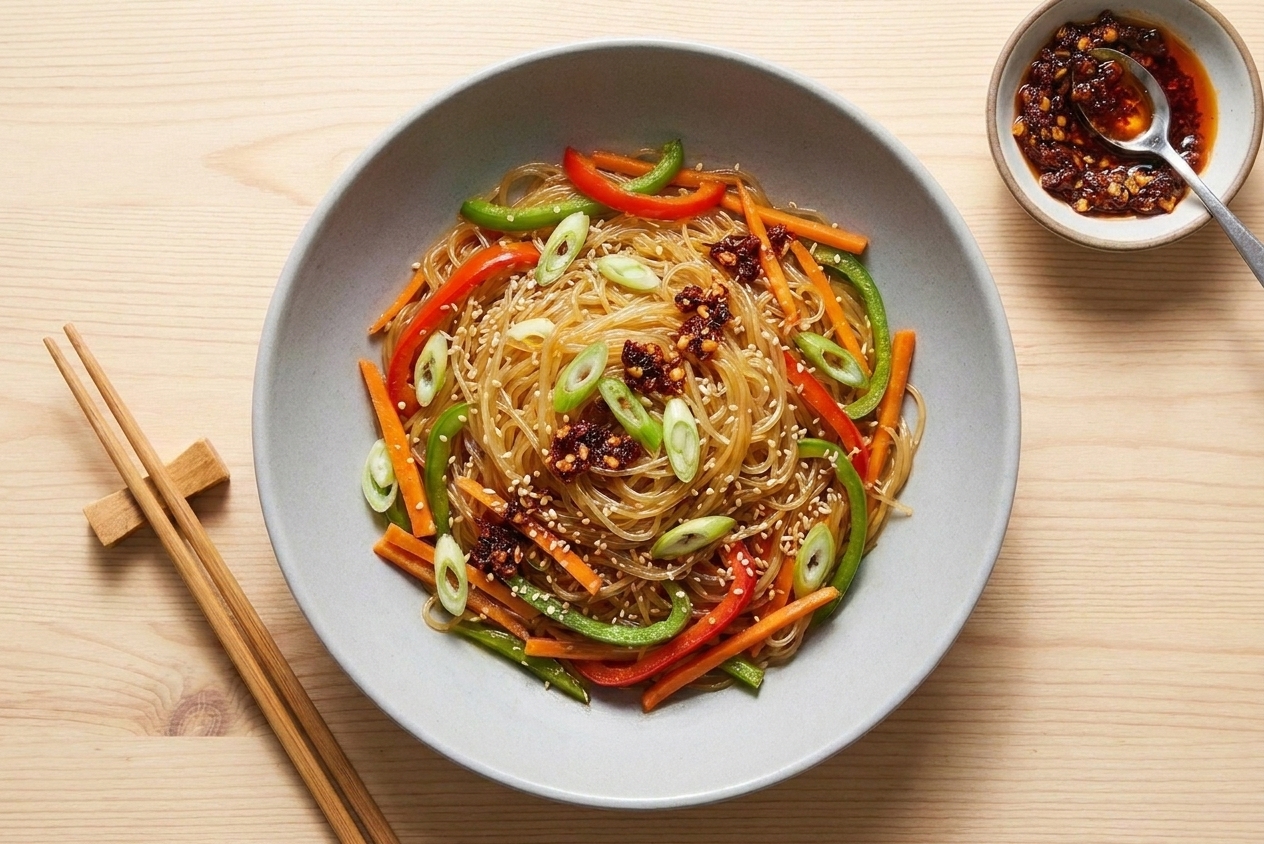
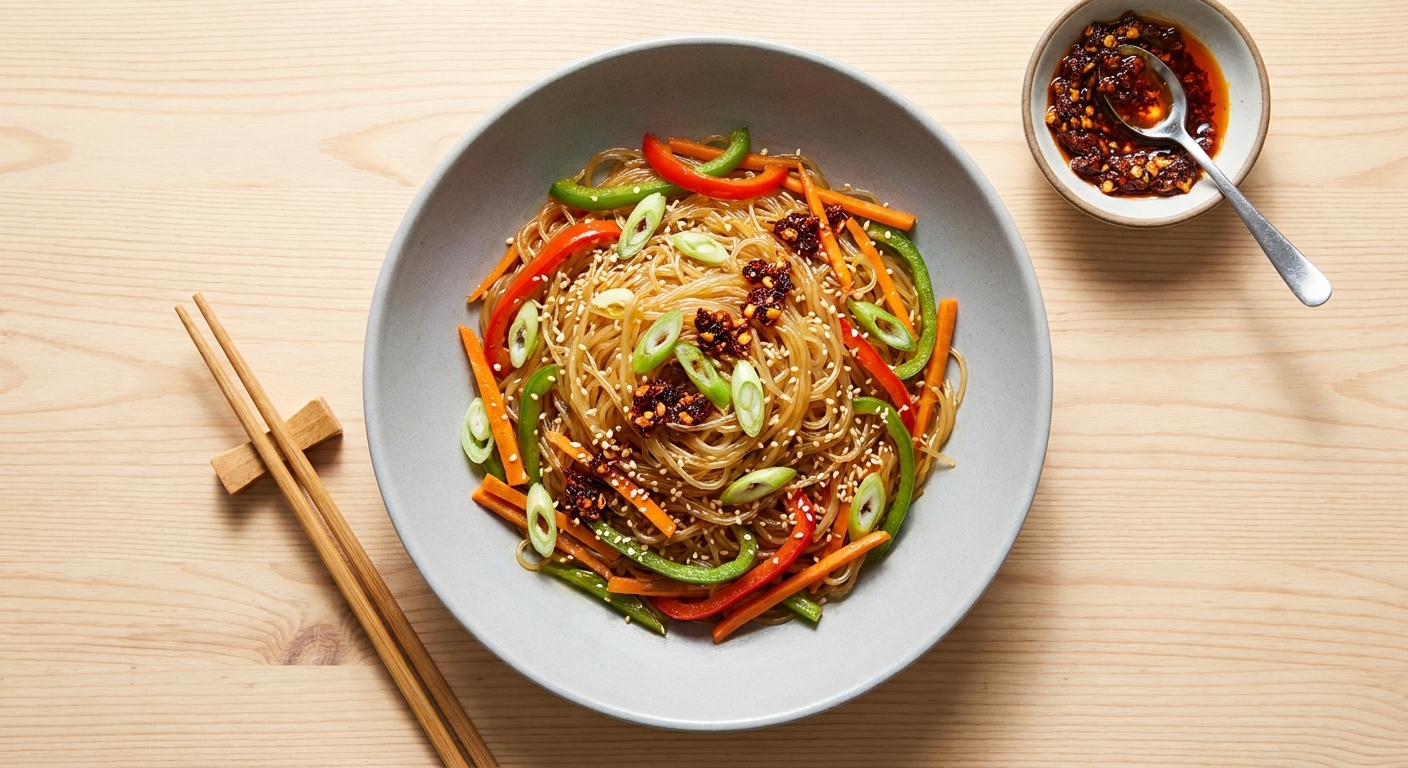
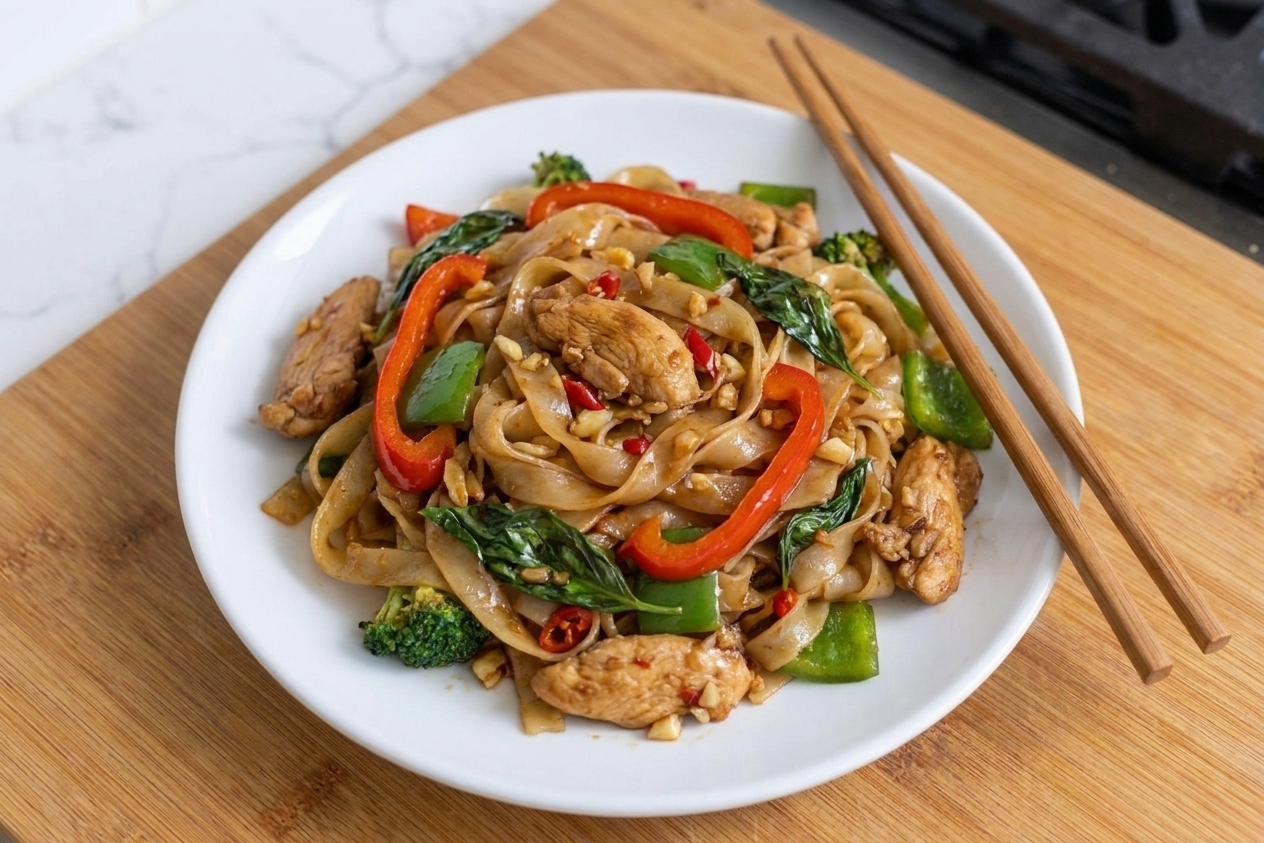
A wide shallow bowl of glossy glass noodles tossed with sautéed vegetables and sesame seeds on a light wooden table with chopsticks and a small dish of chili crisp

Glass noodles are the kitchen equivalent of a good pair of sneakers. They go with everything, they are low drama, and once you figure out how they work, you will reach for them constantly.

These noodles, sometimes labeled bean thread or mung bean vermicelli, cook fast and soak up sauce like they have a personal vendetta against bland food. This stir-fry is my favorite way to use them because you get crisp edges on the veggies, a bright, garlicky sauce, and that slippery noodle texture that makes you keep “just tasting” straight from the pan.

Use whatever vegetables you have, add a protein if you want, and do not stress. The only real rule is this: salt your sauce, not your noodles. Glass noodles are basically flavor sponges, so the sauce is where the magic lives.
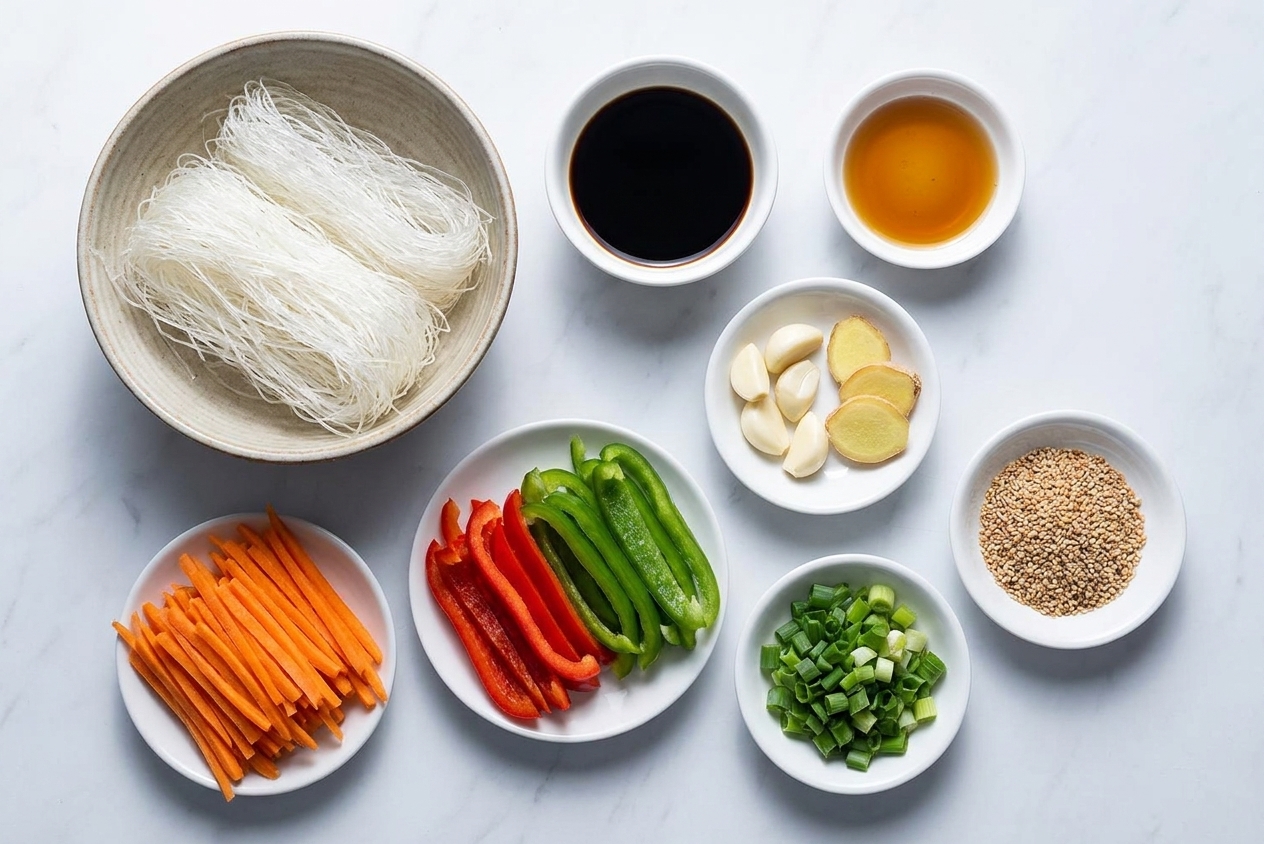
Glass noodles, soy sauce, sesame oil, garlic, ginger, carrots, bell pepper, green onions, and sesame seeds arranged neatly on a bright kitchen counter

Why It Works

  • Springy, not gummy noodles: a quick soak and a fast toss in the pan keeps glass noodles bouncy instead of clumped.
  • Bold sauce that clings: soy, sesame, rice vinegar, and a touch of honey create that glossy coating you want.
  • Vegetables stay crisp: high heat and a short cook time gives you color and crunch.
  • Flexible and pantry-friendly: swap in whatever produce and protein you have without losing the vibe.

Pairs Well With

Storage Tips

Refrigerate: Store leftovers in an airtight container for up to 3 to 4 days. I prefer 3 days for the best noodle texture.

Prevent clumping: Toss noodles with a small splash of water and a few drops of sesame oil before sealing the container. They like to stick together as they chill.

Reheat: Warm in a skillet over medium heat with 1 to 2 tablespoons water to loosen the sauce. Microwave works too, but do it in short bursts and stir often.

Freezing: I do not love freezing this. Glass noodles can turn brittle and watery after thawing. If you must, freeze in a flat layer and reheat gently in a pan, expecting a softer texture.

Common Questions

What are glass noodles made of?

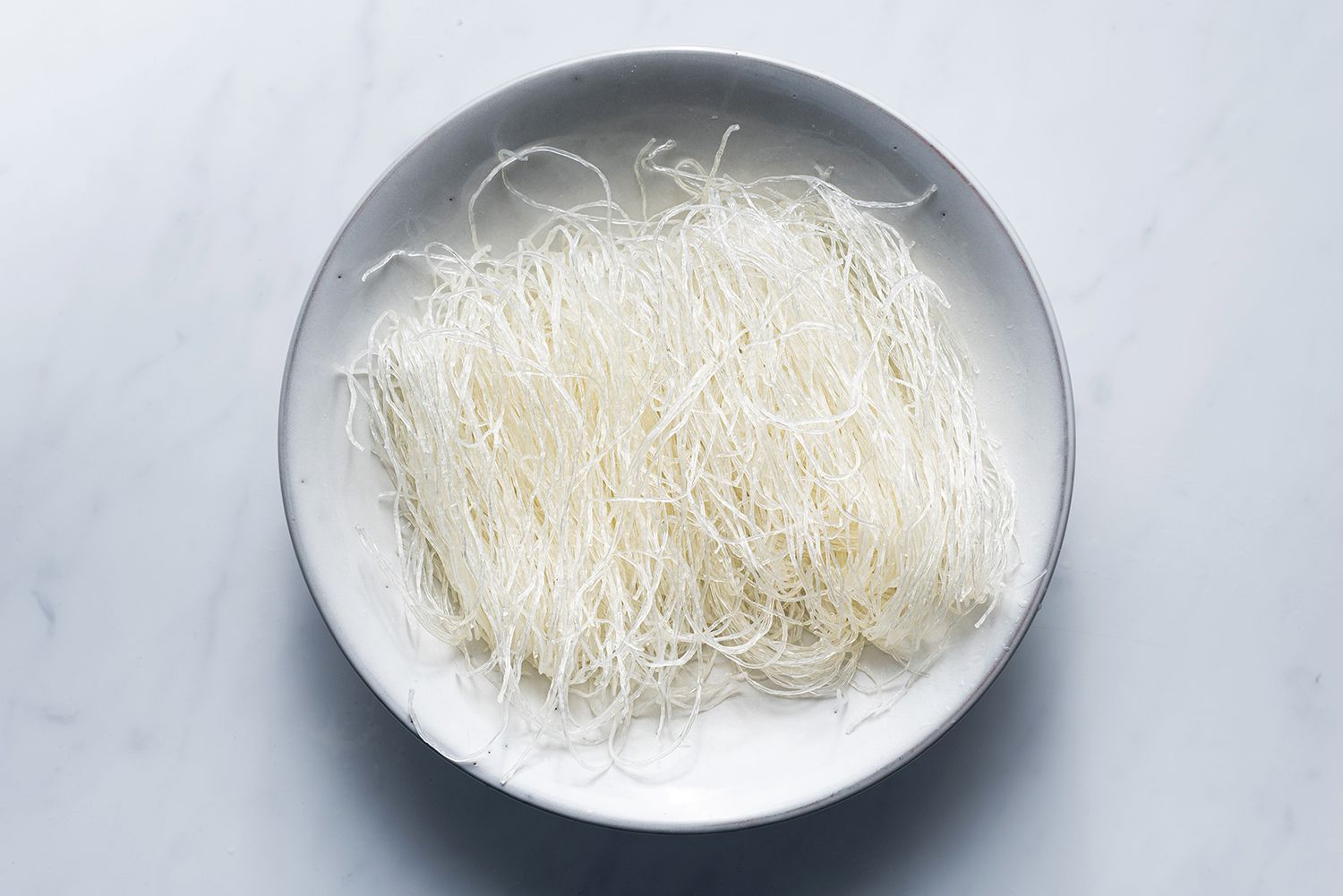
Most glass noodles are made from mung bean starch, although you will also see sweet potato starch or potato starch versions. They turn transparent when cooked, which is where the “glass” part comes from.

Do I need to boil glass noodles or just soak them?

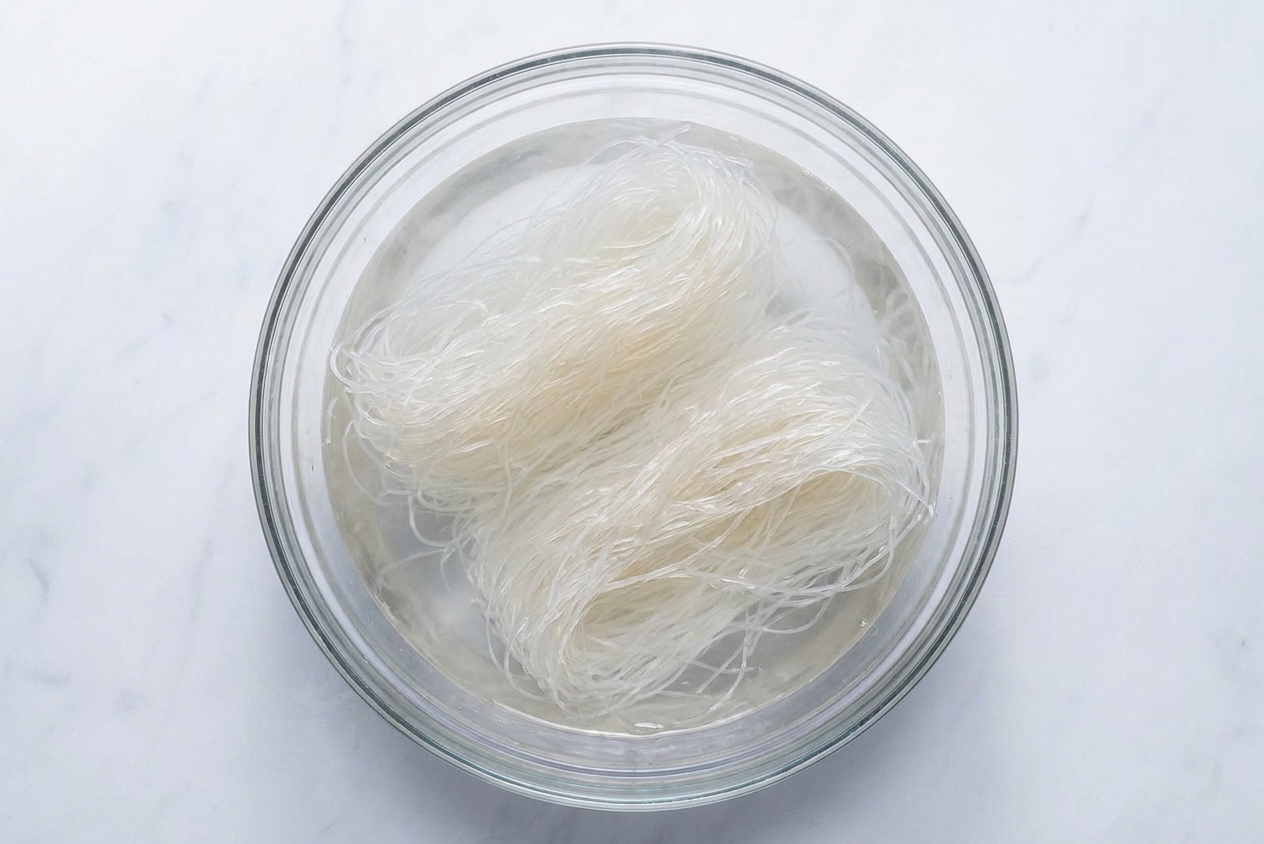
It depends on the brand and thickness. Many mung bean glass noodles soften fully with a near-boiling water soak (about 6 to 10 minutes). Thicker noodles sometimes need a brief simmer. Check the package, but in this recipe, a hot soak plus a quick stir-fry finish gets you the best texture.

Why did my glass noodles turn gummy?

Usually one of three things: over-soaking, overcooking, or letting them sit in the pan without enough sauce and movement. Keep the soak short, rinse, drain well, and toss quickly over heat.

Can I make this gluten-free?

Yes. Glass noodles are often gluten-free, but always double check the label for mixed formulations and cross-contamination. Swap soy sauce for tamari or gluten-free soy sauce.

What protein goes best with glass noodles?

Ground pork, shrimp, tofu, shredded rotisserie chicken, or thin-sliced beef all work. If you add protein, cook it first, remove it, then add it back when you toss in the noodles and sauce.

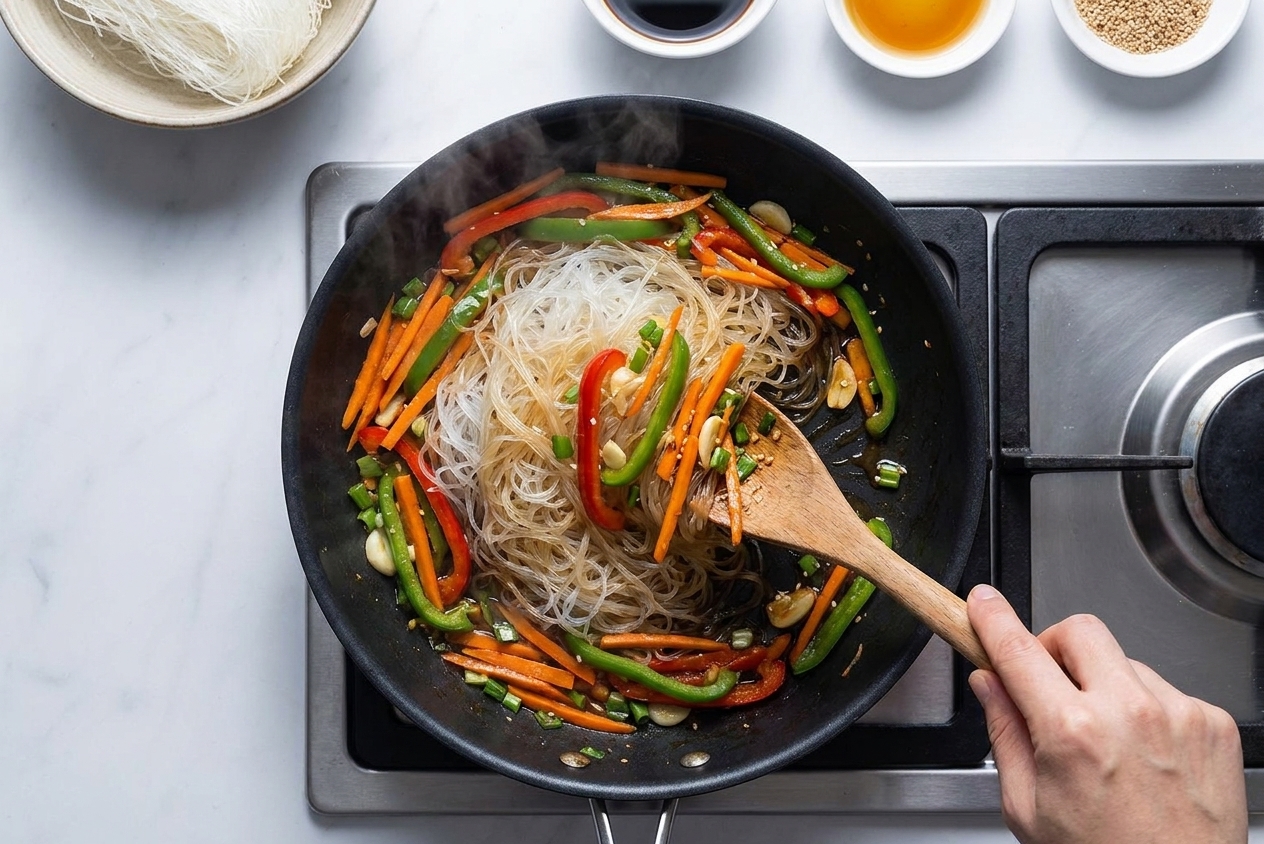
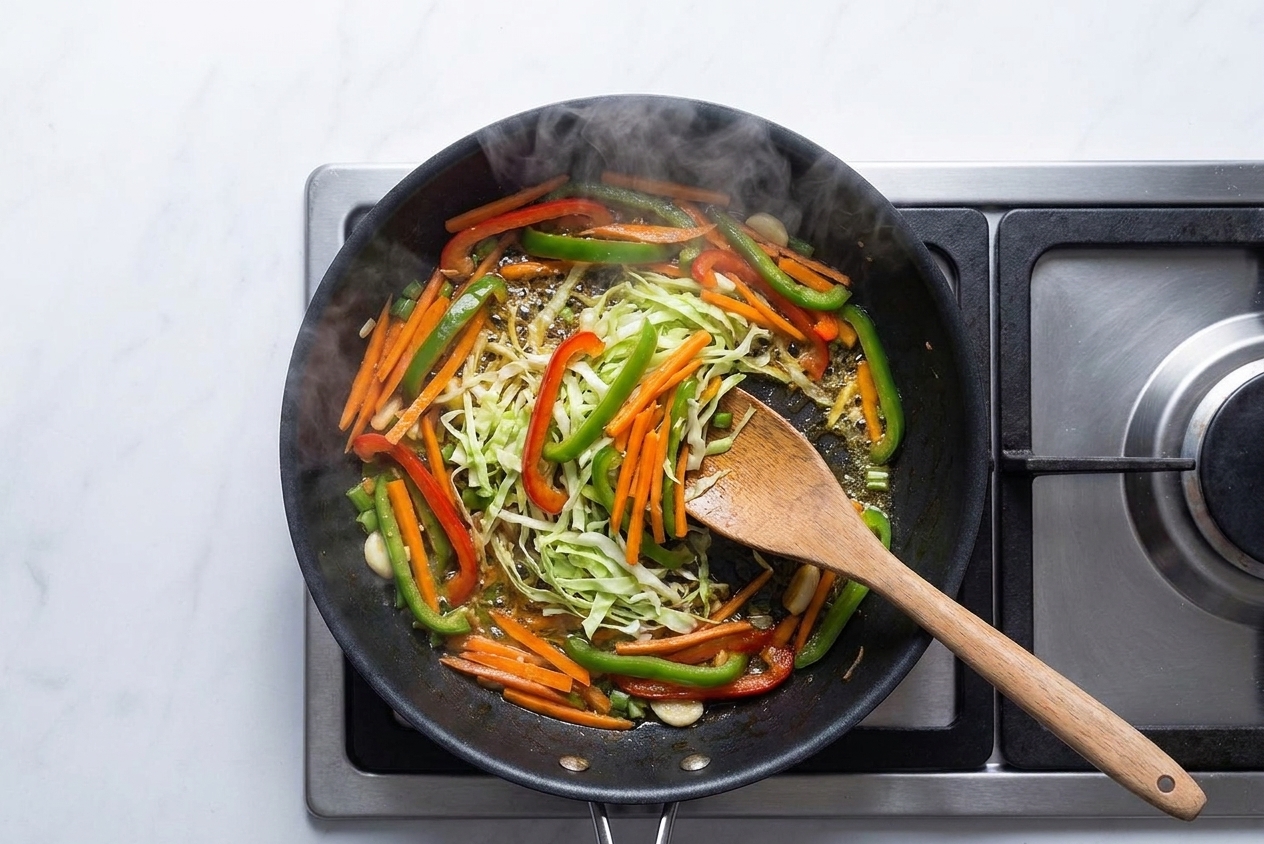
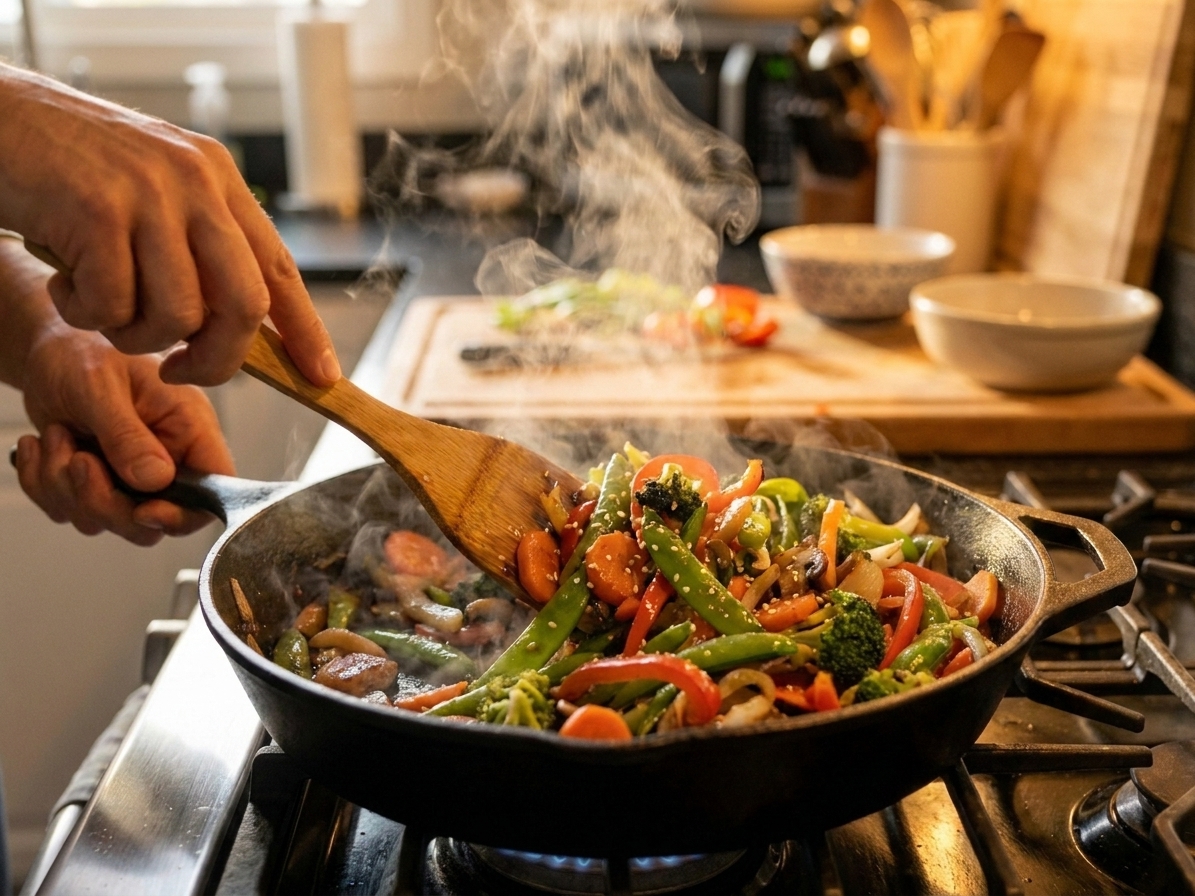
Glass noodles being tossed with sautéed vegetables in a black pan on a stovetop, with a wooden spoon mid-stir

I was the kind of home cook who bought glass noodles, used them once, then let the rest of the package live in the pantry like a weird little time capsule. The first time I made them, I over-soaked them into a slippery blob and blamed the noodles like it was their fault.

Then I tried again with a shorter soak, a hotter pan, and a sauce that actually had something to say. Suddenly it clicked. Glass noodles are not here to be the star on their own. They are here to carry the star, which is usually garlic, sesame, and whatever crunchy vegetables you have rolling around in the produce drawer.