Mom's Best Recipes
Recipe

German Buttercream

A silky pastry-cream buttercream that tastes like vanilla ice cream and spreads like a dream.

Author By Pip
4.8
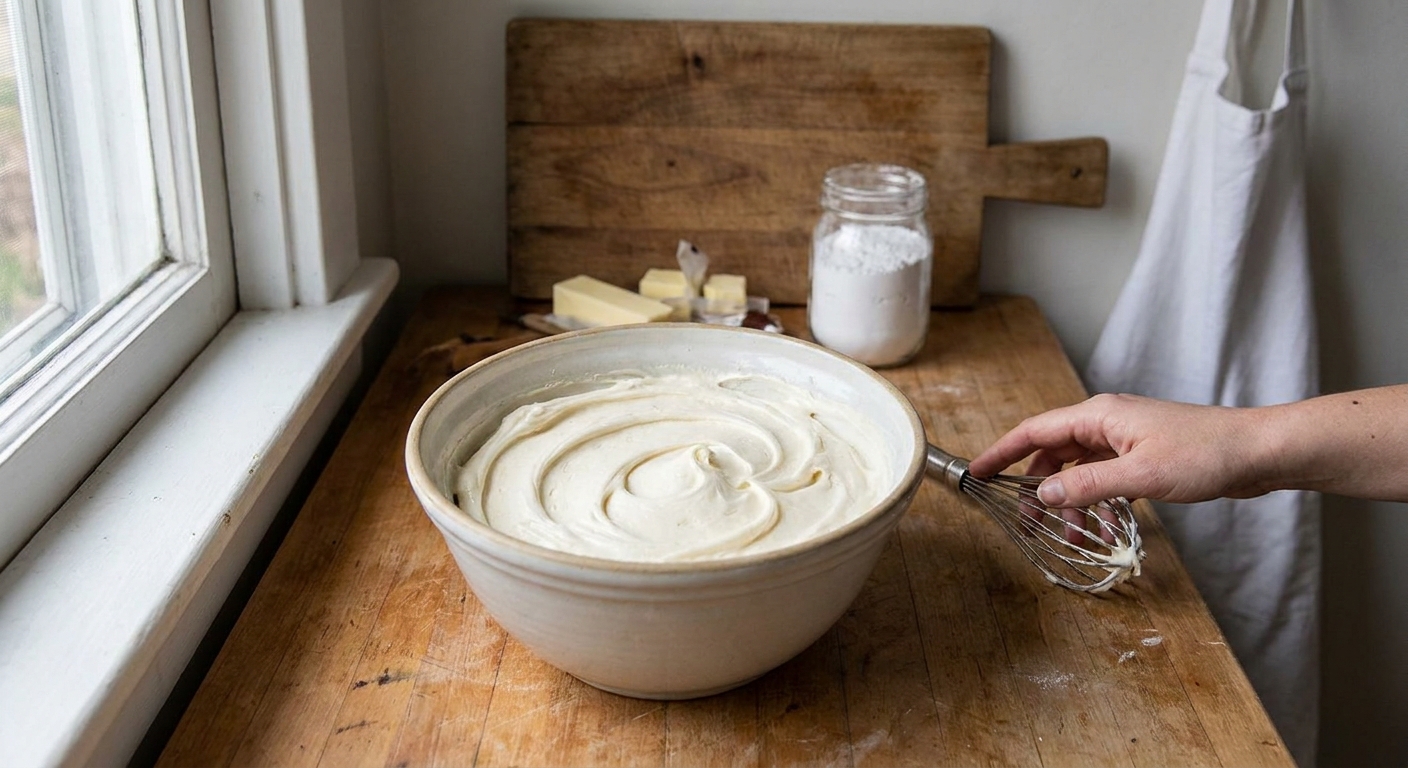
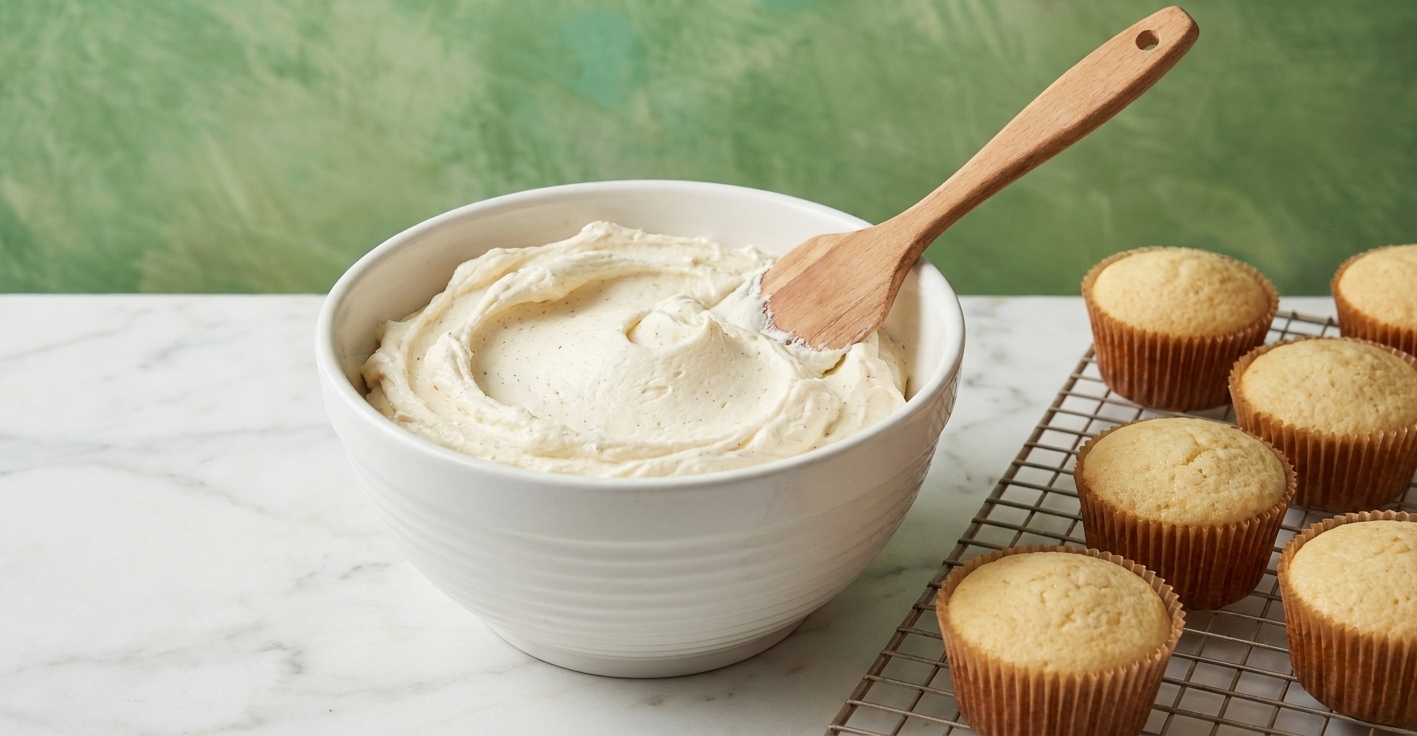
A bowl of pale, silky German buttercream with soft swirls on a clean kitchen counter, natural window light

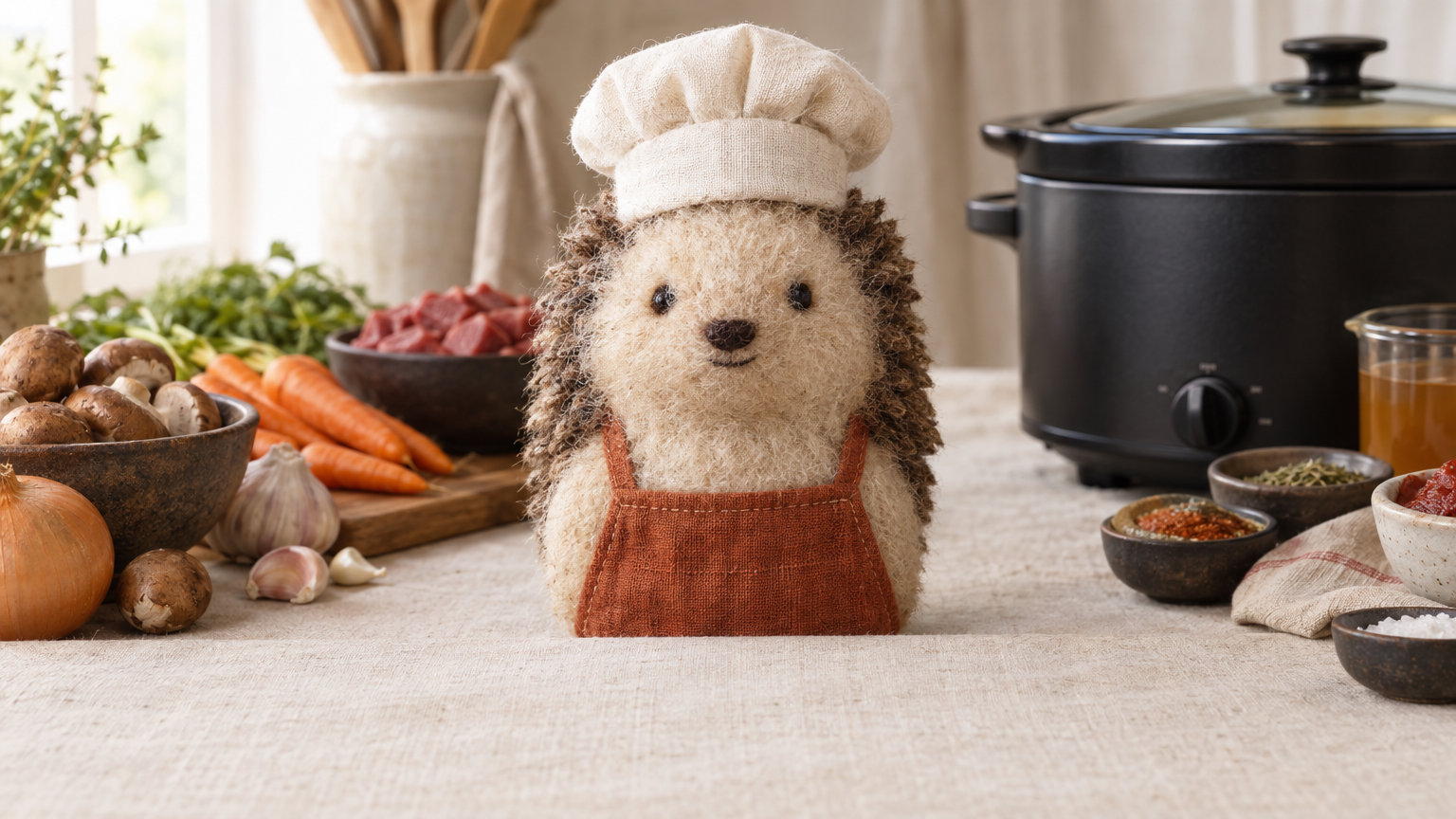
Pull up a chair. Our little hedgehog host is here with a frosting that feels fancy but behaves once you know its one big secret: temperature.

German buttercream is not the powdered-sugar kind. It is the cozy, custardy kind. You cook a thick pastry cream using either cornstarch or flour, cool it completely, then whip in butter until it turns light and smooth. The result tastes like a dreamy vanilla pudding cloud that just happens to frost cakes beautifully.

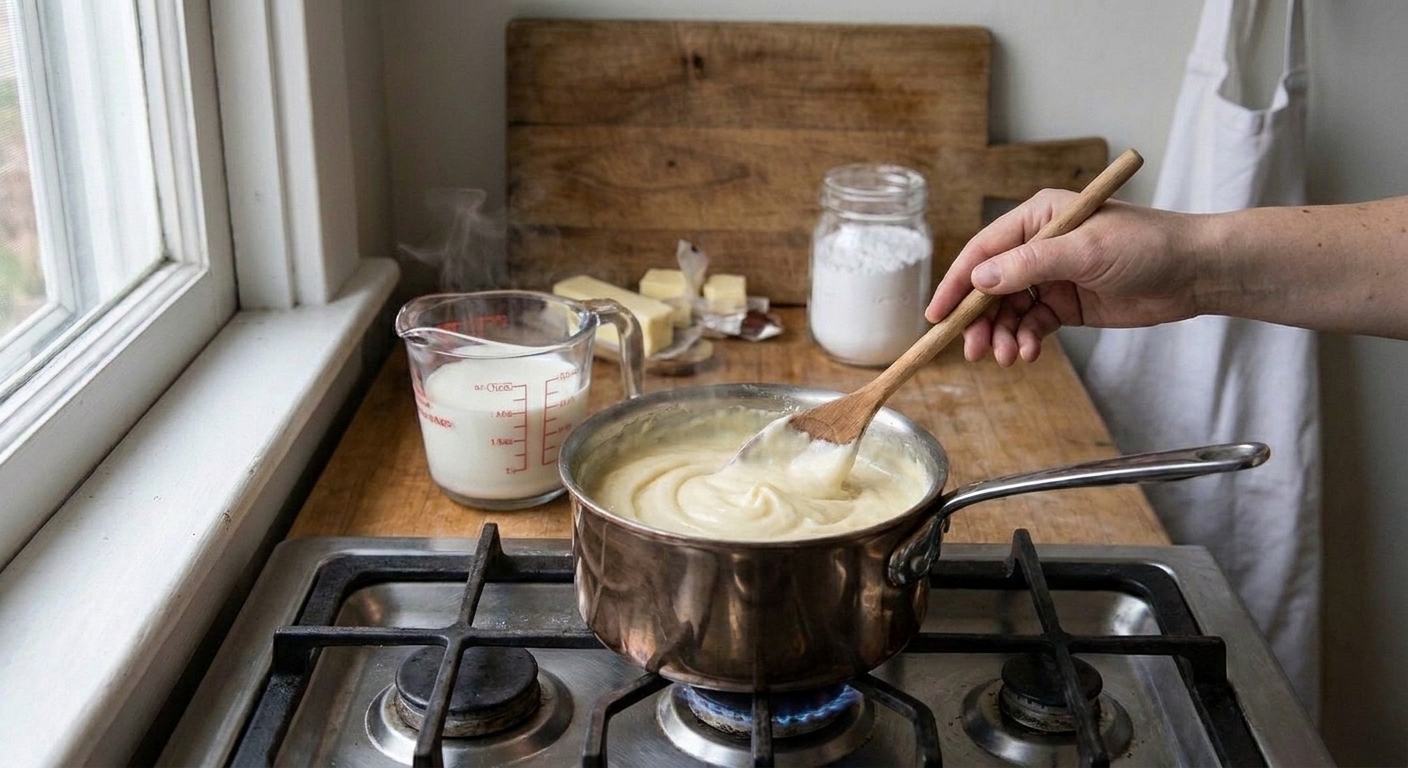
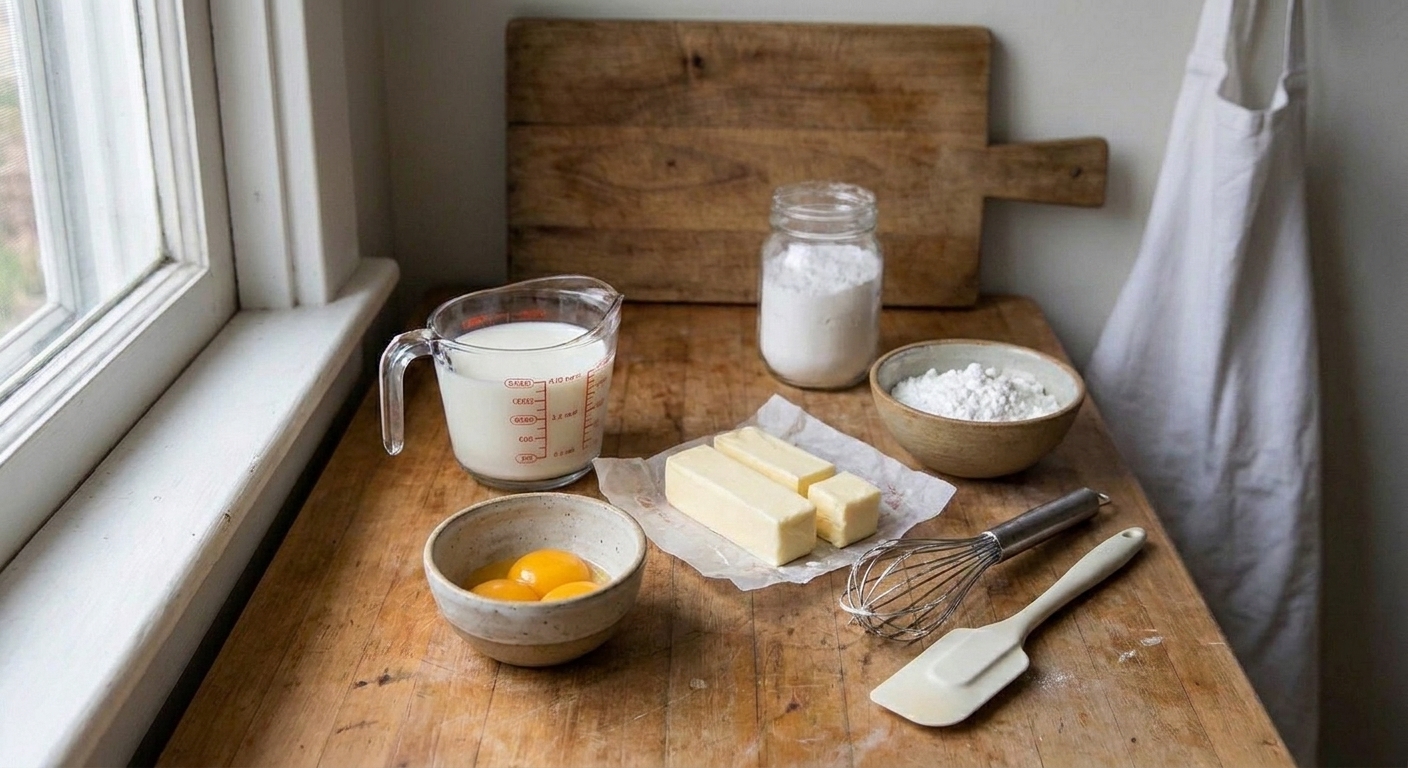
A small saucepan of thick vanilla pastry cream being whisked on a stovetop, with a wooden spoon and milk nearby

Why It Works

  • Silky and not overly sweet, with a rich dairy flavor like custard or ice cream.
  • Great for filling and frosting layer cakes, cupcakes, and sandwich cookies.
  • Holds detail for swirls and borders in a cool room while staying creamy on the tongue.
  • Easy to flavor with chocolate, coffee, fruit reductions, or nut pastes.

Pairs Well With

Storage Tips

How to Store German Buttercream

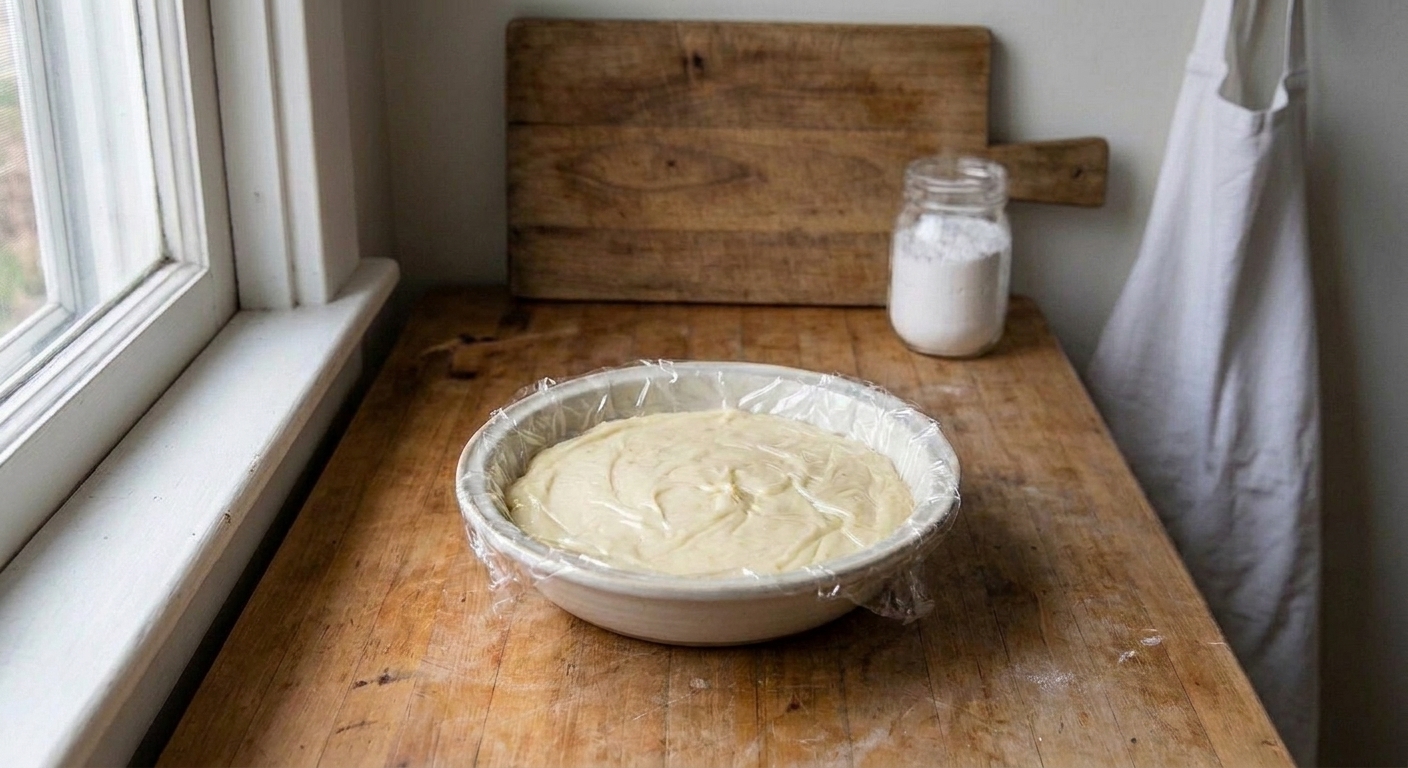
Refrigerator: Store in an airtight container for up to 5 days. Press plastic wrap directly onto the surface to prevent a skin and protect it from fridge smells.

Before using again: German buttercream firms up when chilled. Let it sit at room temperature until it is soft enough to dent with a finger, then rewhip briefly to restore the fluffy texture.

Freezer: Freeze airtight for up to 2 months for best quality. Thaw overnight in the refrigerator, then bring to cool room temperature and rewhip. If it looks separated, keep mixing. It usually comes back together once the temperature evens out.

Frosted cakes: Because this is a custard-based buttercream, refrigerate frosted cakes. For best texture, let slices sit out 20 to 40 minutes before serving so the frosting turns creamy again.

Common Questions

Common Questions

Cornstarch or flour, which is better?

Both work. Cornstarch gives a slightly glossier, cleaner-tasting pastry cream and a very smooth buttercream. Flour can taste a bit more old-school and creamy, and it is a little more forgiving if you simmer a touch longer. If you are sensitive to any starchy aftertaste, use flour and cook it thoroughly. If you want the silkiest finish, choose cornstarch.

Why did my buttercream curdle or look chunky?

German buttercream curdles when the butter and pastry cream are at different temperatures. Most often, the pastry cream is too cold and the butter is warmer, or vice versa. Ideally, both should be at cool room temperature before you combine them. If it does curdle, keep mixing for a minute, then adjust temperature: gently warm the bowl over a warm water bath for a few seconds at a time, or chill for 5 to 10 minutes, then whip again.

My buttercream seized and turned thick or grainy. How do I smooth it?

That is usually a temperature issue too. To smooth it, warm the outside of the mixing bowl briefly over a warm water bath, then whip. You can also melt 2 to 3 tablespoons of the buttercream in the microwave until just fluid (not hot), drizzle it back in while mixing, and watch it turn glossy and smooth.

Can I use boxed pudding instead of pastry cream?

For true German buttercream, stick with a cooked custard base. Instant pudding mixes contain added thickeners and flavors that can behave differently and may make the frosting looser or oddly bouncy.

How long does it need to chill?

The pastry cream needs time to cool fully, which usually takes 2 to 3 hours in the refrigerator. You can speed it up by spreading it in a shallow dish and pressing plastic wrap on top. After chilling, let the pastry cream sit out briefly so it is close to the butter's temperature before whipping. The finished buttercream itself does not require chilling before use, unless your kitchen is warm and it is getting too soft.

Is this safe at room temperature?

This frosting contains milk and eggs in the pastry cream base, so treat it like a perishable filling. For serving, it can sit out for about 2 hours. If your room is hot (around 90F or warmer), keep that closer to 1 hour. For storage and longer events, keep it refrigerated.
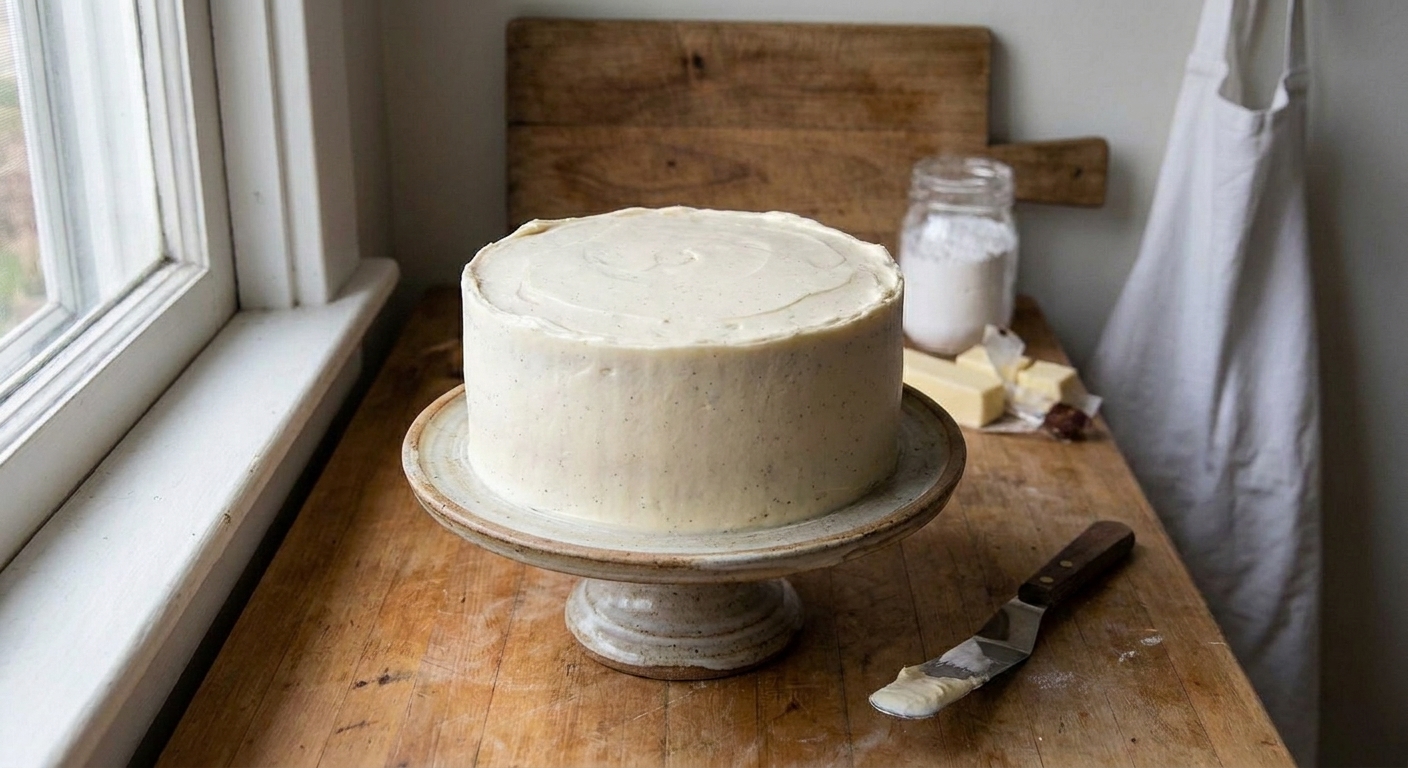
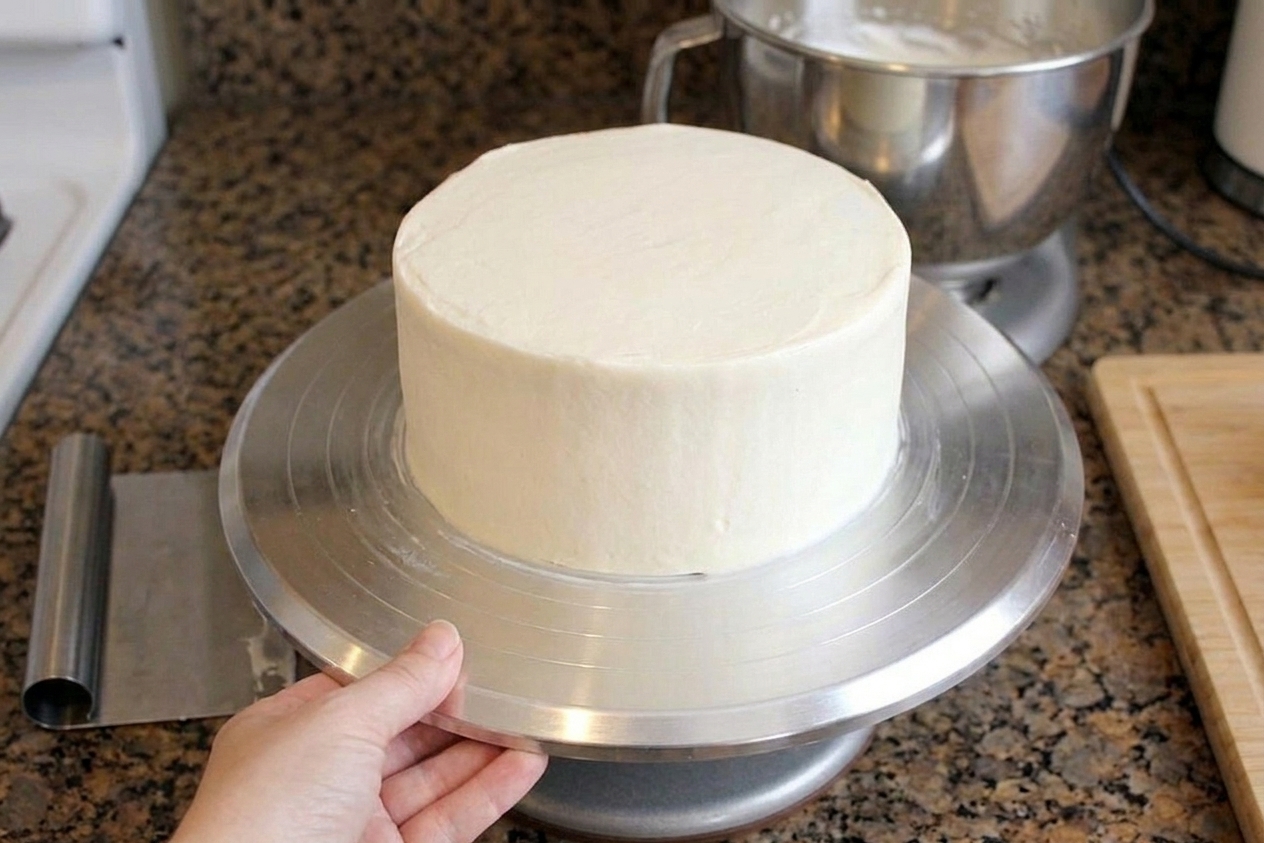
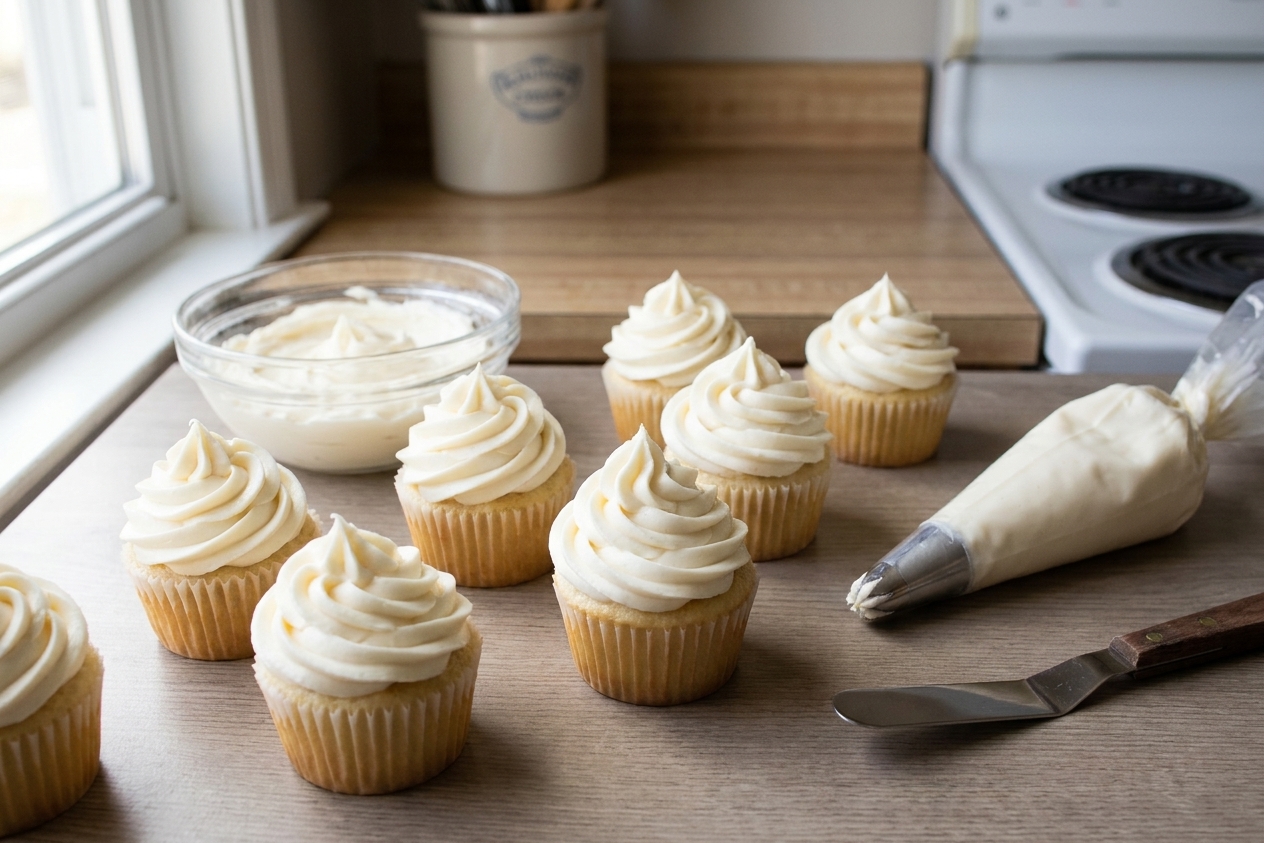
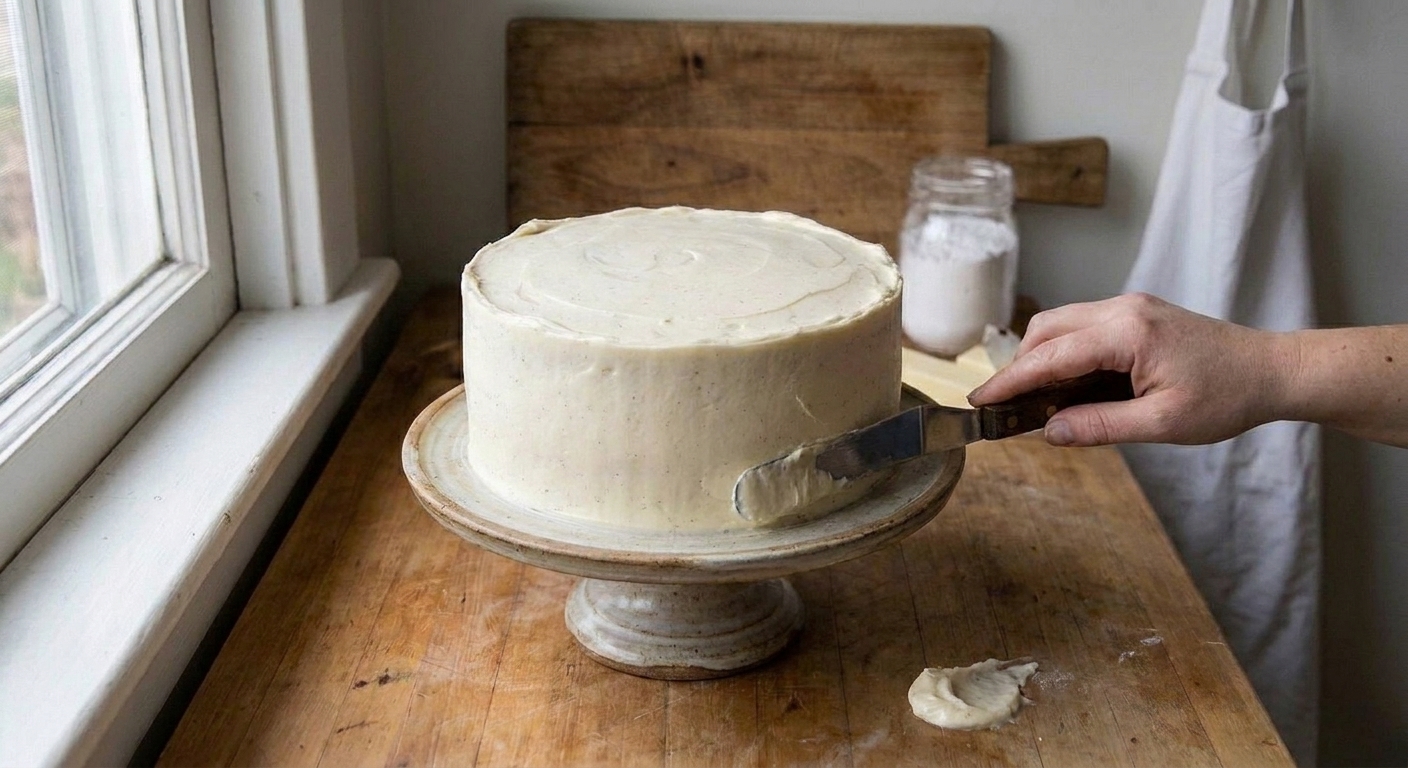
A vanilla layer cake frosted smoothly with German buttercream on a cake stand, with a small offset spatula on the counter

I keep a soft spot for frostings that feel like dessert all by themselves. German buttercream is that friend who shows up looking elegant, then admits it is basically pudding and butter. The first time you watch it go from plain custard to fluffy frosting, it feels like kitchen magic. The second time, it feels like you have a secret handshake with your mixer.