Mom's Best Recipes
Recipe

Gloop (Borax Slime)

A classic stretchy gloop made with glue and a borax solution, with easy troubleshooting so you land on that perfect squish.

Author By Matt Campbell
4.7
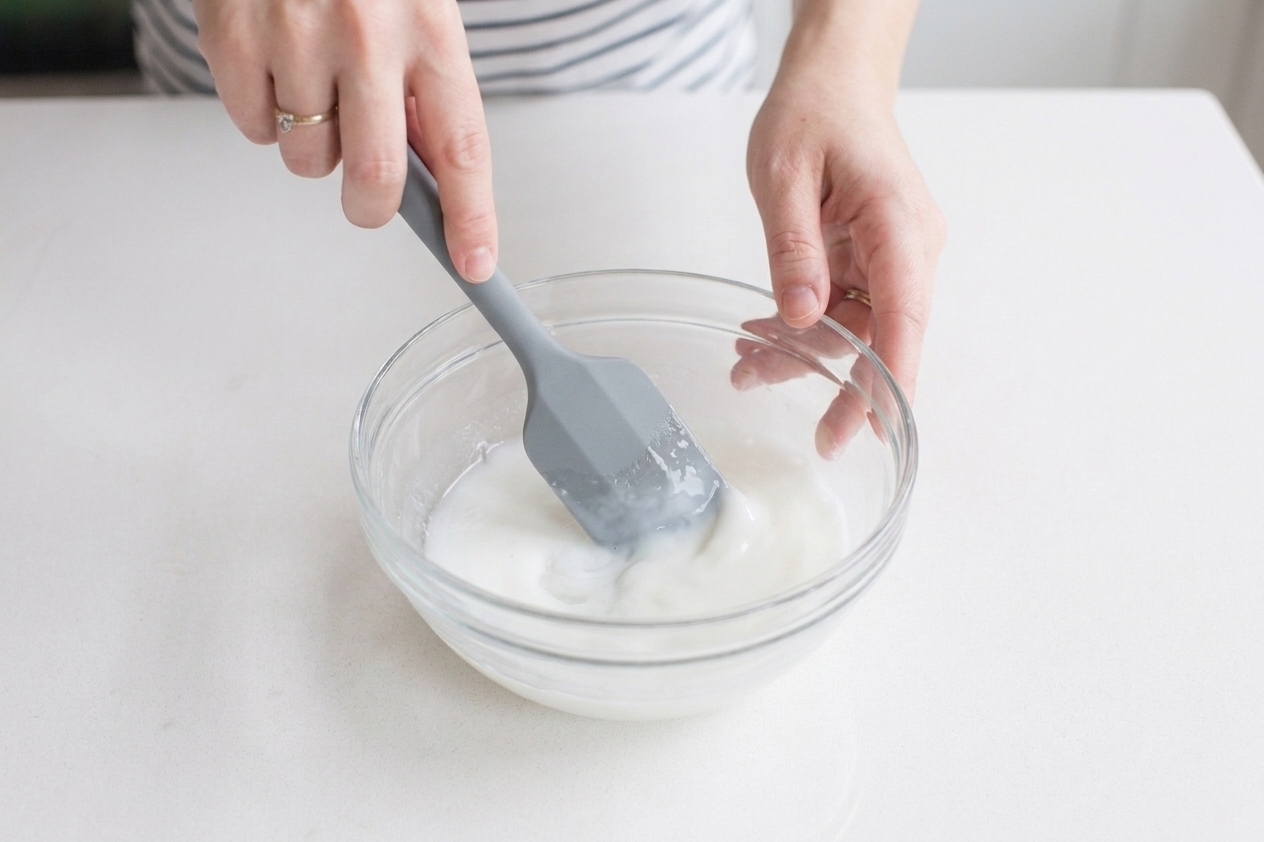
A clear glass bowl of glossy white borax slime on a light kitchen counter with a wooden spoon nearby

Gloop is that magical not quite solid, not quite liquid kitchen science that somehow turns a regular afternoon into a full-on sensory event. This is the classic borax gloop version made with school glue and a quick borax solution, which means it comes together fast and gets stretchy in a very satisfying way.

I will say it up front like the responsible kitchen friend I am. This is not edible. Borax can irritate skin and eyes and is harmful if swallowed, so this is best with a little supervision, a quick hand wash after, and a “we keep this off the couch” rule that everyone pretends is ridiculous until someone learns. Also, if you have a kiddo who still mouths objects, save this one for later.

Below you will get the exact ratios, the best way to add the borax so you do not overdo it, and my favorite fixes for sticky gloop, stringy gloop, and the dreaded rubber brick.
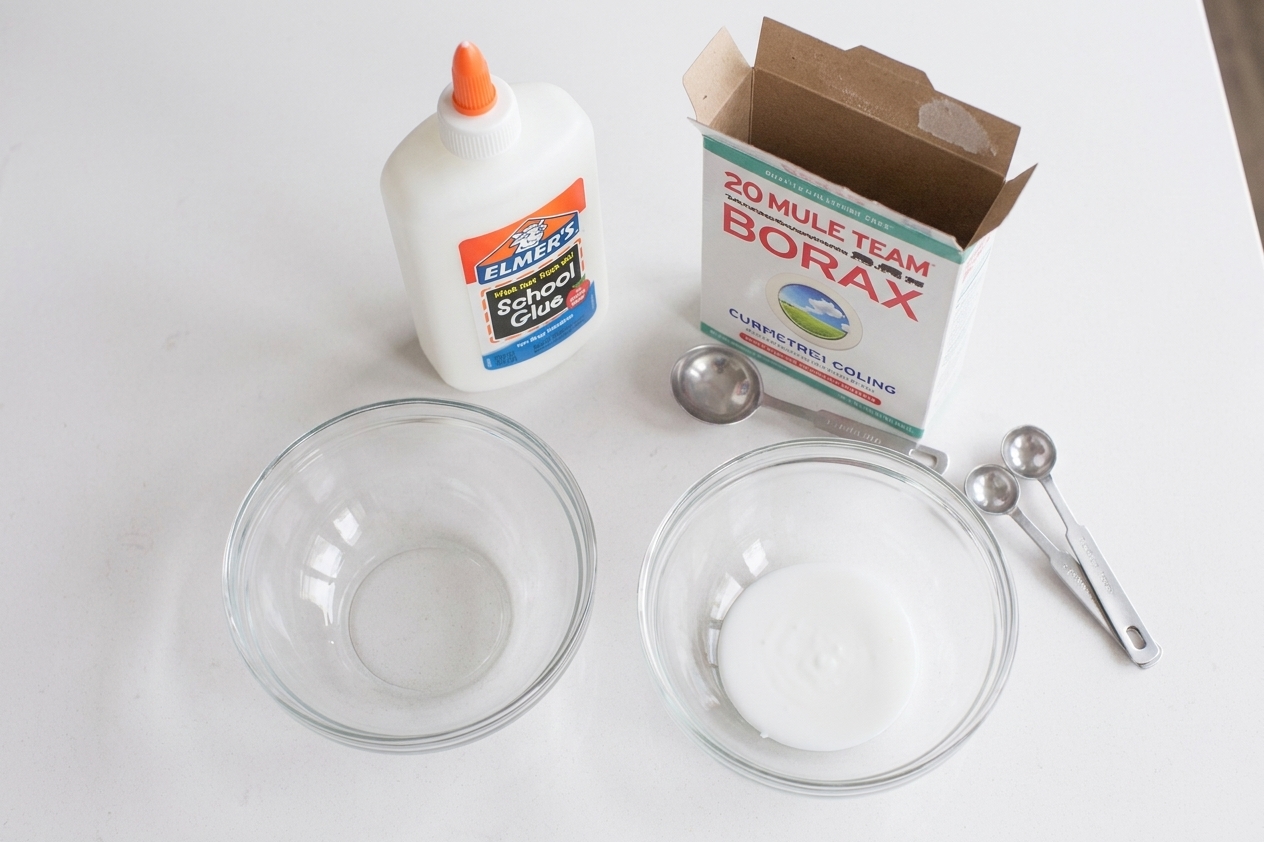
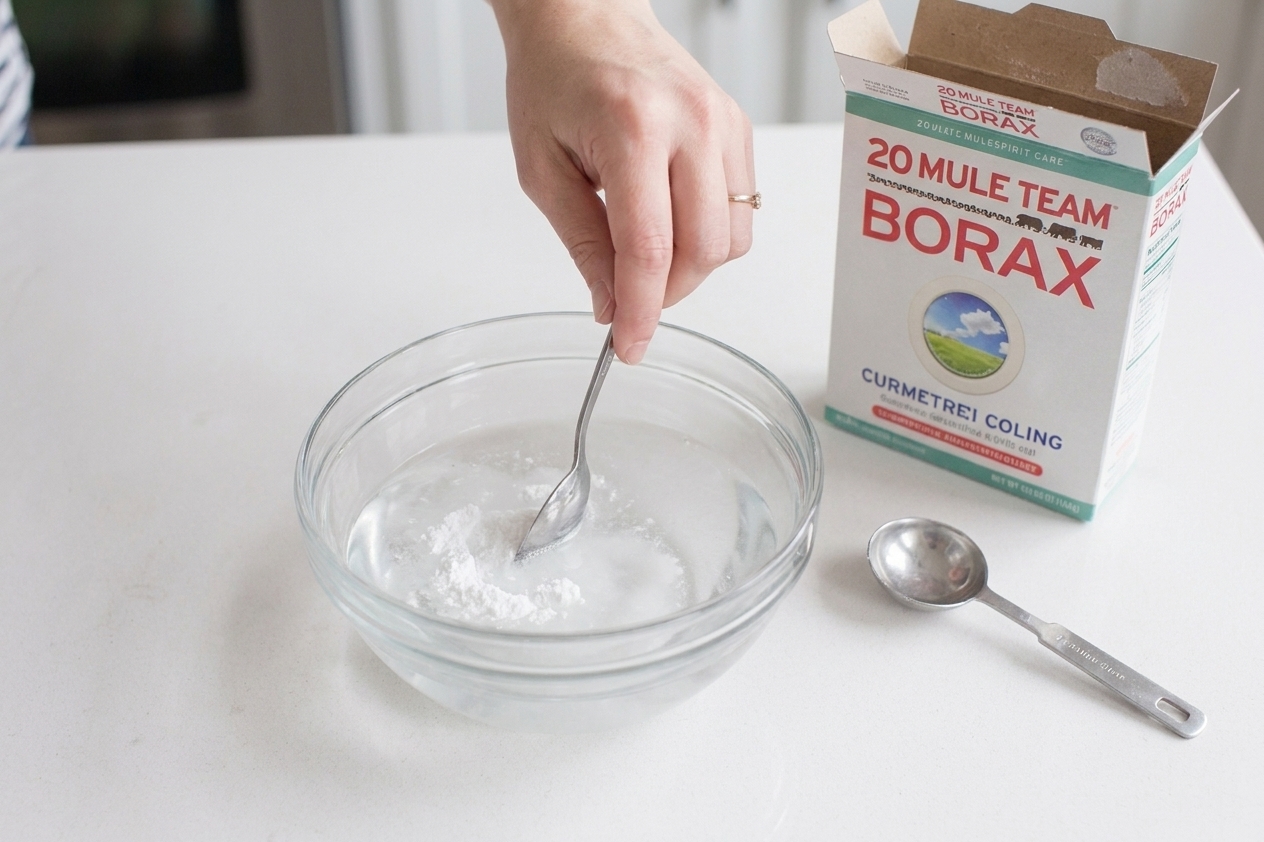
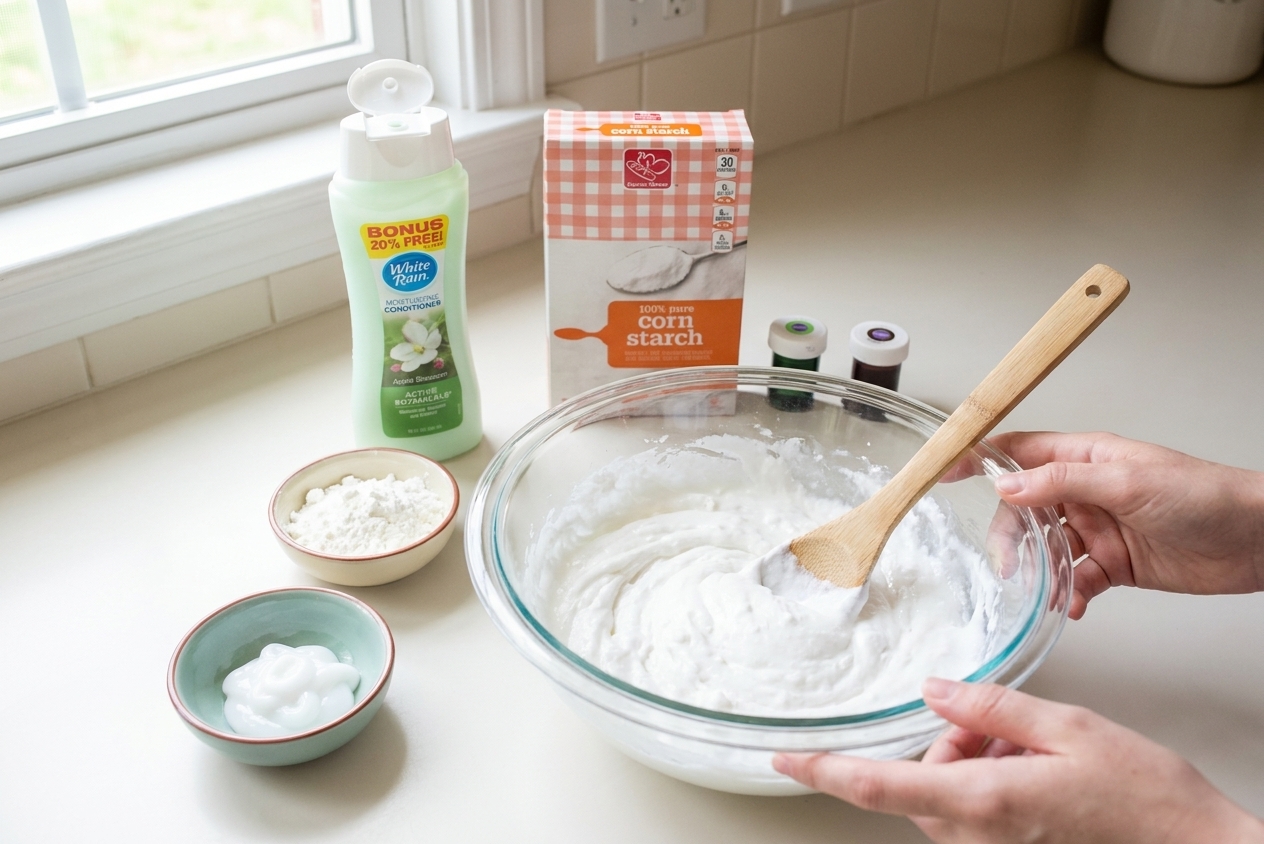
White school glue, a borax box, measuring spoons, and two mixing bowls arranged on a clean kitchen counter

Why It Works

  • Fast set, less guesswork: mixing the borax into warm water first helps it dissolve so your gloop sets more evenly.
  • Texture control: you add the borax solution a little at a time, so you can stop when it is stretchy instead of turning it into a bouncy eraser.
  • Easy to rescue: sticky gloop usually just needs a short rest and a tiny splash more activator, while rubbery gloop can be softened with warm water and a touch of glue.
  • Accessible ingredients: common school glue, water, and a small amount of borax. Food coloring is optional for extra fun.

Pairs Well With

Storage Tips

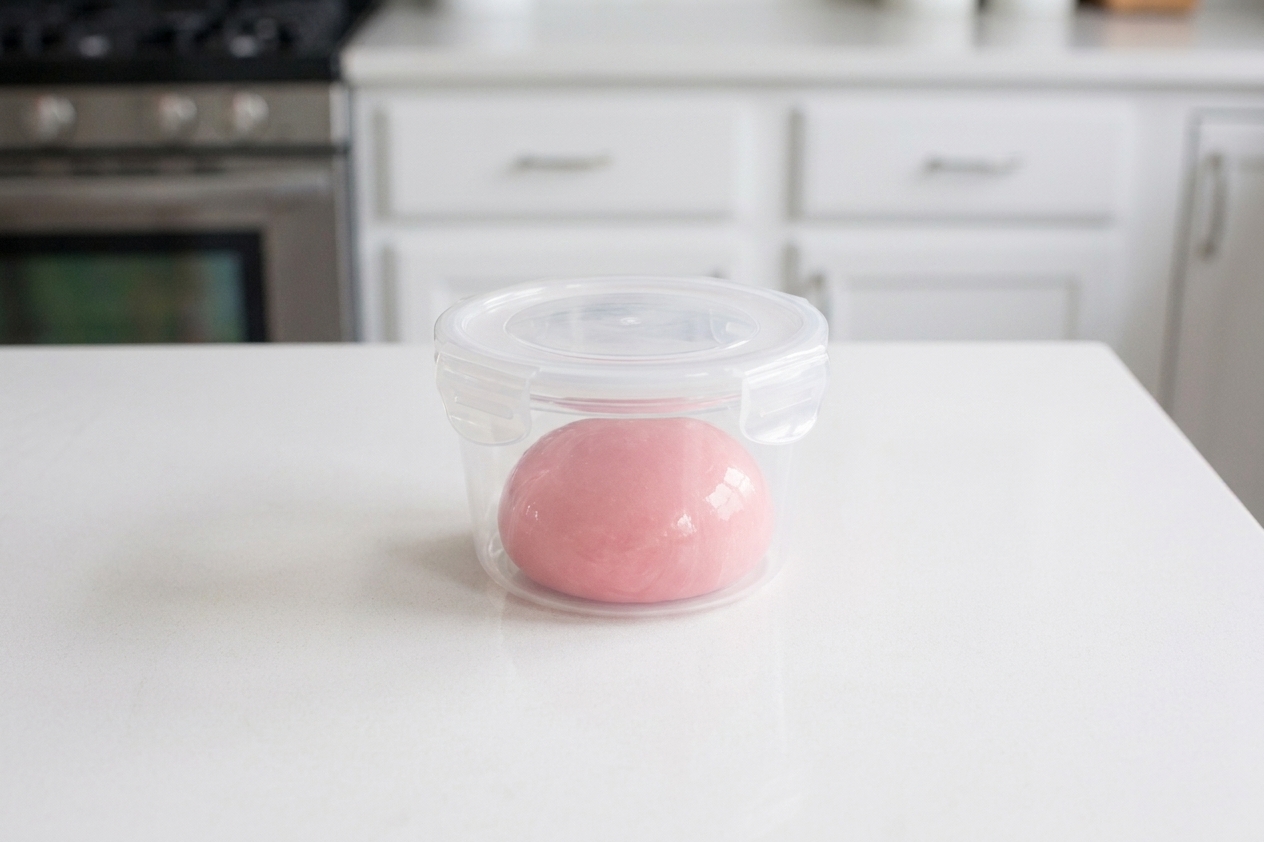
Short term: Store gloop in an airtight container or zip-top bag typically at room temperature for 1 to 2 days, or in the fridge for up to 1 week. Squeeze out extra air so it does not dry out as quickly.

If it gets a little wet: That is normal. Pour off any excess liquid and knead for 30 to 60 seconds.

If it gets stiff: Knead in a few drops of warm water at a time until it loosens up.

When to toss it: If it smells off, grows fuzz, or looks discolored in a suspicious way, thank it for its service and throw it out.

Common Questions

Is borax gloop safe?

Borax is a chemical (sodium borate) that can irritate skin and eyes and is harmful if swallowed. Treat it like you would any household chemical: avoid ingestion, keep it away from eyes and mouths, and wash hands after play. Adult supervision is recommended, and I do not recommend this for kids who still mouth objects.

Quick first aid: If it gets in eyes, rinse with running water for several minutes and remove contacts if you have them. If it irritates skin, rinse with soap and water. If swallowed, contact Poison Control right away (US: 1-800-222-1222) and follow their instructions.

Why is my gloop still sticky?

Two common reasons: you need a little more borax solution, or you need time. Add 1 teaspoon of borax solution, knead, then let it rest for 2 to 3 minutes. Repeat if needed. If you dump in too much activator at once, it can go rubbery fast.

Why did my gloop turn rubbery or hard?

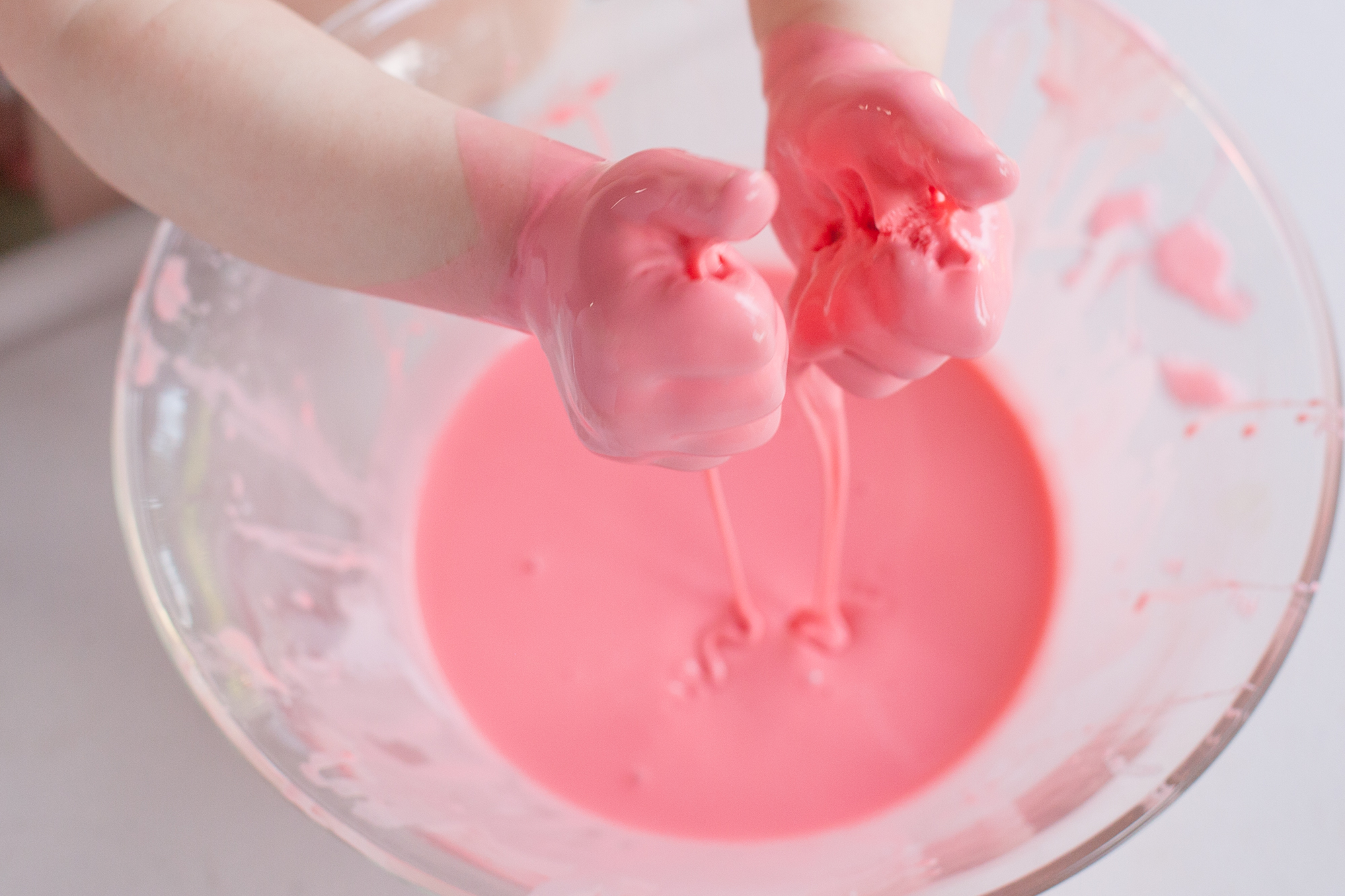
That usually means too much borax solution. Try kneading in 1 teaspoon warm water at a time. If it is still tough, knead in a small drizzle of glue to bring it back toward stretchy.

Can I use clear glue instead of white glue?

Yes. Clear glue often makes a more translucent gloop, but it can feel slightly different depending on the brand. The method is the same.

Can I make it without borax?

Yes. Many people use contact lens solution with baking soda, liquid starch, or other slime activators. This recipe is specifically for the classic borax version.

Will gloop stain clothes or surfaces?

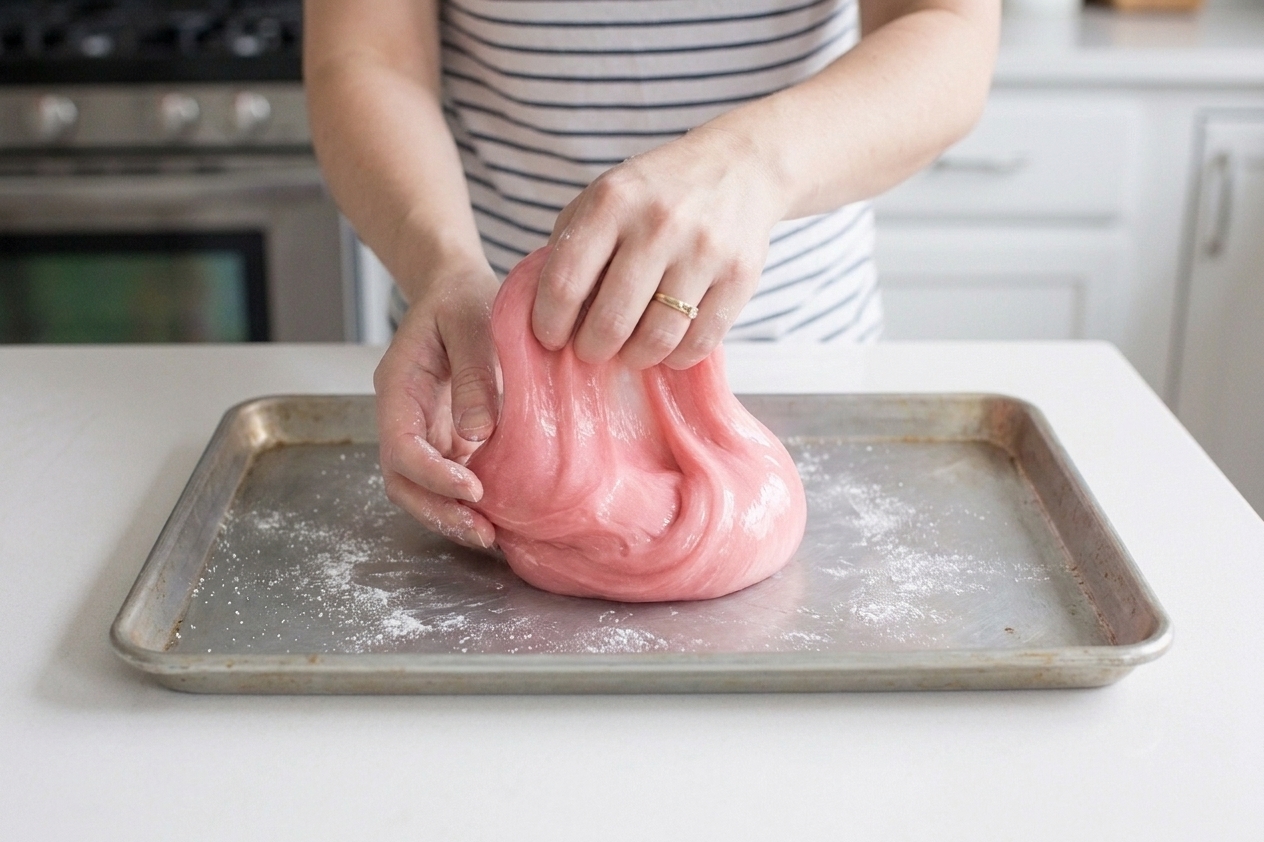
Food coloring can stain. If you add color, go light and mix it thoroughly. I recommend playing on a washable surface like a tray, baking sheet, or silicone mat.

How do I clean it up?

Wash bowls and tools with warm, soapy water. If you get residue on a counter, a little warm water and a wipe usually does it. If it is being stubborn, a splash of vinegar can help loosen borax residue before you wipe and rinse.

I did not take the “traditional” culinary school route, but I still love anything that teaches you how ingredients behave. Gloop is basically a tiny lesson in texture and chemistry that you can feel with your hands. The first time I made it, I over-activated it and ended up with something that could probably bounce down the stairs. Now I add the borax like seasoning. Slow, test, adjust. Also, yes, I still get a weird amount of joy from that moment it goes from glue soup to an actual blob you can pick up.